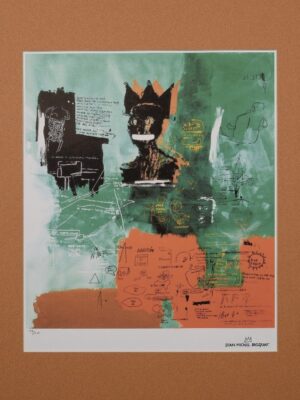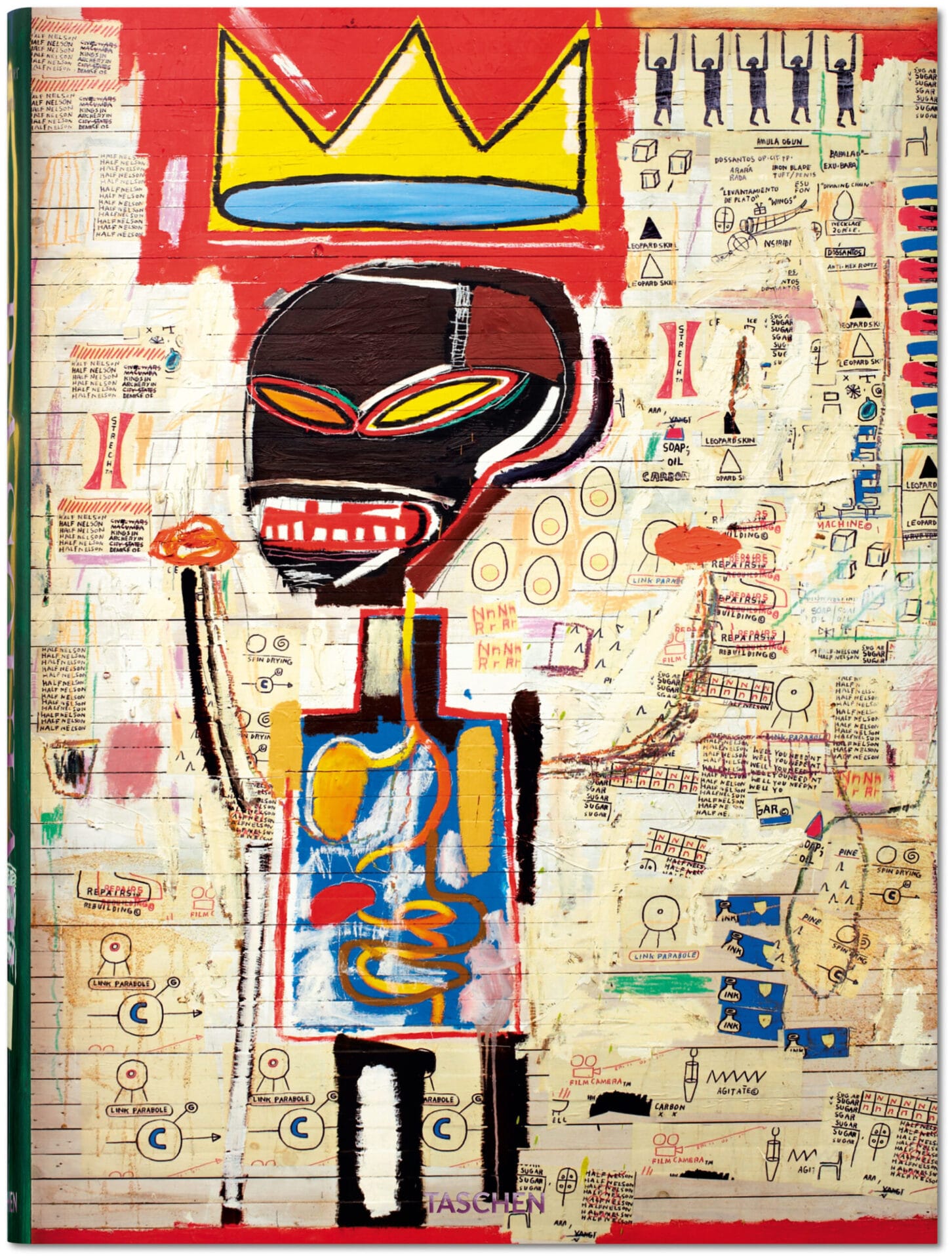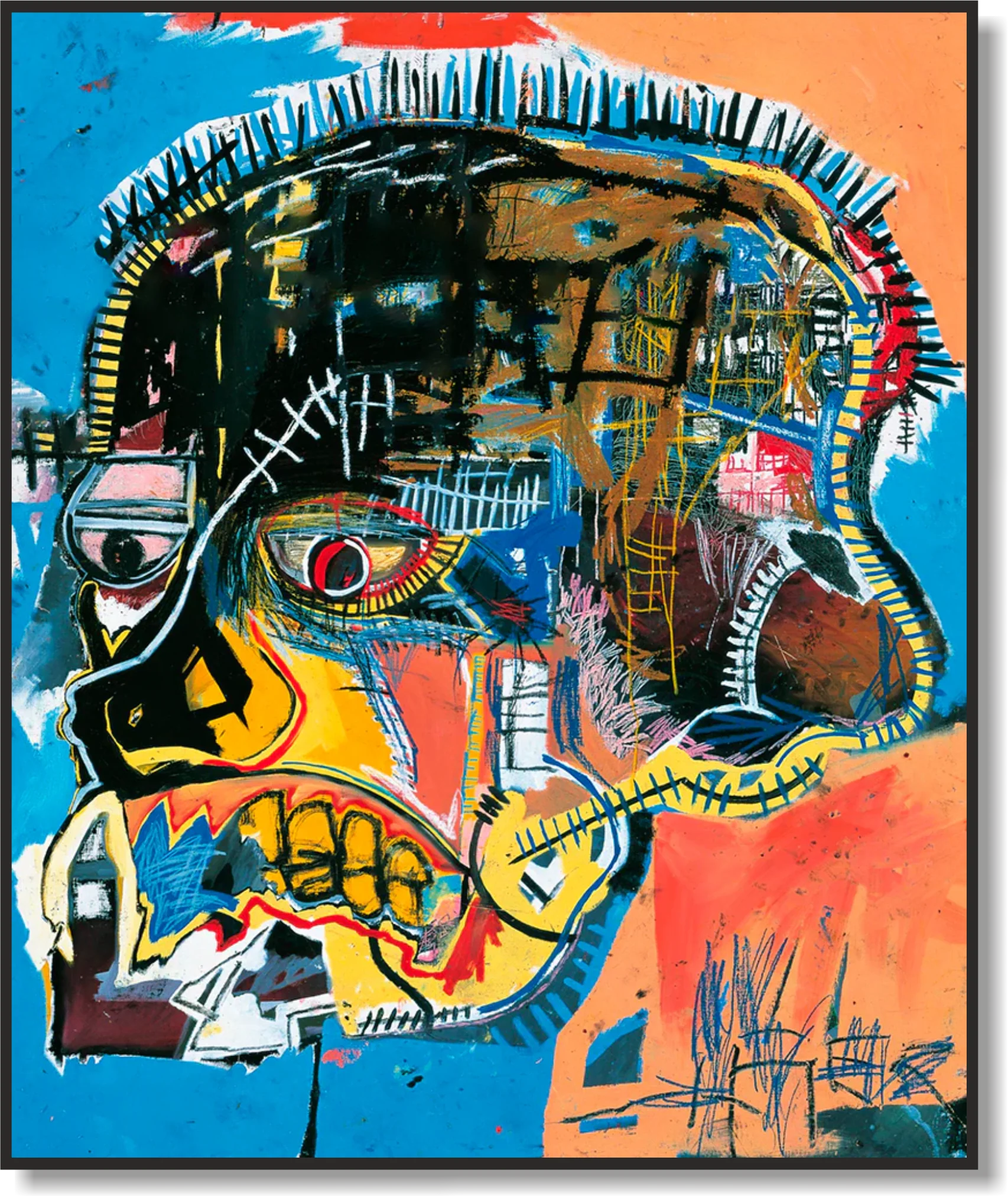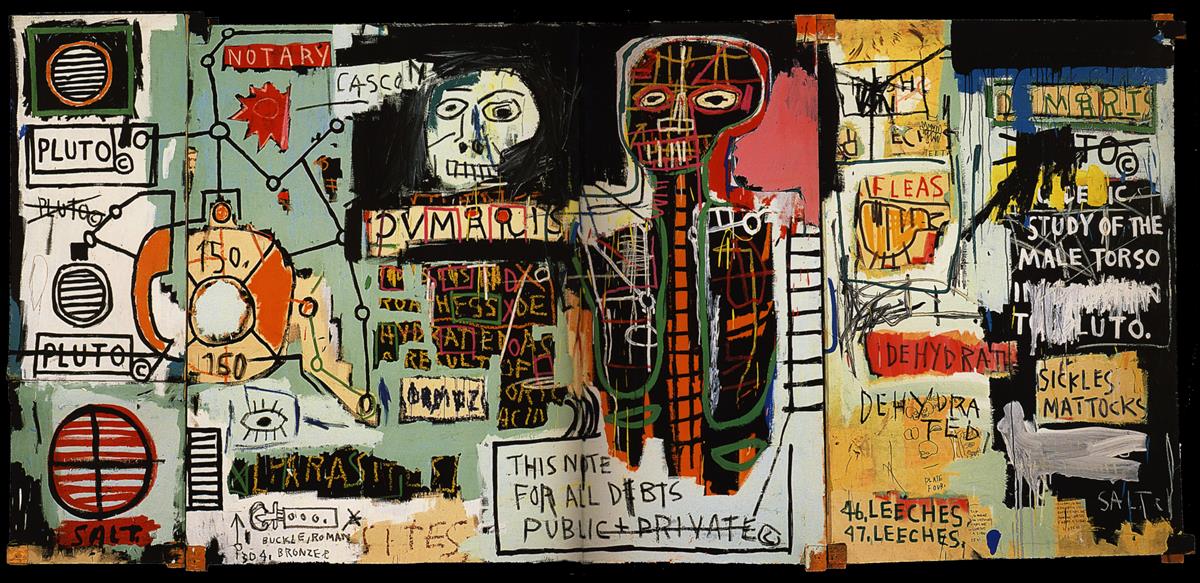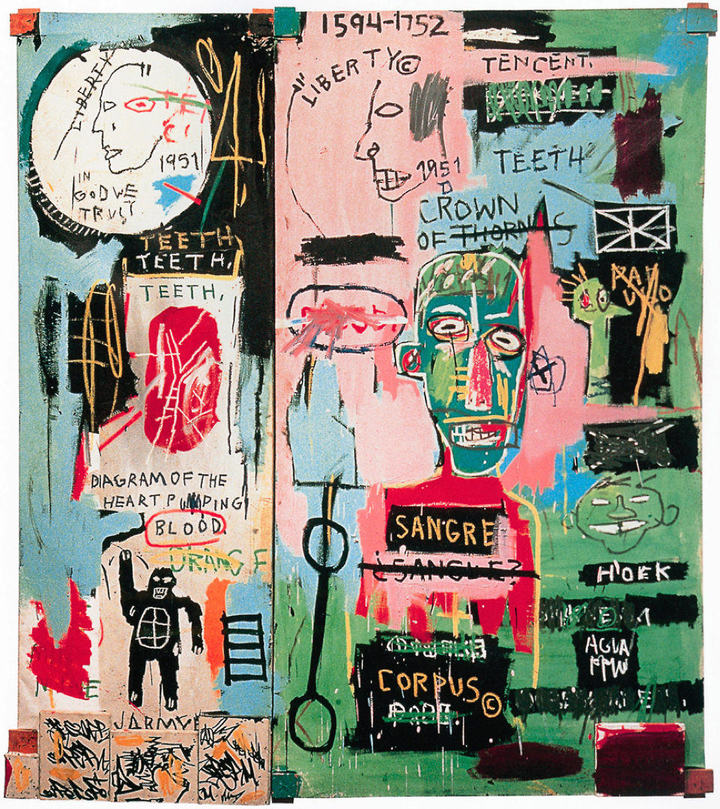

Jean-Michel Basquiat (born December 22, 1960, in Brooklyn, New York – died August 12, 1988, in the same city) was an American contemporary artist.
His mother, Matilde, was Puerto Rican, and his father, Gerard, was Haitian. From a young age, Basquiat showed a strong interest in art and painting. At the age of seven, after being hospitalized due to a car accident, his mother gave him a copy of Gray’s Anatomy by Henry Gray. He was captivated by the illustrations in the book, which later became a source of inspiration for his artwork. He also founded a music band called “Gray.”
His parents separated but never officially divorced. After the separation, his mother fell into depression and was later hospitalized in a psychiatric facility. During that time, Basquiat was raised by his strict and sometimes abusive father, who worked as an accountant. At the age of 15, Basquiat ran away from home after his father caught him smoking marijuana in his room. He spent a week sleeping on park benches before being arrested and returned to his father’s care.
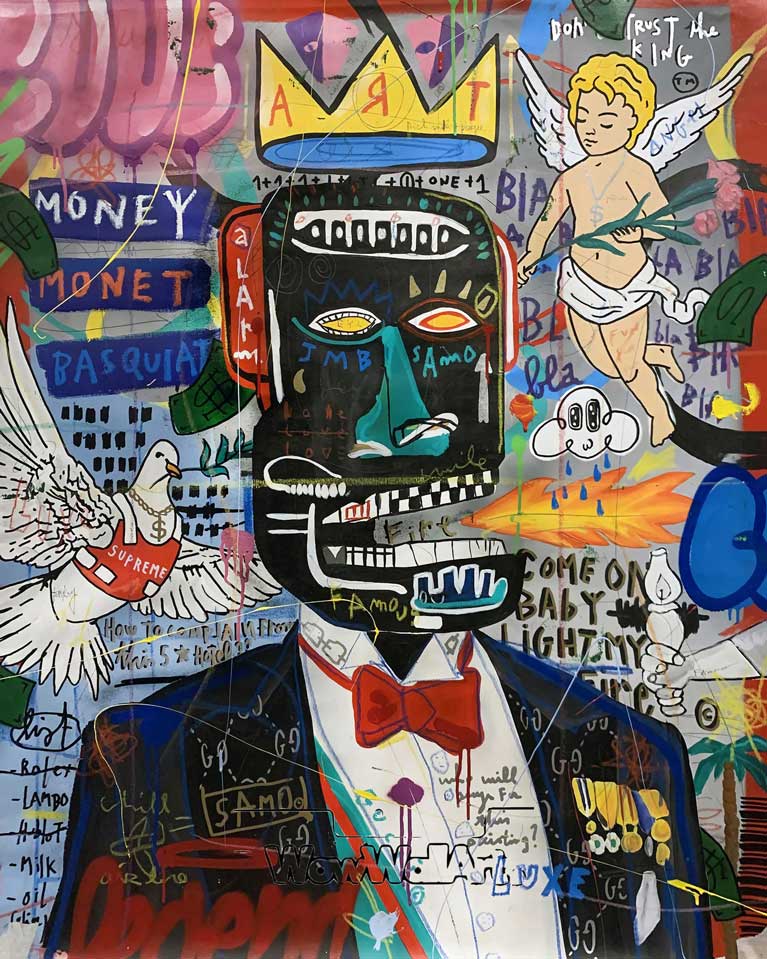
At 17, Basquiat began painting graffiti across Manhattan walls with his friend Al Diaz, signing their work with the cryptic tag “SAMO” (short for “Same Old Shit”). The graffiti featured sharp, provocative phrases like: “Plush safe he think; SAMO.” In December 1978, The Village Voice published an article about their work. The project came to an end with the message “SAMO IS DEAD” appearing on SoHo buildings.
In 1978, Basquiat left home and dropped out of Edward R. Murrow High School a year before graduation. He moved into the city, staying with friends and surviving by selling T-shirts and postcards on the street. During periods of homelessness, he sometimes slept in cardboard boxes in parks. He also began painting more seriously. His diet reportedly consisted of cheap red wine and bags of Cheetos.
In 1981, poet, art critic, and cultural provocateur Rene Ricard published the article The Radiant Child in Artforum magazine, which launched Basquiat into the spotlight and sparked his rapid rise in the international art scene.
By 1982, his works were regularly featured in New York galleries. That year, he began dating an aspiring singer — Madonna — and also met renowned pop-art figure Andy Warhol. The two struck up a close friendship and collaborated on more than 100 artworks.
By 1984, many of his friends were growing concerned about his increasing drug use, particularly heroin. In 1985, Basquiat appeared on the cover of The New York Times Magazine. His popularity continued to grow, and his work was exhibited in solo shows — including across Europe.
Basquiat died in 1988 from a heroin overdose.
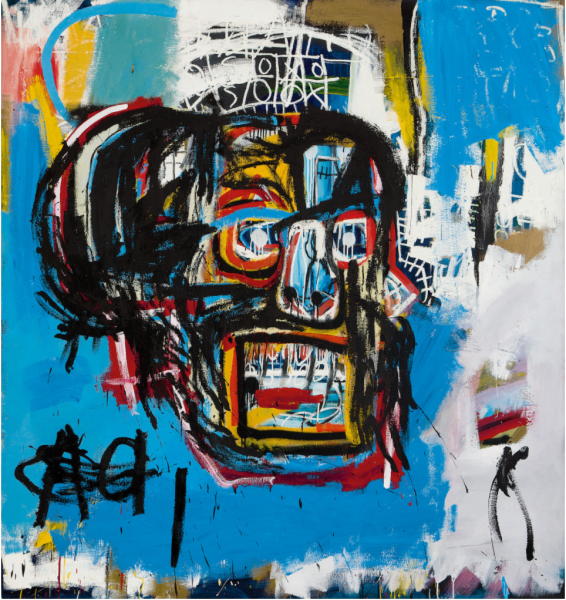
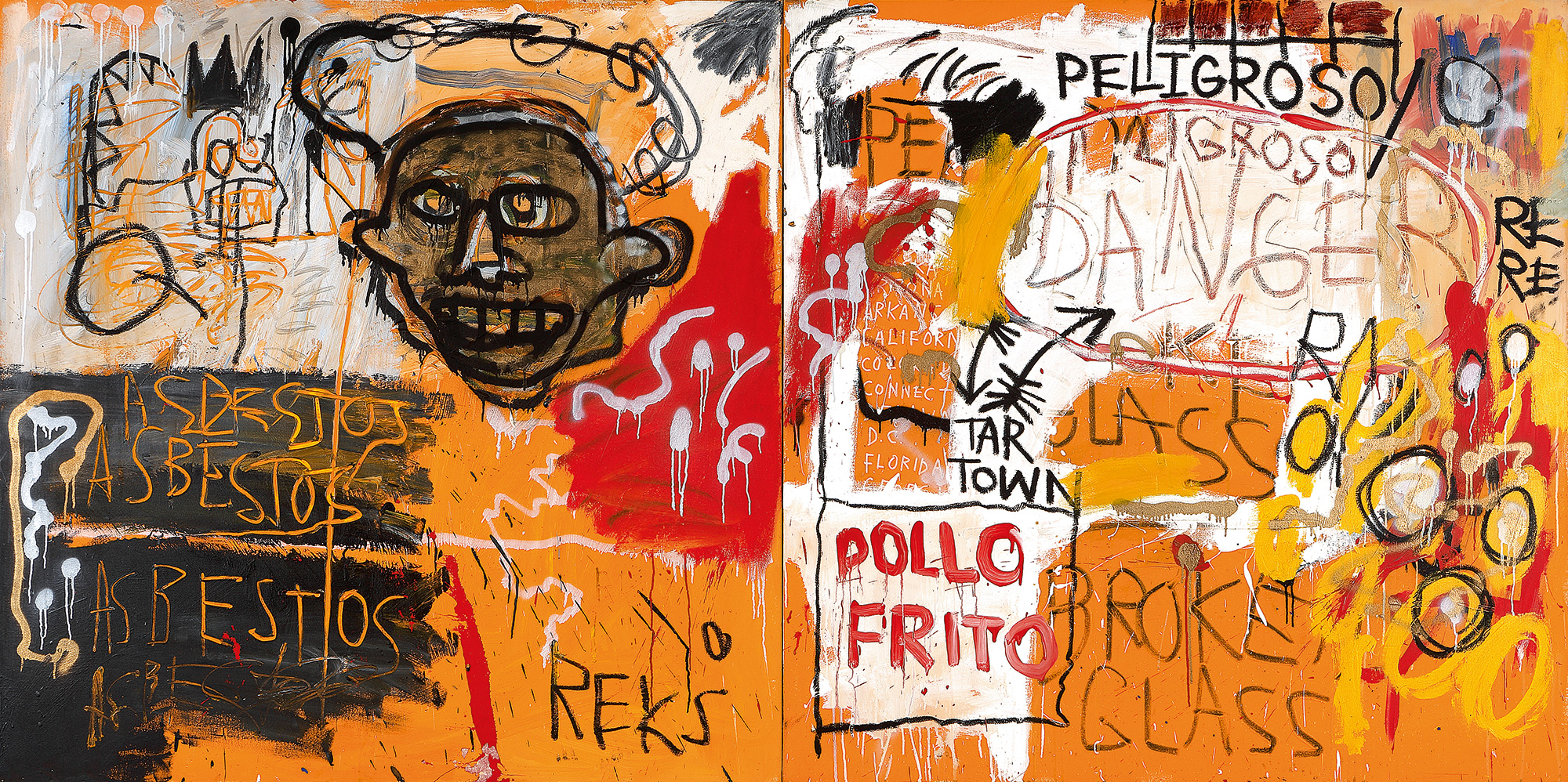
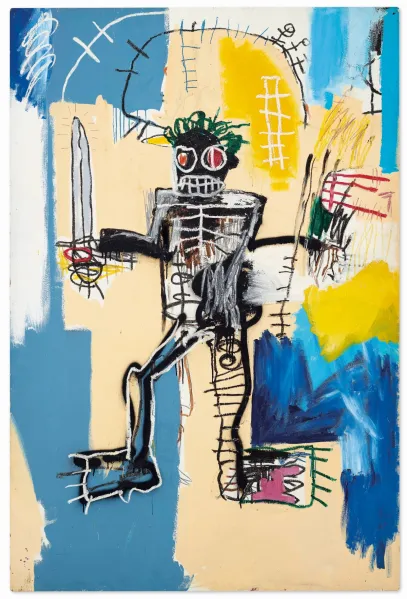
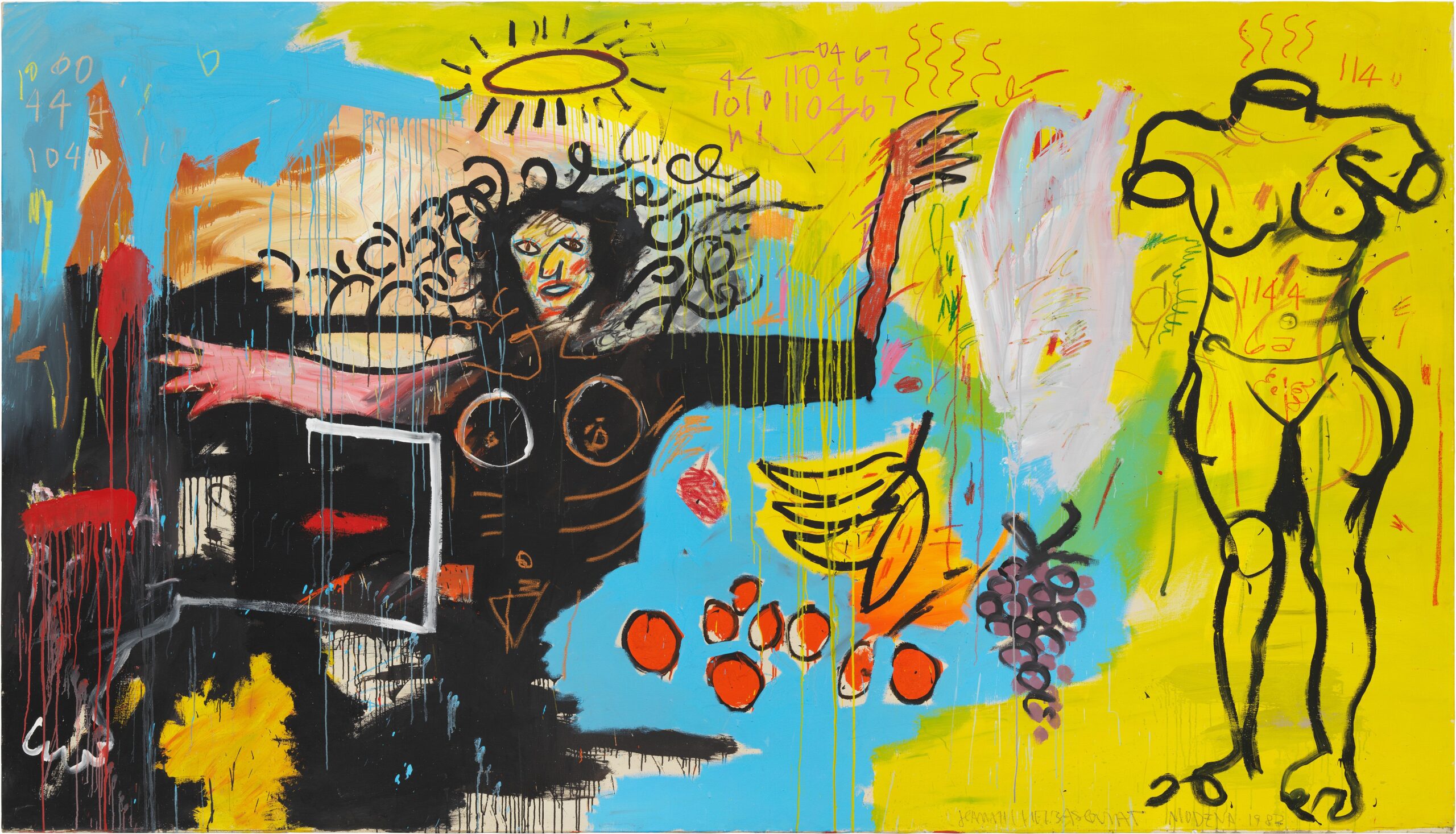
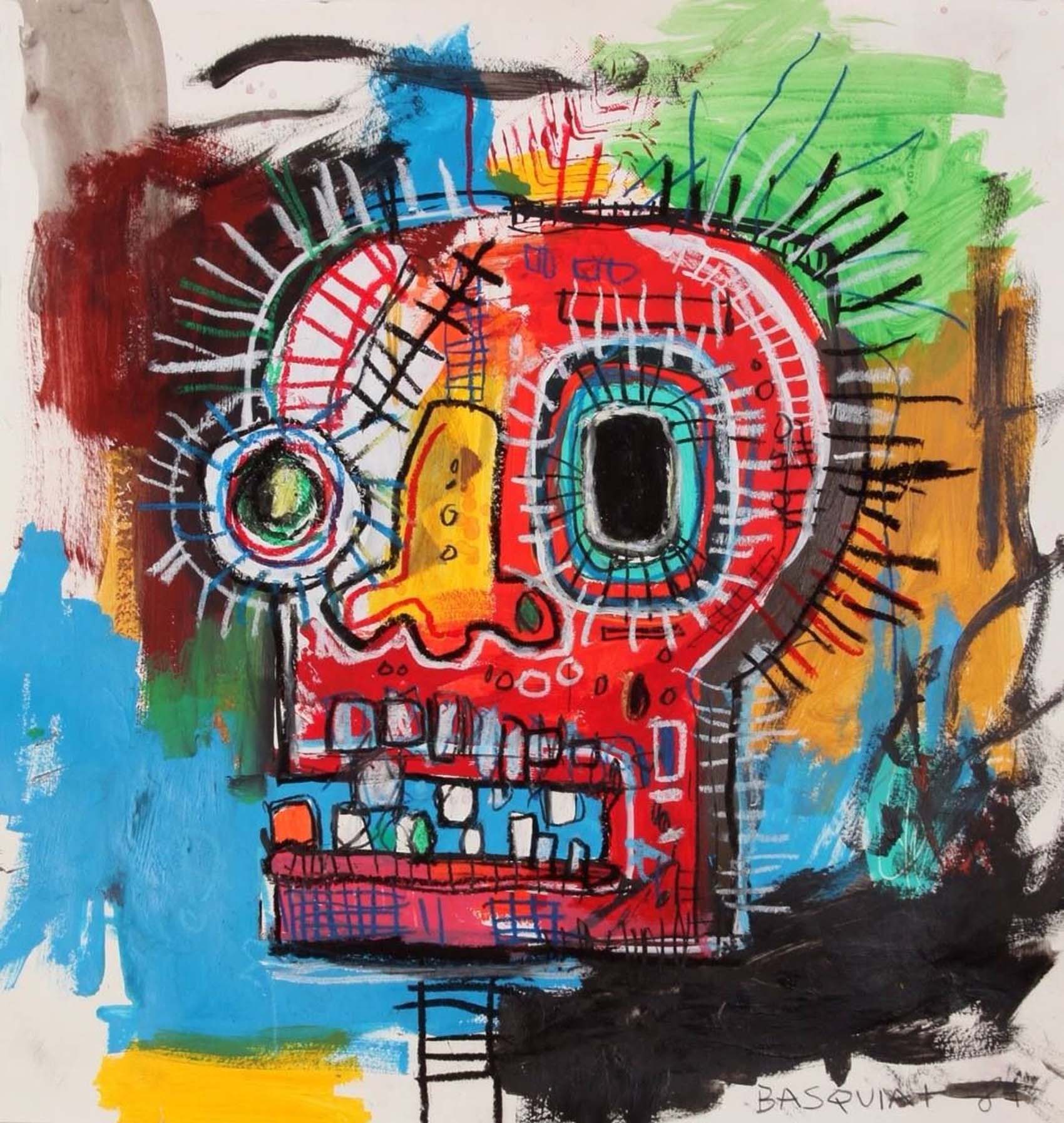
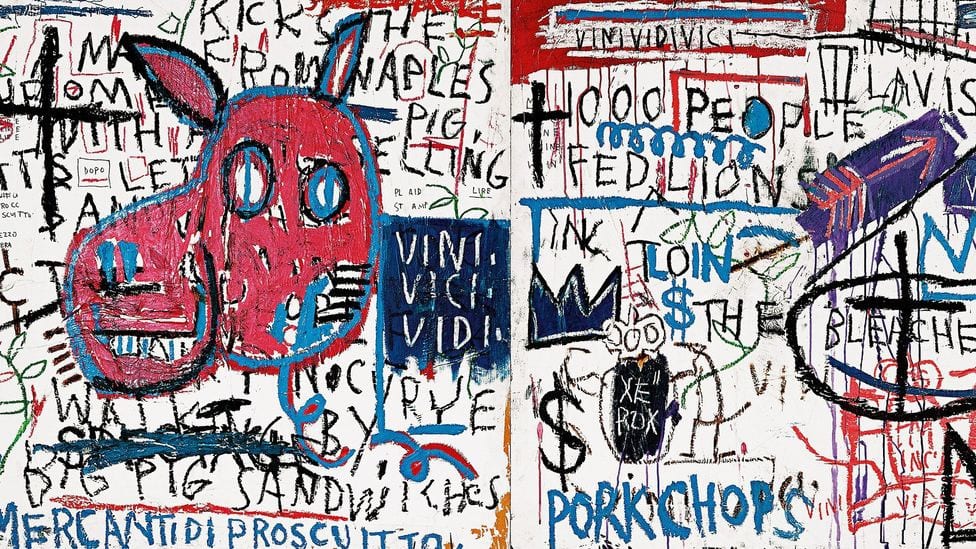
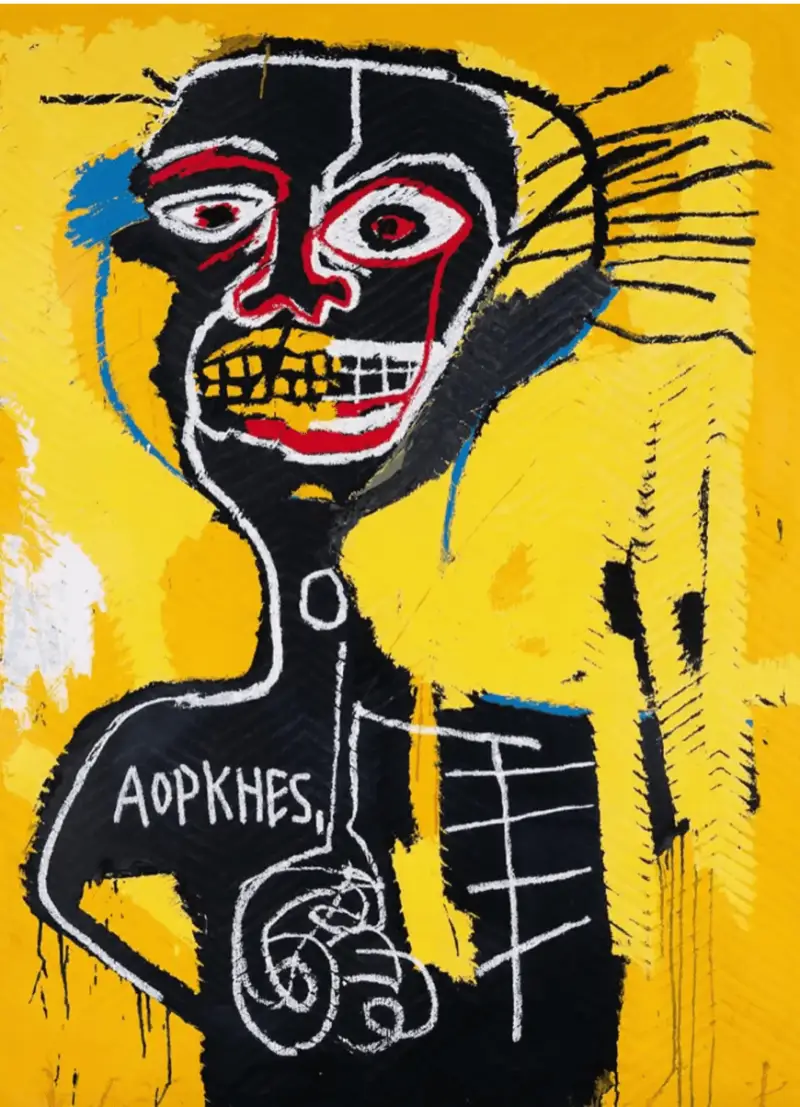
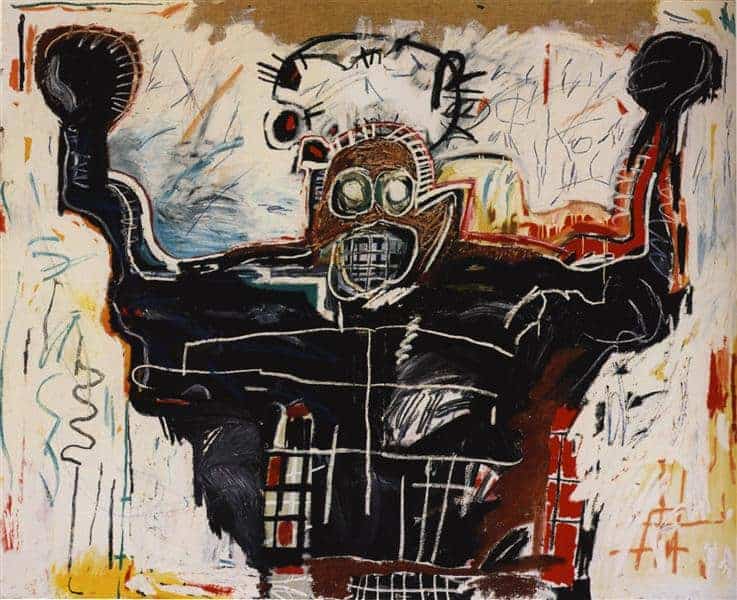
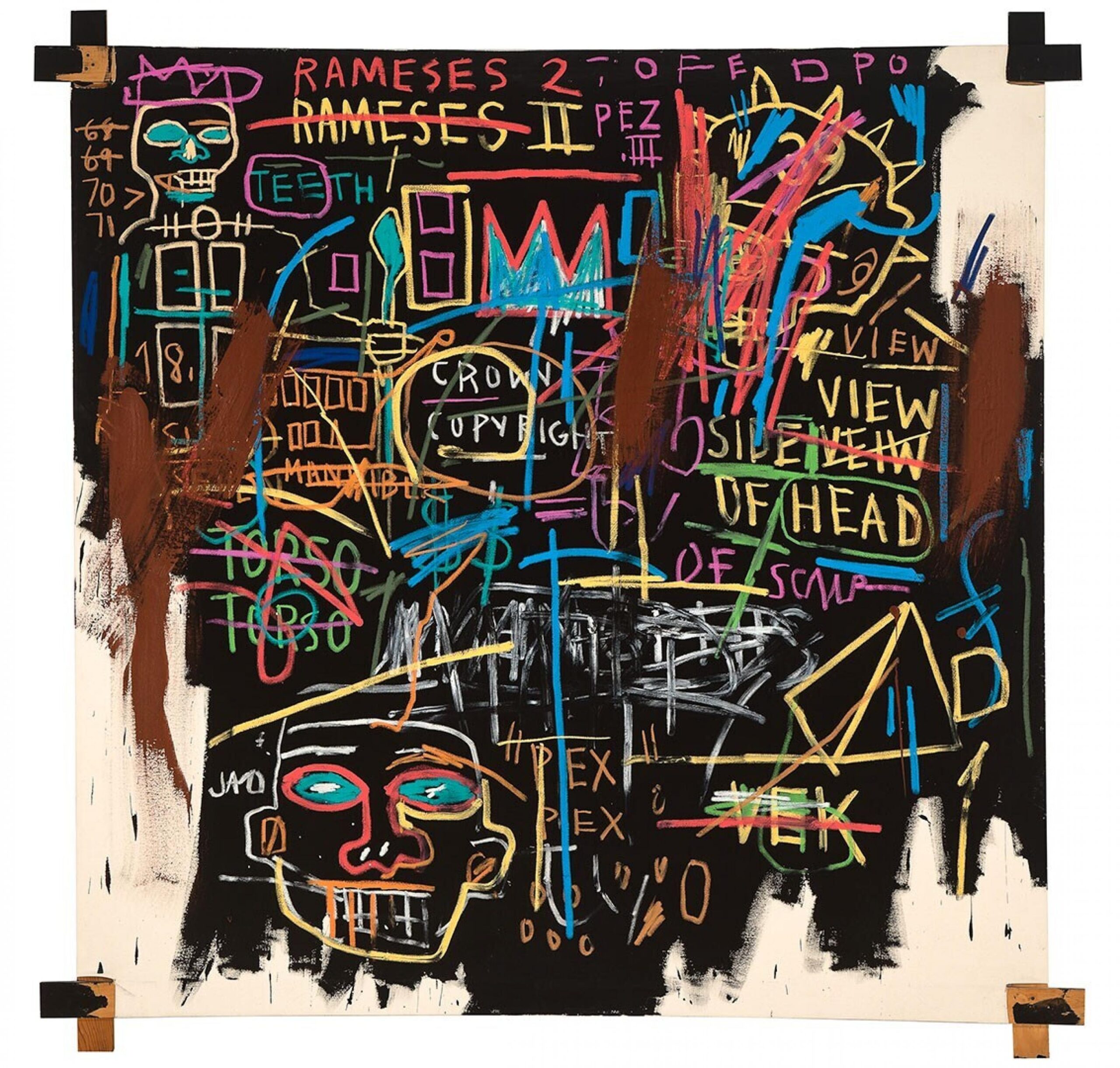
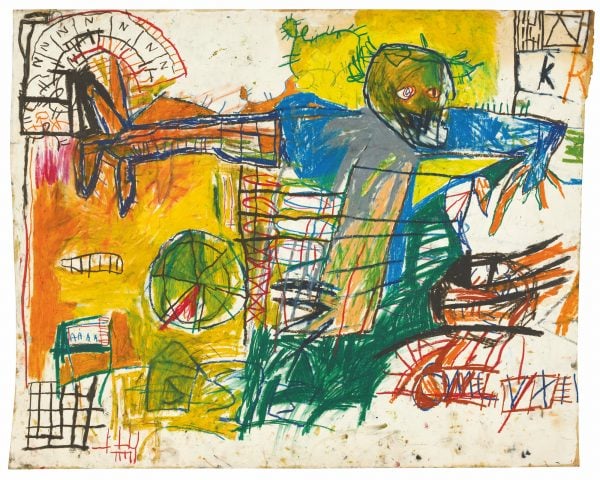
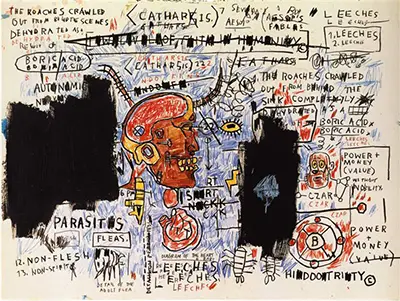
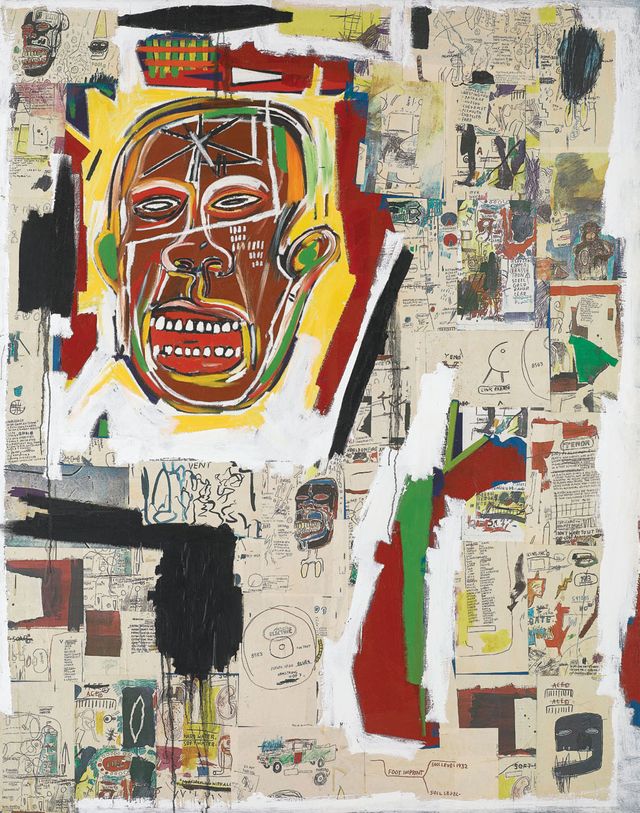
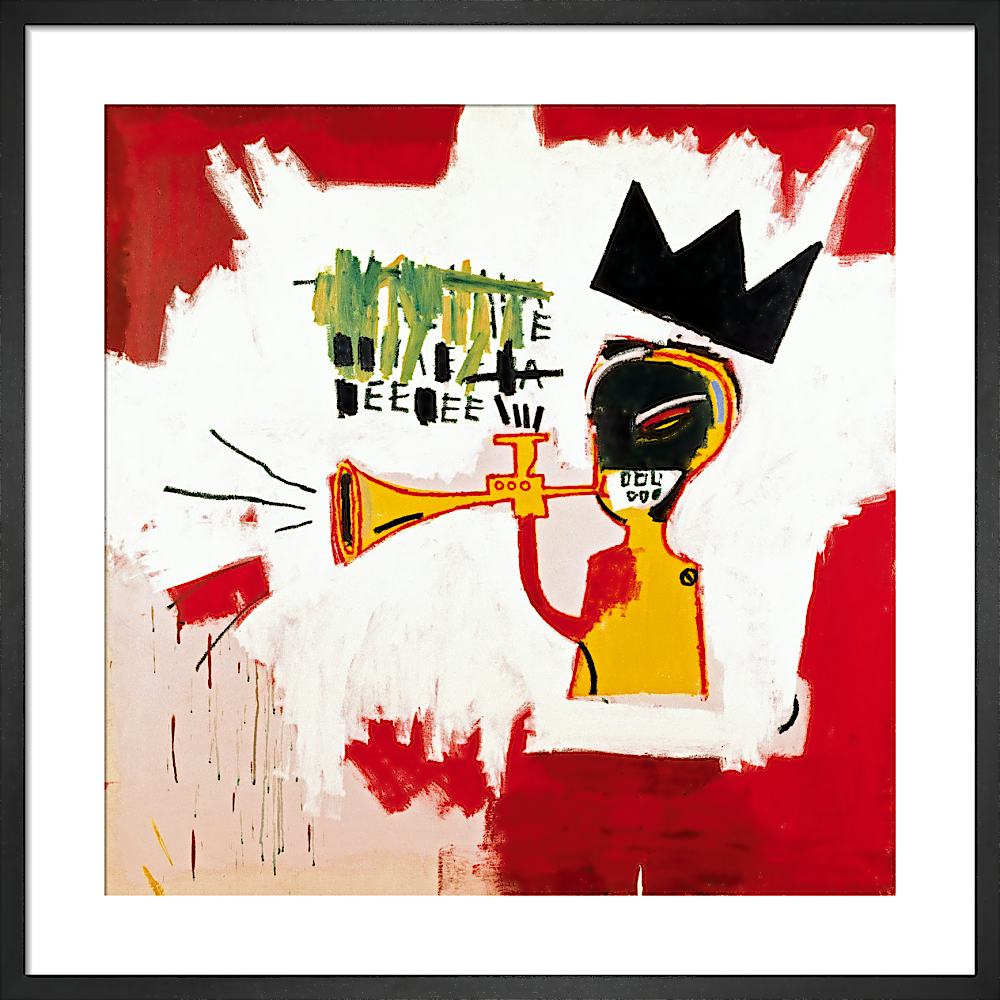
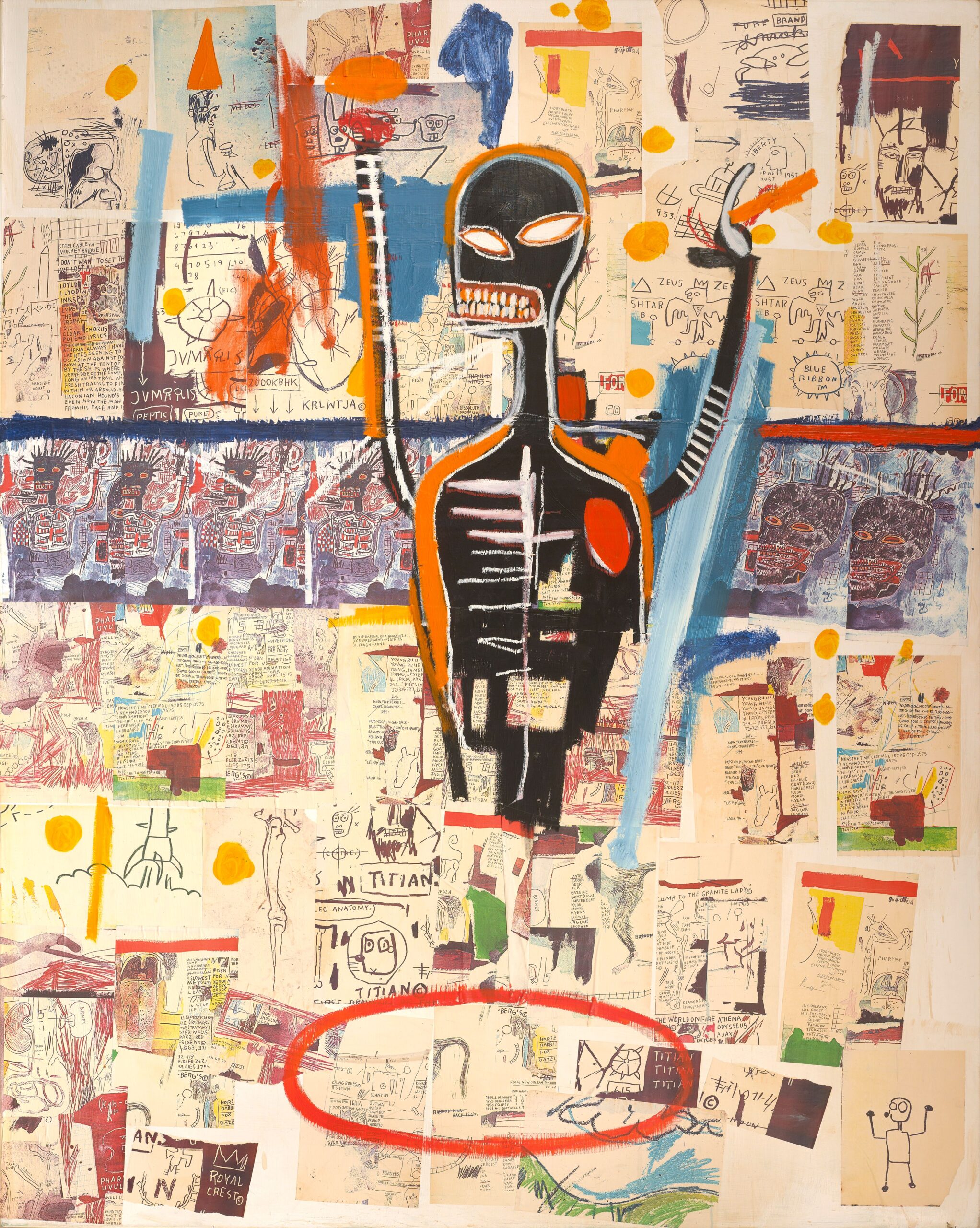
Basquiat began as a graffiti artist and later moved into painting, becoming a key figure in the Neo-Expressionist movement. His works are known for combining elements of African tribal art, modern street art, handwritten text, comic-style visuals, and cultural archetypes.
United States
Whitney Museum of American Art, New York
The Broad, Los Angeles, CA
The Brooklyn Museum, Brooklyn, NY
The Menil Collection, Houston, TX
Museum of Modern Art (MoMA), New York
Museum of Contemporary Art, Los Angeles, CA
The Andy Warhol Museum
High Museum of Art, Atlanta, GA
The Metropolitan Museum of Art, New York
Rubell Museum
Canada
Vancouver Art Gallery, Vancouver, BC
Asia
Fukuoka Art Museum
Guggenheim Abu Dhabi
Europe
The Daros Collection – Zurich, Switzerland
MACBA – Museu d’Art Contemporani de Barcelona, Spain
Ludwig Forum Aachen, Germany
Museum Boijmans Van Beuningen, Rotterdam, The Netherlands
Two of Art | KvK: 94351813 | Teilingen 79, 1082JR Amsterdam, Netherlands