
Born 1886 Murzynno
Died 1955 Łódź
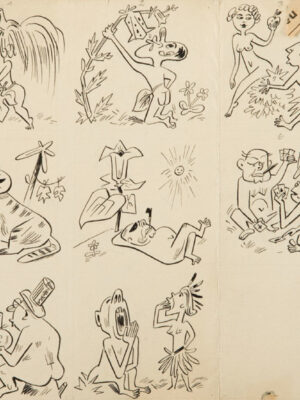
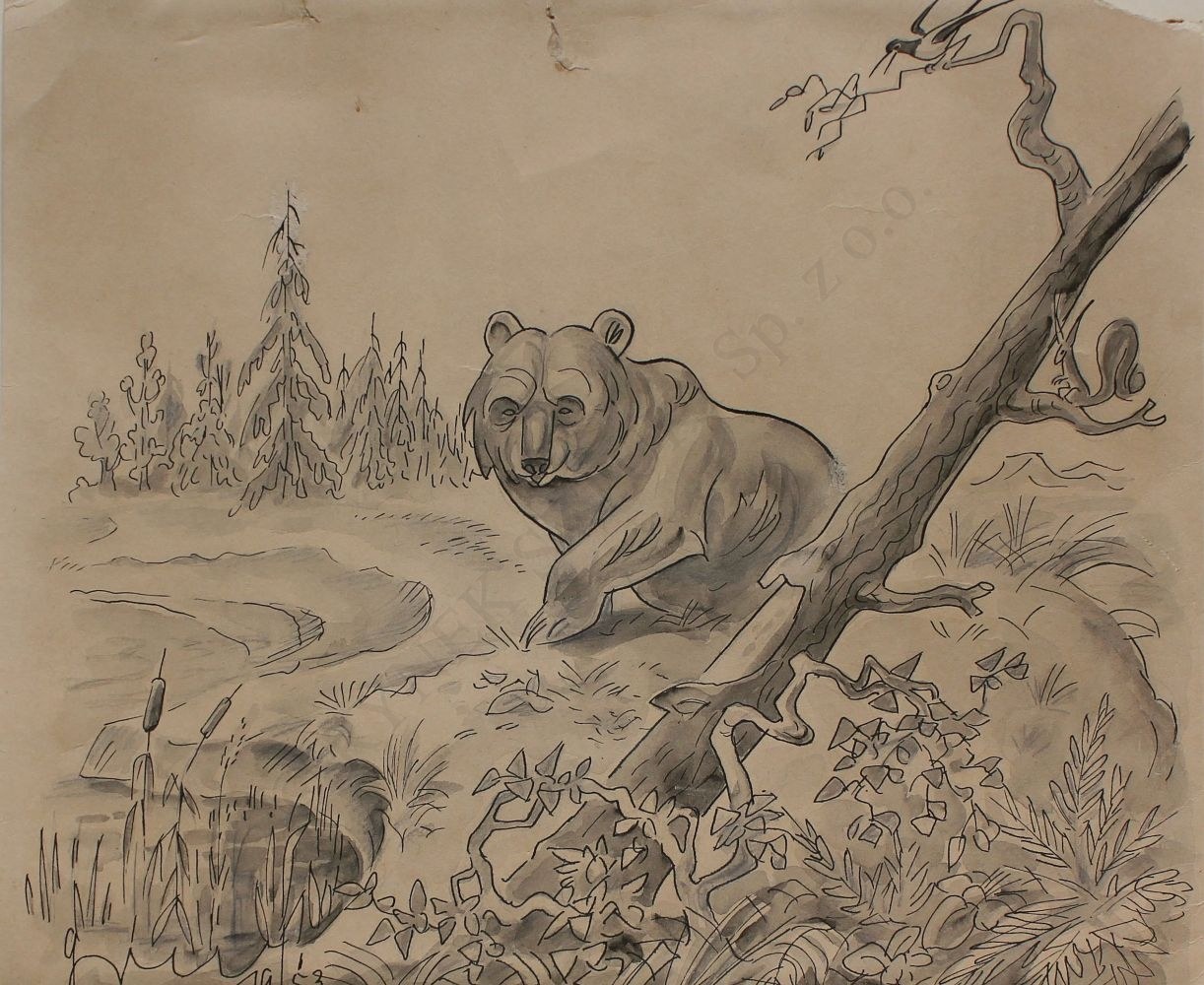
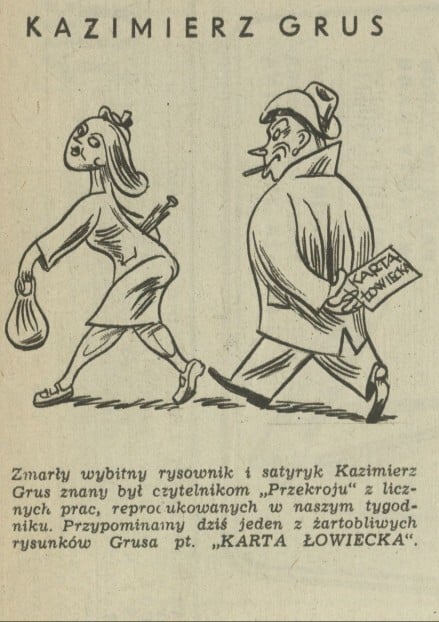
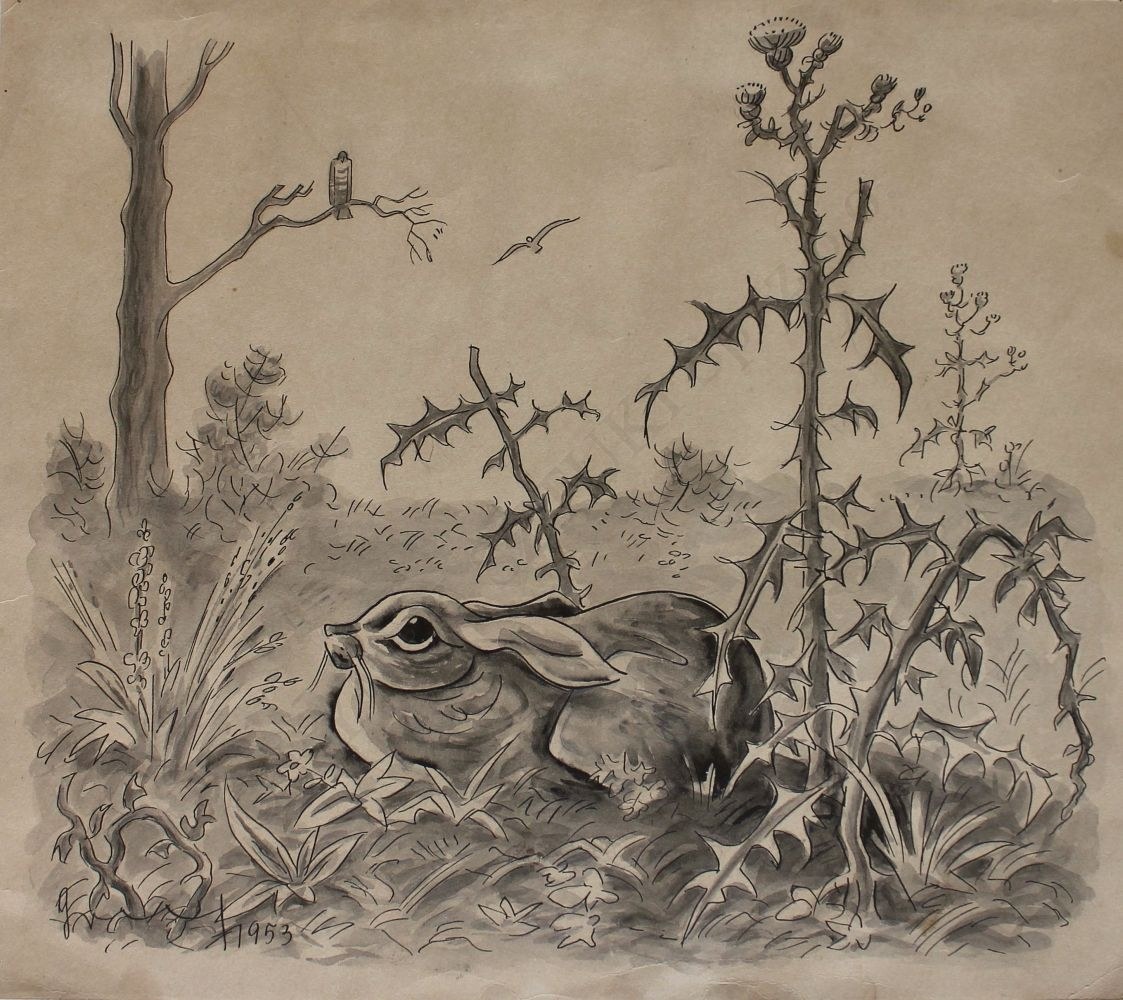
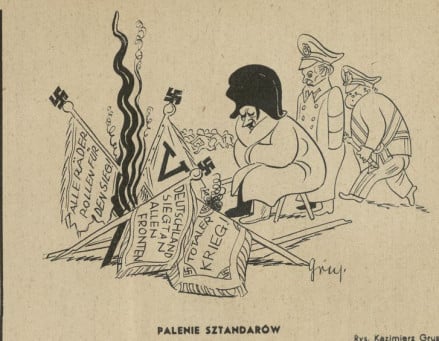
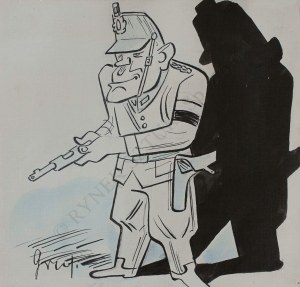
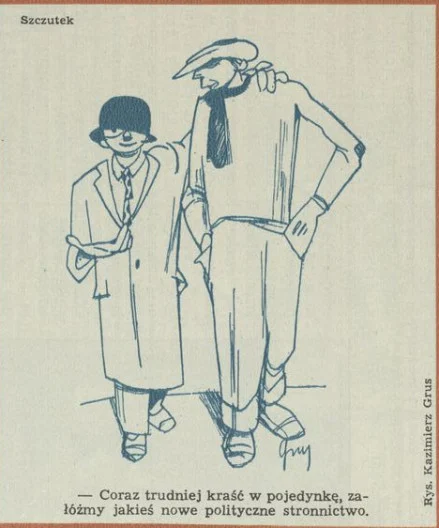
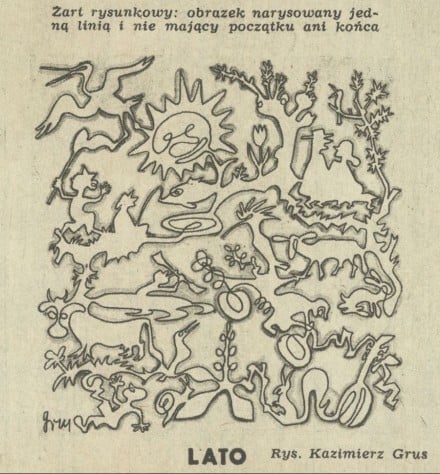
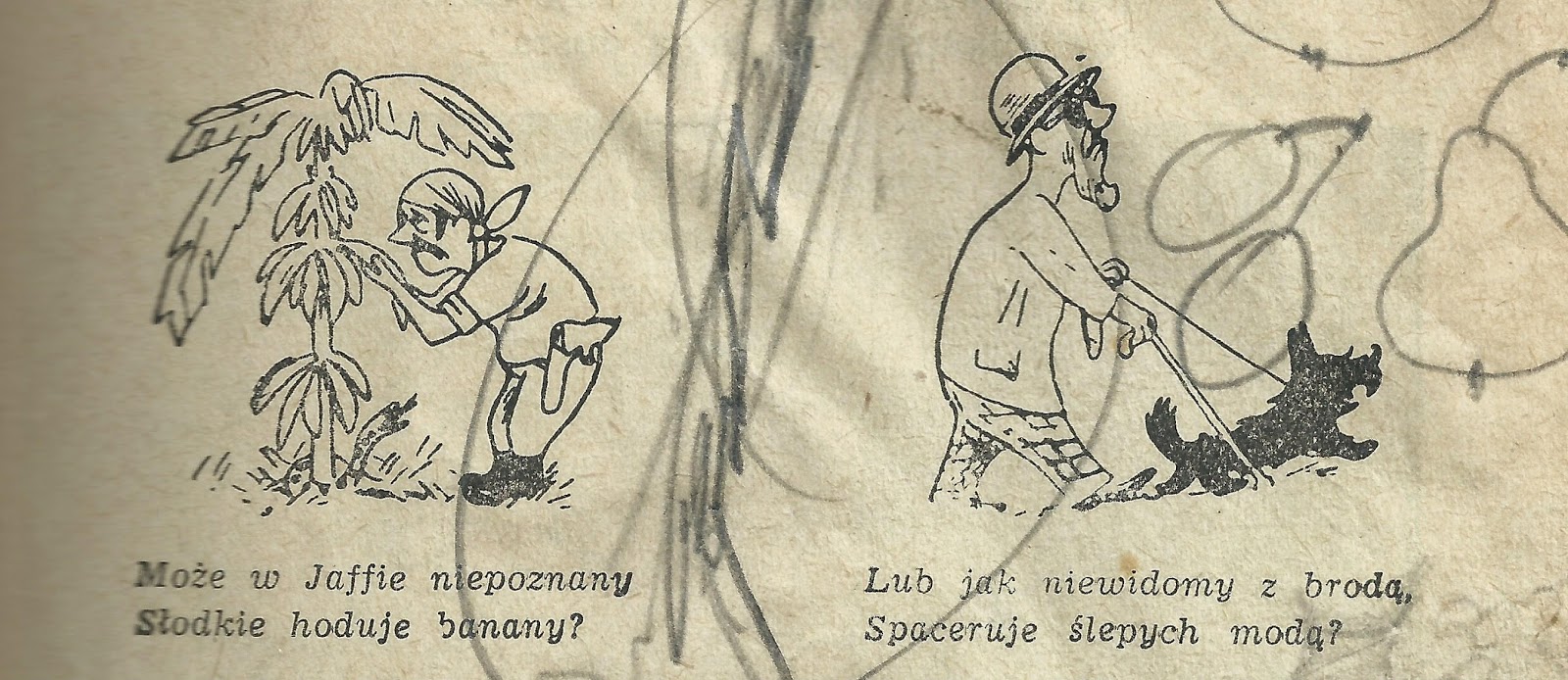
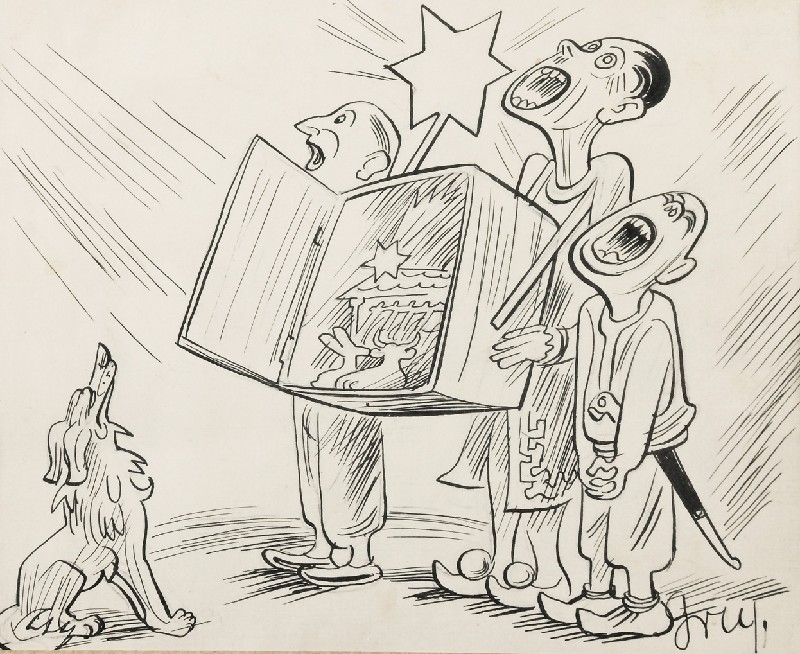
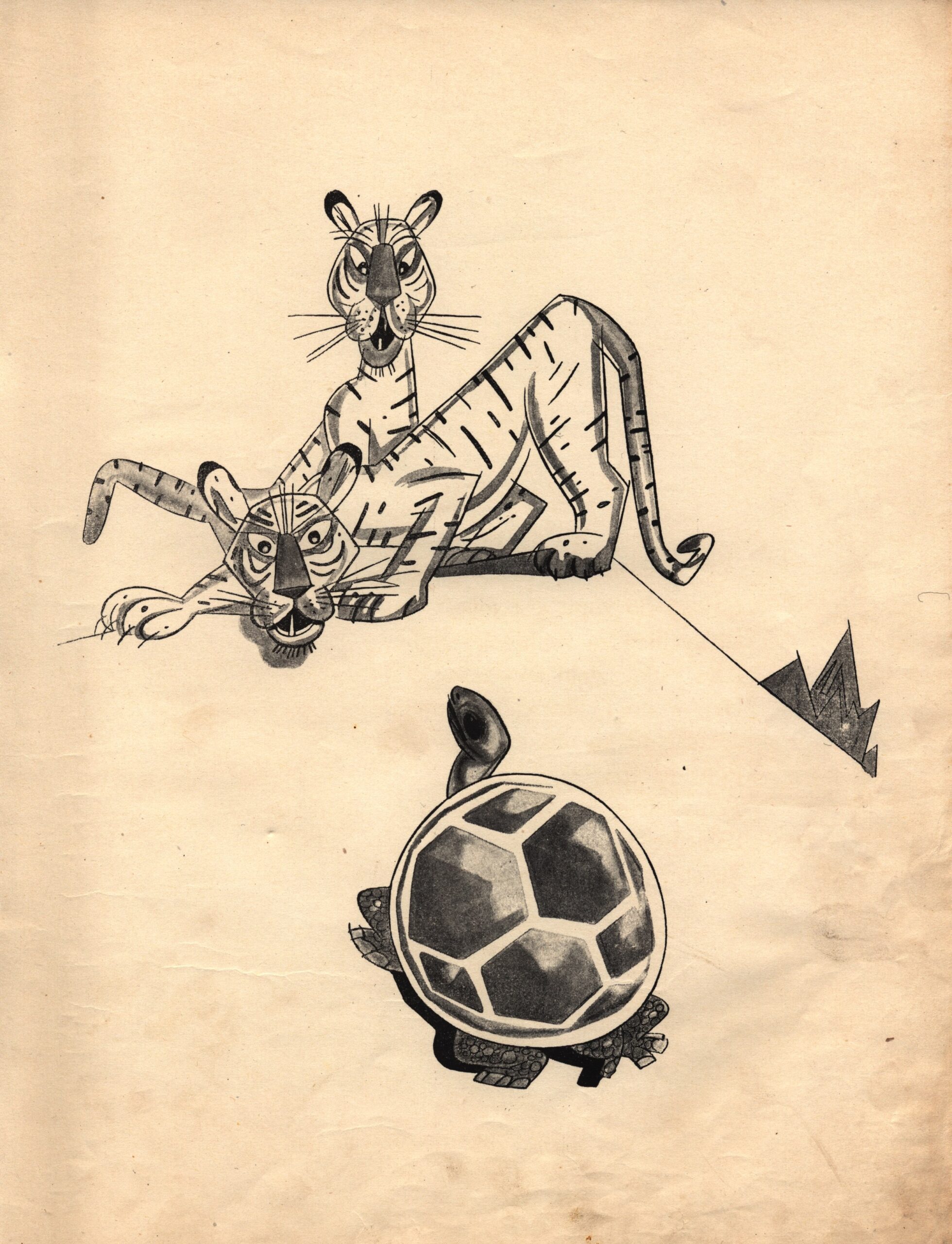
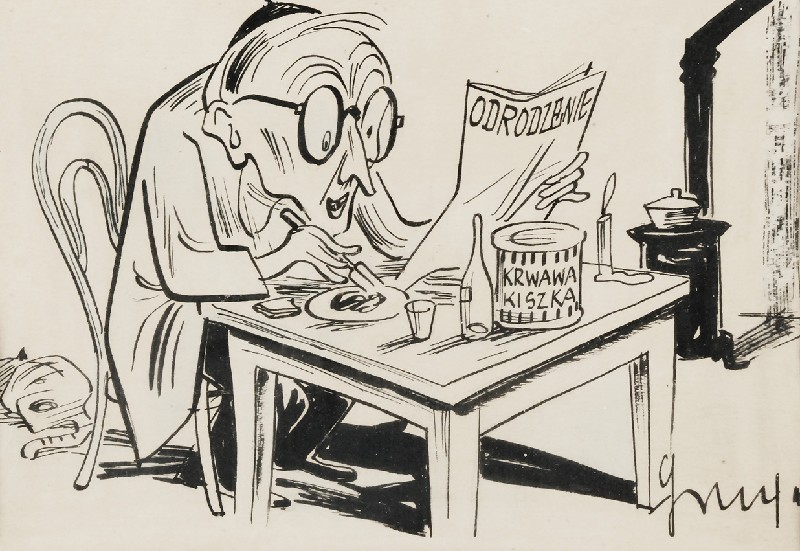
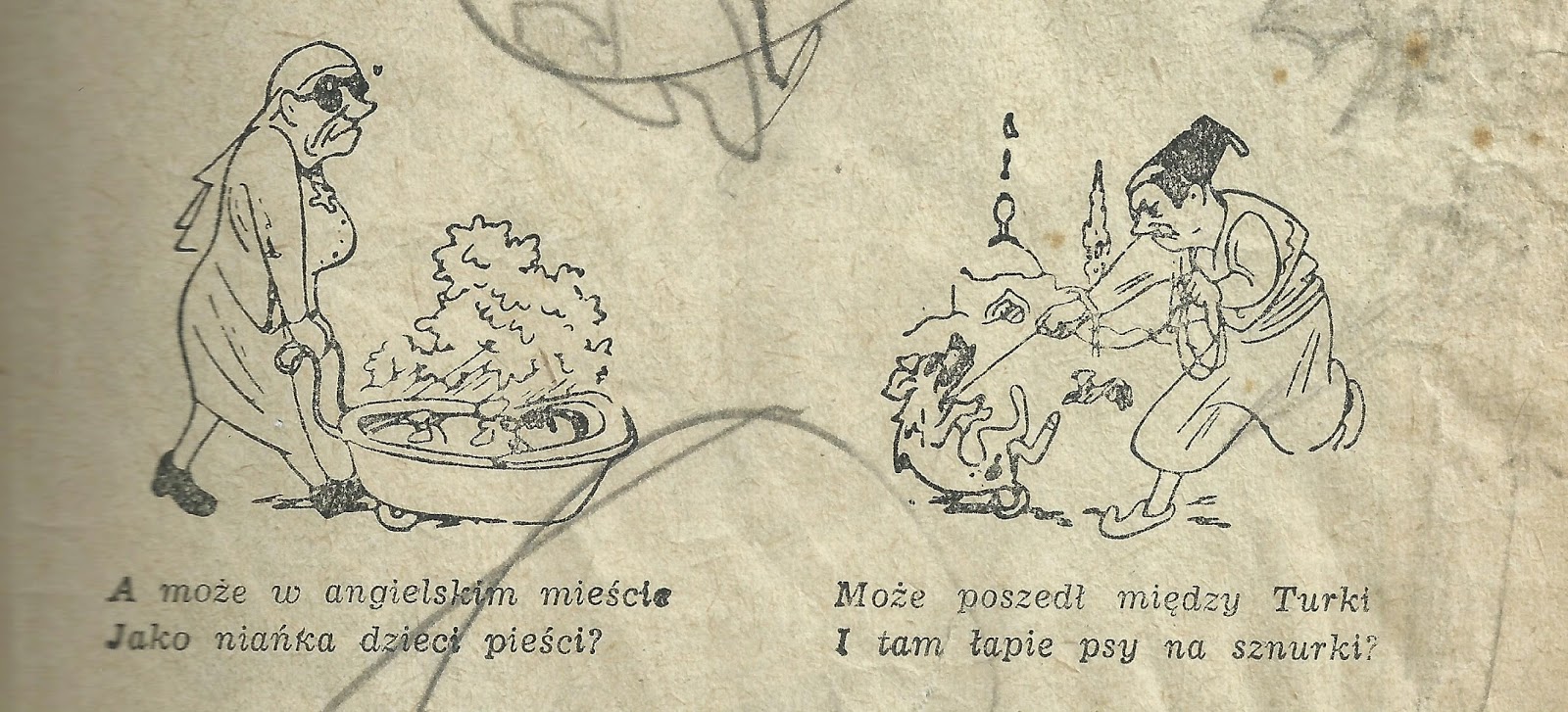
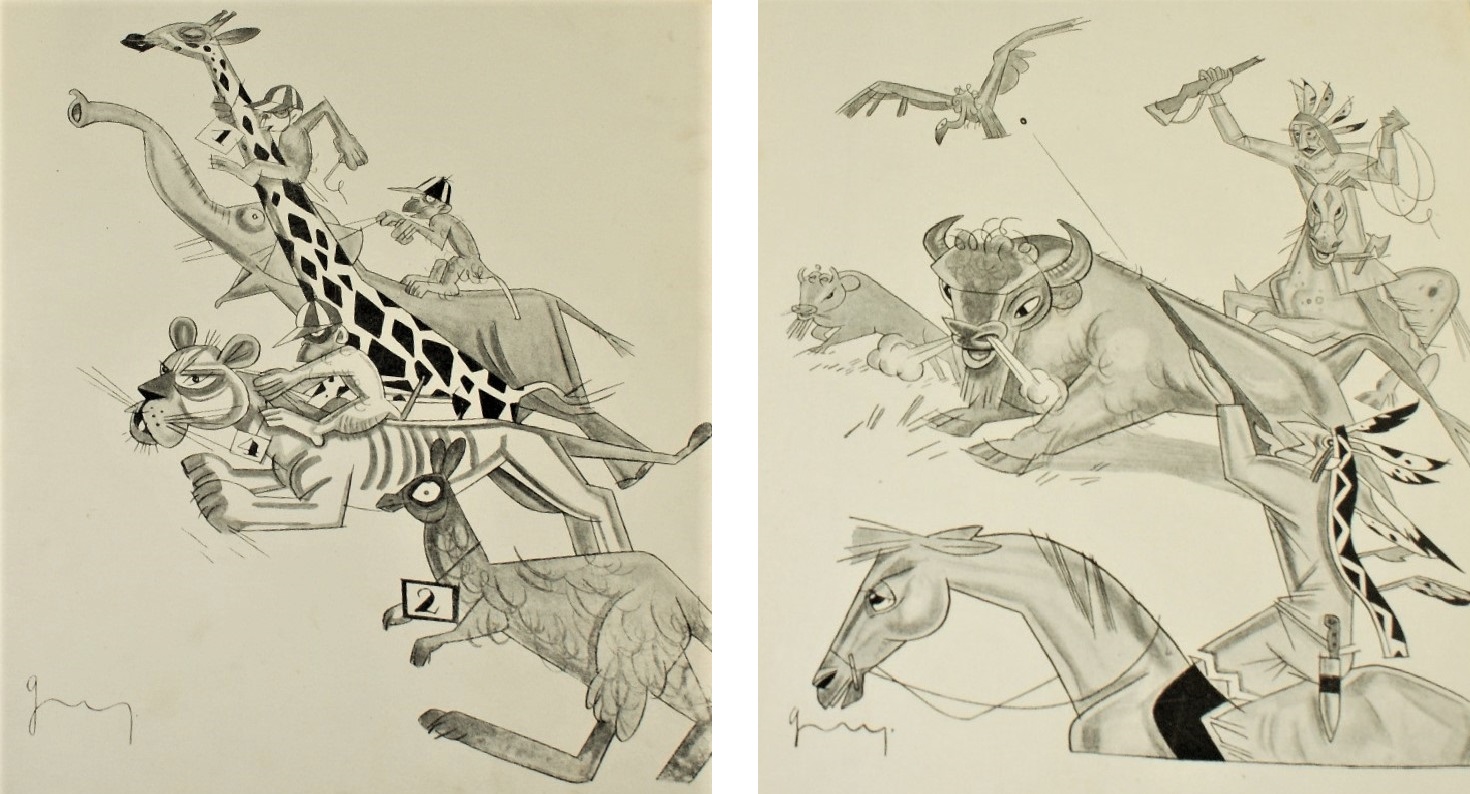
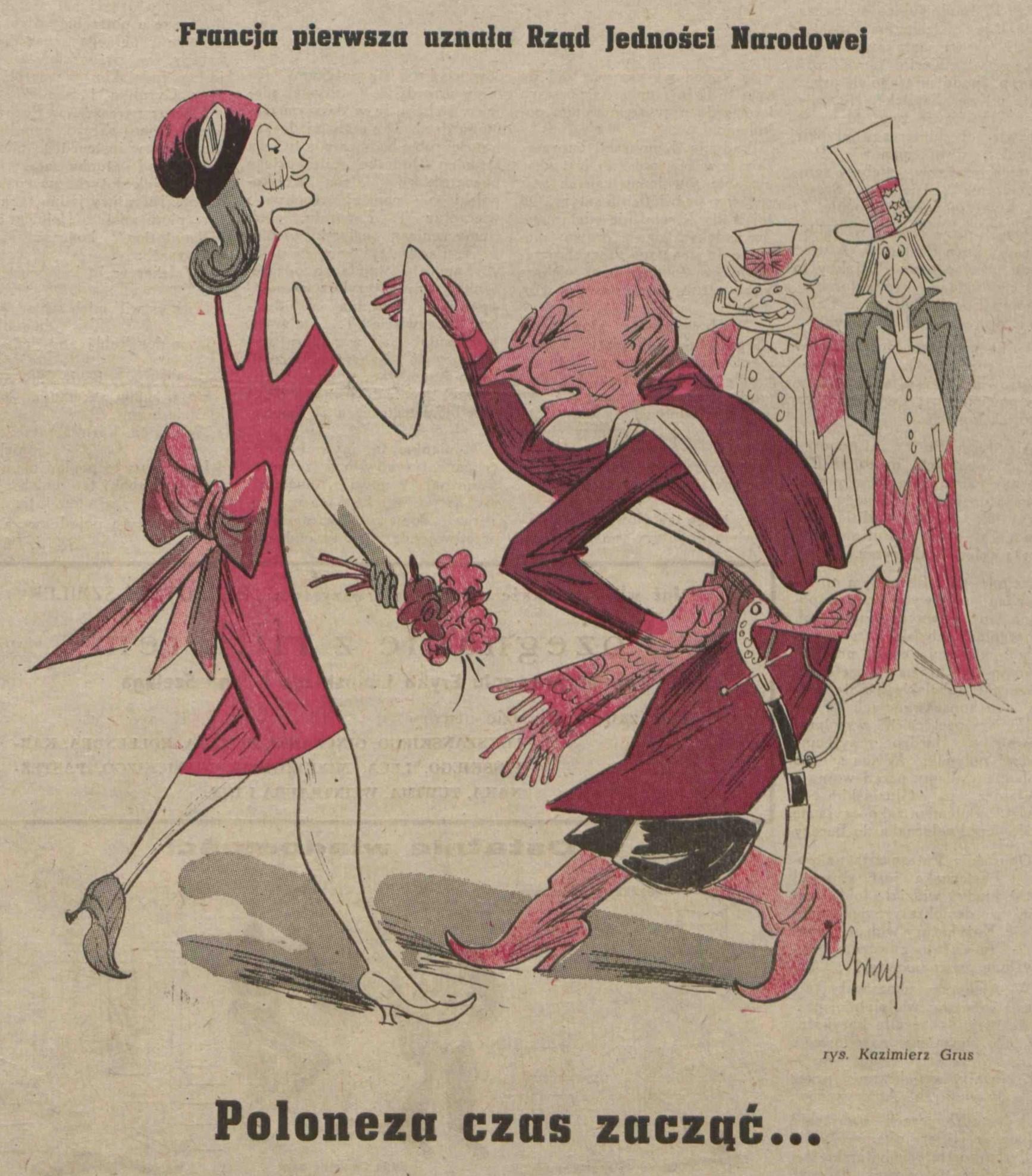
Cartoonist, caricaturist, illustrator. After graduating from high school in Trzemeszno, he was an apprentice at the printing house of W. Kulerski (1898) in Grudziadz, at whose expense he was sent to study in Leipzig. He then studied political economy in Liège. He completed his artistic studies in Berlin, Munich, Paris, Moscow and St. Petersburg. artist who devoted himself almost entirely to newspaper caricature. He published his early drawings in In 1913, as a correspondent and caricaturist for the Illustrated Weekly, he found himself on the Balkan front. He spent the years of World War I in Russia. He collaborated with the Russian magazines Budilnik (1915-17) and Satirikon (1917-18) and the Polish humor magazine Muchomor, published in Moscow (1917). After returning to Poland in 1918, he settled in Lviv, where he became artistic director and then editor-in-chief of the weekly Szczutek. In 1920-22, he and his wife Maja Rezowska lived in Silesia, working in the Propaganda Department of the Plebiscite Committee. He edited and illustrated the satirical magazine Kocynder and designed anti-German posters. In 1924 he was editor of the Warsaw weekly humor magazine Kanarek. He then lived in Poznan and moved to Warsaw. as late as 1939. In the interwar period, he worked with most satirical magazines published in Poland, including: “Mucha”, “Szczutek”, “Cyrulik Warszawski” (1926, 1927, 1932)…. “Kolca” (1926)…. “The Yellow Fly” (1930, 1933). His drawings also appeared in “ABC”, “Around the World”, “Słowo Polskie”…Rzeczypospolita”. He occasionally collaborated with the Munich satirical magazine “Simplicissimus”. During the German occupation spent in Warsaw, at the request of the owner of the restaurant “Styl”, he made more than a hundred drawings on anti-Hitler themes (now in the collection of the Museum of Caricature in Warsaw)After the war, he settled in Lodz. He collaborated with “Mucha”, “Rózgi”, “Przekroj” and “Szpilki”, with which he was very closely associated. He was also involved in book illustration, developing series of illustrations for his own texts. He was an outstanding animalist. He participated in many exhibitions, including: “The First Year of Resurrection”, Exhibition of Caricatures ..Szczutki”, Warsaw (1920), 1st Salon of Caricaturists, Warsaw (1928), Exhibition of Political Caricature, Moscow (1950). He presented his works at an individual exhibition at the Garlinski Salon in Warsaw (1924). For his artistic activity he was awarded the State Prize of the Third Degree in Caricature (1950). Grus had a wide range of artistic interests, as he created caricatures, drawings, book illustrations and posters. He specialized in socio-political and moral caricatures. He was known for his masterful ability to portray the character of individual animals, and his skills in this area were especially revealed in drawings intended for children and young people. He became known as an illustrator of popular books for children and young people: Maria Kownacka‘s O szewczykiem Łukaszku co szył buty dla ptaszków; Kornel Makuszyński‘s Wesoły zwierzyniec; Bronisława Ostrowska‘s Szklana Góra; O małpce Kiki i słoniach (he also wrote the rhymed text for this booklet), and Jan Żabiński’s books: How the elephant‘s trunk was made; How to win; Who would have guessed?… This and that about animals; On the harsh lion; This and that about snakes. He also created a series of drawings illustrating phraseologisms as seen through the eyes of a child – a collection of parts of these drawings was published in the album 250 times by Little Kazio[8]. It was published by Carousel magazine and contained 250 drawings by Kazimierz Grus.
Book Head against the wall by Jan Huszcza with cover design by K. Grus published Book 1946.
The book 250 times Little Kazio with 250 illustrations by Kazimierz Grus published after his death with an introduction by M. Jogoszewski, published by “Karuzela” Lodz 1957
Two of Art | KvK: 94351813 | Teilingen 79, 1082JR Amsterdam, Netherlands