Ewa Salamon (b. 1935, Mogielnica – d. 2011, Warsaw)
Polish visual artist, illustrator, and graphic designer.
In the 1950s, she began her studies at the Academy of Fine Arts in Warsaw and earned her degree in 1960 in the studio of Professor Jan Marcin Szancer. Her artistic debut came that same year with illustrations for the children’s book Uliczka Tabliczki Mnożenia (The Alley of the Multiplication Table) by Wanda Chotomska.
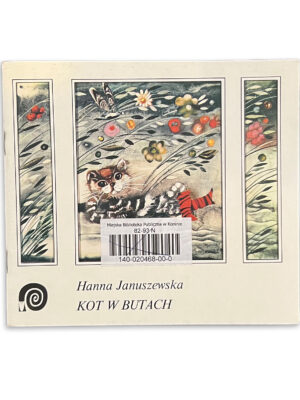
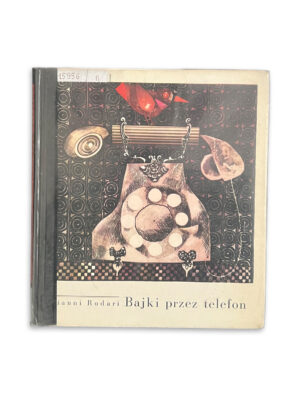
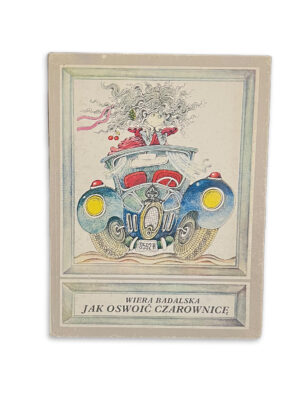
Salamon devoted most of her career to illustrating books and magazines for children and young adults, creating illustrations for nearly 100 titles. She collaborated with some of Poland’s most prominent authors of children’s literature, including Wanda Chotomska, Wiera Badalska, Maria Szypowska, Saturnina Leokadia Wadecka, and Joanna Kulmowa. Her illustrations also appeared in Polish editions of classics such as Alice’s Adventures in Wonderland by Lewis Carroll, The Ugly Duckling by Hans Christian Andersen, and The Straw Giant and Other Tales by the Brothers Grimm.
Early in her career, she worked with children’s magazines Świerszczyk and Promyczek, as well as several Polish publishing houses. By the 1960s, her illustrations had been featured in around 40 publications. During this time, she employed a variety of graphic techniques, including lithography—for example, in her illustrations for Rozalka Olaboga by Anna Kamieńska and A Long Rainy Week by Jerzy Broszkiewicz, both published in 1968.
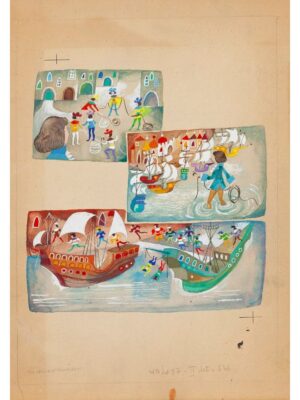
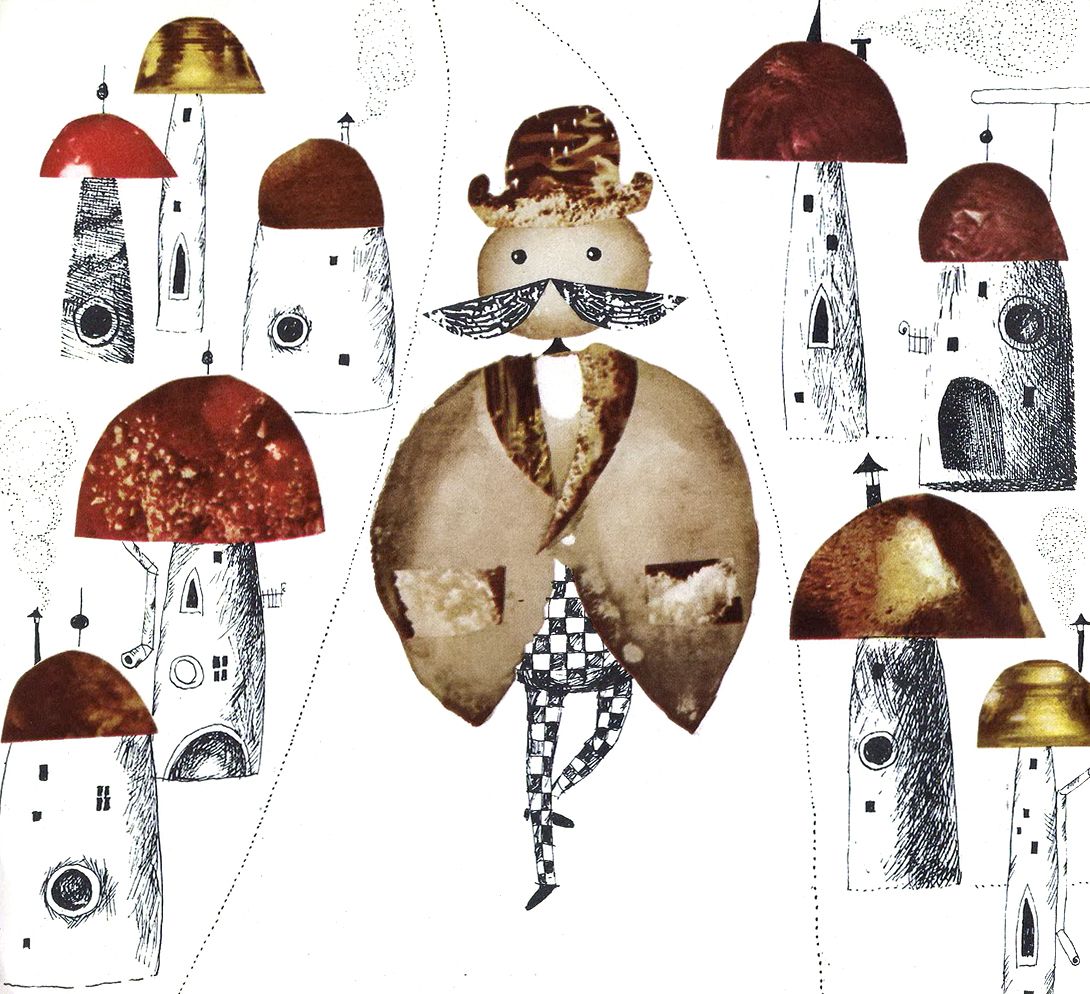
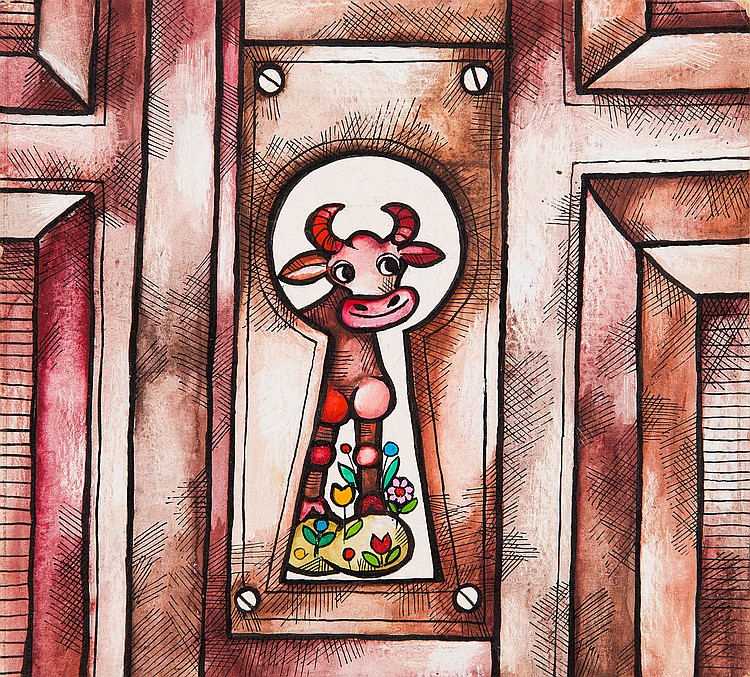
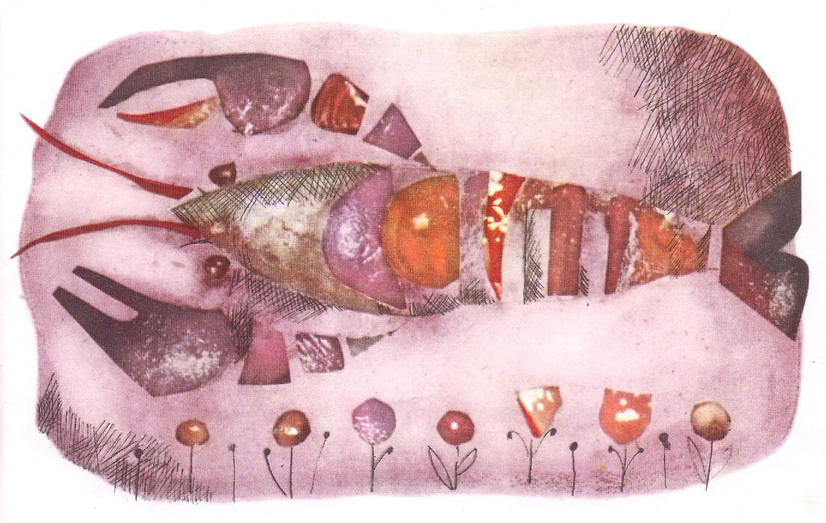
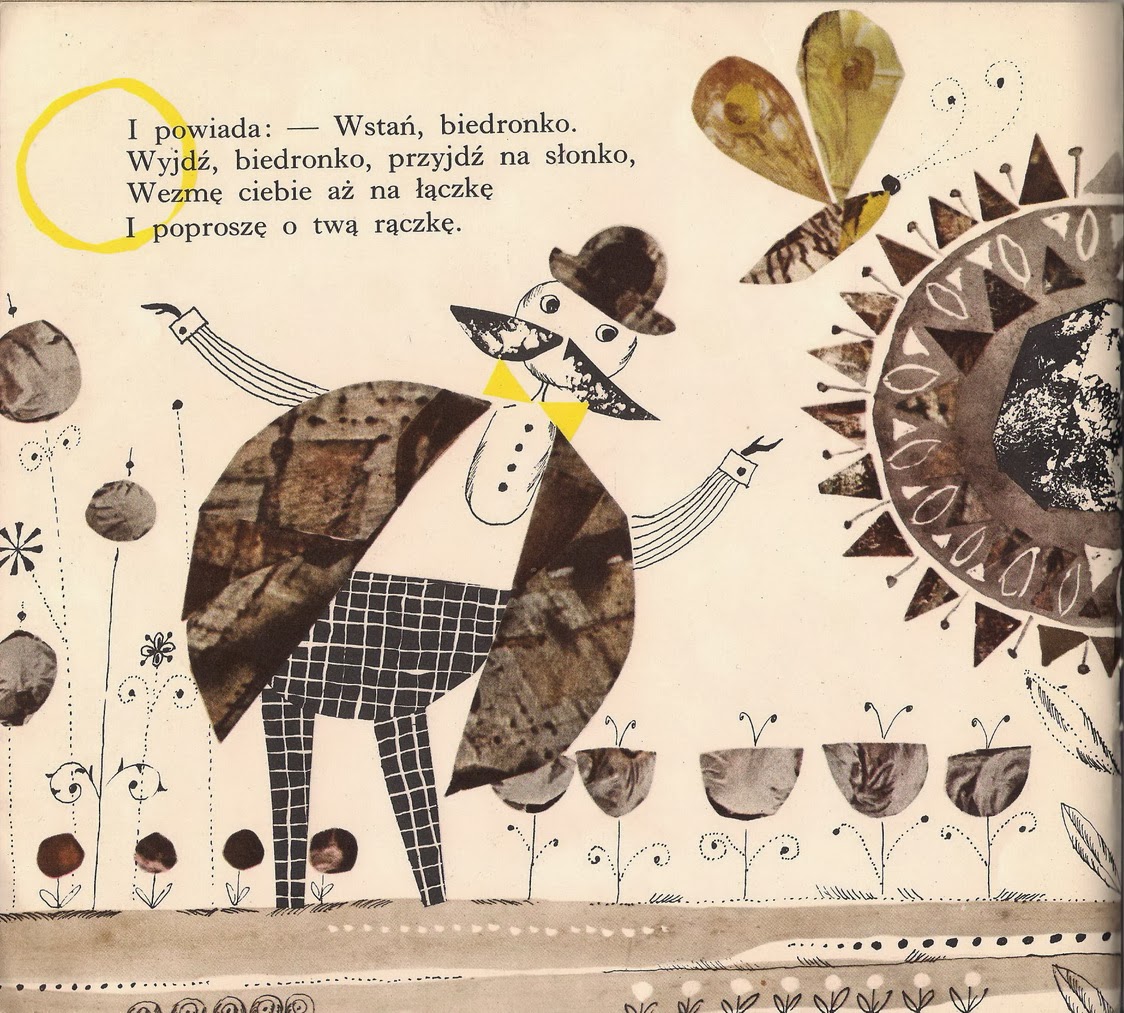
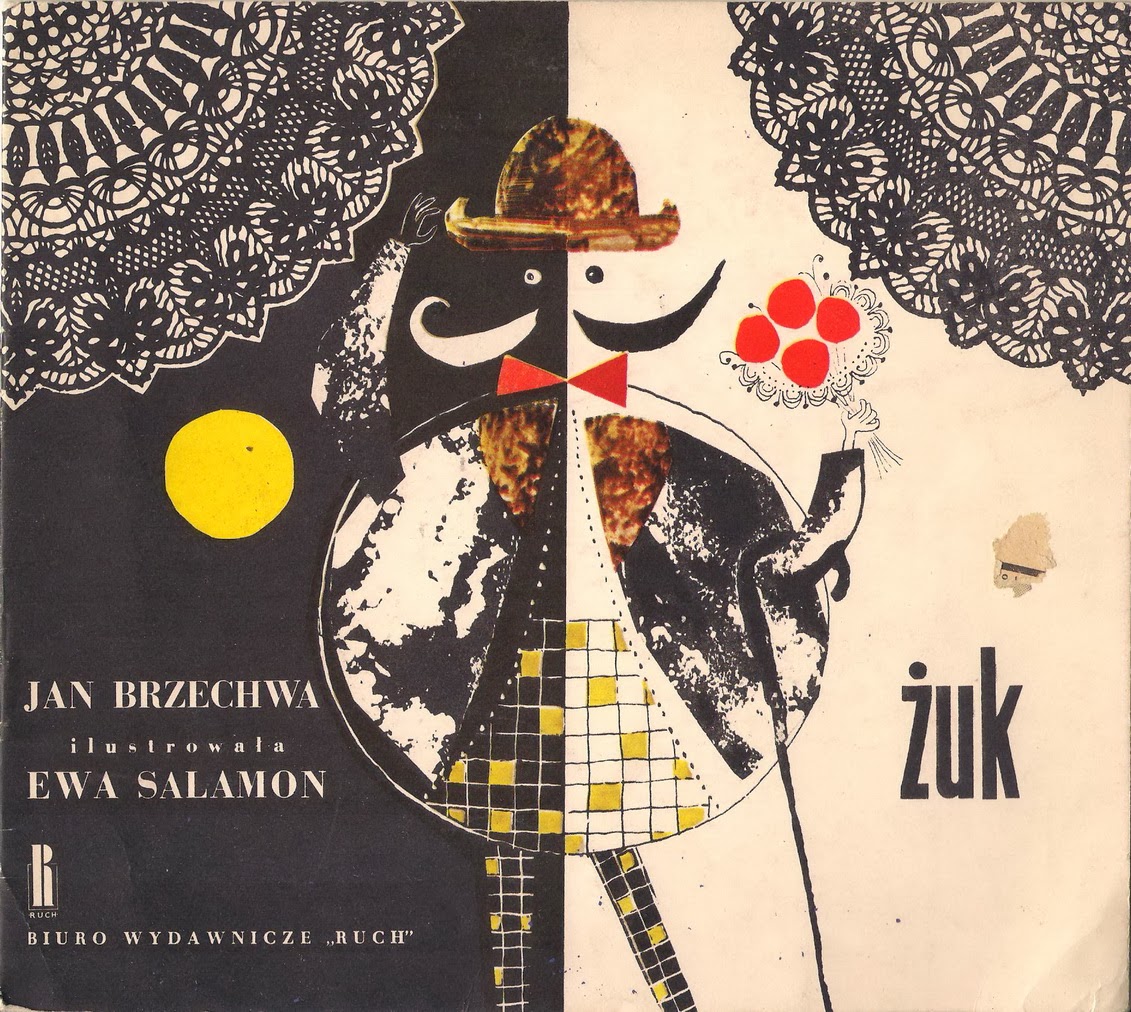
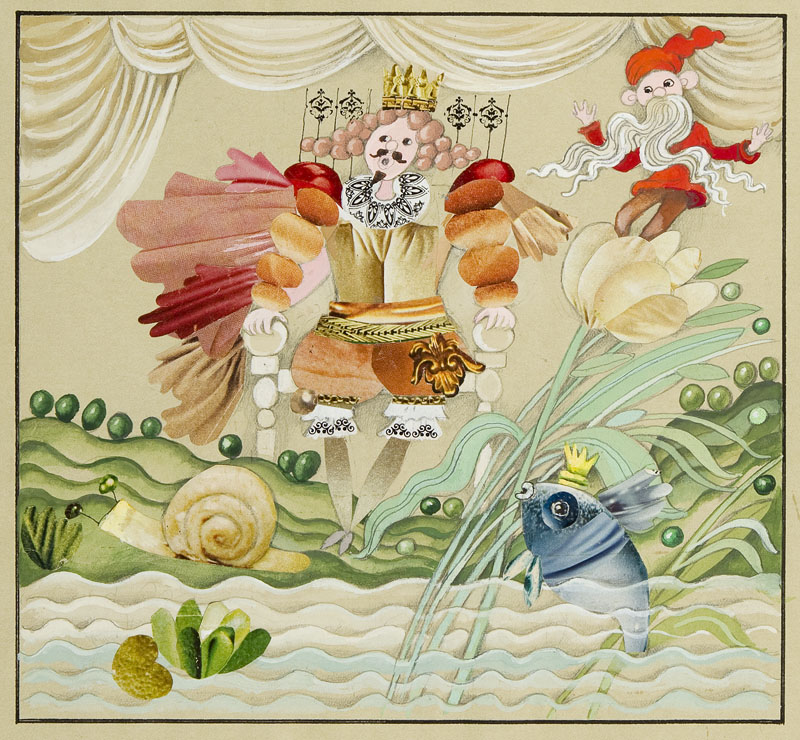
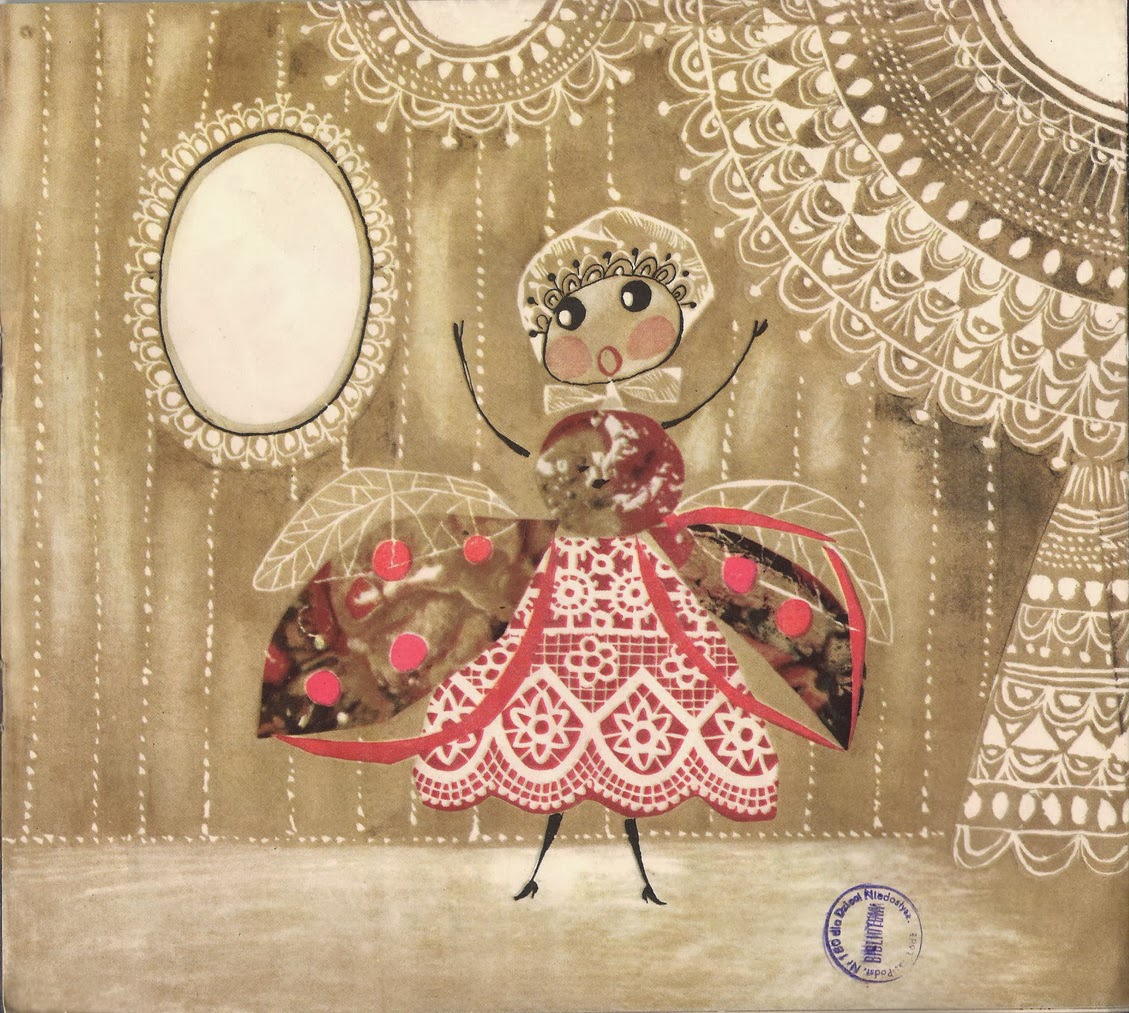
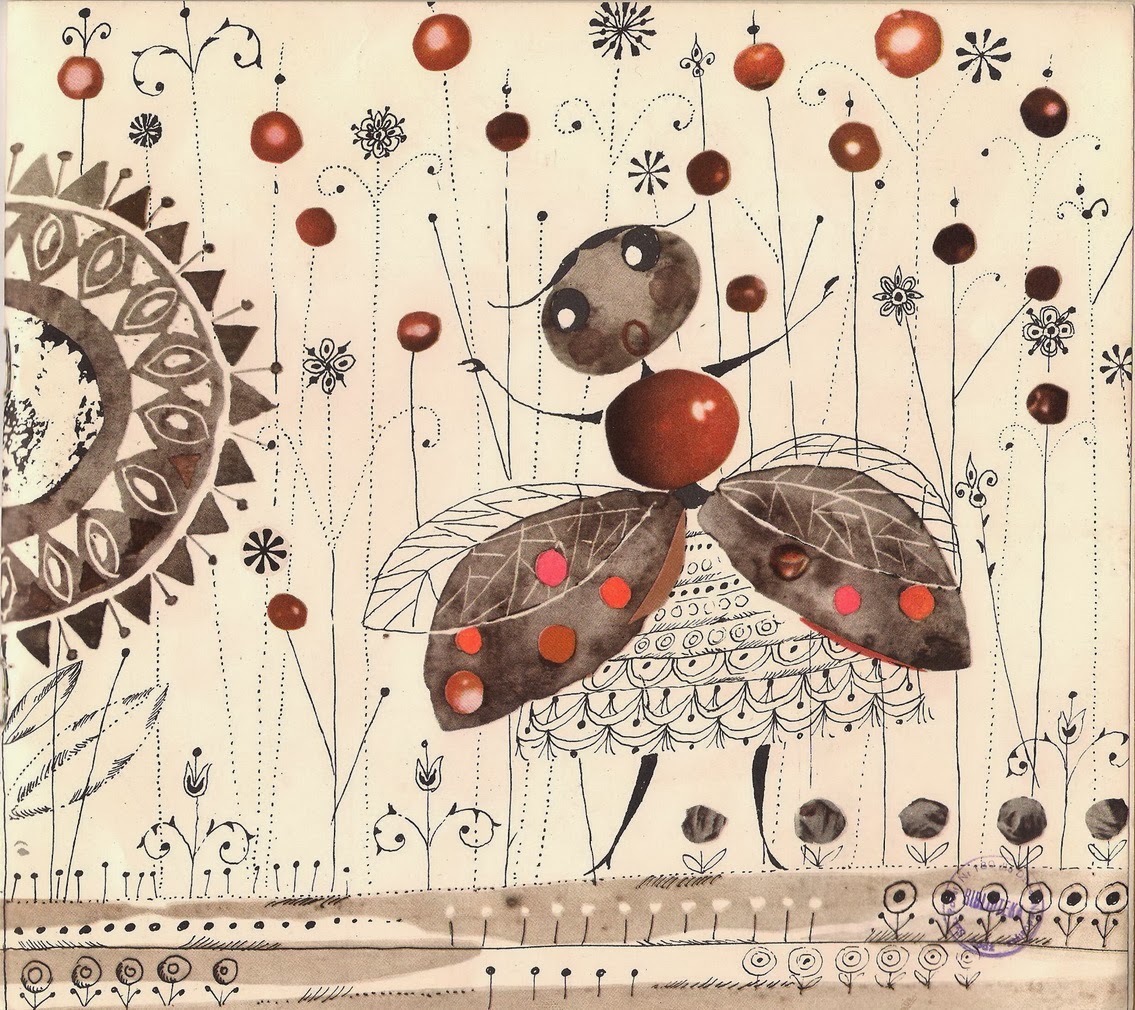
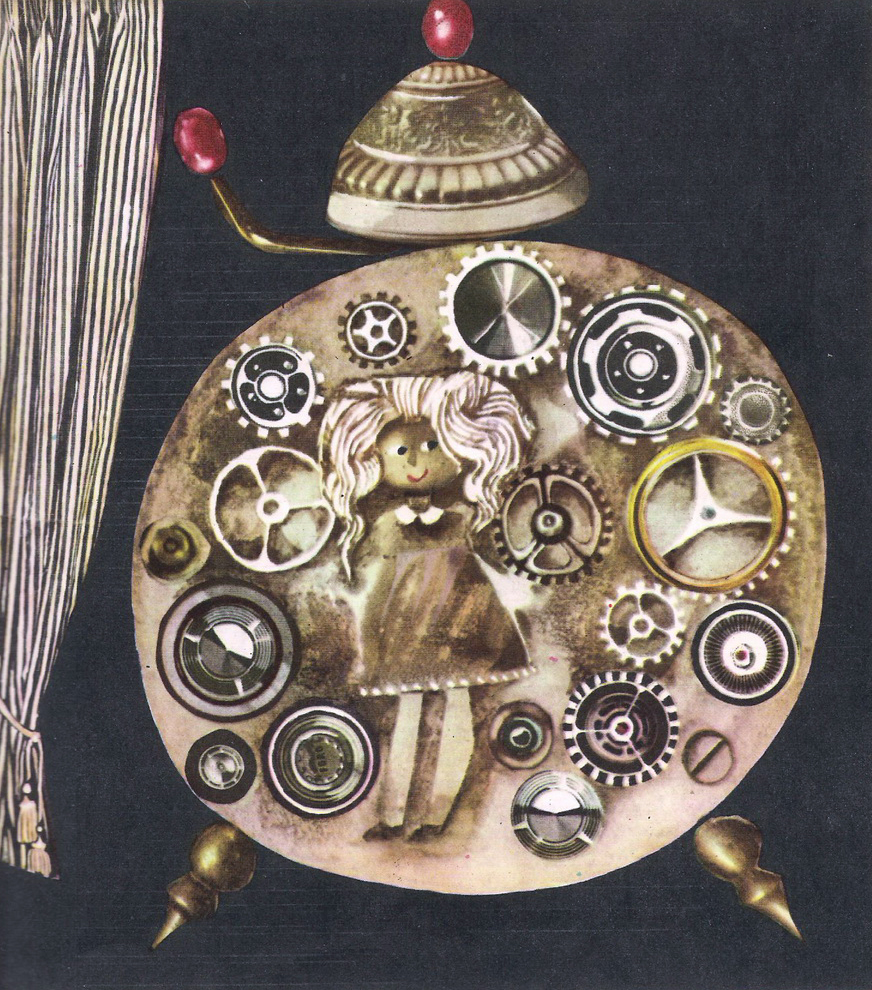
According to art historian Anita Wincencjusz-Patyna, Salamon’s style in that period was characterized by simple drawings, graphic linework, crosshatching, form reduction, and subtle lines. From the beginning of her career, she often used collage techniques, incorporating paper with fabric, lace, and thread.
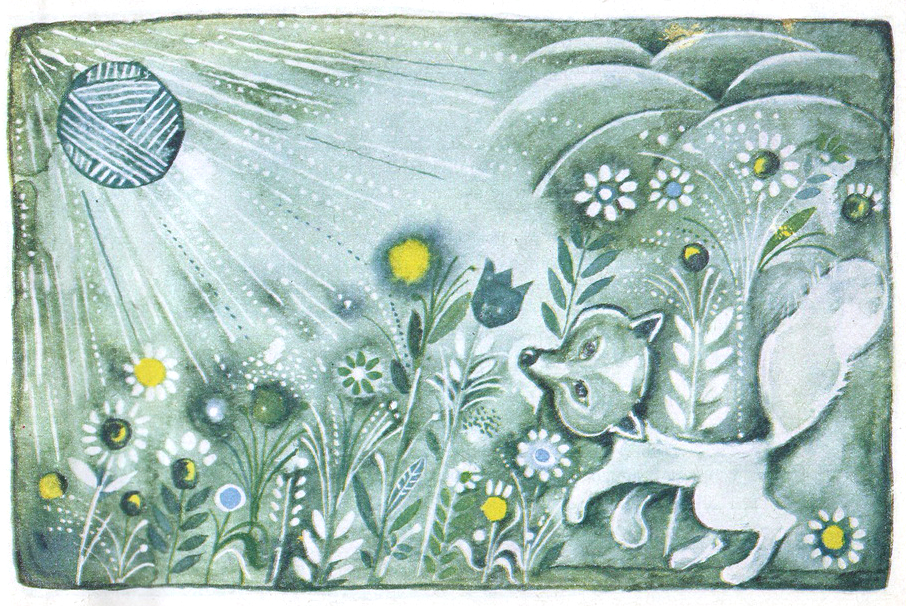
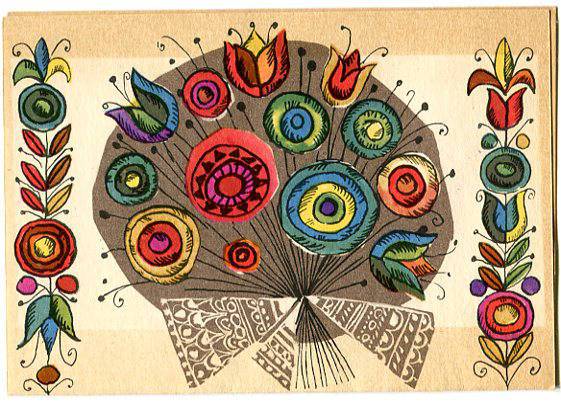
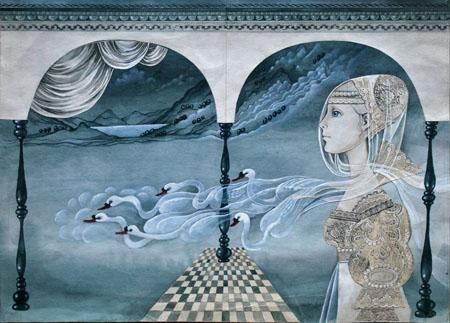
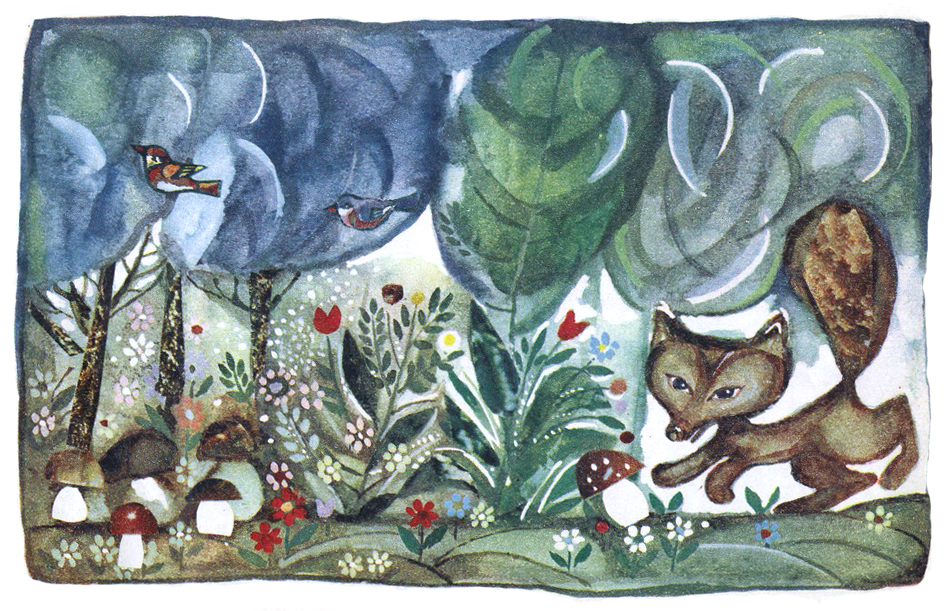
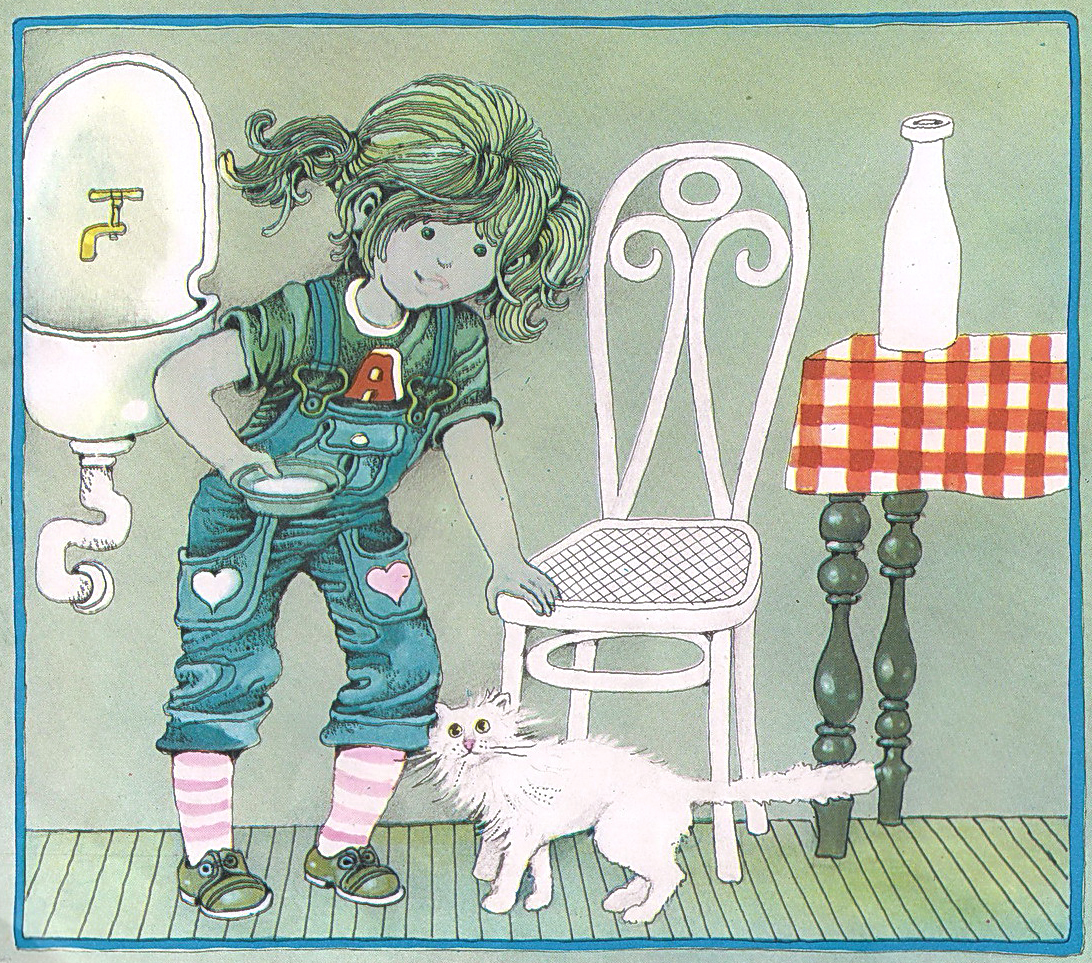
In the late 1960s and early 1970s, Salamon developed her own distinctive style, which she maintained throughout the rest of her career. Her work was heavily inspired by Art Nouveau, particularly the work of Alfons Mucha and Otto Eckmann. Hallmarks of her style included strong contours, flowing lines, and repeated linear patterns. Her compositions conveyed a sense of motion and vibrancy in figures, buildings, and natural elements. This stylistic approach became a signature of her artistic language.
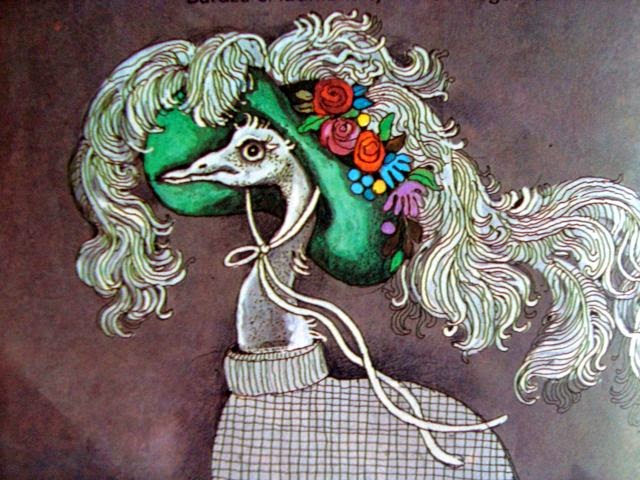
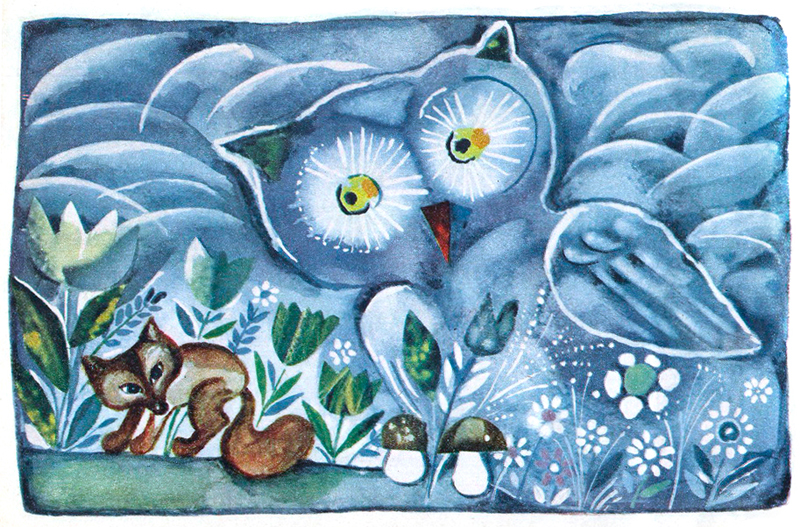
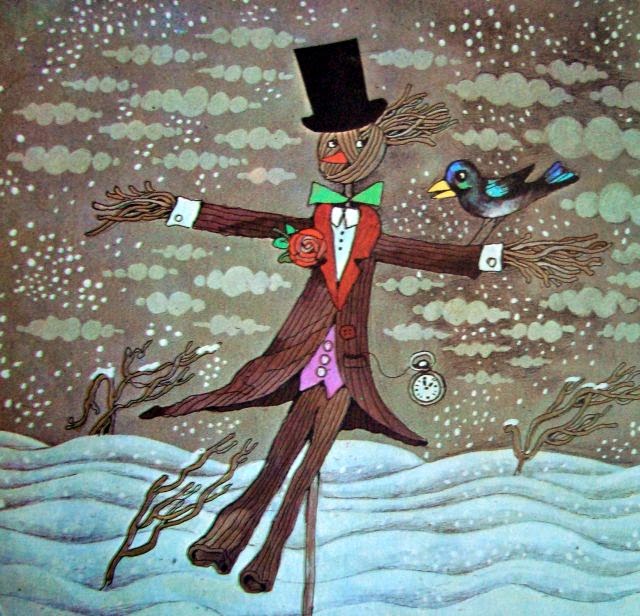
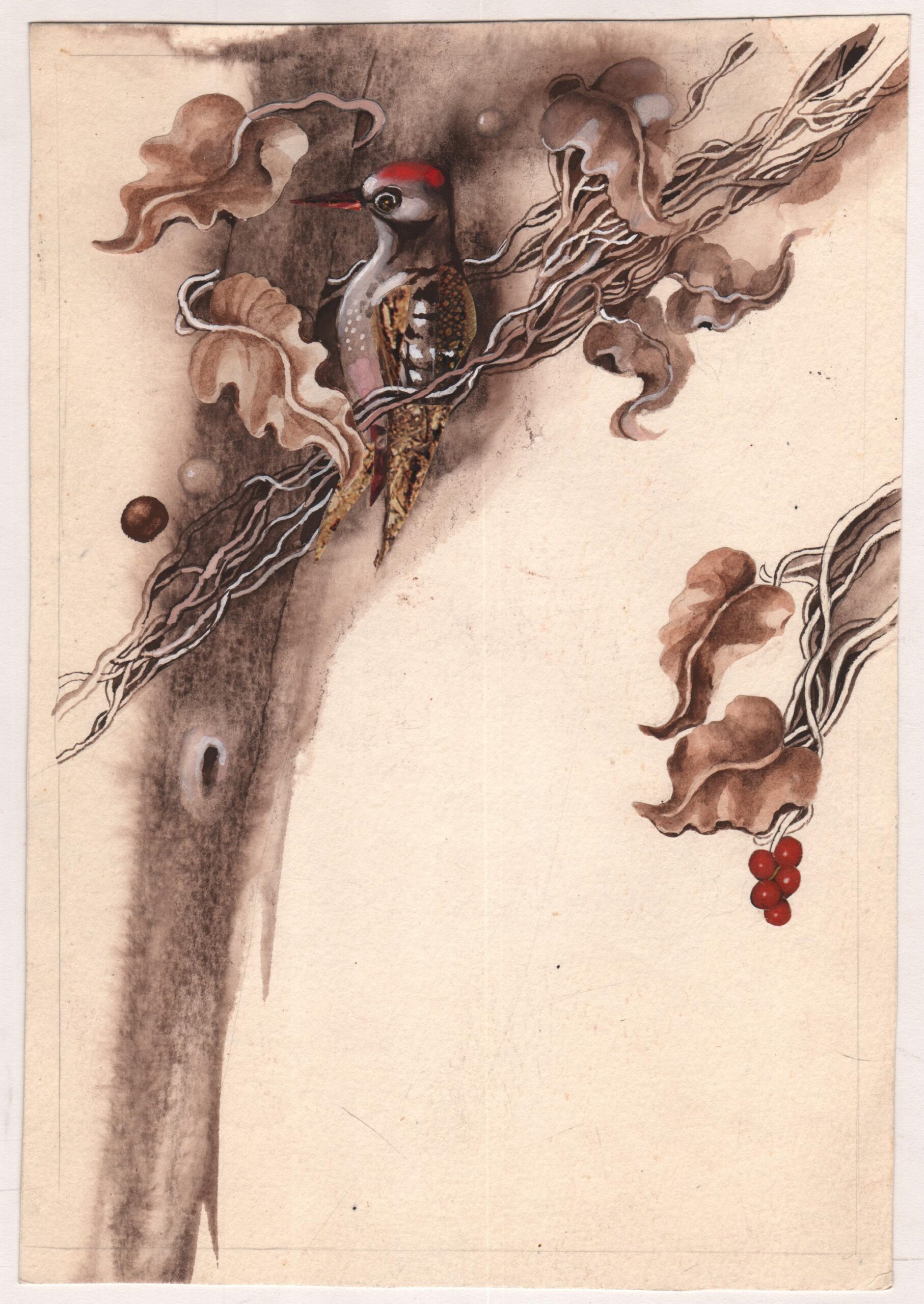
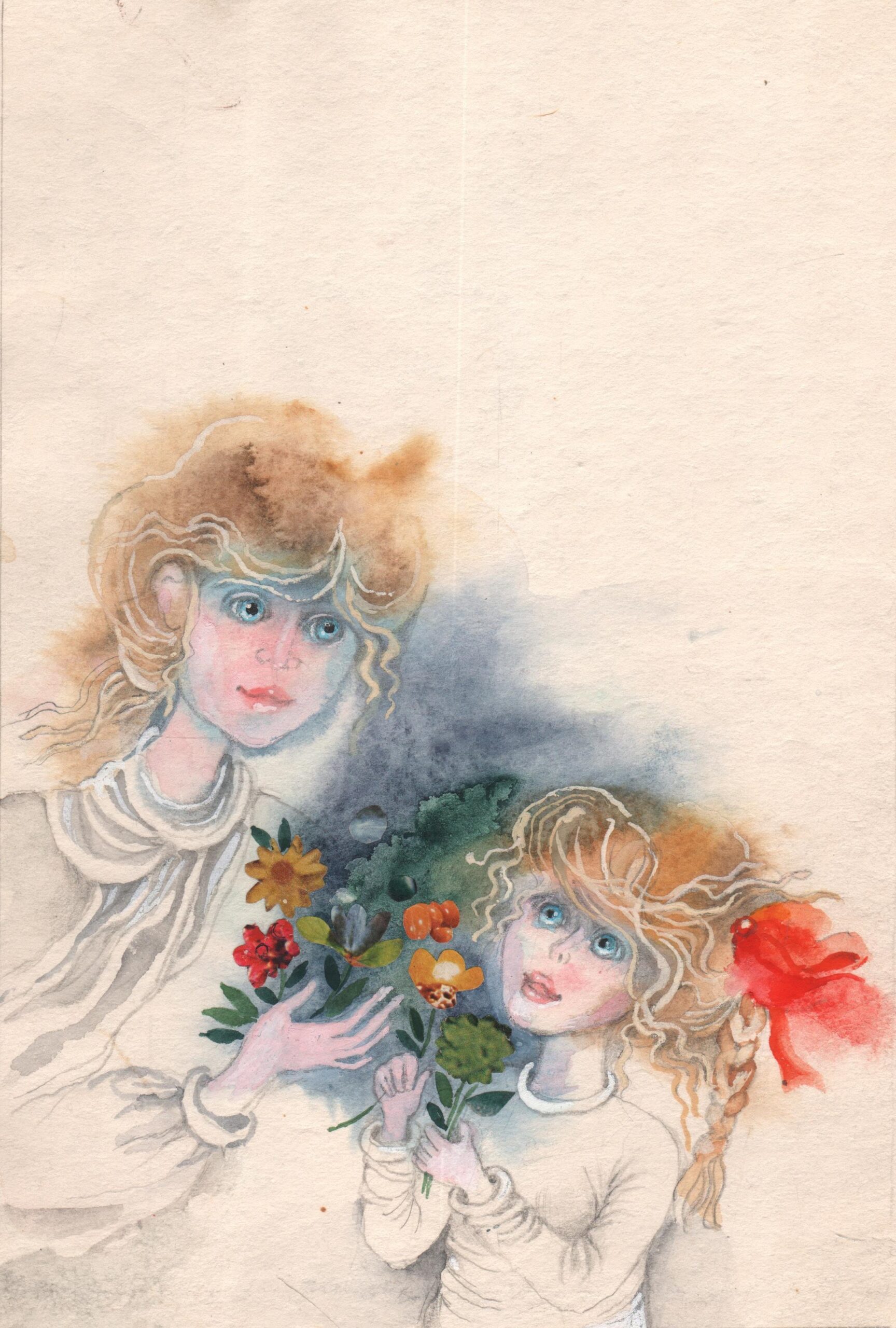
Salamon’s illustrations from the 1970s and 1980s often evoked a mood of magic, melancholy, mystery, and at times, a touch of the eerie. She frequently combined traditional drawing with collage, using her signature materials: intricate lace, colorful fabrics, and gold and silver threads. This approach is especially visible in her 1990s edition of the Brothers Grimm fairy tales, where characters appear to be surrounded by delicate, lace-like foam.
In 1977, the first edition of A Kitchen Full of Wonders by Maria Terlikowska was published, with illustrations by Salamon. The book became extremely popular, going through multiple editions and reaching print runs of several hundred thousand copies.
From the 1970s onwards, Salamon also worked in applied graphic design, creating posters for various institutions. She is the author of a well-known poster for Cepelia (a Polish folk art organization), created using collage and featuring a young girl in colorful folk costume, with a braid and traditional headwear.
In 1982, she received the Prime Minister’s Award for her achievements in children’s book illustration.
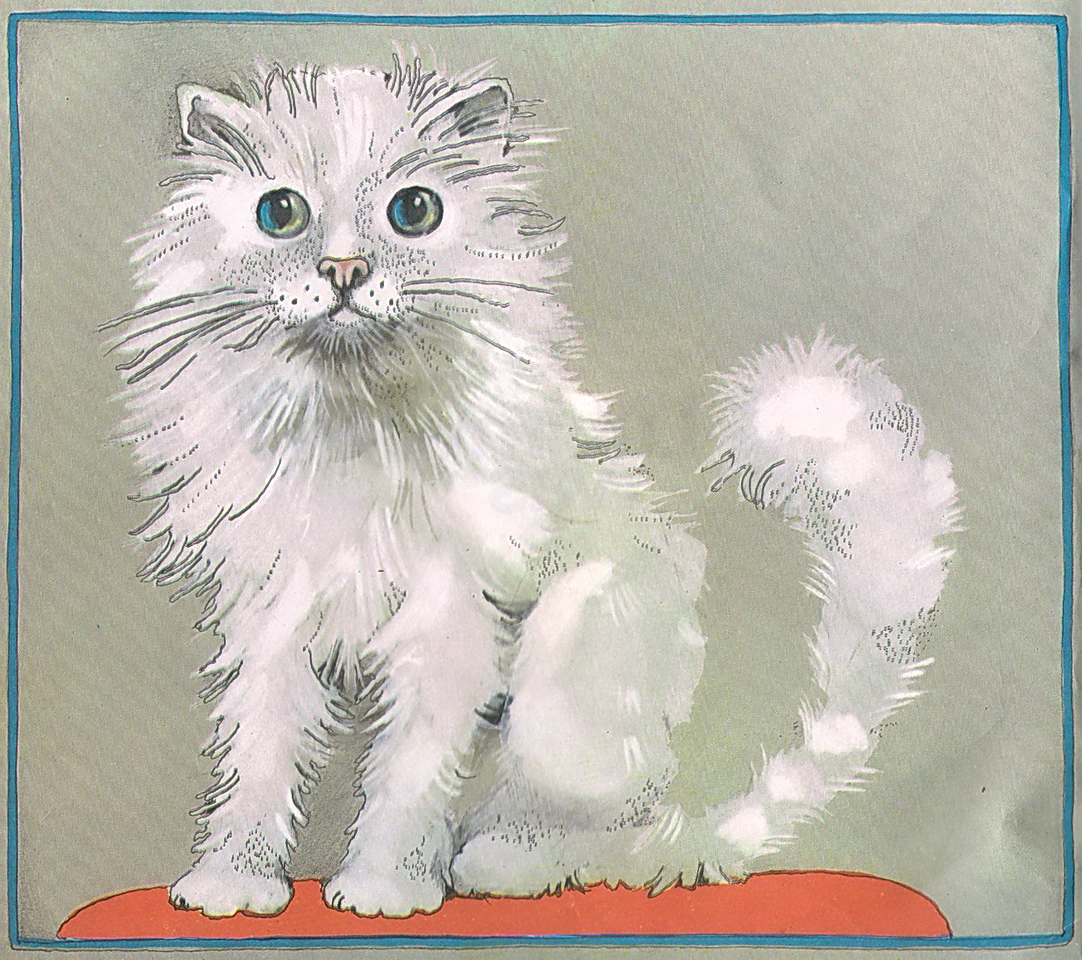
Salamon’s illustrations are defined by expressive contours and flowing, multiplied lines rendered in soft, elaborate patterns. Her imaginary worlds are filled with cascading hair, ribbons, threads, meandering rivers, slender flower stems, waving grasses, and fantastically entwined branches. One of her visual trademarks was the “noodle-like” hair she often drew on her characters.
Salamon deeply respected her audience—children. At book fairs, she would not only sign her books but often added a little drawing—a dog, a cat, or a girl—next to the dedication.
1973: National Exhibition of Book Graphics: The Art of the Book, Zachęta National Gallery of Art, Warsaw
1981: 3rd National Exhibition: The Child in Art, BWA Zamość Gallery, Zamość
1983: The Fairy-Tale World of the Child, Book Illustration Exhibition, Sofia and Zamość
1985: Polish Illustration for Children, Zachęta National Gallery of Art, Warsaw
2009: Doctor Dolittle and Others, Gallery of Graphic Art and Posters, Warsaw
2016: Spring with a Fairy Tale, Artissima Auction House, Warsaw
2017: Lodorosty i bluszczary, Museum of Literature, Warsaw
2020: Folk Motifs in Polish Posters, Ethnocentre of the Krosno Region, Krosno
Two of Art | KvK: 94351813 | Teilingen 79, 1082JR Amsterdam, Netherlands