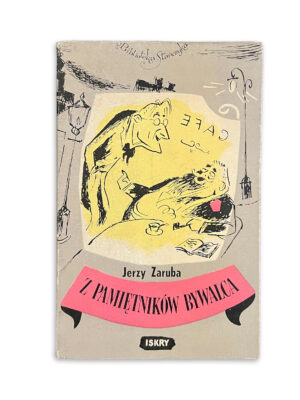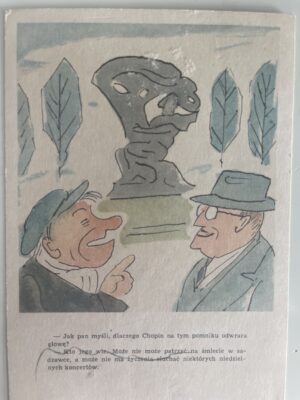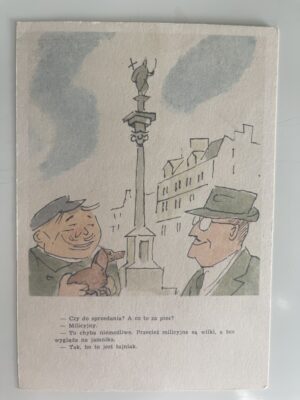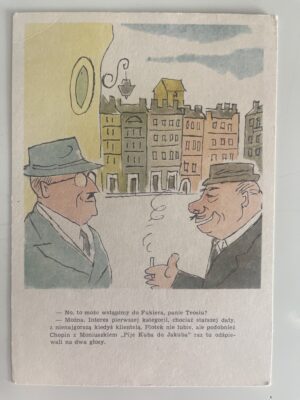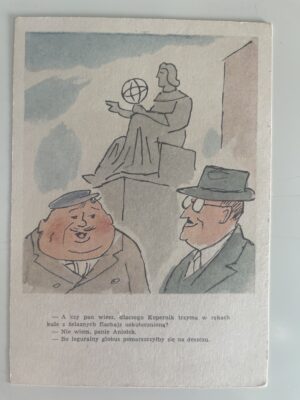
Jerzy Zaruba
A prominent Polish caricaturist, painter, stage designer, and writer. He was born on July 17, 1891, in Radom and died on January 17, 1971, in Warsaw.
He spent his childhood in Kyiv, where he attended the First Gymnasium and joined the Corporation of Polish Students. Later, he transferred to the Kyiv School of Fine Arts and took architecture courses. After graduating from high school, he studied at the School of Fine Arts in Warsaw from 1910, under Stanisław Lentz. During his studies, Zaruba encountered future icons of Polish art, including Xawery Dunikowski. He quickly became part of Warsaw’s bohemian scene, a regular at local cafés and a frequent visitor to the legendary Momus, the first permanent cabaret in Warsaw.
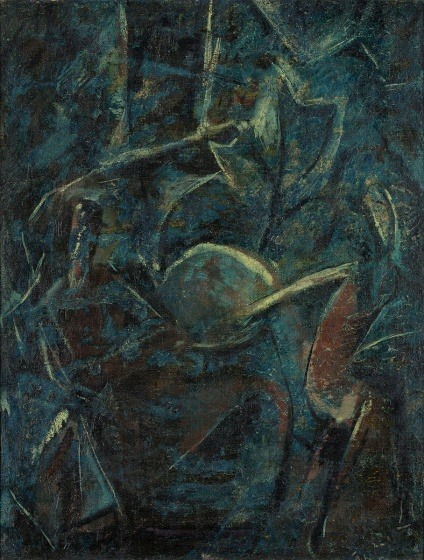
In 1913, he studied at the École des Beaux-Arts and the Académie de la Grande Chaumière in Paris. During World War I, he served in auxiliary units in present-day Romania and Moldova. In 1917, he joined the avant-garde group Polish Expressionists (later renamed Formists in 1919), exhibiting with them in Warsaw (1921, 1922, 1927) and Paris (1922). Through this, he met artists such as Andrzej and Zbigniew Pronaszko, Leon Chwistek, and Stanisław Ignacy Witkiewicz.
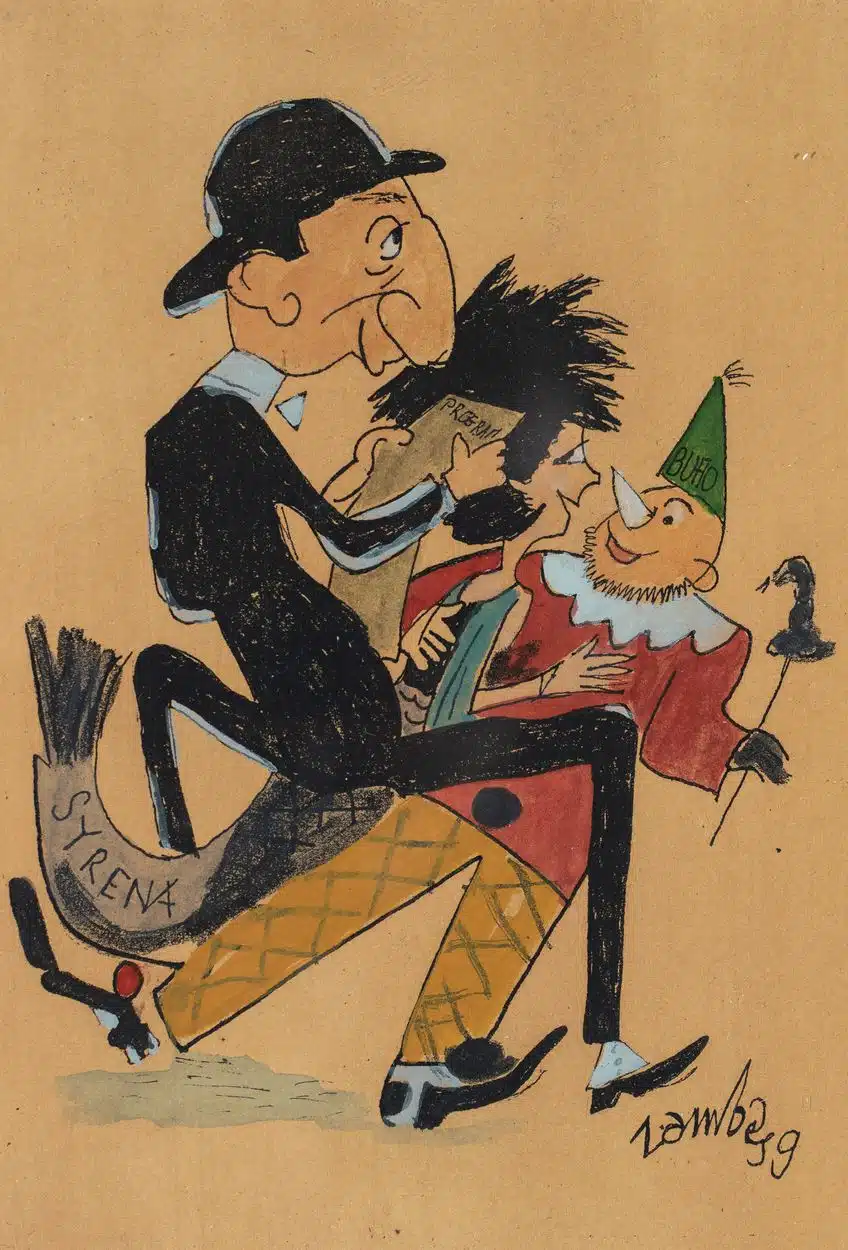
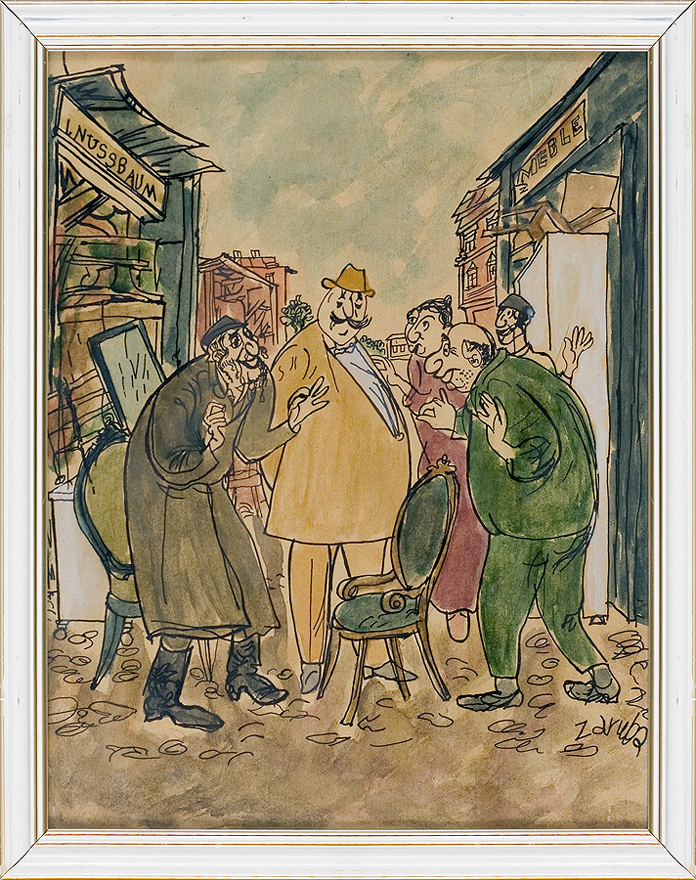
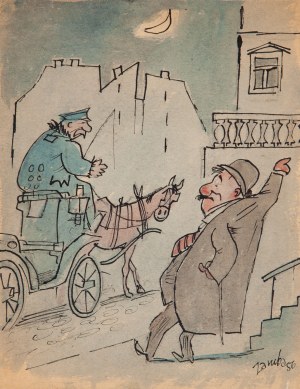
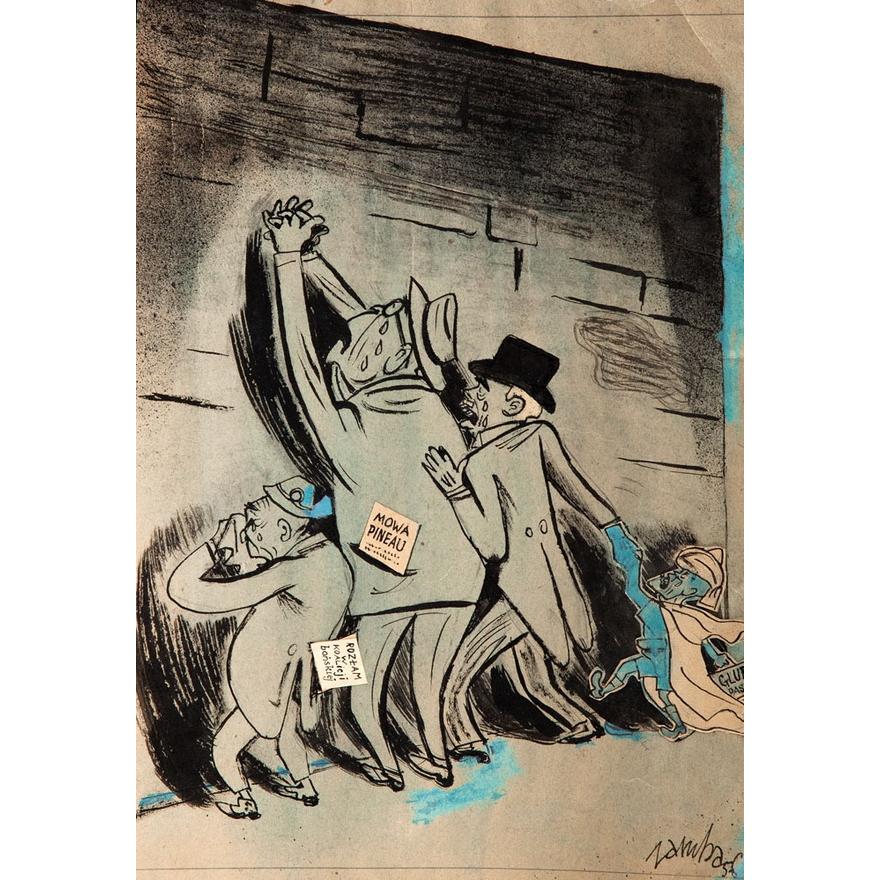
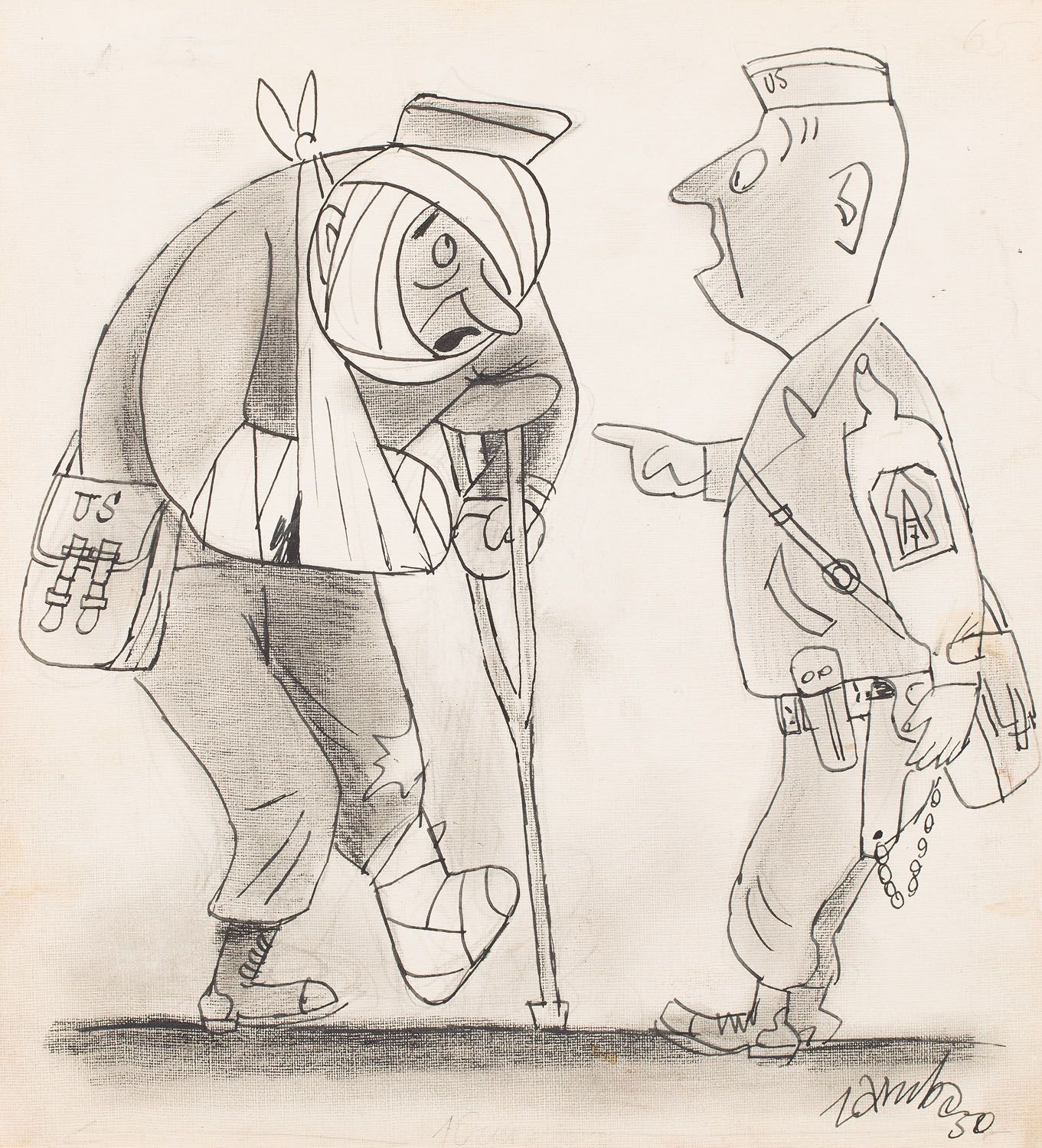
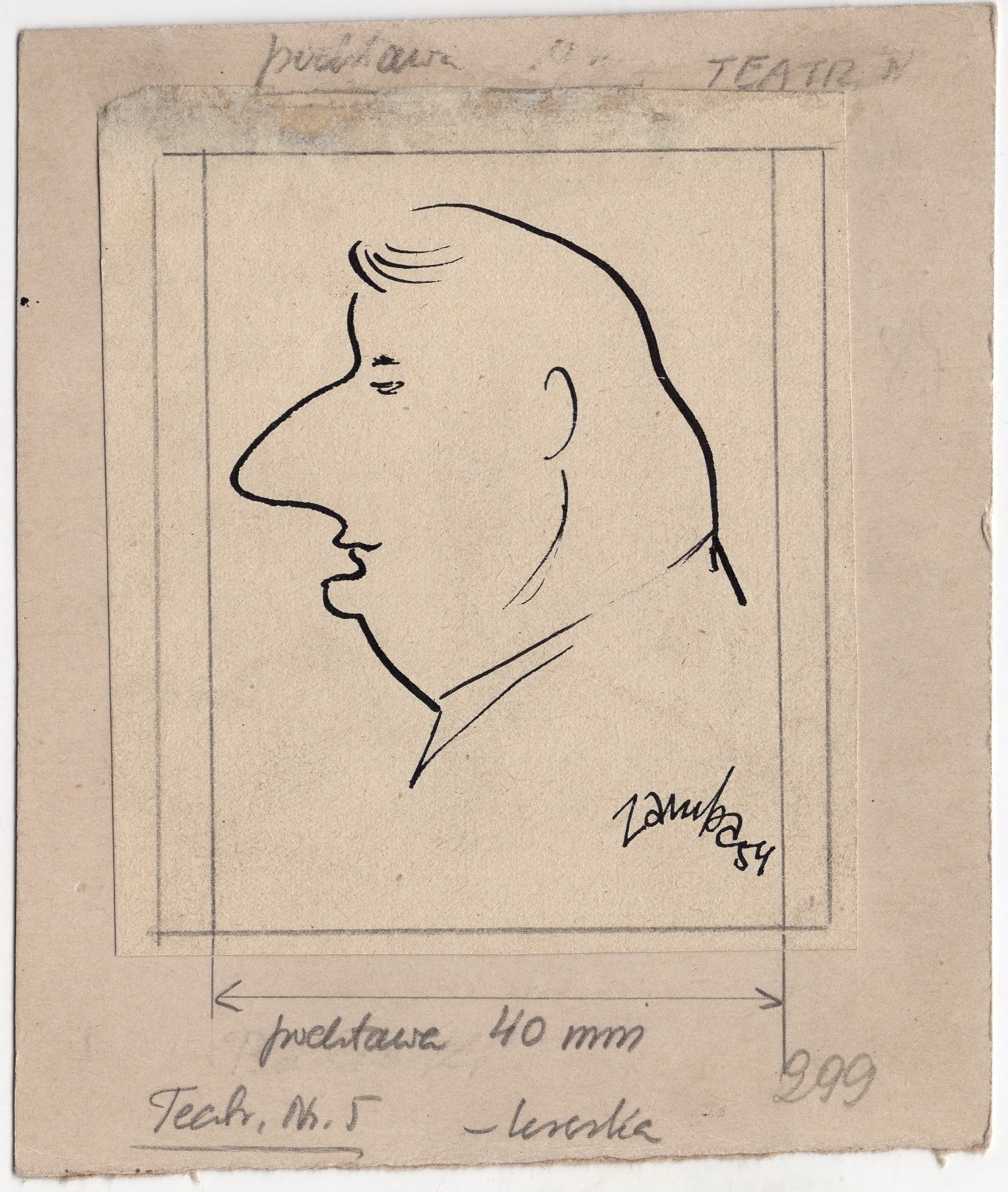
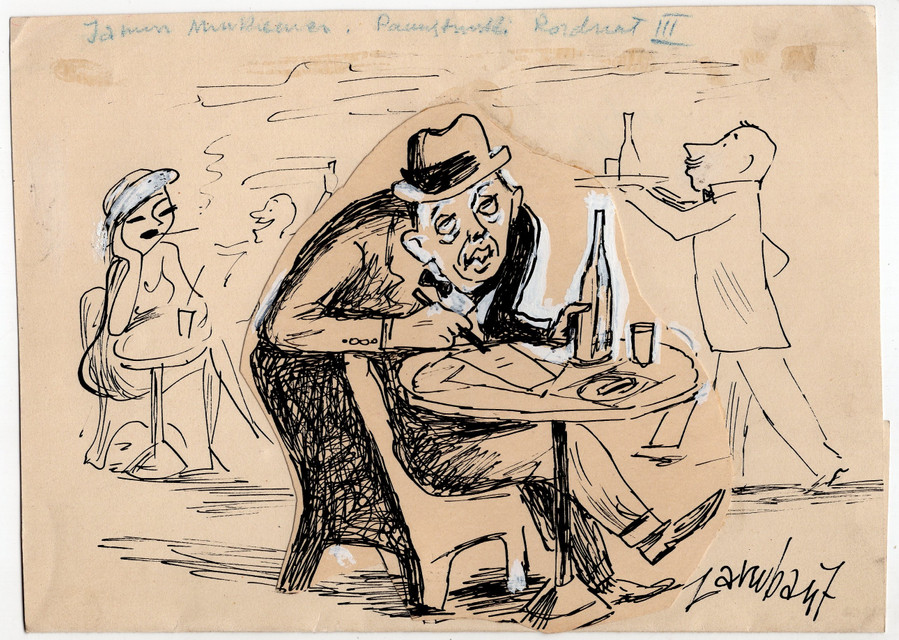
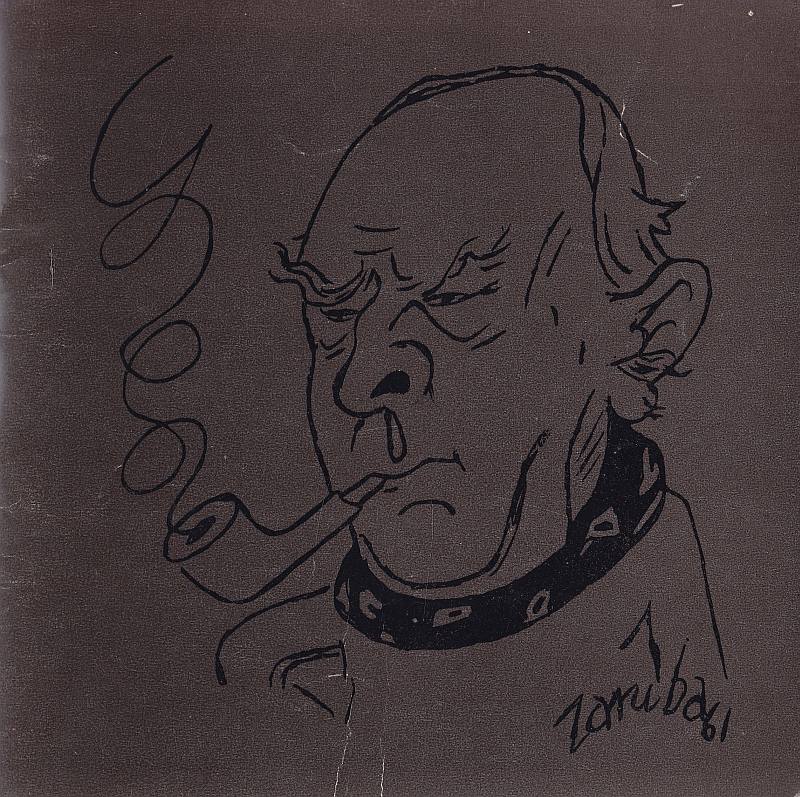
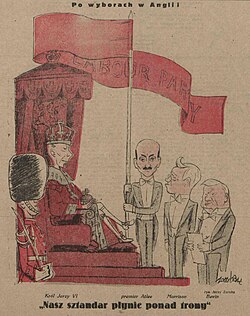
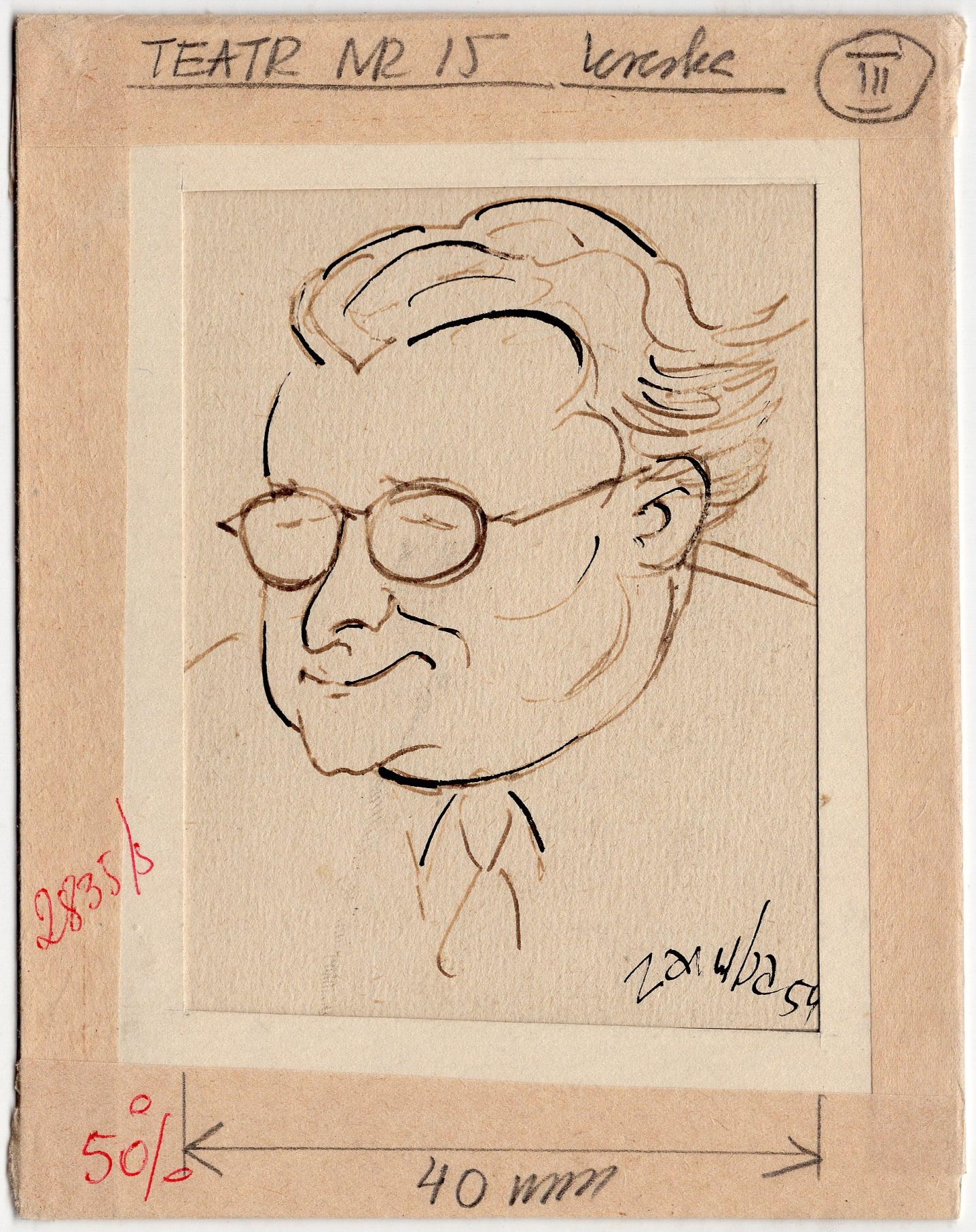
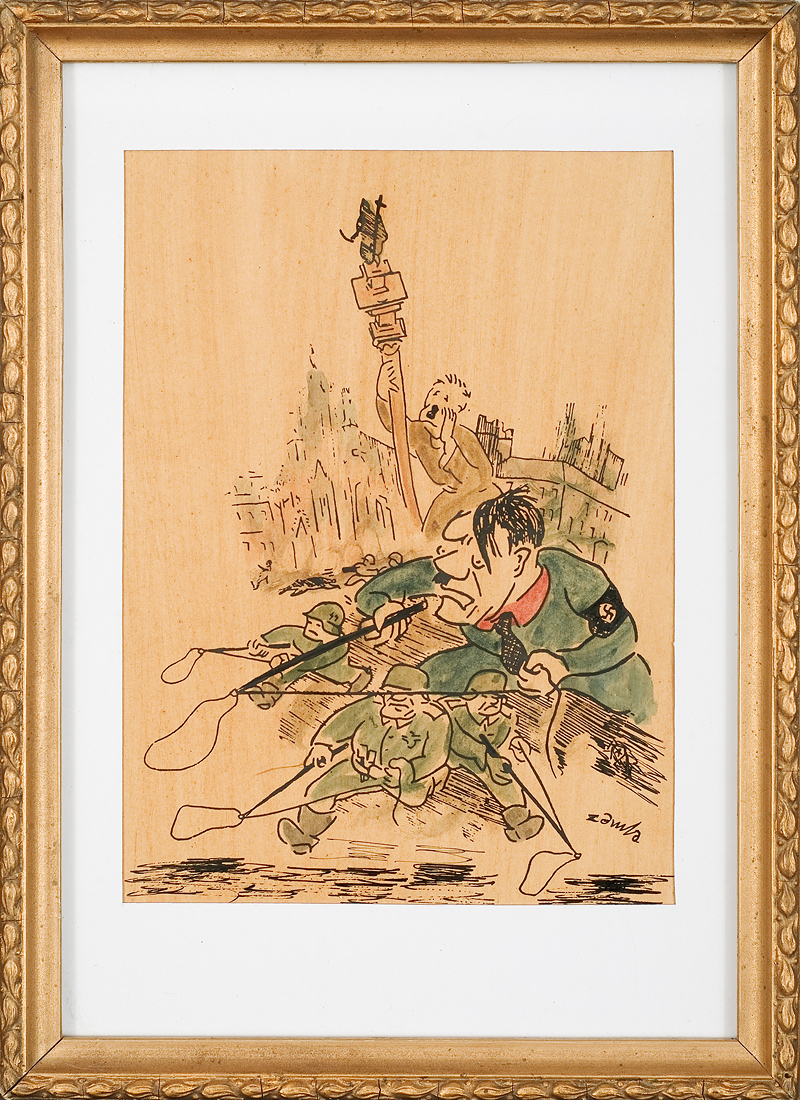
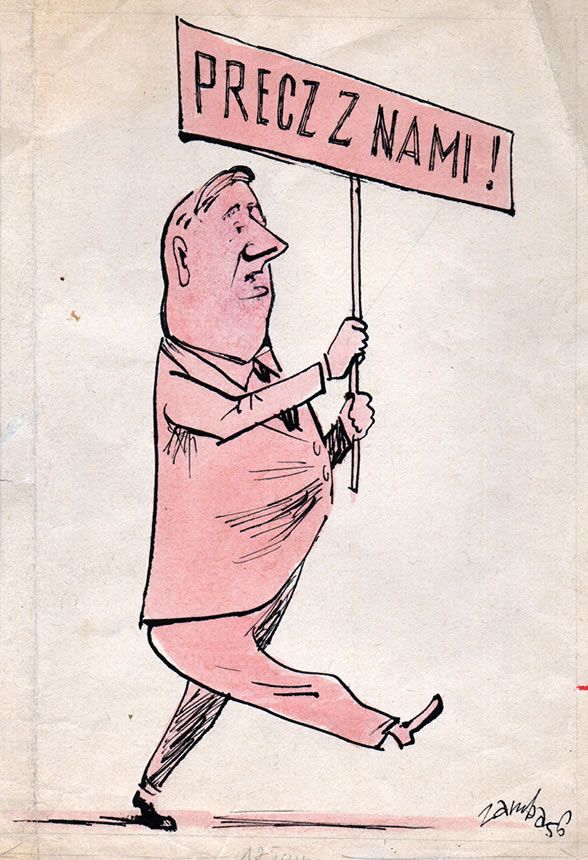
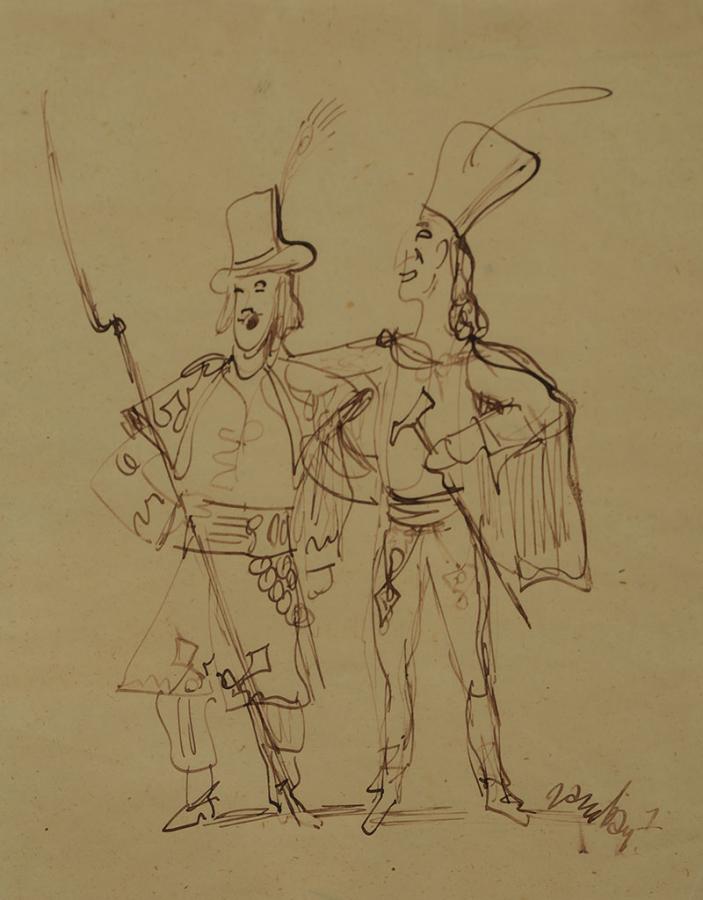
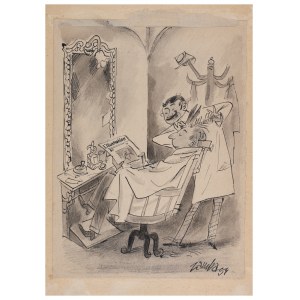
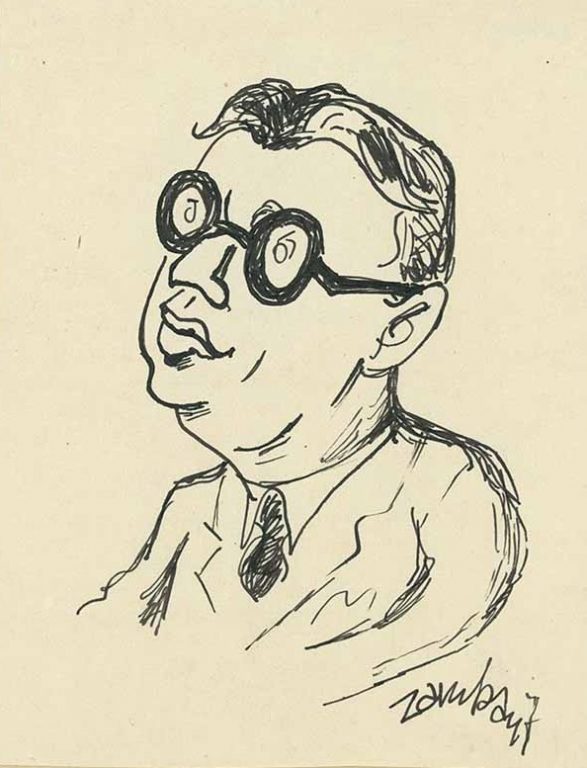
Painting alone could not sustain him financially, so Zaruba began working as a graphic artist for various magazines. From 1921, he collaborated with the Formists magazine and was a co-founder of the Association of Advertising Graphic Artists. He made his caricature debut in 1920 in Marchołt magazine. During the interwar period, he contributed caricatures to many satirical and literary publications, including Cyrulik Warszawski, Wróble na dachu, Szczutek, Szarża, Wiadomości Literackie, Pani, Kronika Polski i Świata, and Szpilki.
Some of his pre-war drawings carried strong antisemitic overtones. These were displayed in a 2013 exhibition at the Jewish Historical Institute. While working for Cyrulik Warszawski, he lived in Anin near Warsaw, often humorously mentioned in the magazine by fellow contributors.
Between 1931–1932, he designed sets and costumes for the Ateneum Theatre in Warsaw for the plays Open House and Ladies and Hussars. He also worked with revue theatres, including Małe Qui Pro Quo and 13 Rzędów.
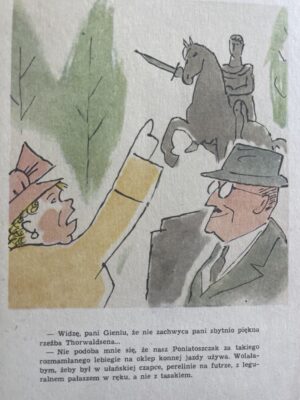
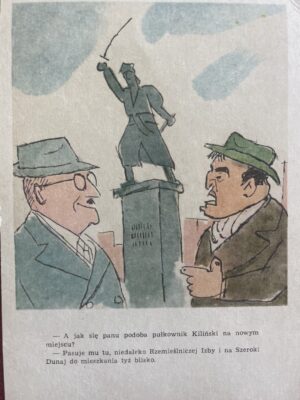
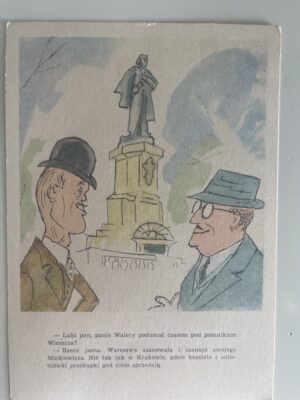
After World War II, he continued publishing caricatures and satirical drawings in Przekrój and Szpilki. He illustrated nearly 80 books, including works by Stefan “Wiech” Wiechecki and Janusz Minkiewicz. He also designed puppets for New Year’s political puppet shows. Between 1945–1949, he created stage designs for several plays at the Powszechny and Osa Theatres in Łódź. He served as vice-president of the Society of Friends of Puppet Theatres. In 1957, he designed masks for The Good Soldier Švejk at the Dramatic Theatre, and in 1963, the set for The Diplomats at the Variety Theatre.
Zaruba was also known for his vibrant social life. Before the war, he was friends with poets of the Skamander group, such as Antoni Słonimski and Julian Tuwim. He was often in the company of the legendary Franc Fiszer, whose likeness he captured in many drawings and puppets, and whose humor and anecdotes he recorded in his memoirs. In later years, he became close with Konstanty Ildefons Gałczyński; their friendship, like that with Tuwim, lasted until the poets’ deaths in 1953.
In 1928, Zaruba settled in Anin, then a rural area near Warsaw, becoming a pioneer of the artistic migration from crowded cities to the countryside. Despite its forested setting, his home in Anin became a hub of social life, where he hosted artists with legendary hospitality. He often sketched caricatures of his guests and humorous genre scenes inspired by their visits.
Jerzy Zaruba died on January 17, 1971, in Warsaw. In addition to his drawings and photographs documenting his stage designs, he left behind a memoir first published in 1957, later supplemented with essays about Warsaw. He remains one of the most colorful figures of interwar Warsaw—an artist with a vast, diverse, and still largely unclassified body of work. A portion of his legacy is preserved at the Museum of Caricature in Warsaw.
Officer’s Cross of the Order of Polonia Restituta (July 19, 1955)
Knight’s Cross of the Order of Polonia Restituta (July 16, 1954)
Medal of the 10th Anniversary of People’s Poland (January 1955)
State Artistic Award, 3rd degree, in the visual arts category for his political caricature work (1950)
Committee for Radio and Television Award for the New Year’s Eve Puppet Show on TV (1963)
Golden Pin with Laurel (Złota Szpilka z Wawrzynem) (1966)
Two of Art | KvK: 94351813 | Teilingen 79, 1082JR Amsterdam, Netherlands