Bożena Truchanowska
(born in 1929, in Volhynia, now part of Ukraine)
Illustrator, draughtswoman, painter, and representative of the Polish School of Illustration
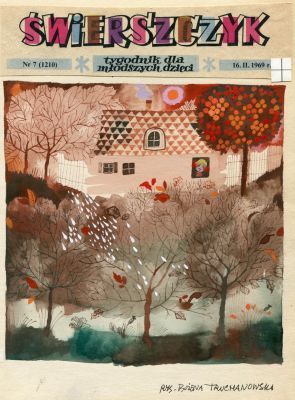
Bożena Truchanowska collaborated with leading publishing houses in the Polish People’s Republic (PRL), including Nasza Księgarnia, Czytelnik, and Iskry, as well as with popular children’s magazines such as Świerszczyk, Miś, Płomyczek, and Płomyk.
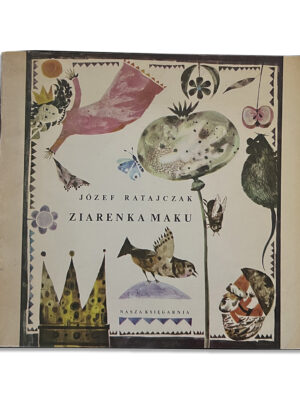
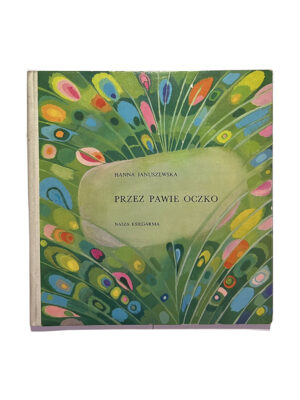
She moved with her parents to Komorów near Warsaw. During the German occupation in World War II, the family relocated to the Świętokrzyskie Mountains, giving up their home to the Szancer family. This marked the beginning of a long-lasting friendship between the Truchanowski and Szancer families. After the war, they settled in Łódź, where Bożena’s artistic talent began to flourish. Her first illustrations were created for books by Hanna Januszewska.
Thanks to the support of renowned Polish illustrator Jan Marcin Szancer, whose family she met again in Łódź, she was admitted to the Academy of Fine Arts in Warsaw, studying painting under Jan Cybis. In 1952–1953, she worked as an assistant at the Faculty of Graphic Arts. She studied printmaking under Tadeusz Kulisiewicz, though she later admitted she wasn’t fond of that medium, being far more passionate about illustration.
She graduated with honors in 1955. Around that time, she began illustrating books alongside her husband, Wiesław Majchrzak. Shortly after completing her studies, the couple worked on restoring the facades of historic tenement buildings, particularly using the sgraffito technique, on Warsaw’s Old Town and in Lublin’s Old Town, including the Goldsmith’s House. Their work on one of these buildings was awarded and recognized by Mieczysław Kuźma, a conservator of Warsaw’s and Lublin’s historic districts, who helped them secure an art studio in Warsaw.
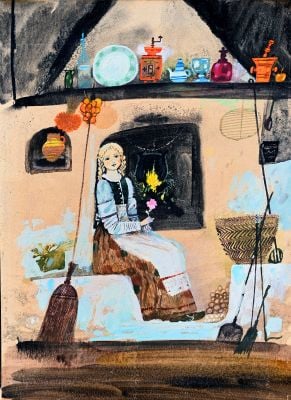
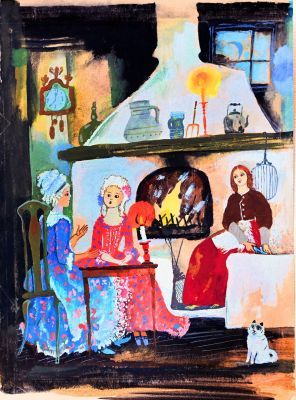
They often collaborated on projects for Nasza Księgarnia, and together illustrated Płomyczek, while separately contributing to Świerszczyk, Miś, and Płomyk. A turning point in Truchanowska’s career came when Zbigniew Rychlicki, head of the graphic department at Nasza Księgarnia, offered her the opportunity to independently illustrate Cinderella by Hanna Januszewska.
She also created postcards and posters, primarily for the publishing house Ruch.
In 1975, she received the Prime Minister’s Award for her contributions to children’s and youth literature.
Truchanowska and her husband had no children, which allowed her to fully dedicate herself to her artistic work. Their marriage ended after Majchrzak came out as bisexual and moved in with his partner.
In the 1980s, the economic crisis in the PRL severely affected Truchanowska’s financial stability. She began receiving fewer commissions and was forced to sell her private art collection and many of her own works, most of which now reside in private collections.
The political and economic transformation of the early 1990s did not improve her situation. The Polish illustration market was increasingly influenced by Western and Disney aesthetics, which were stylistically at odds with the principles of the Polish School of Illustration.
In 2013, the Polish section of IBBY awarded her a medal for excellence in book illustration. In 2014, she was honored with the Gloria Artis Medal for Merit to Culture by the Ministry of Culture and National Heritage.
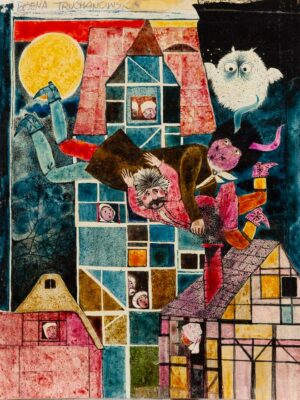
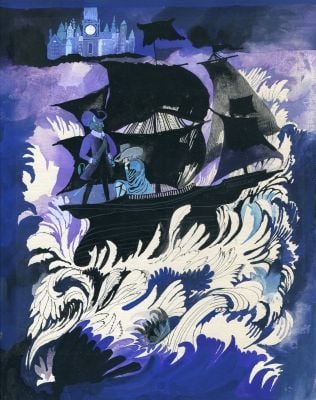
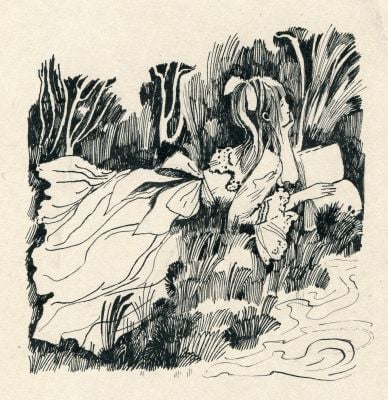
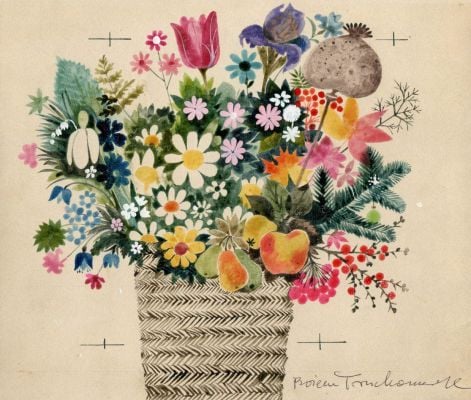
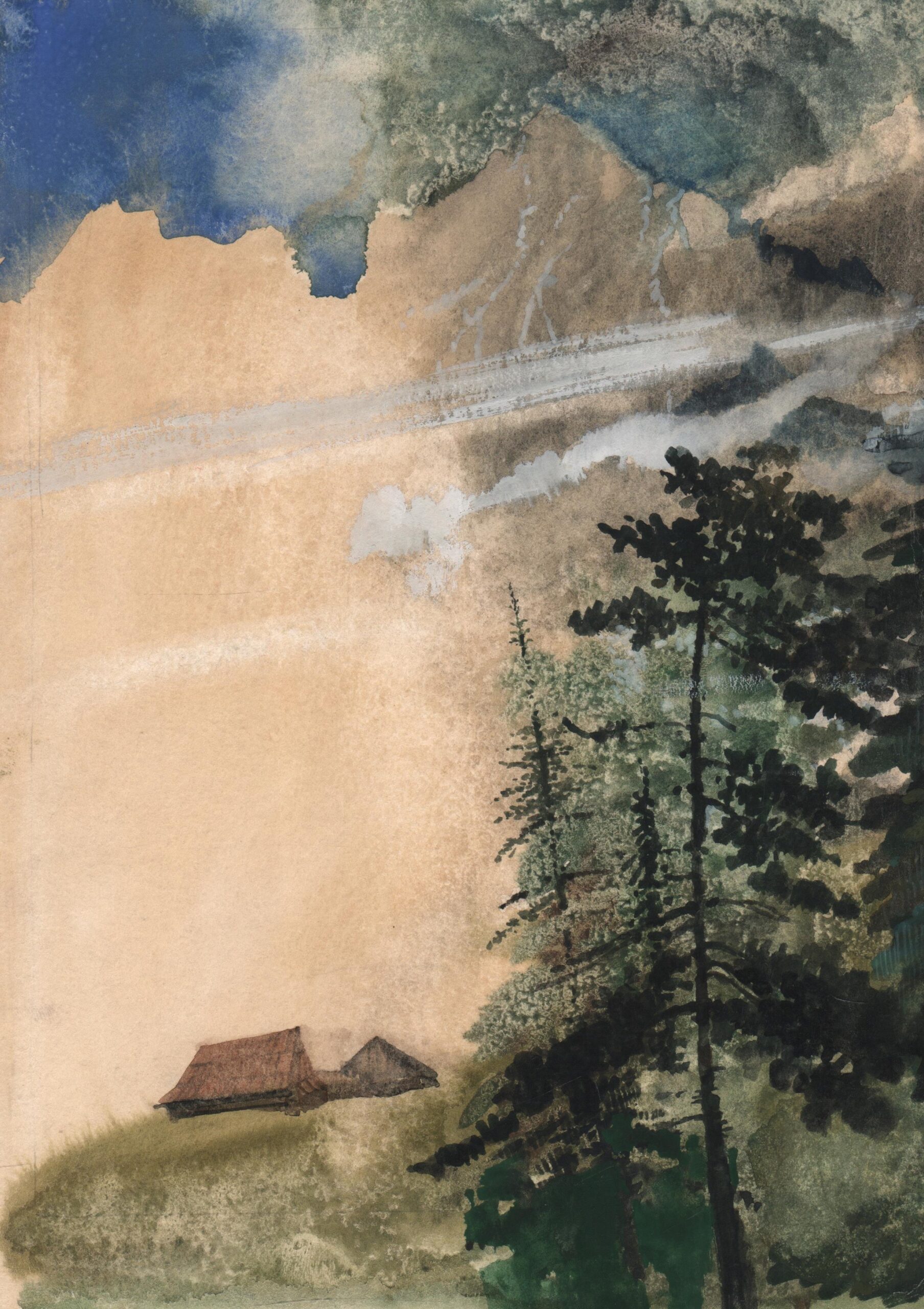
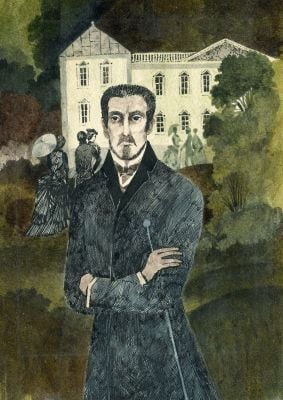
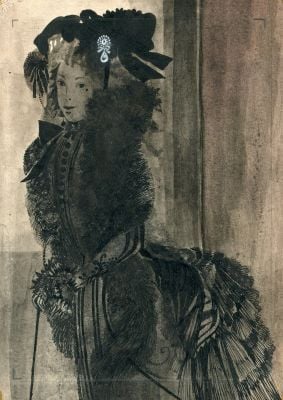
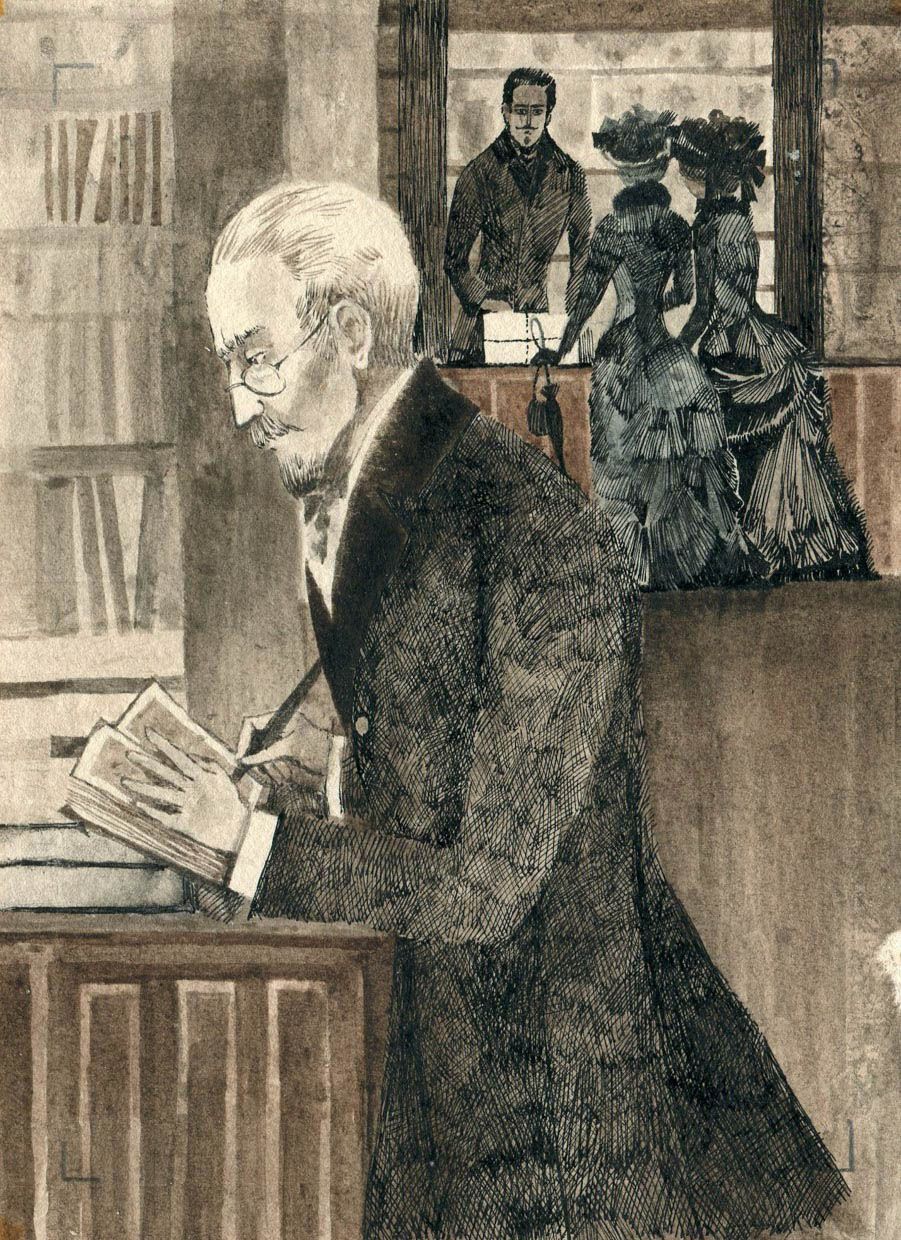
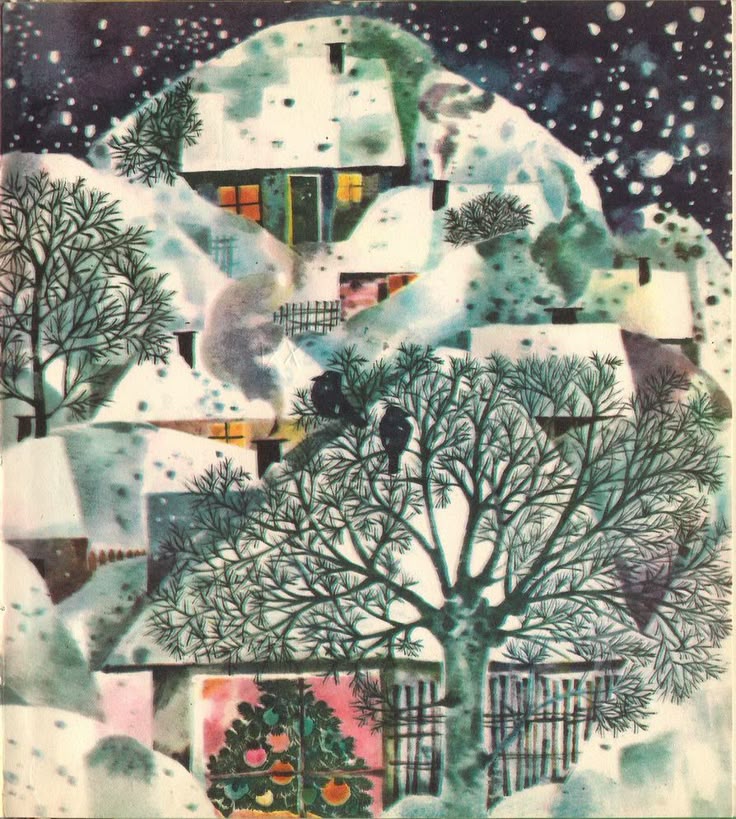
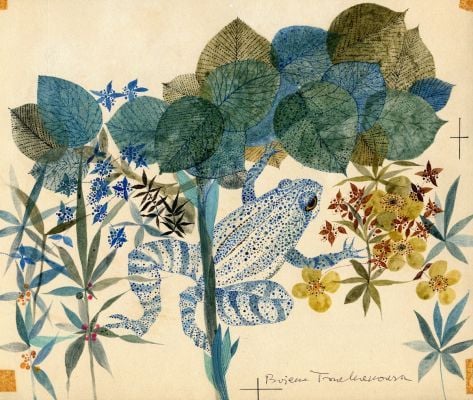
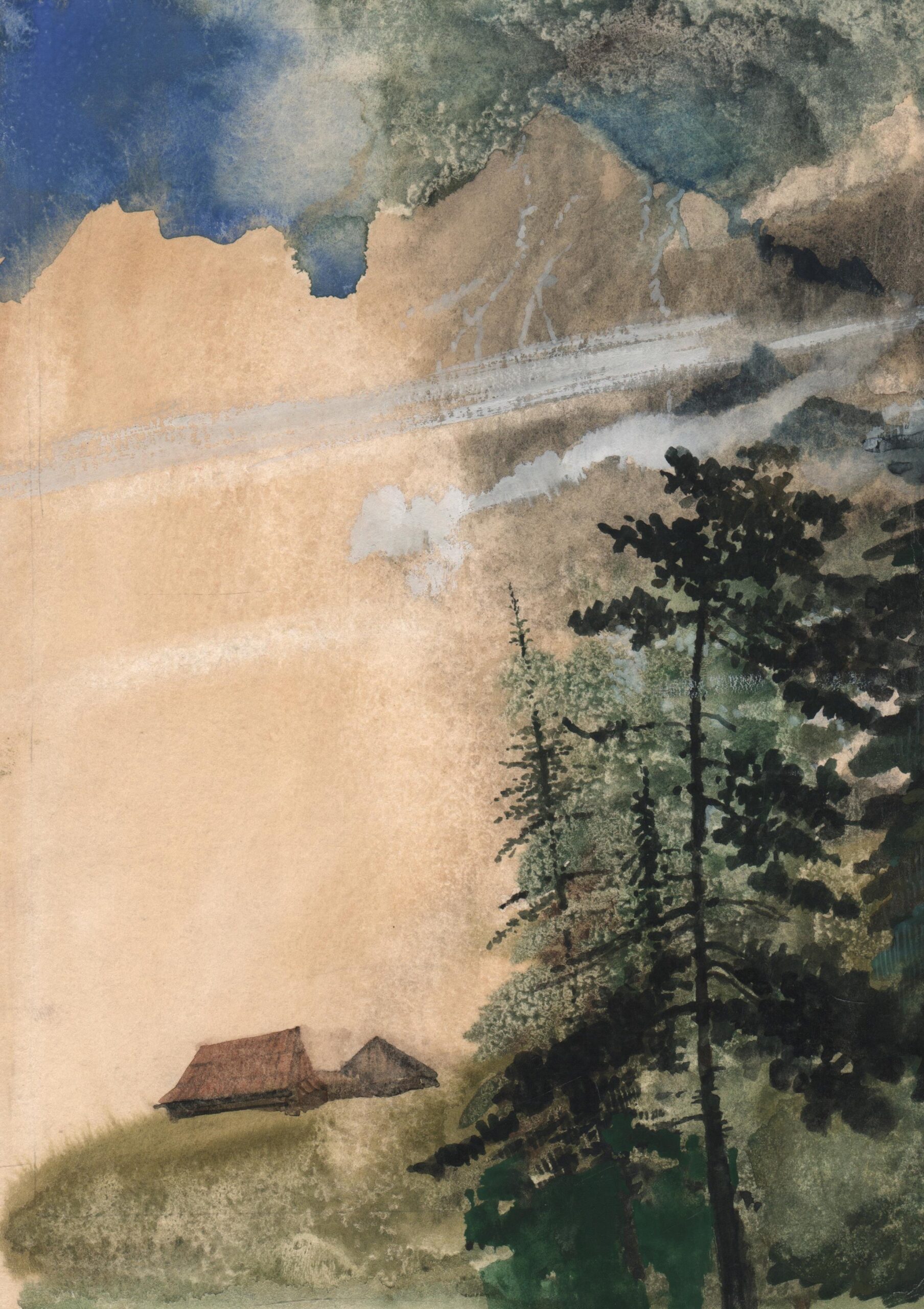
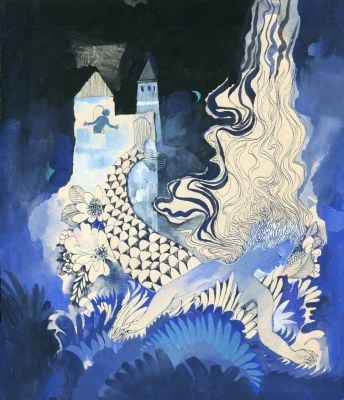
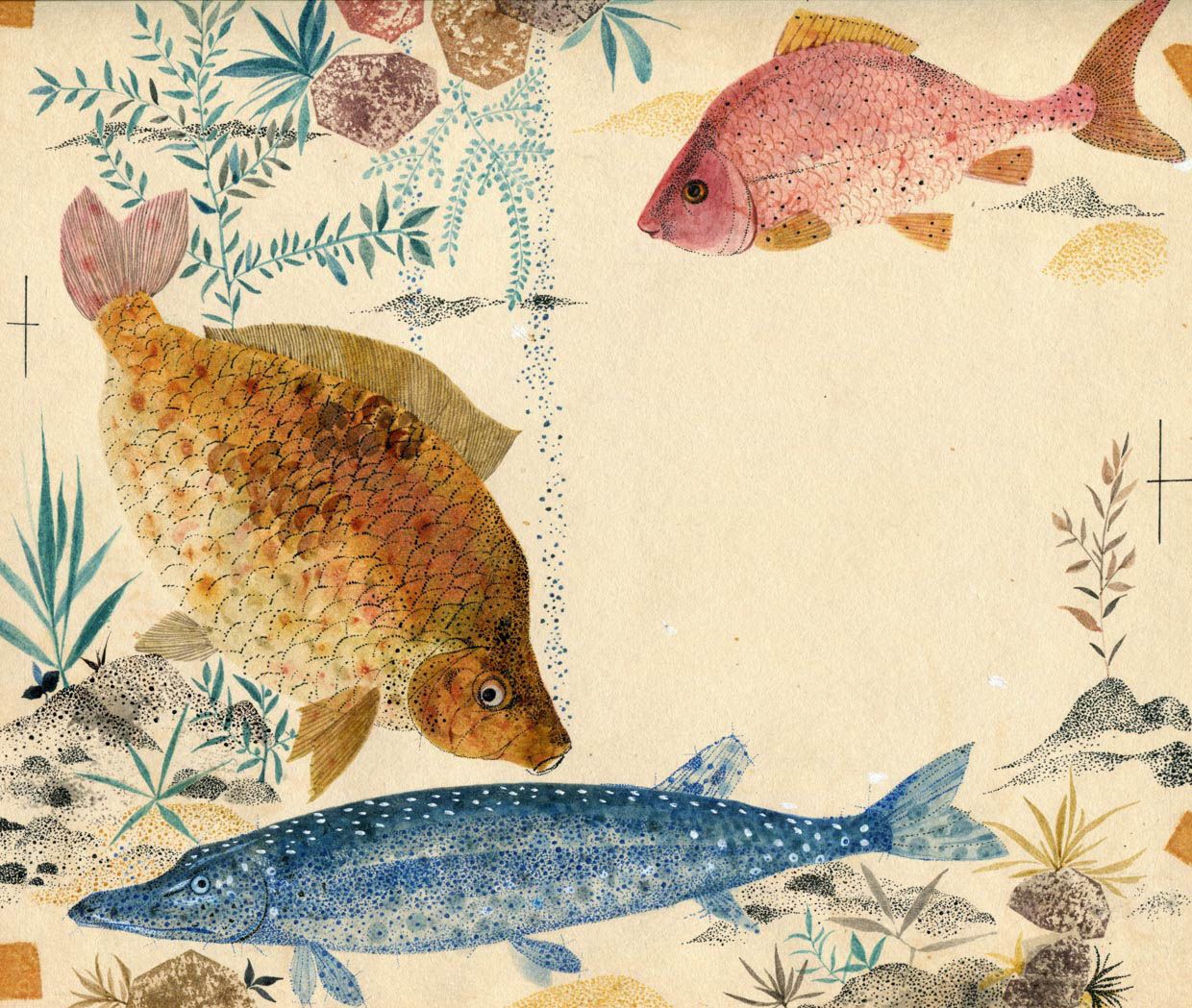
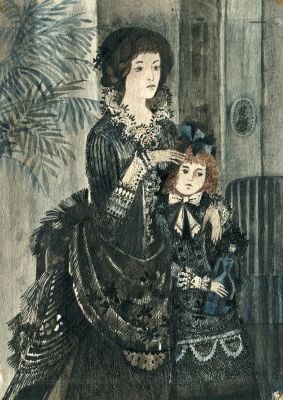
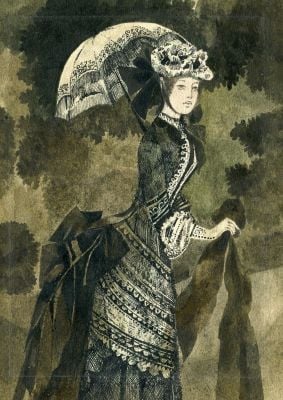
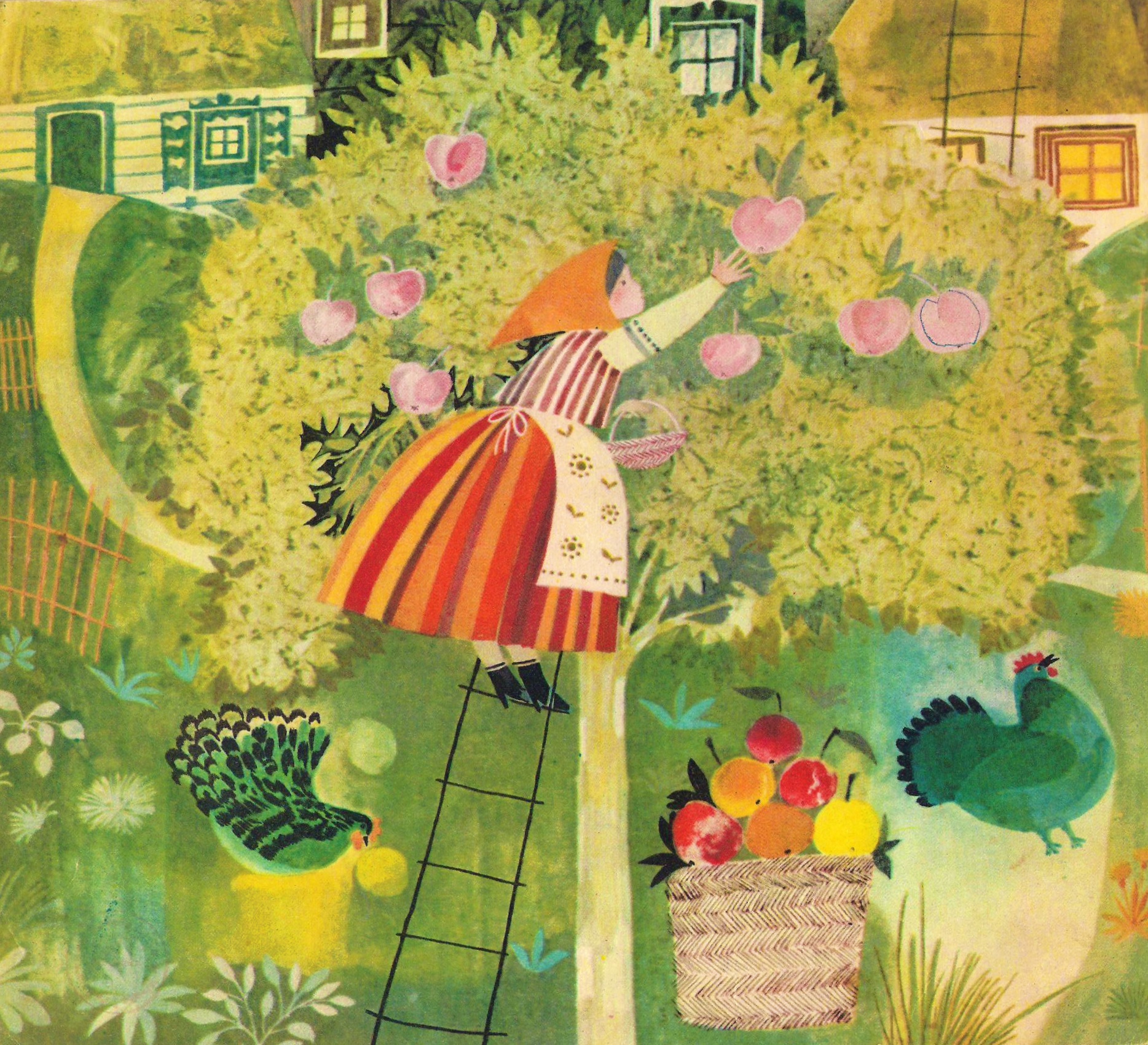
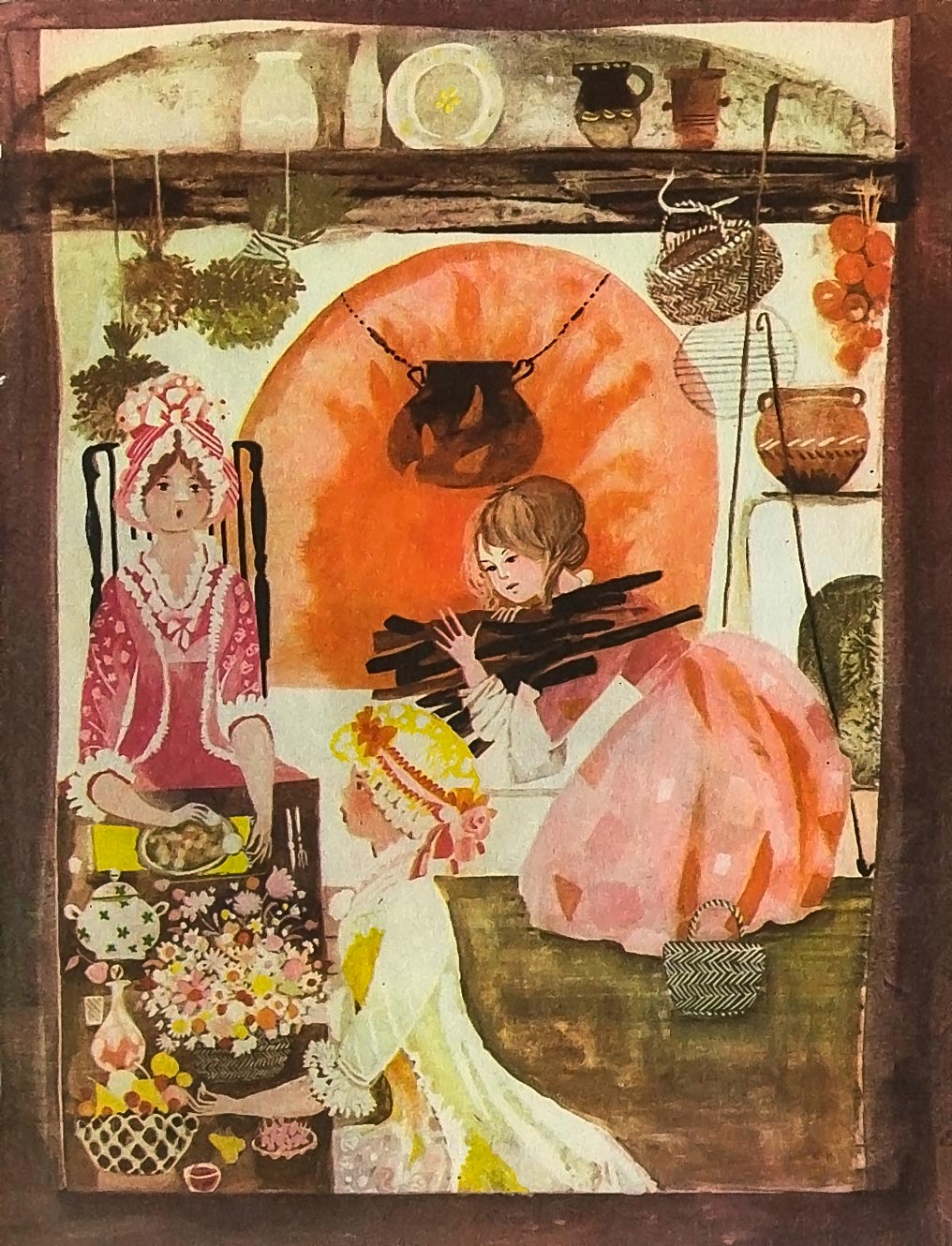
Truchanowska’s work is characterized by modern composition and strong graphic elements. As a keen observer, she often infused her illustrations with contemporary street fashion and elements of modern life. She typically painted with pen and ink, using strong contours, hatching, and bold lines that gave her work clarity while retaining warmth and individuality in her characters. A master of detail, she created a sense of wonder, fantasy, and mystery through flat compositions, as well as historical and occasionally folk-inspired stylizations.
At the beginning of her career, she illustrated books alongside her husband. However, when he received an art scholarship and left for Paris, Truchanowska was offered her first solo illustration project: Cinderella by Hanna Januszewska—a book that was later reissued many times.
Her favorites were pre-war editions of fairy tales by Hans Christian Andersen and the Brothers Grimm—books her father saved during World War II.
Cudna mieszczka by Wiktor Gomulicki, Nasza Księgarnia, 1957
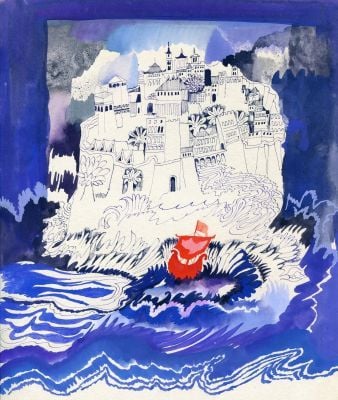
Okręt w herbie by Franciszek Fenikowski, Nasza Księgarnia, 1960
Klimek i Klementynka by Maria Krüger, Nasza Księgarnia, 1964
My, z bożej łaski król Anglii by George Bidwell, Nasza Księgarnia, 1963
Mówiący dąb by George Sand, Nasza Księgarnia, 1963
Podróże z Abrakadabrą by Jerzy Ros, Nasza Księgarnia, 1968
Cinderella by Hanna Januszewska (after Charles Perrault), “Moje książeczki” series, Nasza Księgarnia
Mały pokój z książkami by Edward Ardizzone and Eleanor Farjeon, 1971
Złoty koszyczek by Hanna Januszewska (after Charles Perrault), “Moje książeczki” series, Nasza Księgarnia, 1974
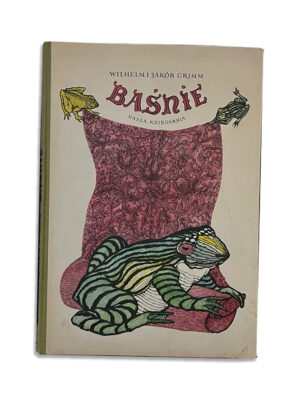
1959 – IBA Leipzig, Silver Medal for Grimm’s Fairy Tales, Nasza Księgarnia
1962 – 15th Anniversary of the PRL Exhibition, Special Distinction
1962 – PTWK (Polish Book Publishers Association), distinction for The Talking Oak, Nasza Księgarnia
1963 – IBA Leipzig, Honorable Mention for The Talking Oak, Nasza Księgarnia
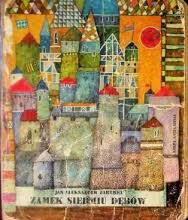
1963 – PTWK Award for The Castle of Seven Oaks by J.A. Zaremba, Nasza Księgarnia
1964 – IBA Leipzig, Honorable Mention for The Castle of Seven Oaks
1965 – PTWK distinction for Journeys with Abracadabra by Jerzy Ros
1965 – World’s Most Beautiful Books Exhibition (Frankfurt, Germany), distinction for Journeys with Abracadabra
1965 – 8th São Paulo Art Biennial, Gold Medal (collective) for works by Nasza Księgarnia
1975 – Prime Minister’s Award for achievements in children’s book illustration
Two of Art | KvK: 94351813 | Teilingen 79, 1082JR Amsterdam, Netherlands