(Born June 8, 1947, Heppenheim, Germany)
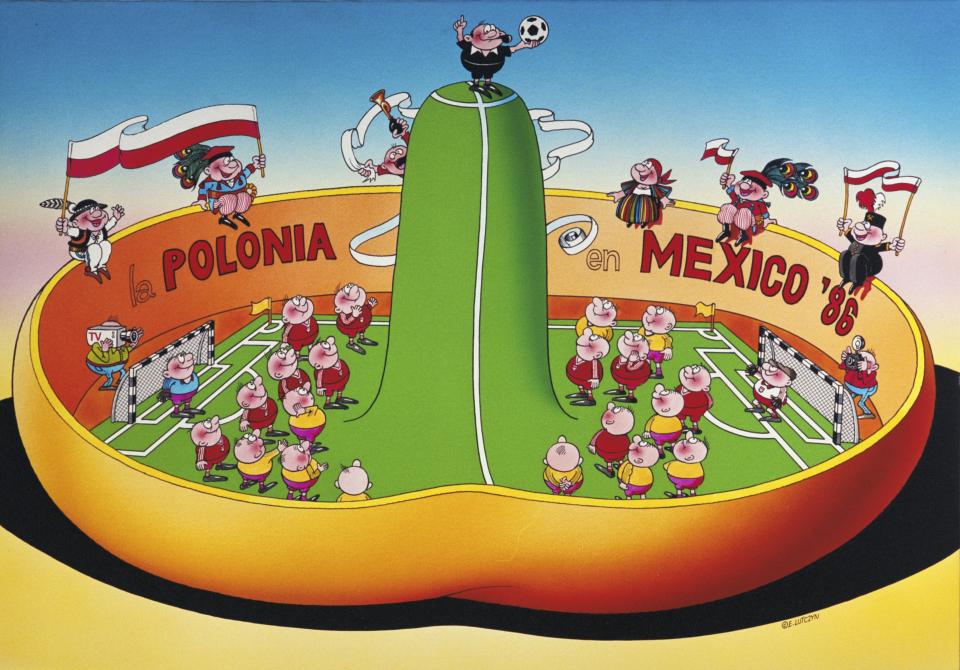
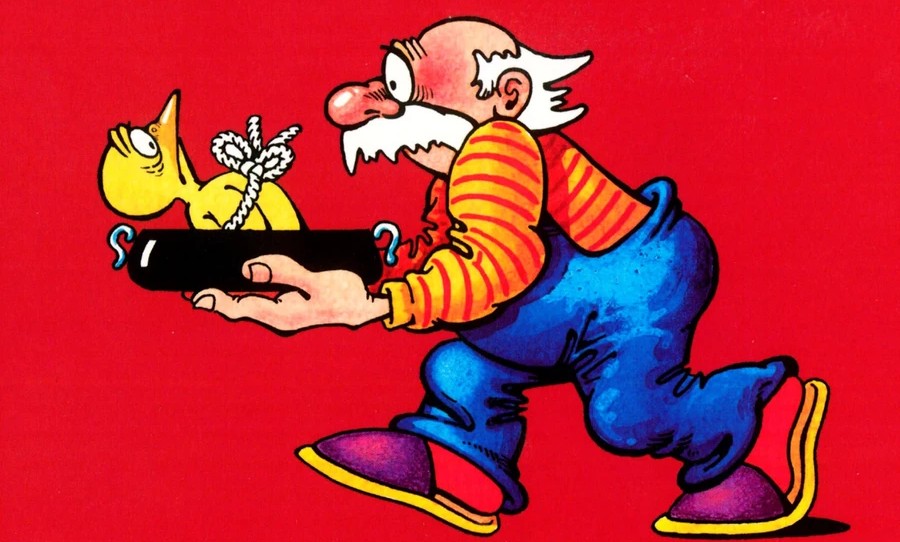
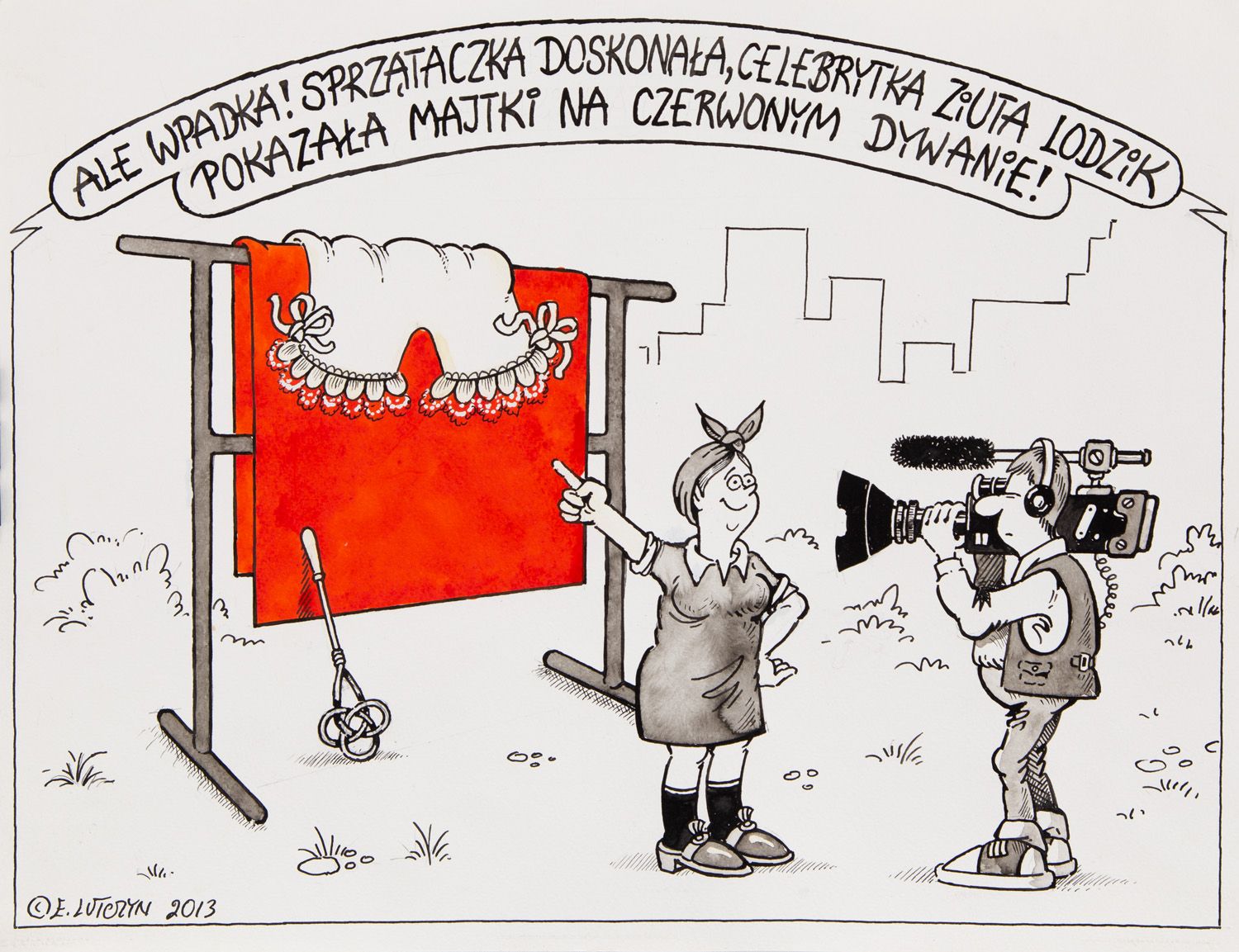
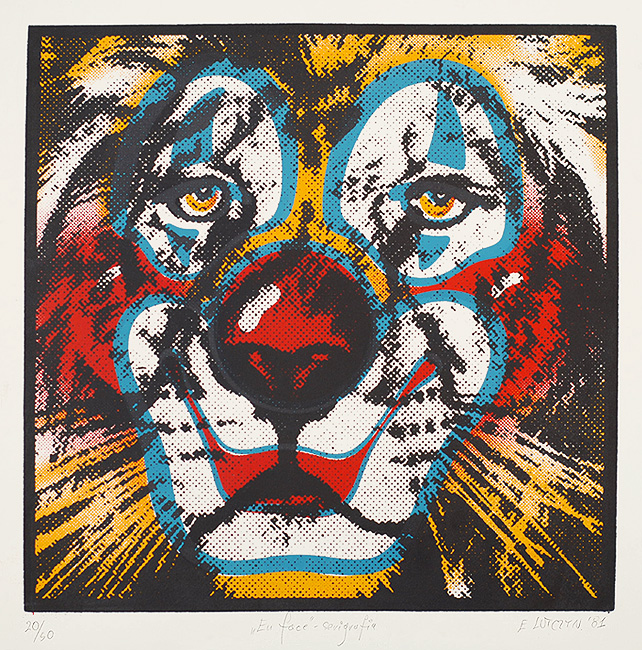
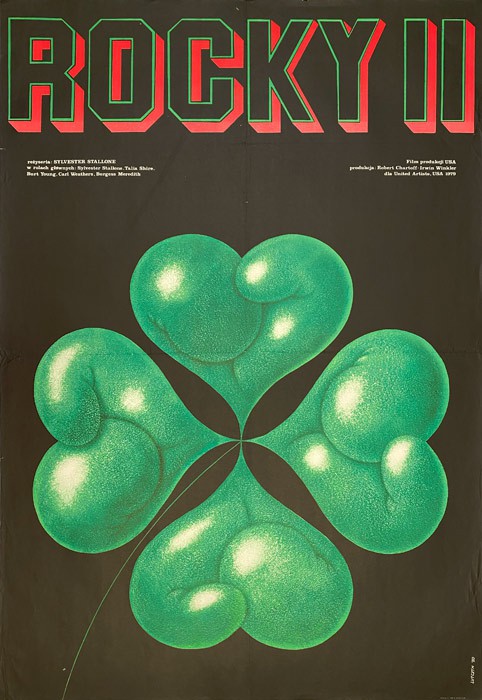
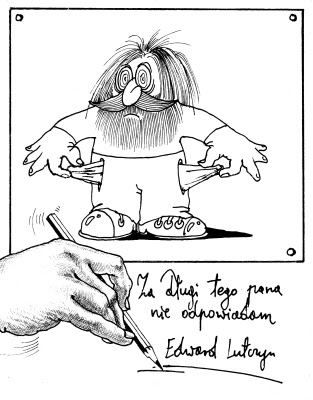
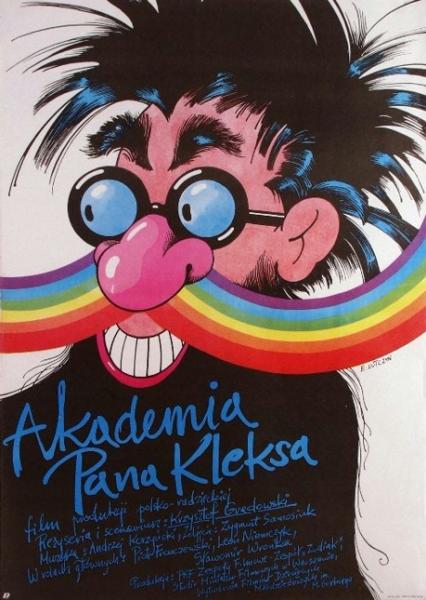
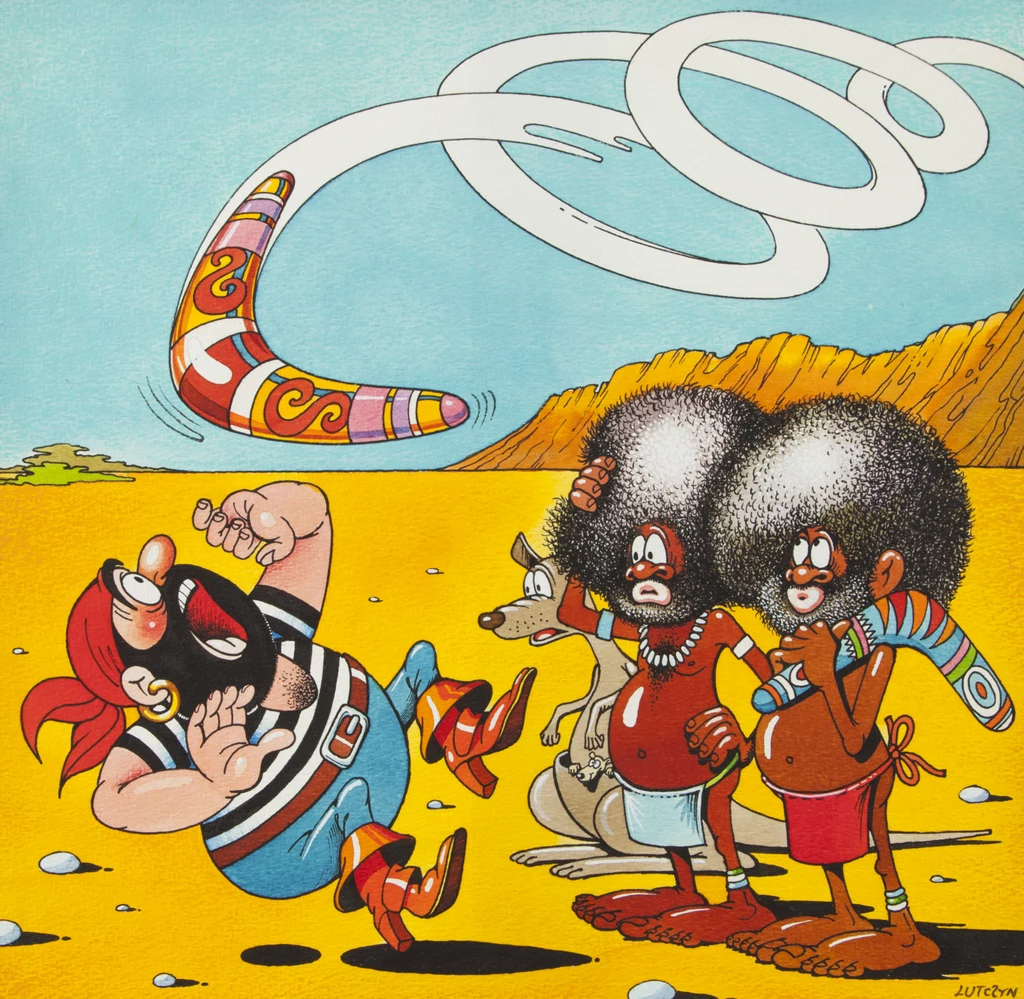
Polish visual artist known for his distinctive linework. Recognized for his satirical drawings, caricatures, illustrations, and posters—created for both children and adult audiences.
He is the son of Piotr Paweł Lutczyn, a graphic artist and film director, and Bożena Kubiczek-Lutczyn, a painter, and the grandson of painter Mieczysław Kubiczek. Though he drew from an early age, under the influence of his parents he initially chose to study at the Faculty of Electrical Engineering, Automation, Computer Science, and Electronics at the AGH University of Science and Technology in Kraków.
He achieved his first artistic success at the age of eight, winning a children’s drawing contest organized by the magazine Płomyczek in 1955. His professional debut came in 1971 with illustrations published in Szpilki magazine. That same year, his work also appeared in the biweekly Student and in Echo Krakowa. Over the years, he contributed illustrations and cartoons to numerous prominent publications, including Gazeta Wyborcza, Playboy, Przekrój, Reader’s Digest, Świerszczyk, and Wiedza i Życie. He also drew live during segments of the television program Butik.
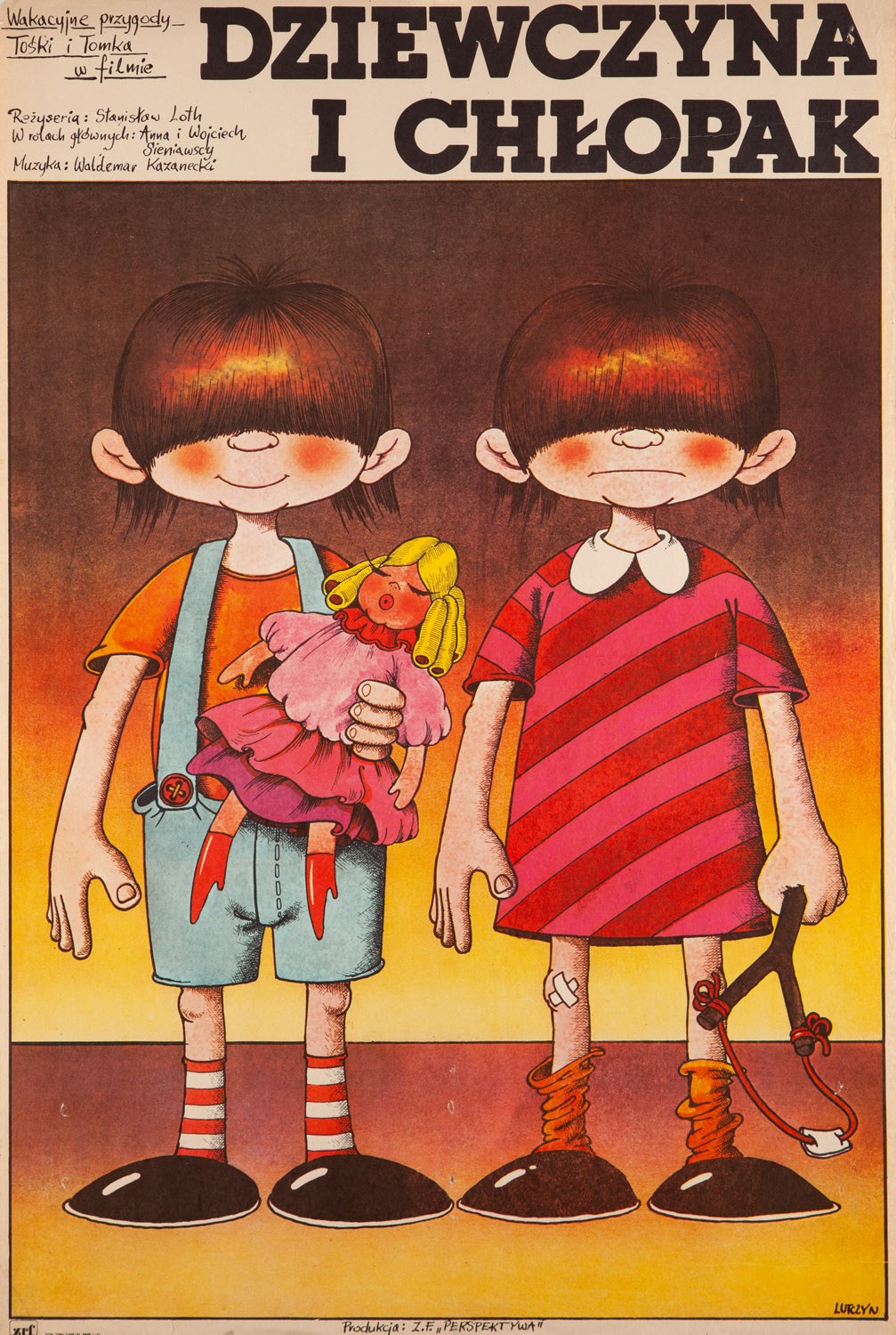
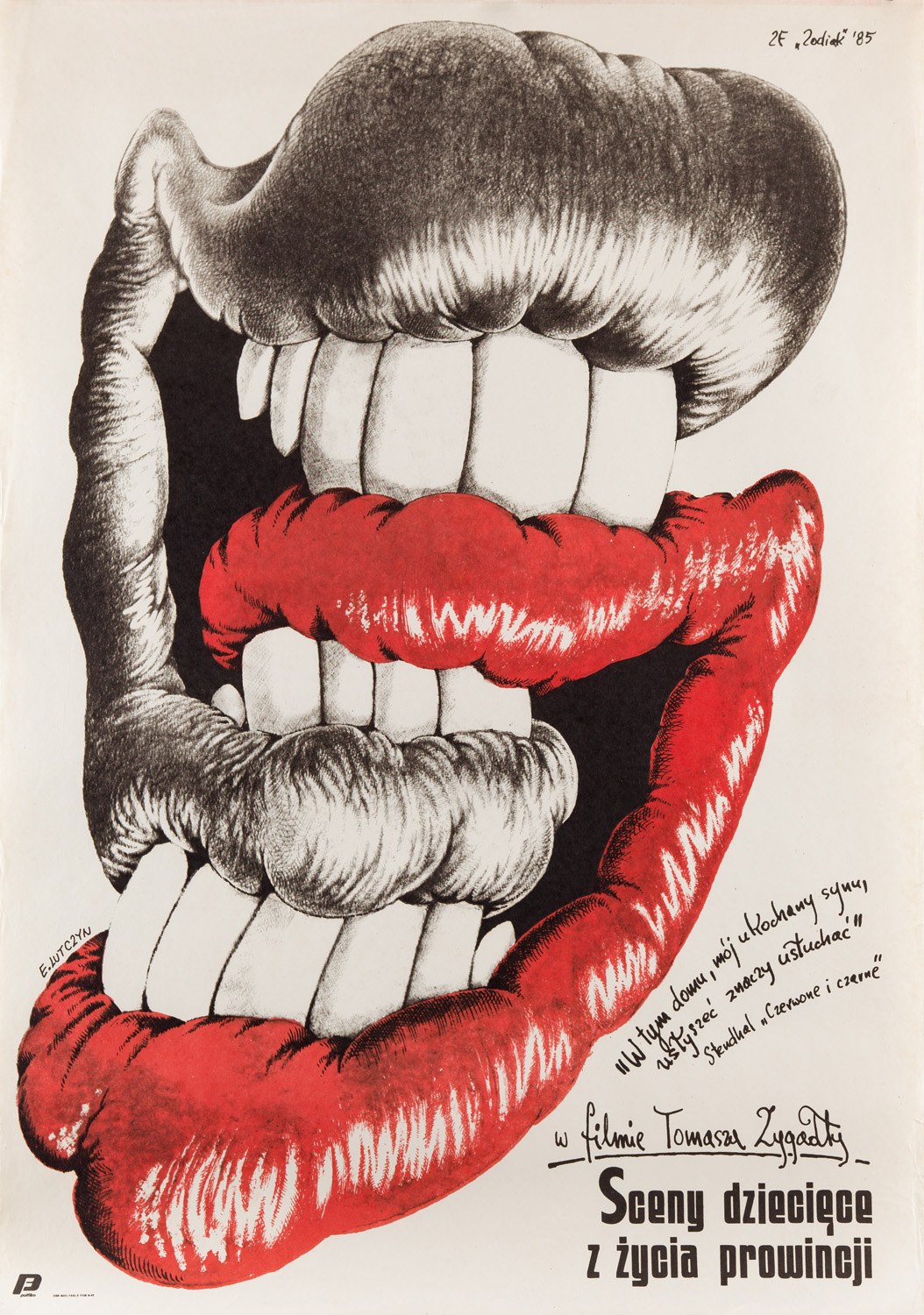
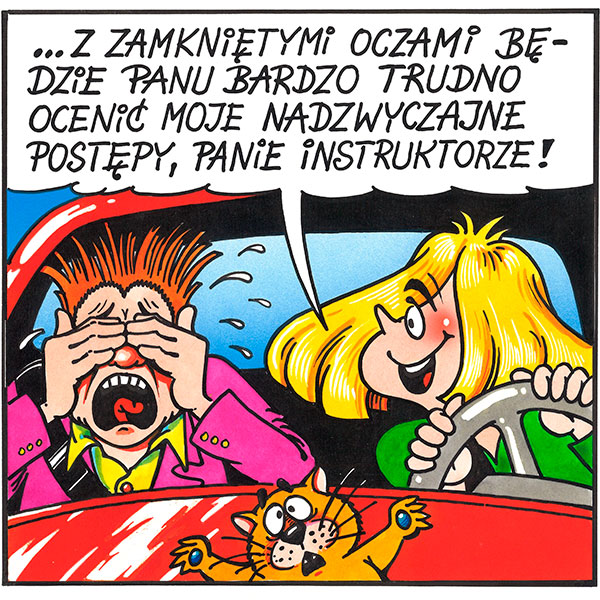
In the early 1980s, he created two comic strips for Relax, a Polish magazine of illustrated stories. Lutczyn has also designed posters, postcards, and album covers. He has illustrated over 130 books, and his work has been exhibited widely in Poland and internationally. He is a multiple recipient of the Golden, Silver, and Bronze Szpilka awards.
Distinctive Linework and Technique
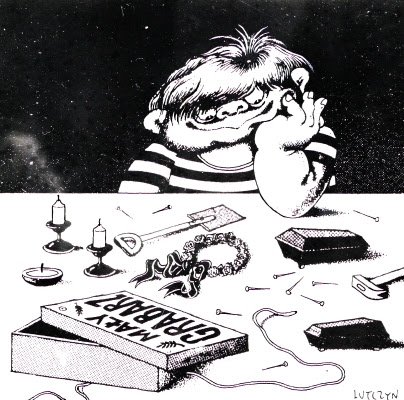
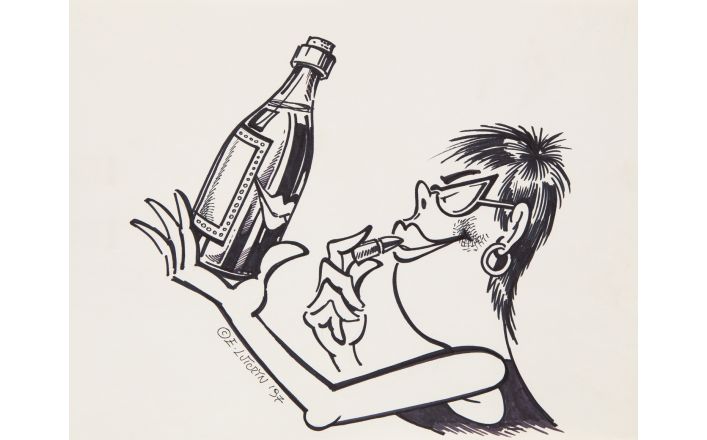
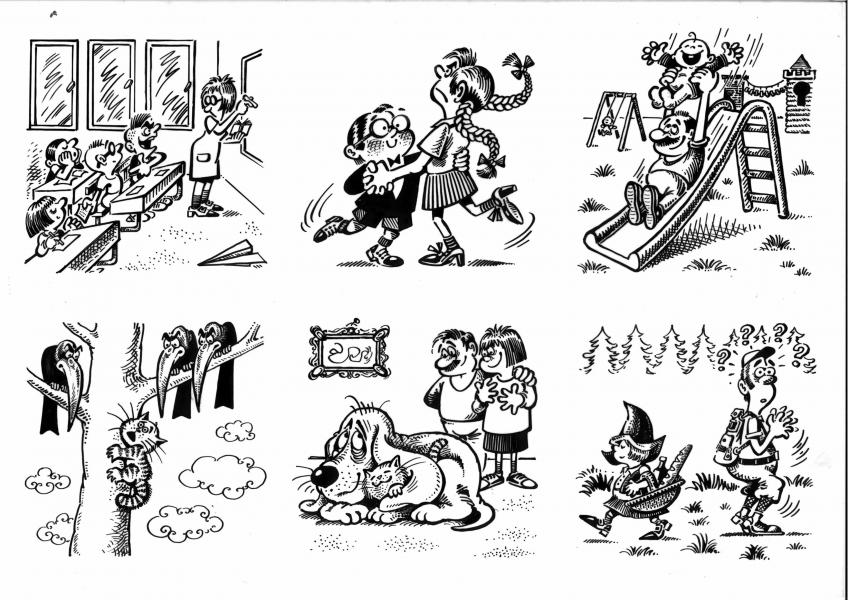
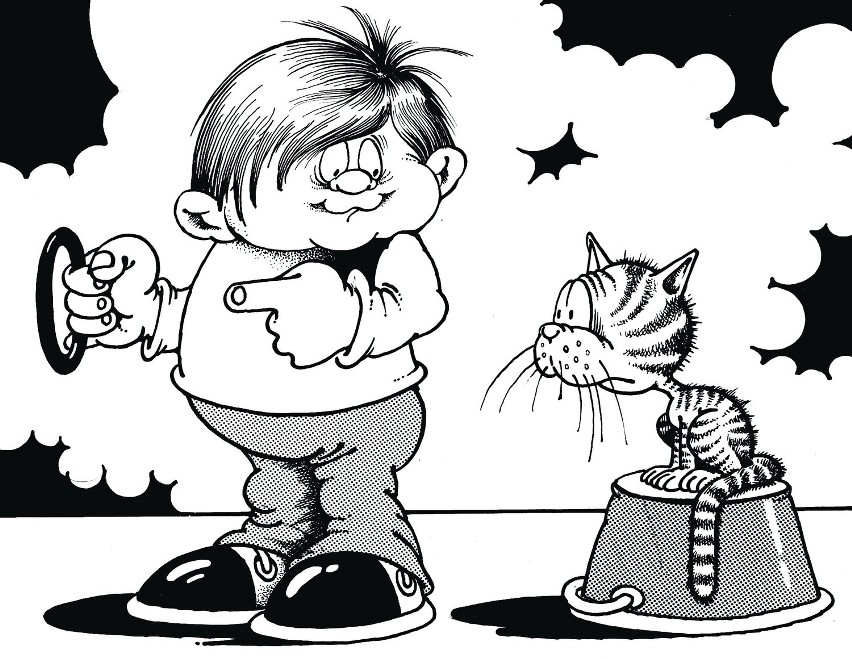
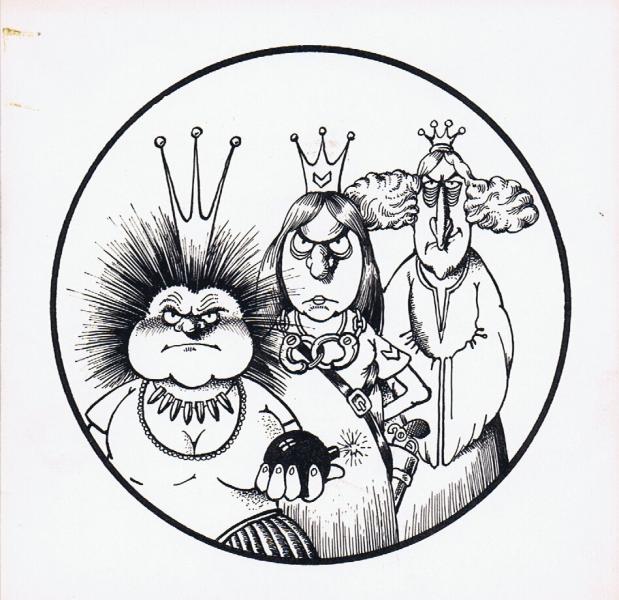
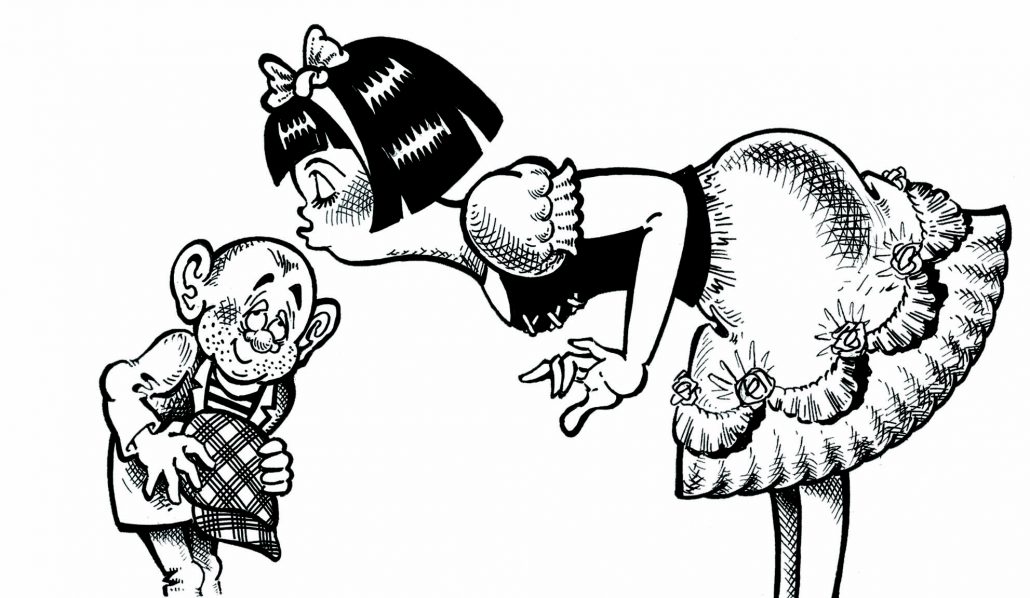
Line: Clear, precise, yet fluid—Lutczyn’s line art is instantly recognizable. He uses contours masterfully, often with a fine line that highlights facial expressions and small details.
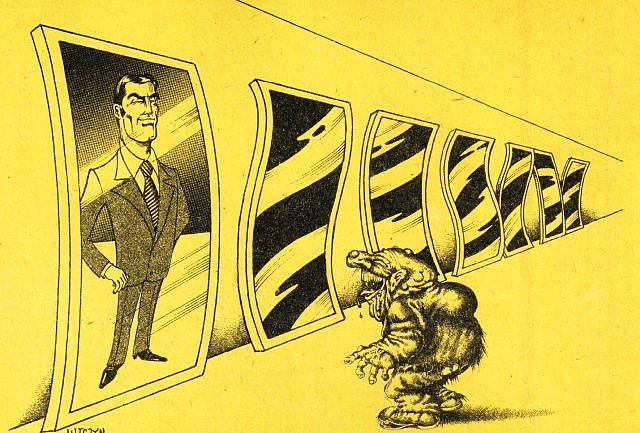
Black-and-white illustrations: Most of his work is ink-based, without color, which enhances the composition’s structure and humor.
Minimal yet rich: His drawings are never cluttered, but often packed with subtle details that invite close observation and draw viewers into the scene.
Humor and Expression
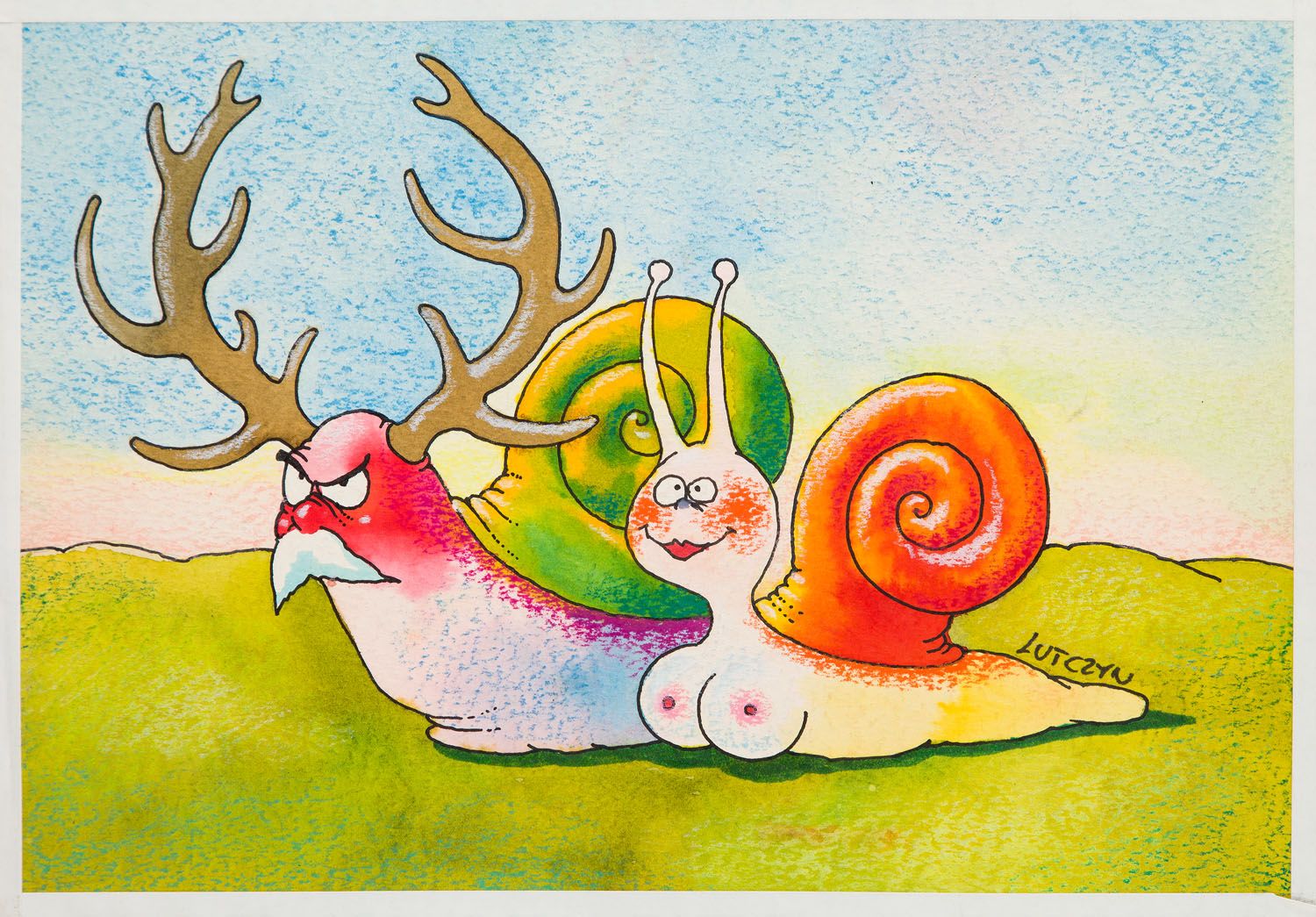
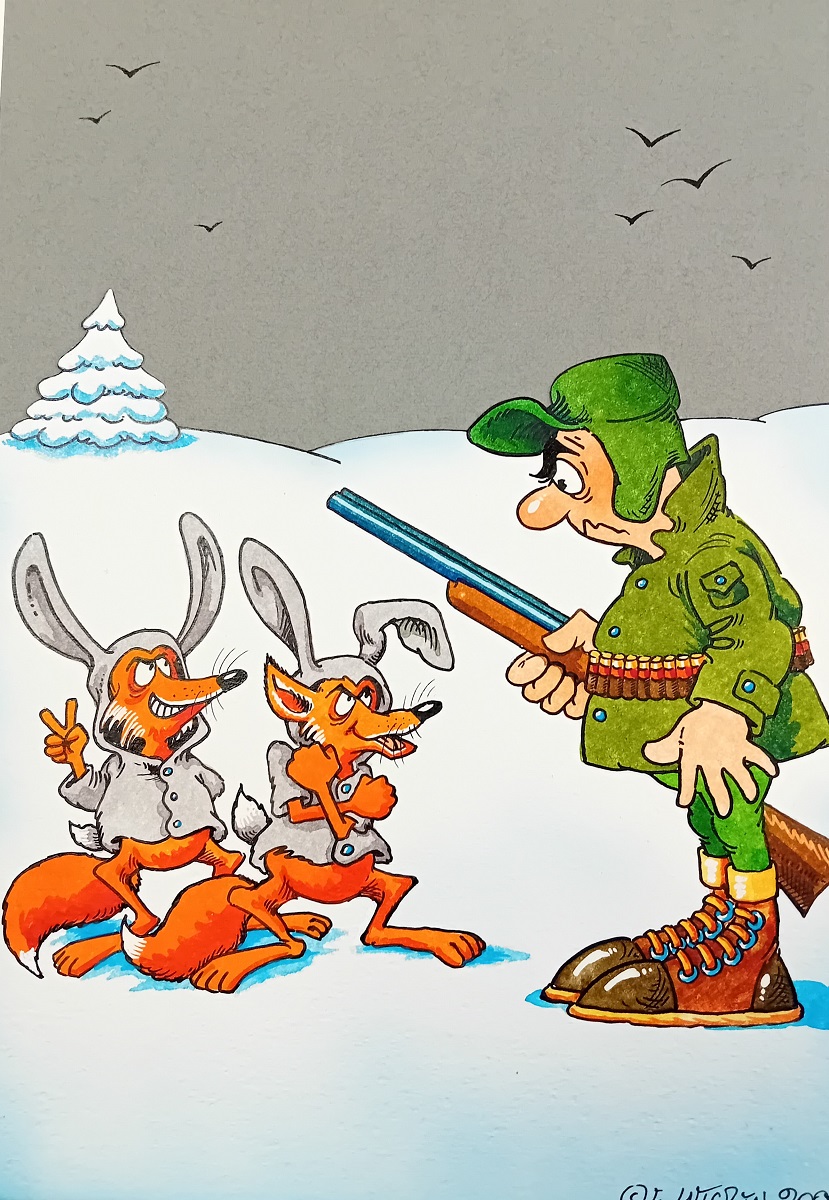
Irony and absurdity: He employs situational humor, often absurd or surreal, frequently based on wordplay or unexpected juxtapositions.
Satire and grotesque: Lutczyn presents a warped mirror to reality—especially life under the Polish People’s Republic (PRL)—exposing the absurdities of bureaucracy, everyday life, and social norms.
Gentle sarcasm: His works may be biting, but never harsh; they reflect a warm, amused detachment from the human condition.
Characters and Narrative World
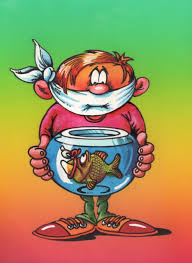
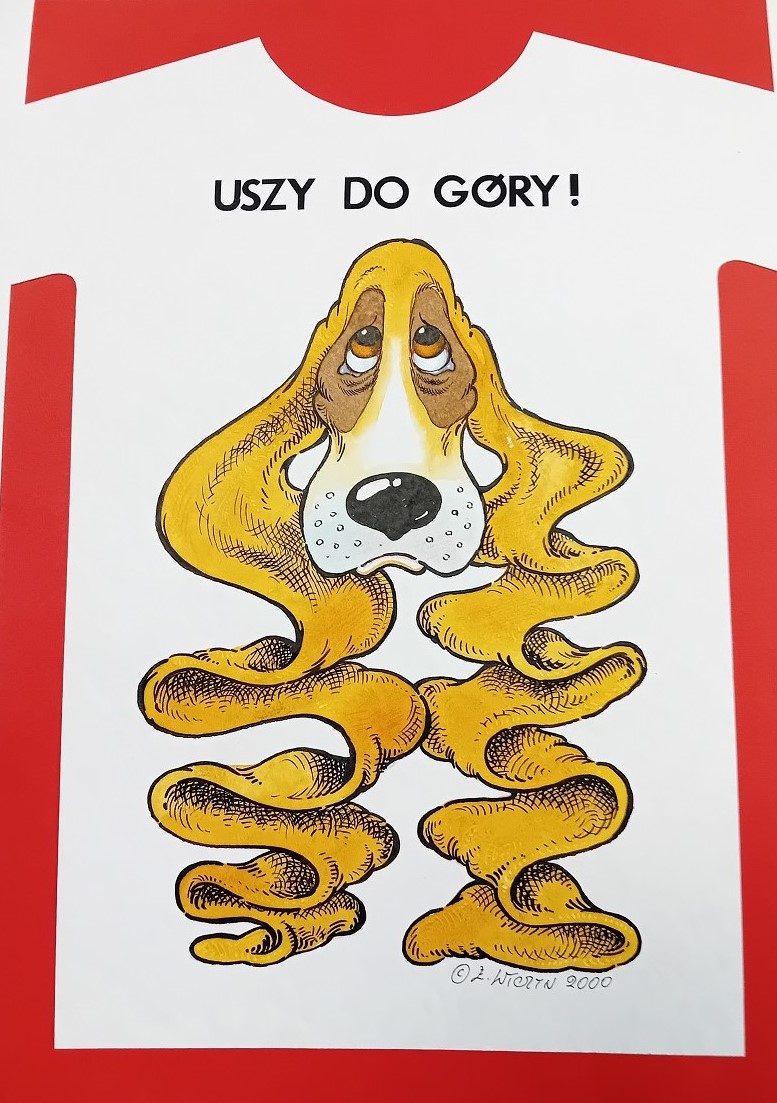
Caricatured figures: His characters often feature exaggerated noses, ears, bellies, and glasses, giving them a humorous, sometimes awkward look.
Human archetypes: He captures a wide range of recognizable figures—bureaucrats, artists, intellectuals, average citizens—each with distinct personalities and visual quirks.
Static yet dynamic: While the composition is often static, the scene conveys narrative movement, like a film still with a punchline.
Literary Elements
Captions and dialogue: His concise, witty, and often surprising punchlines are essential to the meaning or reinterpretation of the illustration.
Context and Contribution
Lutczyn has worked primarily as a press illustrator (notably for Szpilki, Polityka, Przekrój), but also extensively as a book illustrator for both children and adults.
His work lies at the intersection of graphic art, literary illustration, and satire—blending fine art with mass communication.
Two of Art | KvK: 94351813 | Teilingen 79, 1082JR Amsterdam, Netherlands