(1927–2002)
A versatile artist whose pen and brush moved as freely across the page as his imagination traveled through Polish history. He was a draftsman, illustrator, satirist, cultural historian, and costume expert. Each of these roles enriched the others, making him a unique figure in 20th-century Polish culture.
Szymon Kobyliński was born on May 22, 1927, in Warsaw. He grew up in an intellectual family, surrounded by patriotism and a deep interest in history. During World War II, he served in the Polish Home Army (Armia Krajowa), participating in the underground resistance and the Warsaw Uprising.
After the war, he studied graphic design at the Academy of Fine Arts in Warsaw, where he received a thorough artistic education and combined it with a lifelong passion for history.
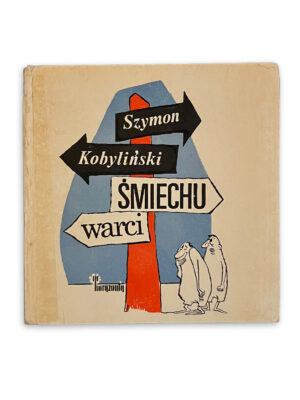
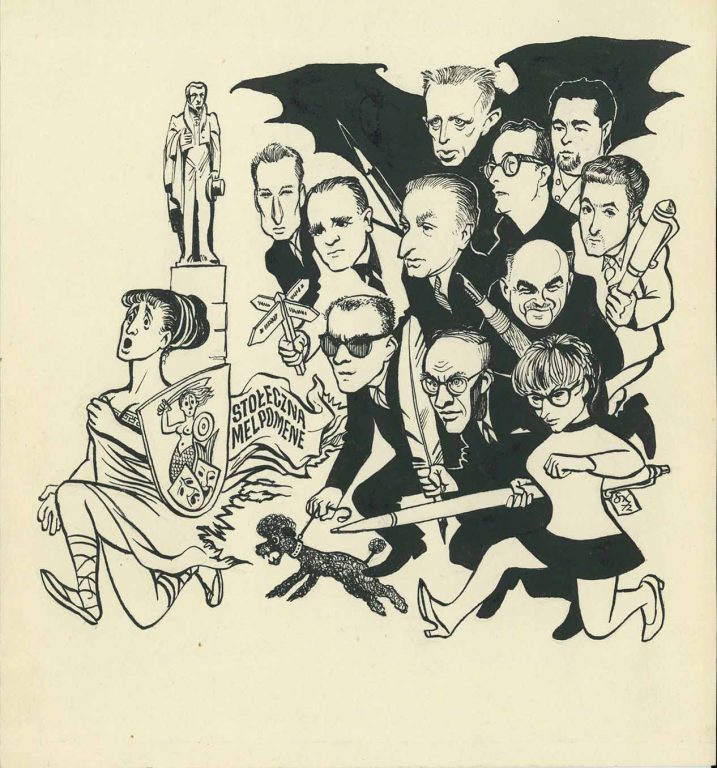
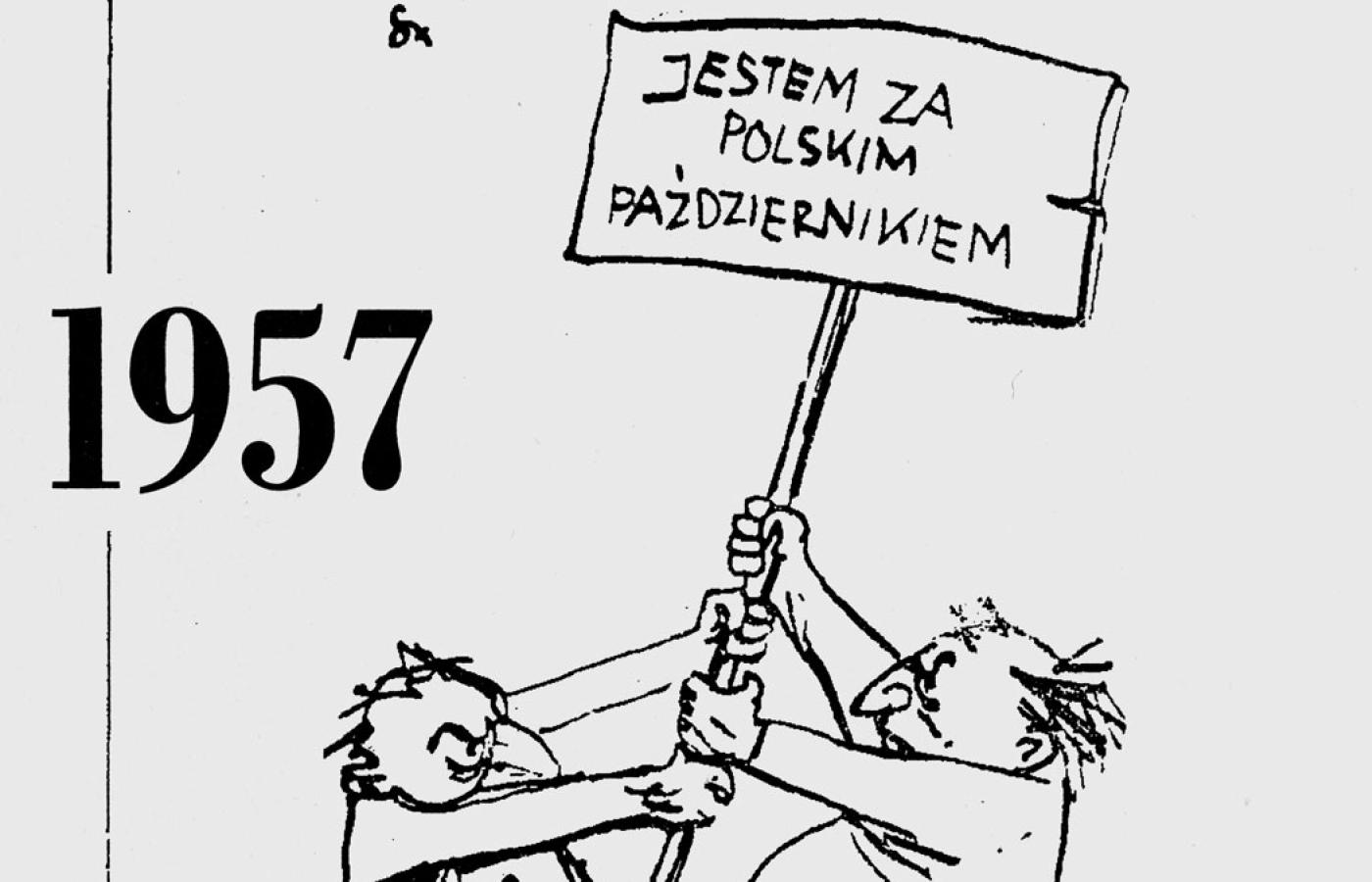
From the 1950s onward, he actively contributed to Polish cultural life as a press illustrator and cartoonist. His drawings appeared in Polityka, Szpilki, and Przekrój, becoming his signature—elegant, refined, and culturally rich. He also illustrated hundreds of books, including school textbooks, historical novels, and works of classic literature.
In the 1970s and 1980s, he became a recognizable television personality, hosting educational programs that inspired audiences with his enthusiasm for Polish history. He spoke with wit and erudition about past eras, clothing, weapons, and customs. As an amateur historian, he amassed an impressive collection of historical costumes and artifacts—his home was a cabinet of curiosities and a private museum in one.
He died on February 15, 2002, in Warsaw, leaving behind a vast artistic and educational legacy. His works are preserved in museum collections, libraries, and private archives.
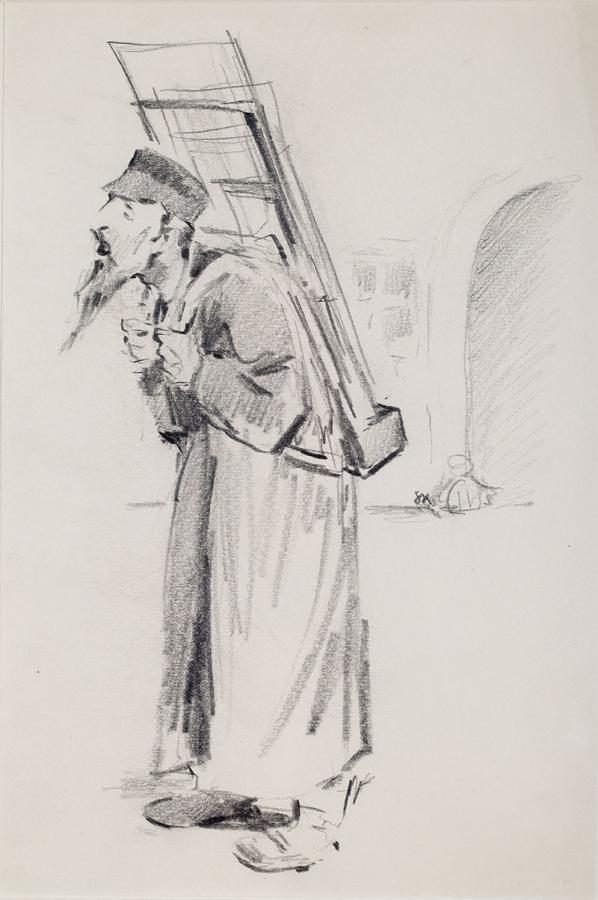
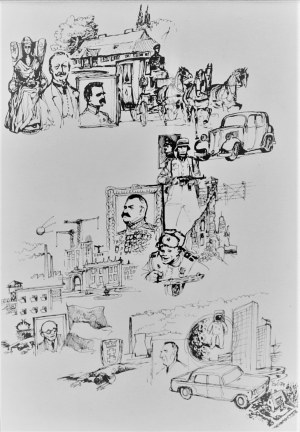
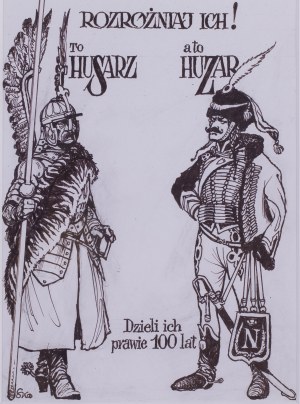
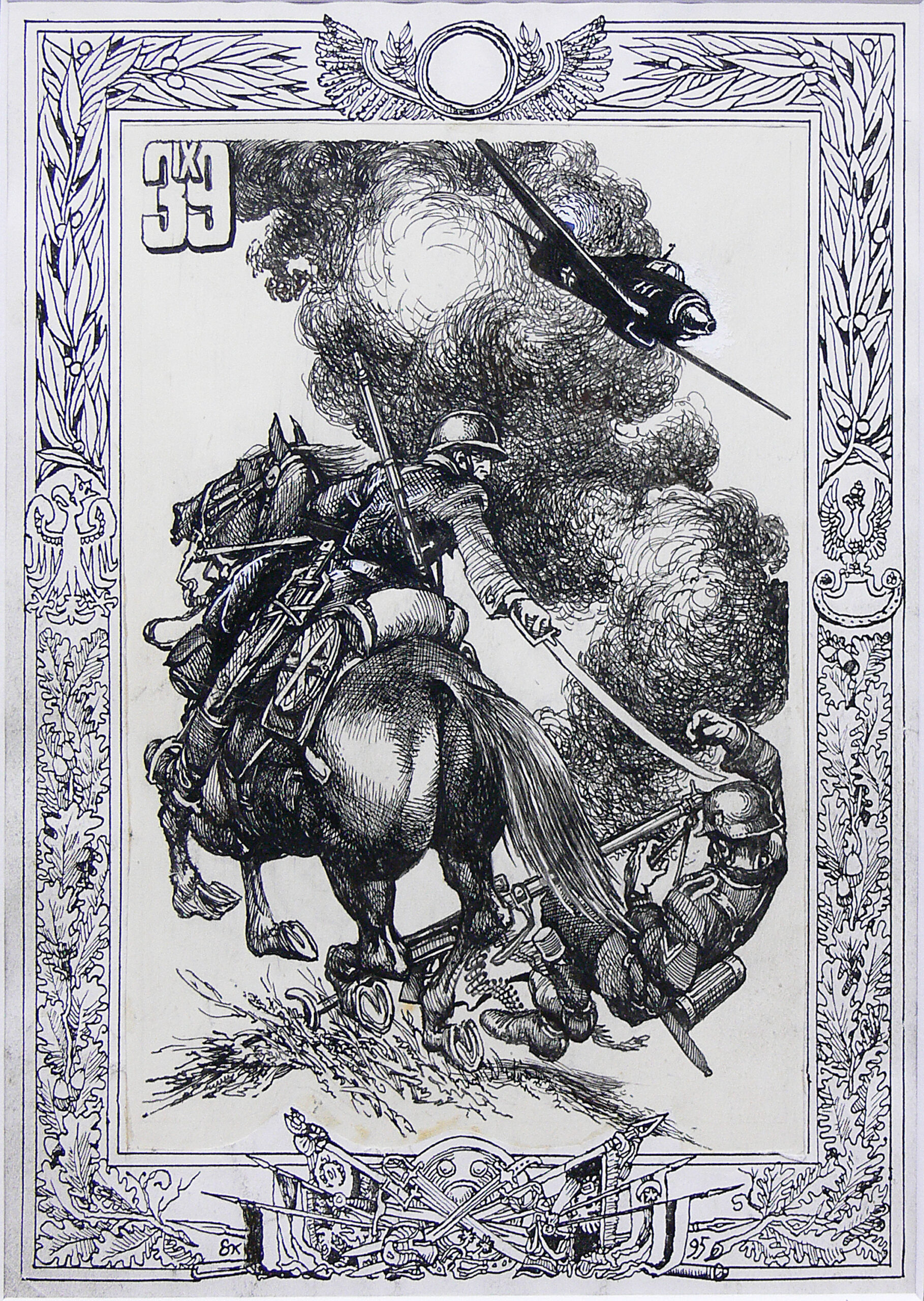
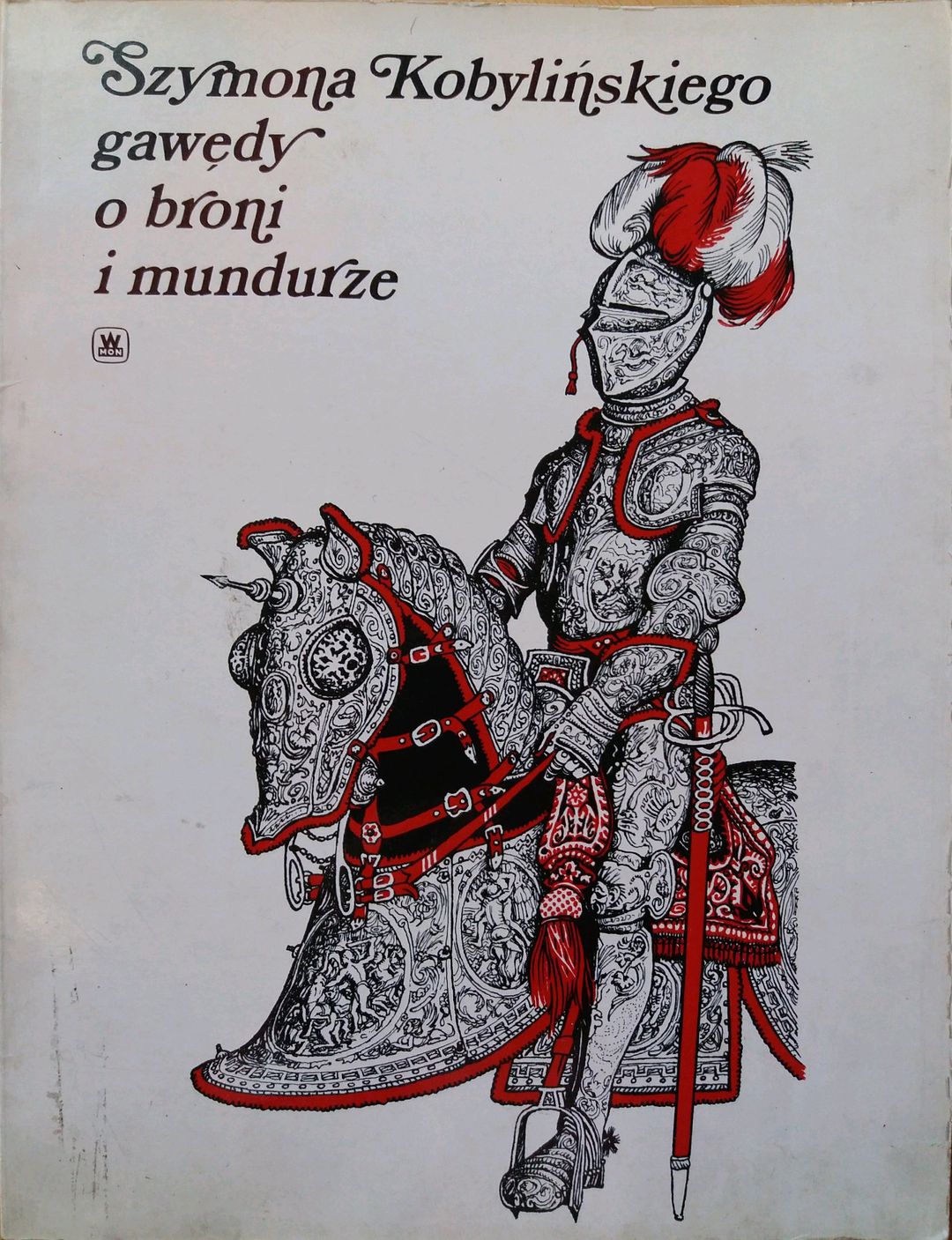
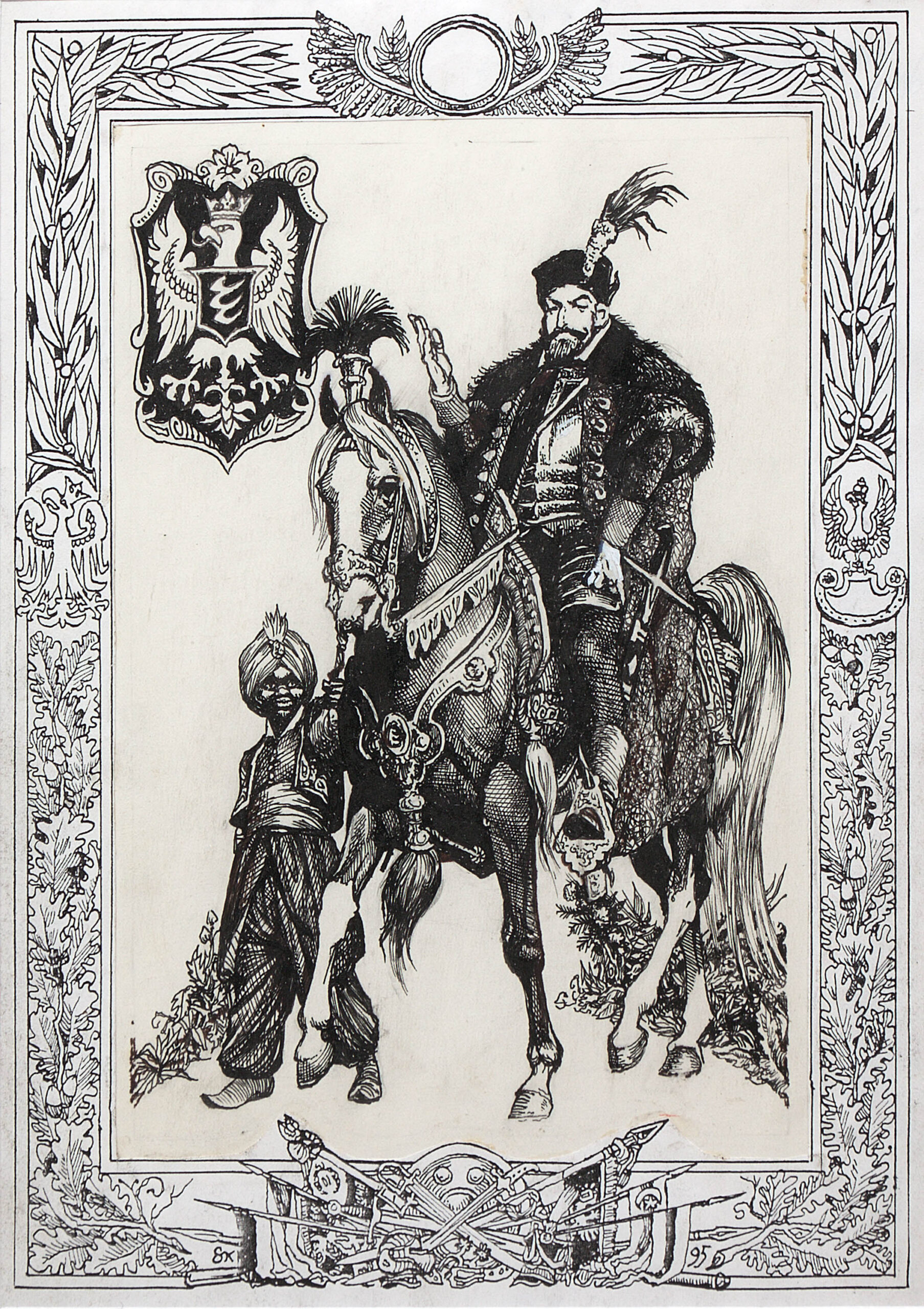
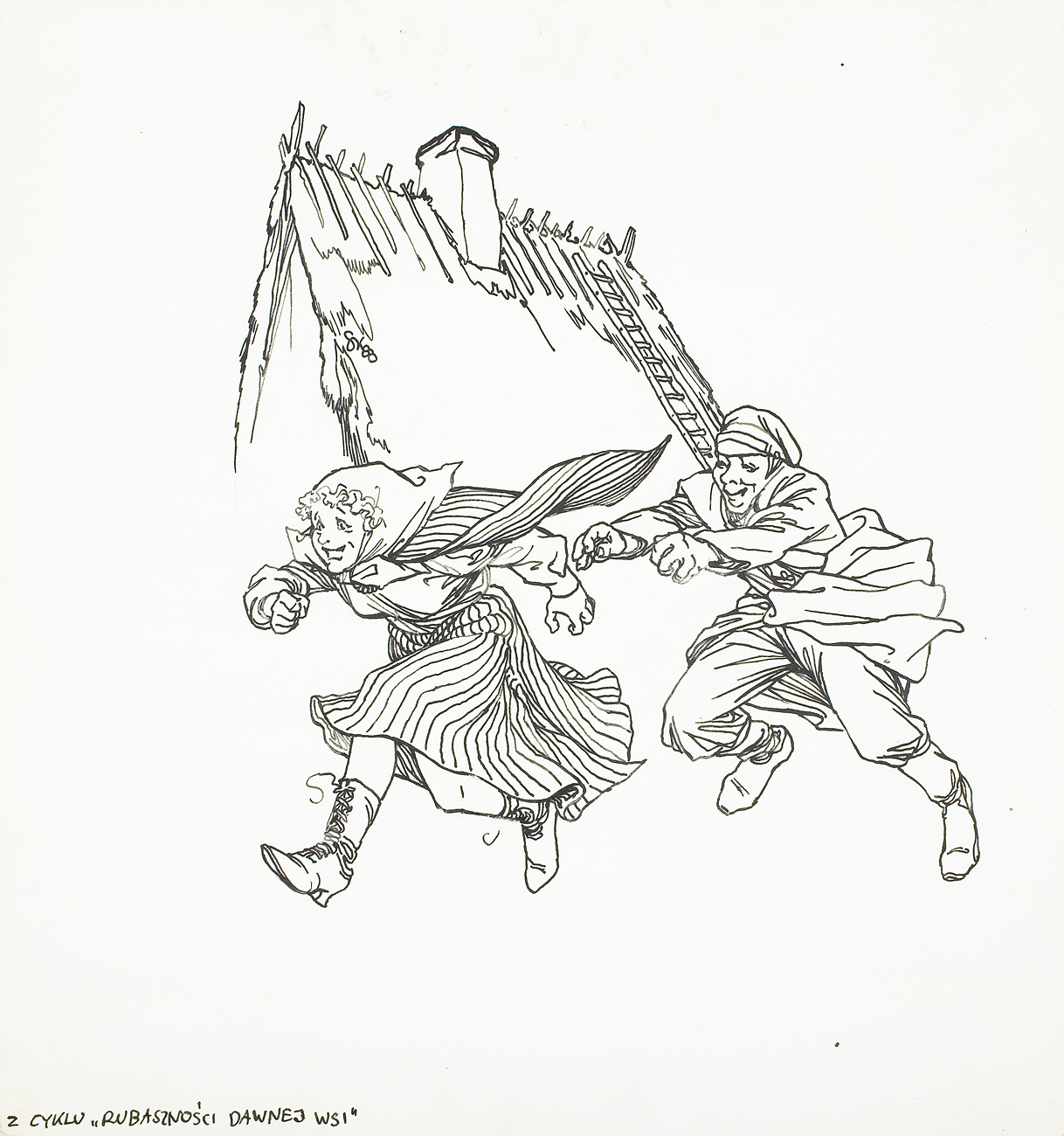
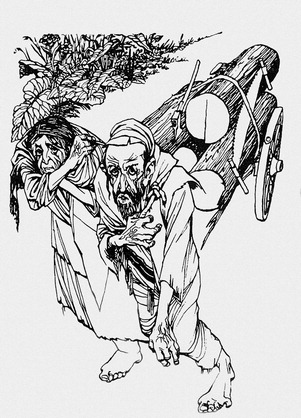
Kobyliński was an artist who combined the roles of illustrator, chronicler, and educator. His historical illustrations were known for their meticulous detail—he passionately and knowledgeably recreated knightly garments, military uniforms, coats of arms, weapons, and architectural elements. Each drawing was not only an image but a lesson—a visual story about the past.
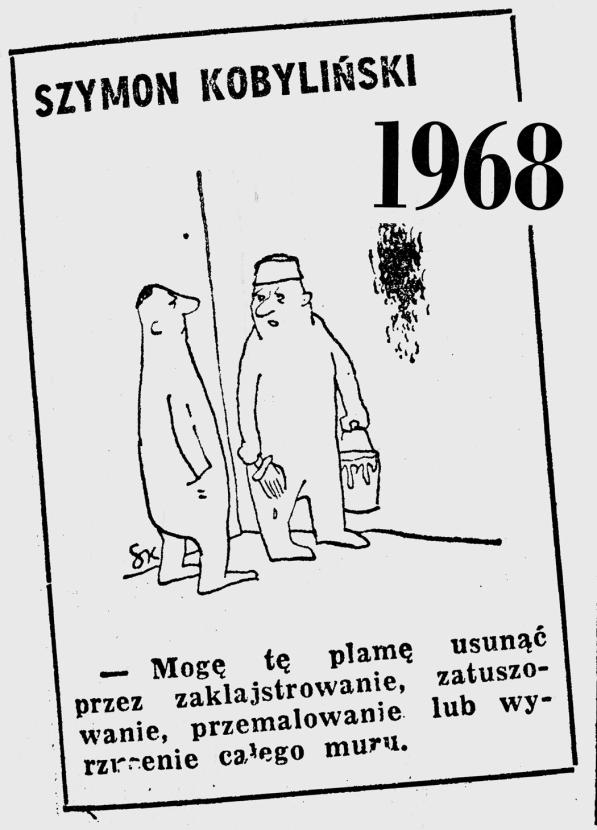
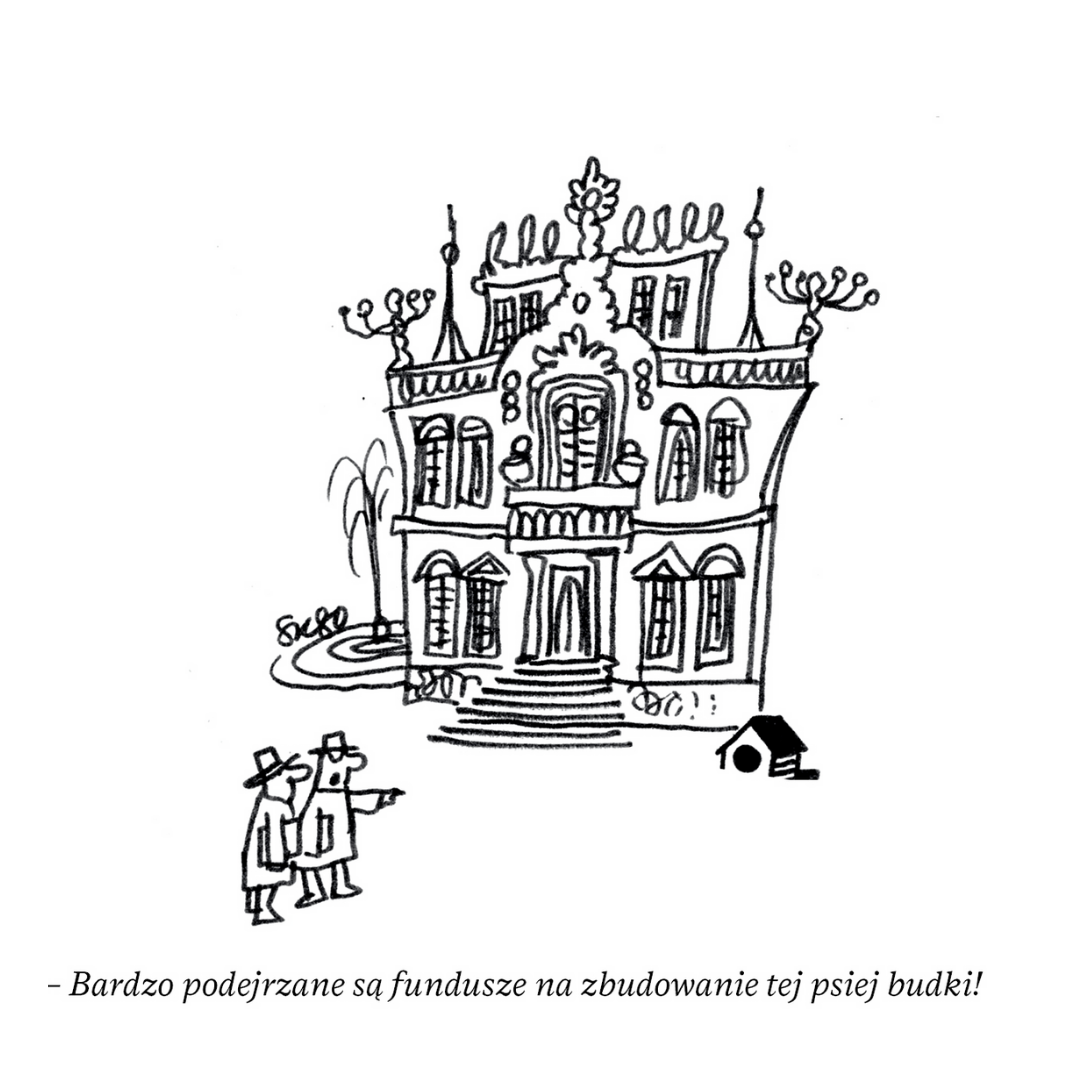
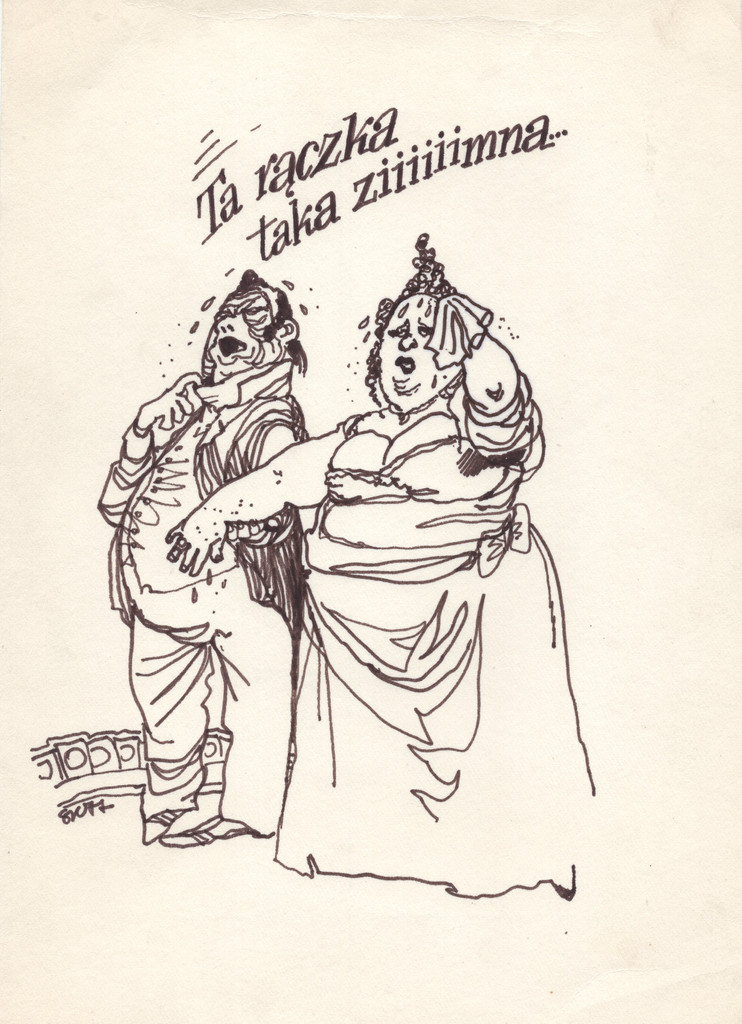
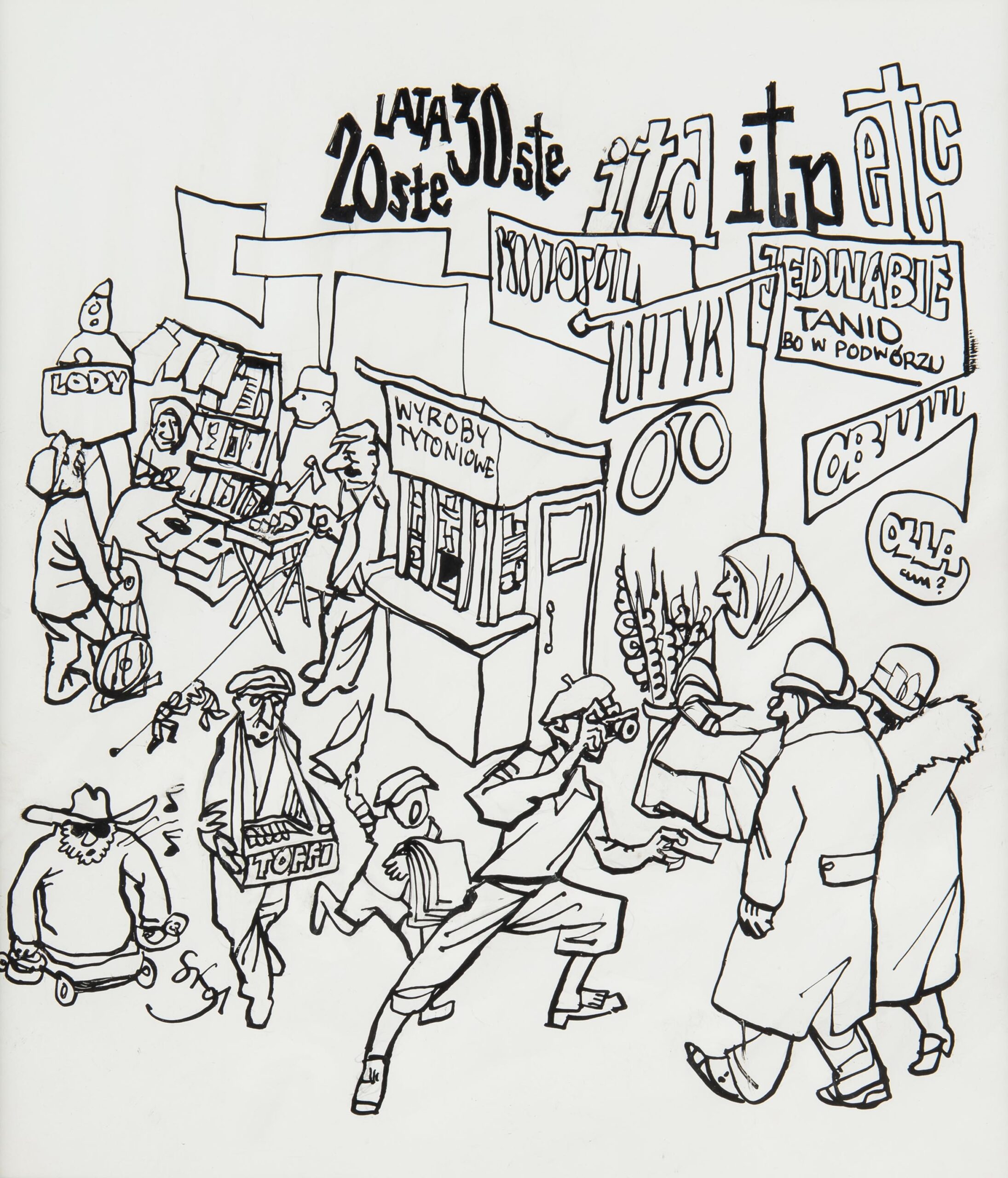
As a satirist, he used subtle humor, often based on the contrast between past and present. His drawing style was cultured and graceful, rich in symbolism and references. More than a draftsman, he was a commentator on the world—his illustrations were intelligent, sharp, but never malicious.
He also authored several books on history and culture, including The Kobyliński Republic and With a Wink to the Past, and contributed iconographic materials to many other authors’ works.
Szymon Kobyliński remains one of the most prominent figures in Polish visual culture of the 20th century. His work bridged art, education, and history. For generations of Poles, he served as the first guide to the world of the old Polish-Lithuanian Commonwealth—colorful, proud, rich in gesture and detail. His precise and elegant line still speaks today—educating and entertaining at once.
He illustrated approximately 300 books and authored 20 of his own. Among his most notable works are illustrations for Poland’s literary classics, including Pan Tadeusz and The Trilogy by Henryk Sienkiewicz. He also created additional portraits for Jan Matejko’s Gallery of Polish Kings and Princes.
His illustrations weren’t limited to historical or literary themes. They also appeared in a wide variety of books—ranging from a sex education manual, an English idioms dictionary, and a half-word humor anthology, to popular science books on genetics and academic textbooks on computing, physics, and law.
Walery Przyborowski, Chrobry: A Historical Tale from the 11th Century, LSW, Warsaw 1959
Janusz Osęka, My Very Strange Adventures, Iskry, 1960
Aleksander Drożdżyński, Jewish Wisdom, Wiedza Powszechna, Warsaw, 1963
Stanisław Lem, Fables for Robots, Wydawnictwo Literackie, Kraków, 1964
Mateusz Siuchniński, Szymon Kobyliński: An Illustrated Chronicle of Poles, De Facto, 2005
History of Poland: A Textbook for Grade 4, WSiP, Warsaw, 1992
Jacek Komorowski, From Complex Numbers to Tensors, Spinors, Lie Algebras, and Quadrics, Warsaw, 1978
A Brief Tale about the Anthem, Eagles, and National Colors, KAW, Warsaw, 1978
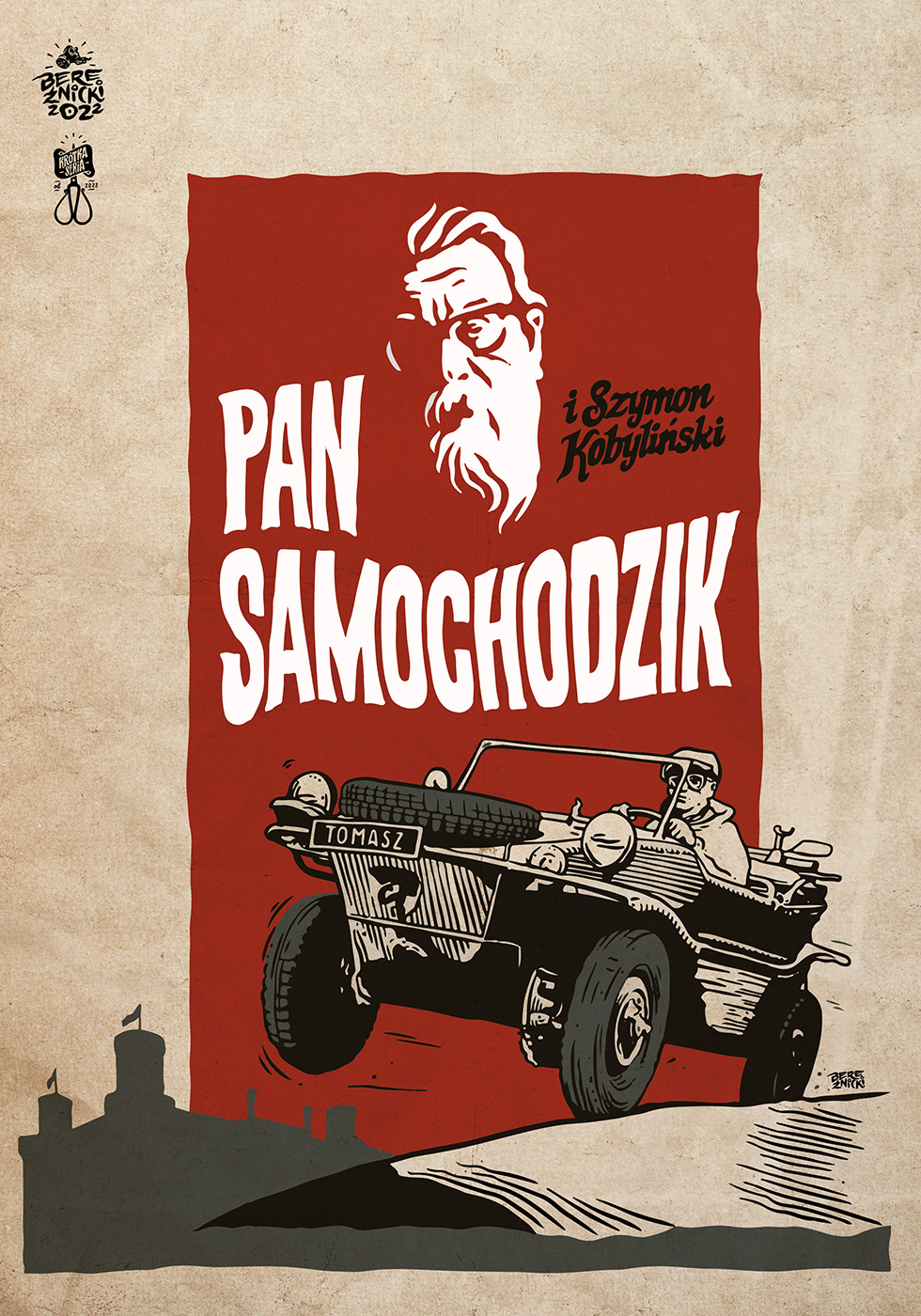
Zbigniew Nienacki, Pan Samochodzik series, Pojezierze, 1982–1987
Bolesław Orłowski, Where the Eye Can’t Reach, Nasza Księgarnia, Warsaw, 1982
Janusz Tazbir, The Culture of Polish Baroque, Omnipress, Warsaw, 1986
Marek Sart, Songbook 1914–1939: O mój rozmarynie, Muzyczne, Warsaw, 1989
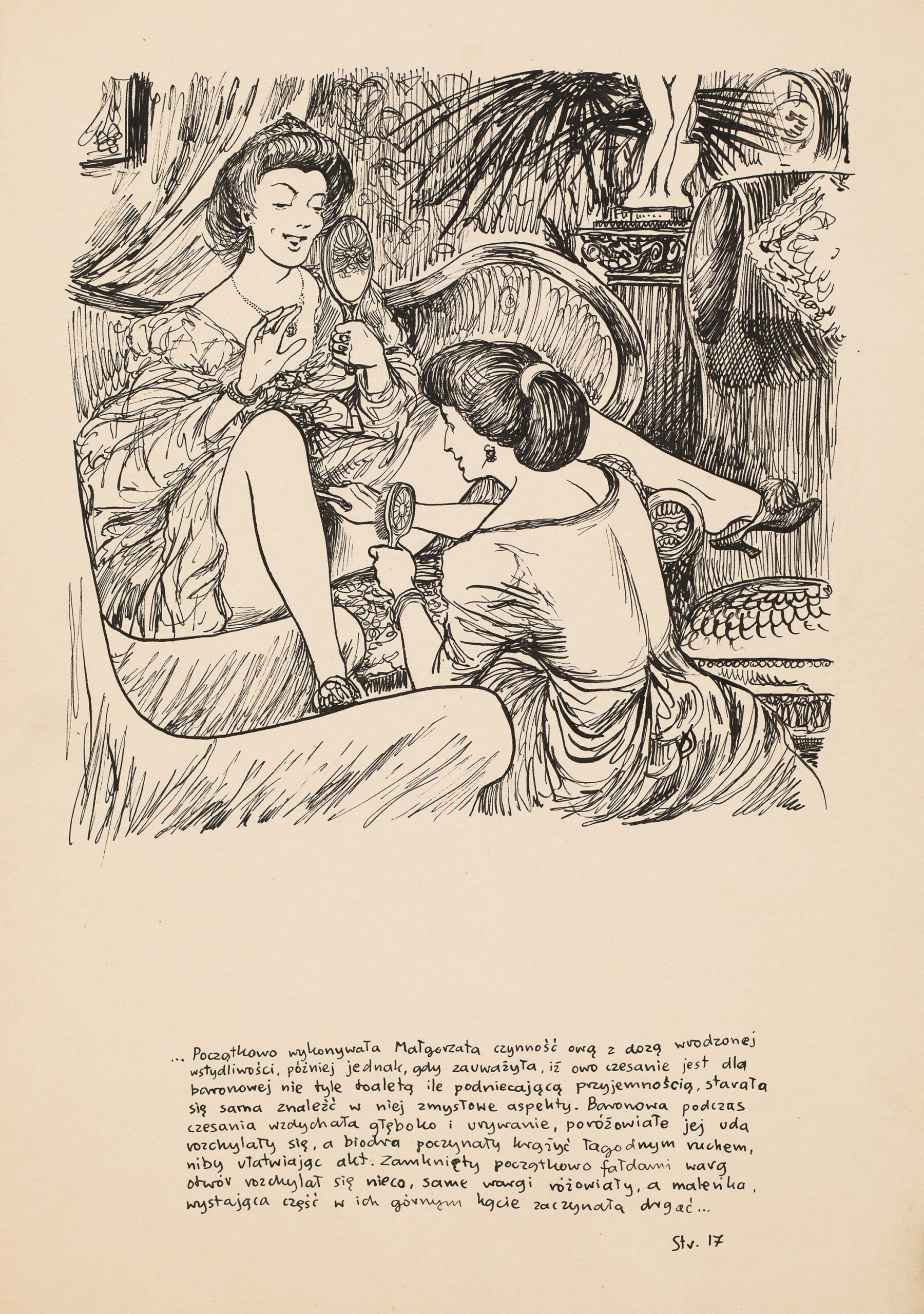
Jan Andrzej Morsztyn, Erotica, Wema, Warsaw, 1990
750 Times Half-Word Play, Wyd. Do, Warsaw, 1992
Jerzy Urbankiewicz, The Legend of Polish Cavalry, Vol. I & II, Grochowalski, Łódź, 1996
Andrzej Hamerliński-Dzierożyński, Sarmatian and Romantic Farfałki, Iskry, Warsaw, 1982
Michalina Wisłocka, How to Love and Be Loved, Rytm, 1993
Lew Kaltenbergh, Daddy Bem’s Soldier, LSW
Tadeusz Przygucki, 100 Years of Color: The Boruta Dye Works, Pryzmat, Łódź, 1994
The Old Clock, RUCH, Warsaw, 1957
The Adventures of the Tank Crew and Szarik the Dog (3 parts, 1970–1971)
The Origins of the Polish State – 2 episodes published in the comic magazine Relax:
“Mission to Gniezno” (Relax, no. 1)
“To the Stronghold of Krak” (Relax, no. 2)
History with a Smile – a recurring comic series in Relax magazine (issues 1, 3, 4, 7, 8)
Two of Art | KvK: 94351813 | Teilingen 79, 1082JR Amsterdam, Netherlands