Józef Czerwiński was born in 1907 in Lublin, into an intellectual family with strong patriotic and artistic traditions. From a young age, he showed a keen interest in drawing and the art of printmaking. Between 1926 and 1931, he studied at the Academy of Fine Arts in Warsaw, where he trained under Prof. Tadeusz Pruszkowski and Prof. Władysław Skoczylas—prominent figures in the Polish national art movement and book illustration.
During the interwar period, Czerwiński actively collaborated with literary publishers and magazines such as Skamander, Płomyk, and Książka i Wiedza. His illustrations graced volumes of poetry, fairy tales, historical narratives, and popular literature. He also created posters and graphics for traveling theaters and cultural institutions.
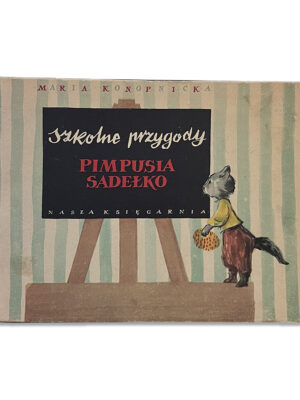
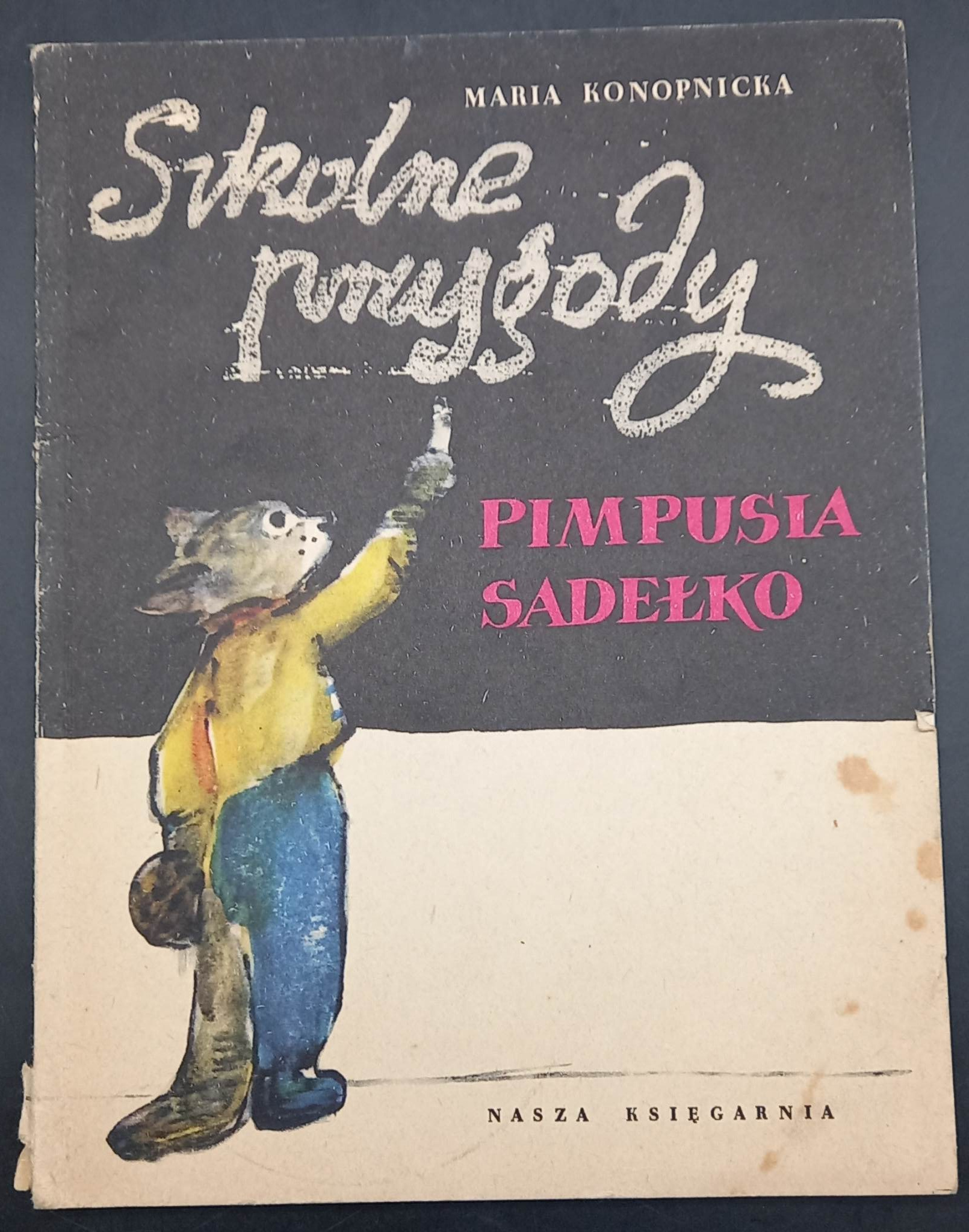
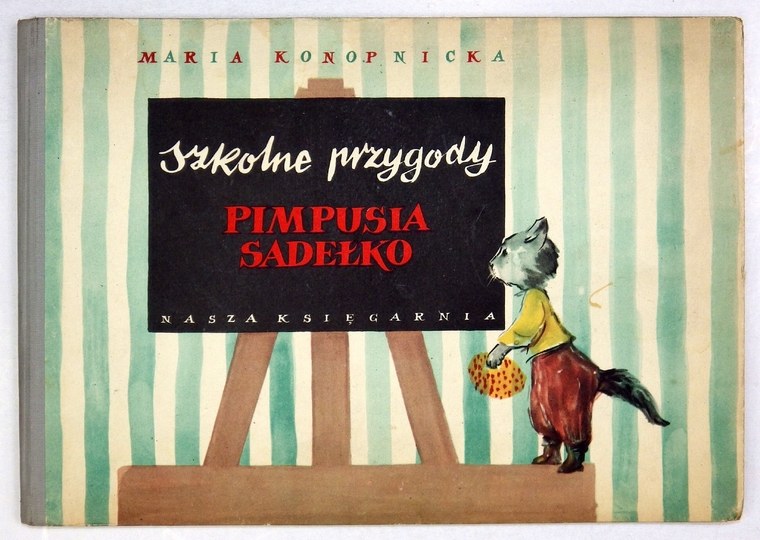
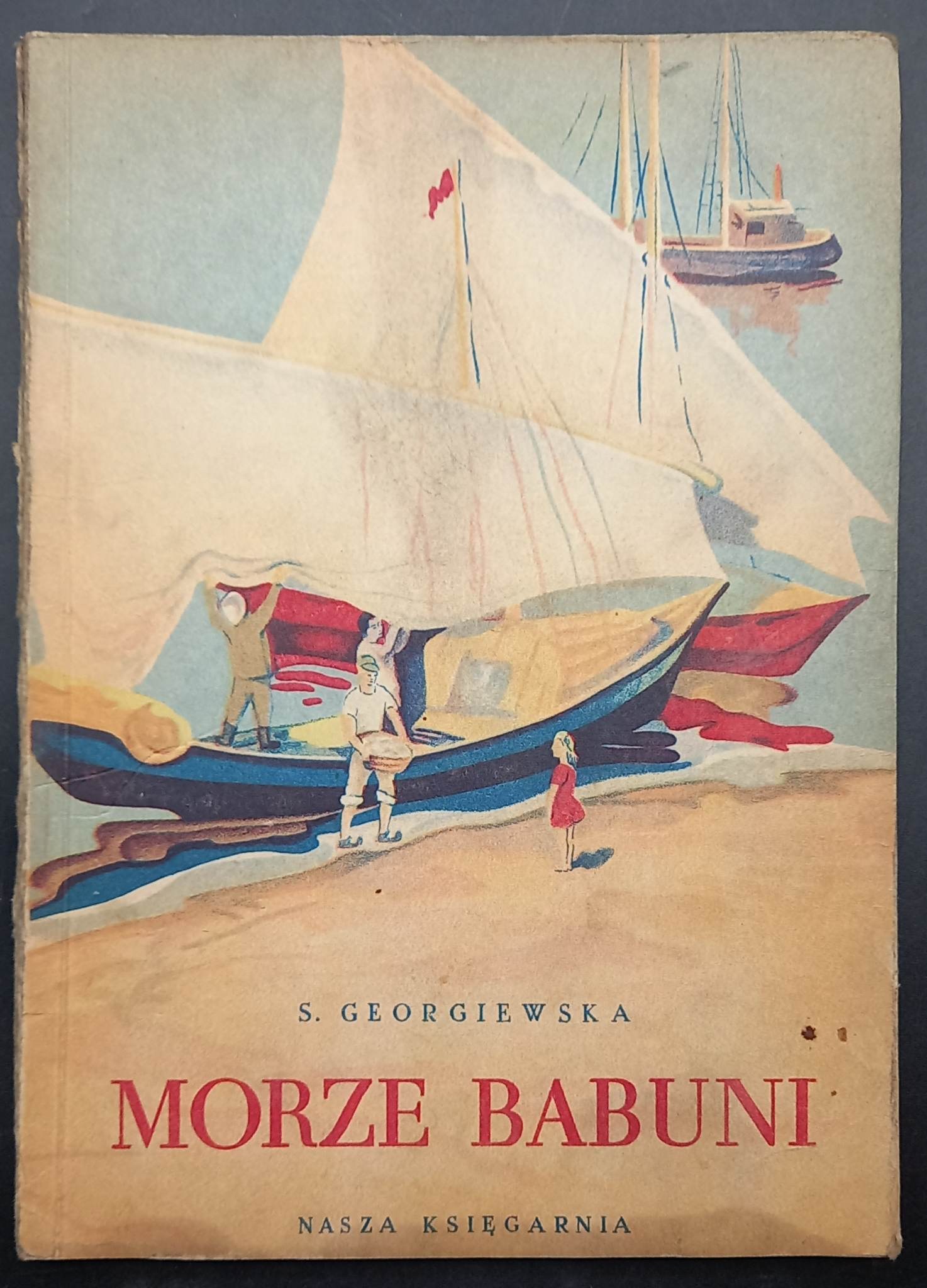
During World War II, he participated in underground resistance activities as a graphic artist for the Information and Propaganda Bureau of the Home Army (AK). After the war, he settled in Kraków, where he continued working as an illustrator and educator. He taught at the Academy of Fine Arts and ran a studio specializing in book graphics. From 1952 to 1968, he collaborated closely with the State Publishing Institute (Państwowy Instytut Wydawniczy) and the renowned children’s publisher Nasza Księgarnia.
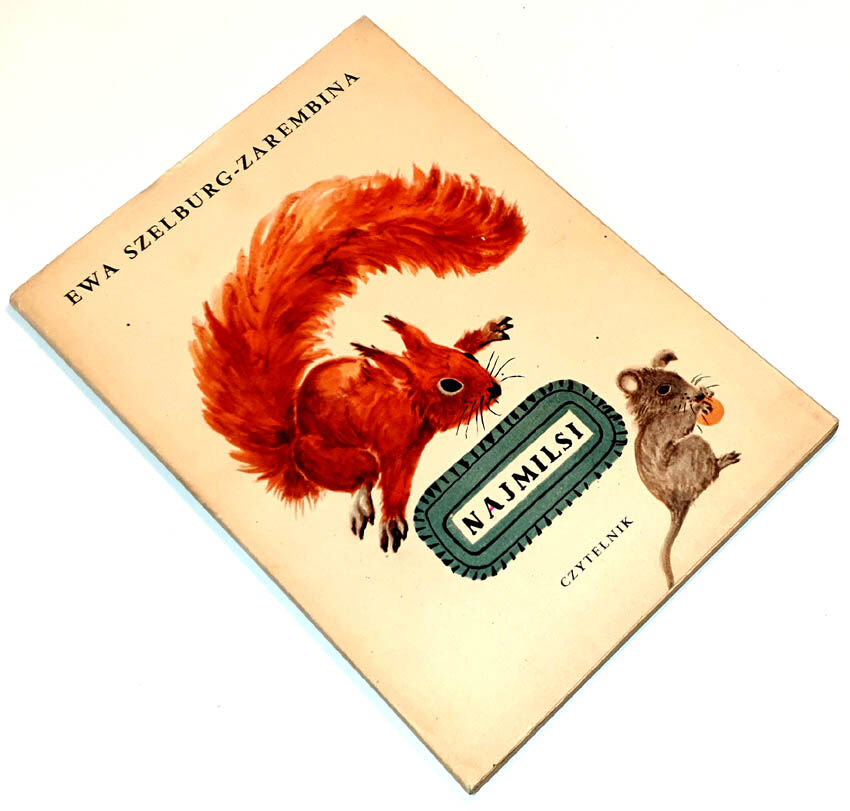
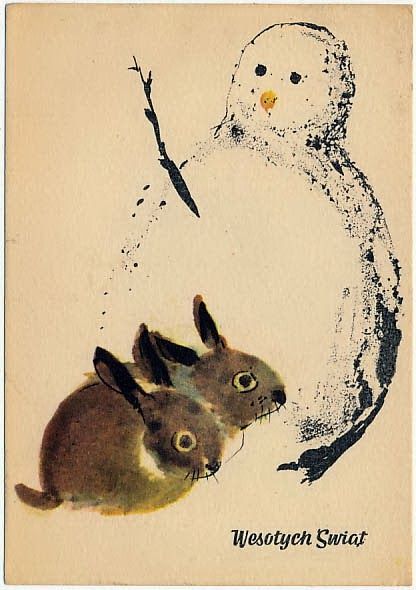
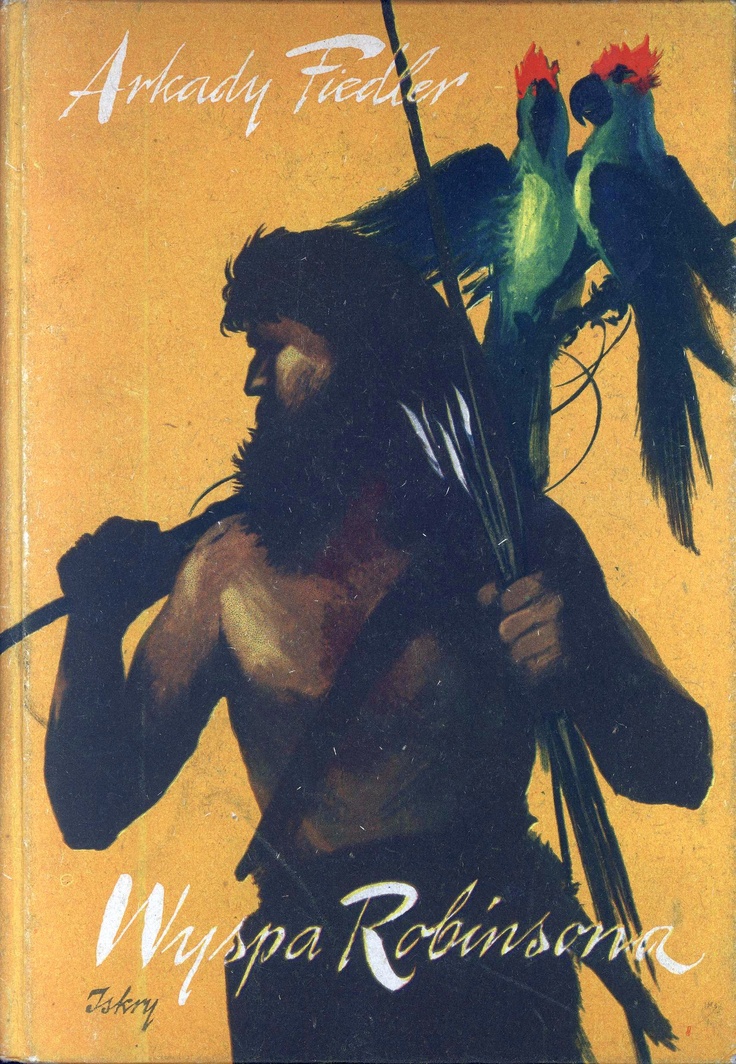
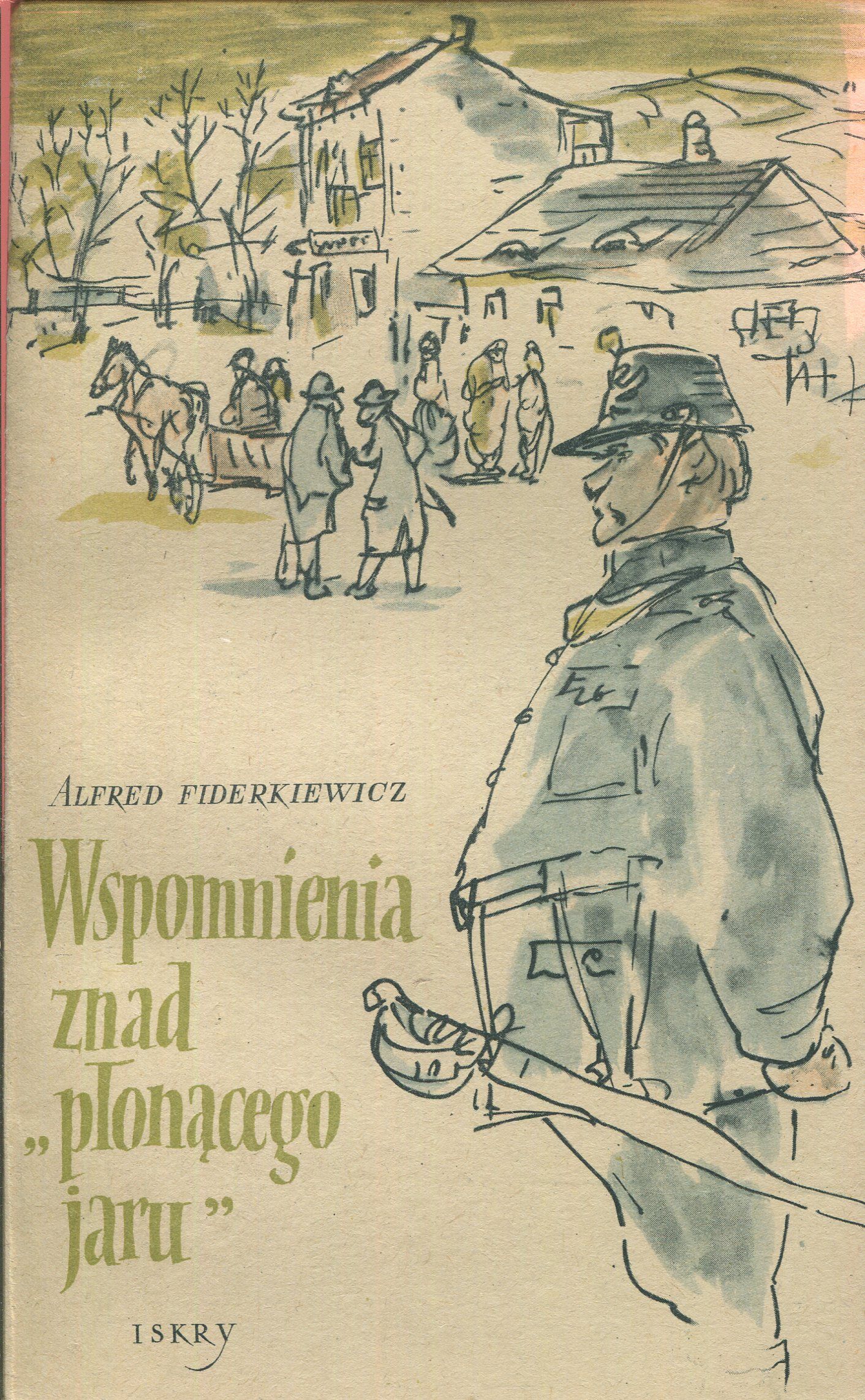
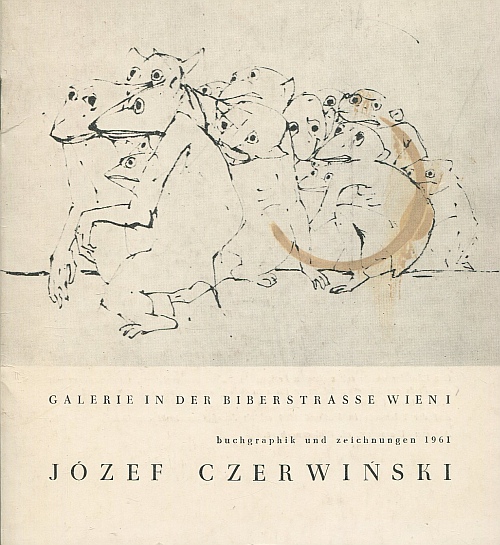
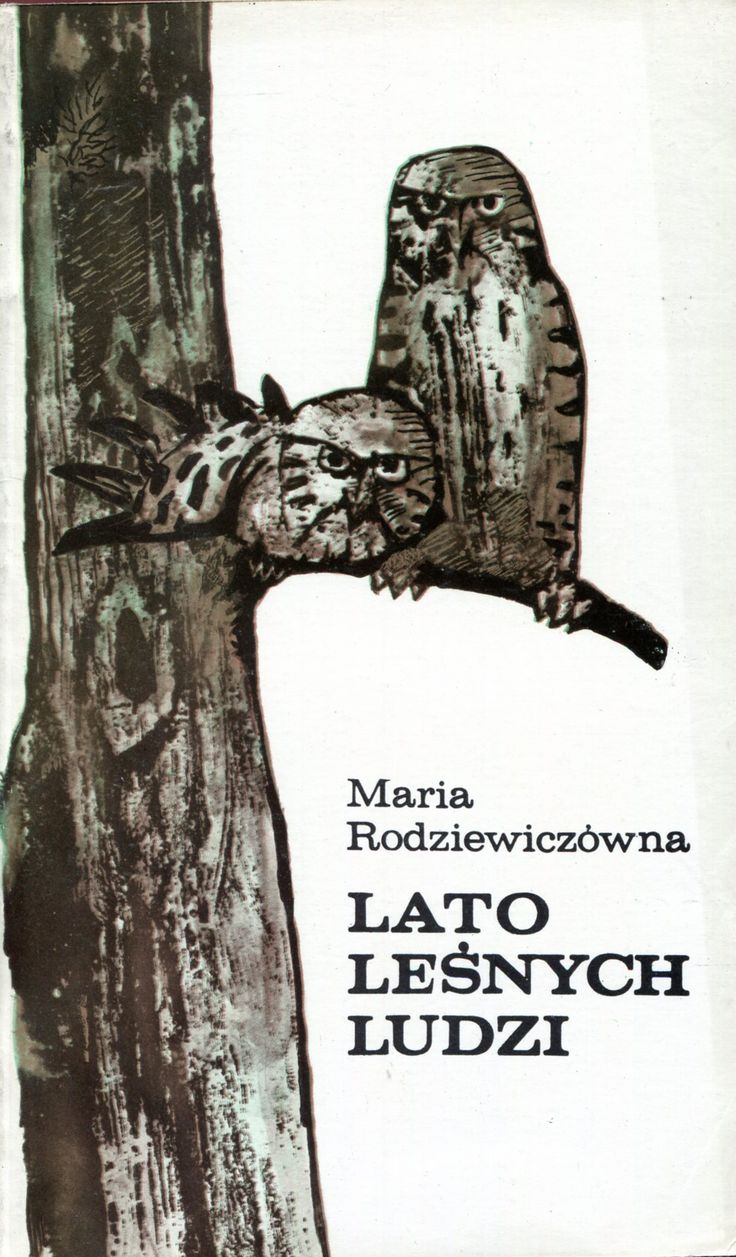
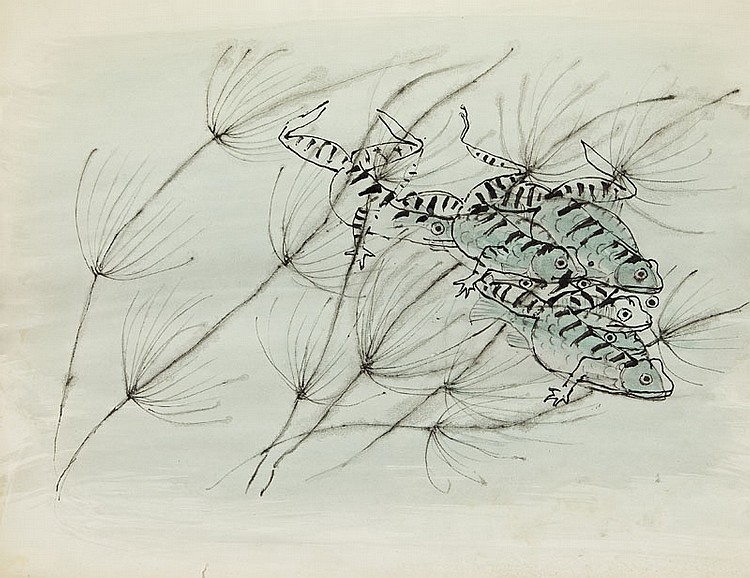
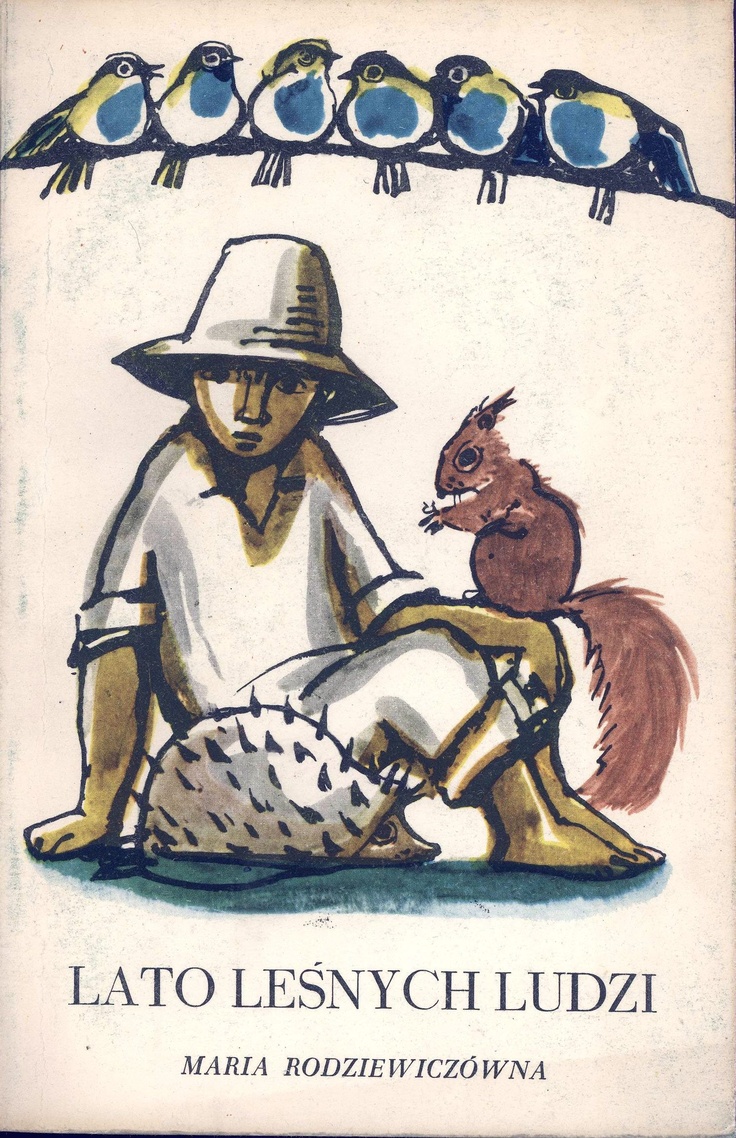
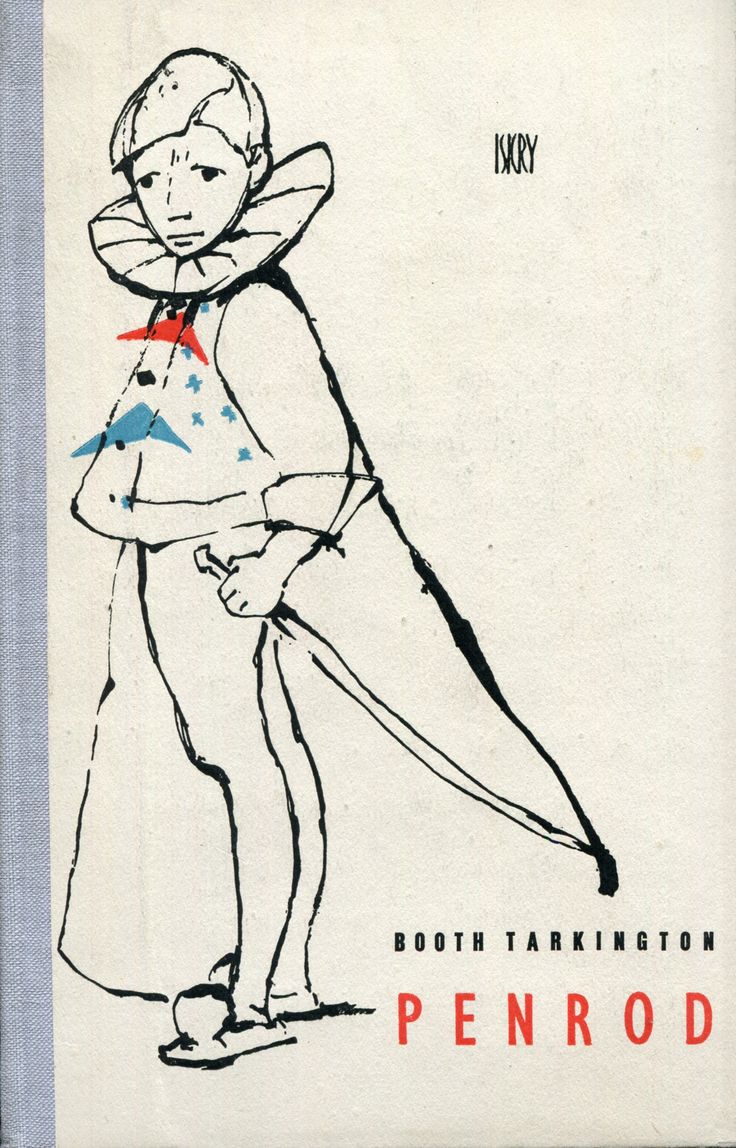
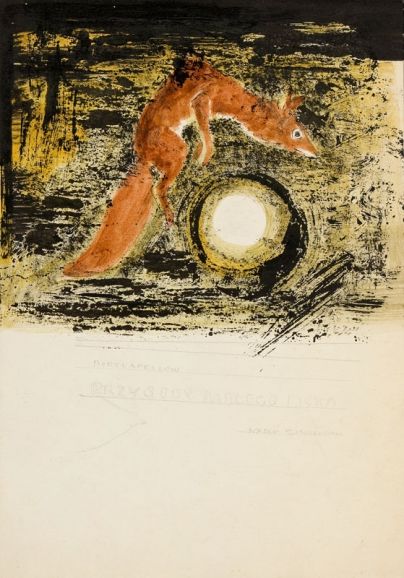
Throughout his career, Czerwiński worked with leading Polish publishers including Nasza Księgarnia, Iskry, Ruch, Czytelnik, and WAG. In 1970, he illustrated Rudyard Kipling’s The Elephant’s Child, a project that earned him a gold medal at the 12th Triennale in Milan and brought him international acclaim. His interpretations of the Elephant’s Child, the Painted Rock Python, and the Spotted Snake became defining elements of his later career. His work increasingly focused on fauna and flora, with animal characters becoming his hallmark.
His illustrations were exhibited both in Poland and internationally—including in Prague, Moscow, Vienna, and Bratislava at the prestigious Biennial of Illustration Bratislava (BIB). In 1975, he was awarded the Knight’s Cross of the Order of Polonia Restituta for his contributions to Polish culture.
He passed away in 1985 in Kraków.
Józef Czerwiński’s style was shaped by the intersection of the Polish school of book illustration, modernism, and graphic expressionism. He was deeply rooted in literary culture—his illustrations did not merely accompany texts, but served as a fully-fledged narrative layer in their own right.
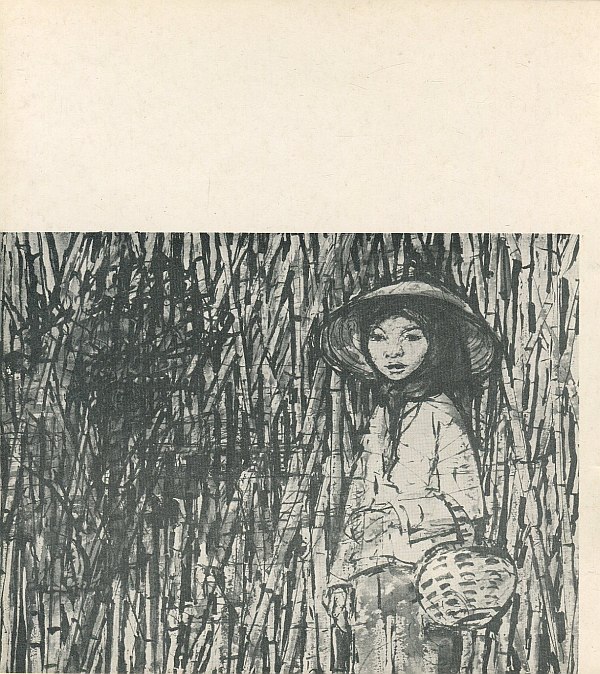
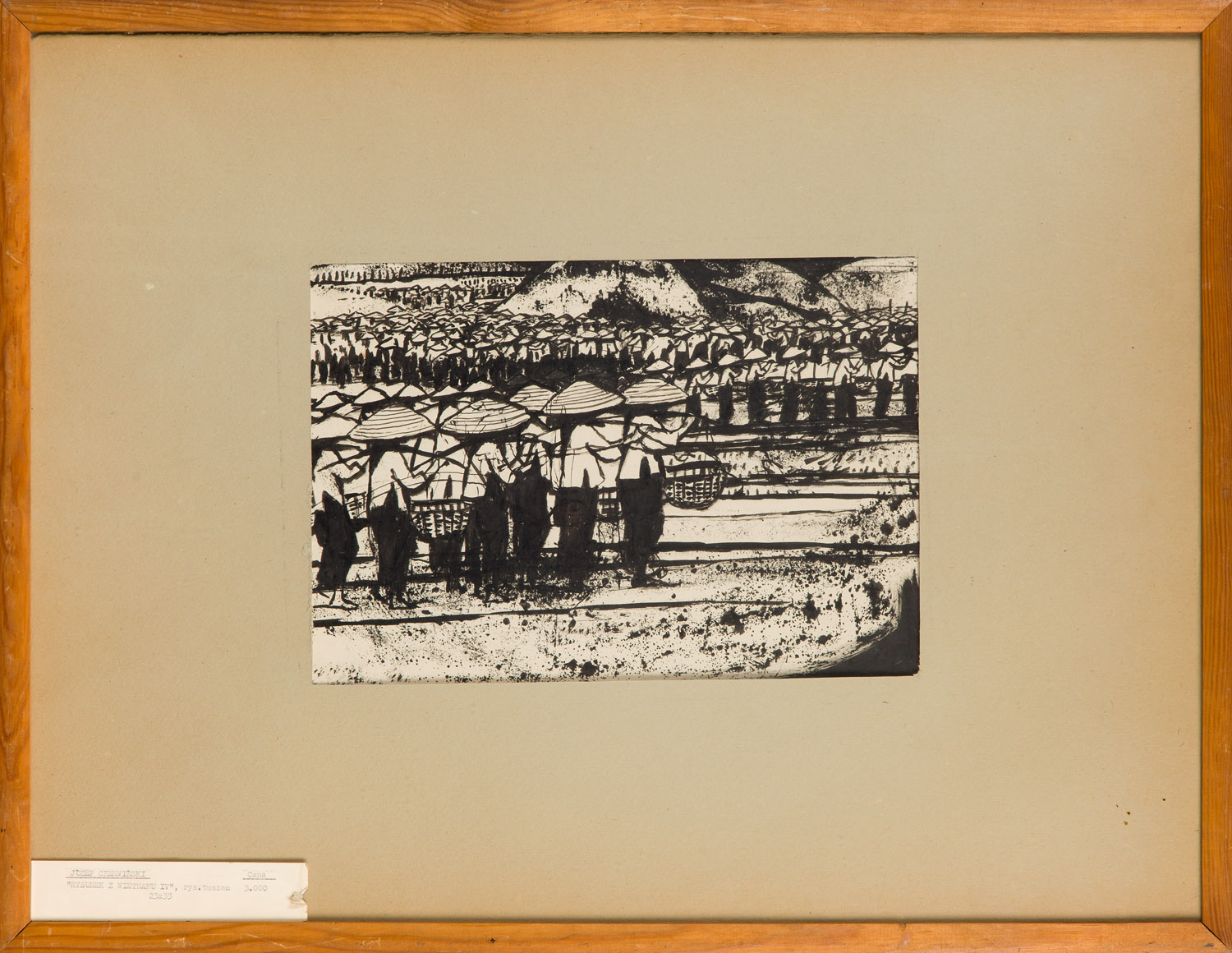
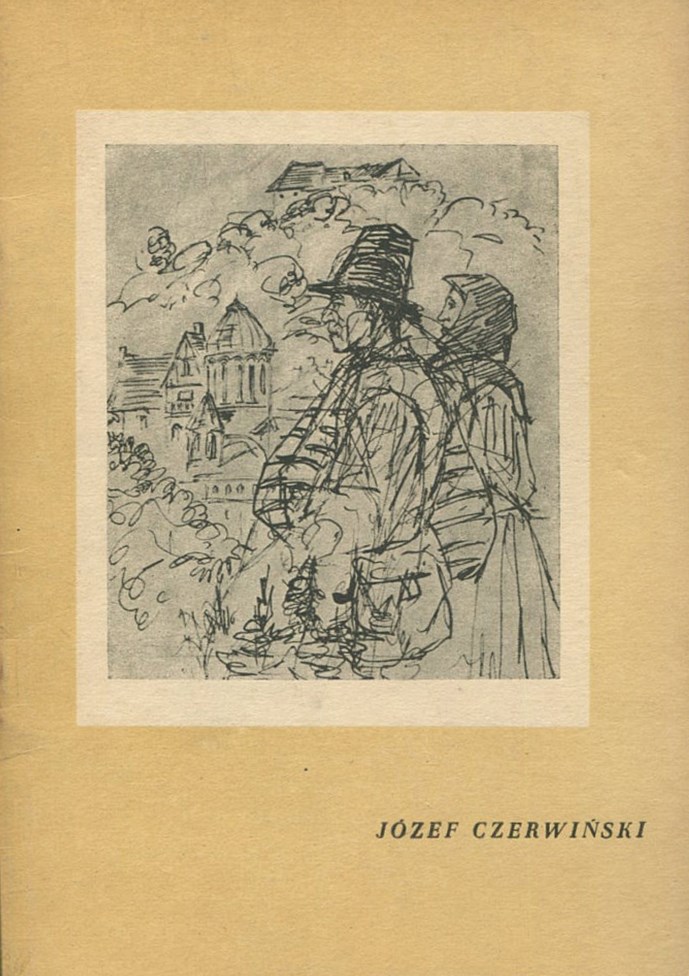
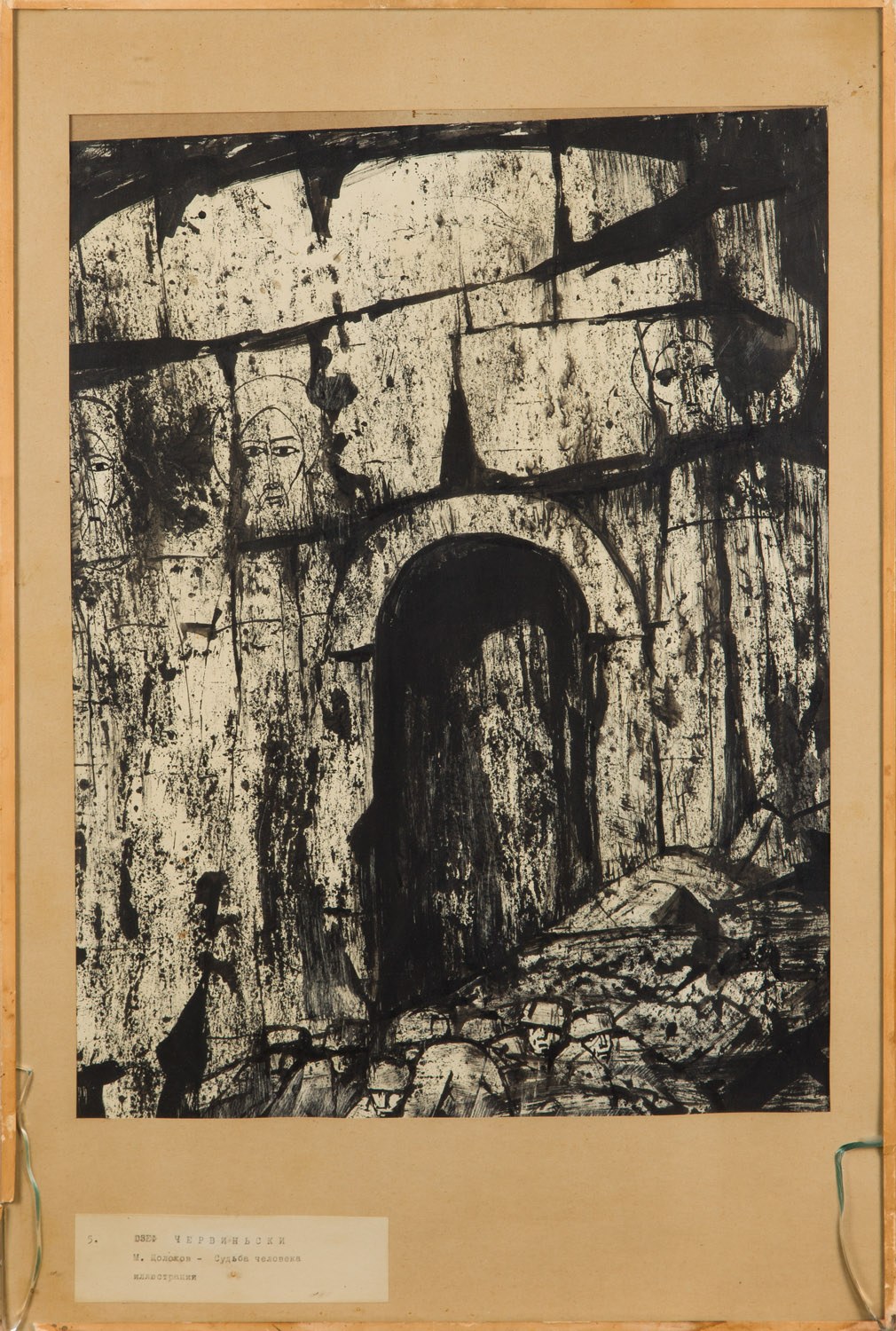
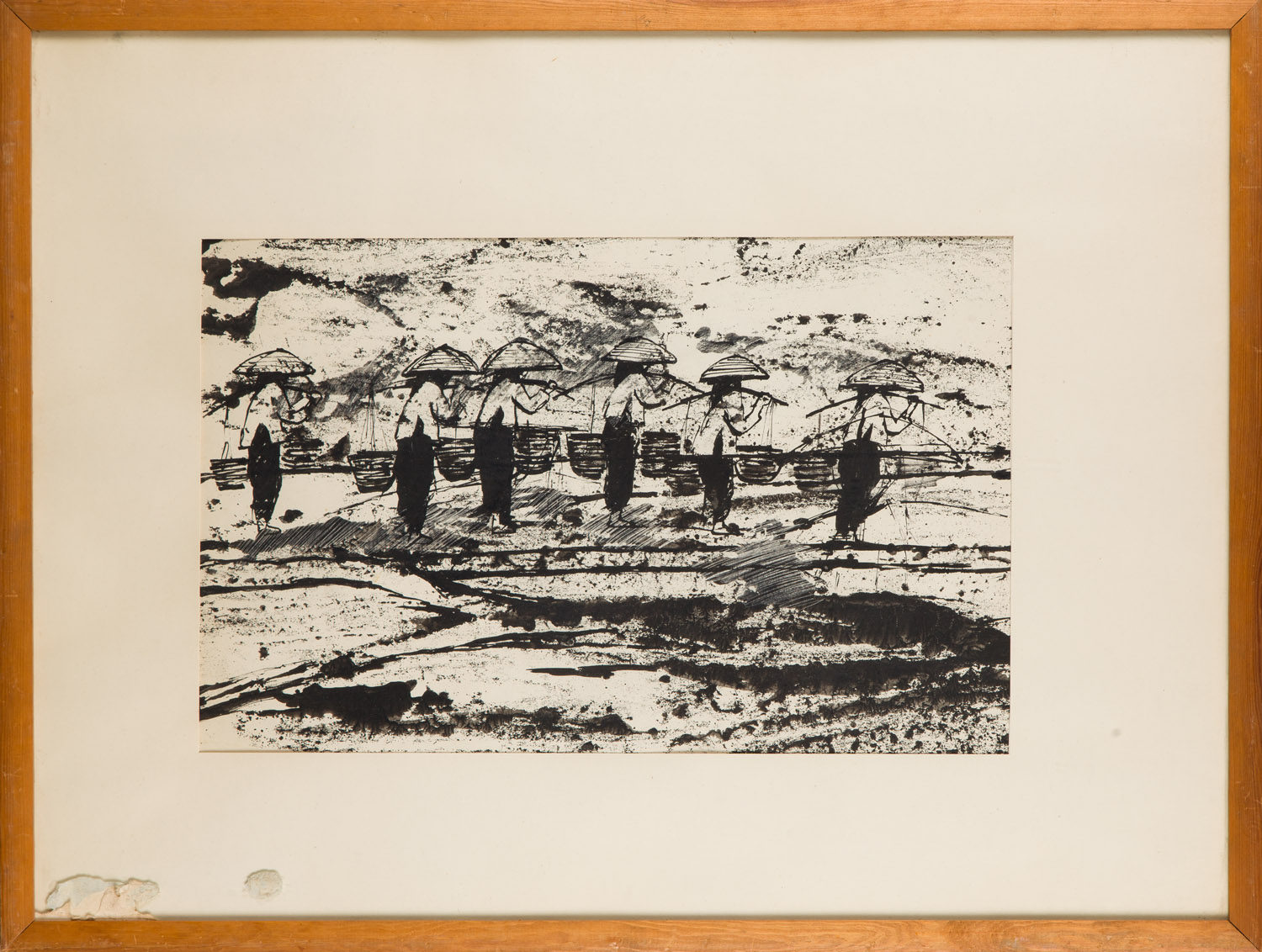
Techniques: He primarily worked in traditional printmaking techniques—woodcut, linocut, pen and ink. In the 1960s, he also experimented with monotype and offset printing.
Color palette: His early works were black-and-white, rich in texture and stark contrast. Later illustrations featured refined, muted colors—often in tones of sepia, ochre, and indigo.
Themes: He specialized in illustrations for classic and historical literature, folk tales, and poetry. His work is rich in symbolism, folkloric elements, and mythological or archetypal characters.
Composition and detail: His compositions were often balanced and symmetrical, built on rhythmic structures and tonal counterpoint. His attention to detail extended to both background architecture and the ornamentation of figures.
Emotional tone: Many of his illustrations evoke a melancholic, sometimes metaphysical mood—blending reality with dream, document with vision.
Czerwiński was one of those rare artists who elevated illustration into an independent art form while keeping it deeply embedded in the literary experience. His influences include Bruno Schulz, Marcin Szancer, as well as Viennese Secession, Bauhaus, and Symbolism.
Józef Czerwiński remains one of the most important—if somewhat overlooked—figures in 20th-century Polish illustration. His work forms a bridge between pre-war modernist art and post-war poetic realism. For many contemporary illustrators, his illustrations serve as a model of narrative depth, technical mastery, and poetic visual language.
Two of Art | KvK: 94351813 | Teilingen 79, 1082JR Amsterdam, Netherlands