
Born: November 5, 1885, Warsaw – Died: September 5, 1950
Polish graphic artist, illustrator, and academic teacher
Edmund Ludwik Bartłomiejczyk was a renowned Polish graphic artist and illustrator, as well as a dedicated educator. Born into a modest family, he was unable to pursue formal education beyond the fourth grade at a school run by the Evangelical-Augsburg parish. At the age of sixteen, he began an apprenticeship in the lithography department of the Warsaw White Sheet Metal and Tinware Factory, where he learned the technique of lithography. After completing his training, he was appointed chromolithographer at the factory in 1905, a position he held for over a year.
While working full-time, he attended evening drawing classes at the Museum of Craftsmanship and took part in underground lectures on Polish history and literature. During this time, he began creating his own artworks and submitting them to competitions organized by the museum and the Society for the Encouragement of Fine Arts, which awarded him a scholarship in 1906. He left his factory job and moved to Kraków to study at the Academy of Fine Arts.
Between 1906 and 1909, he studied under Jan Stanisławski and Wojciech Weiss in Kraków, and from 1910 to 1913 continued his education at the School of Fine Arts in Warsaw.
In 1918, he took part in a competition for postage stamps for the Kingdom of Poland, organized by the Warsaw Art Society, which had received the rights to commission designs for the new Polish state. Most of his designs were selected for production and issued the following year. In 1921, he once again entered a national philatelic competition organized by the Ministry of Post and Telegraphs for a new currency. Out of ten submitted designs, five won first or second prizes.
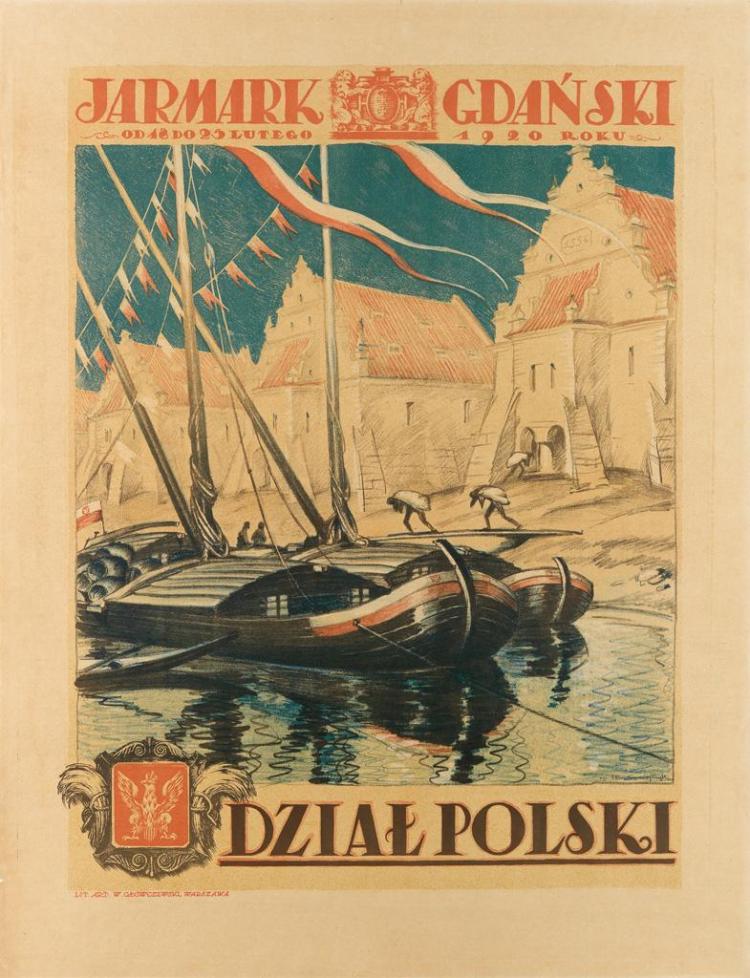
In 1925, he joined the newly formed Association of Polish Graphic Artists “Ryt”, founded by Władysław Skoczylas and Ludwik Gardowski, whose students made up most of the members. The association operated until the outbreak of World War II. Bartłomiejczyk was also a co-founder and first president of the Circle of Commercial Graphic Artists (KAGR) (1933–1939) and co-organizer of the Professional Artists’ Union (1934).
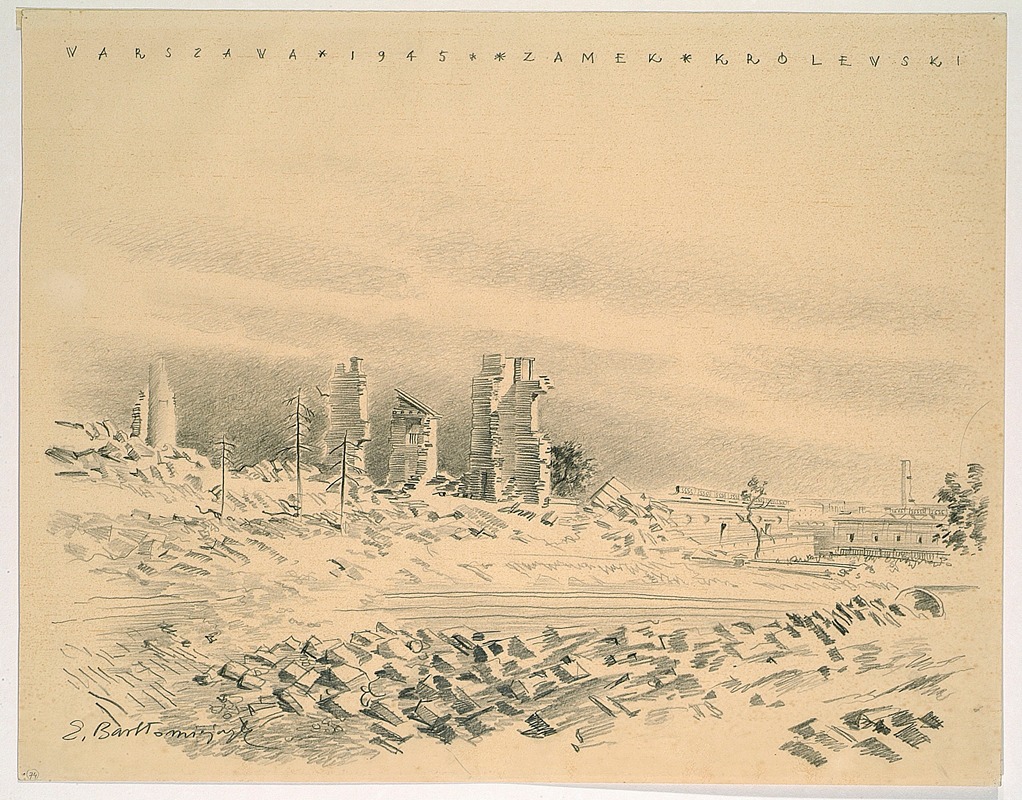
From 1917 to 1930, Bartłomiejczyk lectured at the Faculty of Architecture at the Warsaw University of Technology. In 1930, he began leading the Department of Applied Graphics at the School of Fine Arts in Warsaw, which was renamed the Academy of Fine Arts in 1932. Admired by his students, he was affectionately nicknamed “Bartek.” After World War II, he played a major role in rebuilding the Academy and served as vice-rector in 1945–1946, remaining a professor until his death in 1950.
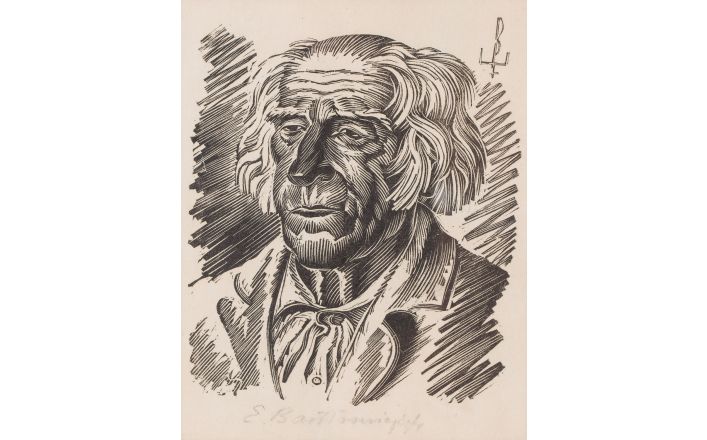
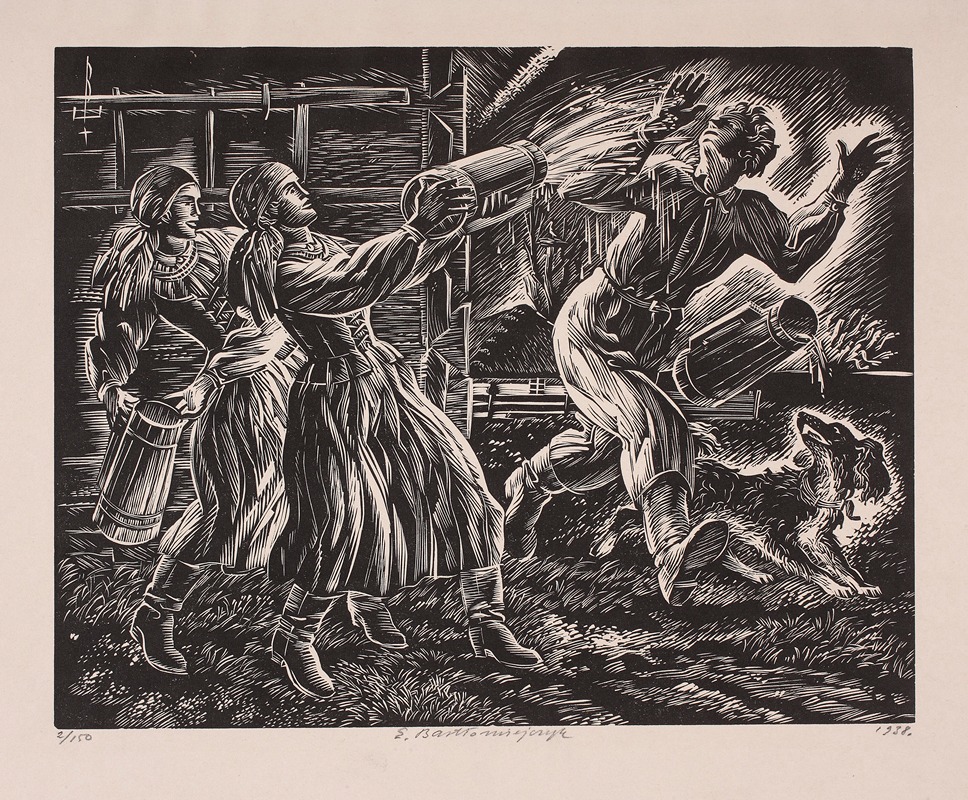
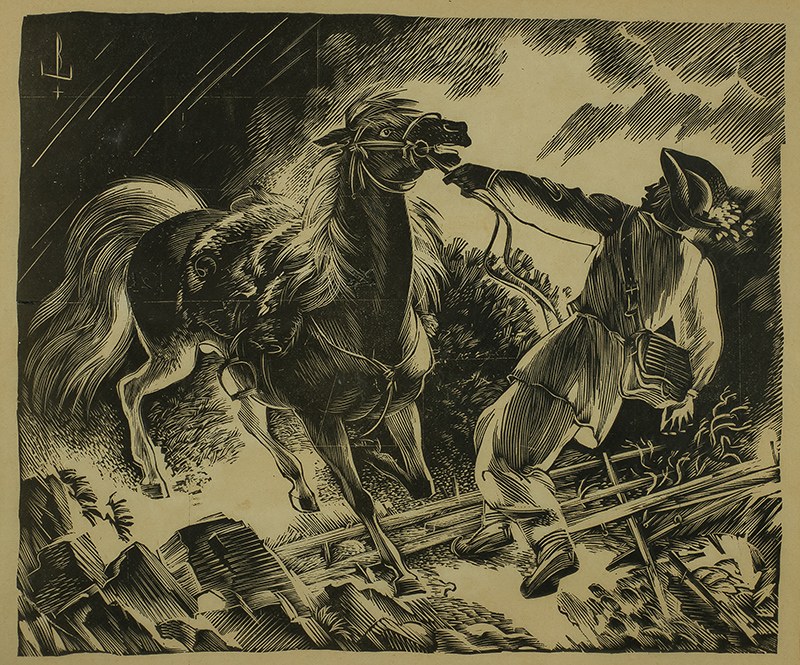
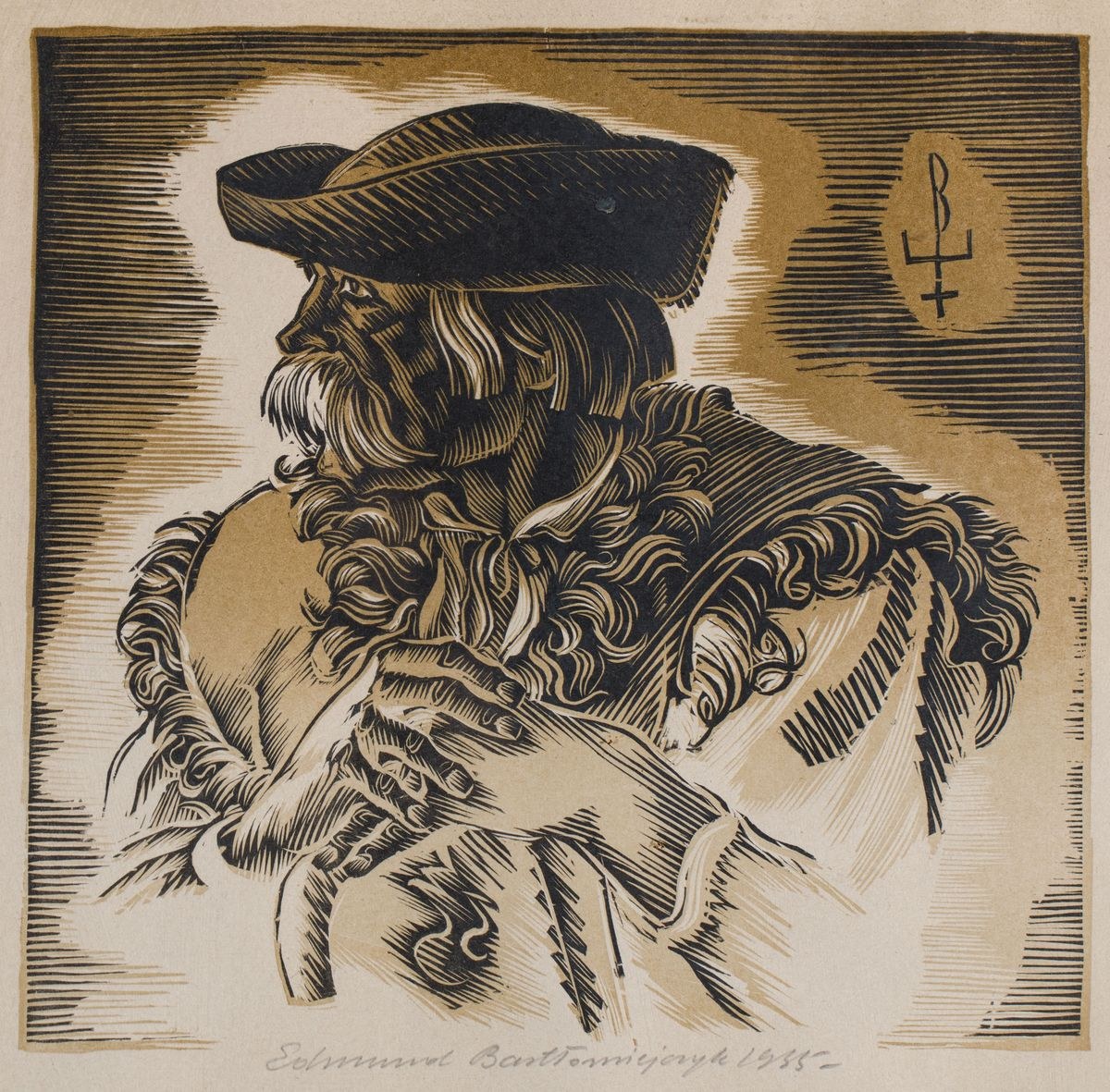
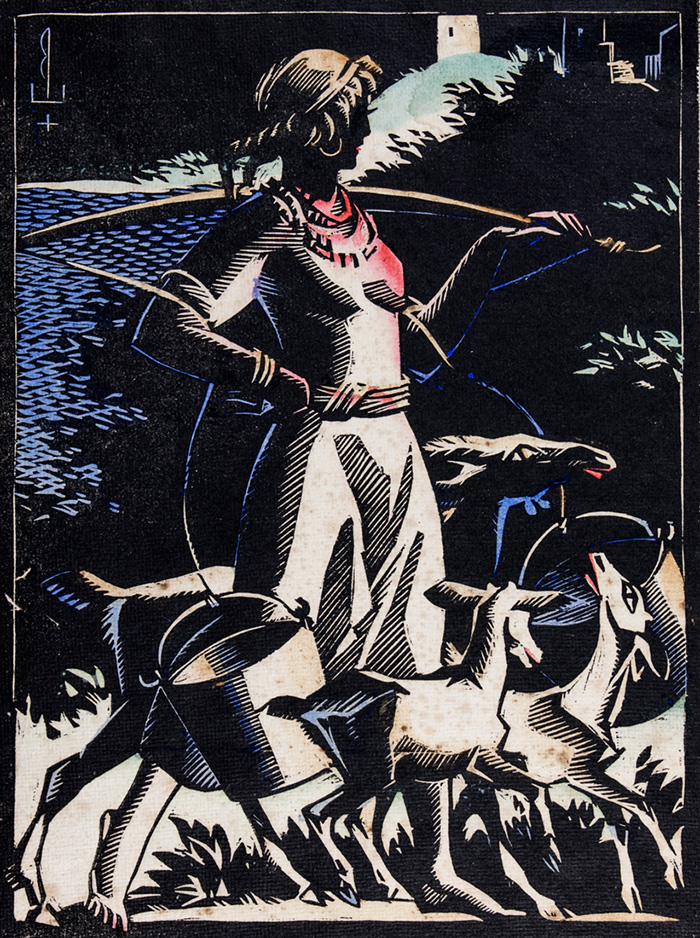
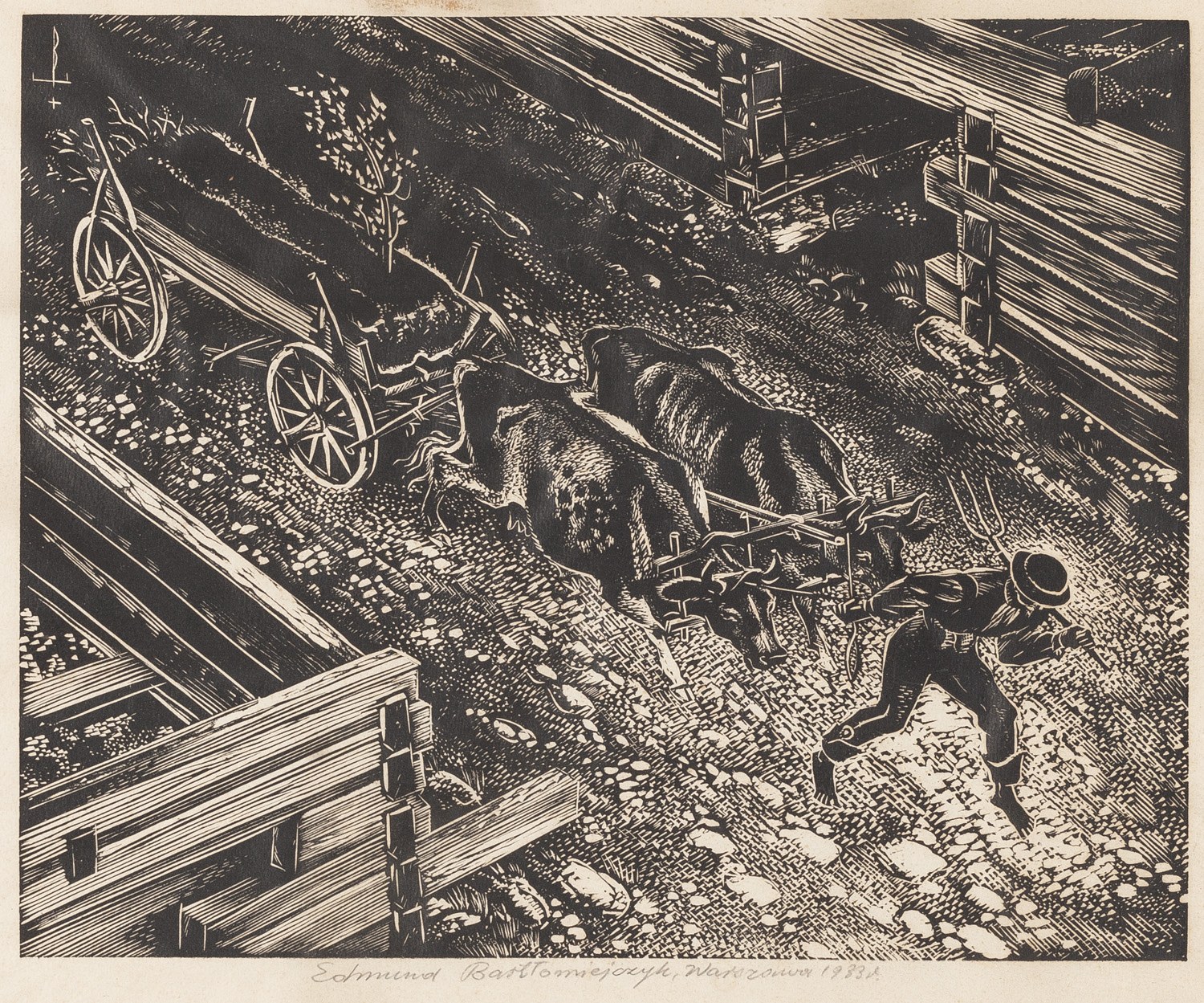
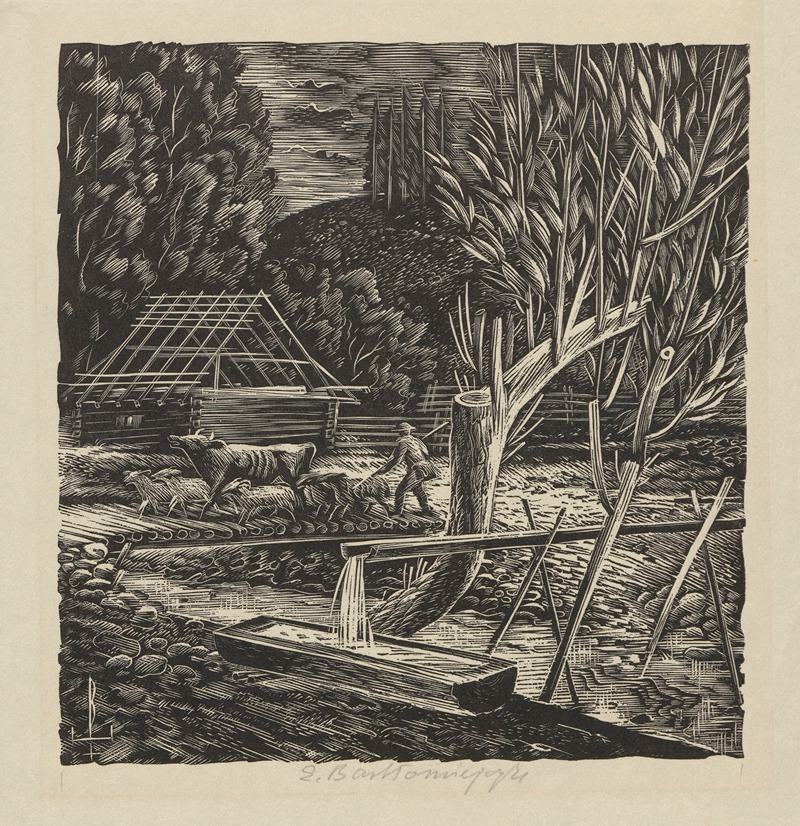
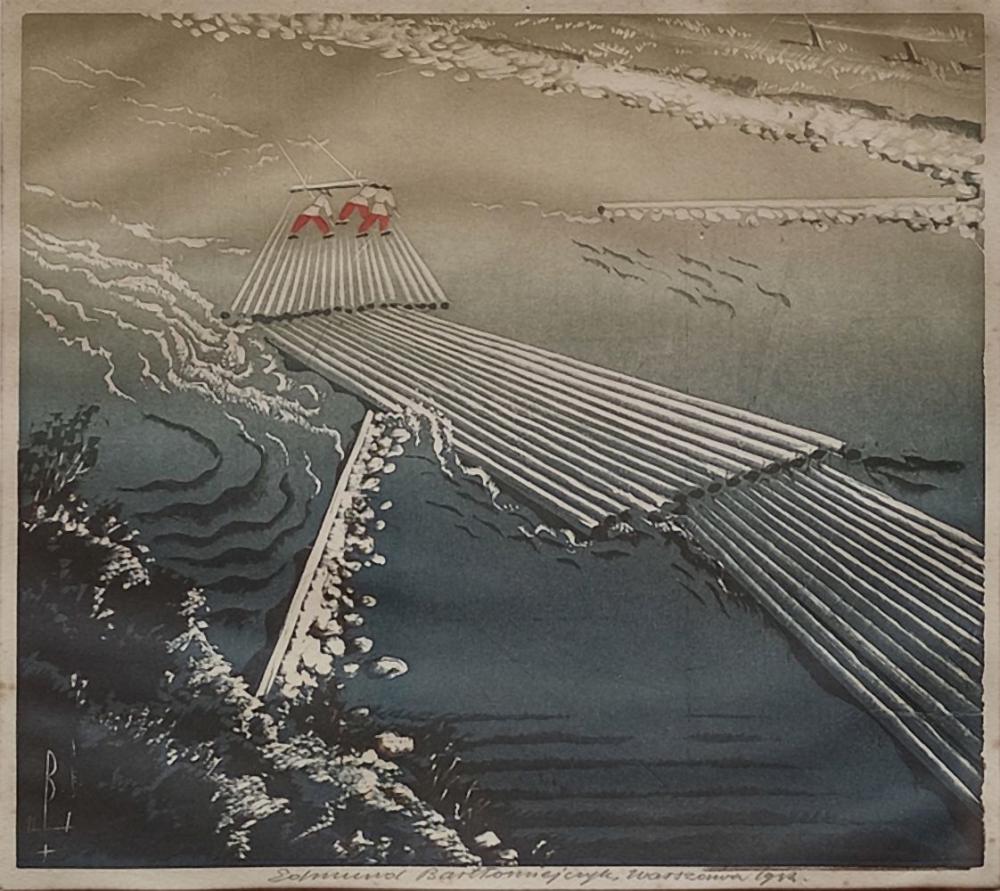
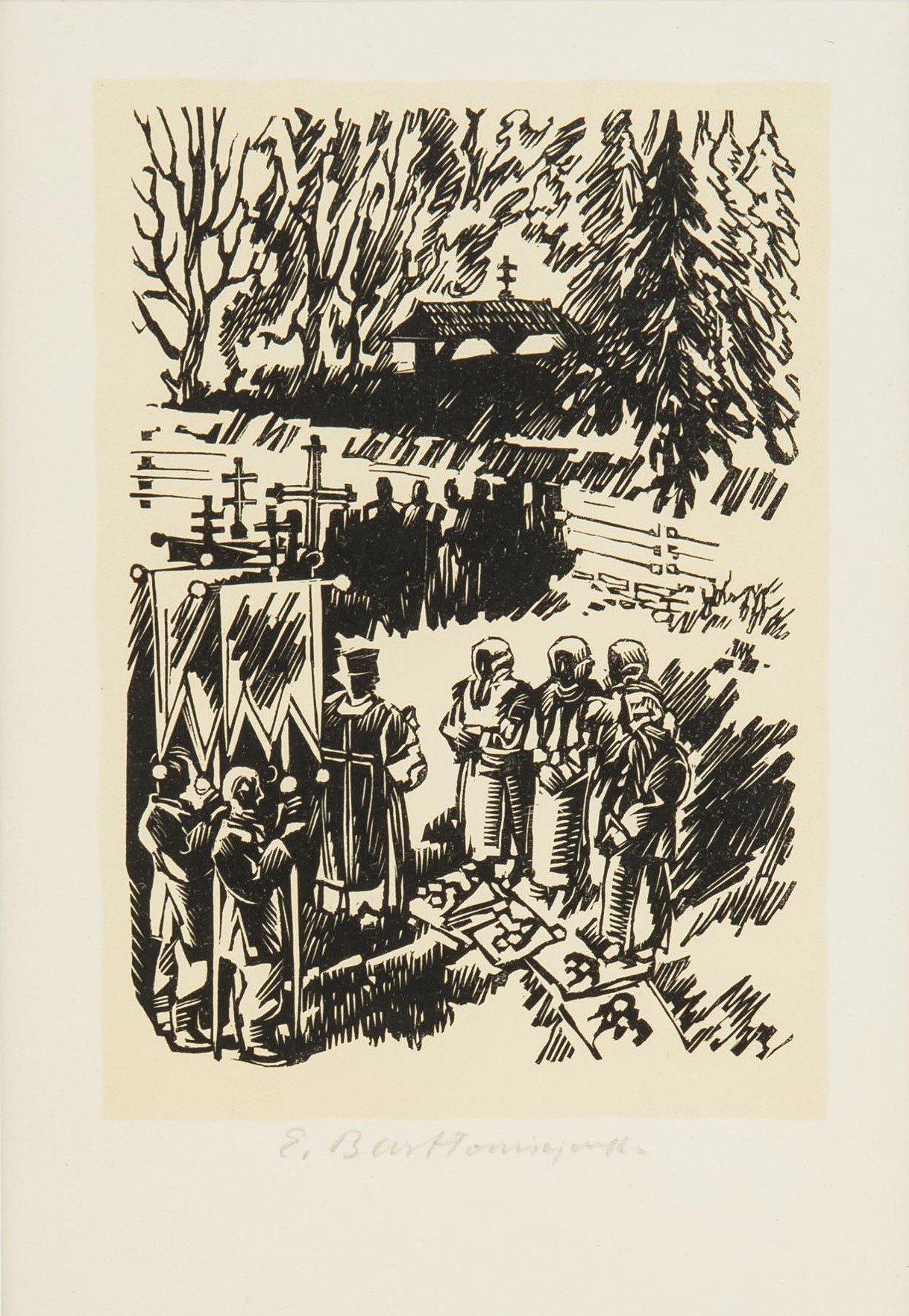
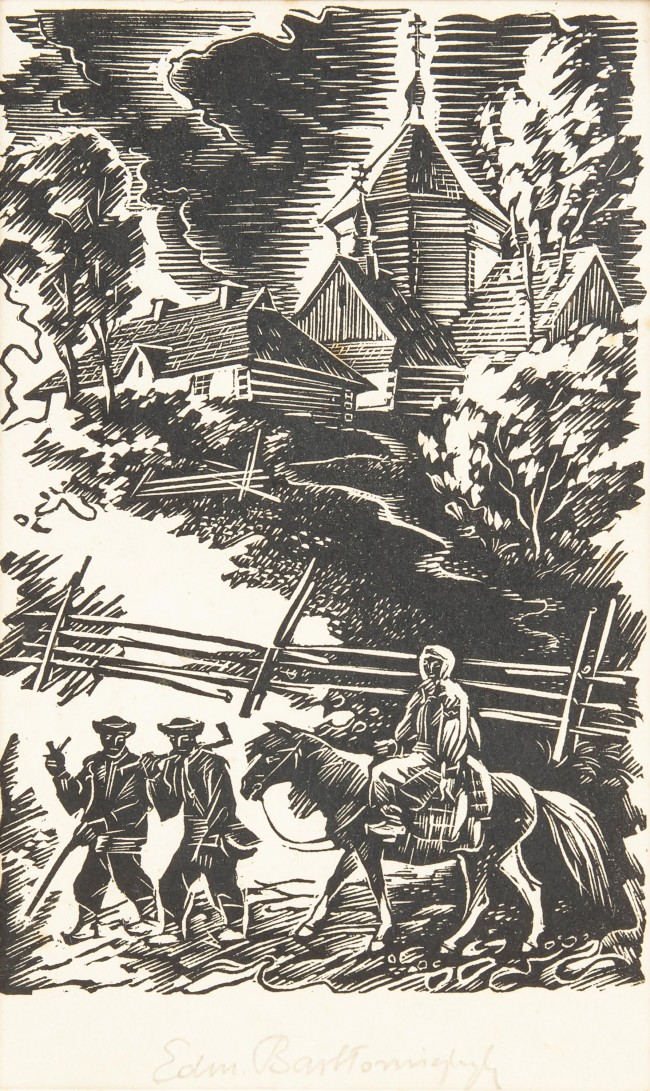
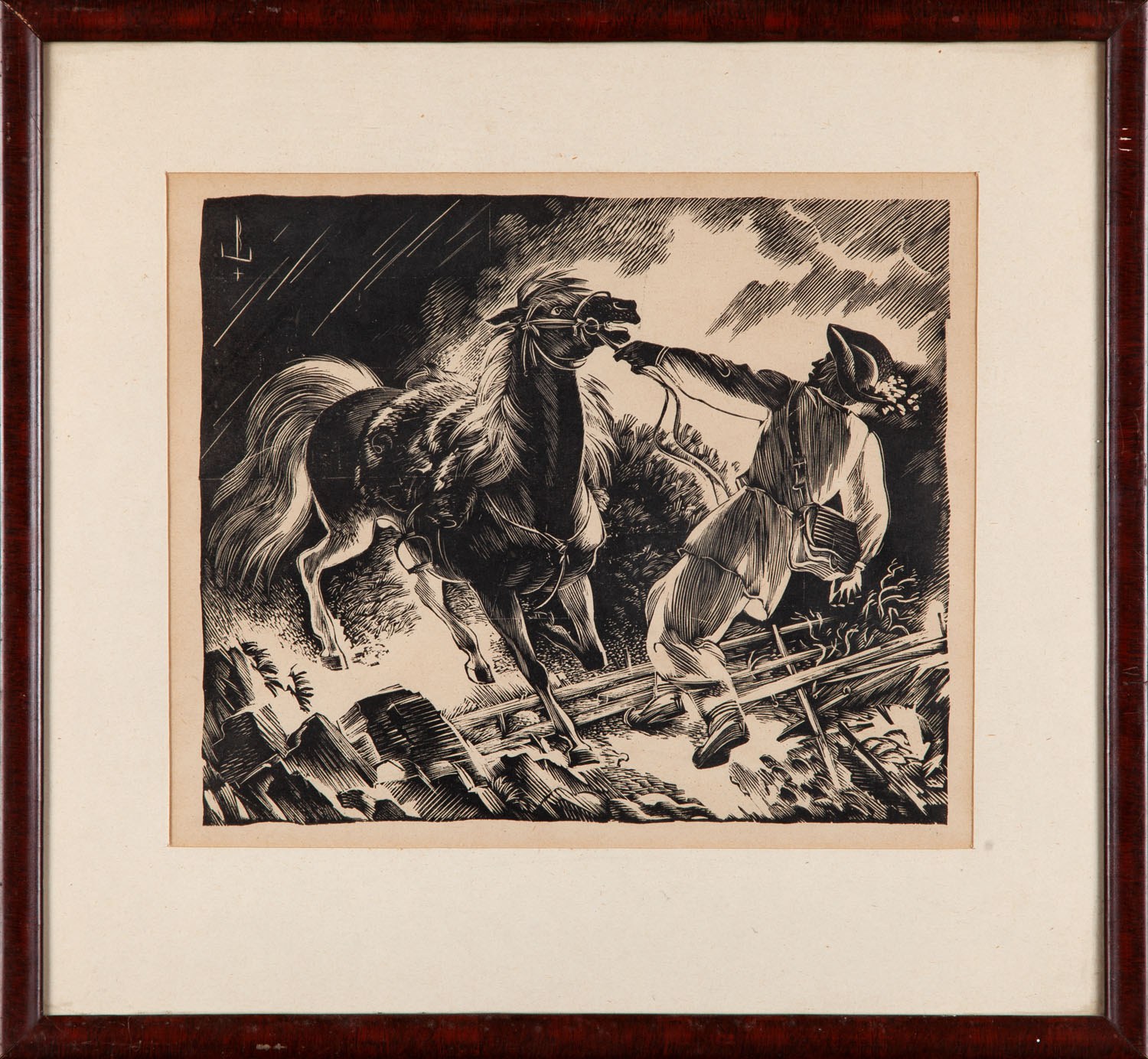
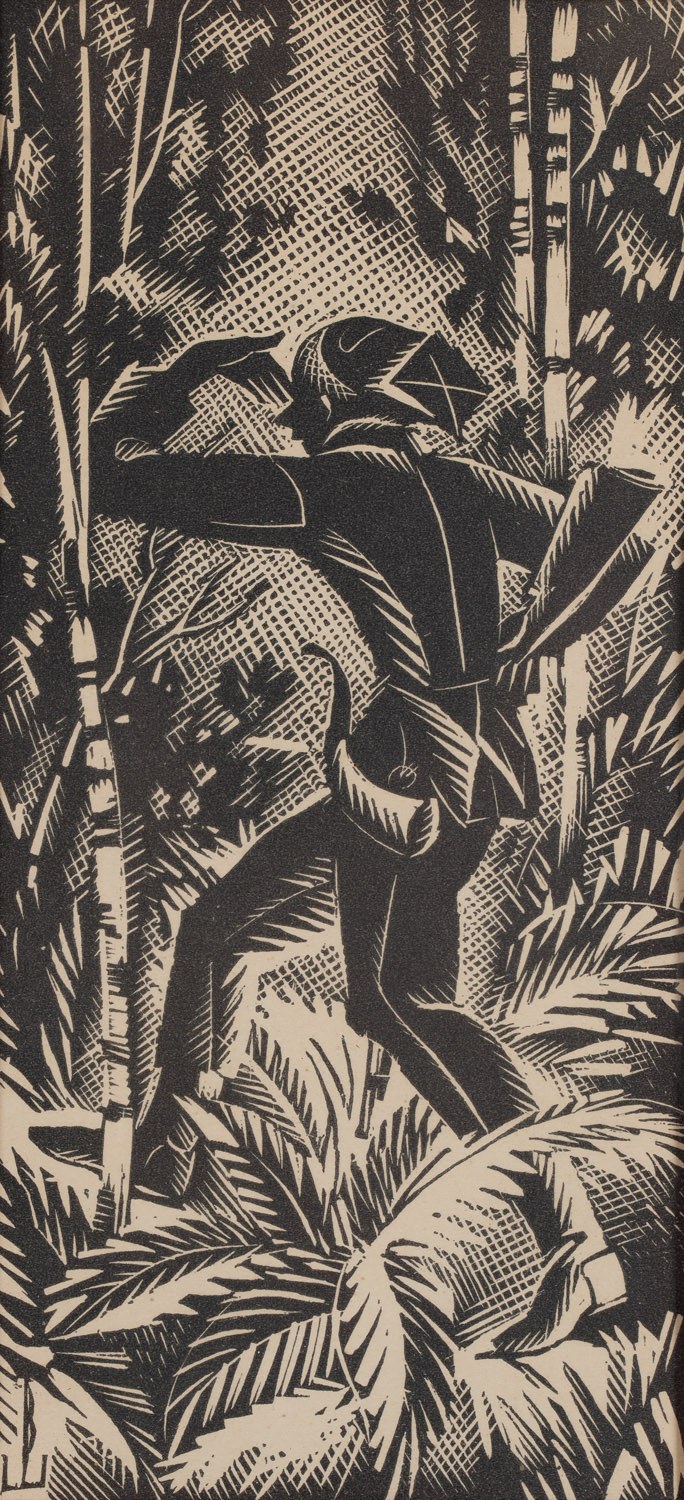
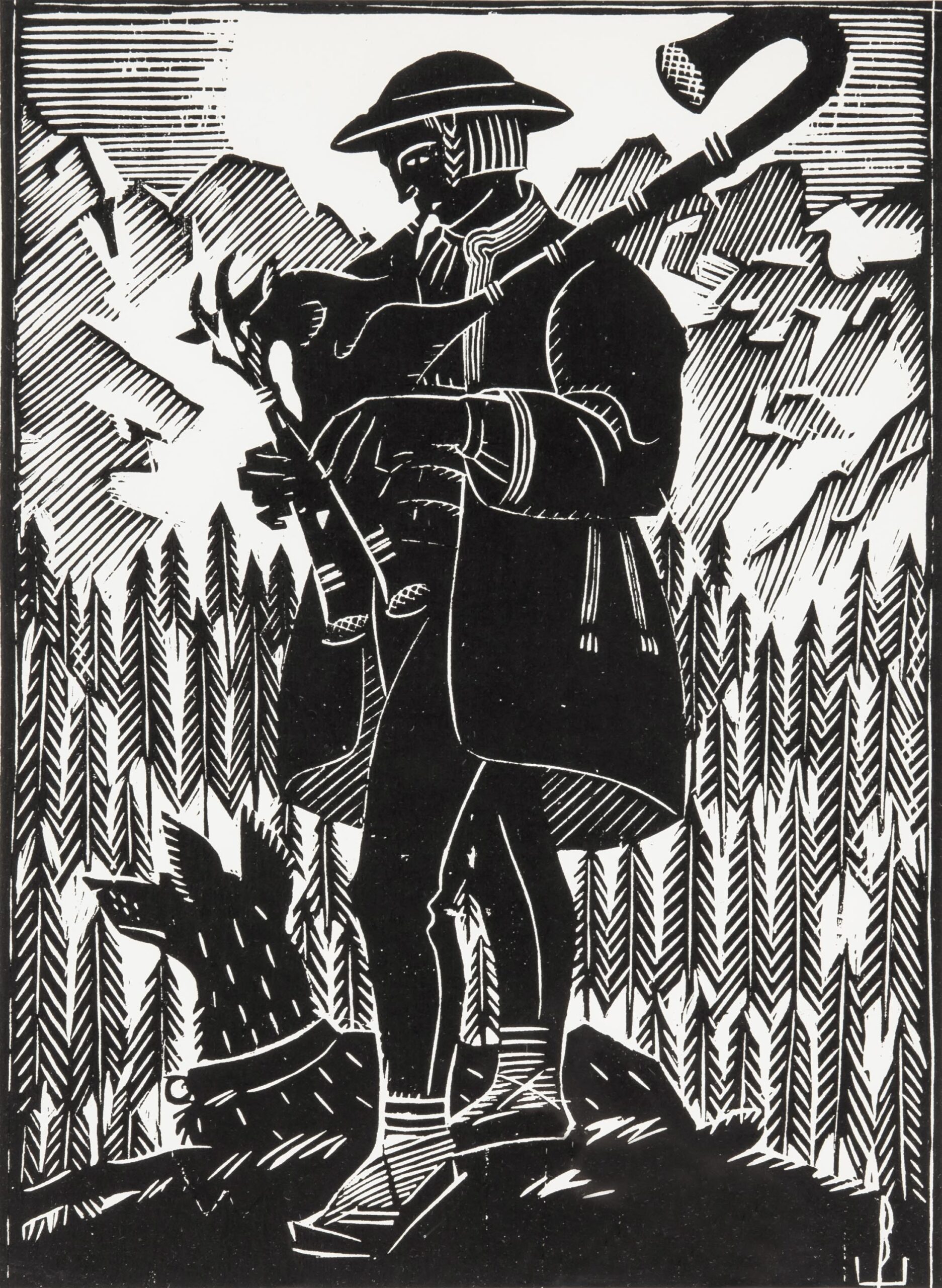
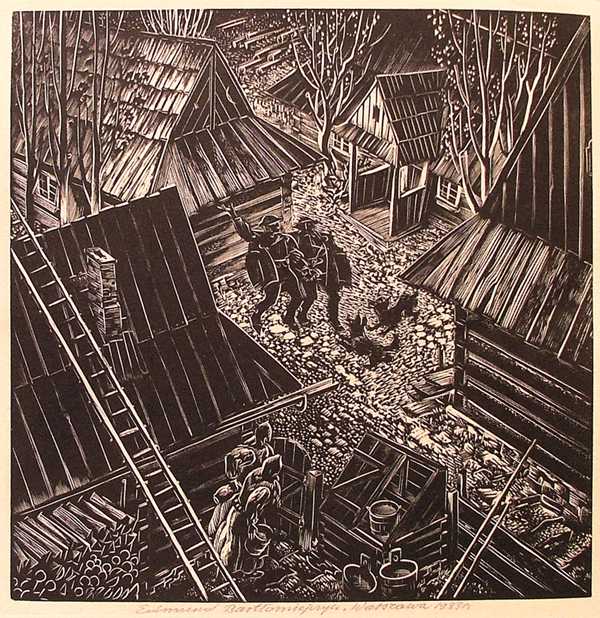
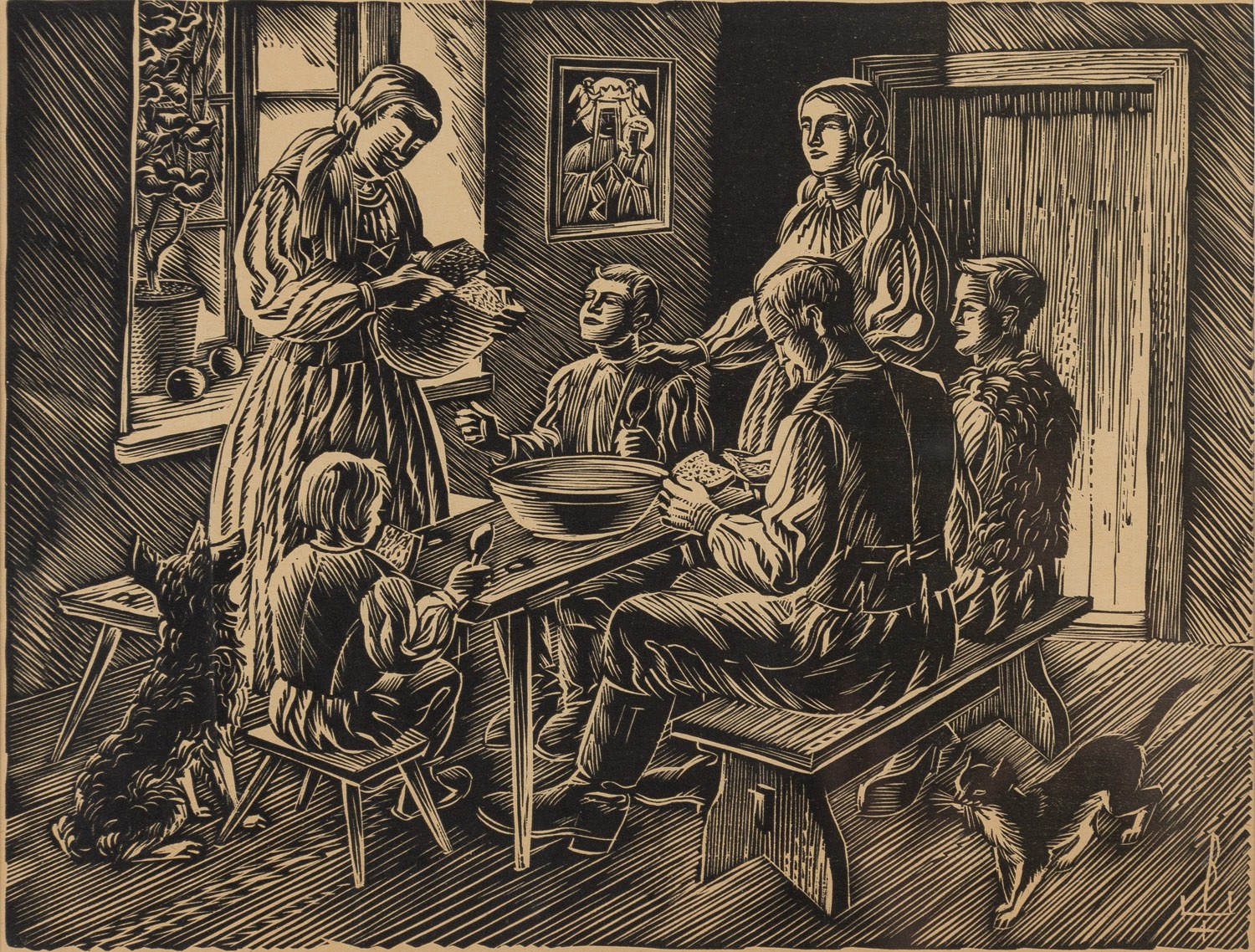
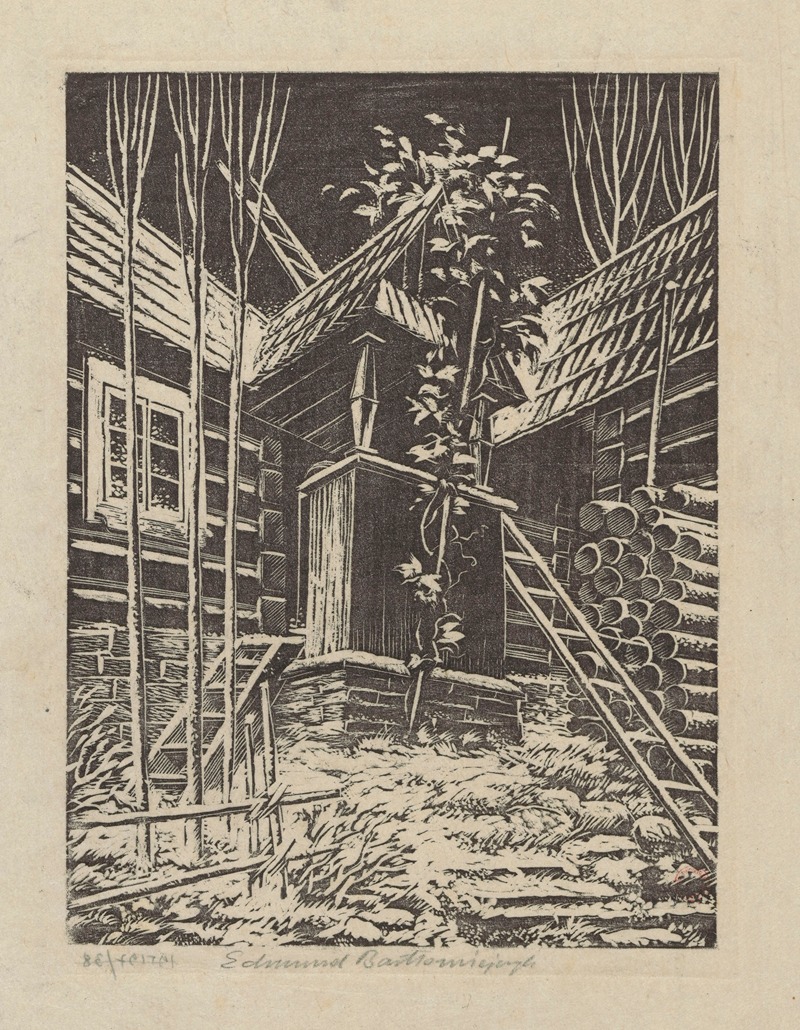
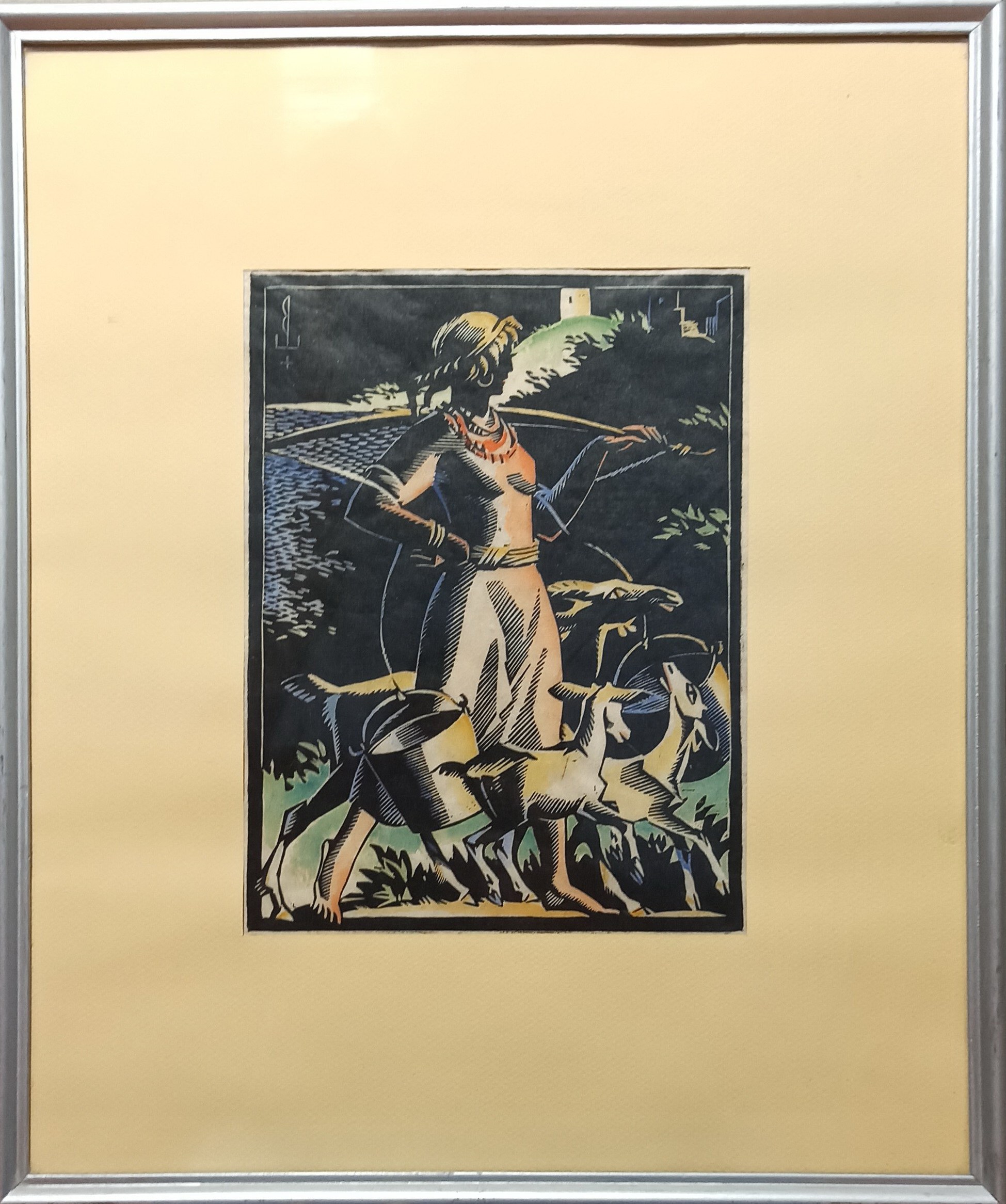
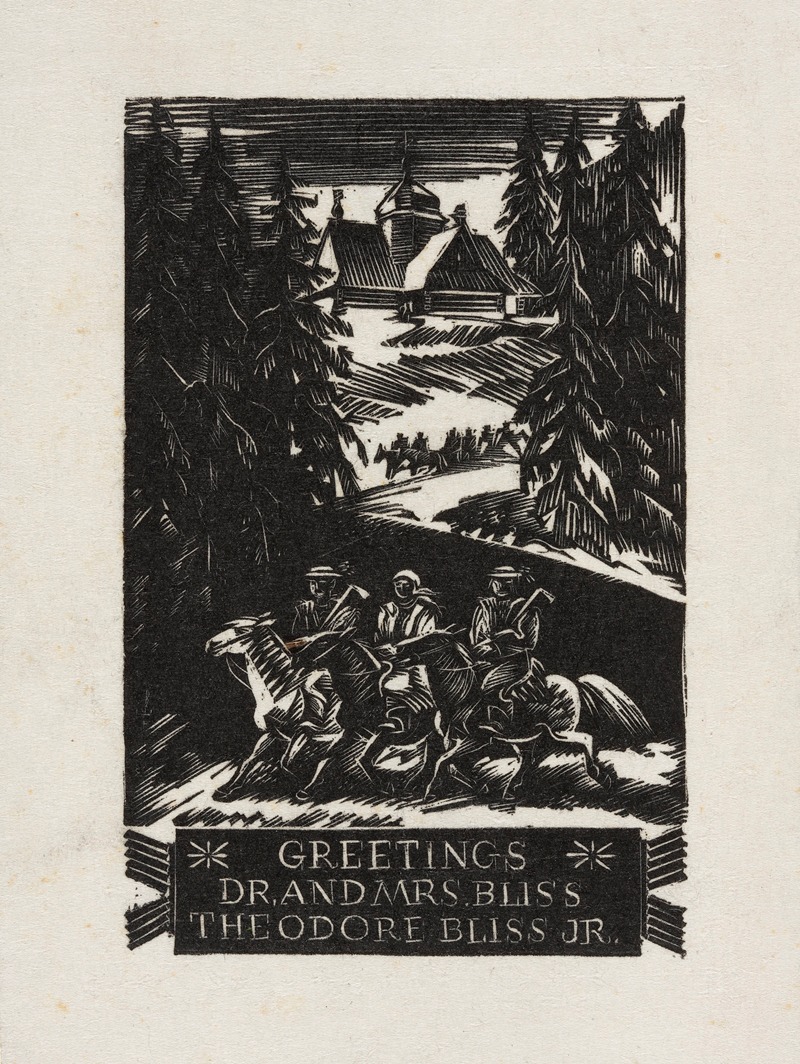
His creative focus was primarily on book graphics, woodcuts, and lithography. One of his works, the woodcut Skiers (Narciarze, 1932), was submitted to the Art and Literature Olympics competition for the Los Angeles Olympic Games, though it did not win. After 1945, he developed a growing interest in metal engraving techniques.
Dziad i baba (The Old Man and the Woman), by Józef Ignacy Kraszewski, Ludwik Fiszer, 1922 – a xylographic book, entirely executed in woodcut (text and illustration), printed in 600 hand-numbered copies on handmade paper, with a string-bound cover
Strzępy epopei (Fragments of an Epic), by Melchior Wańkowicz, Towarzystwo Wydawnicze “Ignis,” ca. 1922
Piosenki dziecięce (Children’s Songs), by Zofia Rogoszówna, Gebethner i Wolff, 1924
Jak Kulusia żabki poznała (How Kulusia Met the Frogs), by Melchior Wańkowicz, Ossolineum, 1928
Pamiętnik miłości (A Memoir of Love), by Kazimierz Wierzyński, Towarzystwo Wydawnicze “Ignis,” 1925
Two of Art | KvK: 94351813 | Teilingen 79, 1082JR Amsterdam, Netherlands