
(January 22, 1891, Kraków – April 29, 1953, Sanary-sur-Mer, France)
Nationality: Polish-French
Artistic Style: Post-Impressionism, Expressionism, École de Paris
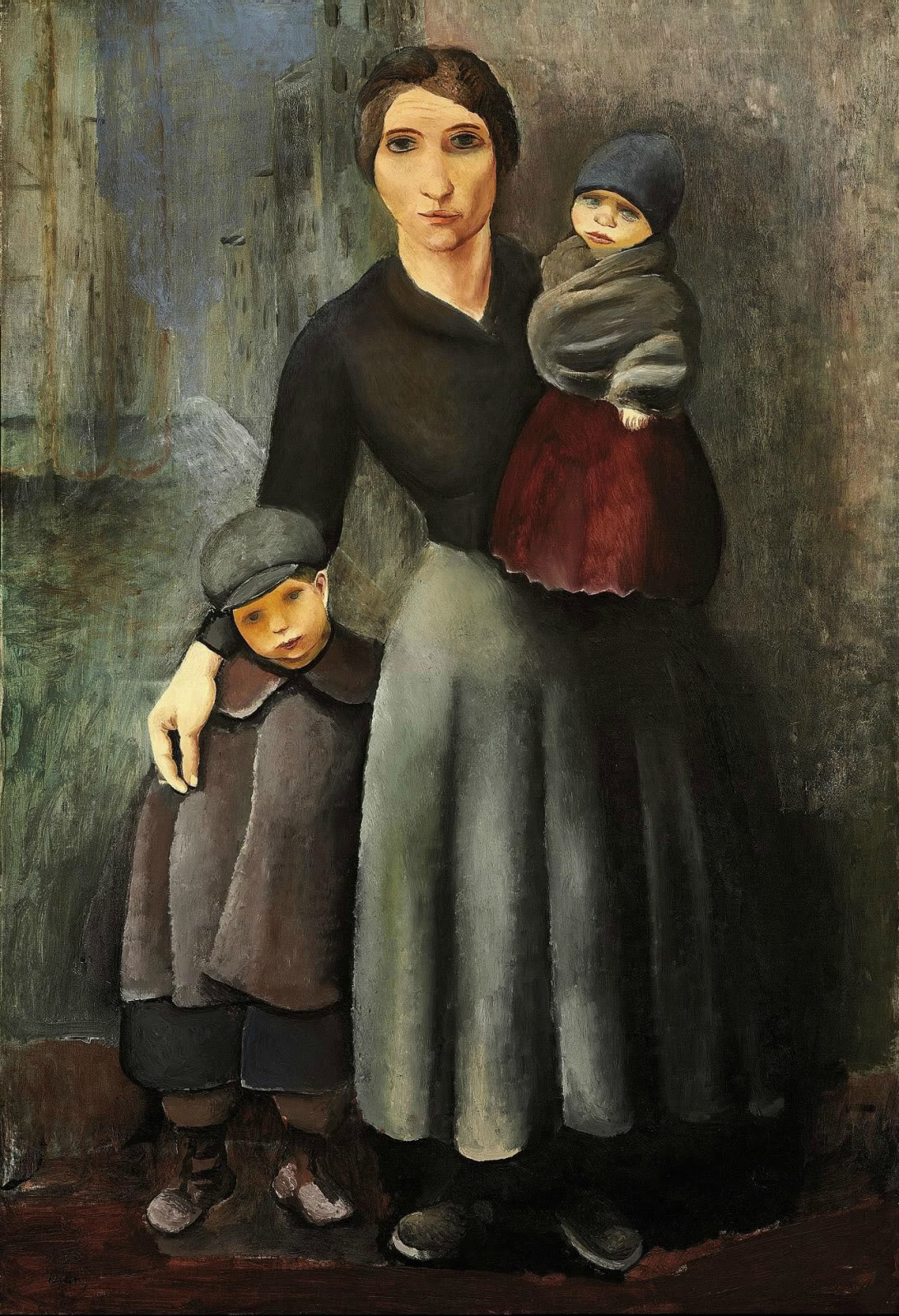
Moïse Kisling was born on January 22, 1891, in Kraków, into a middle-class Jewish family. He studied painting at the Academy of Fine Arts in Kraków, where he was taught by prominent figures of Polish modernism such as Józef Pankiewicz and Teodor Axentowicz. From early on, he stood out for his mastery of color and intuitive sense of composition.
In 1910, at just 19 years old, Kisling moved to Paris, drawn by its spirit of artistic freedom. He settled in the famous Montparnasse district, a hub of modern art and intellectual exchange. There, he became part of the École de Paris — an informal group of international artists working in the city before World War I. He became close friends with Amedeo Modigliani, Jules Pascin, Chaim Soutine, and Marc Chagall. Kisling’s portrait of Modigliani, and Modigliani’s portrait of Kisling, are now considered iconic works of the era.
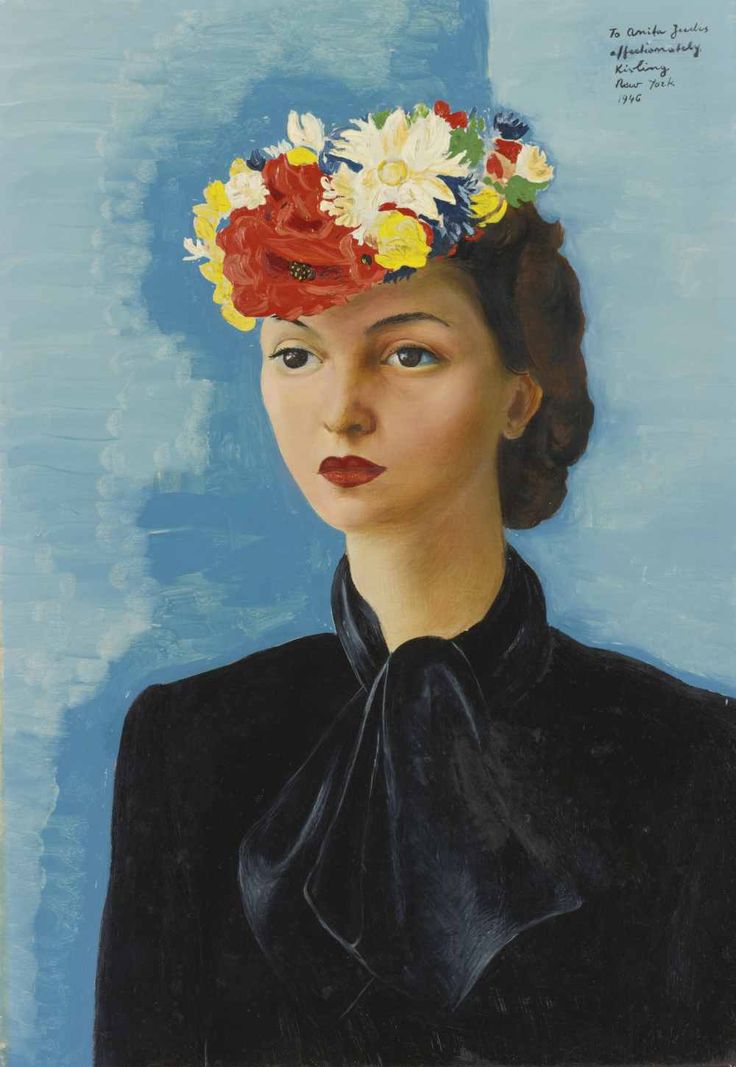
During World War I, Kisling enlisted in the French Foreign Legion and fought for France. In recognition of his service, he was granted French citizenship in 1915. During World War II, as a Jew in occupied France, he was forced to flee — emigrating to the United States, where he lived and worked until 1946. After the war, he returned to France and settled in the south, where he passed away in 1953.
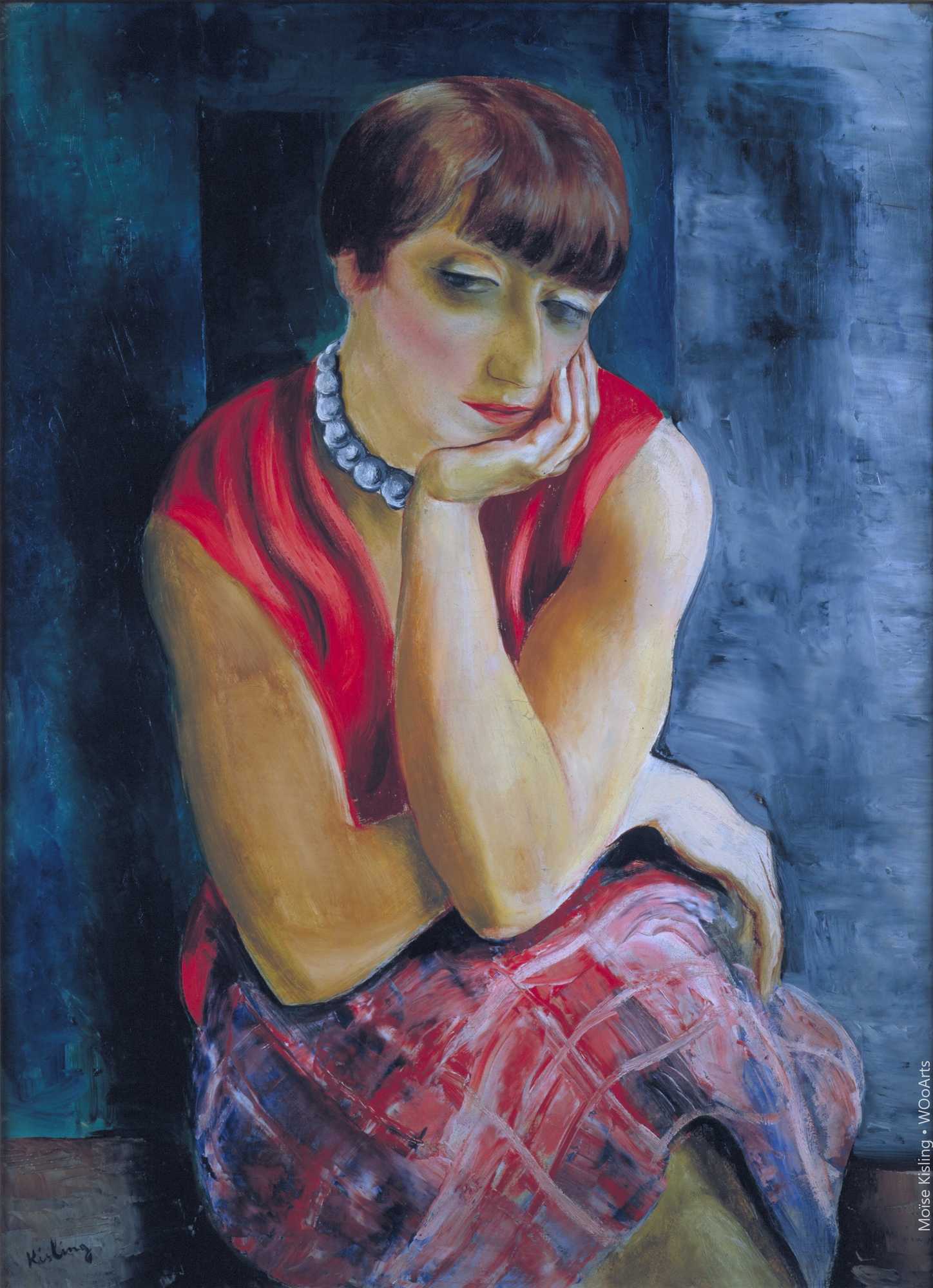
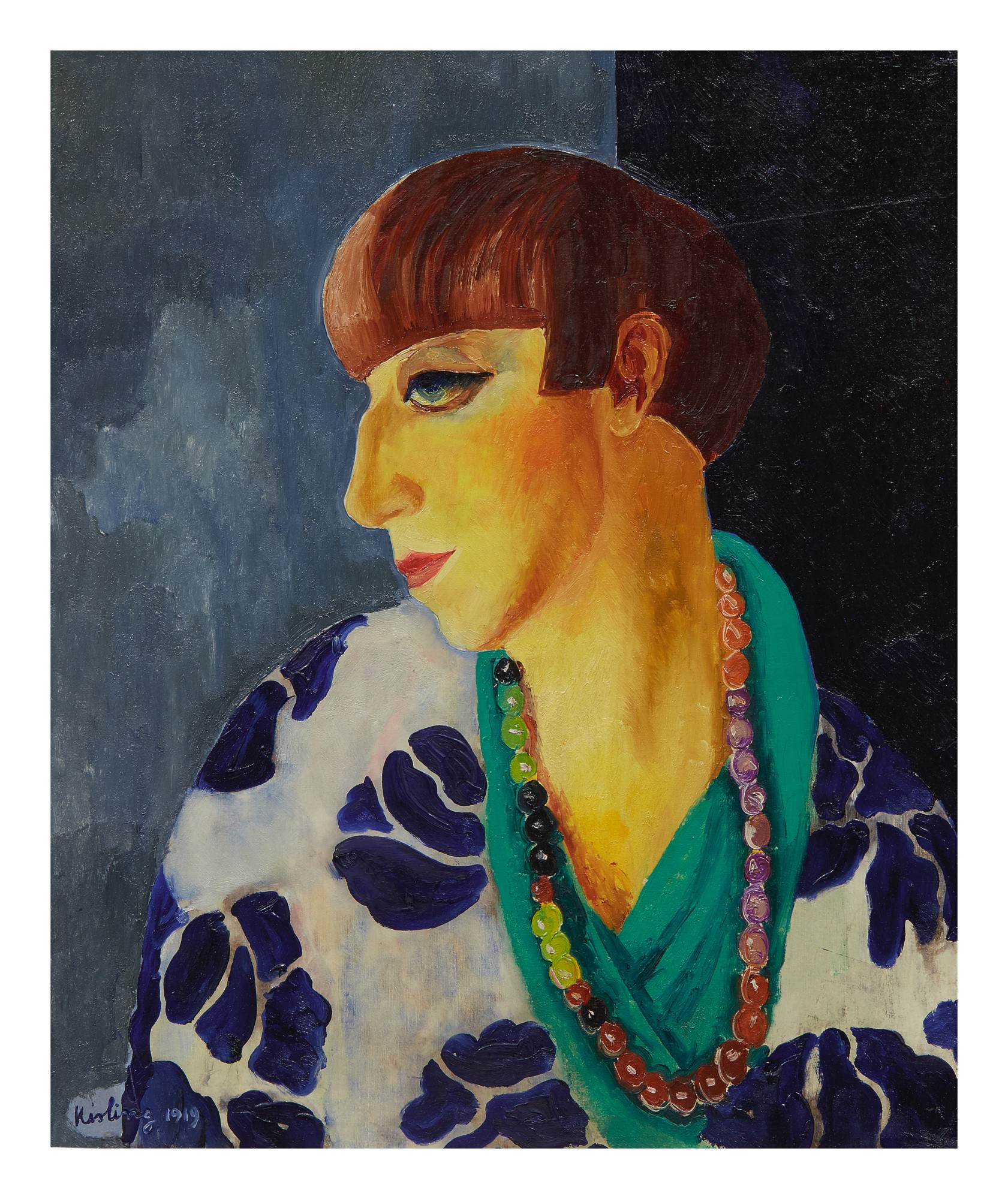
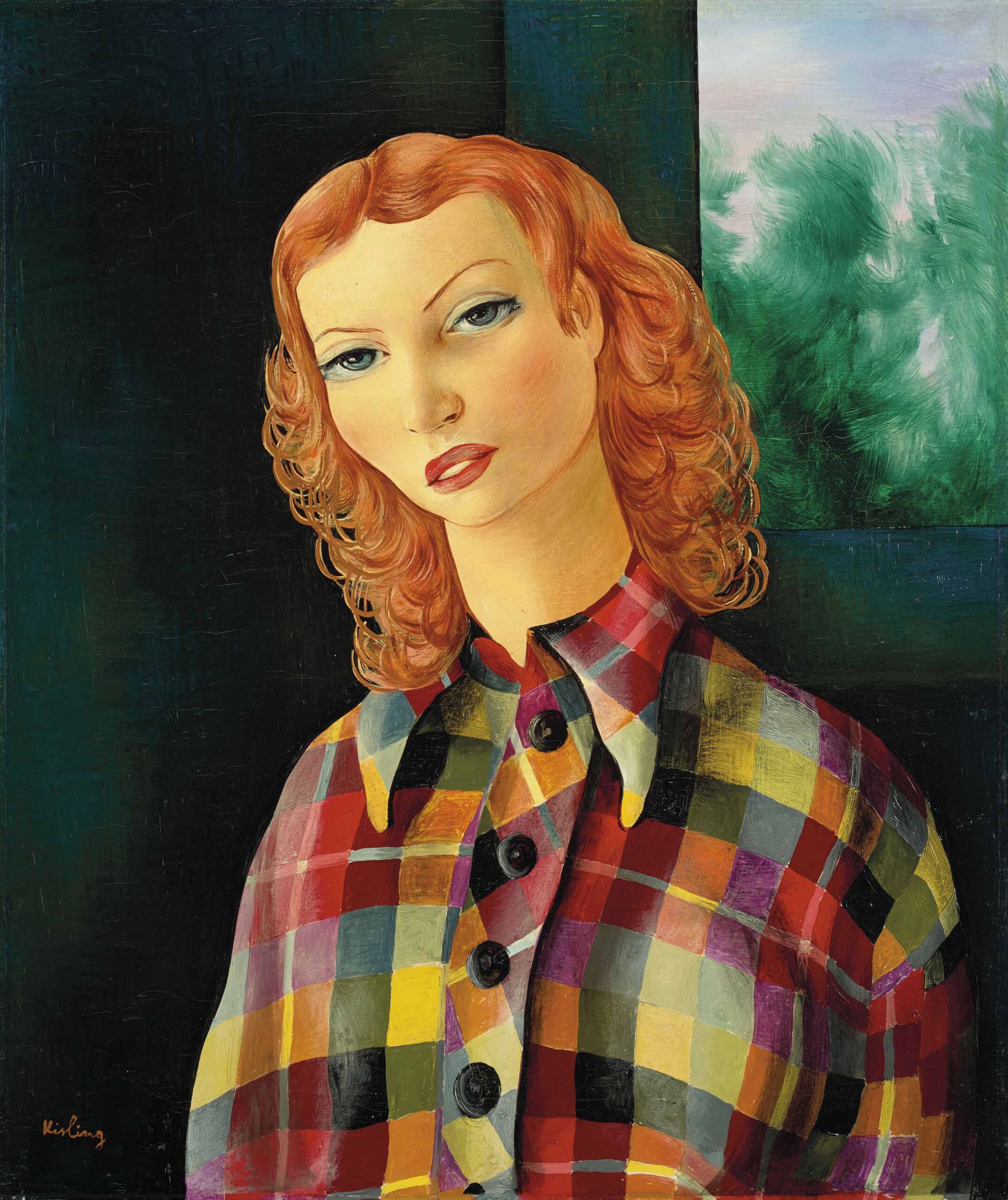
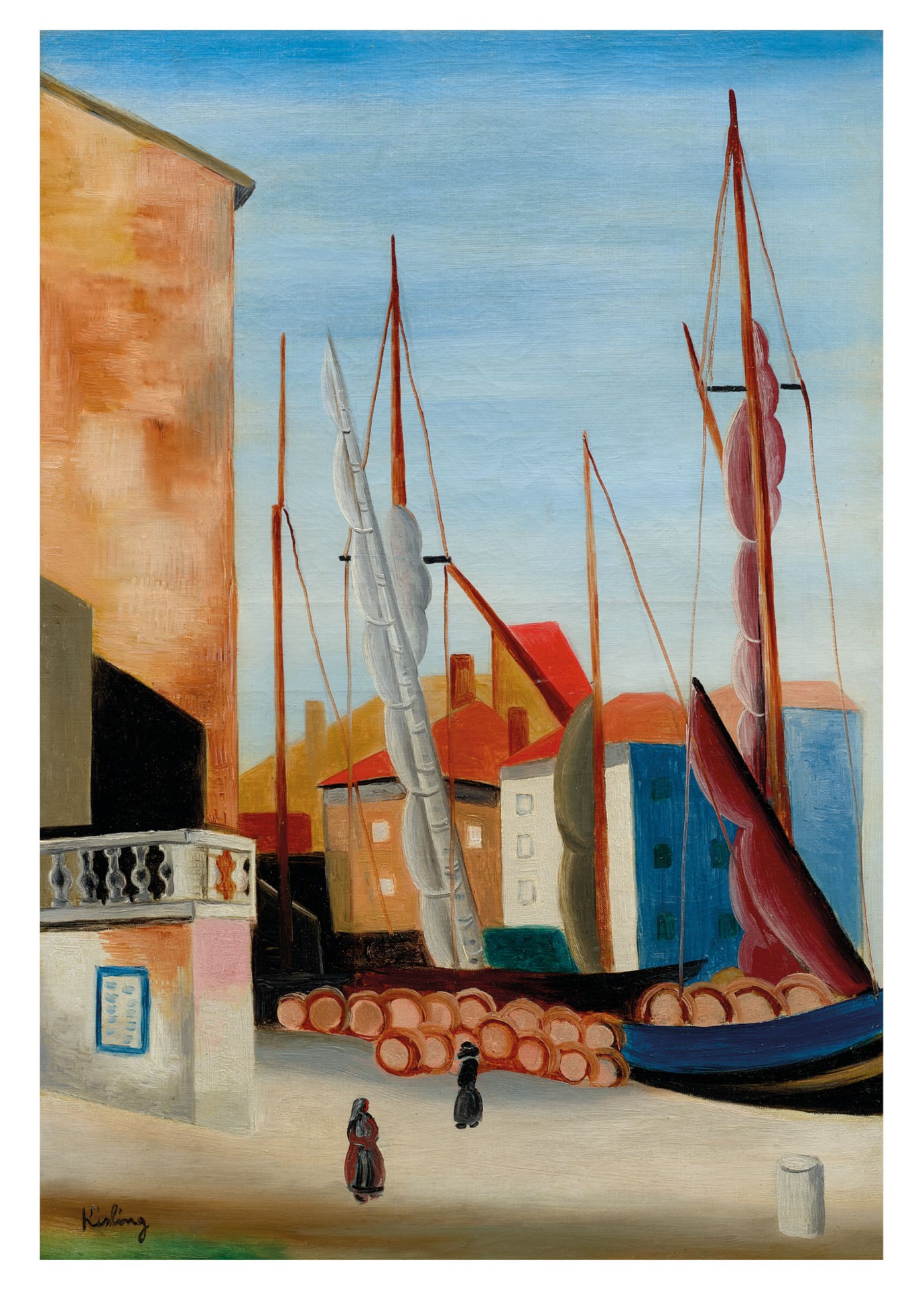
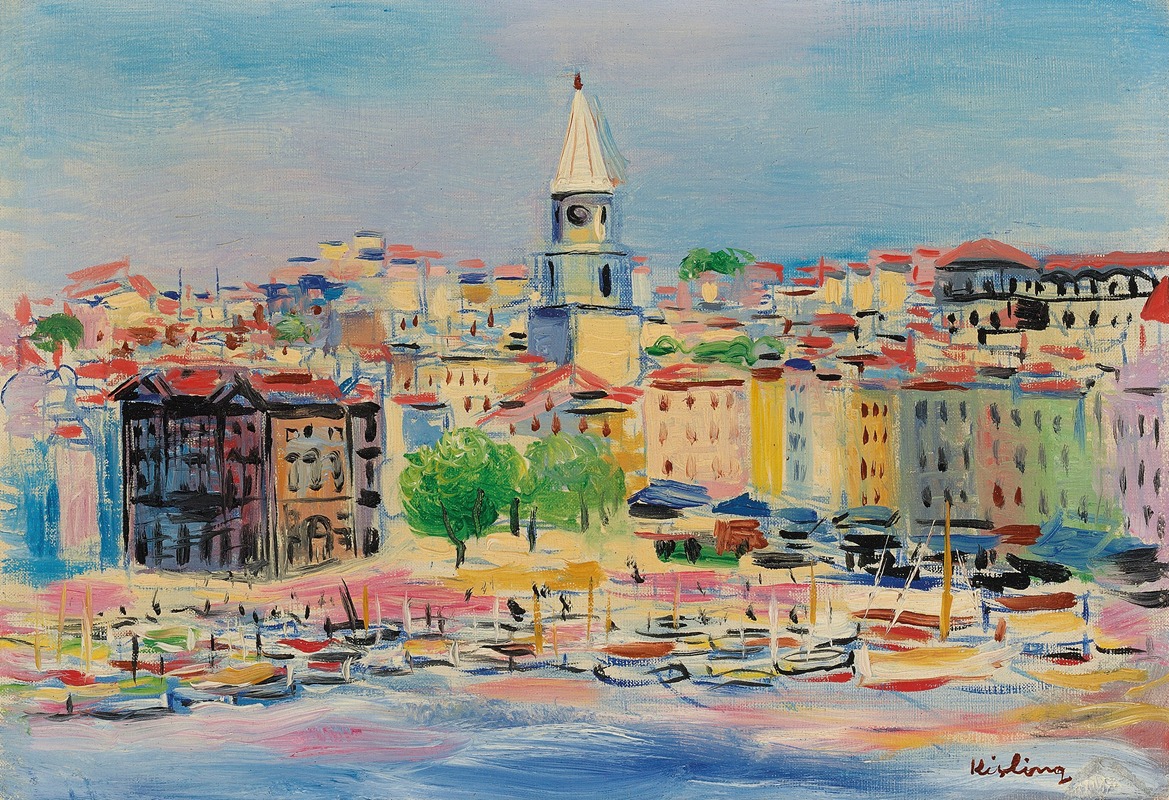
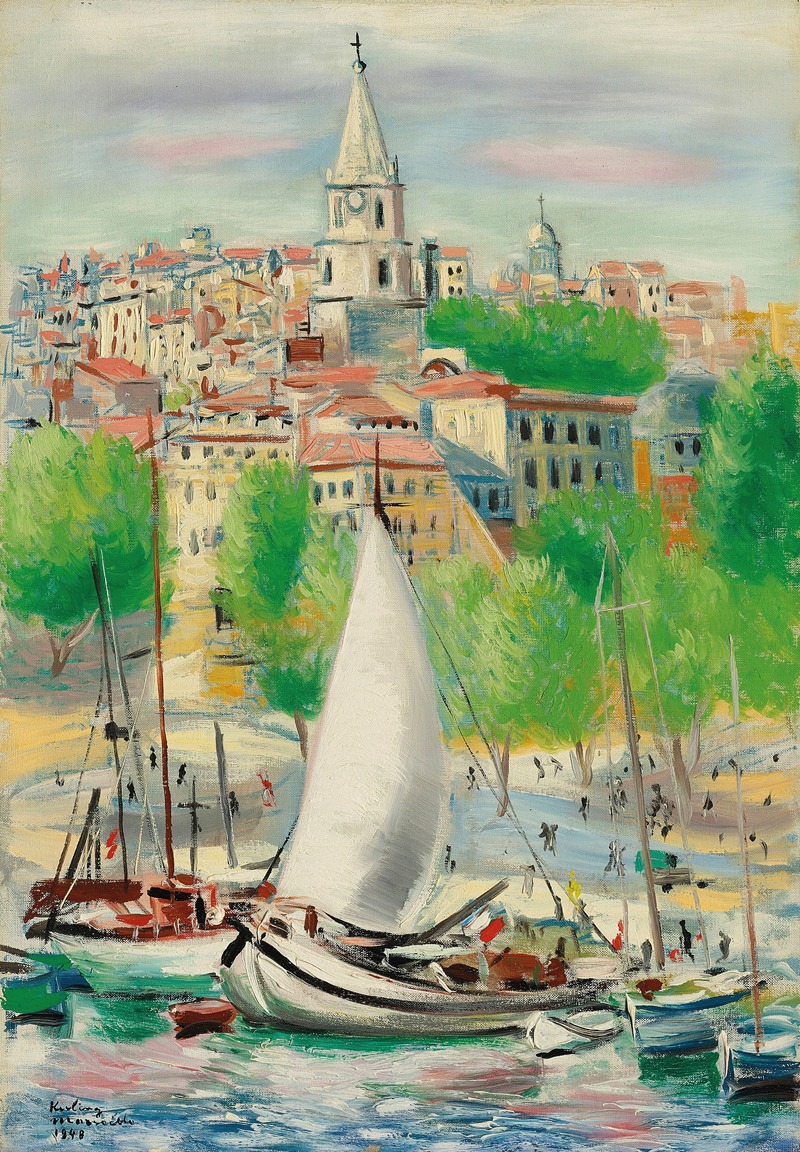
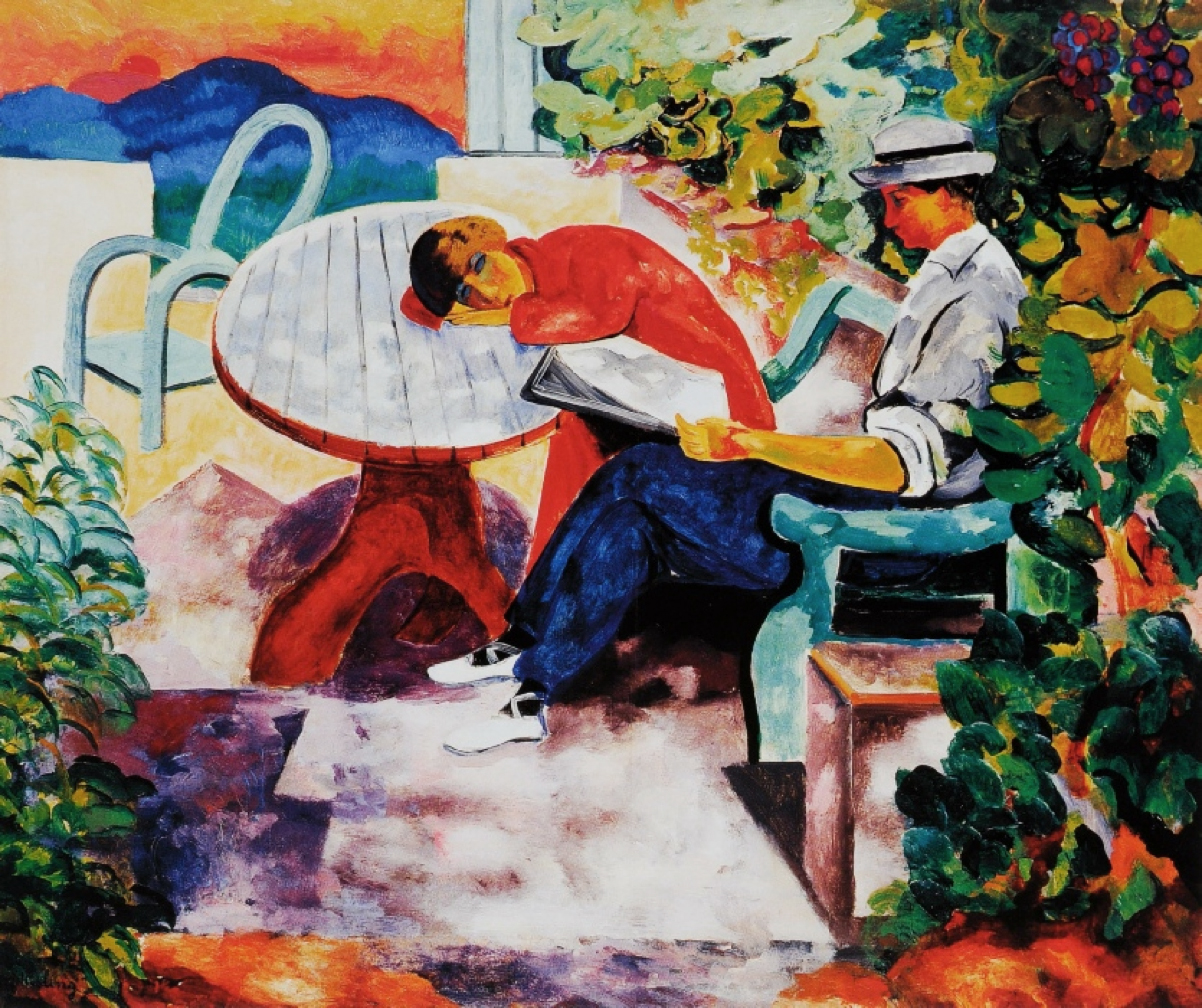
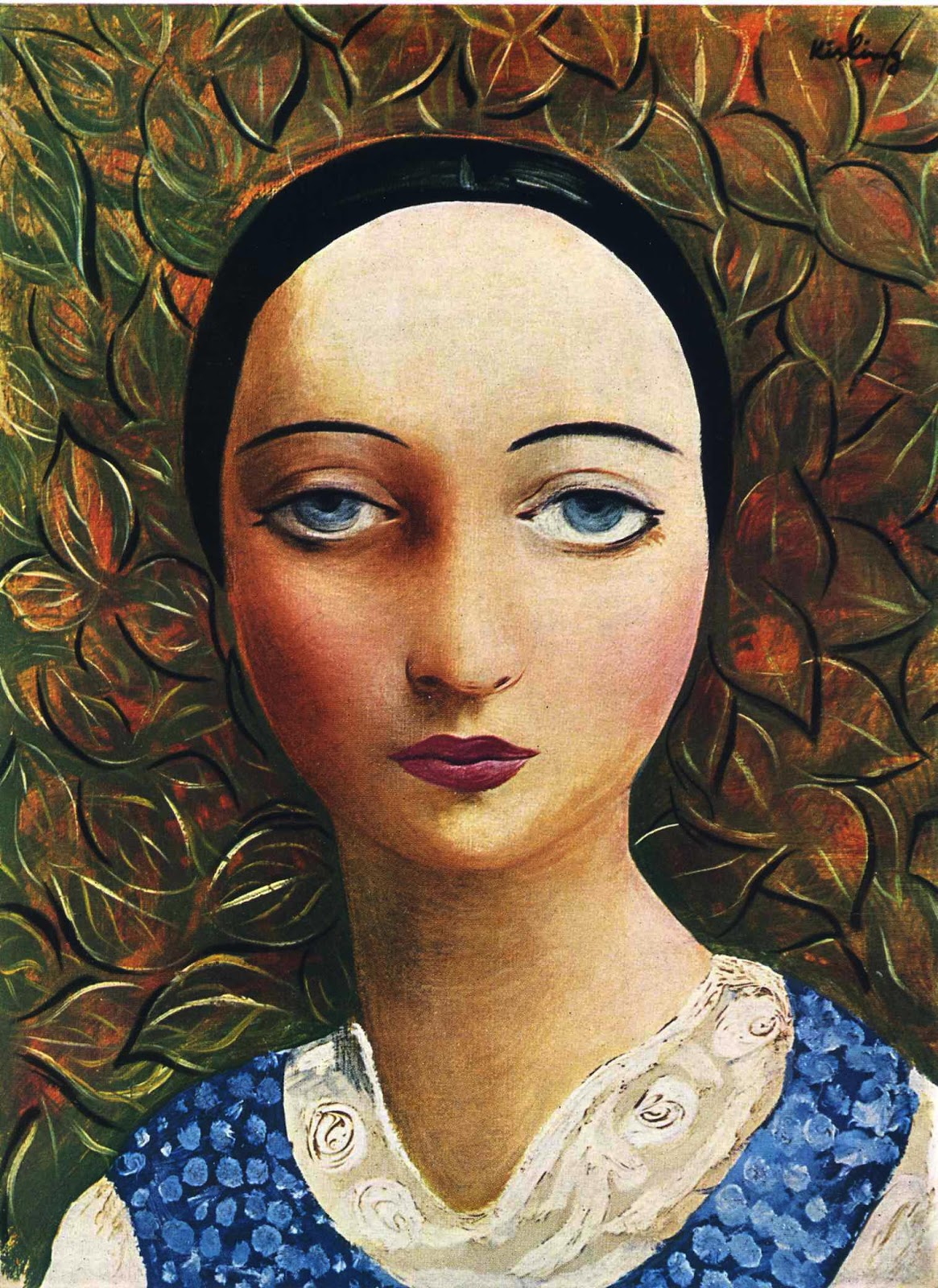
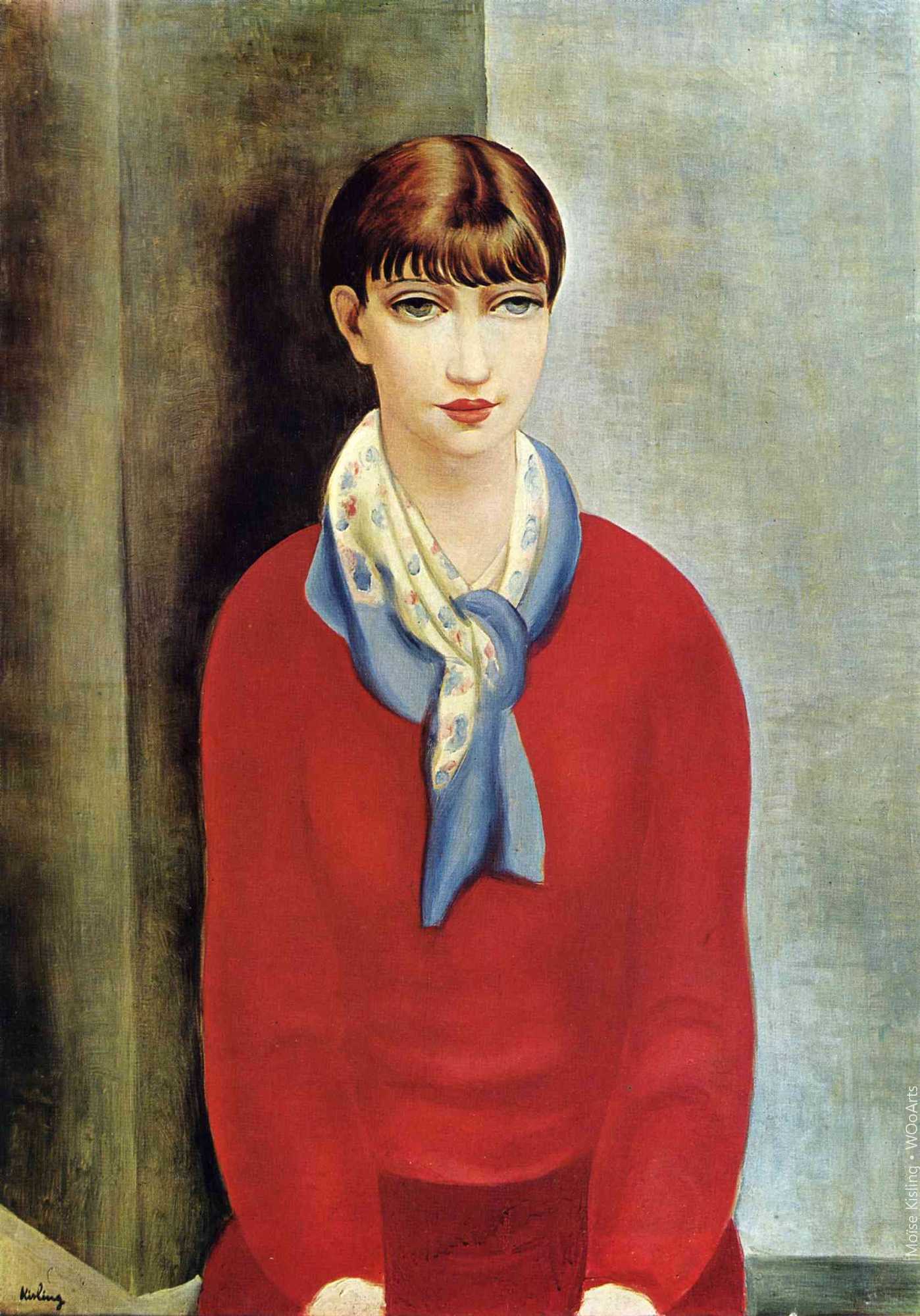
Kisling’s style blended classical technique with modern expression. Although associated with the École de Paris, his work was marked by a distinctive use of color and form, drawing from Post-Impressionism, Expressionism, and elements of Cubism.
He is especially known for:
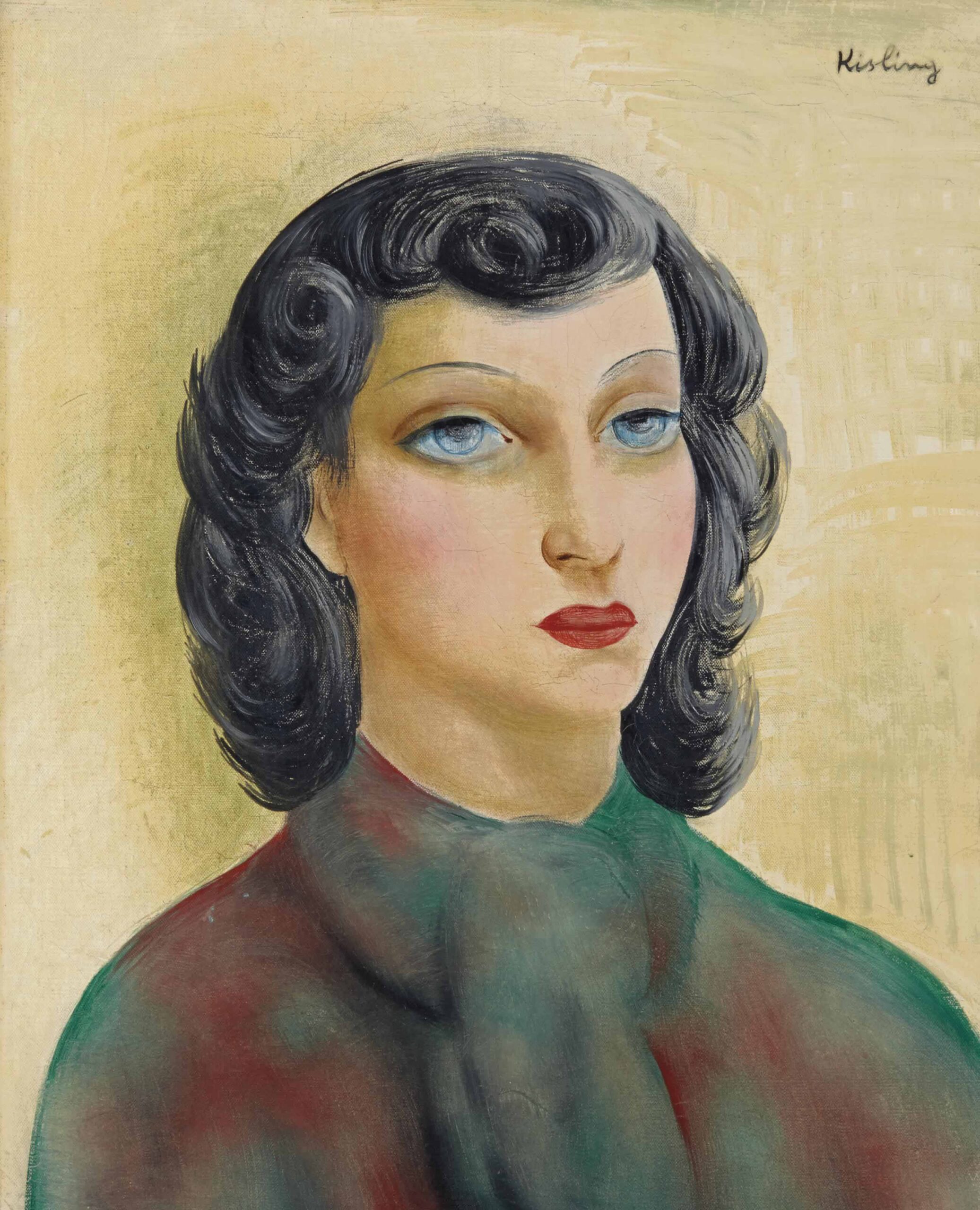
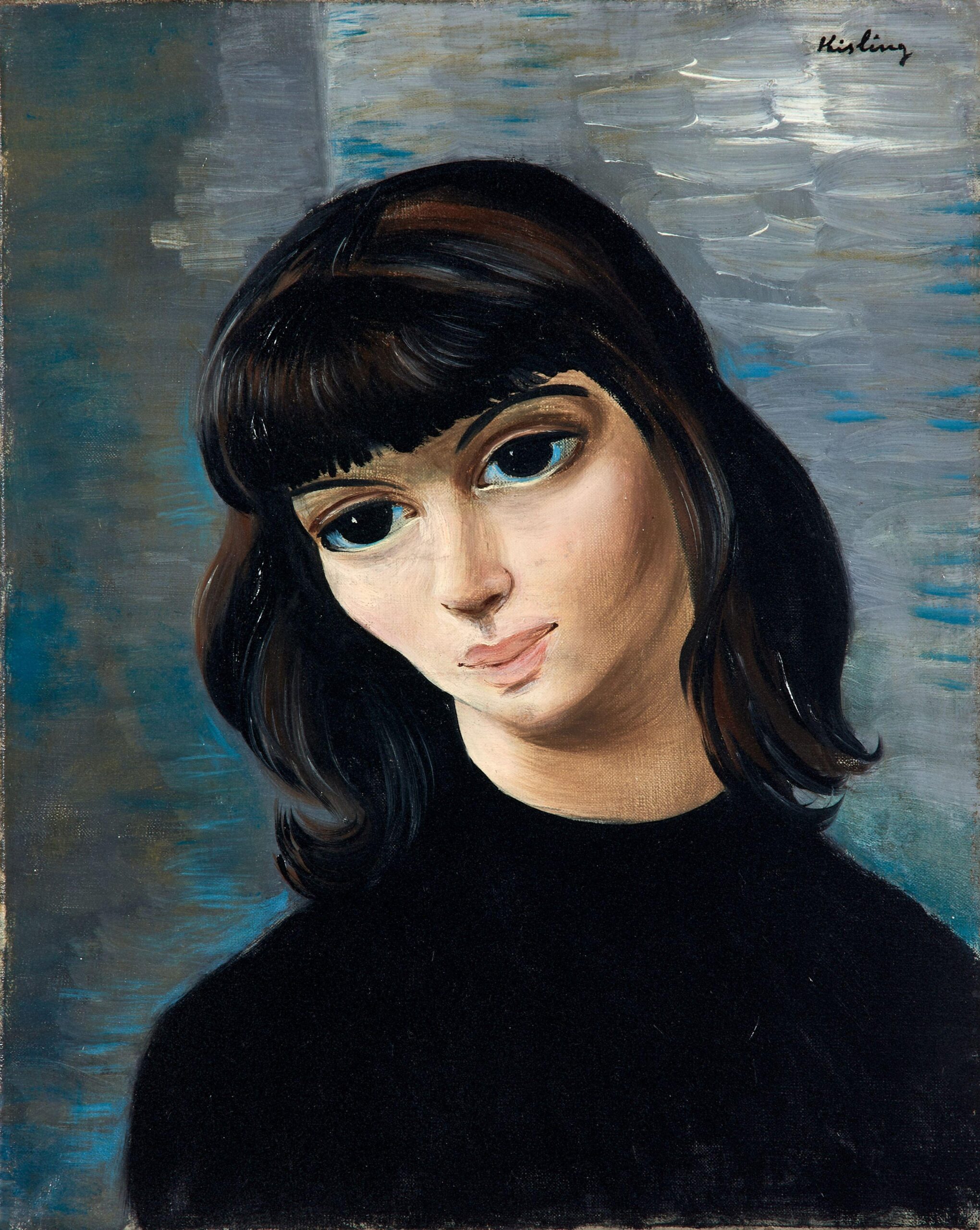
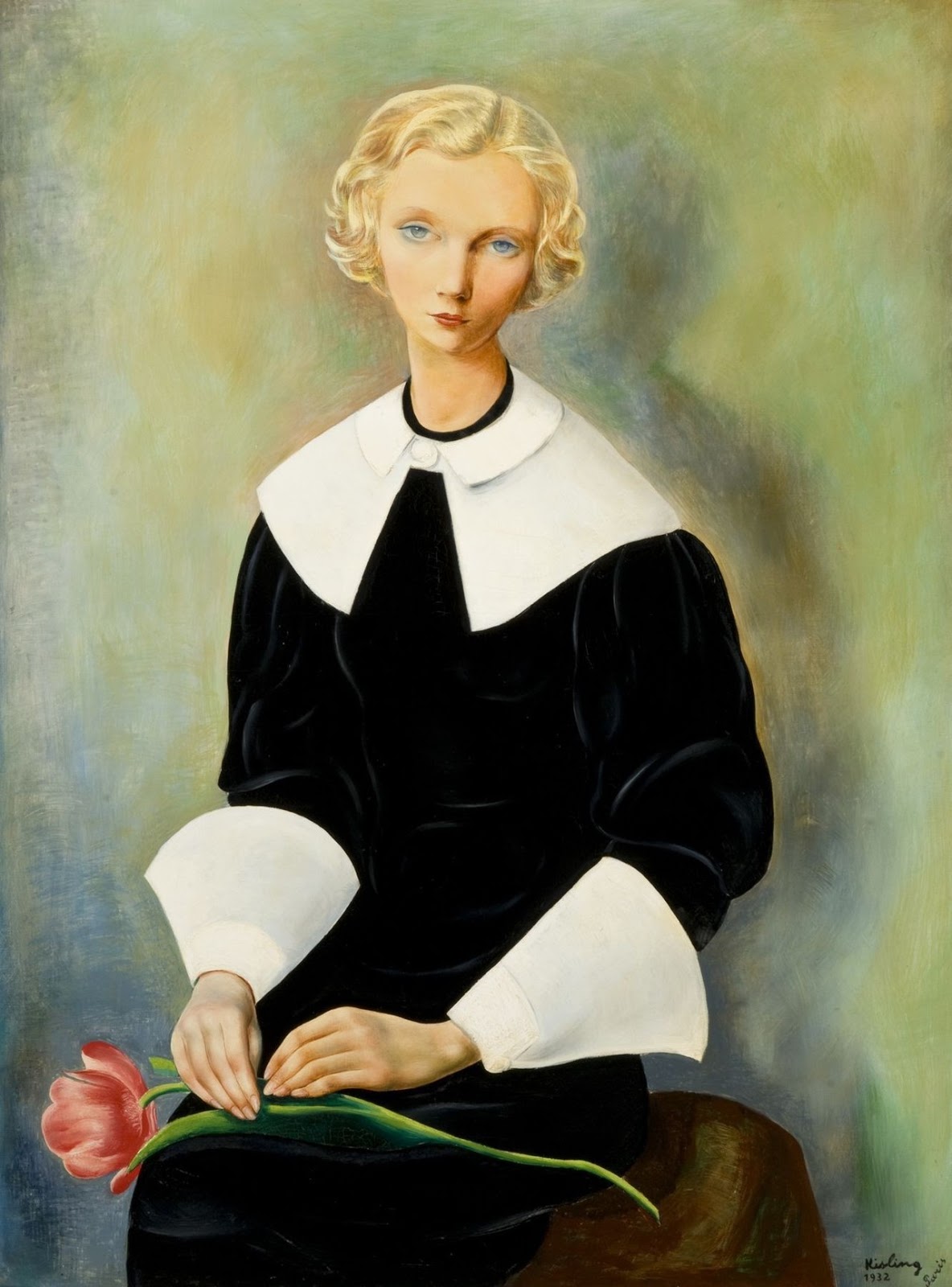
Portraits of women – refined and melancholic, with smooth, porcelain-like features and elongated forms (often compared to Modigliani),
Nudes – sensual yet stylized, avoiding overt eroticism,
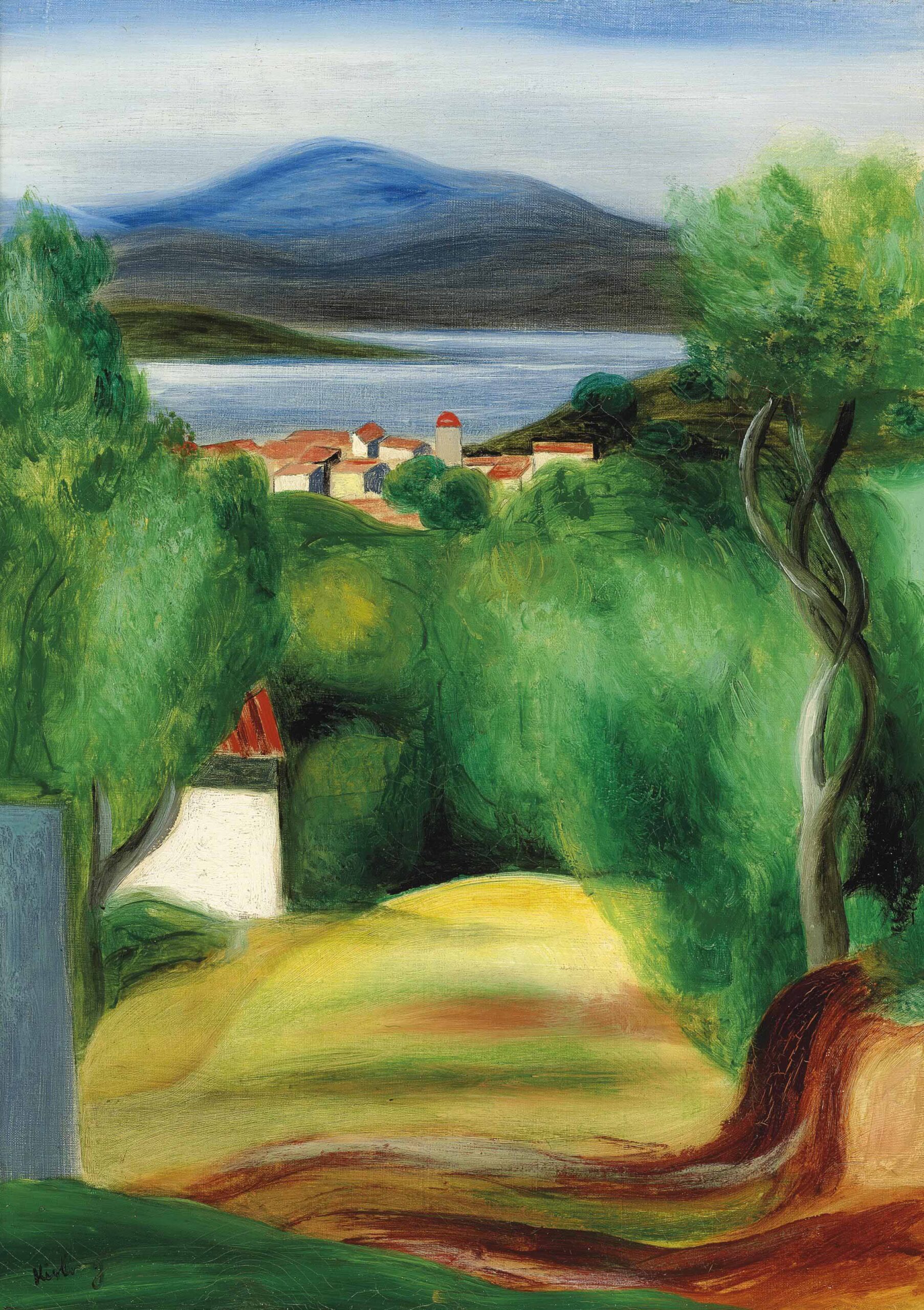
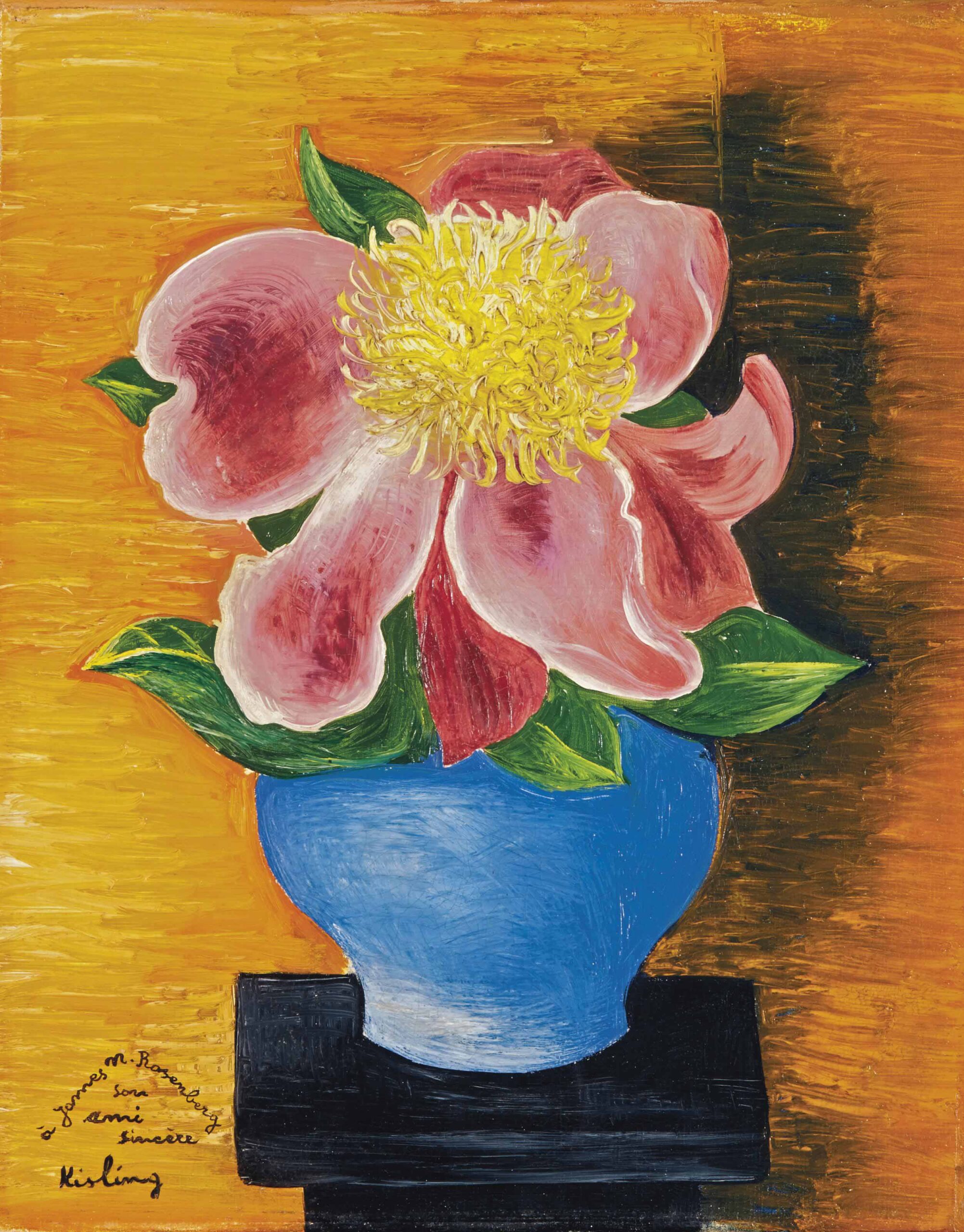
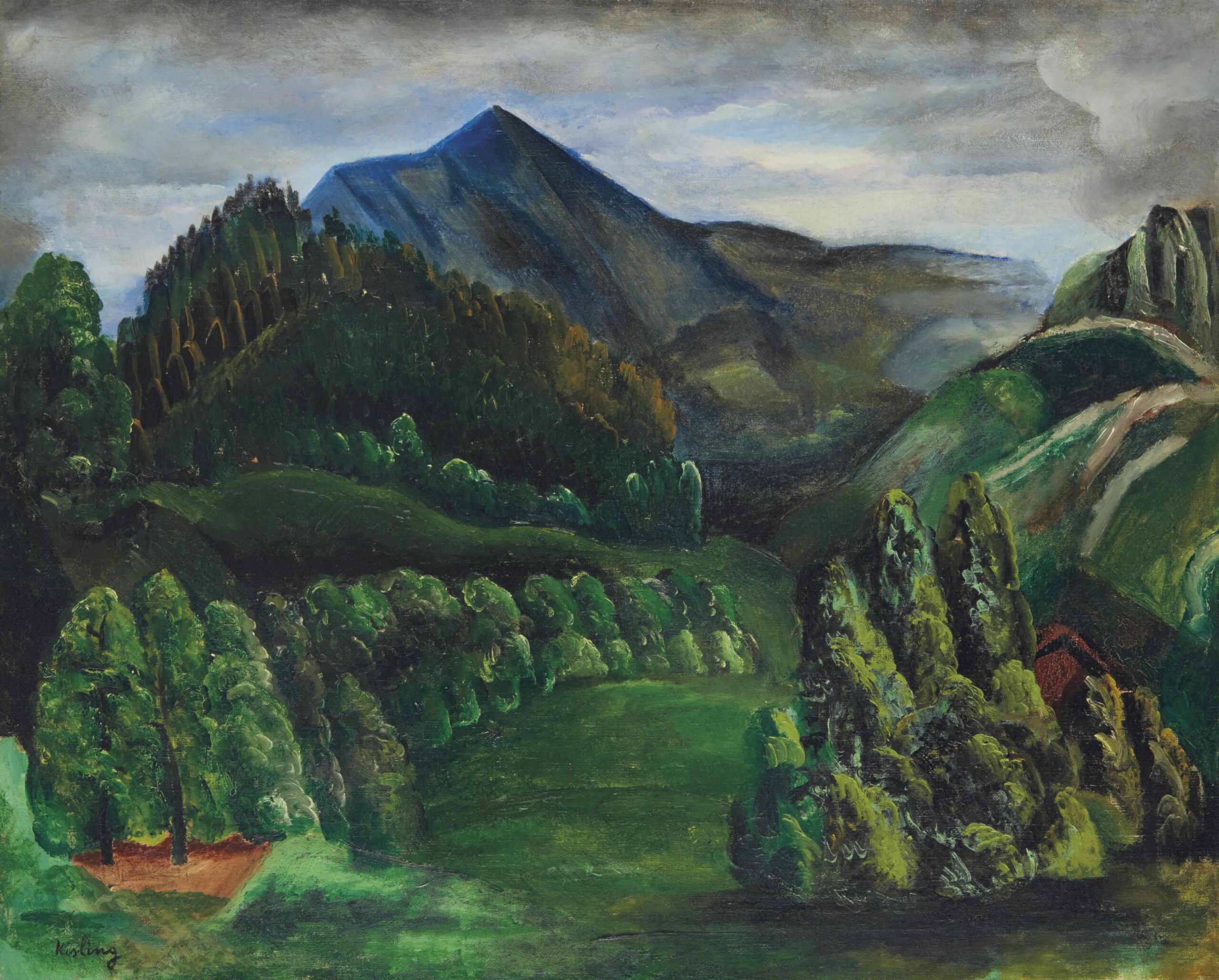
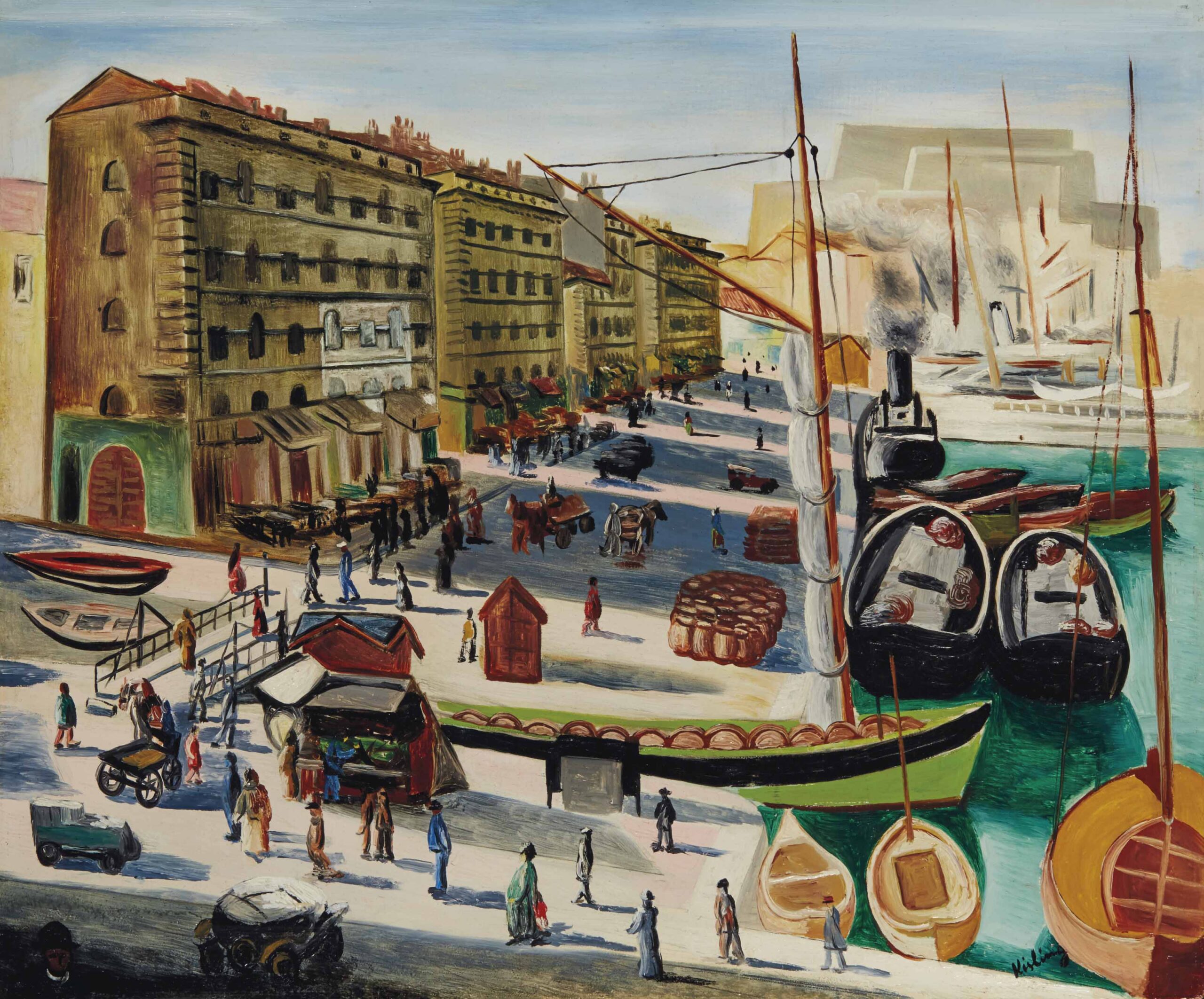
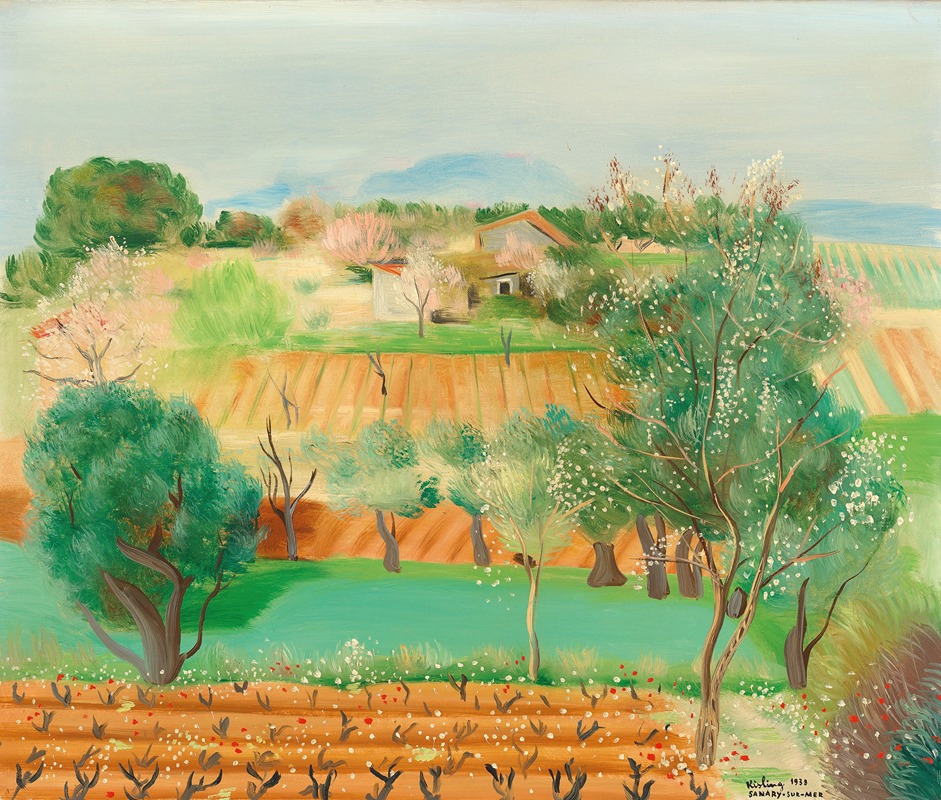
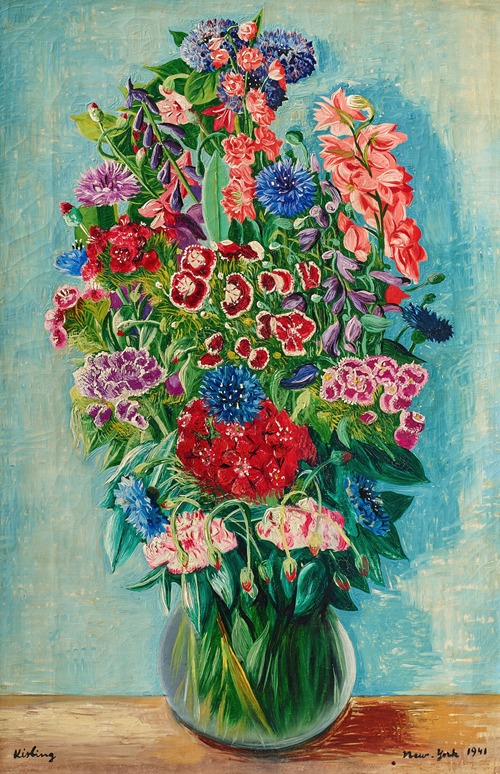
Landscapes and still lifes – vibrant and composed, often infused with the light and atmosphere of southern France.
Kisling’s palette was vivid and sometimes bold in contrast, yet always harmonious. He never aligned himself with radical avant-garde movements — his work remained figurative, recognizable, and elegant, rooted in European painting traditions.
His first solo exhibition took place in 1912 at Galerie Druet in Paris.
Regular exhibitor at the Salon d’Automne and Salon des Indépendants in Paris.
Exhibited widely across Europe and the United States, including Galerie Georges Petit, Galerie Bernheim-Jeune, the Museum of Modern Art in New York, the Art Institute of Chicago, as well as shows in Buenos Aires and Tel Aviv.
In the 1940s, his work was shown at the Whitney Museum of American Art and the Carnegie Institute in Pittsburgh.
A posthumous retrospective was held at the Musée d’Art Moderne de la Ville de Paris in 1954.
His works are now part of major collections including the Musée d’Orsay, Centre Pompidou, Tate Modern, The Jewish Museum (New York), and the Tel Aviv Museum of Art.
Moïse Kisling was one of the leading figures of the École de Paris and a symbolic representative of the Jewish artistic community in Paris. His art bridges tradition and modernity, combining classical beauty with emotional intensity. Though not a revolutionary, his work was respected by critics and sought after by collectors.
Today, Kisling is regarded as one of the most important Polish-born painters to have worked in exile in France.
Two of Art | KvK: 94351813 | Teilingen 79, 1082JR Amsterdam, Netherlands