Real name: Eugenia Joanna Pawel-Kroll
(Born November 4, 1947, Warsaw – Died September 7, 2018, Nowy Dwór Mazowiecki)
Polish graphic artist, illustrator, cartoonist, and comics scriptwriter. Often referred to as the First Lady of Polish Comics.
While studying, Pawel worked as a film extra and painted store signs. In 1974, she graduated with a degree in graphic arts from the Academy of Fine Arts in Warsaw and was immediately hired to create comics for Świat Młodych, then the largest youth magazine in Poland. Interestingly, she had almost no prior interest in comics. Her mentor at the magazine was the legendary cartoonist Papcio Chmiel, who compared her drawing style to that of Marian Walentynowicz—a comparison she disliked, considering his work kitschy.
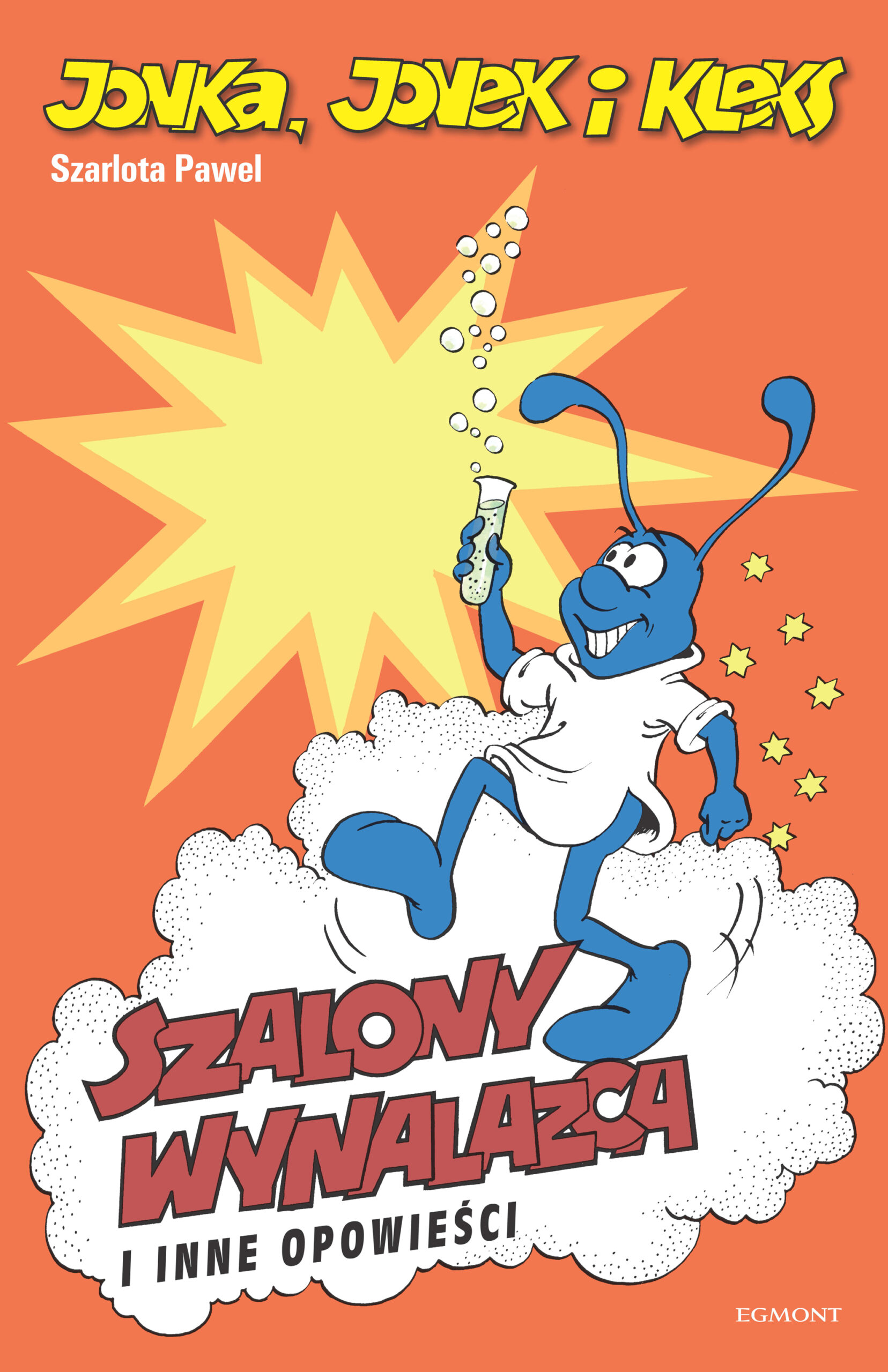
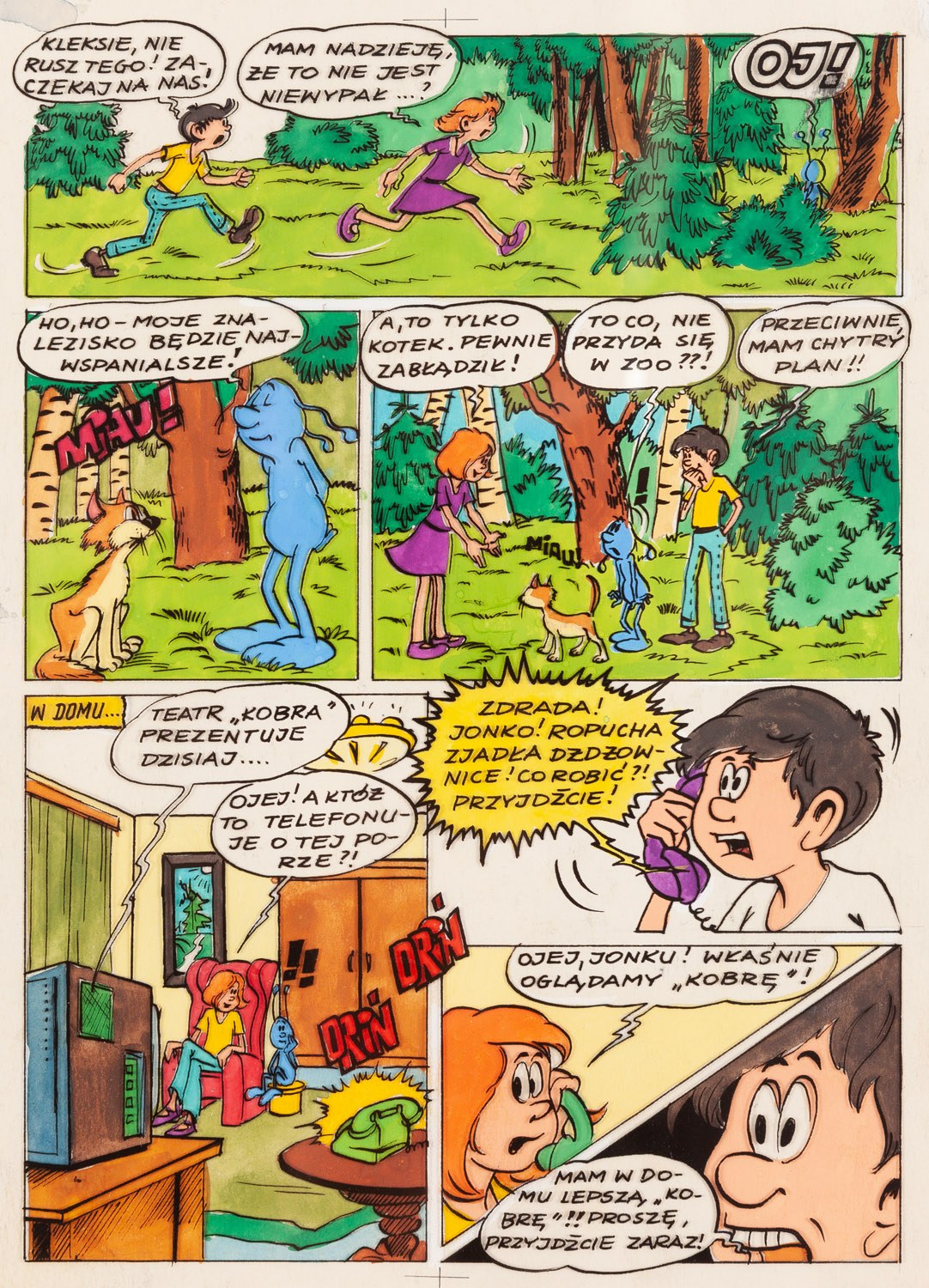
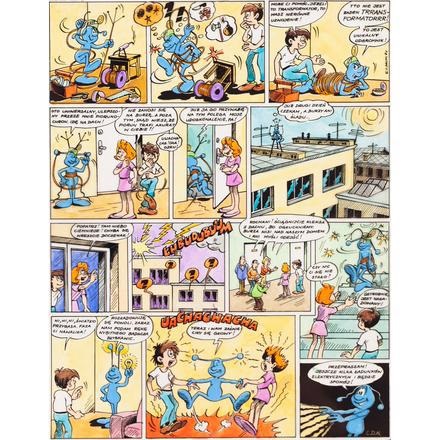
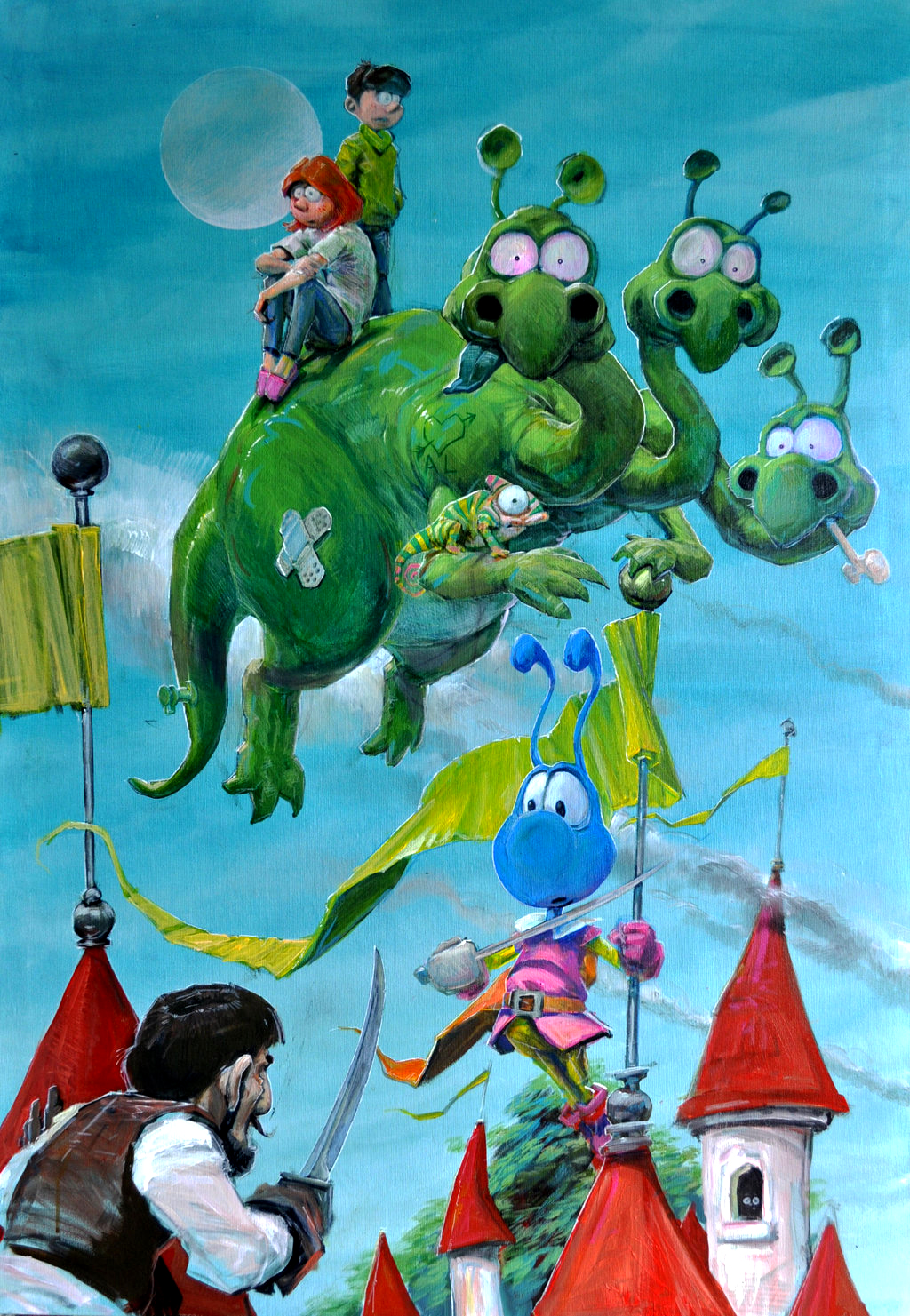
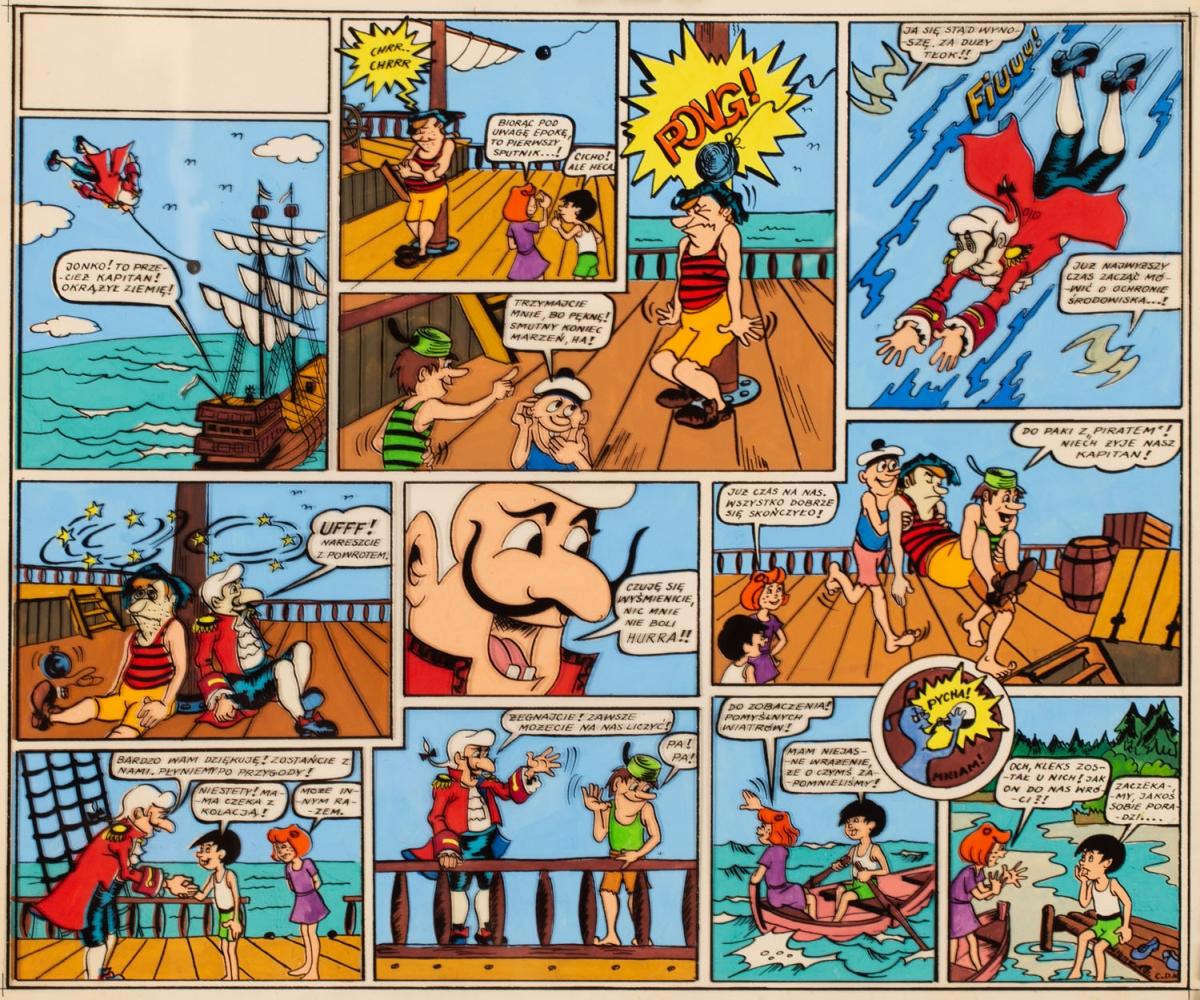
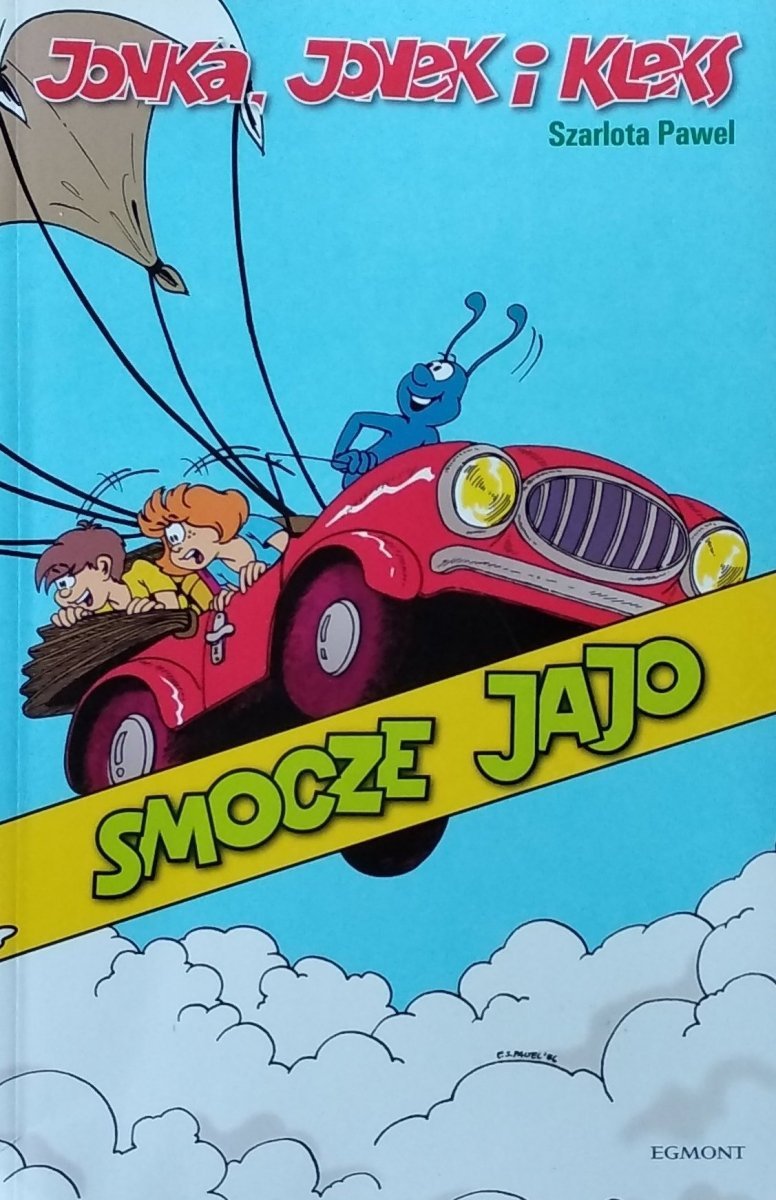
That same year, in 1974, Pawel began developing her most famous comic series: “Jonka, Jonek, and Kleks”, which followed the surreal and often grotesque adventures of two school-aged children and a magical, shape-shifting blue creature who emerged from an inkwell. The idea of a pair of children accompanied by a fantastical being was suggested to her by Papcio Chmiel.
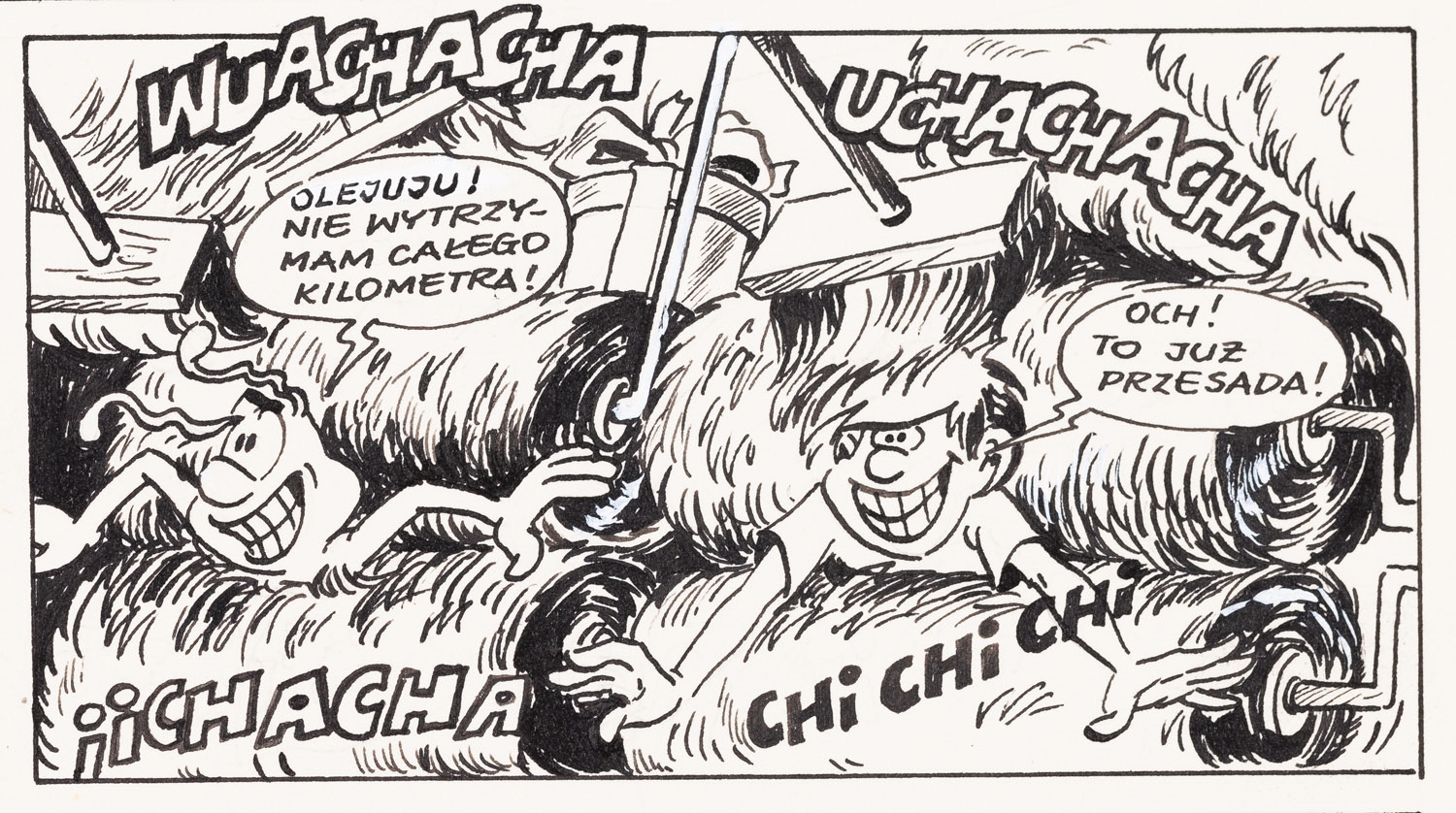
Initially, the comics were in black and white; color was introduced later. She continued producing both full-length stories and short one-pagers in Świat Młodych until 1992. In 1980, Młodzieżowa Agencja Wydawnicza published the first comic album titled The Adventures of Jonka, Jonek, and Kleks, eventually releasing six issues by 1988.
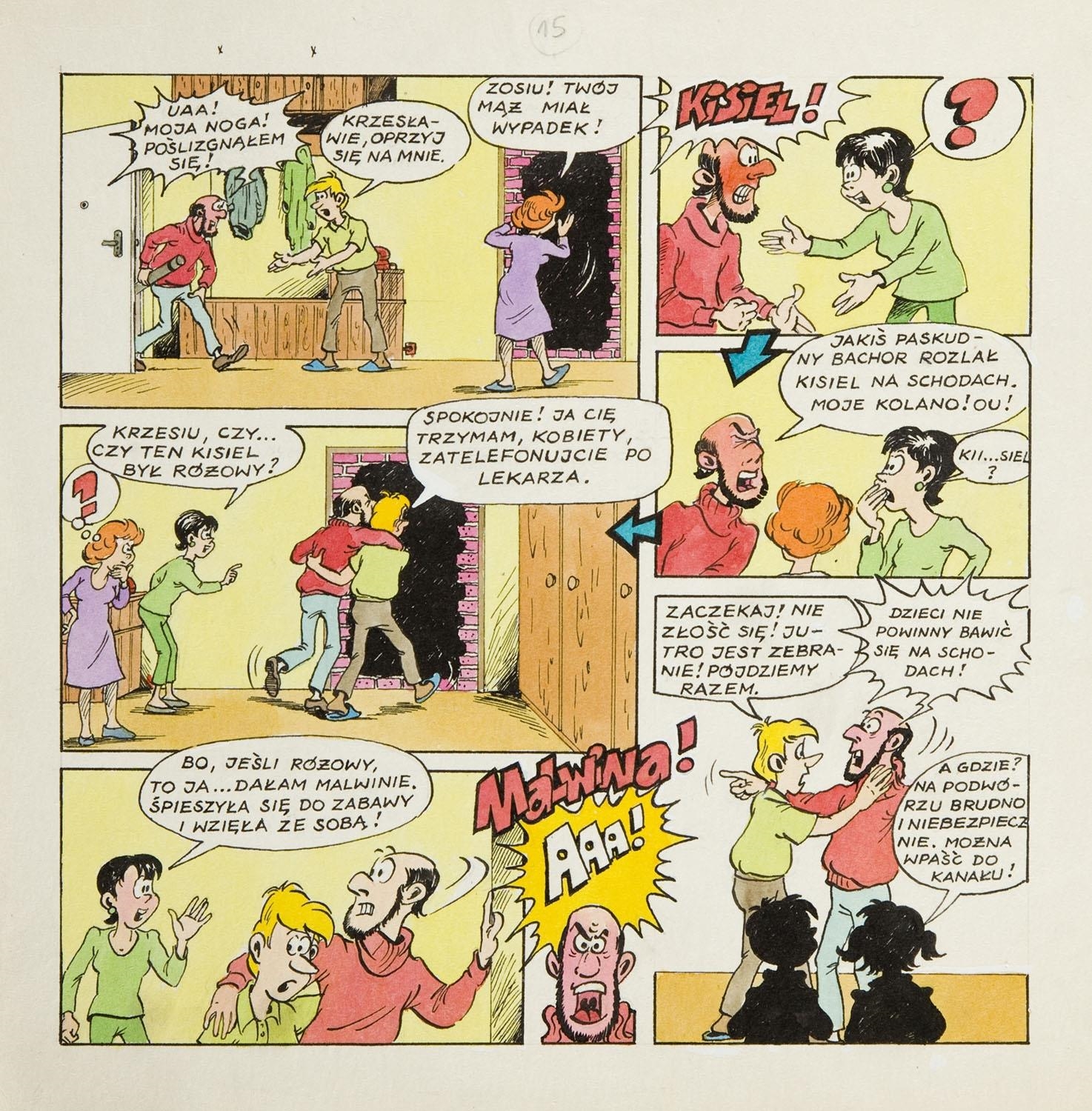
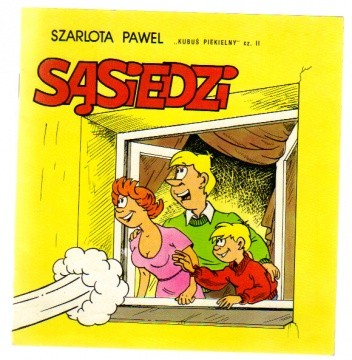
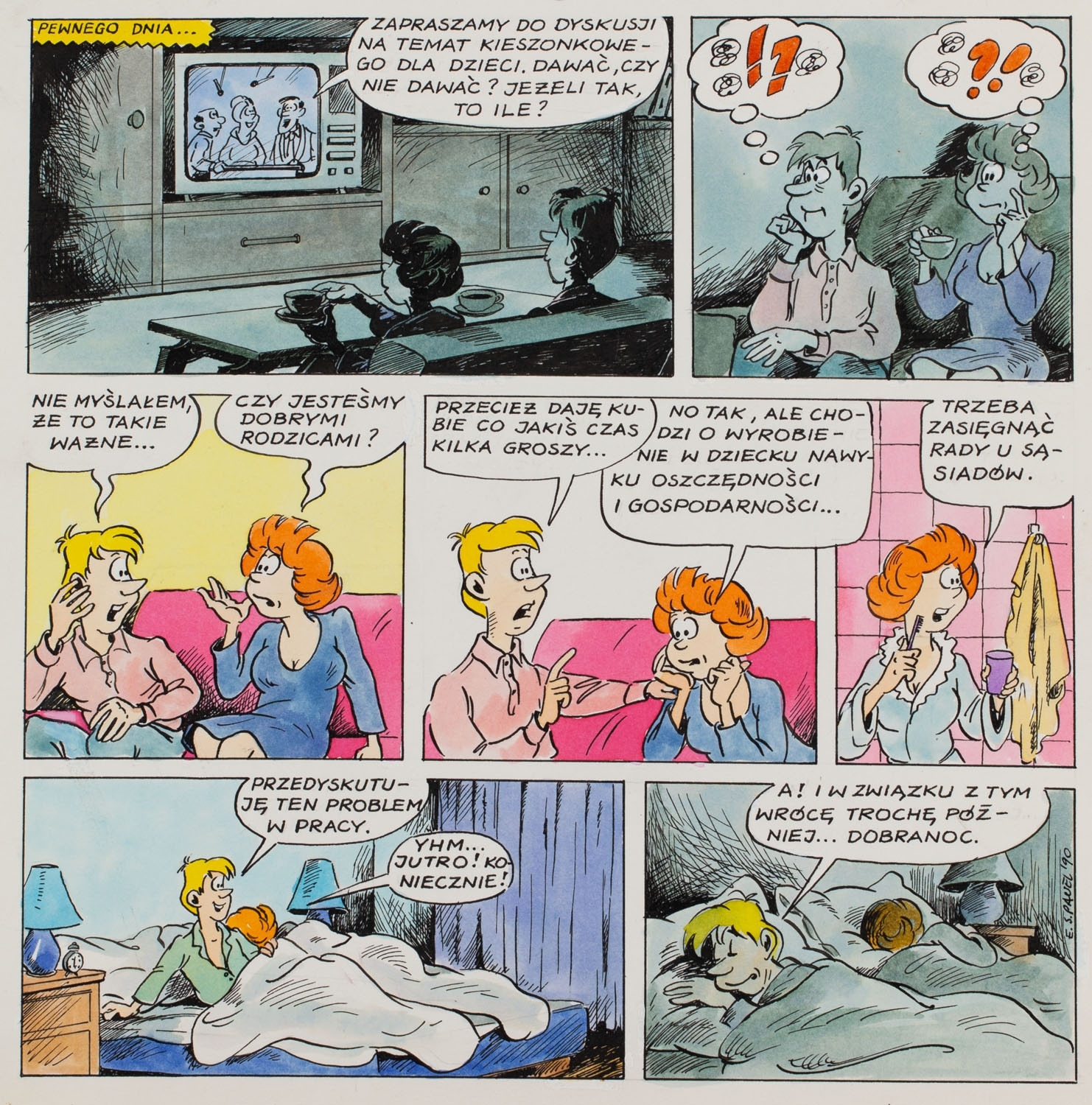
In 1977, Świat Młodych debuted her series Kubuś Piekielny—a comic whose plot closely mirrored the later TV show Alternatywy 4. It told the story of two families moving into state-assigned housing, with two children, Kubuś and Malwina, as the main characters. The comic was published intermittently until 1988 and collected into two albums by Interpress in 1984.
In 1992, Świat Młodych published The Revolt of the Gnomes, illustrated by Pawel and written by Konrad T. Lewandowski. Notably, she was the only woman to ever draw comics for the magazine. In addition to drawing comics, she illustrated, designed layouts, and created mock-ups for individual issues.
After Świat Młodych folded, she joined its successor publication, Uśmiech Numeru (Smile of the Issue), first a quarterly, then a monthly. There, she continued drawing short comics featuring Kleks and Kubuś but primarily focused on the magazine’s graphic design, including its covers. Uśmiech Numeru ceased publication in 1996.
Over her career, Pawel published more than 1,000 comic strips in the press. Her work appeared in numerous comic albums, many of which were reissued. Her most popular creation, Jonka, Jonek, and Kleks, became one of the most recognized Polish comic series. By 2010, the combined circulation of her comic books and albums exceeded 4 million copies. One of her comics was even published in a Finnish youth magazine without her knowledge or consent.
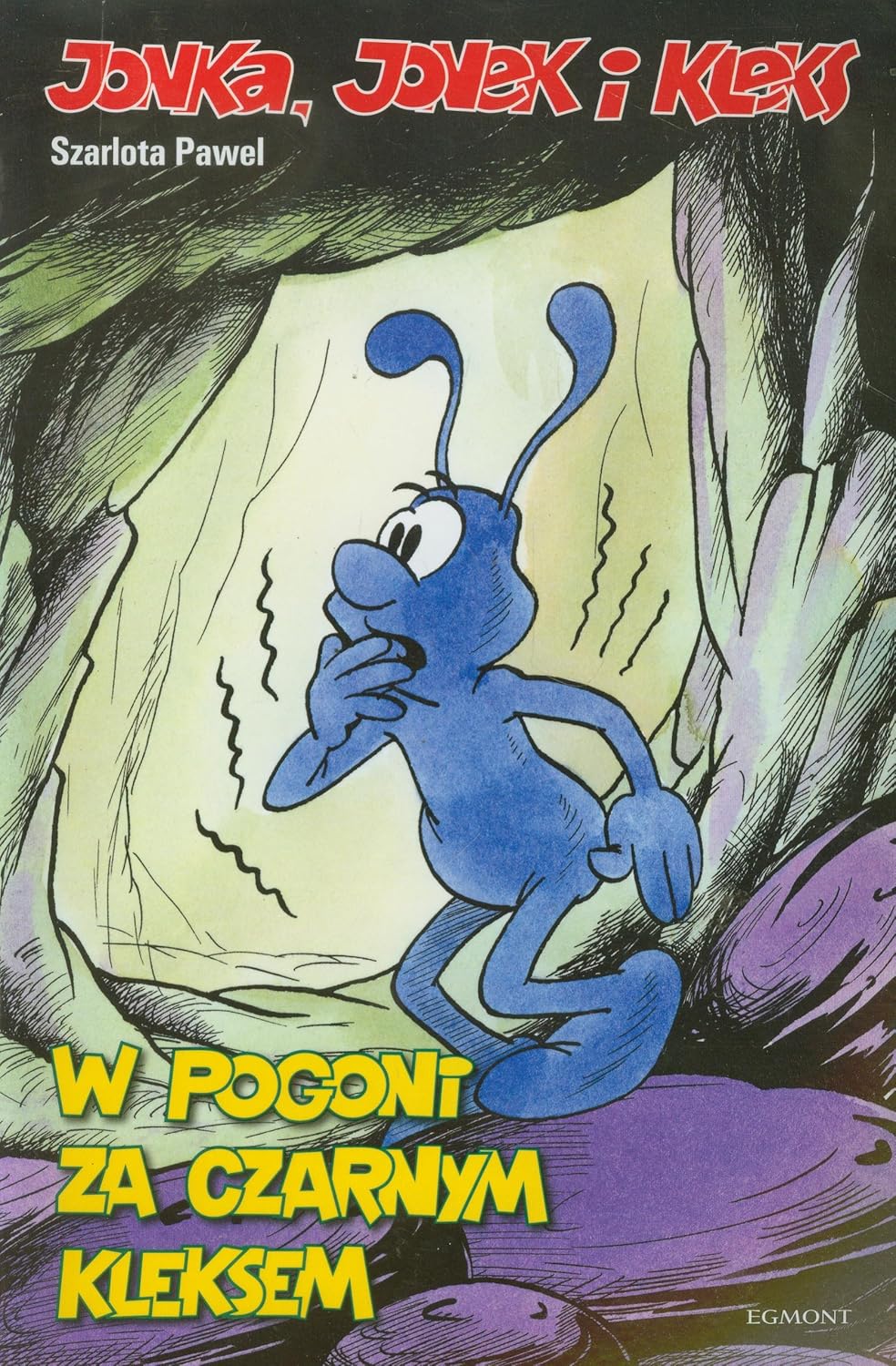
Pawel’s personal favorites from her series included Chasing the Black Kleks (inspired by Henryk Sienkiewicz’s In Desert and Wilderness) and Fountain Pen vs. Marker, a humorous commentary on consumer culture and competition between traditional and modern writing tools.
Since 2002, Jonka, Jonek, and Kleks has been published by Egmont Polska. In 2009, the adventures of Kubuś Piekielny were collected and published by Ongrys.
Beyond comics, Pawel worked as a press illustrator (e.g., Komputer Świat), book and encyclopedia illustrator, satirical cartoonist, and fine artist (including works with animist themes). In the early 1990s, she also taught visual arts and practical subjects at a primary school.
In 2000, she created a set of twelve drawings that were published as postcards.
Drawing: Clear, realistic, with subtle stylization
Her art combined realistic depictions of characters and settings with slight cartoon-like stylization. She used a clean, hand-drawn contour line — precise but never overly detailed. Backgrounds and architecture were depicted with attention to real-life settings, often clearly referencing recognizable locations in Warsaw.
Her characters were slightly caricatured, but never grotesque — maintaining natural proportions, expressions, and gestures. Her compositions were narratively strong, enhancing the storytelling with expressive body language and emotional clarity, making them engaging even for younger readers.
Color: Vibrant but restrained
Her early comics were often black-and-white or two-tone, in line with publishing conventions of the time. Later, she used full color, but always in flat, solid tones without gradients or shading. Color served clarity, not decoration.
Writing & Narrative: Educational-adventurous with humor
Pawel wrote and illustrated her own stories, most notably Jonka, Jonek, and Kleks, which combined educational elements with adventure and wit. Her writing was light and clever, with a strong sense of humor and narrative rhythm.
The plots often included science fiction, time travel, art, and literature. She believed comics could entertain while also educating and cultivating empathy, encouraging children to engage with culture, science, and ethics.
Pawel drew inspiration from Franco-Belgian comics (e.g., Tintin, Asterix) while creating a distinctly local voice. Her style echoed the Polish school of illustration from the 1960s and 70s — aesthetically close to the work of Bohdan Butenko or Mirosław Pokora, though her art was more grounded in realism.
For decades, Pawel’s style became the standard of Polish children’s and youth comics. On one hand, it fit the ideological and educational expectations of the communist-era press. On the other, it offered original narratives, high-quality illustration, and subtle cultural critique. Her work was light in form but serious in content — always respectful of its young audience.
In June 2019, a large collection of Pawel’s personal items — including comics, sketches, notes, photos, documents, books, and memorabilia — was discovered in a trash container in Warsaw. A group of people, alerted via Facebook, managed to rescue part of the collection, but most of it was removed by a garbage truck driver despite pleas to save it. It’s believed the materials were discarded by people cleaning out her apartment, unaware of their cultural value.
Two of Art | KvK: 94351813 | Teilingen 79, 1082JR Amsterdam, Netherlands