(February 7, 1906, Warsaw – May 4, 1994)
Graphic artist, poster designer, illustrator, and designer of glassware, ceramics, and textiles.
Wanda Zawidzka-Manteuffel drew almost casually, designed with understated elegance, and—according to those close to her—carried no trace of ostentation. Her artistic talent seemed to emerge naturally and quietly. Unlike her two younger brothers, who both became engineers (Stanisław an electrician, Janusz a construction engineer), Wanda chose to study at the School of Fine Arts in Warsaw.
She completed secondary school in Płock, and from 1926 to 1931 studied at the Warsaw School of Fine Arts, training under Miłosz Kotarbiński, Karol Tichy, Tadeusz Pruszkowski, and in the specialist studios of Edmund Bartłomiejczyk, Władysław Skoczylas, Wojciech Jastrzębowski, Lucjan Kintopf, and Roman Schneider. She received her diploma in 1934, and from 1935 to 1937, she held a scholarship in Paris.
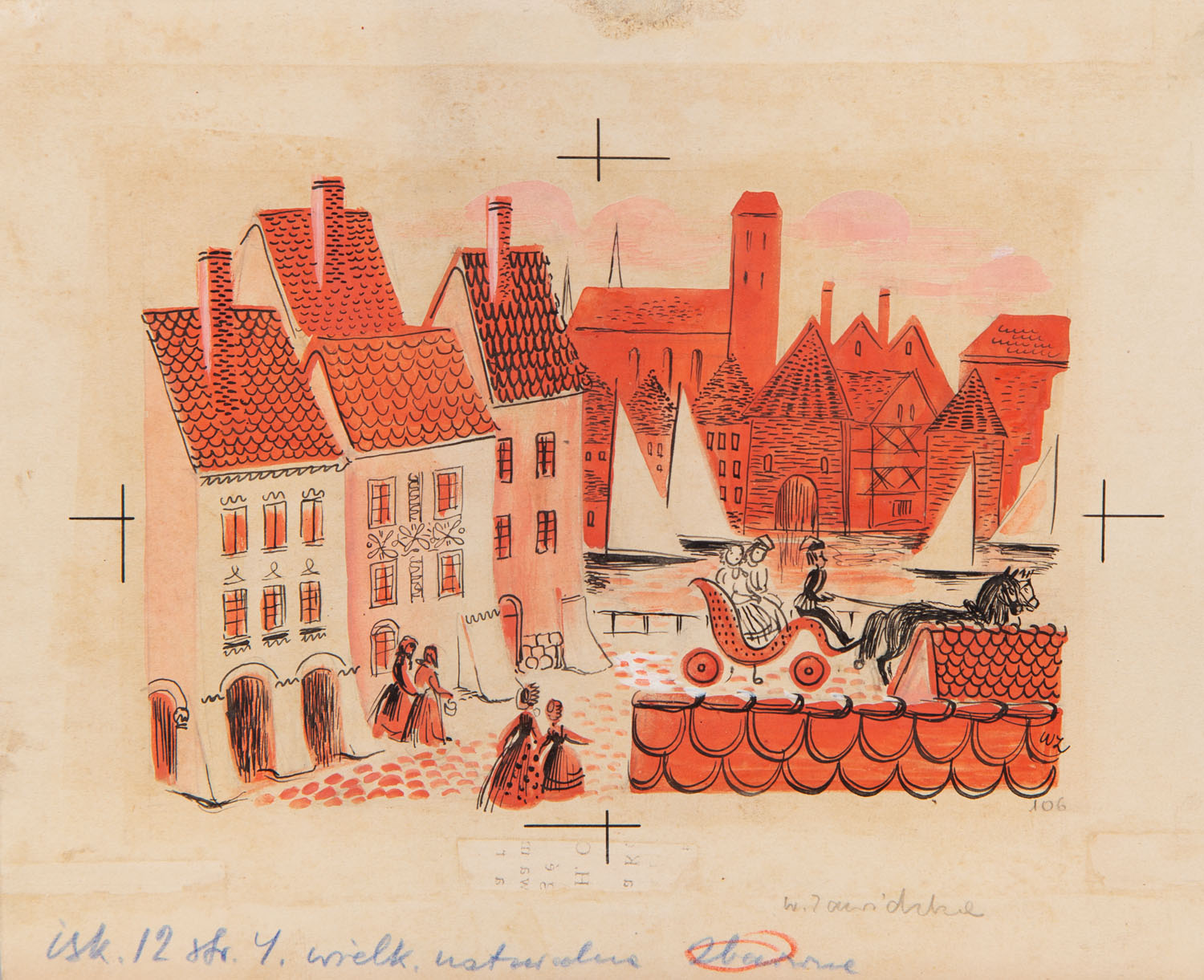
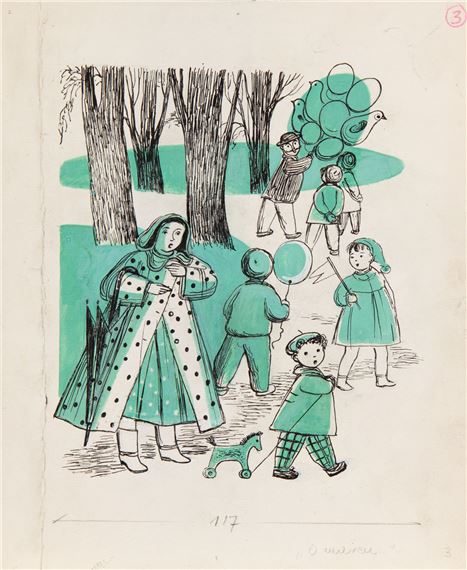
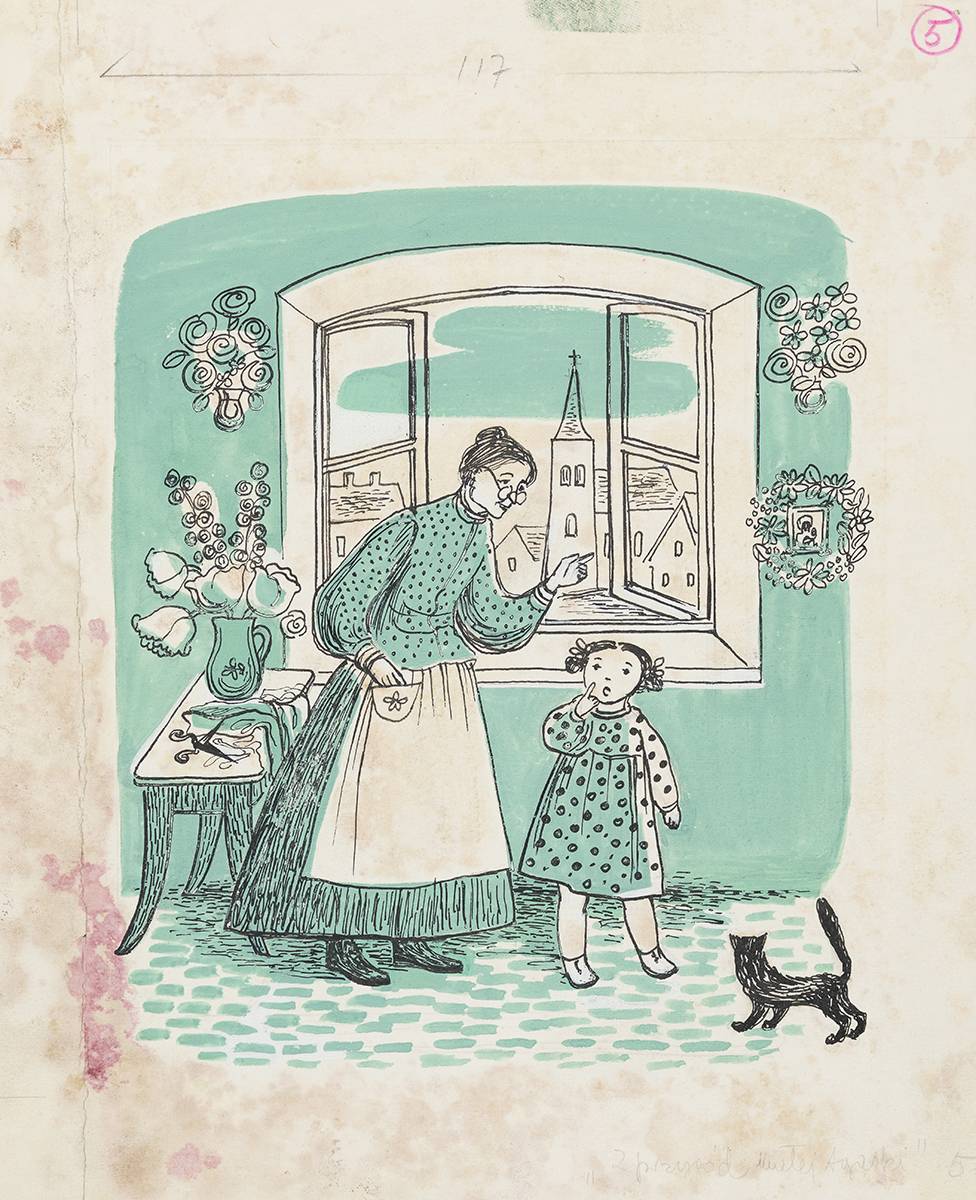
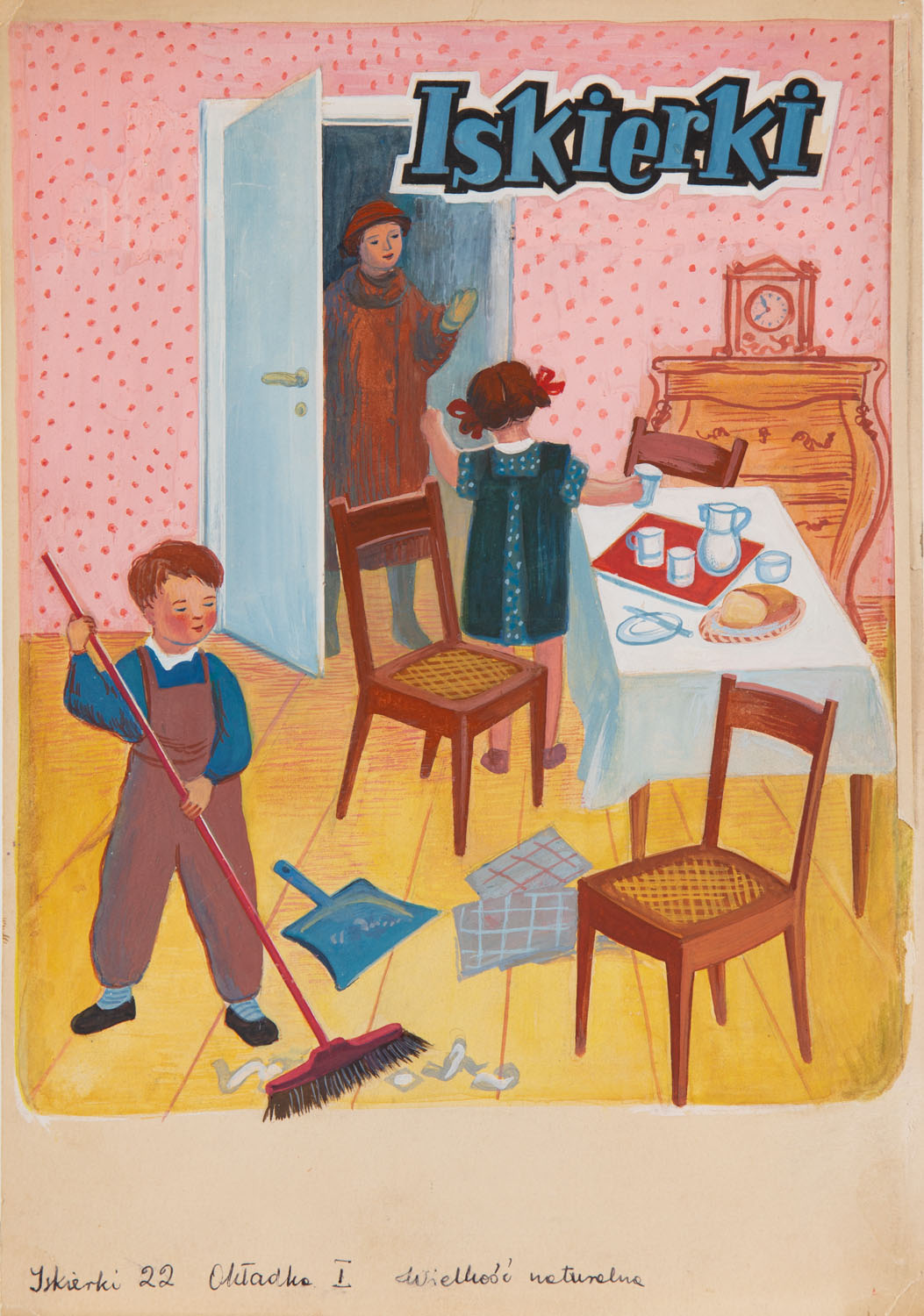
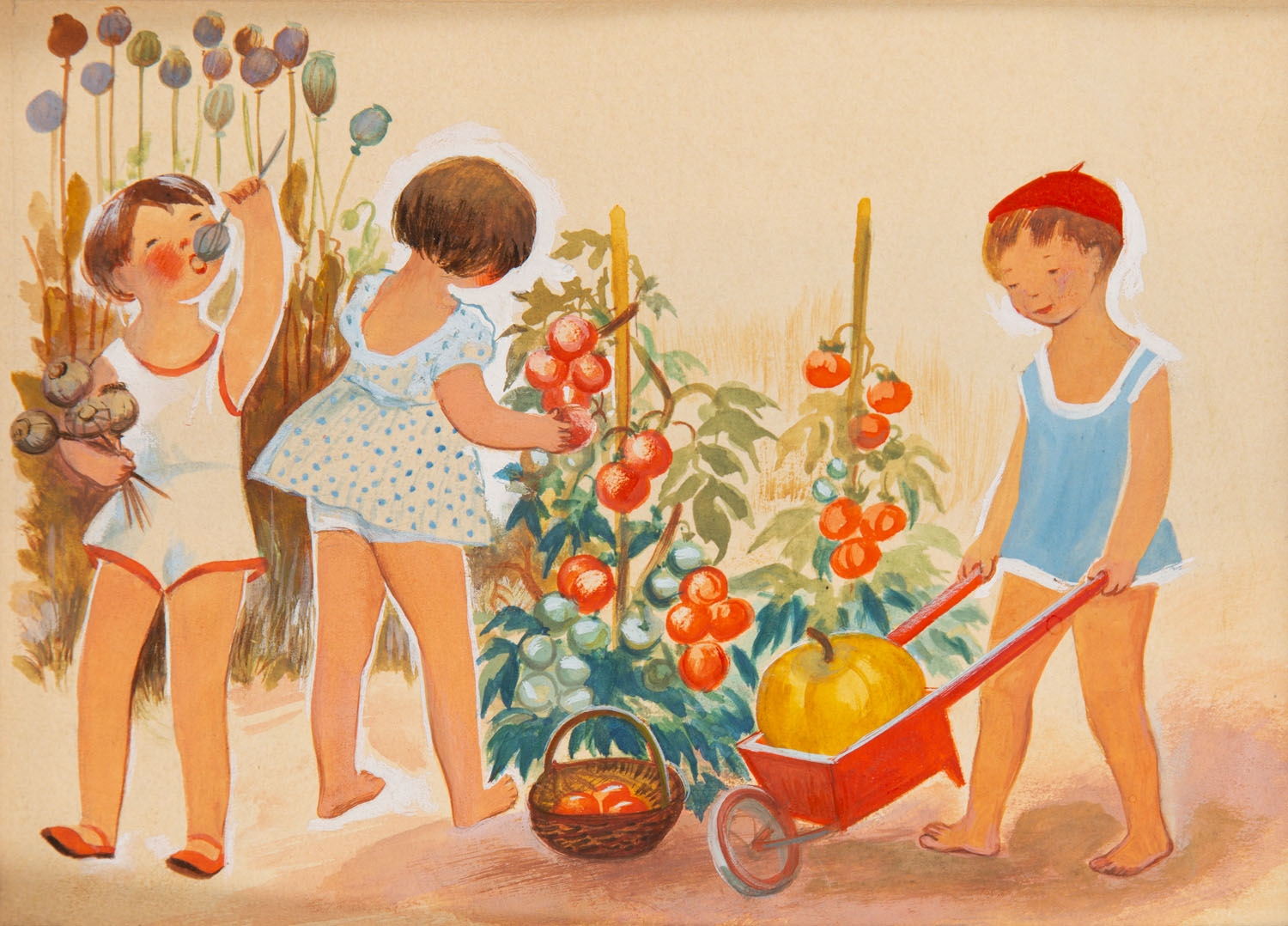
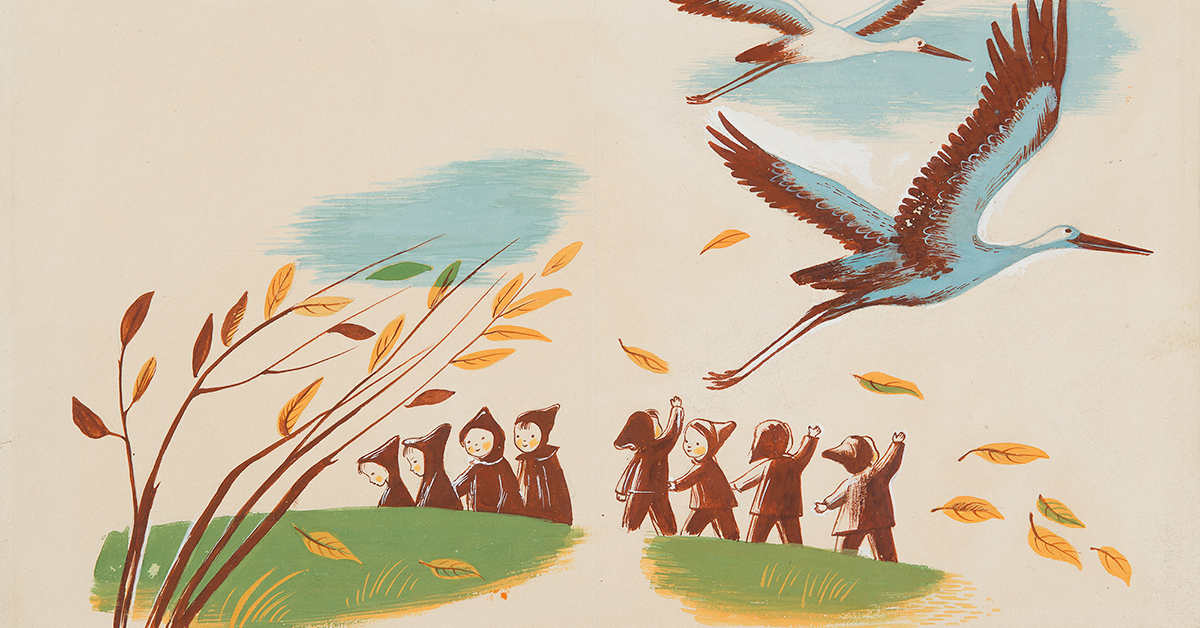
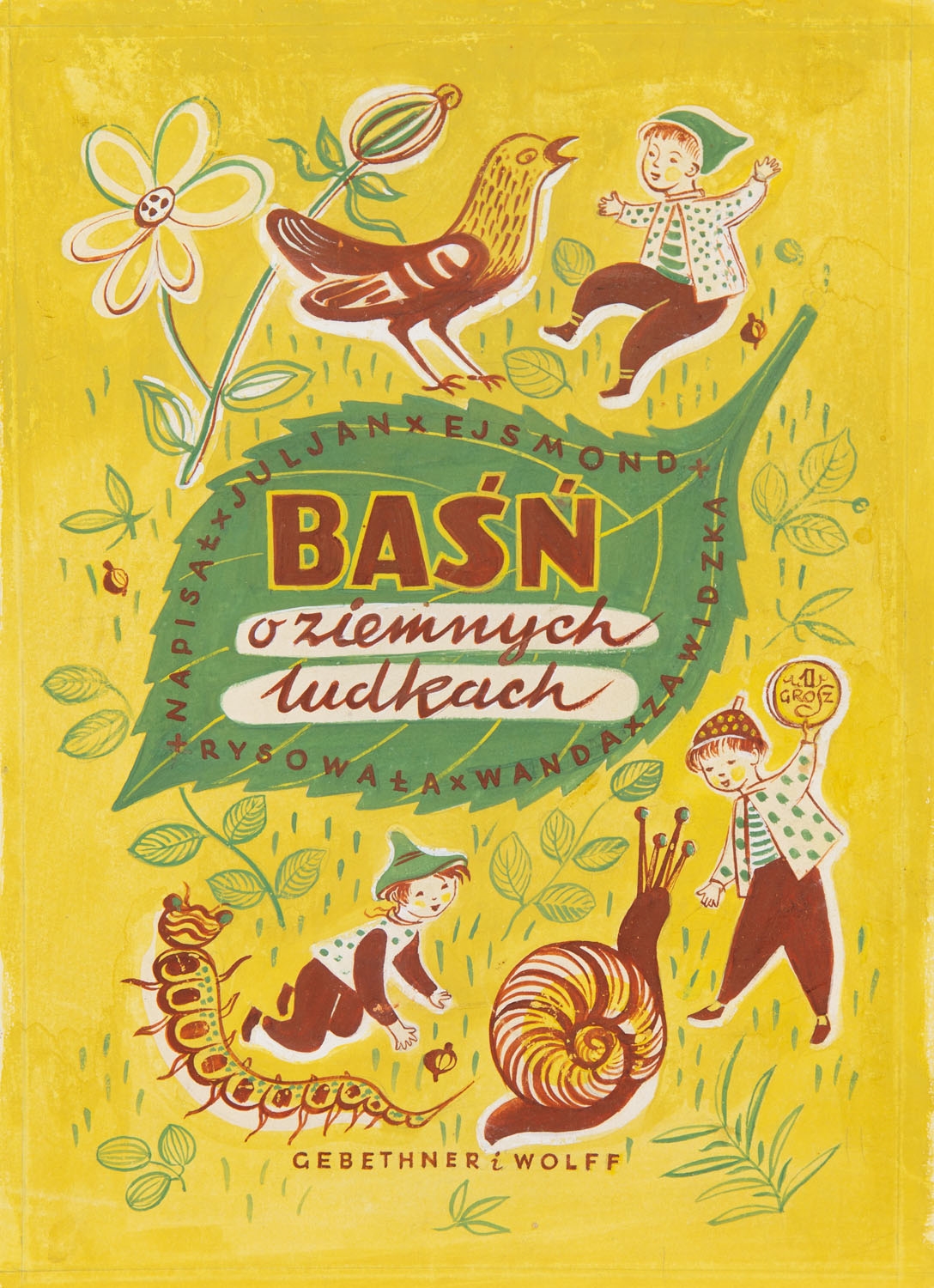
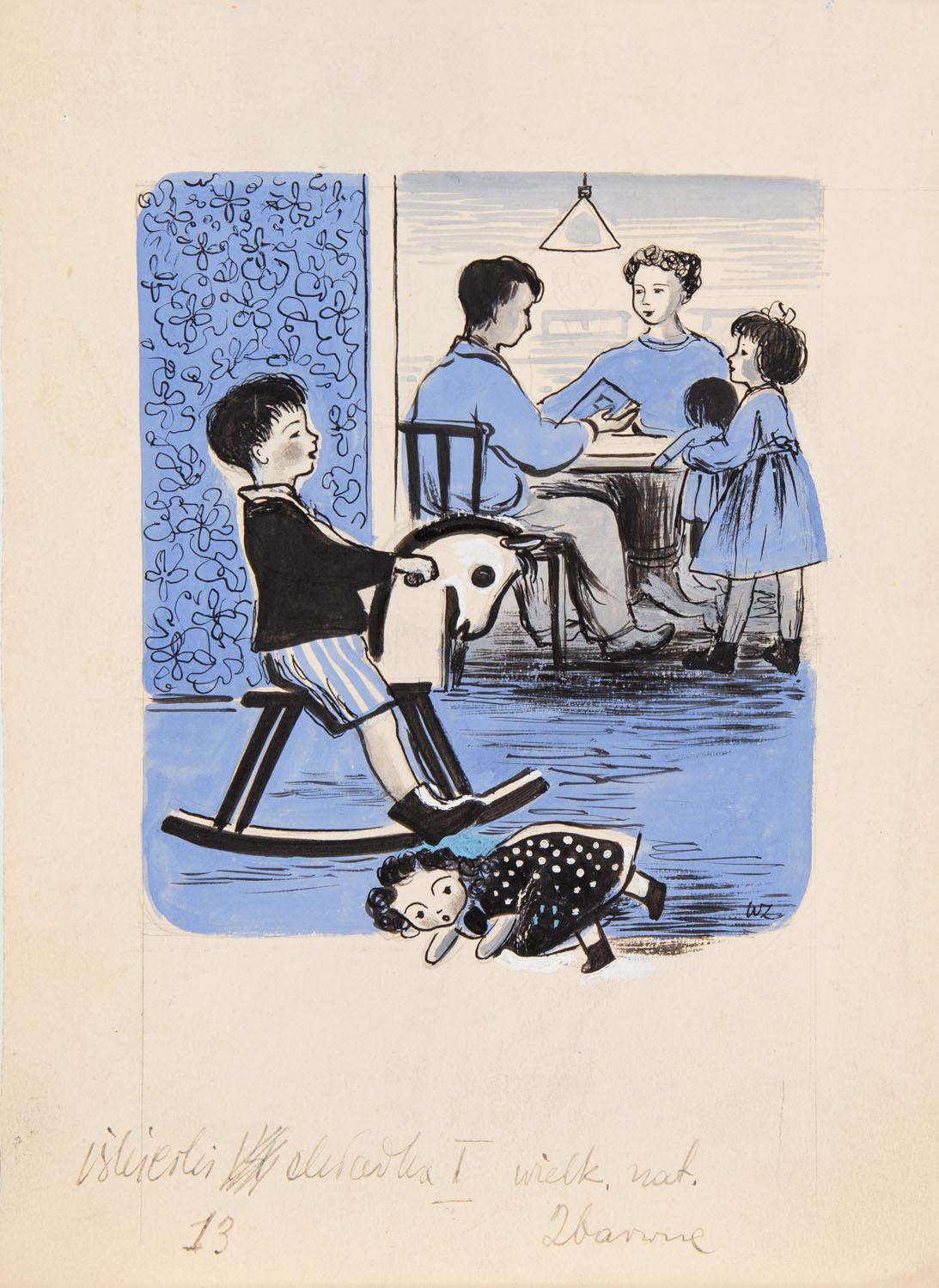
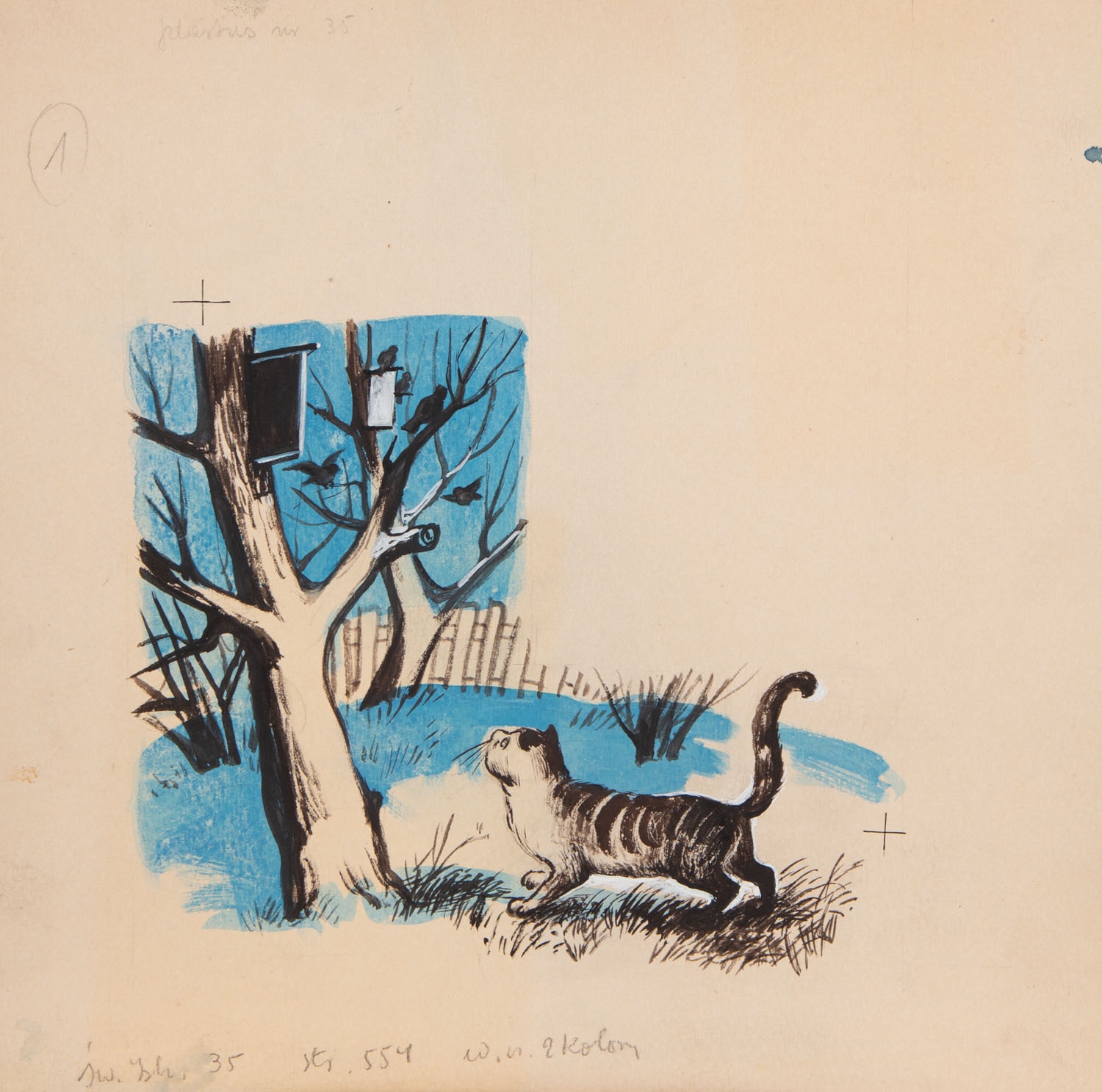
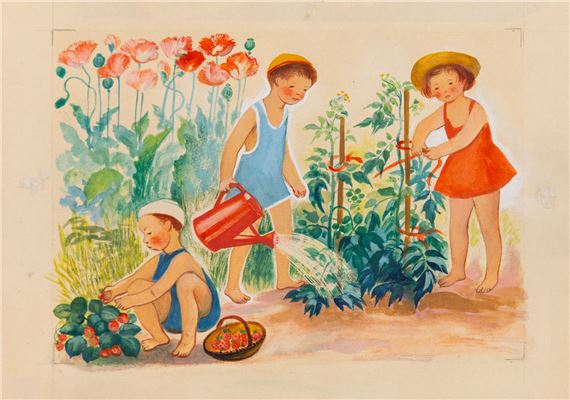
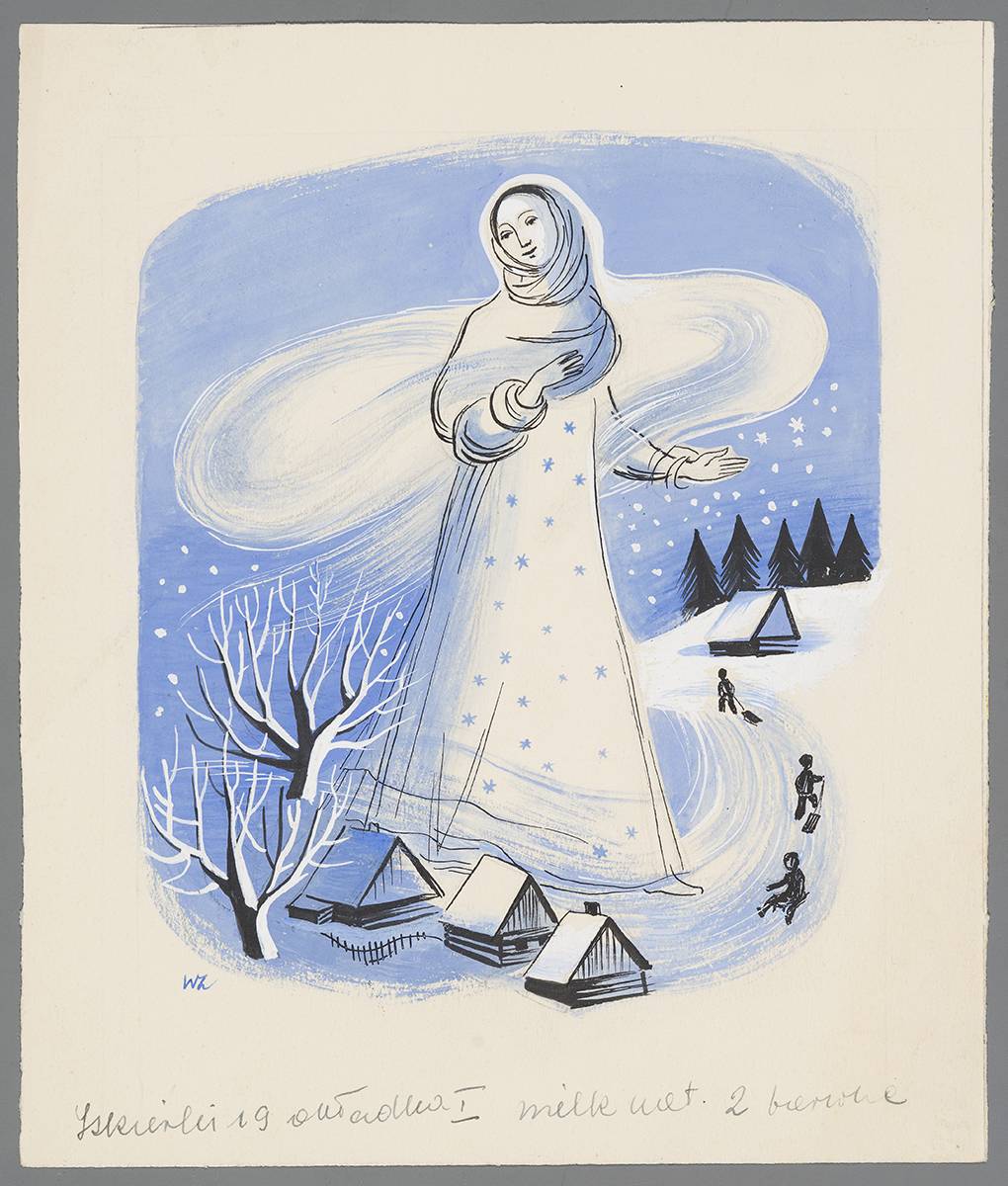
She began her professional career in the 1930s as a children’s book illustrator and commercial graphic artist. Her works from this period clearly reflect the Art Deco aesthetic. Between 1937 and 1939, she was a member of the Circle of Advertising Graphic Artists and the Union of Professional Visual Artists. After WWII, she joined the ZAIKS Authors’ Association, the Ład Artists’ Cooperative, and, from 1974, the Keramos Association, which she co-founded.
From 1946, she worked with the Office for the Supervision of Aesthetic Production, collaborating with industrial manufacturers. She also led training courses for female employees of the Włocławek Faience Factory, using the Antoni Buszek teaching method.
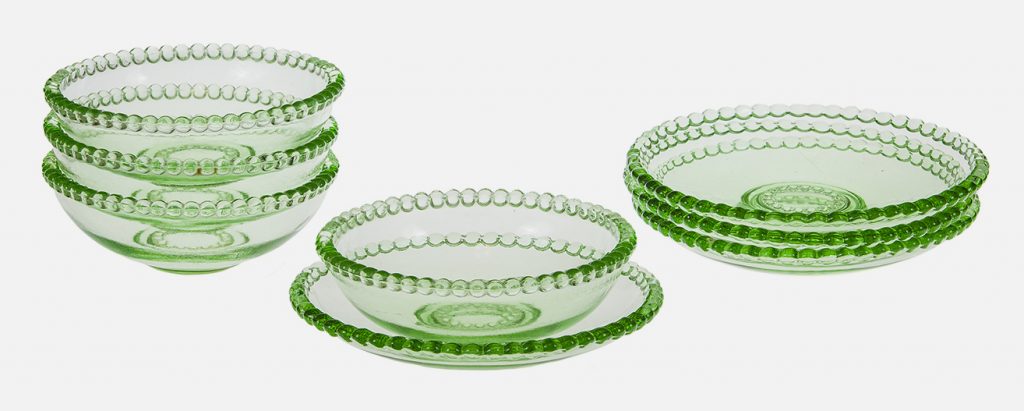
In 1946, she began working with a glassworks in Polanica-Zdrój, where she not only created unique, one-of-a-kind pieces but also oversaw the production of other artists’ designs, including those by Jan Kurzątkowski. She later continued her glasswork at the “Sudety” Household Glassworks in Szczytna. Her early glass designs included functional sets (glasses, goblets, carafes) made of green or clear glass, sometimes decorated with colored overlays or strands of colored glass.
The 1950s marked the most active period in her creative life. Early in the decade, she worked as a designer for the Institute of Industrial Design, creating glass, ceramics, and printed textiles.
Between 1950 and 1955, in collaboration with Halina Jastrzębowska-Sigmund and Henryk Gaczyński, she designed chandeliers for the Palace of Culture and Science in Warsaw (produced by the “Julia” Crystal Glassworks in Szklarska Poręba), and also for the Grand Theatre in Warsaw.
She simultaneously created ceramics at the Włocławek Faience Factory, and later in her own private studio in Warsaw. For the Ład cooperative, she designed jacquard textiles, featuring highly rhythmic compositions and restrained ornamentation in a style closely aligned with Art Deco. One of these designs won her first prize at the 11th Triennale of Decorative Arts in Milan (1957). In 1959, she joined the Glass Industry Selection Committee.
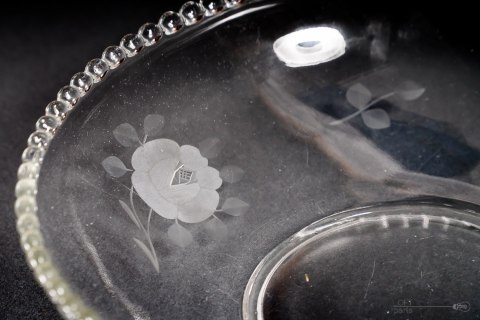
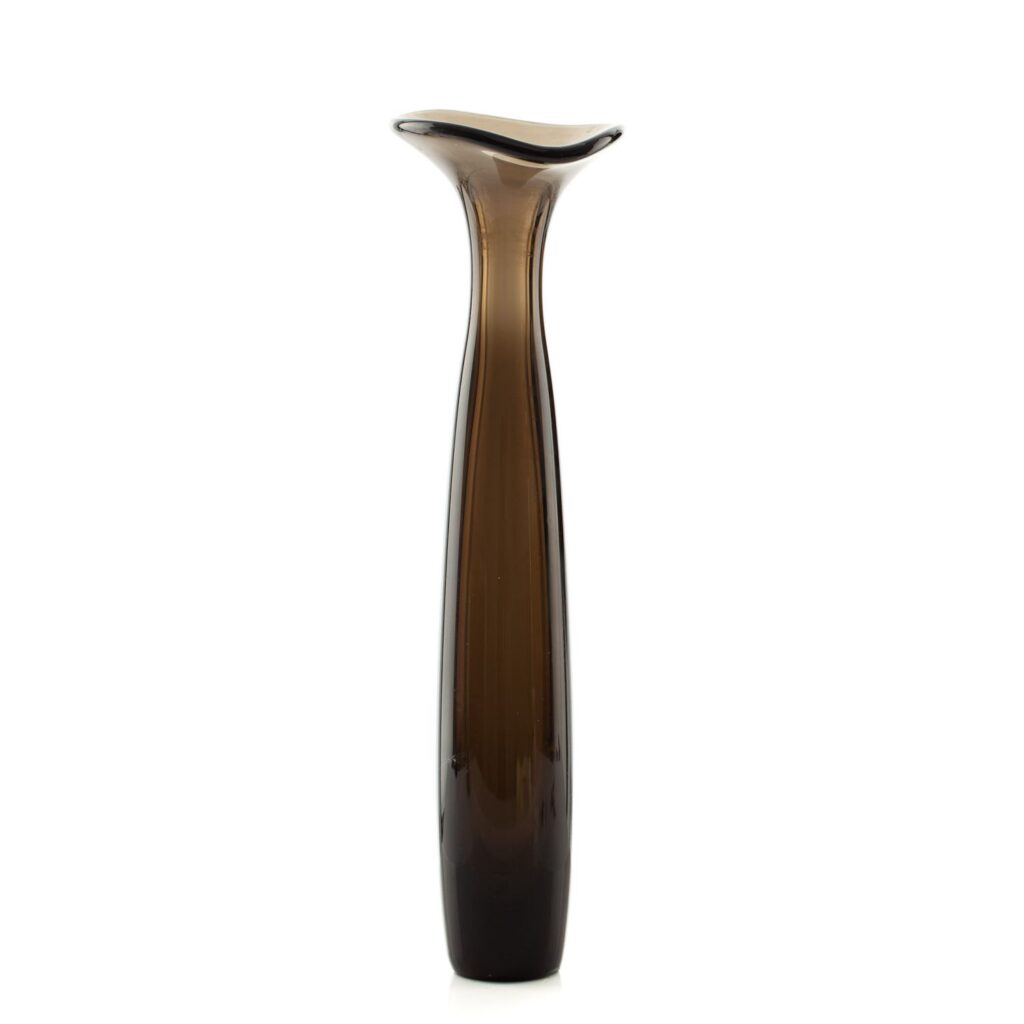
From the mid-1960s, Zawidzka-Manteuffel focused almost exclusively on glass. Between 1964 and 1979, she worked as head of the design center at the “Irena” Household Glassworks in Inowrocław, where she created delicate vessels and cut crystal designs. These often returned to her Art Deco roots, utilizing clean geometric line compositions.
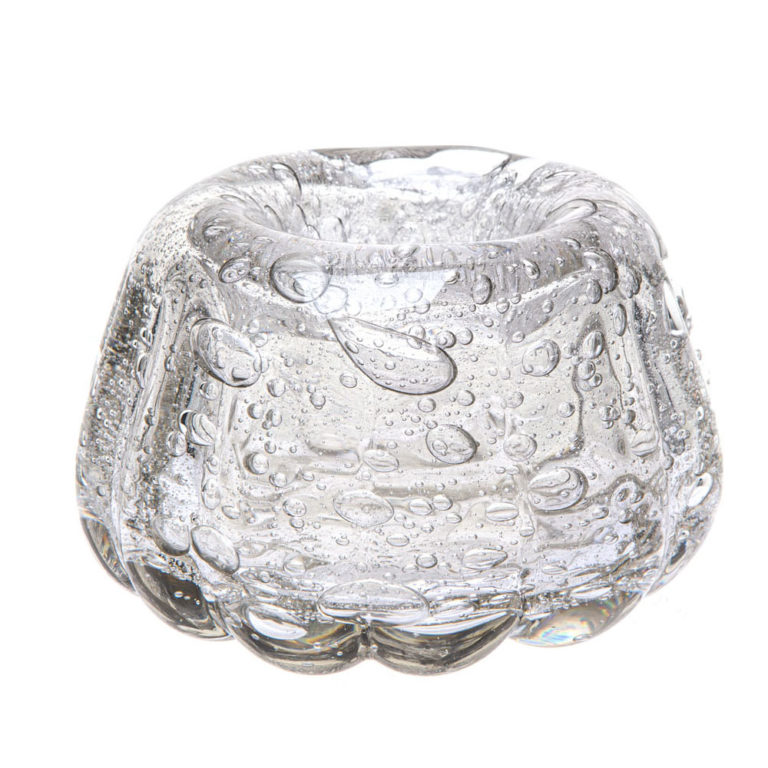
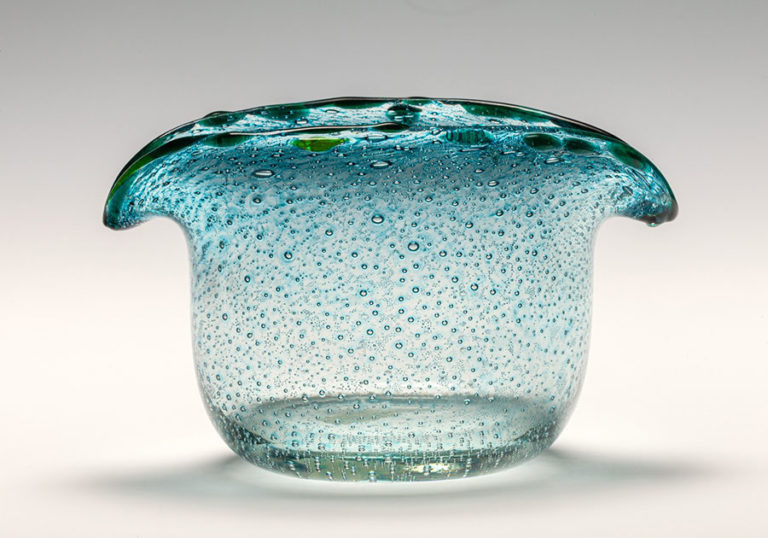
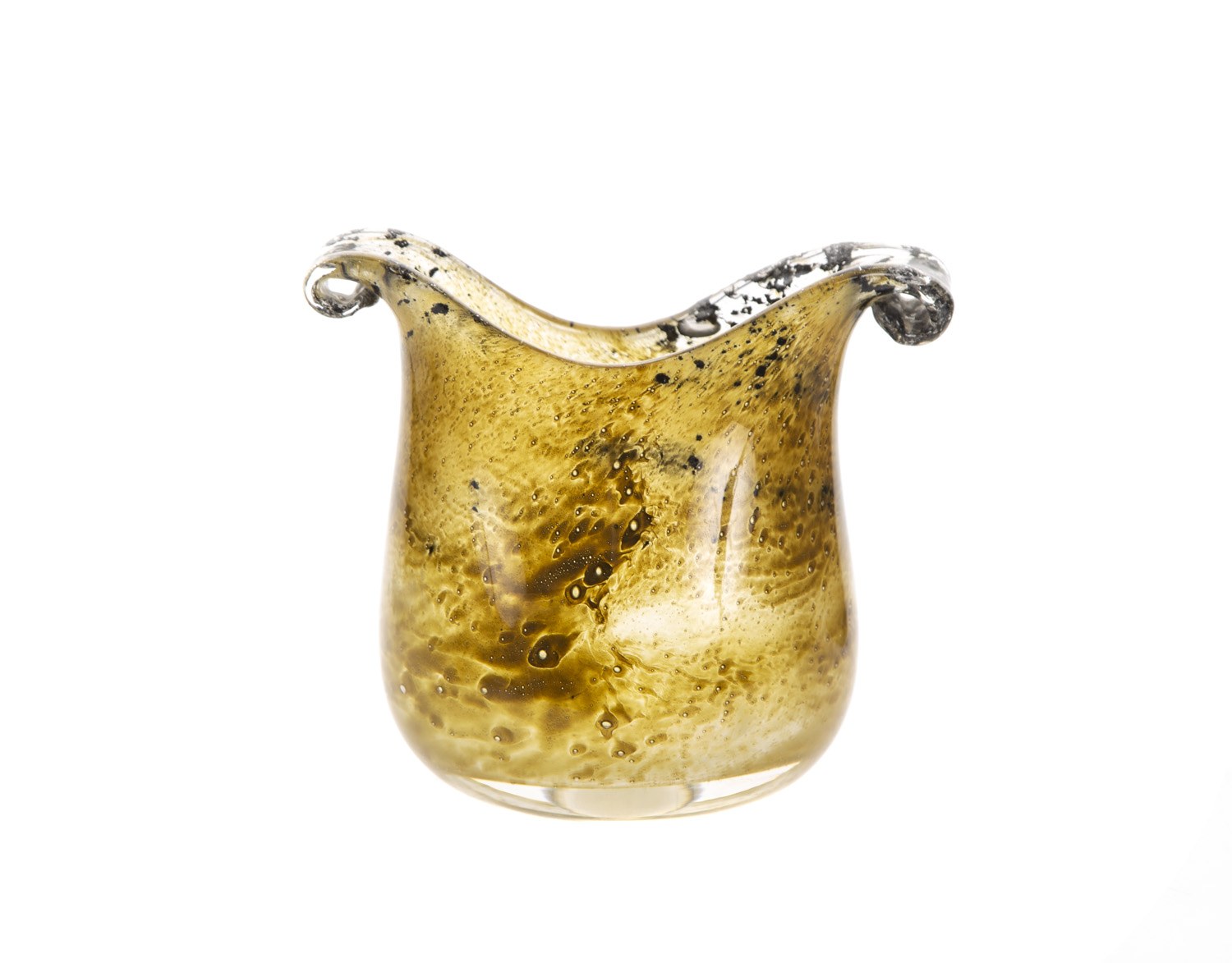
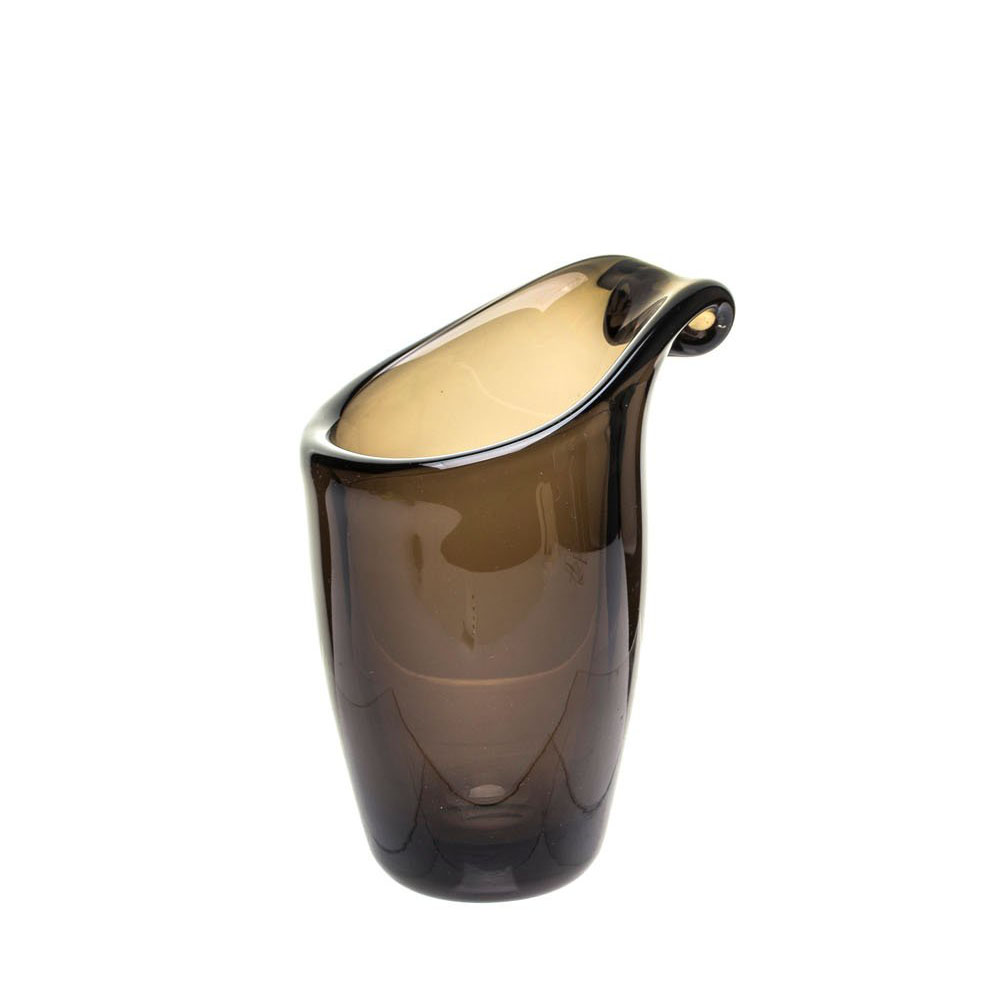
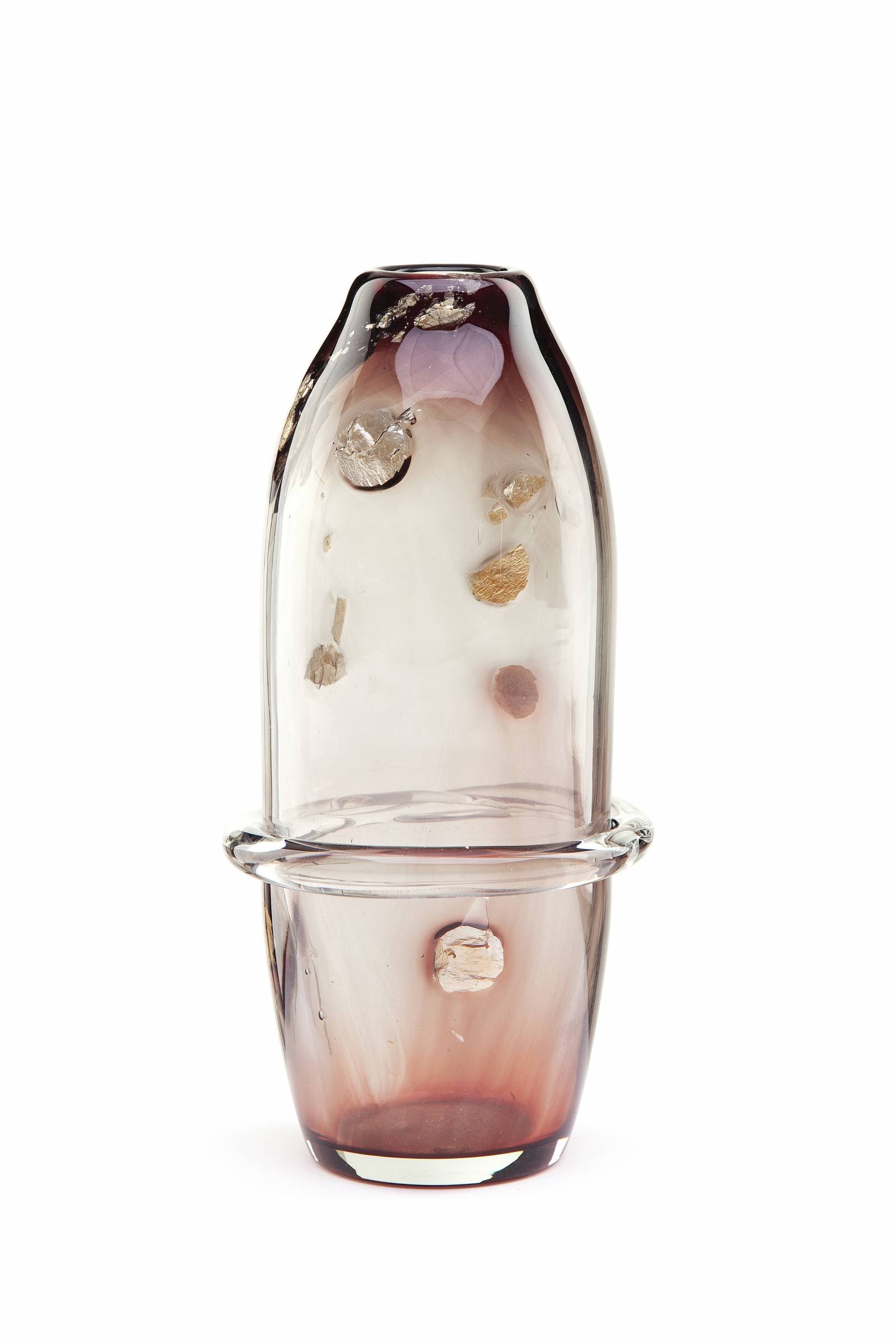
In time, she also began producing unique glass pieces in Inowrocław — small spherical or oval vessels with soft, flowing forms, marked by gentle asymmetry, and often embellished with colored overlays or metal oxides fused into the glass mass. These works strongly echoed the glass aesthetics of the Art Nouveau era.
Two of Art | KvK: 94351813 | Teilingen 79, 1082JR Amsterdam, Netherlands