Janusz Wincenty Christa
(Born July 19, 1934, in Vilnius – Died November 15, 2008, in Sopot)
Polish comic book author, illustrator, and scriptwriter.
Biography
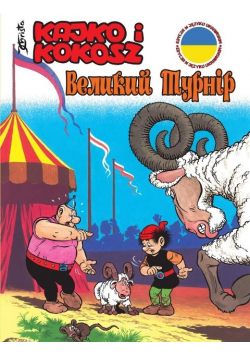
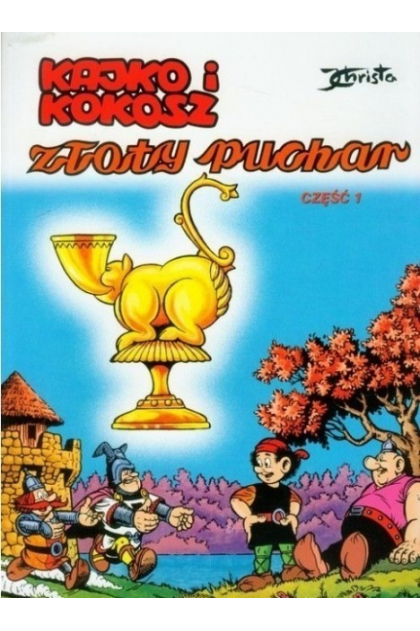
Janusz Christa was a pioneer of Polish comic art and the creator of one of the country’s most beloved comic series: Kajko i Kokosz. Alongside Papcio Chmiel, the author of Tytus, Romek i A’Tomek, Christa is considered one of the founding figures of Polish comics.
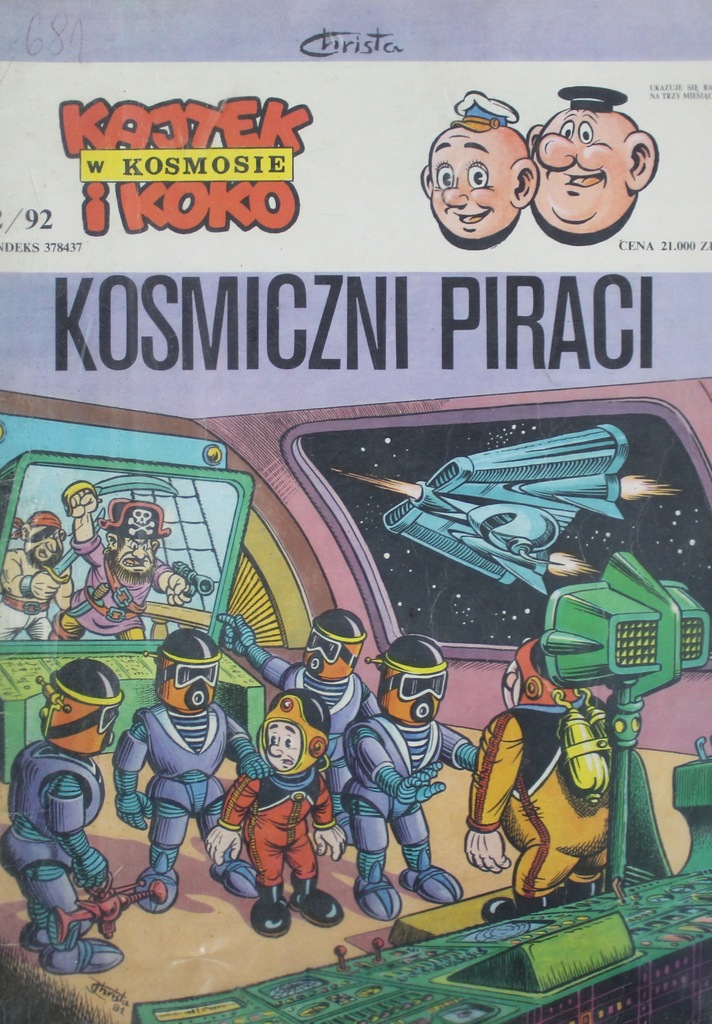
He made his debut in 1957 with illustrations for the magazines Przygoda (comic: Kuku Ryku) and Jazz (Opowieść o Armstrongu). A year later, in the evening newspaper Wieczór Wybrzeża, he began publishing a comic about two sailors: Kajtek i Majtek, who soon evolved into the duo Kajtek i Koko. This marked the birth of a series that went on to enjoy numerous editions and reprints.
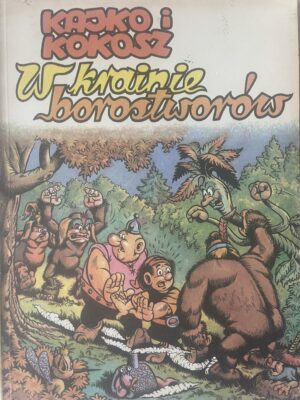
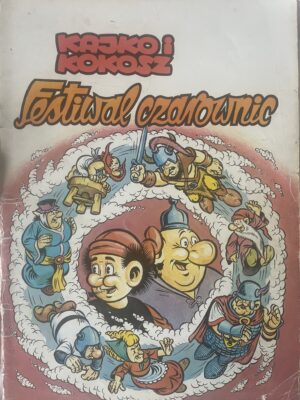
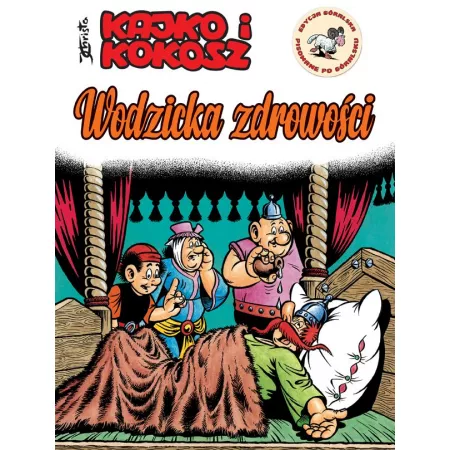
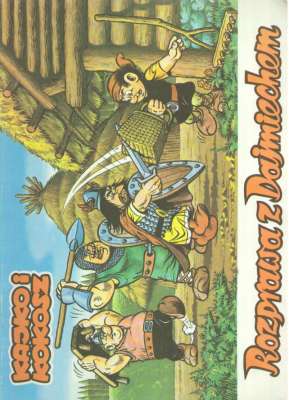
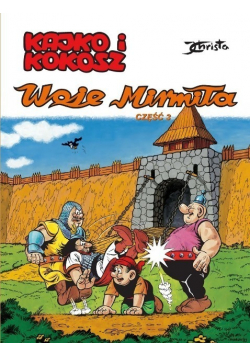
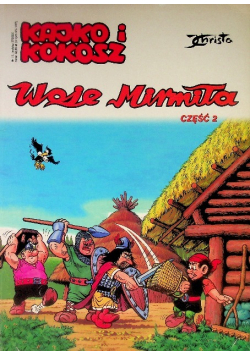
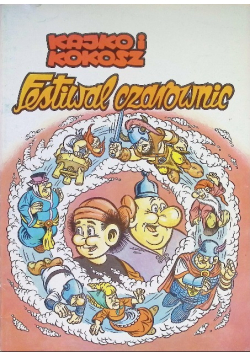
In the late 1970s, Christa introduced another pair of sailors, Gucek i Roch, featured in two published albums. While Kajtek i Koko were drawn in a whimsical, exaggerated style typical of humor comics, Gucek i Roch were rendered with more realism. Nonetheless, Christa’s greatest fame came with the launch of Kajko i Kokosz, a saga about two Slavic warriors, which first appeared in Wieczór Wybrzeża, and later in Świat Młodych. The first album was published in 1975, and a total of 20 volumes were released. Standout titles include W krainie Borostworów, Na wczasach, Szkoła latania, and Festiwal czarownic. Three albums were also translated into regional dialects: Kashubian, Silesian, and Goral (Highlander). The early volumes were black and white; later ones were in color.
In a curious anecdote from his early career, Christa pretended to be a repatriate from Sweden in order to get a job at Przygoda magazine. Although he was hired, complications arose when he was asked to appear in person. Then just 17 and a native of Vilnius, he panicked but managed to turn the situation into a joke—one that didn’t hinder his success. His comic strip in Wieczór Wybrzeża became so popular that many readers would start the paper by flipping straight to his section.
Christa frequently explored fantastical themes, exemplified by Kajtek i Koko w kosmosie (Kajtek and Koko in Space), which was serialized for four years. Over 40 years later, it was published in a single album—nearly 600 pages, making it the longest Polish comic in history.
Kajko i Kokosz
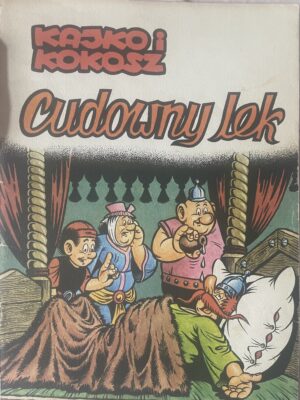
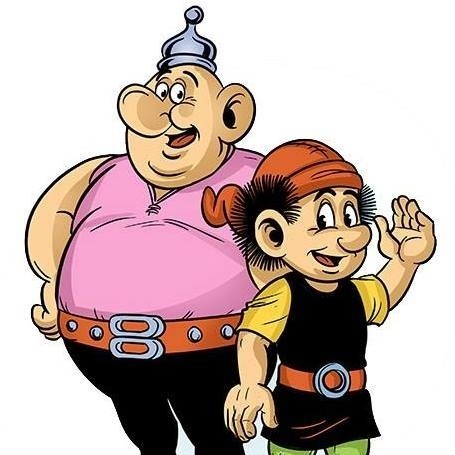
Christa brought to life an entire universe with characters like Kajko, Kokosz, Mirmił, and Łamignat. Their adventures took them to space, the sea, and ultimately to the fictional village of Mirmiłowo. Christa created all these iconic tales from a small room in his apartment in Sopot.
The series drew comparisons to Asterix and Obelix by René Goscinny and Albert Uderzo, sparking controversy over their similarities: both duos feature a small, clever warrior and a large, strong, not-so-bright sidekick. In early Kajko i Kokosz comics, Kokosz gained strength depending on the size of his shadow—reminiscent of Obelix falling into a cauldron of magic potion. Both stories are set in distant, mythical pasts.
Christa defended himself by pointing out that such character archetypes—dynamic duos with contrasting traits—are common across literature. The first Asterix comic appeared in 1959, while Kajko i Kokosz debuted in 1972. However, Kajtek i Koko, who served as their precursors, appeared as early as 1958.
Artistic Style
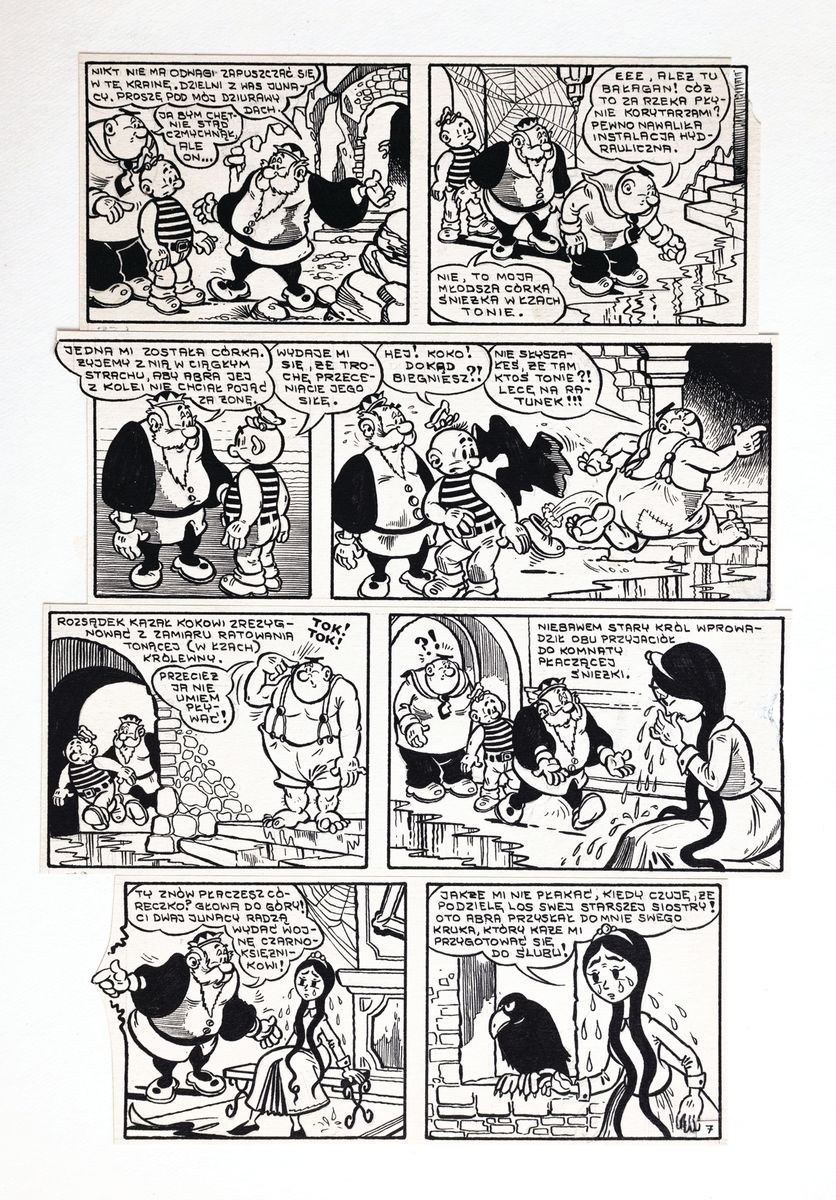
Christa was especially admired for his masterful craftsmanship and distinctive linework. His drawing style was confident, clean, and expressive. He also had a gift for storytelling—his plots were light-hearted, clever, and humorous.
His first comics were in black and white, but he later moved on to color. He succeeded in building a unique, self-contained world, with characters and plots deeply infused with his personal sense of humor, sensitivity, and artistic flair, both in illustration and in writing.
Awards
Silver Medal for Merit to Culture – Gloria Artis (2007)
Gdańsk City Cultural Award for 50 years of artistic achievement (2007)
“For Merits to Polish Comics” Award (posthumously, 2019)