This is a demo store for testing purposes — no orders shall be fulfilled. Dismiss
Skip to contentBorn: August 1, 1944, Warsaw, Poland
Education: Academy of Fine Arts in Warsaw (degree obtained in 1968 or 1969 — sources vary)
Professions: Painter, poet, singer-songwriter (bard), actor, satirist, illustrator, caricaturist
From 1963 to 1975, he was active as an actor and performer with the Student Satirical Theater (Studencki Teatr Satyryków).
Between 1969 and 1971, he served as artistic director of the cabaret at the Hybrydy Club in Warsaw.
From 1969 to 1972, he managed a song and cabaret club at the “Na Pięterku” venue (Hotel Bristol), under the Polish Authors and Composers Union.
Collaborated with Polish Television (TVP) from 1969, appearing in various plays and television programs.
In 1970, he co-founded the Old Stars folk-cabaret music group.
In August 1980, he actively supported the Solidarity movement, performing independent songs — most notably, he composed and performed “Song for a Daughter” (Piosenka dla córki), which became an unofficial anthem of hope and resistance during the strike at the Gdańsk Shipyard.
From 1981 to 1982, during martial law, he co-created an underground home theater and worked as a graphic artist and distributor of clandestine publications.
Since 1987, he was a member of the Association of Polish Caricature Artists, and served as its president from 1996 to 1998.
Between 2006 and 2010, he was involved in local politics as a city councilor in Otwock, where he chaired the Commission for Culture, Sports, and Tourism.

“Song for a Daughter” (Piosenka dla córki), composed by Pietrzyk, became an iconic protest song — an unofficial hymn of the Solidarity movement in 1980, symbolizing unity, resistance, and hope.
He performed it in 1981 at the First Review of True Songs “Banned Songs” (Zakazane Piosenki), despite censorship, and during the National Congress of Solidarity.
Though acting was not his main focus, he appeared in several films and TV productions.
He debuted in 1966 in a small role in the film A Marriage of Convenience (Małżeństwo z rozsądku).
Appeared in TV Theater plays, such as Zapalniczka (1975) and Dni nieba (1979).
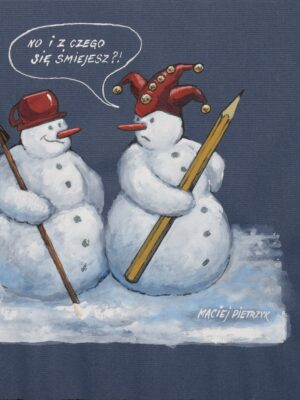
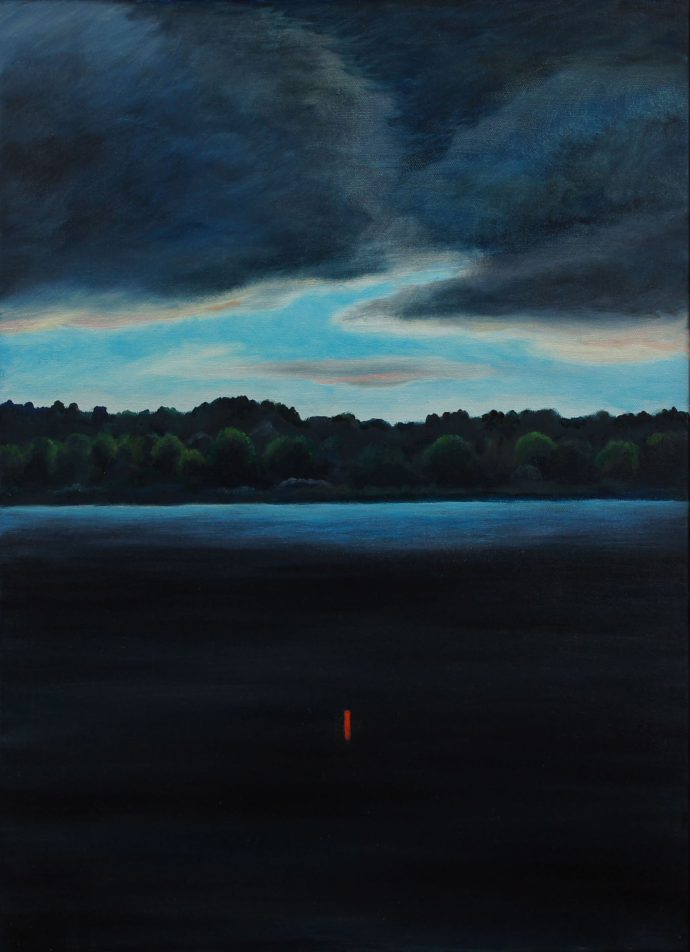
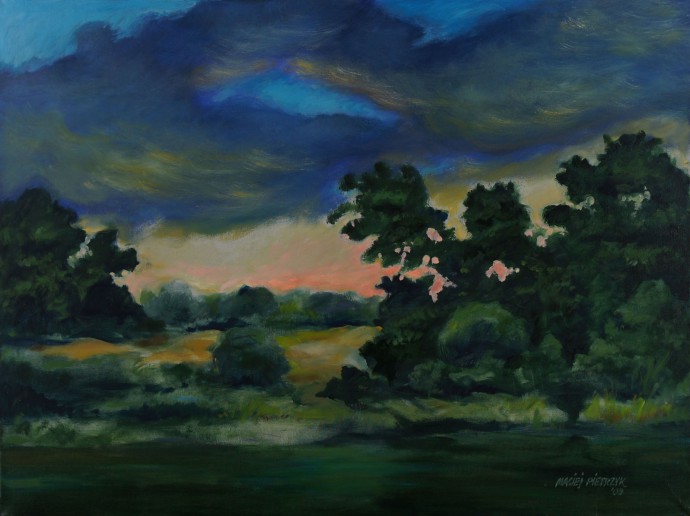
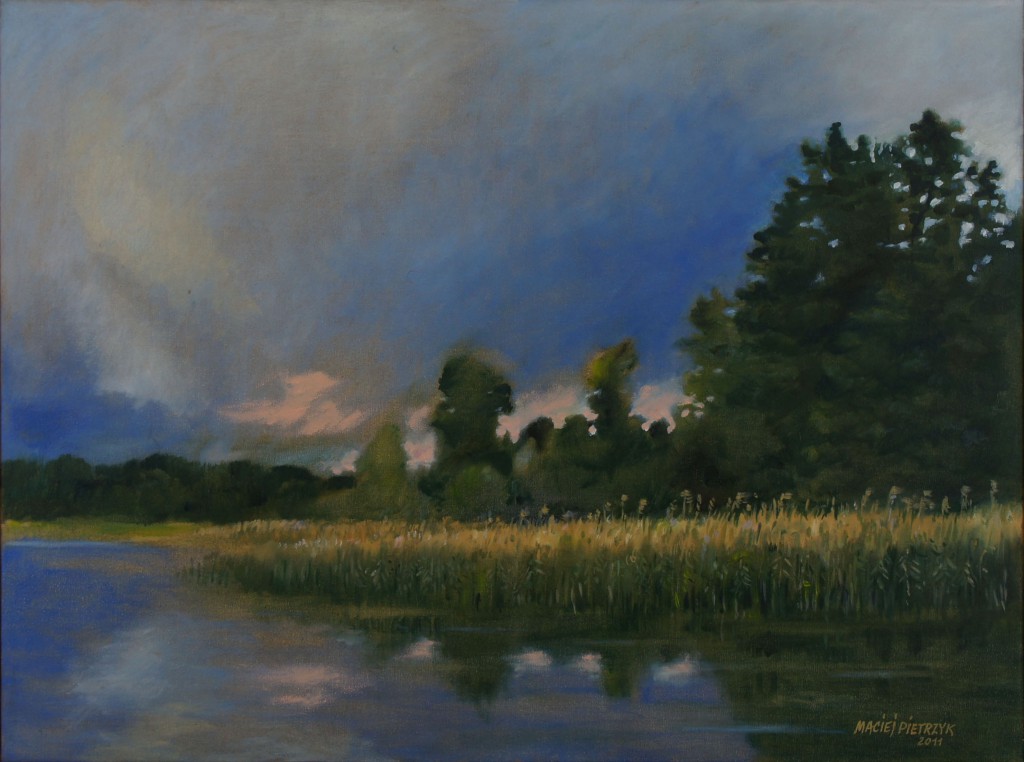
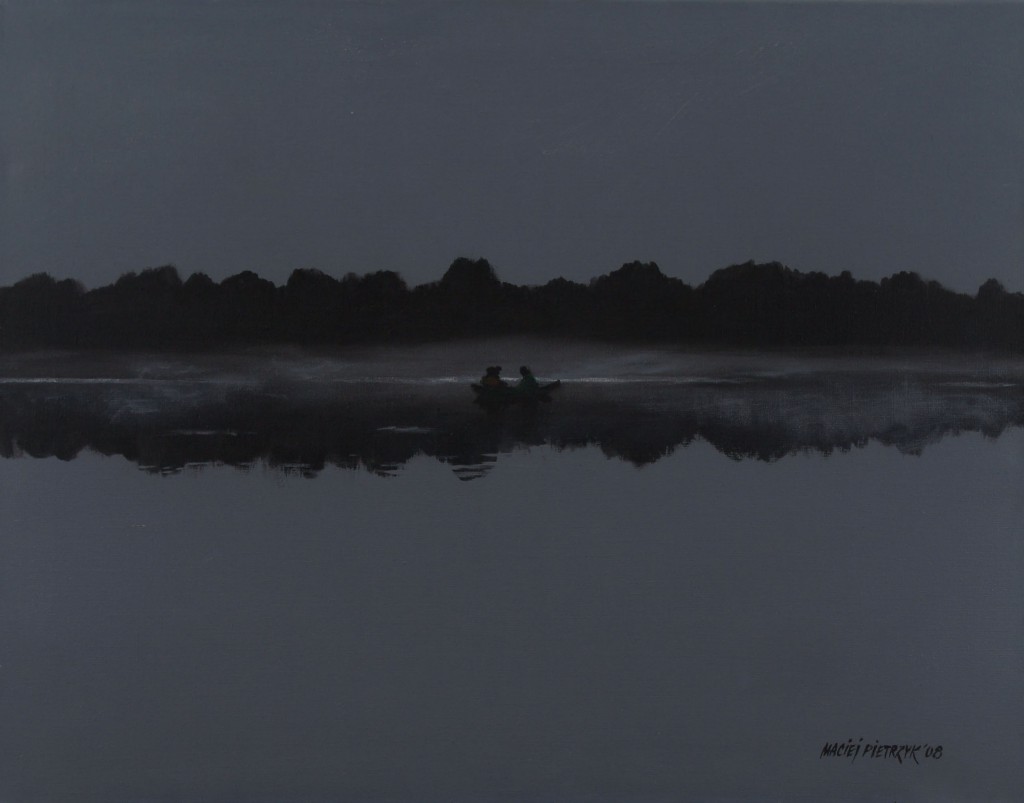
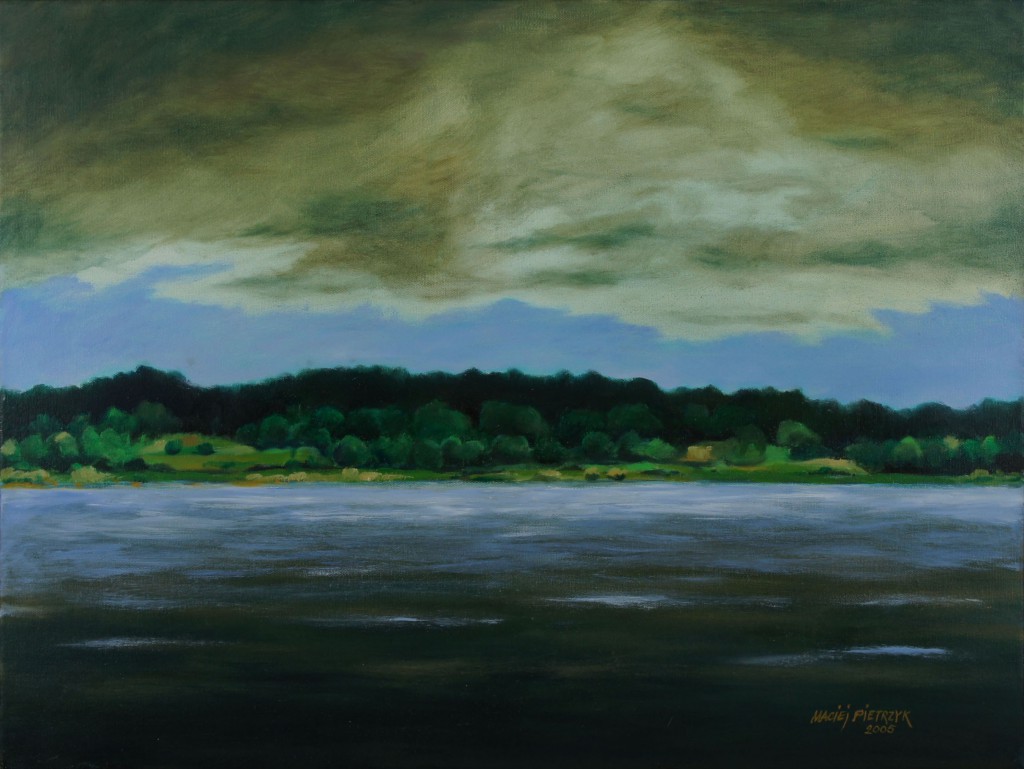
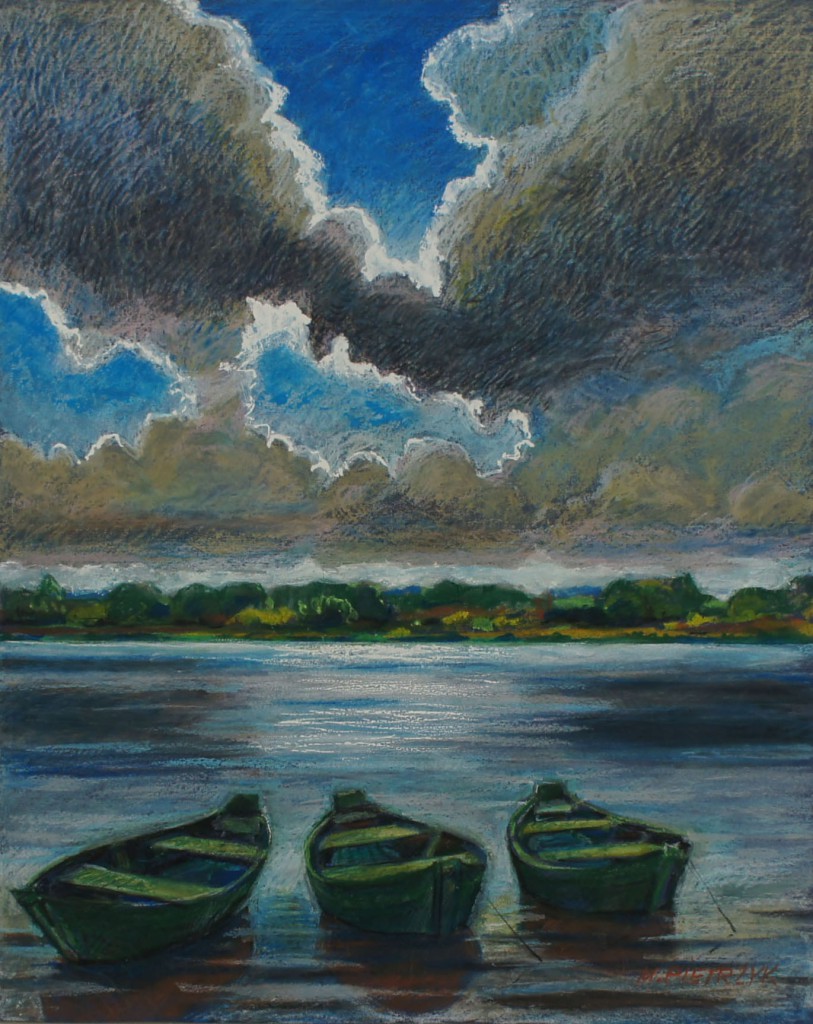
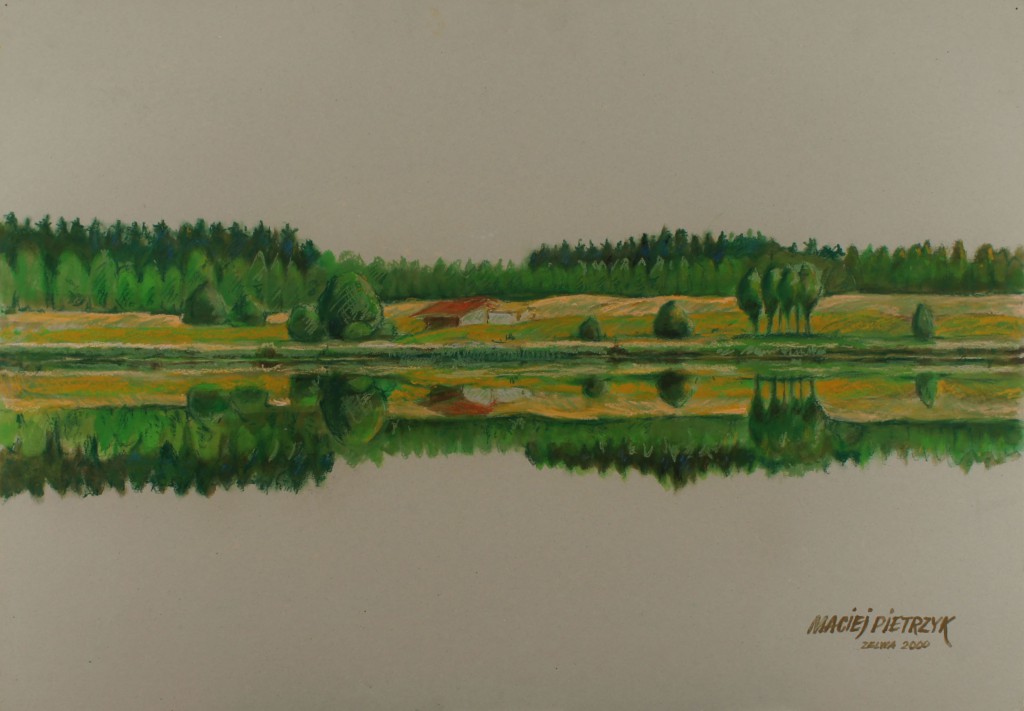
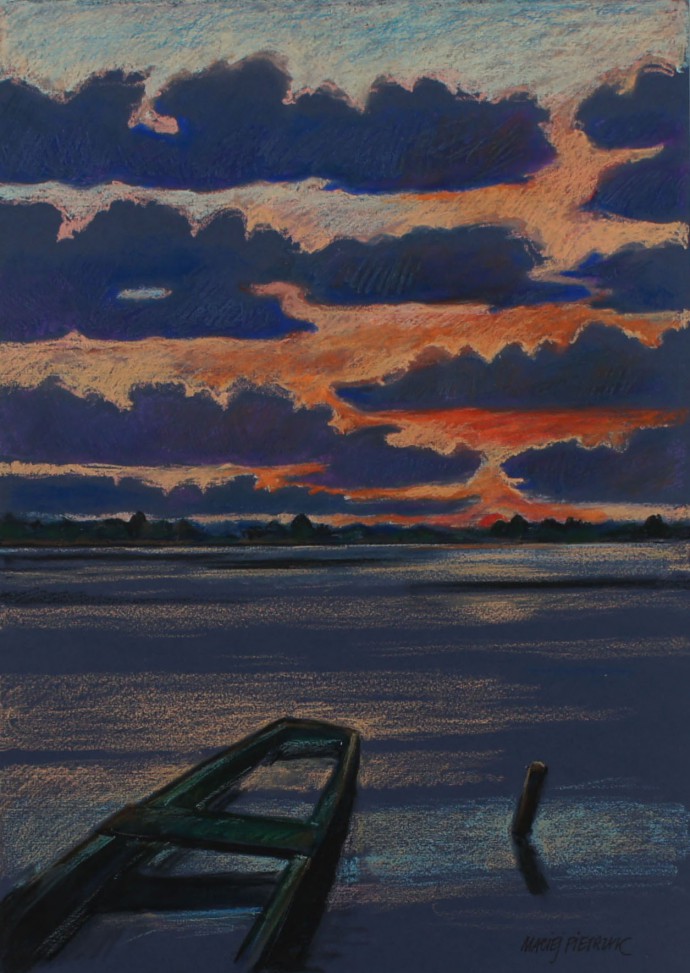
As a visual artist, he was active in painting, caricature, and graphic satire, integrating his talent across multiple creative fields.
His cultural and political engagement made him one of the artistic symbols of the opposition during the early 1980s in Poland.
Knight’s Cross of the Order of Polonia Restituta – awarded in 2006
Silver Medal for Merit to Culture – Gloria Artis – awarded in 2009
Maciej Pietrzyk stands out as a multifaceted and engaged artist, significant for several reasons:
He successfully combined disciplines — painting, poetry, music, cabaret, and acting — creating an interdisciplinary body of work that defied categorization.
His Song for a Daughter exemplifies how art can serve a social purpose, becoming a symbol of hope and defiance under authoritarian rule.
His involvement in the opposition, underground culture, and resistance during martial law highlights the role of the artist as an active participant in historical change.
As a versatile creator in a time when freedom of expression was threatened, he represents the spirit of independent, alternative, and politically conscious art in Polish history.