
This is a demo store for testing purposes — no orders shall be fulfilled. Dismiss
Skip to content(born 4 May 1918 in Kraków – died 3 March 2001, Kraków)
Adam Hoffmann was a Polish painter, art educator, and professor at the Katowice branch of the Academy of Fine Arts in Kraków.
Adam Hoffmann was born in Kraków and remained closely connected with the city throughout his life—one of Poland’s most important artistic centers. He grew up in the interwar period, and his formative years coincided with the Second World War, an experience that had a significant impact on his sensitivity and later artistic stance. The historical and existential experiences of that time found an indirect reflection in his art, above all in its reflective and restrained character.
After the war, Hoffmann devoted himself both to artistic practice and to teaching, consistently developing his own painterly language.
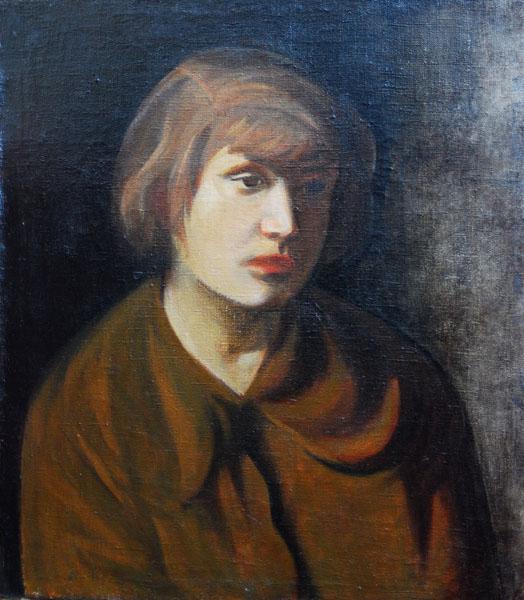
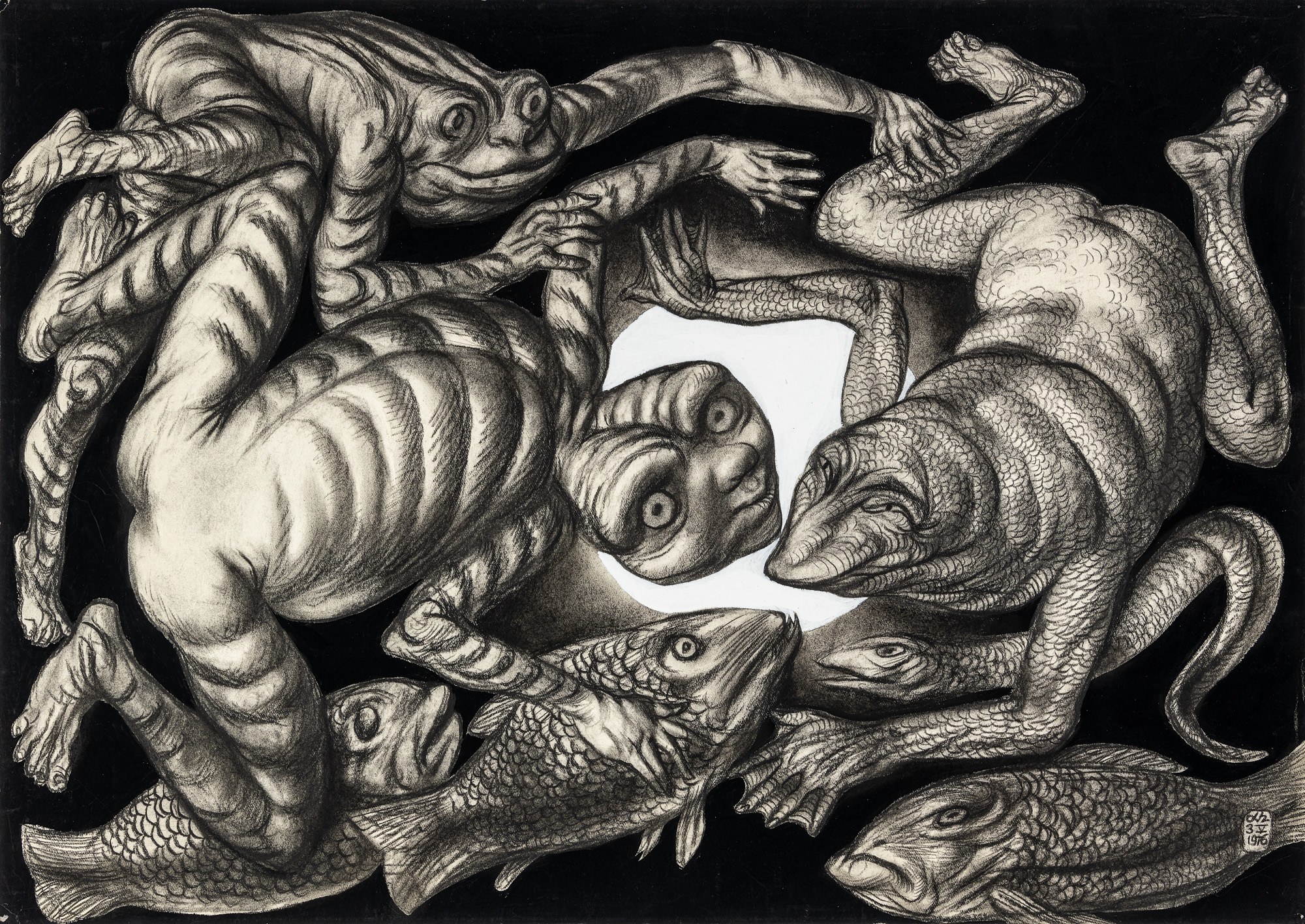
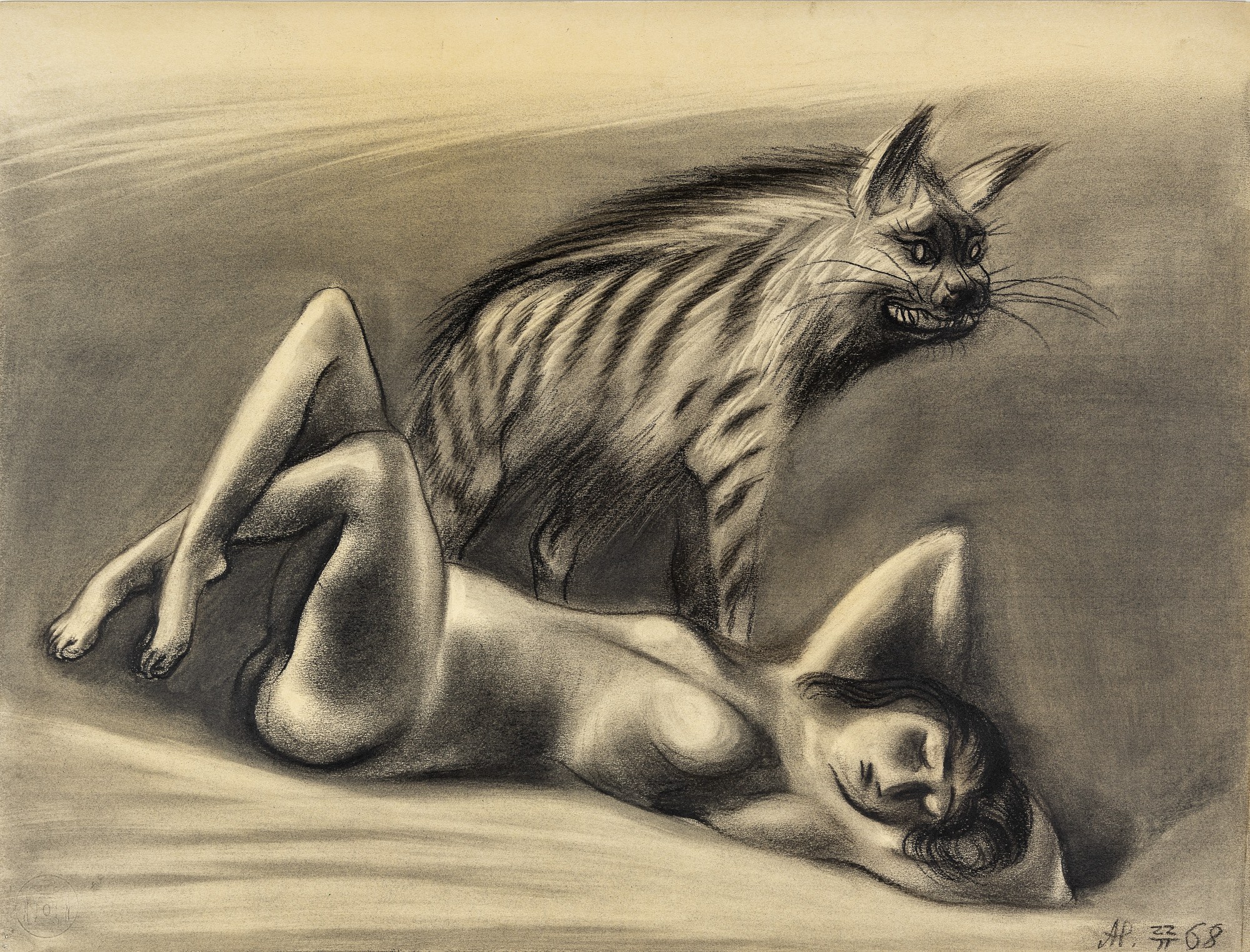
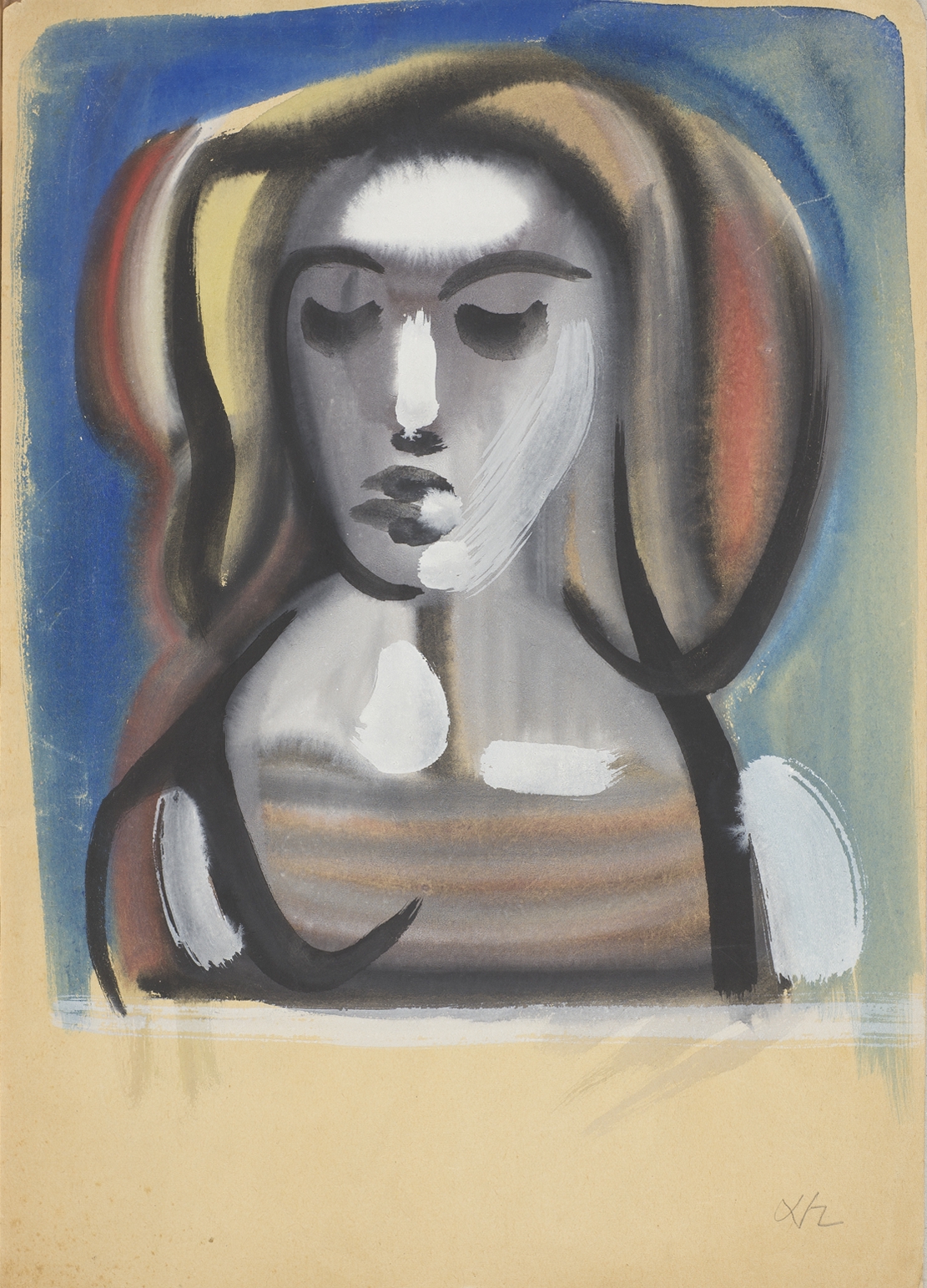
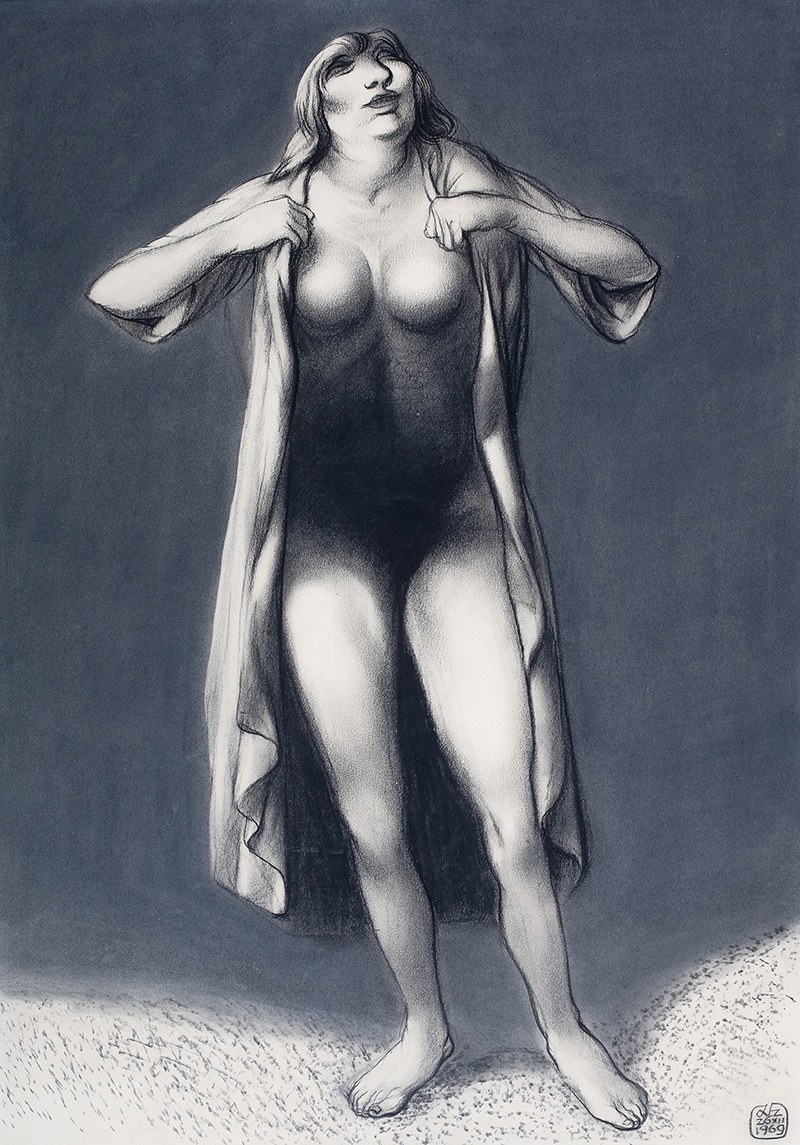
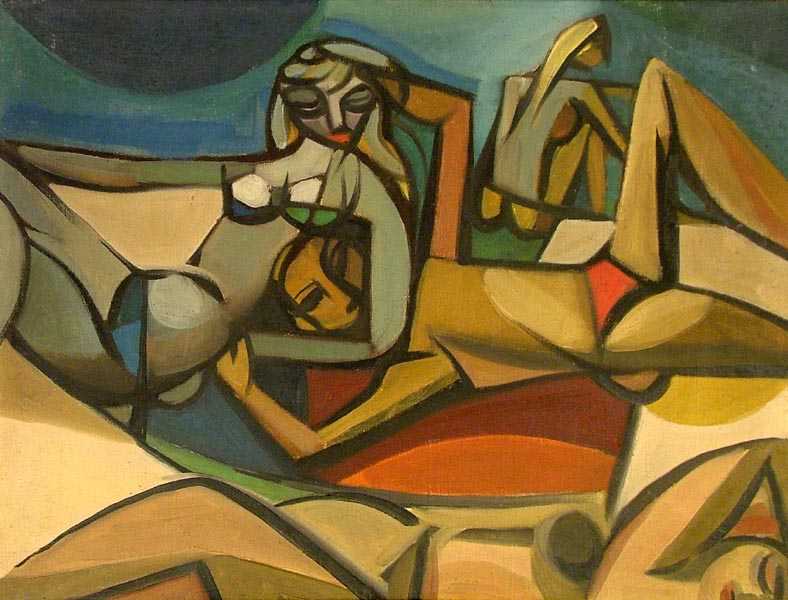
Adam Hoffmann’s work is marked by a high level of technical awareness and a pursuit of harmony between form and content. He practiced painting in a balanced manner, avoiding extreme expression in favor of concentrated, carefully considered compositions. His style can be described as rooted in the tradition of modern painting, with clear references to classical principles of pictorial structure.
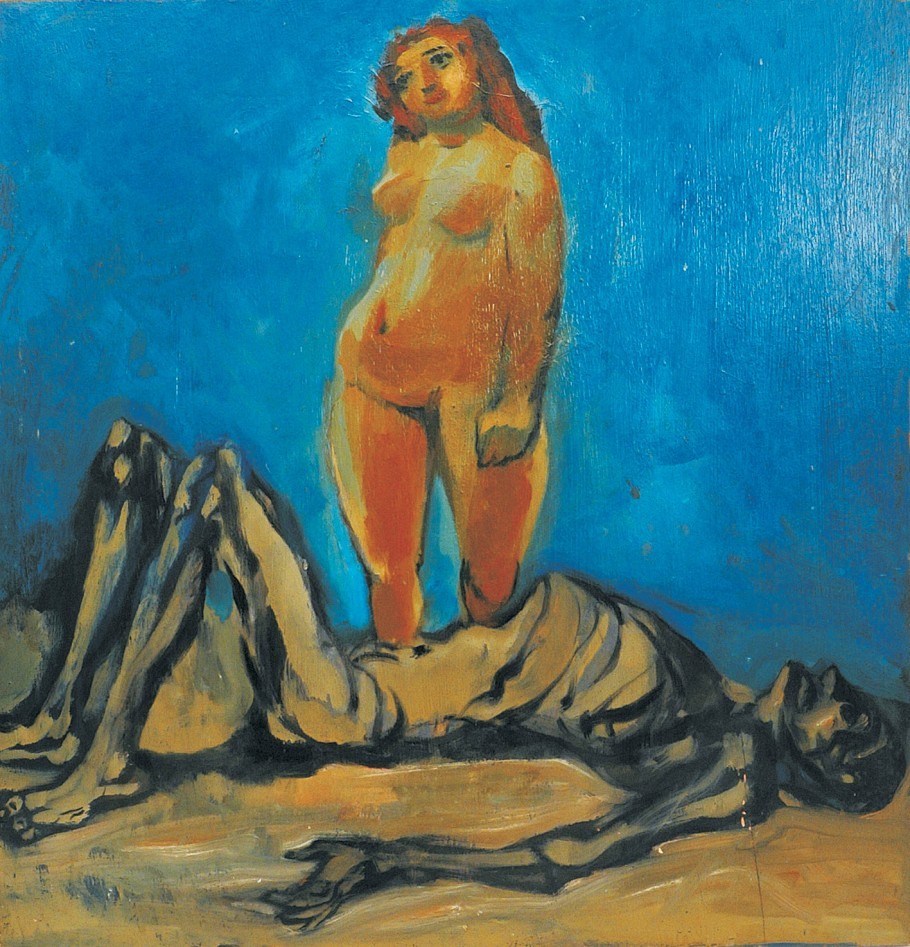
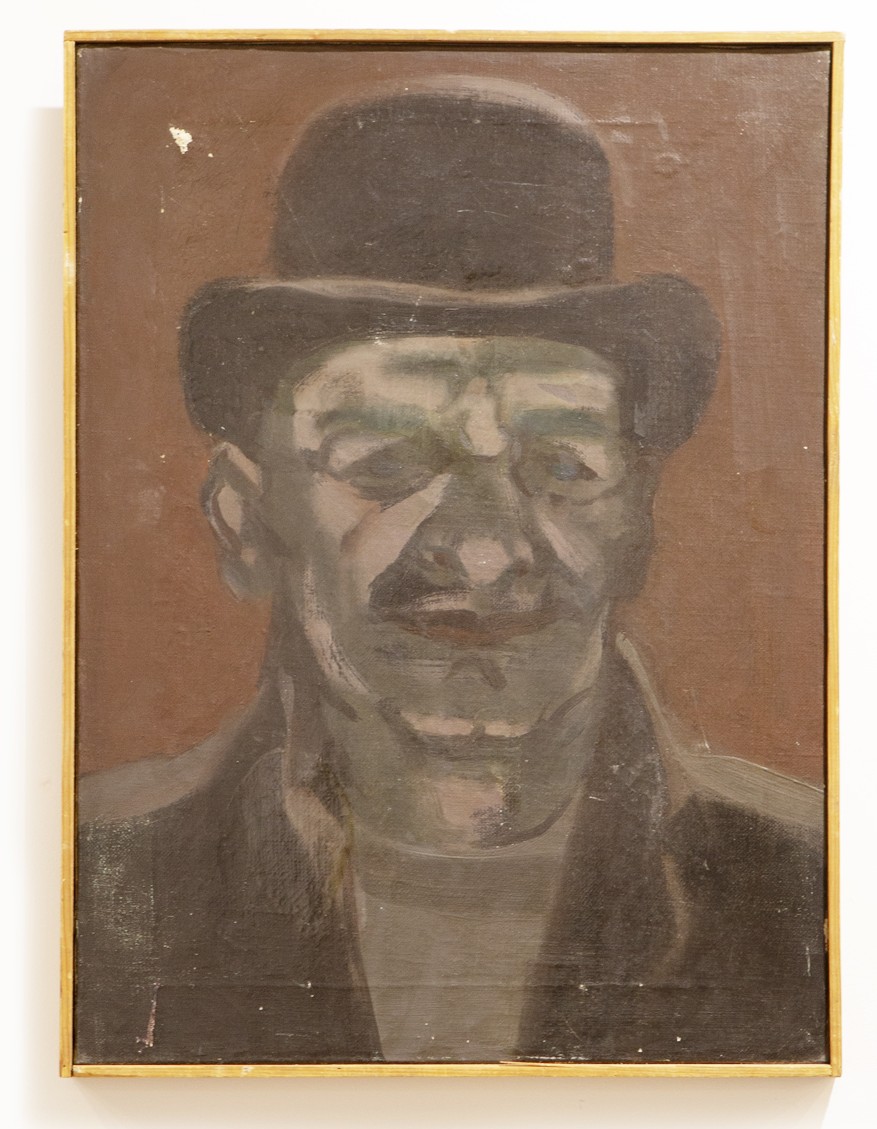
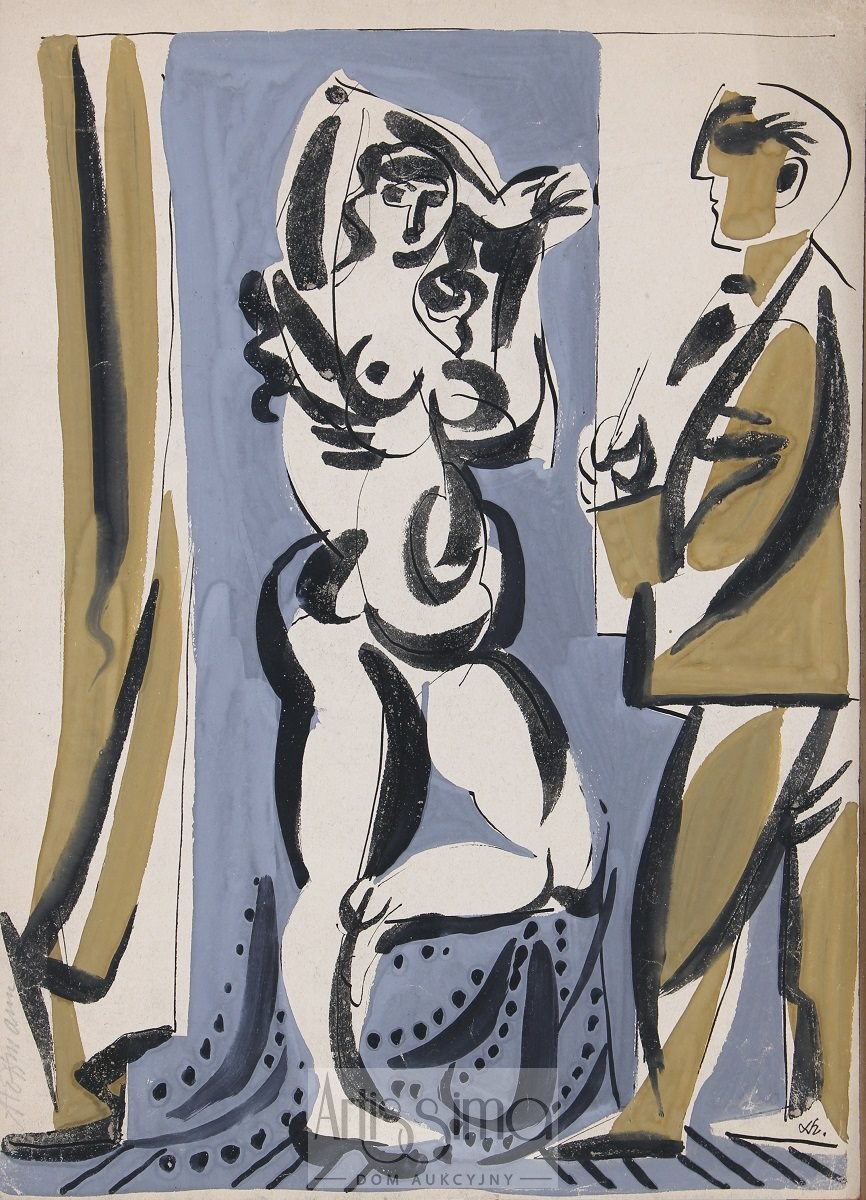
Color played an essential role in his work—muted and often based on a limited palette, it helped create an atmosphere of quiet and contemplation. For Hoffmann, color served not only an aesthetic function but also a semantic one, reinforcing the emotional resonance of the work.
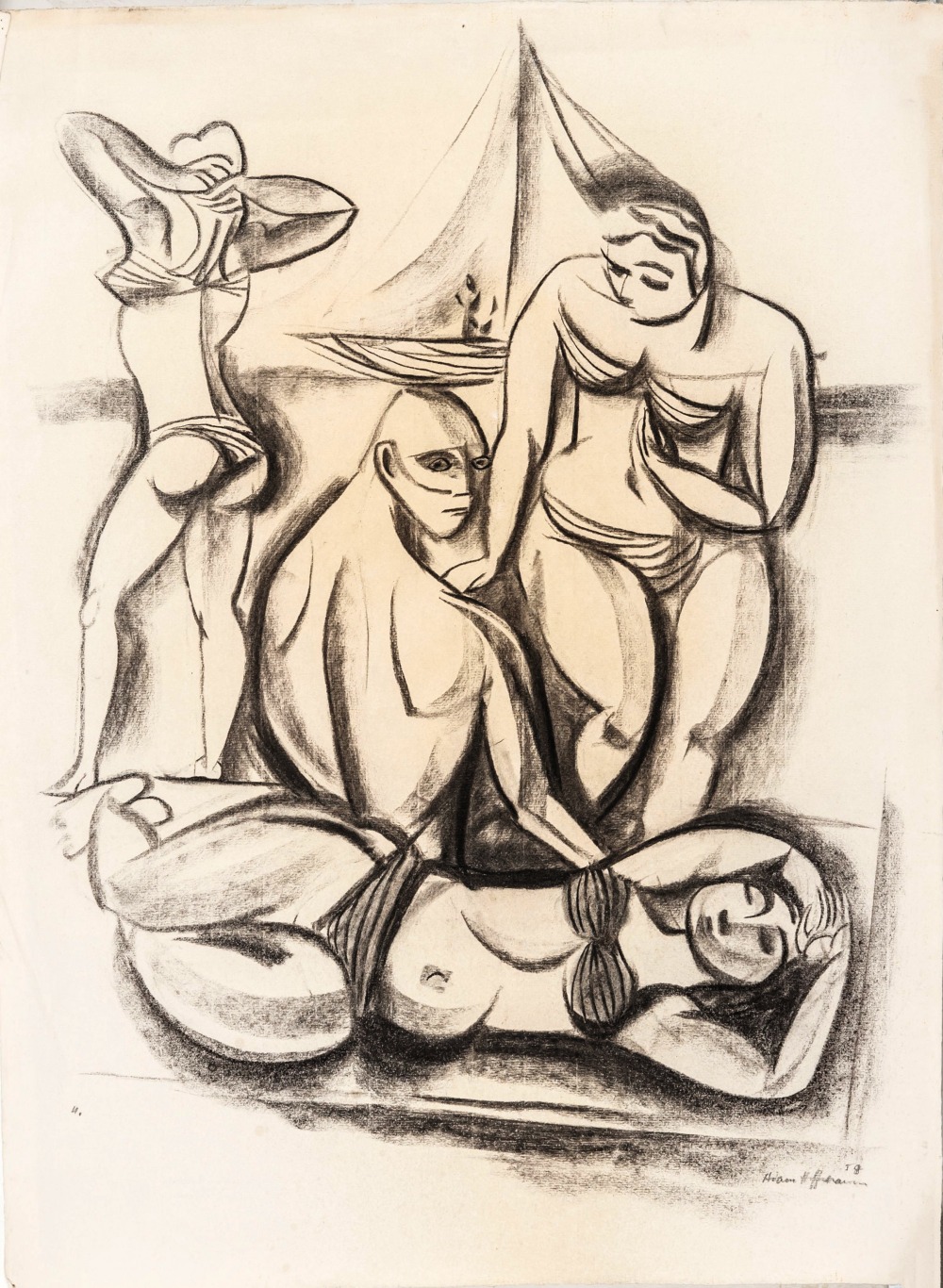
Formally, the artist showed a tendency toward simplification and synthesis of motifs, allowing him to focus the viewer’s attention on spatial relationships and compositional rhythm. His paintings are characterized by a strong sense of structure and subtle tensions between planes.
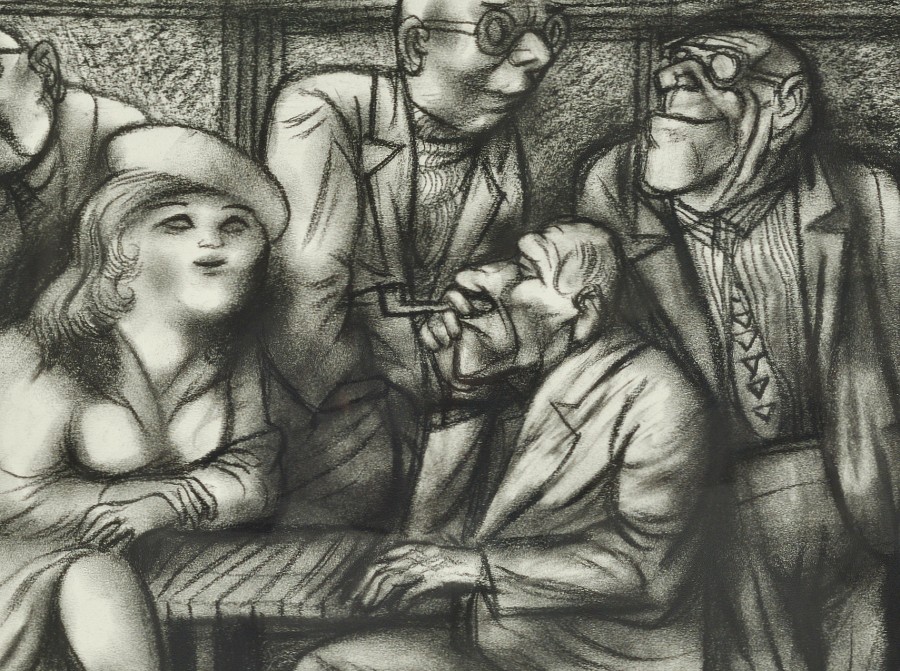
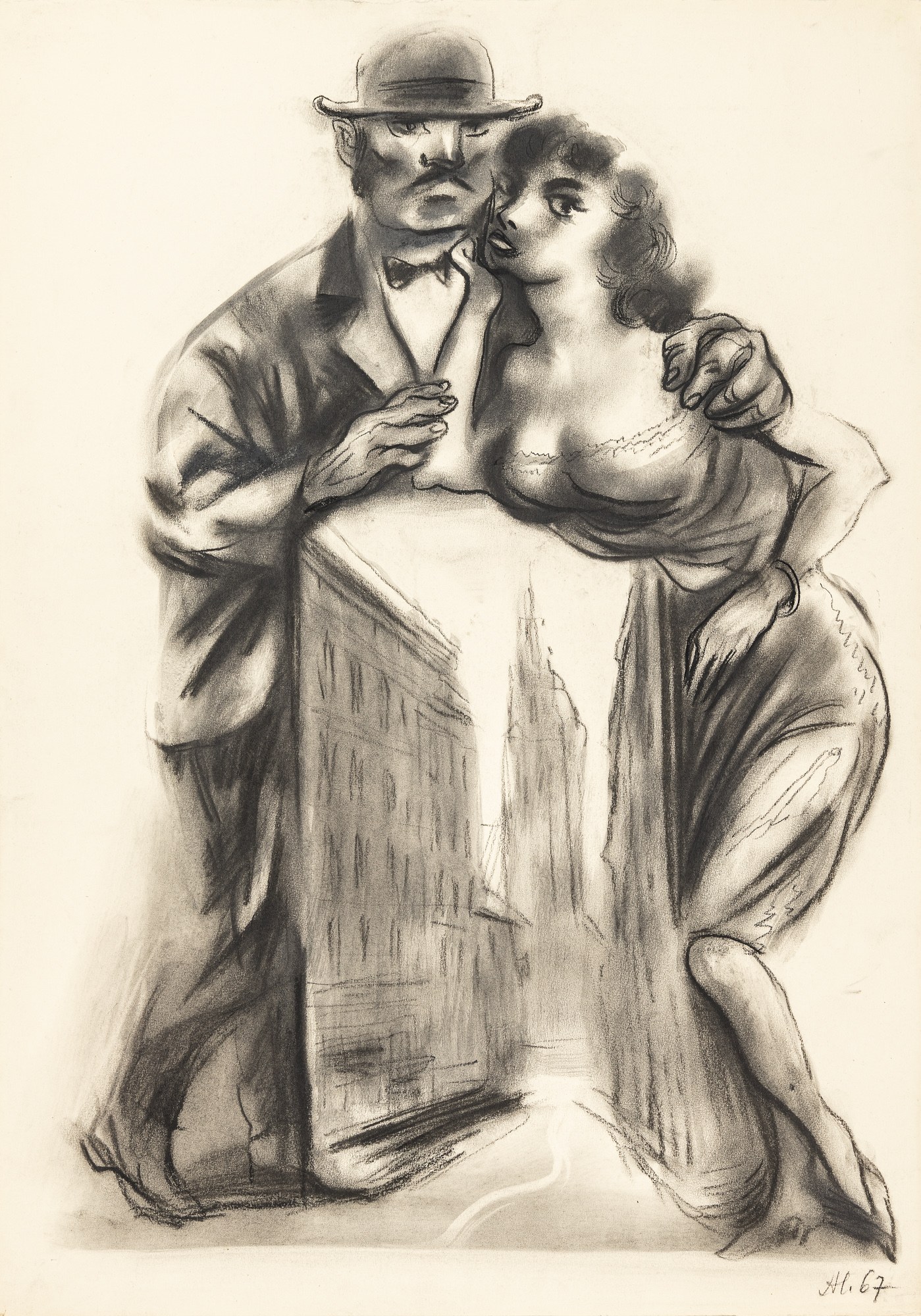
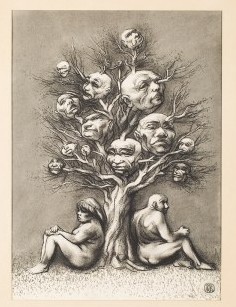
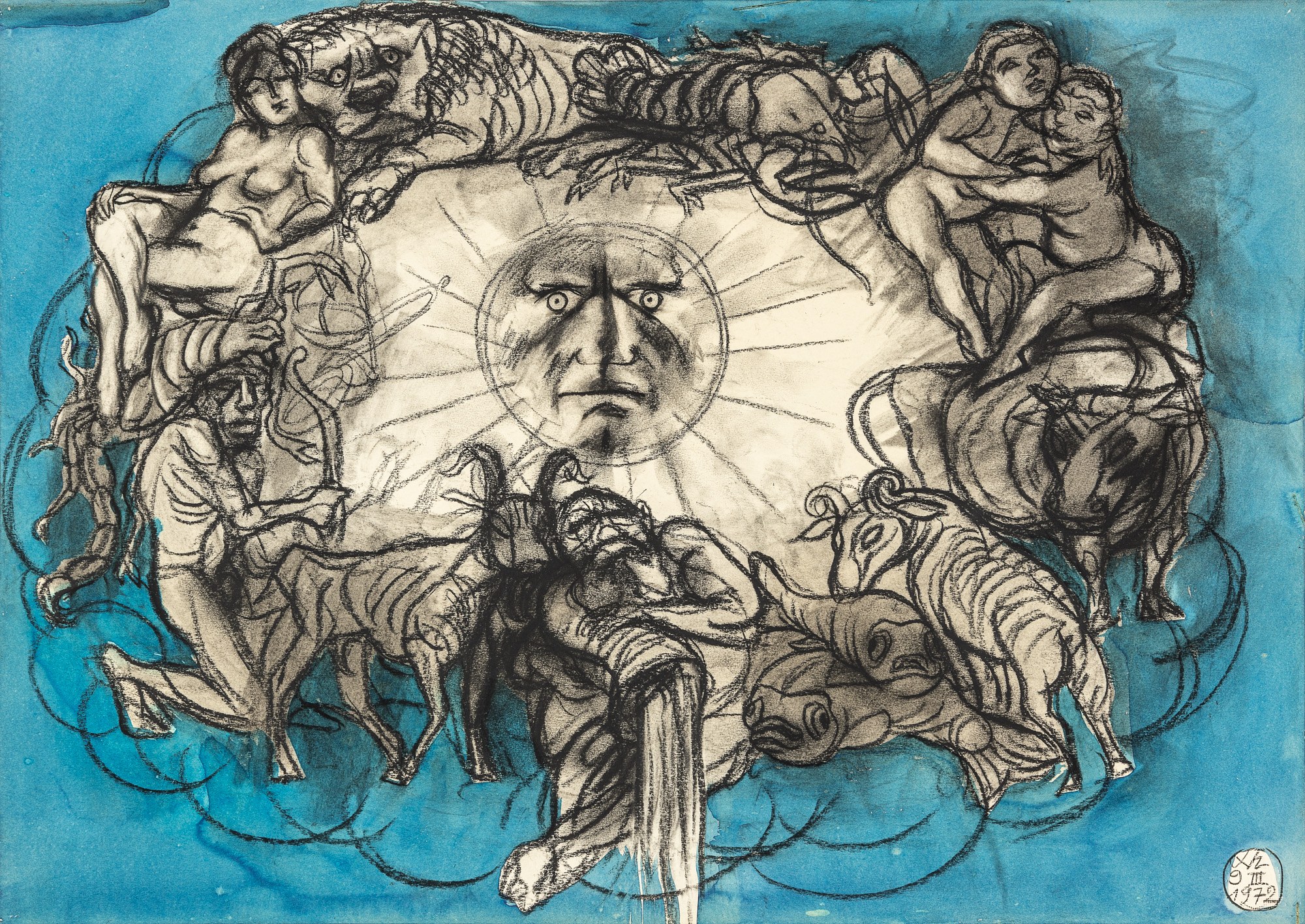
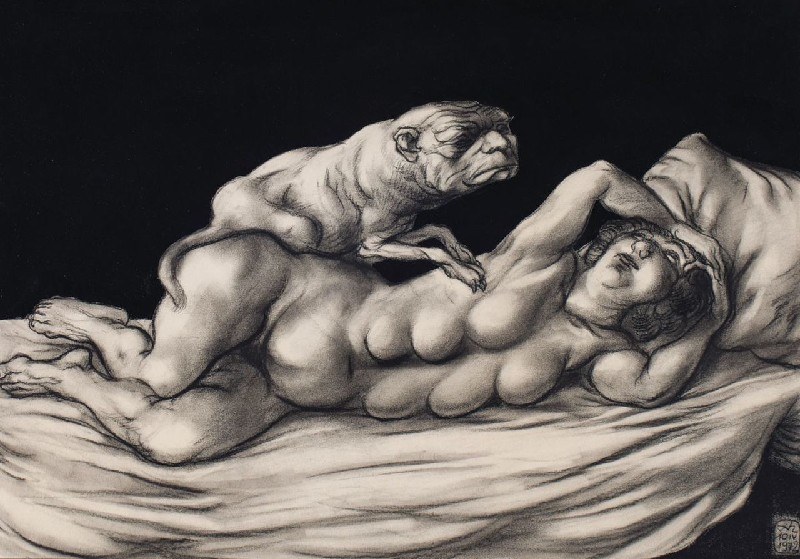
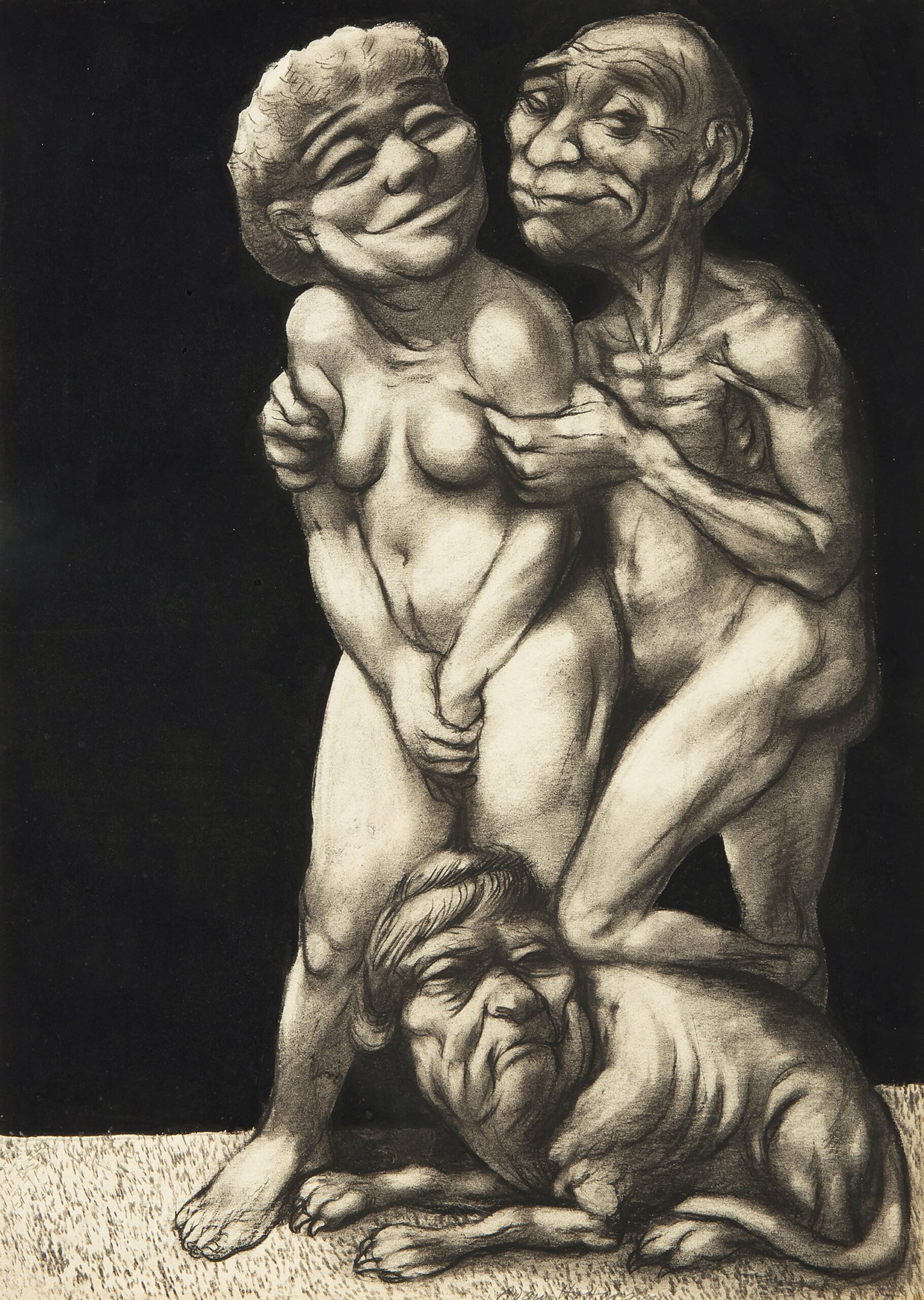
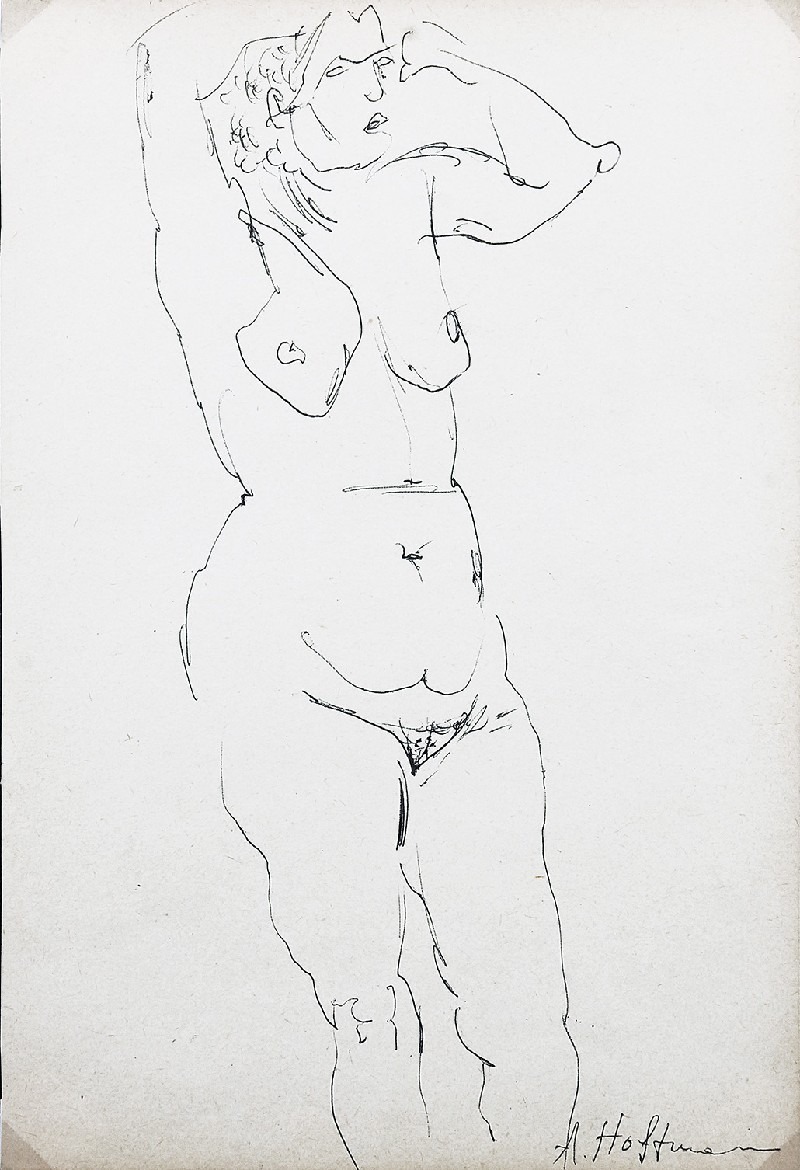
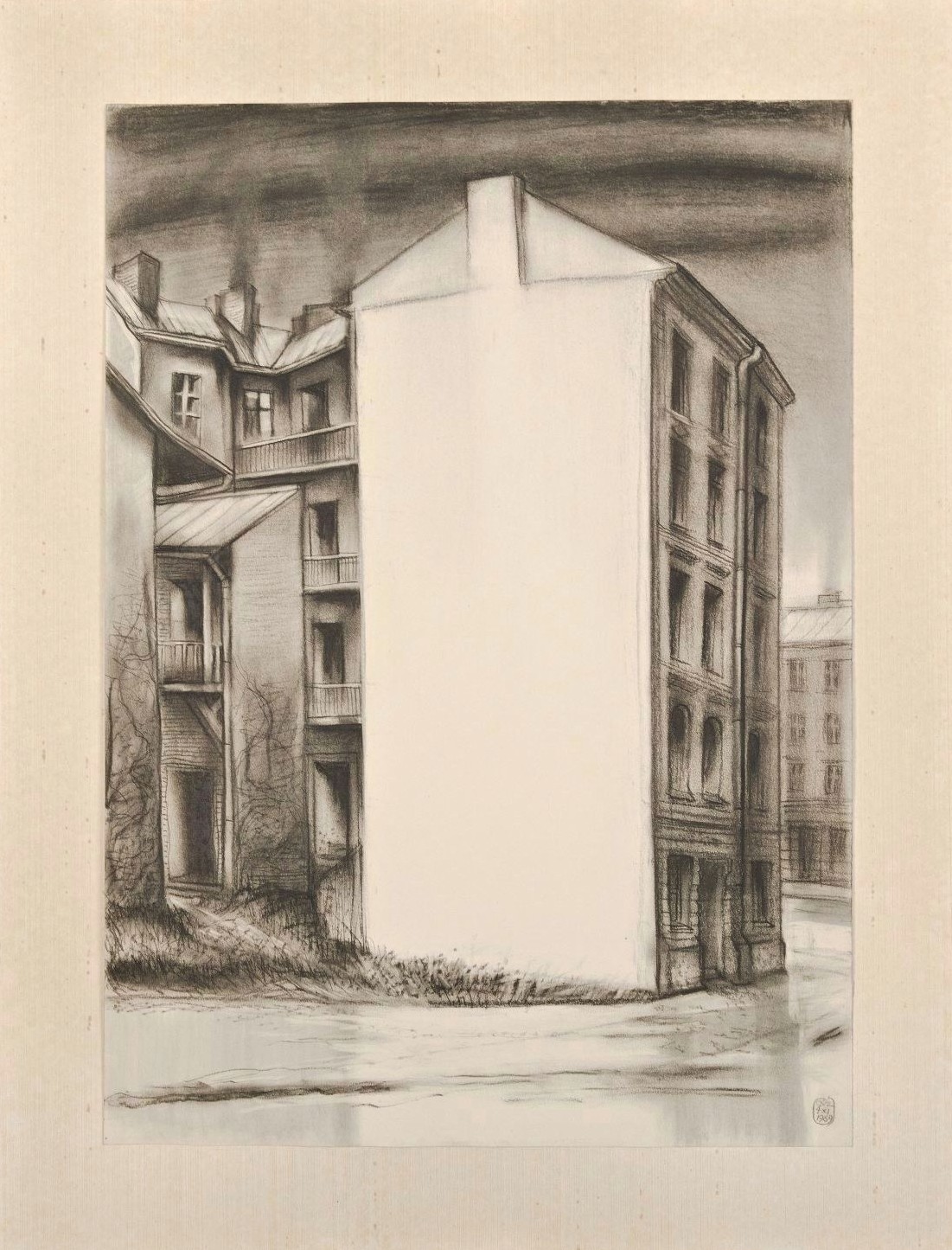
Hoffmann’s subject matter primarily included landscapes, architectural motifs, and figurative elements—treated not as literal representations, but rather as a pretext for reflection on space, human presence, and the passage of time. Many of his works convey an atmosphere of introspection and concentration, lending them a timeless quality.
One of Adam Hoffmann’s most important achievements was the development of a coherent and recognizable painterly language that maintained its autonomy amid the changing artistic trends of the second half of the twentieth century. He consistently pursued his own artistic vision, grounded in solid craftsmanship and deep reflection on the role of the image.
His works were presented in numerous solo and group exhibitions, where they attracted the interest of the artistic community. Hoffmann’s oeuvre today constitutes a valuable example of postwar painting by a generation of artists for whom both formal values and the ethical dimensions of art were of great importance.
Alongside his creative activity, Hoffmann exerted a significant influence as an educator, shaping successive generations of artists and contributing to the development of the artistic milieu in Silesia and Lesser Poland. His pedagogical approach—based on respect for students’ individuality and high technical standards—formed an essential part of his artistic legacy.
As a professor at the Katowice branch of the Academy of Fine Arts in Kraków, Adam Hoffmann played an important role in the process of artistic education. He imparted to his students not only technical skills, but also a sense of responsibility in artistic practice and an awareness of the importance of tradition in dialogue with modernity.
The work of Adam Hoffmann occupies an important place in the history of twentieth-century Polish painting. His artistic legacy—rooted in consistency, restraint, and a high level of painterly culture—continues to attract the interest of scholars, collectors, and art galleries.