
This is a demo store for testing purposes — no orders shall be fulfilled. Dismiss
Skip to content(born January 16, 1955, in Łódź)
Polish graphic artist, draftsman, painter, educator, and full professor.
Andrzej Ryszard Grenda graduated in 1978 from the State Higher School of Fine Arts in Łódź (now the Strzemiński Academy of Fine Arts), specializing in printmaking. He studied under Professors Stanisław Fijałkowski, Leszek Rózga, and Andrzej Bartczak. In 1988, he began his teaching career at the Faculty of Graphics and Painting at the Academy of Fine Arts in Łódź, working in the Drawing Studio led by Professor Andrzej Kabała. He earned his postdoctoral degree (habilitacja) in 2001, was appointed associate professor in 2010, and achieved the rank of full professor in 2014. Over the decades, he has trained several generations of artists.
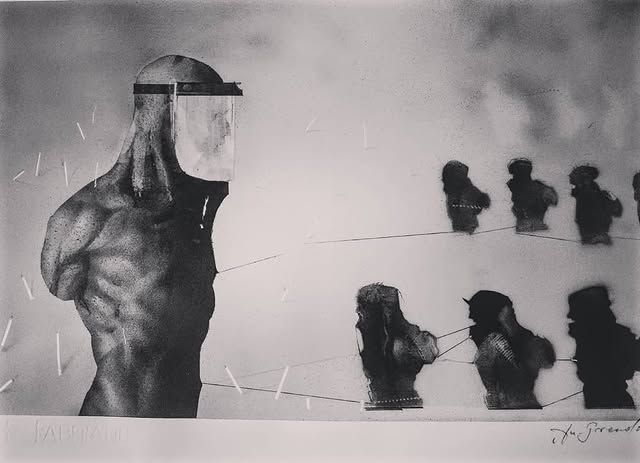
Grenda initially specialized in gypsum engraving and zincography, producing full-format prints using these techniques. However, by the mid-1980s, he had shifted almost entirely toward drawing. His early drawing work was created exclusively with pencil and reflected the aesthetics of non finito—a concept highly appreciated in 18th-century English drawing. Over time, to expand the tonal range of his minimalist linework, he began incorporating photographic techniques into his process.
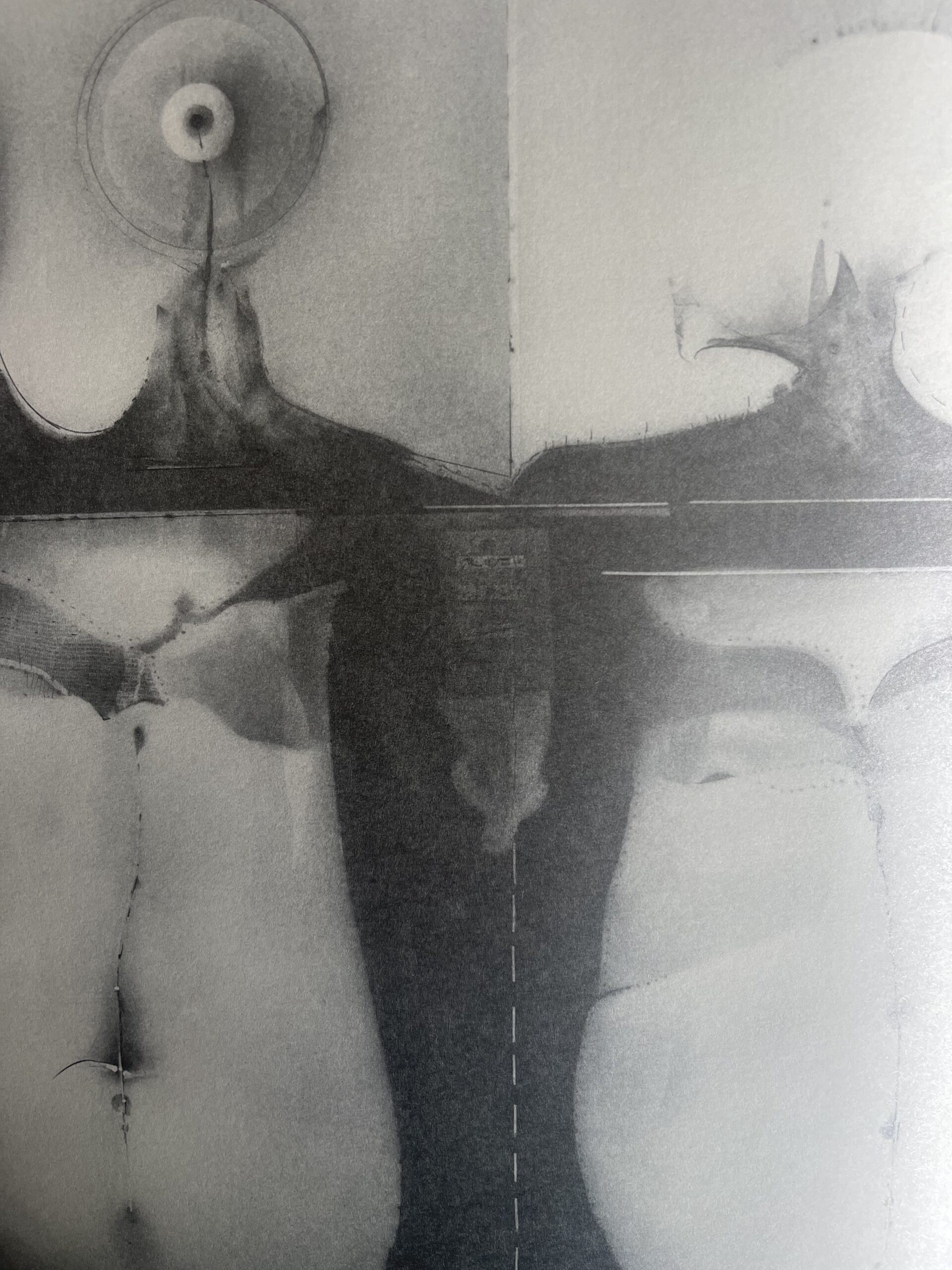
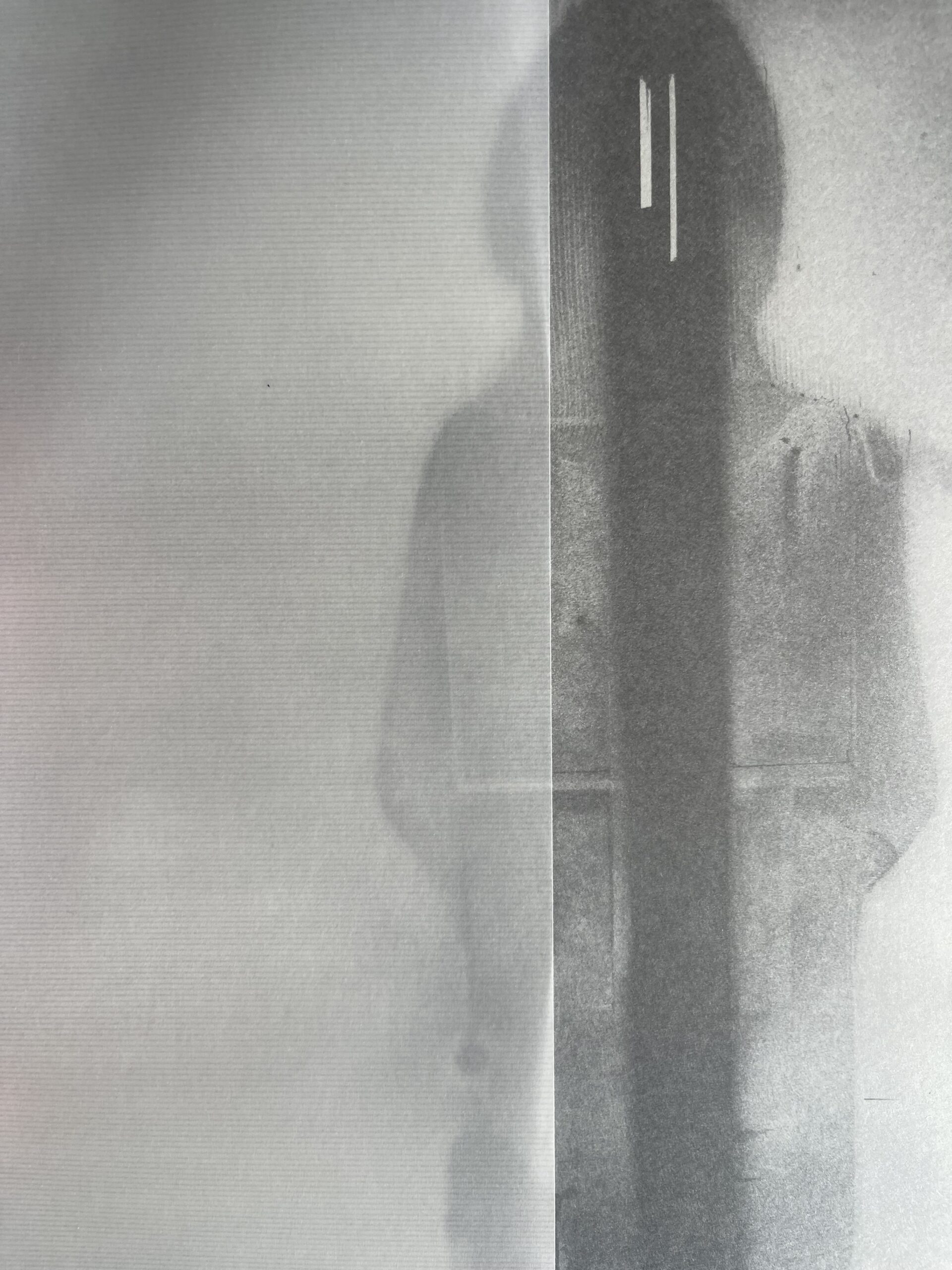
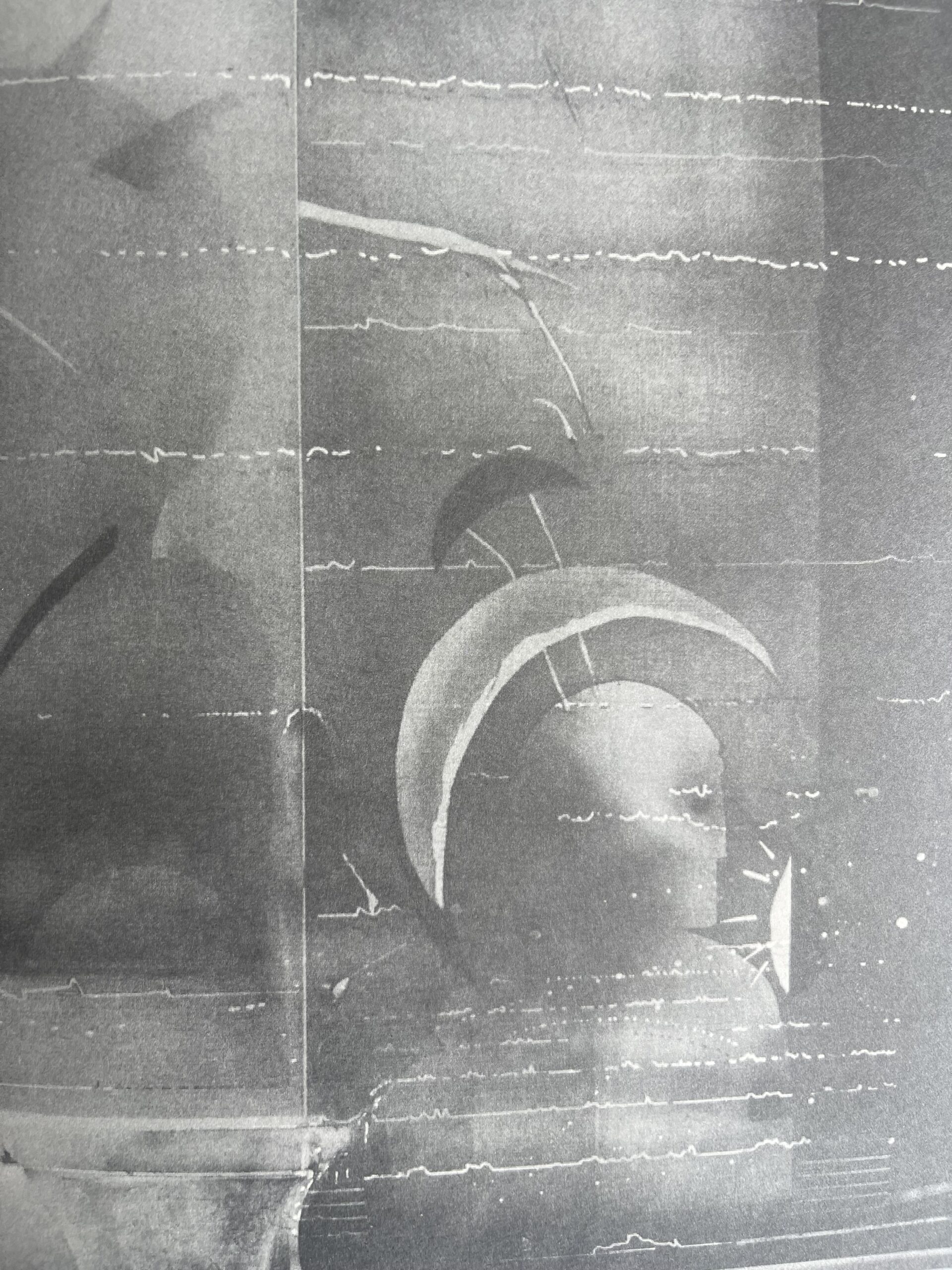
His method during this period involved two stages: first, a glass pane covered with pencil drawing was used as a negative to expose a fine-grain photographic canvas. After the negative was developed, graphite was applied. These works often featured achromatic, figurative forms situated in ambiguous spatial and narrative contexts.
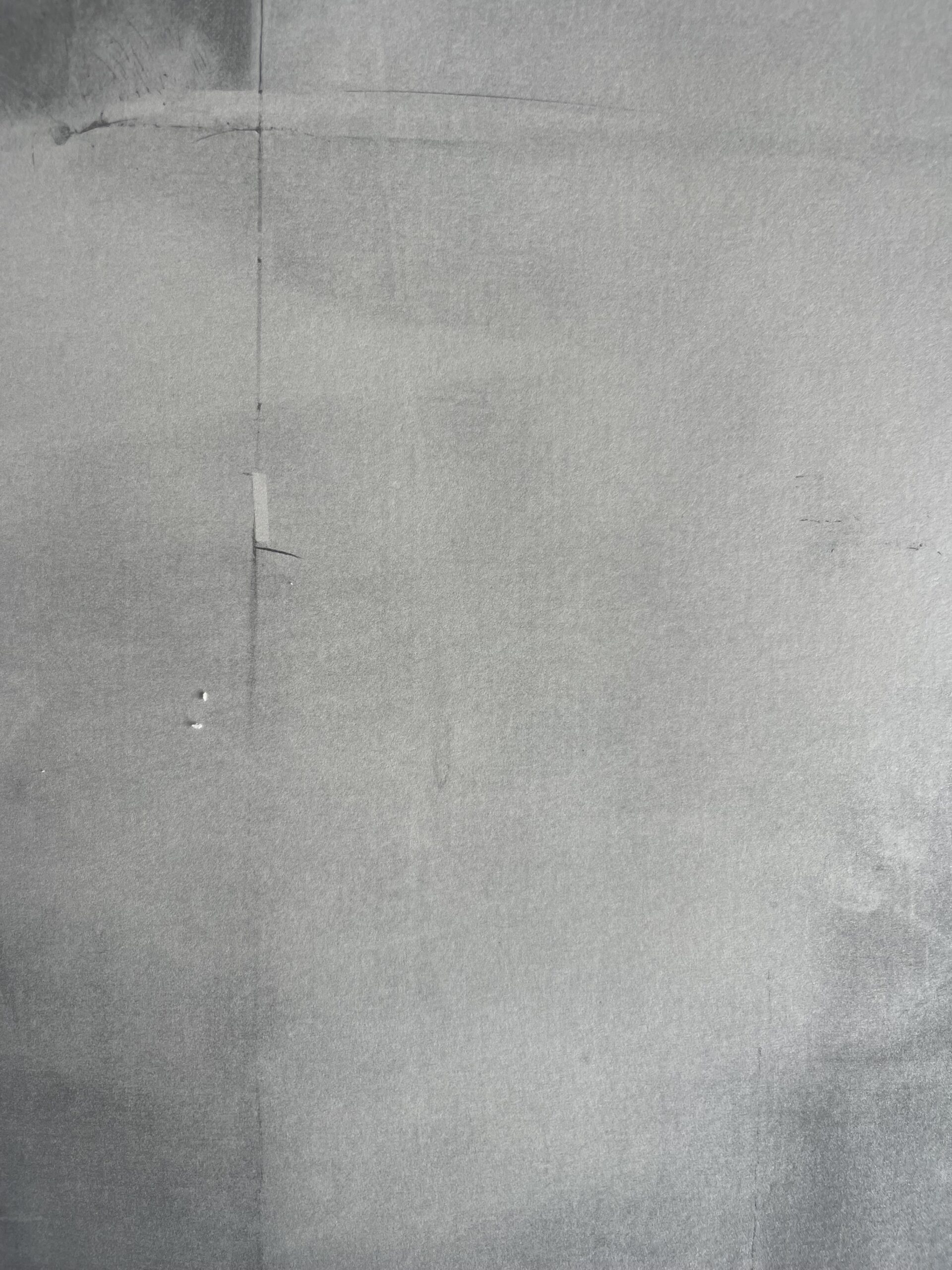
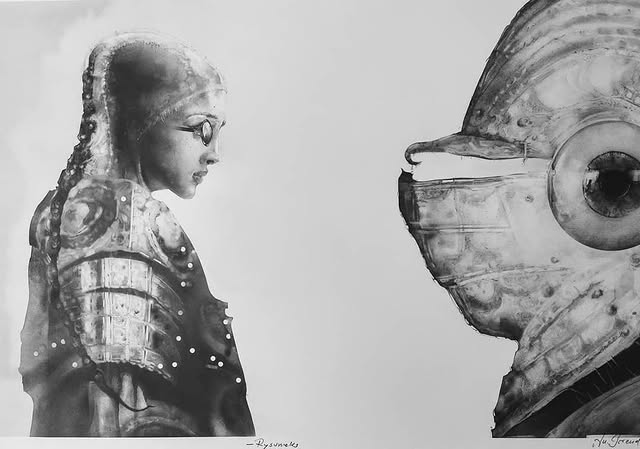
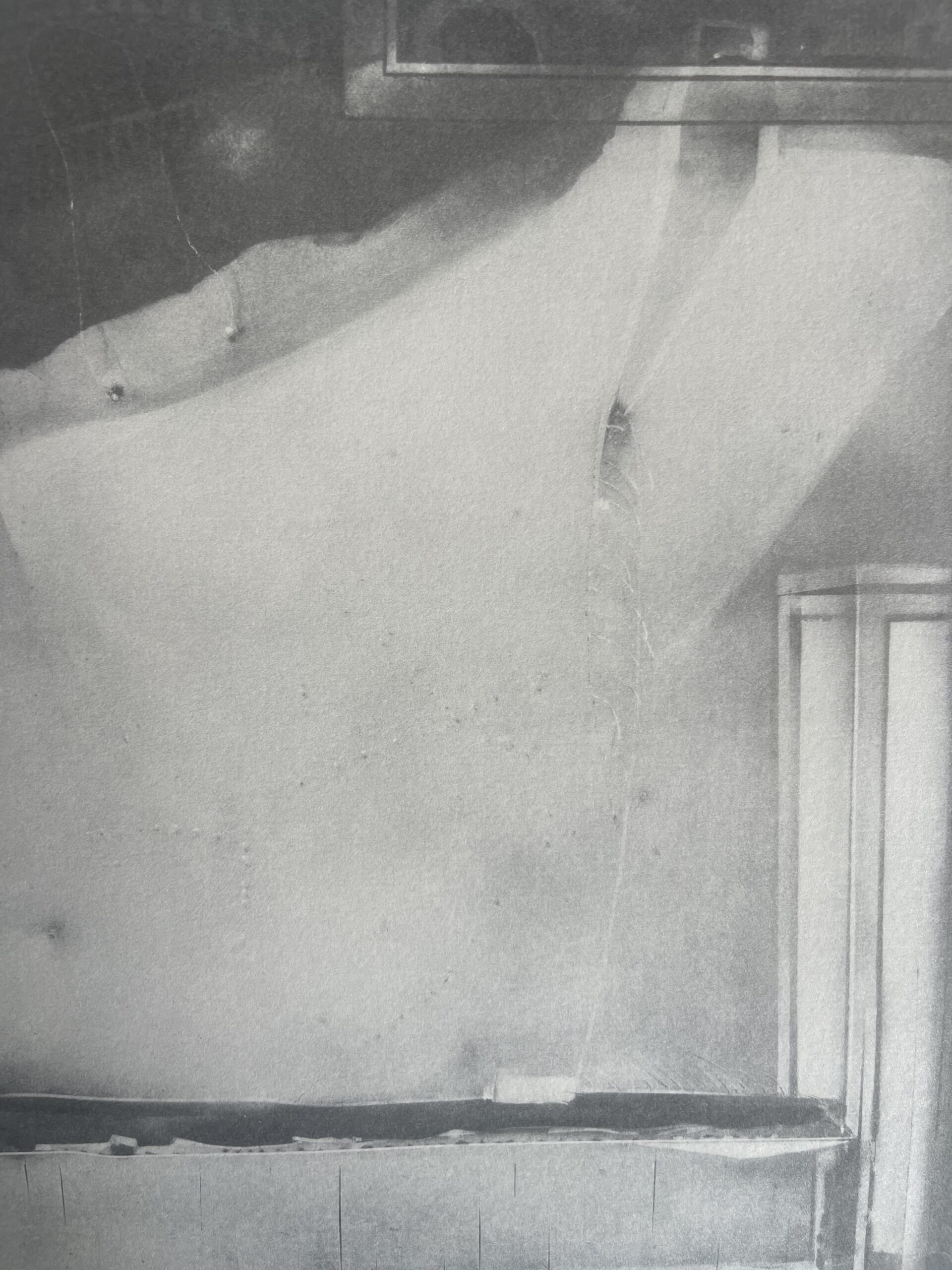
In the early 1990s, Grenda developed his own drawing technique, applying transparent layers of liquid graphite mixed with various viscous media to paper. These graphite mixtures could be removed or altered at will, creating a dynamic interplay between control and spontaneity. Despite the experimental media, the pencil remained a central tool. This approach allowed him to achieve a wide range of black and gray tones.
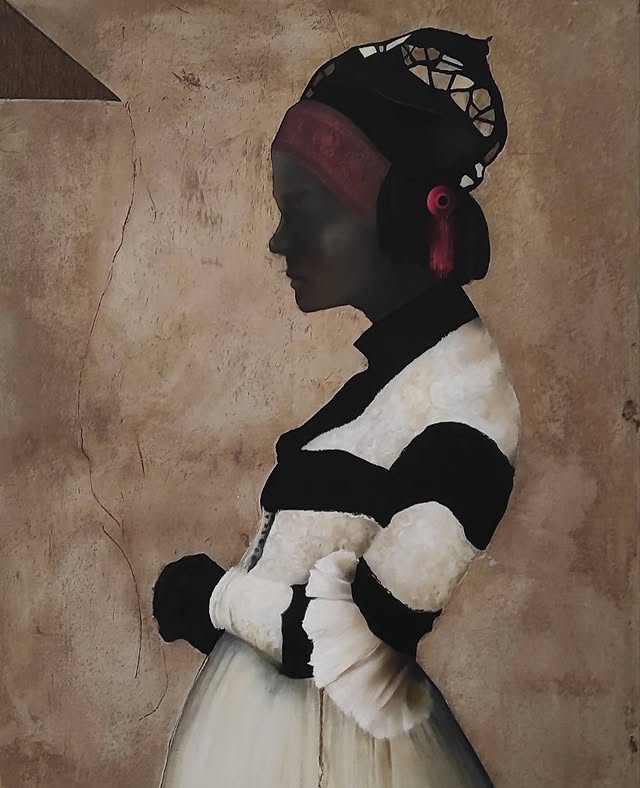
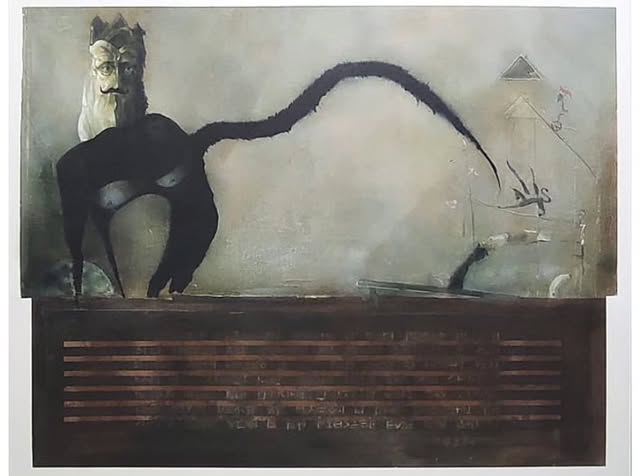
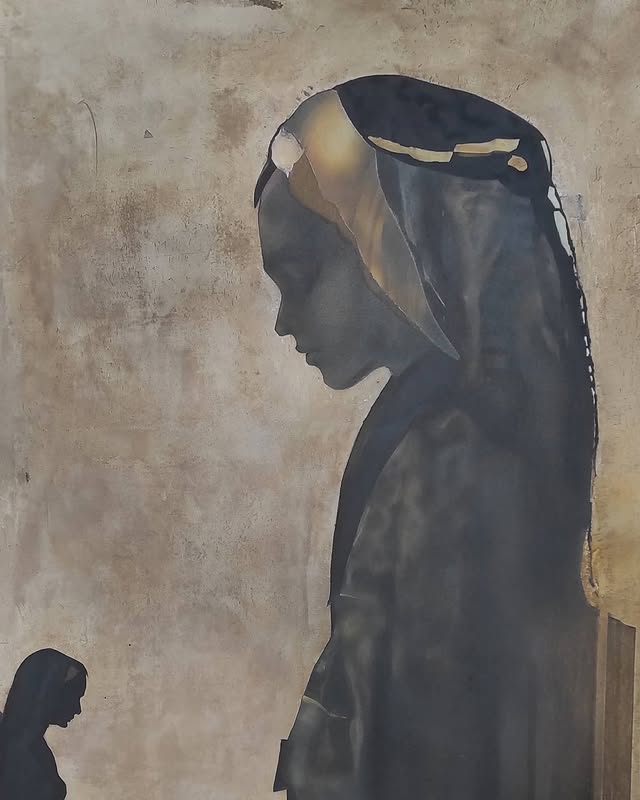
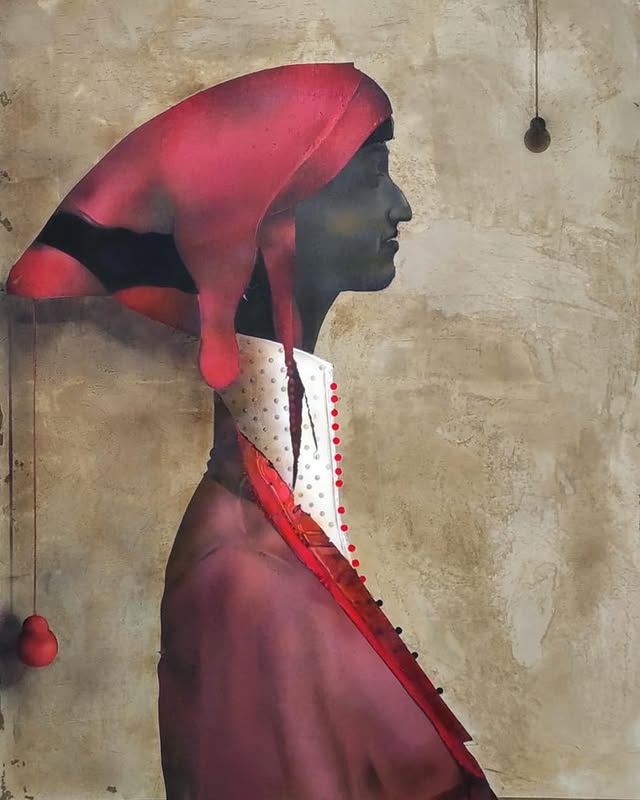
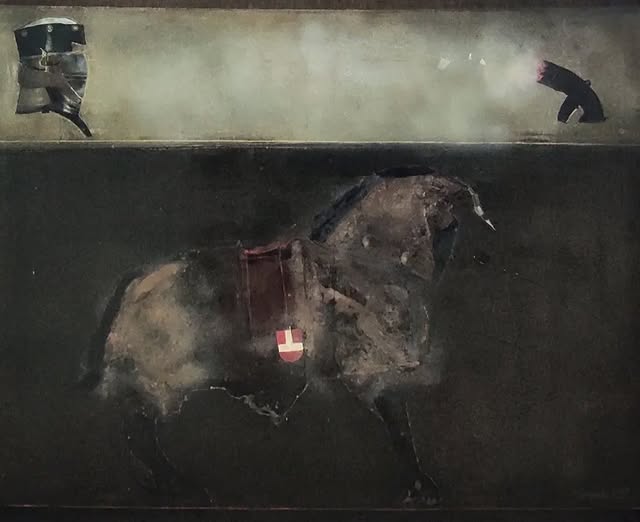
In the early 2000s, Grenda focused on large-format drawings—often triptychs—executed on paper or tightly woven, specially primed canvases. His themes revolved around nature as the visible world and included landscapes, time, and, most notably, the human figure—used as a vessel for exploring myths and philosophical ideas. Works like Waiting for You After Midnight, Woman Looking into the Past, Procession, Drugstore in Nice, Loneliness, and Prophecy II exemplify this phase. Critics have noted the layered narrative structure of these pieces, which operate on multiple spatial, temporal, and thematic planes, often evoking the traditions of antiquity and Christianity.
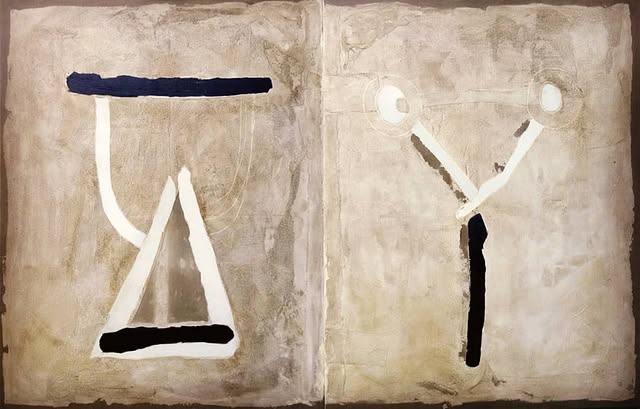
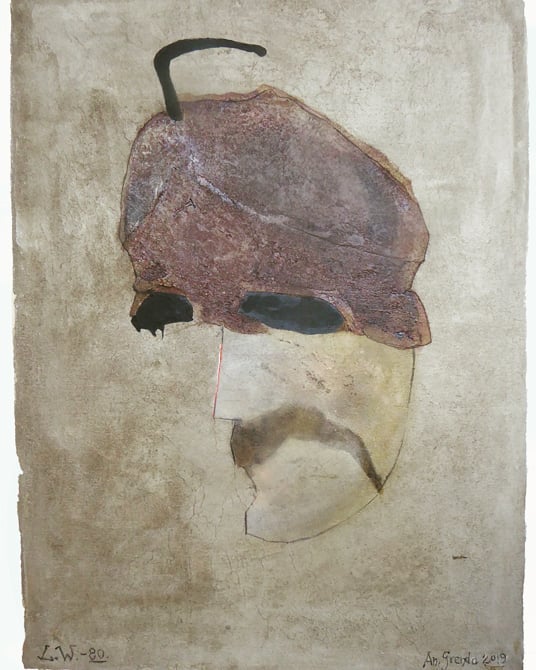
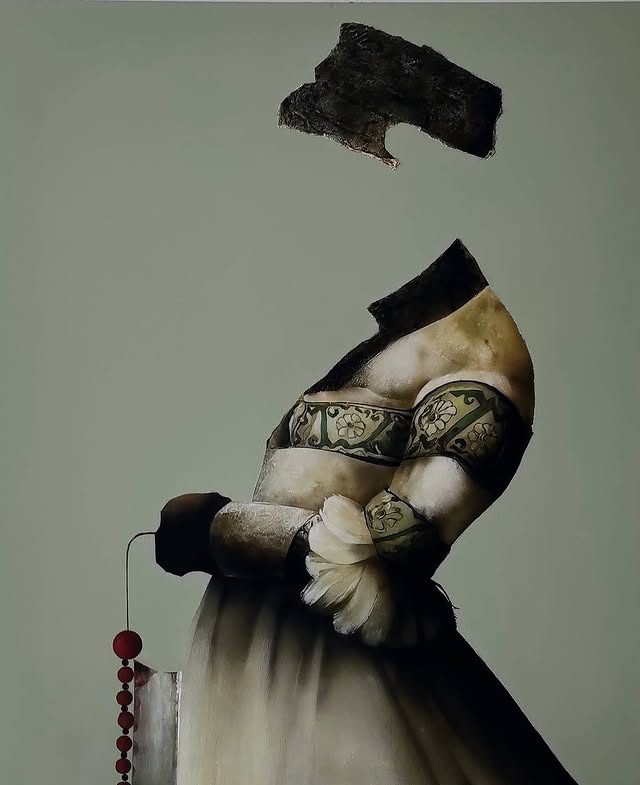
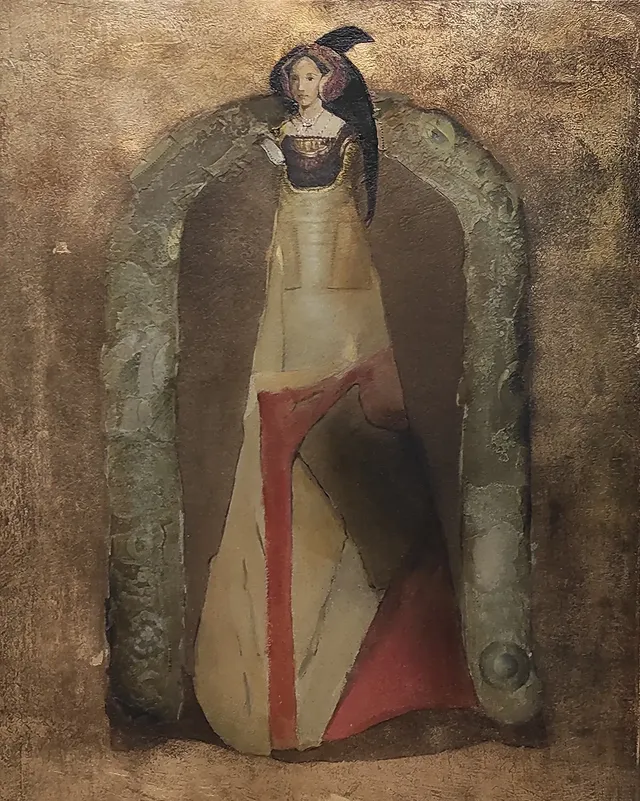
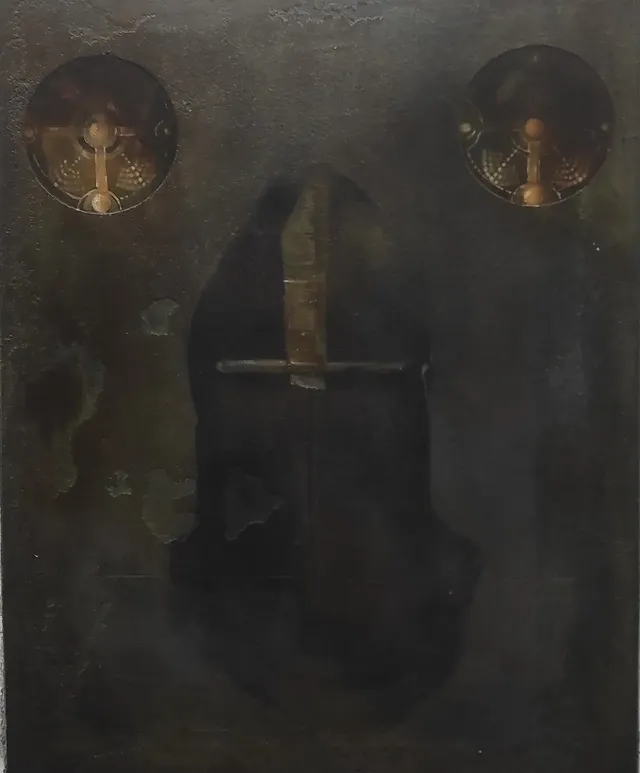
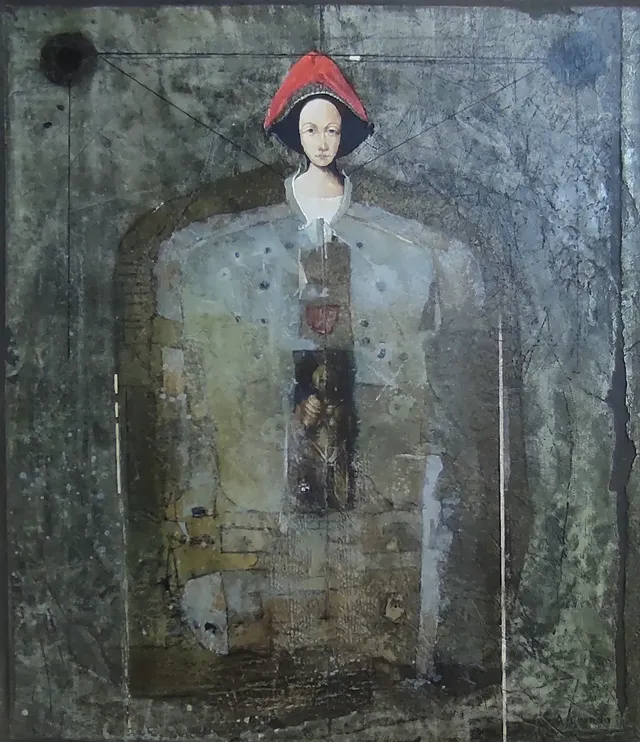
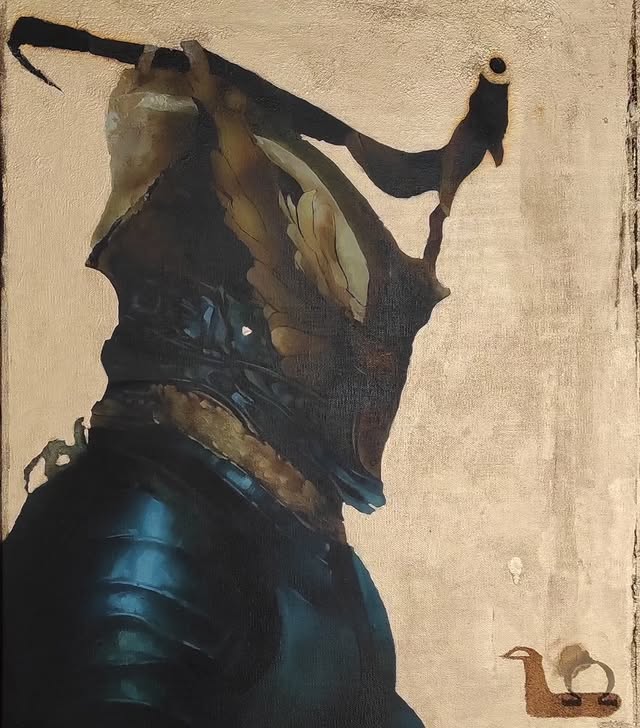
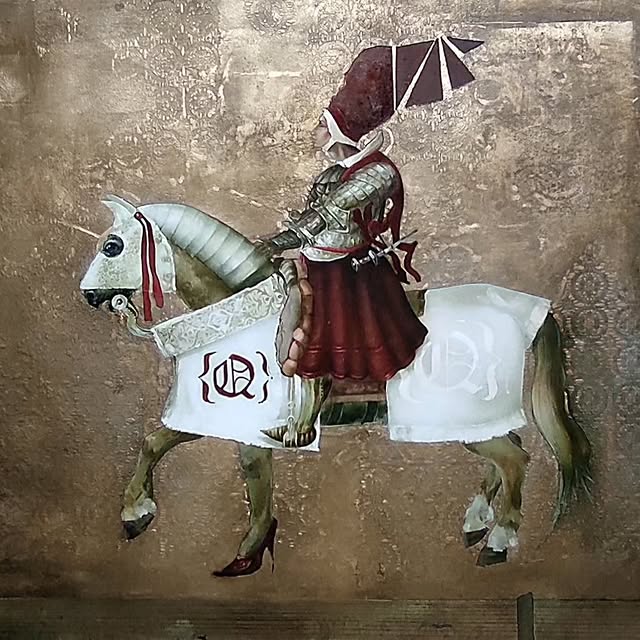
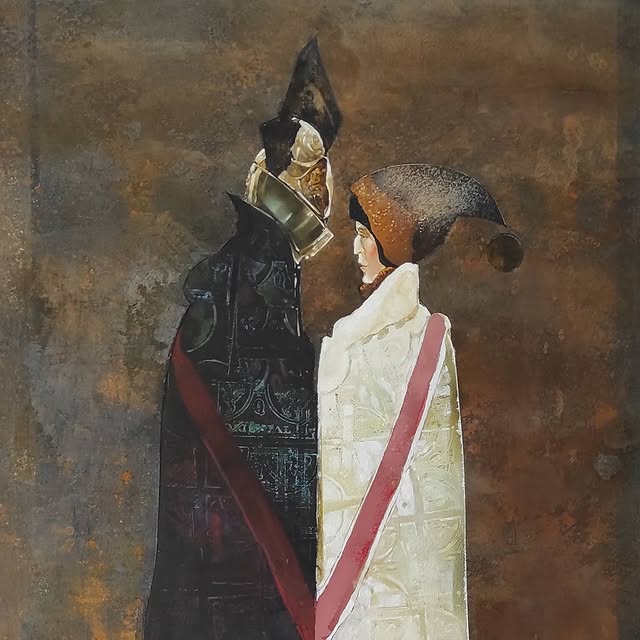
A similar scope of ideas can be observed in Grenda’s painting. His paintings, often marked by dreamlike dislocation and ambiguity, draw directly from the realms of myth and archetype. Simplified signs—reminiscent of calligraphy or automatic writing—play a significant role, imbuing his visual language with symbolic resonance. The intensity of these symbolic forms has led some to describe his work as a kind of painterly hermeneutics—an art of interpreting and unearthing the primal meaning embedded in visual signs.
1991 – Neo-Art Gallery, Treviso, Italy
2001 – Browarna Gallery, Łowicz
2005 – Bureau of Art Exhibitions (BWA), Sandomierz
2007 – BWA, Rzeszów
2014 – BWA, Kielce
2016 – Willa Gallery, Łódź
2018 – Kunstverein und Stadtmuseum, Zweibrücken, Germany
2019 – Jatki Gallery, Ostrów Mazowiecka
2022 – Piwnica Pod Cieniami, Krosno