This is a demo store for testing purposes — no orders shall be fulfilled. Dismiss
Skip to content(April 16, 1930, Zofianów near Garwolin – May 7, 2015)
Polish illustrator and printmaker.
Antoni Boratyński illustrated dozens of children’s books, fairy tales, and fables, but he also designed graphic layouts for volumes of poetry. Above all, it is poeticism that stands out most vividly across his body of work.
He studied at the Academy of Fine Arts in Warsaw (1950–1951) and later at the Hungarian University of Fine Arts in Budapest (1951–1956), where he earned his degree in Graphic Arts under György Koneczny. While he quickly dedicated himself to applied graphics, especially book illustration, his artistic interests were broader — including painting and drawing. He was a member of XYLON, the International Association of Wood Engravers, founded in the 1950s in Zurich.
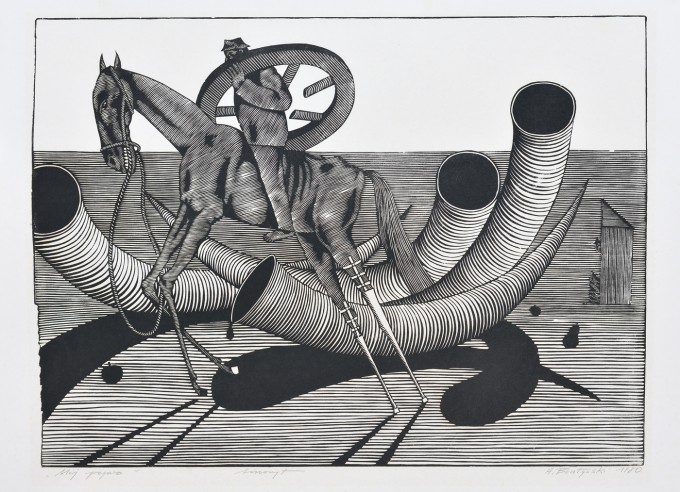
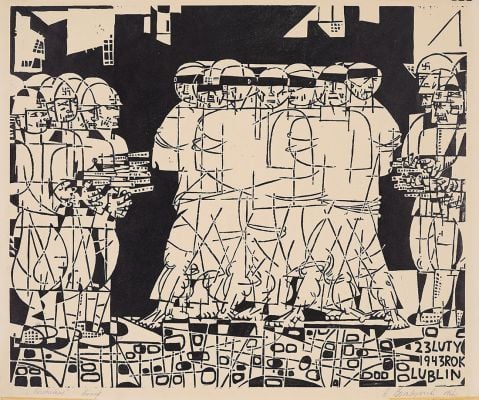
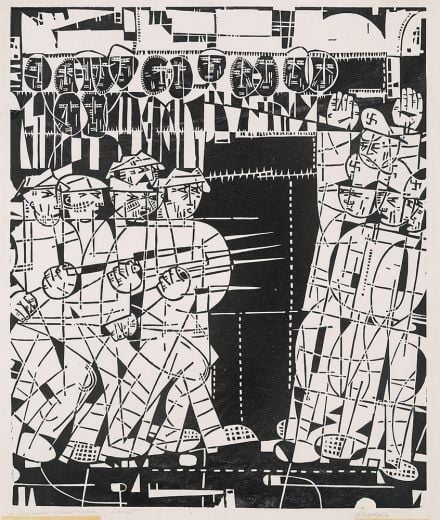
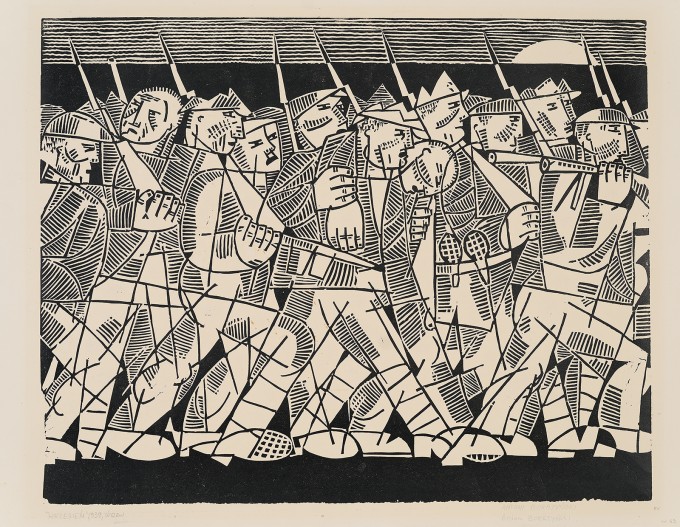
His linocuts and woodcuts, housed in the collection of the Zachęta National Gallery of Art, differ significantly from his children’s book illustrations. Works such as Execution, Liberation of Prisoners, and September 1939 are stark, black-and-white rhythmic compositions that process the artist’s wartime memories.
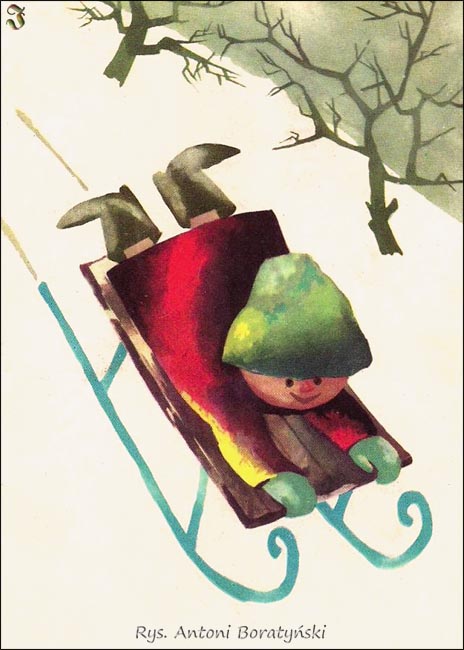
As an illustrator, Boratyński collaborated with numerous Polish publishers, including Nasza Księgarnia, Iskry, Ludowa Spółdzielnia Wydawnicza, and Glob. His illustrated books were published in 16 countries, and he frequently participated in major national and international art exhibitions.
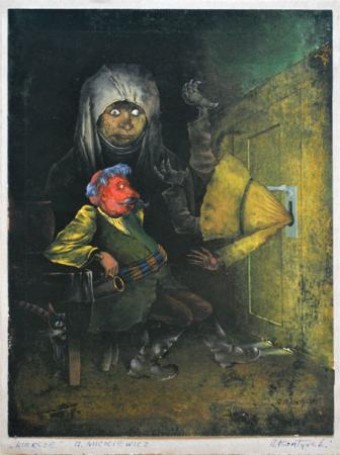
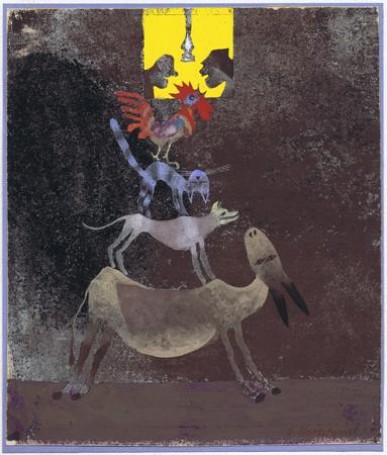
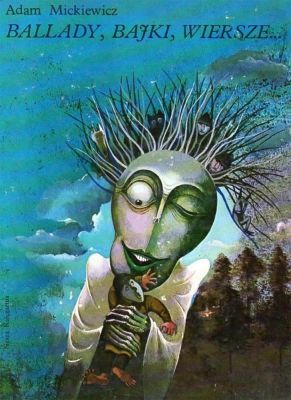
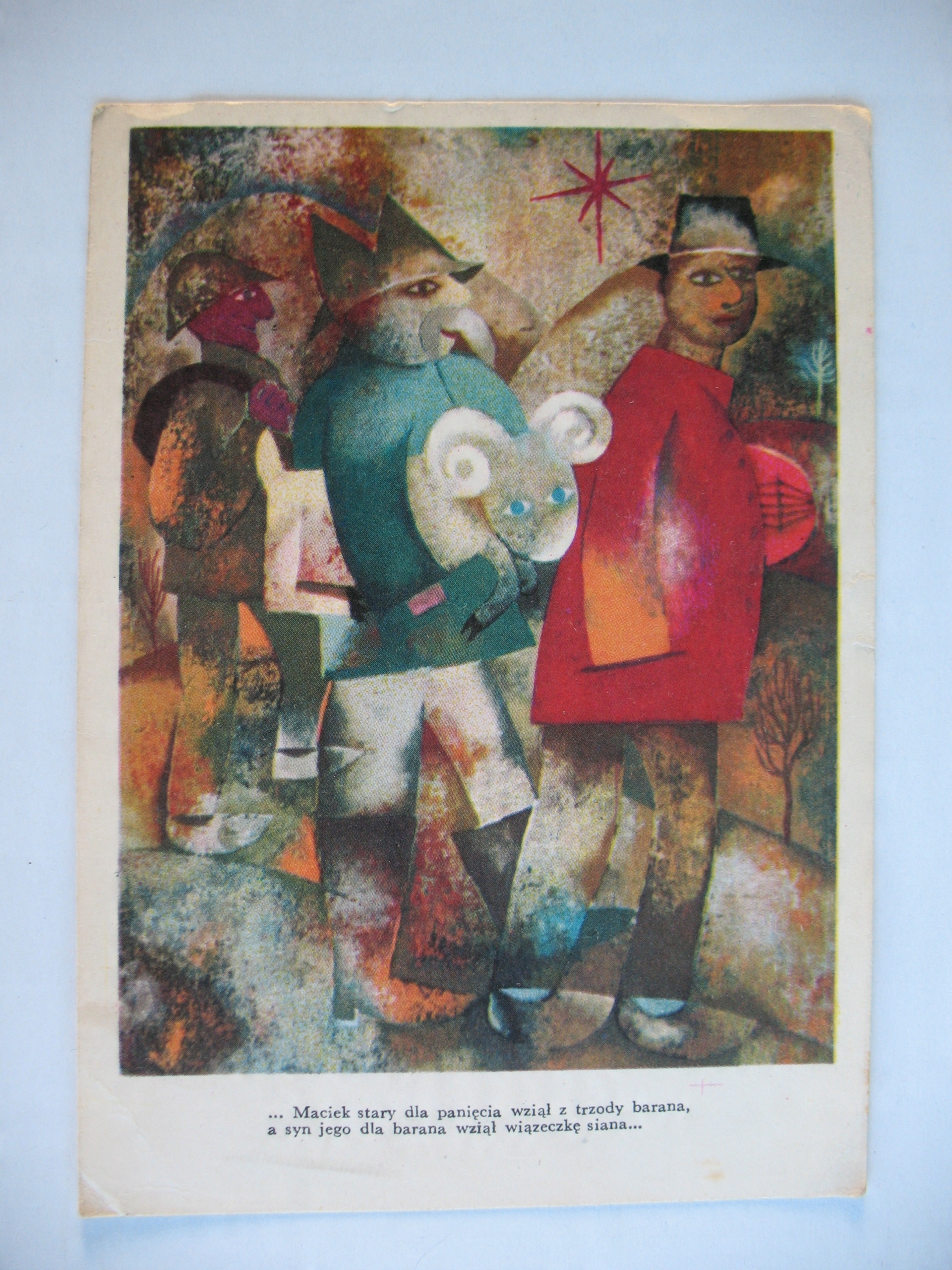
Boratyński created illustrations for children’s books, collections of fairy tales and fables, but also for works by Polish poets such as Adam Mickiewicz, Bolesław Leśmian, and Konstanty Ildefons Gałczyński. He carefully tailored the visual atmosphere of his illustrations to suit the tone of the text.
For example:
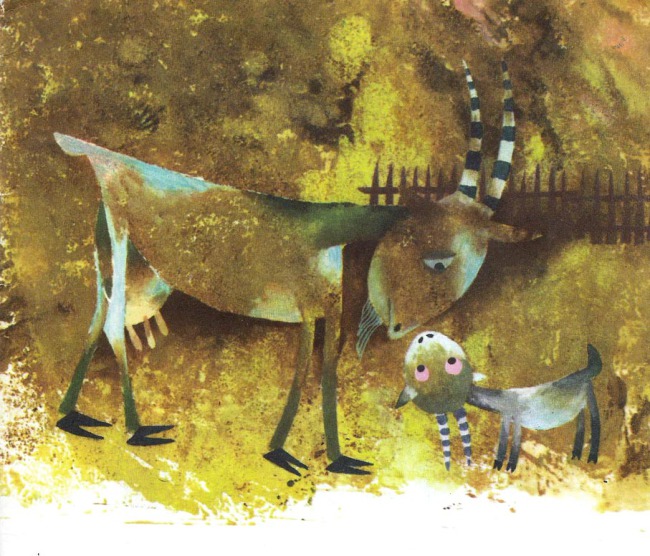
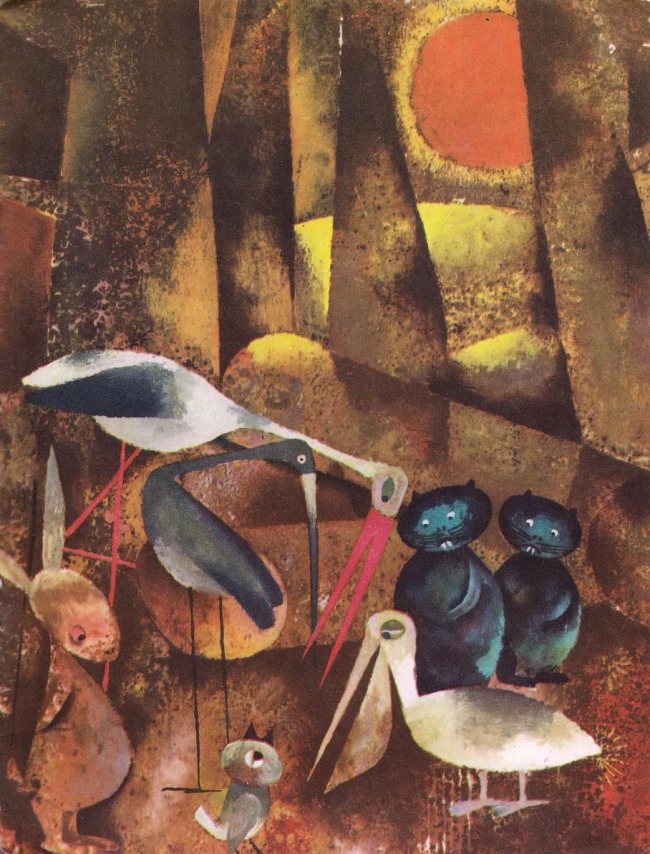
The animal fables of Jan Sztaudynger are accompanied by black-and-white graphics introducing each rhymed tale’s protagonist.
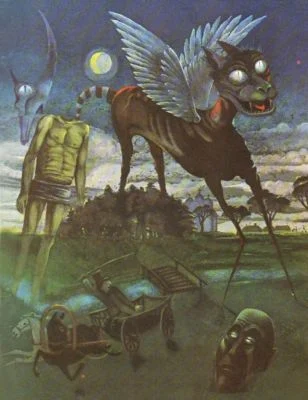
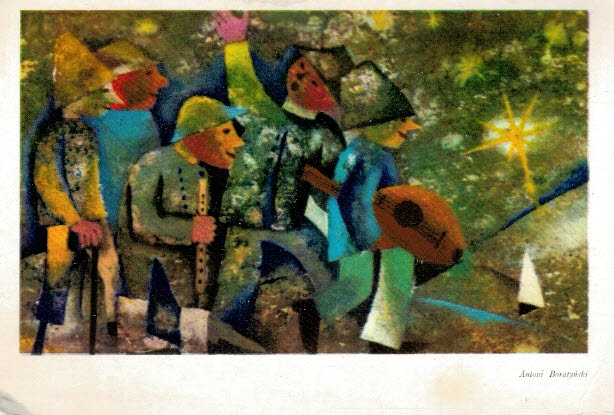
The collection Strange Silesian Legends (Przedziwne śląskie powiarki) by Gustaw Morcinek features colorful, dreamlike landscapes populated by mysterious figures.
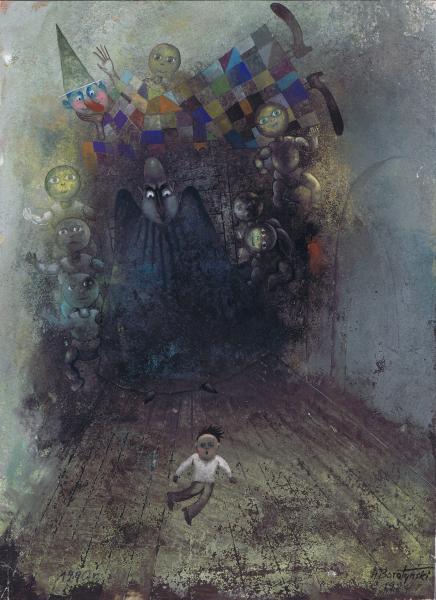
His illustrations for Janina Kulmowa and Hanna Januszewska are often dark and intense.
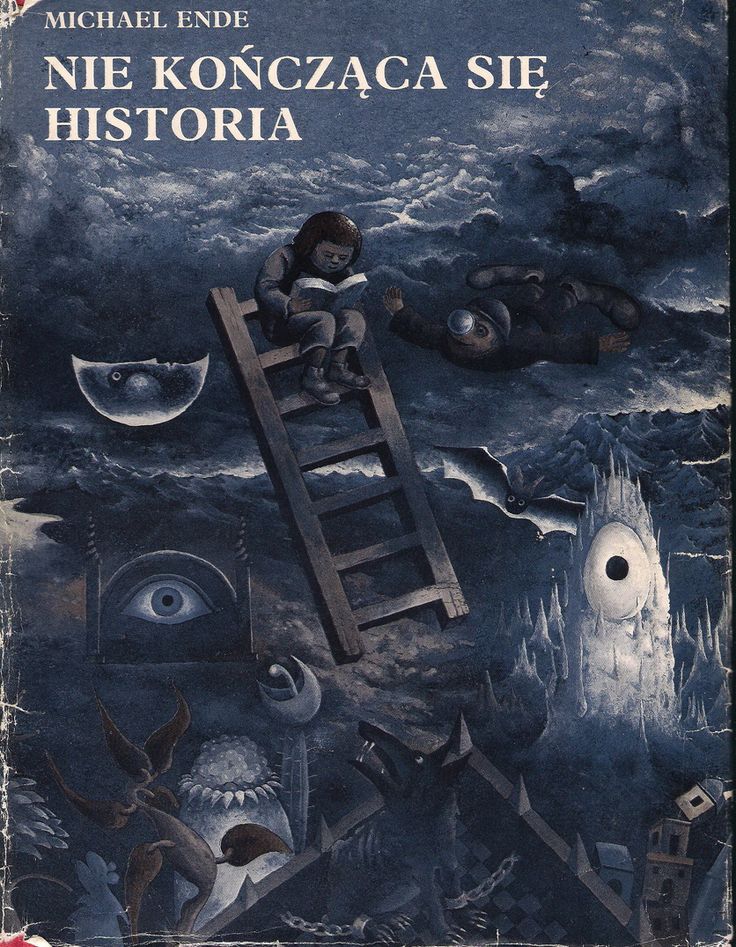
His work for the classic fantasy novel The Neverending Story by Michael Ende (later adapted into a well-known film) is rich in fantastical worlds, characters, and scenes.
In The Mad Clock (Szalony zegar), created in collaboration with art historian and surrealism scholar Agnieszka Taborska, Boratyński built another poetic, unreal world.
Boratyński received numerous prestigious awards, including:
Polish Book Publishers Association (PTWK) awards for Krabat by Otfried Preussler (1977) and The Neverending Story by Michael Ende (1987), both published by Nasza Księgarnia.
The Prime Minister’s Award for artistic work for children and young adults (1976).
The Austrian Illustrator of the Year Award for Der Sohn des Häuptlings (1996).
Inclusion on the IBBY Honour List (1978).
Participation in the exhibition Doctor Dolittle and Others: Polish Masters of Children’s Book Illustration.
In 2006, he was awarded the Bronze Medal for Merit to Culture – Gloria Artis.
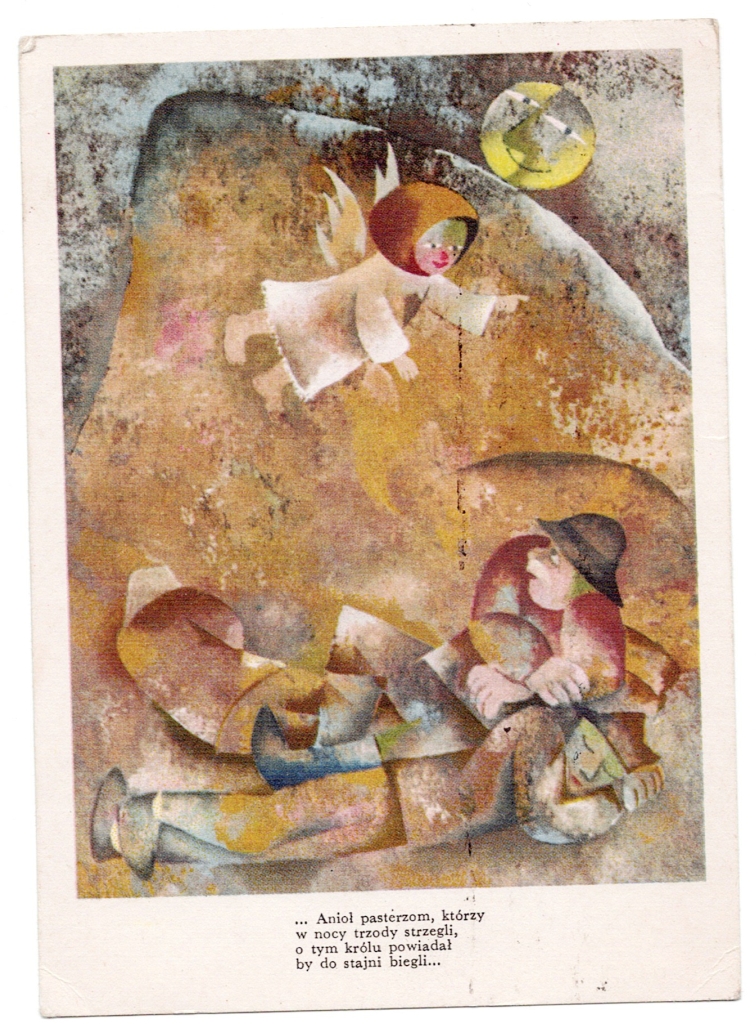
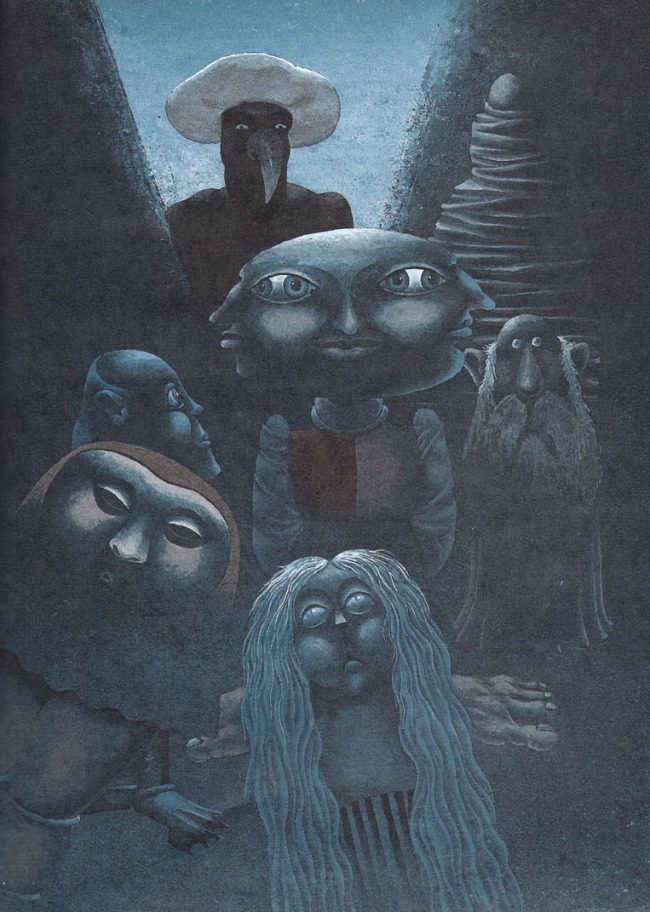
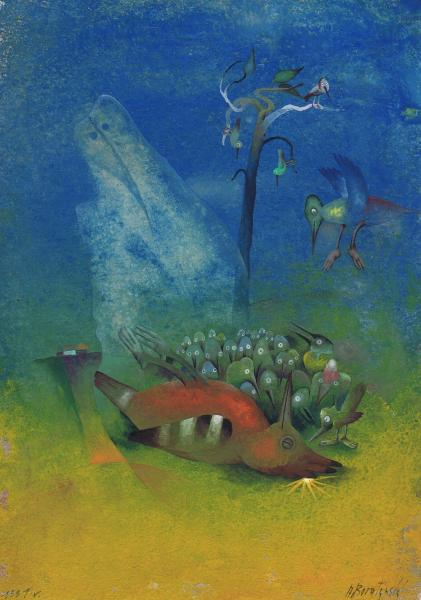
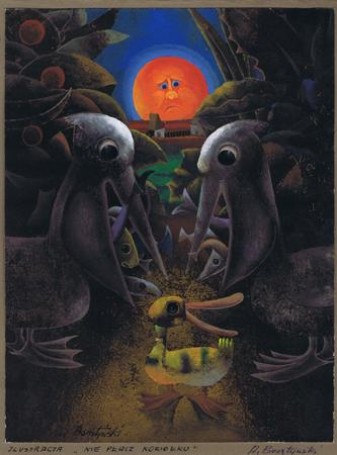
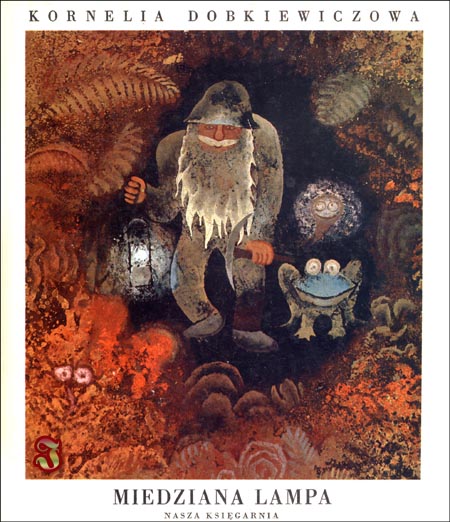
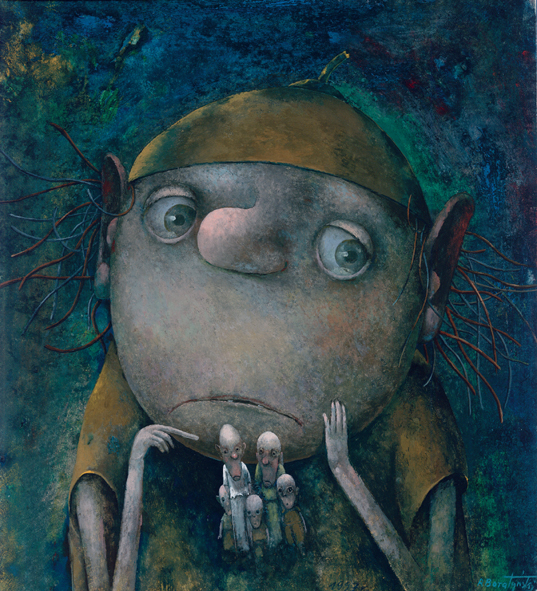
Boratyński’s illustrations — particularly those for children’s books — are immediately recognizable. Painted with a soft, brushlike technique, they lack sharp outlines and are typically rendered in a muted, limited color palette. His style is poetic, at times bordering on surrealism, featuring fantastical creatures, strange lands, floating figures, and magical animals.
The subdued tones and foggy atmosphere enveloping his compositions often evoke a sense of mystery or unease. Yet, it is this subtle ambiguity and lack of literalness that makes his illustrations resonate so powerfully with the imagination.