This is a demo store for testing purposes — no orders shall be fulfilled. Dismiss
Skip to content(b. February 23, 1903, Vilnius – d. May 23, 1976, Warsaw)
Polish illustrator, draftsman, and set designer.
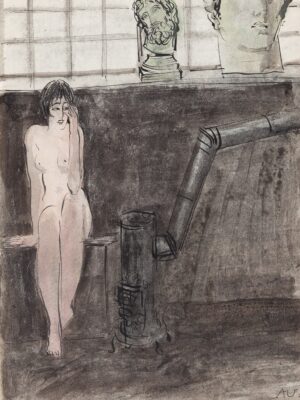
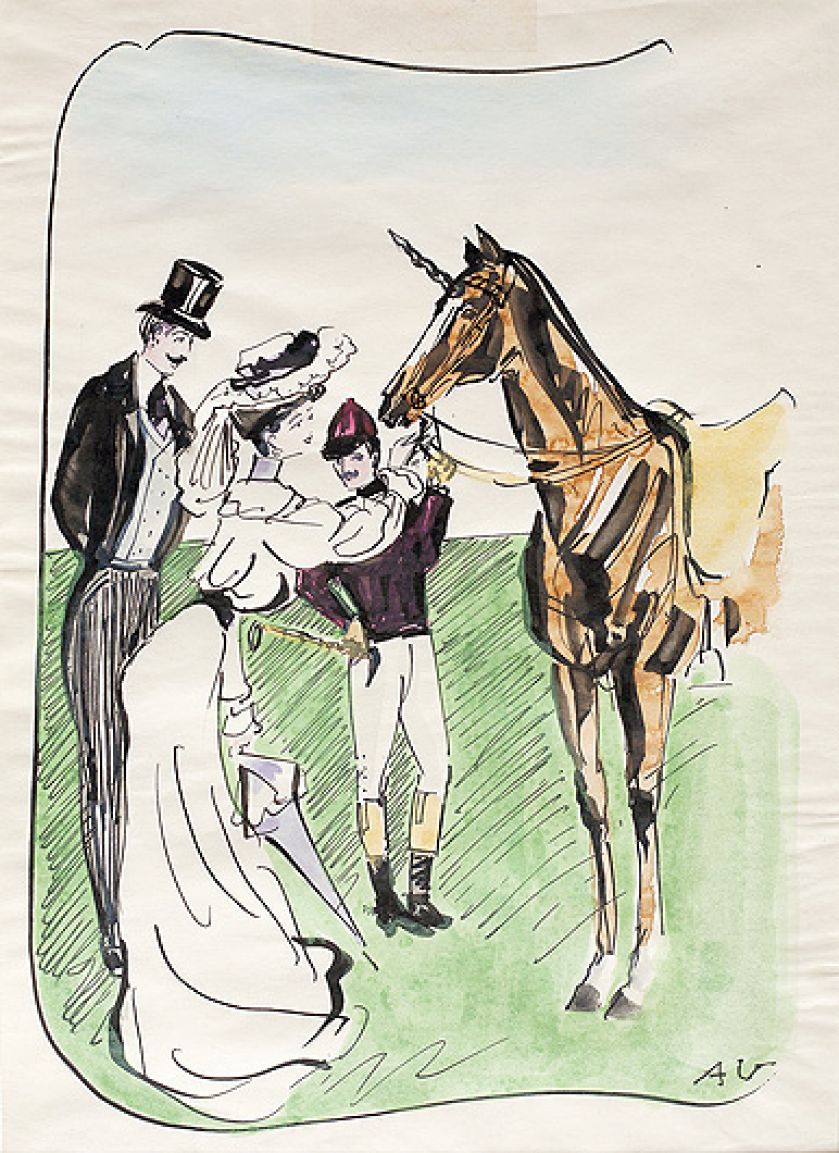
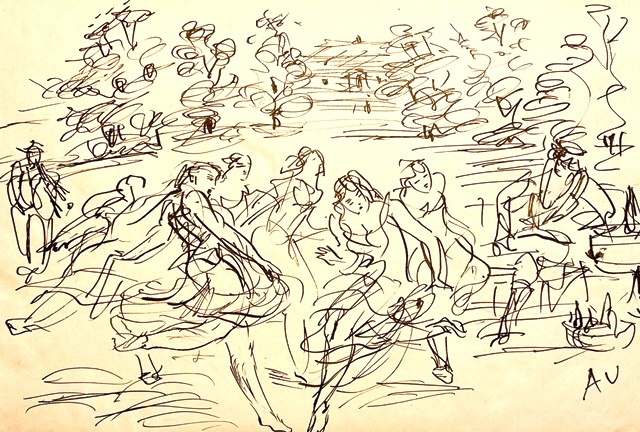
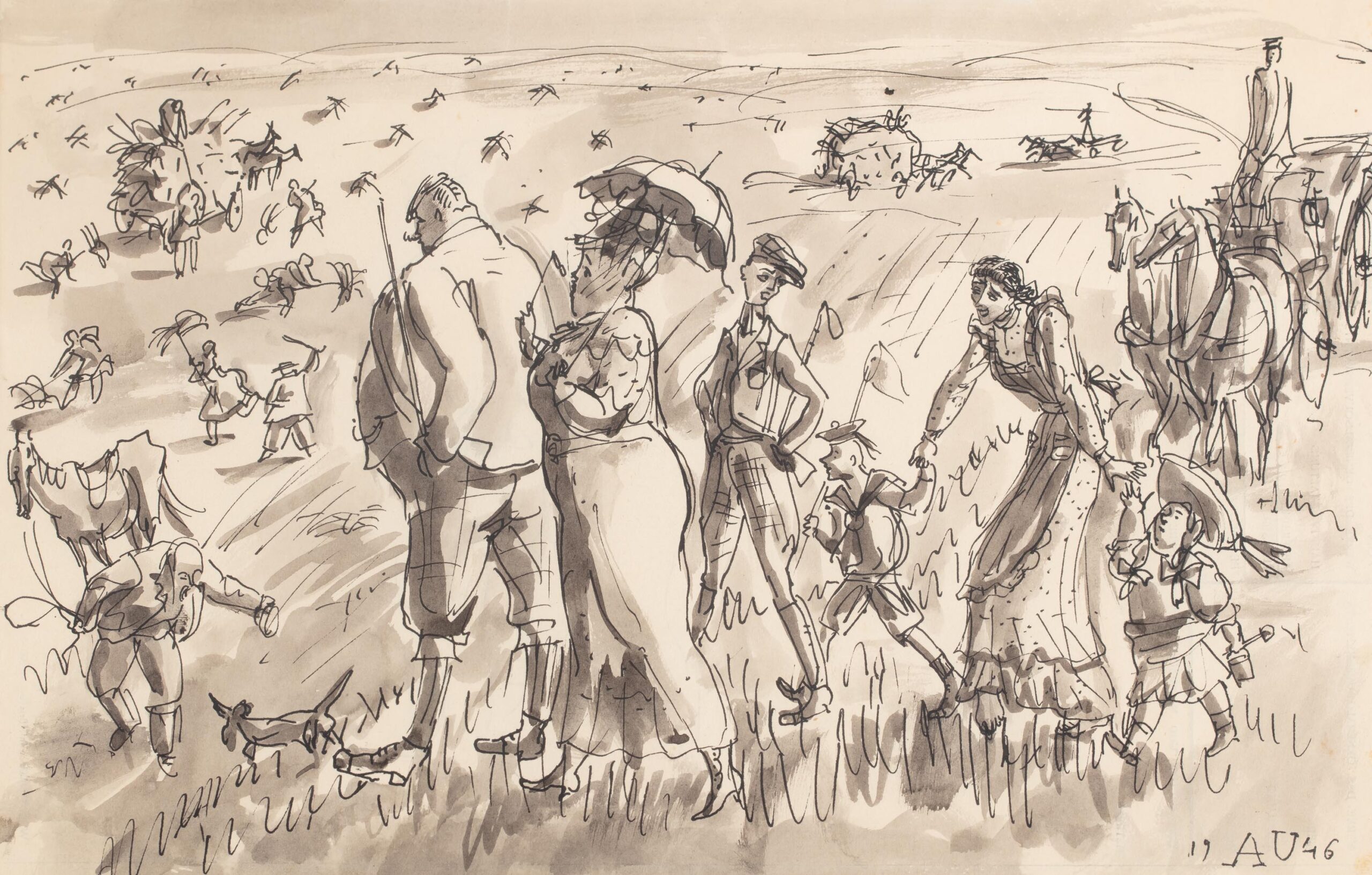
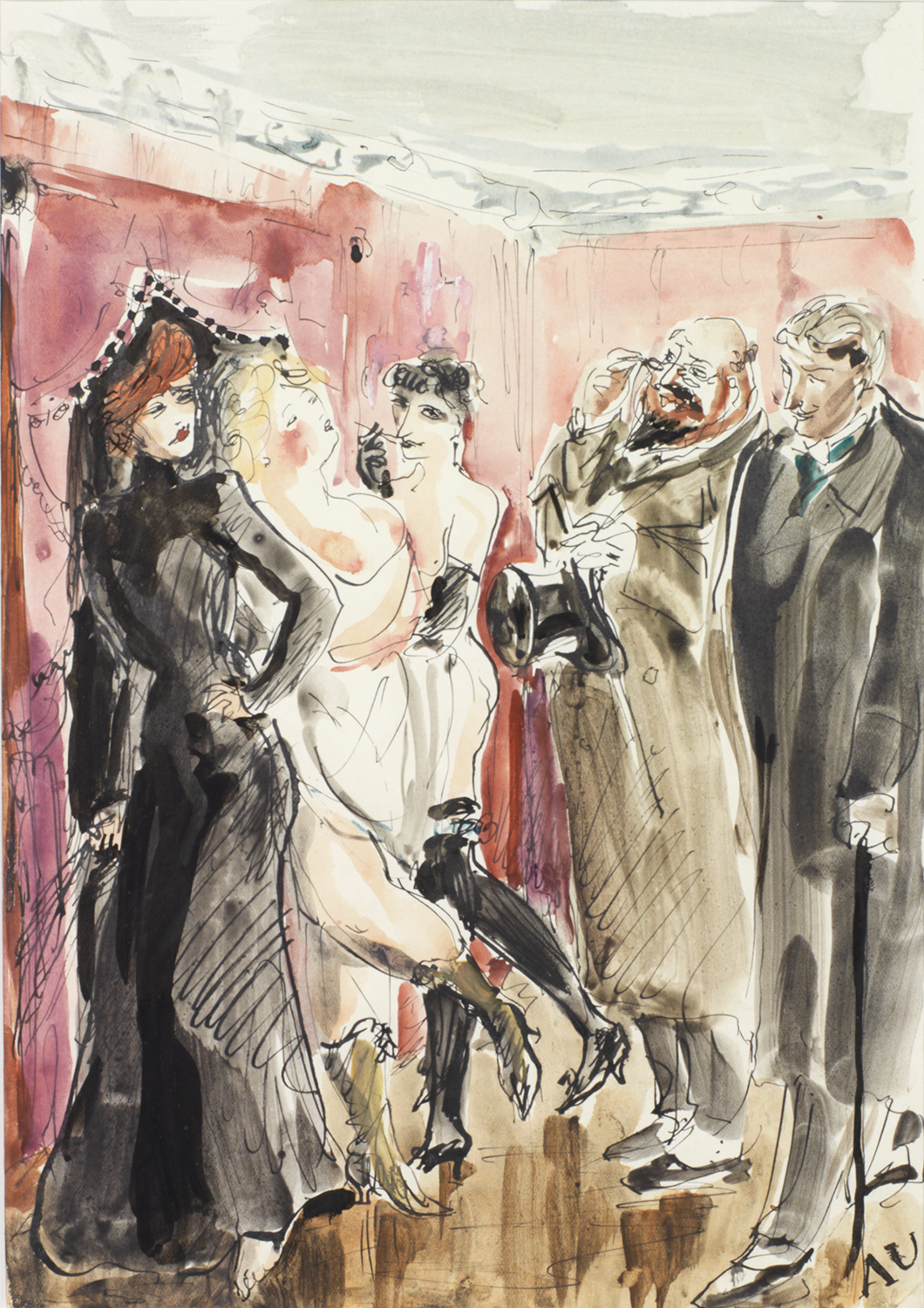
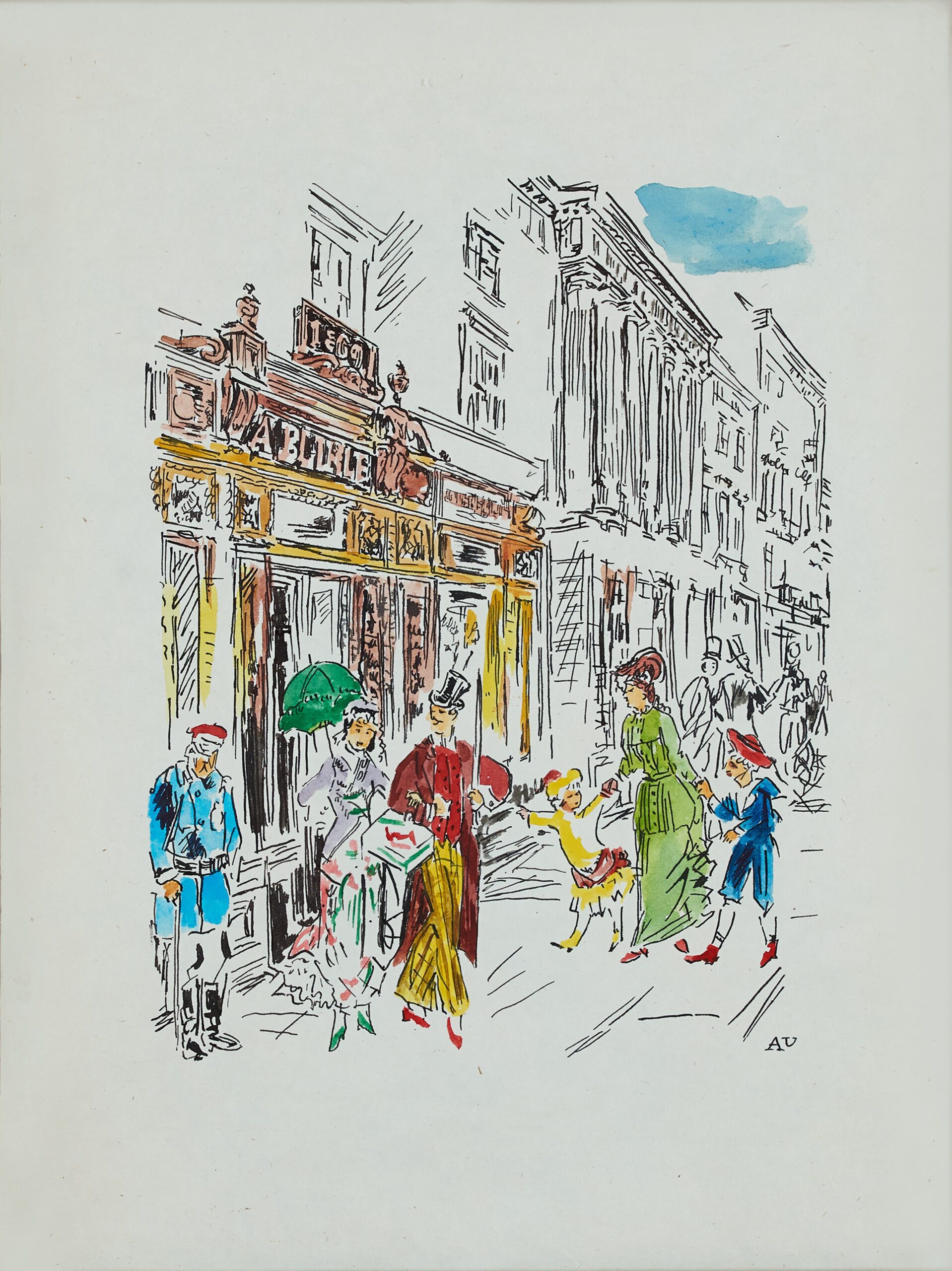
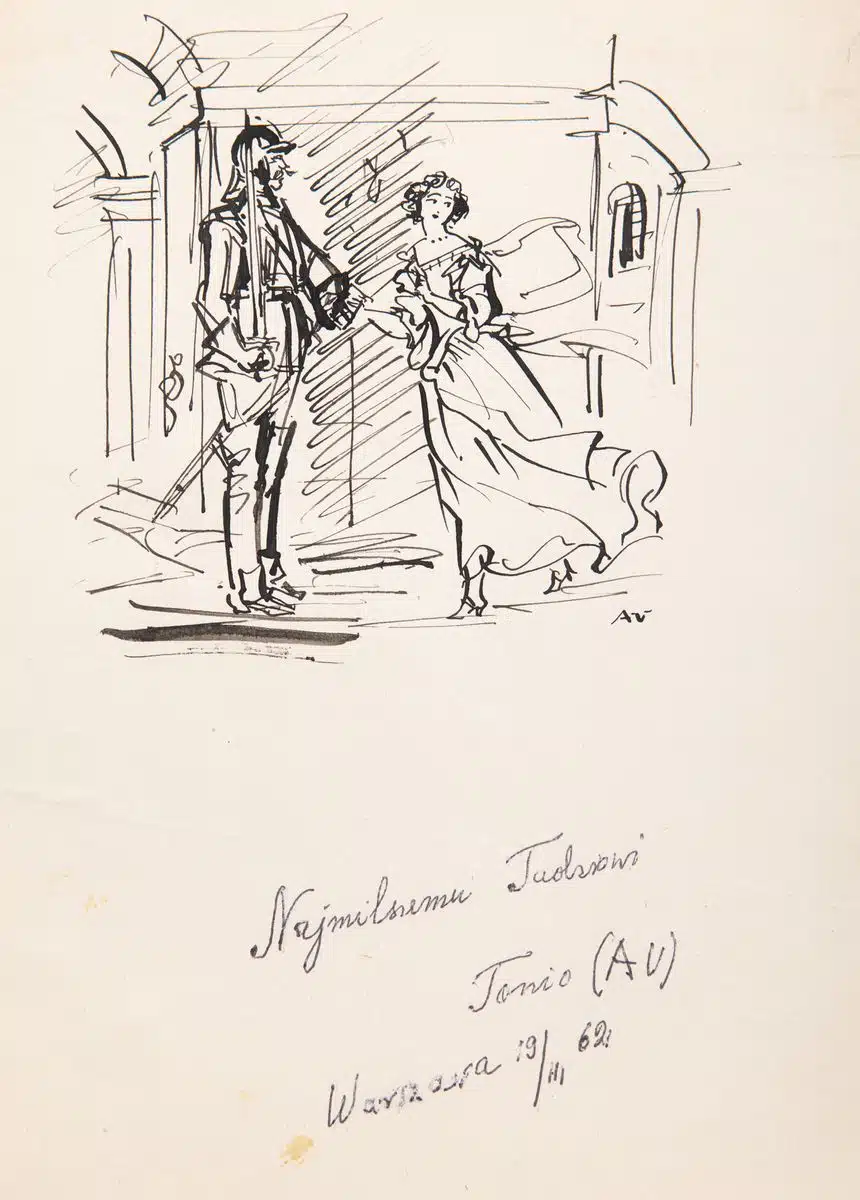
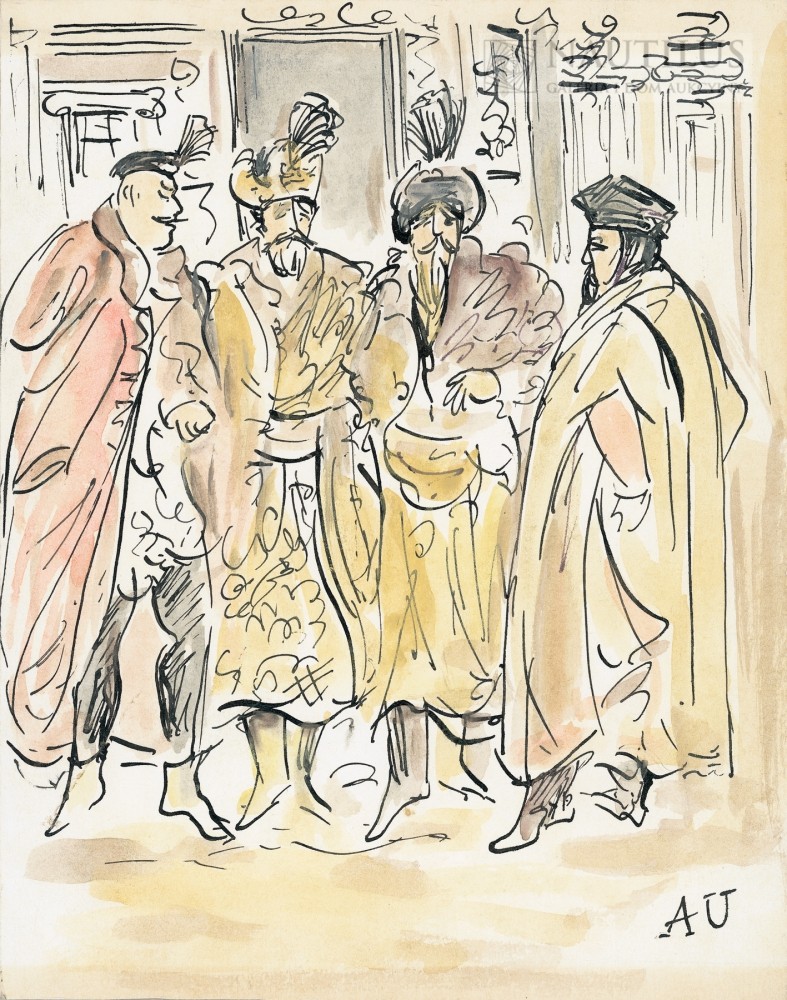
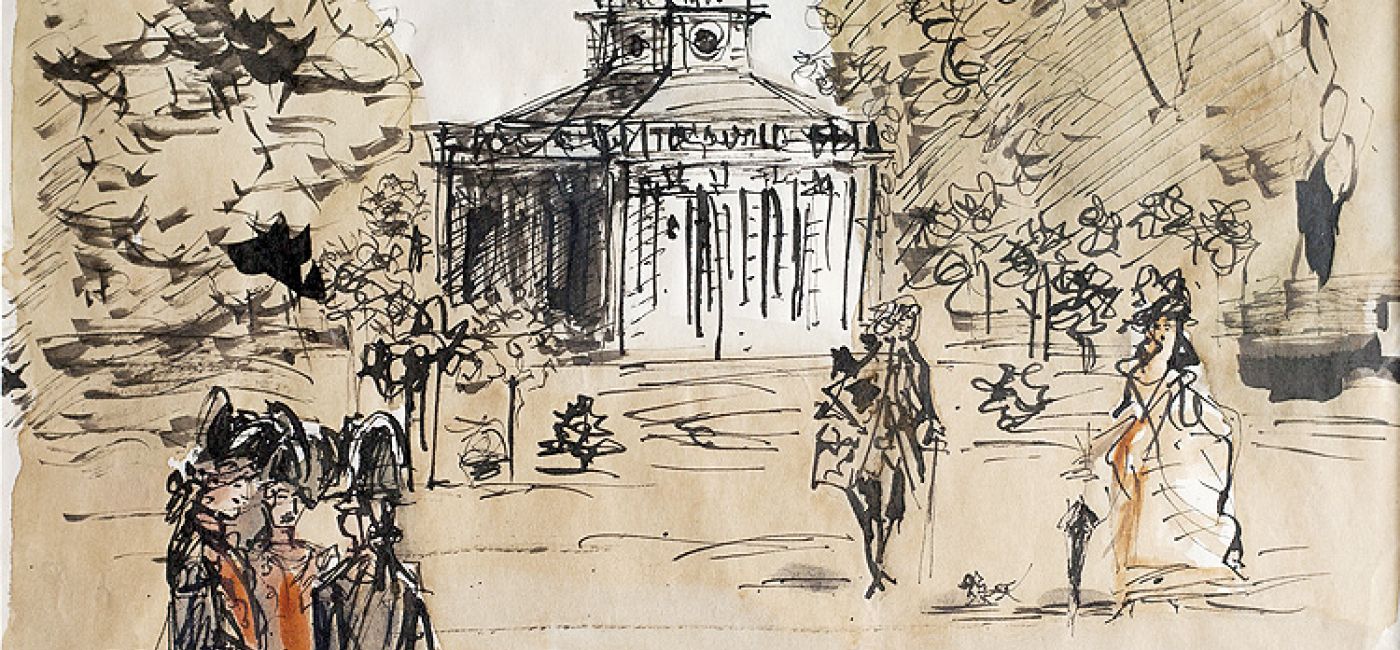
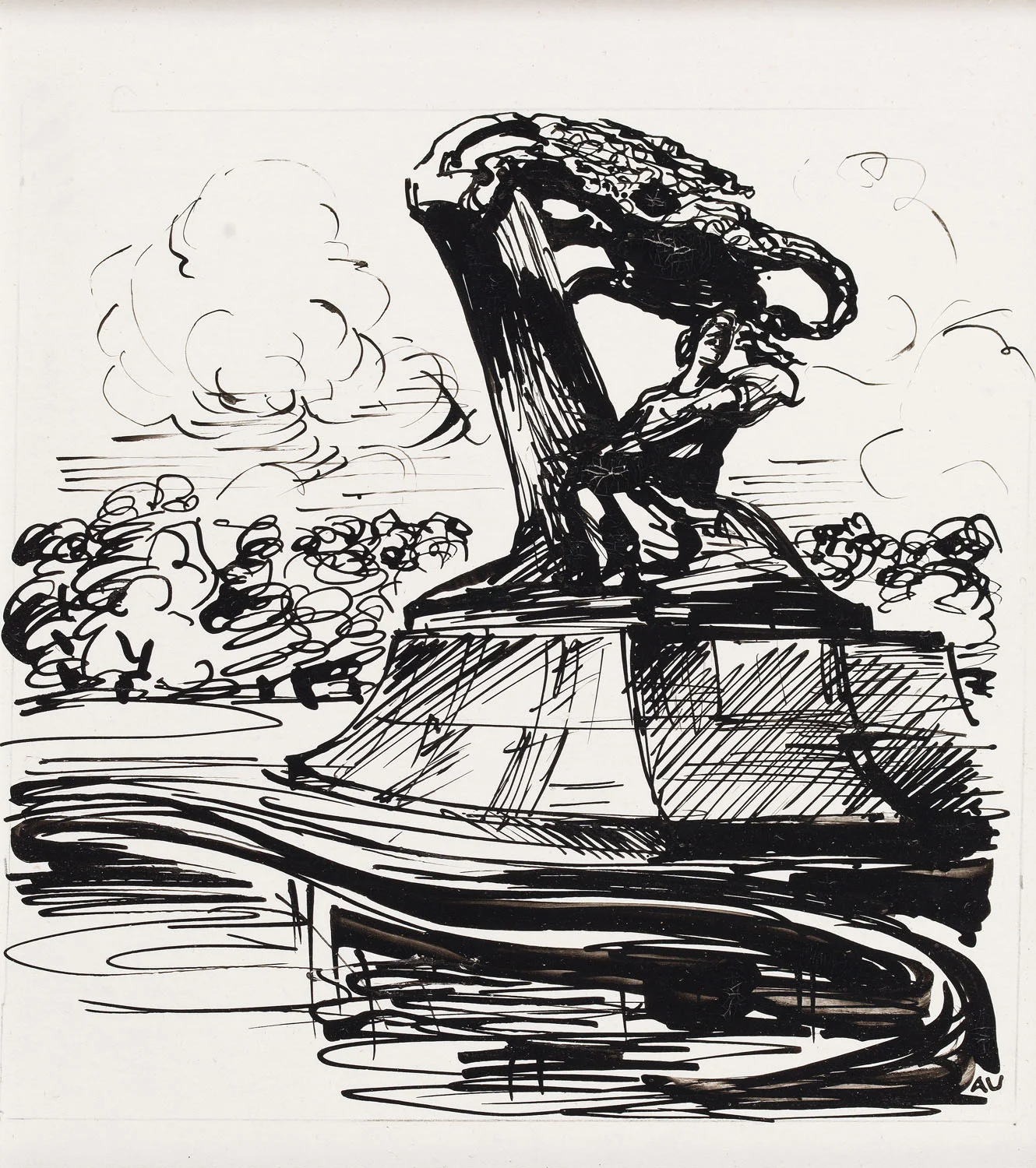
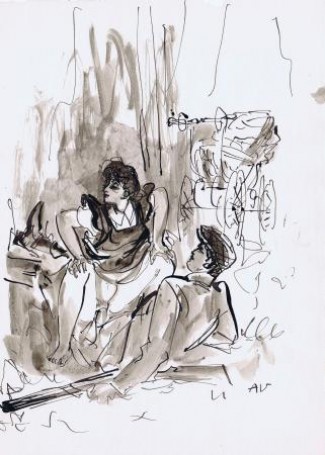
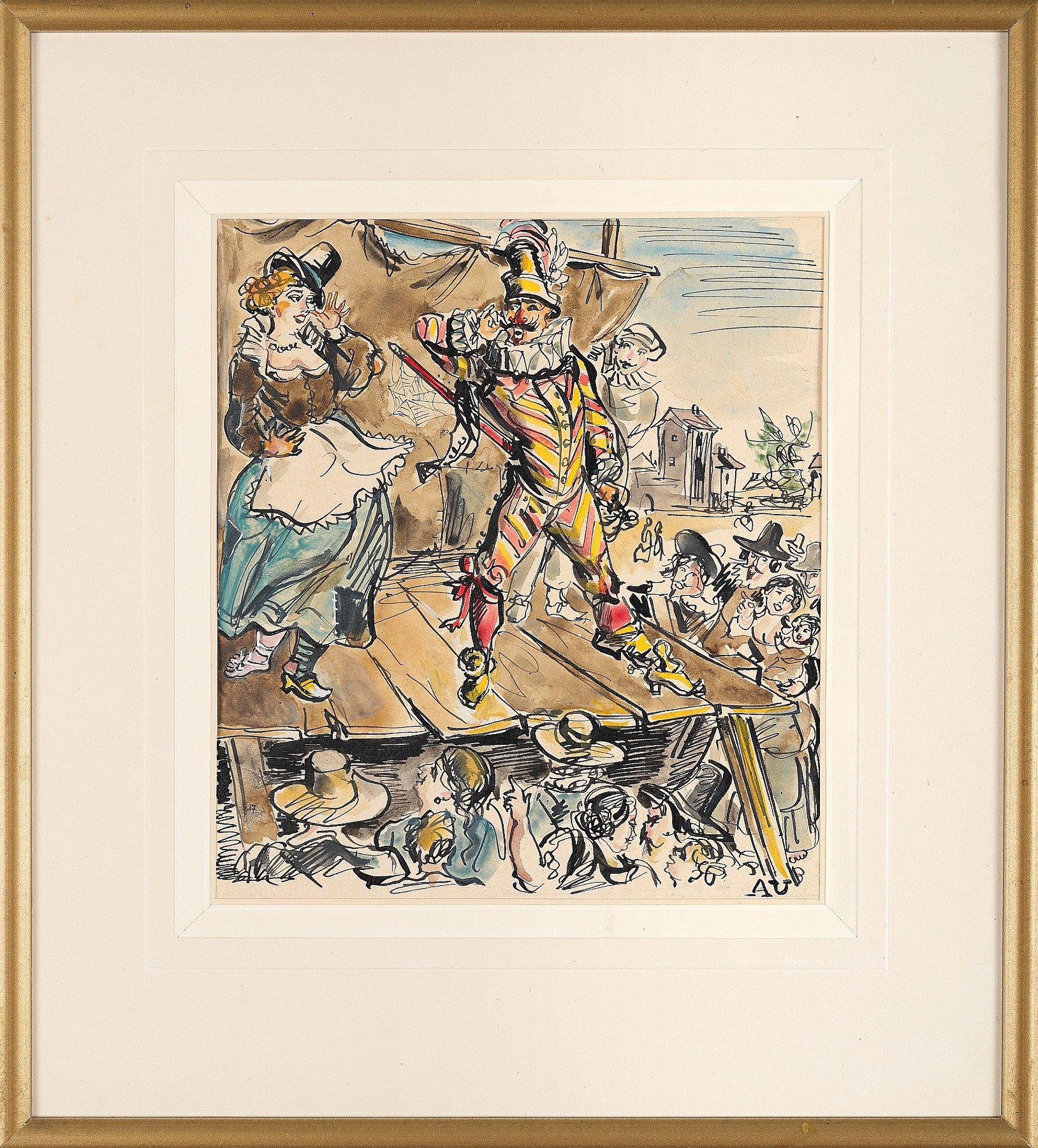
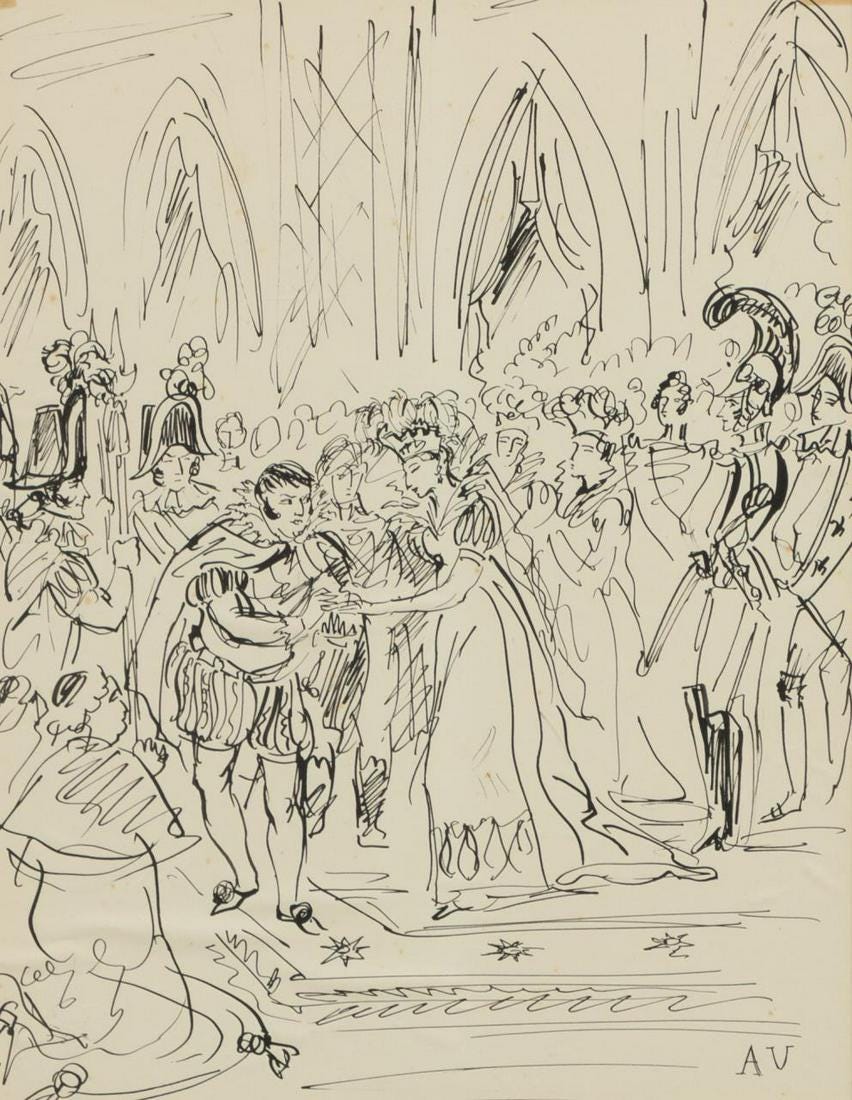
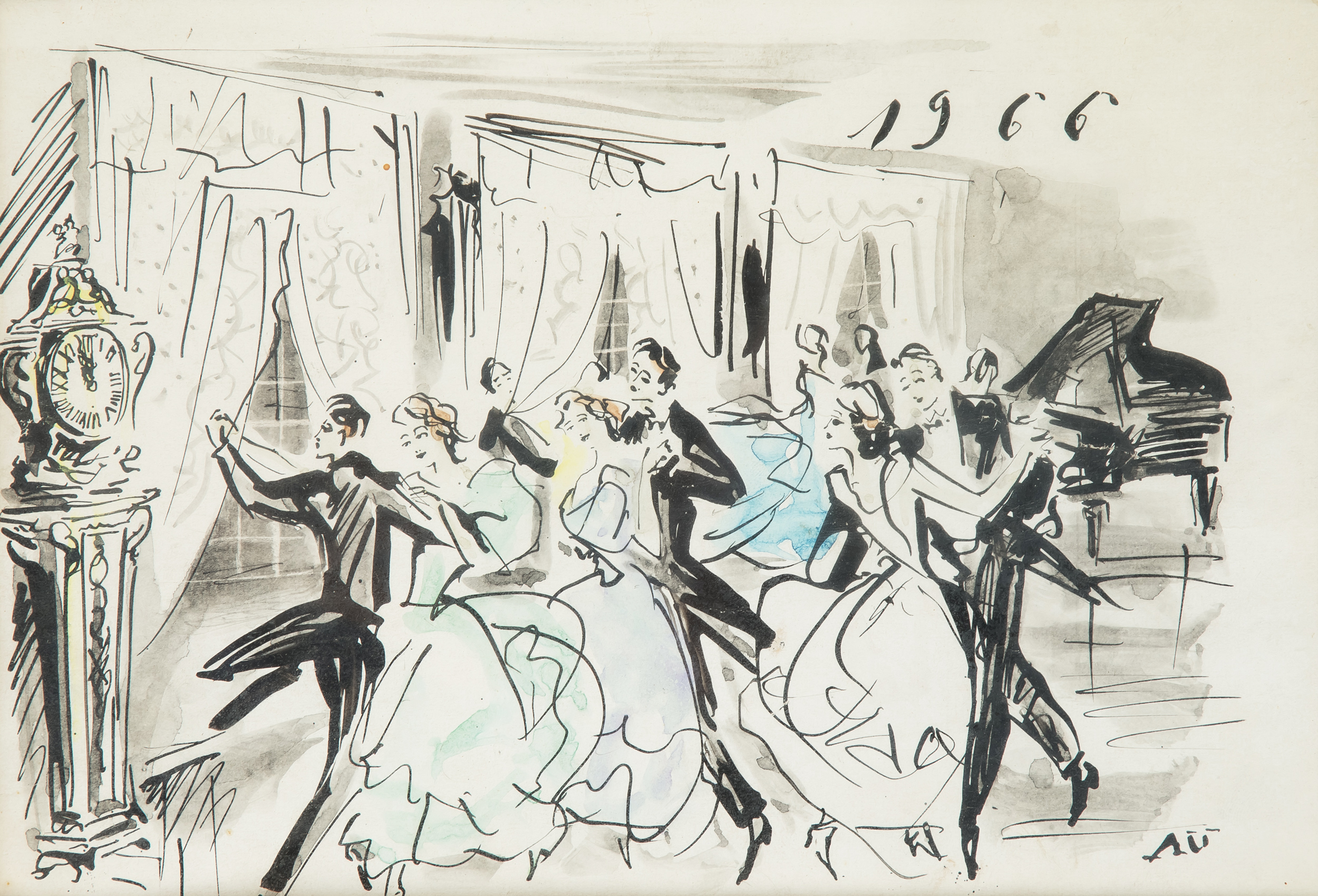
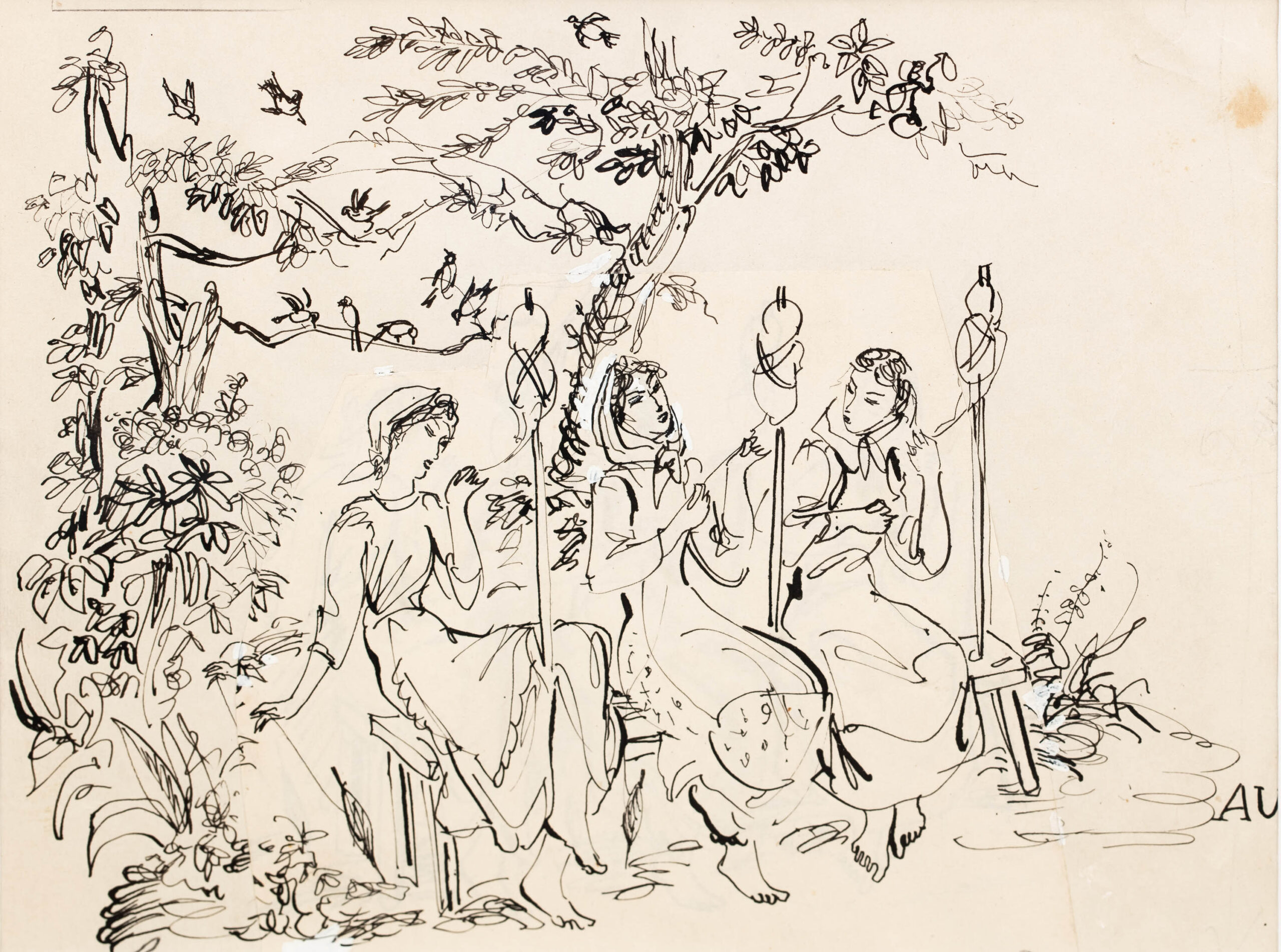
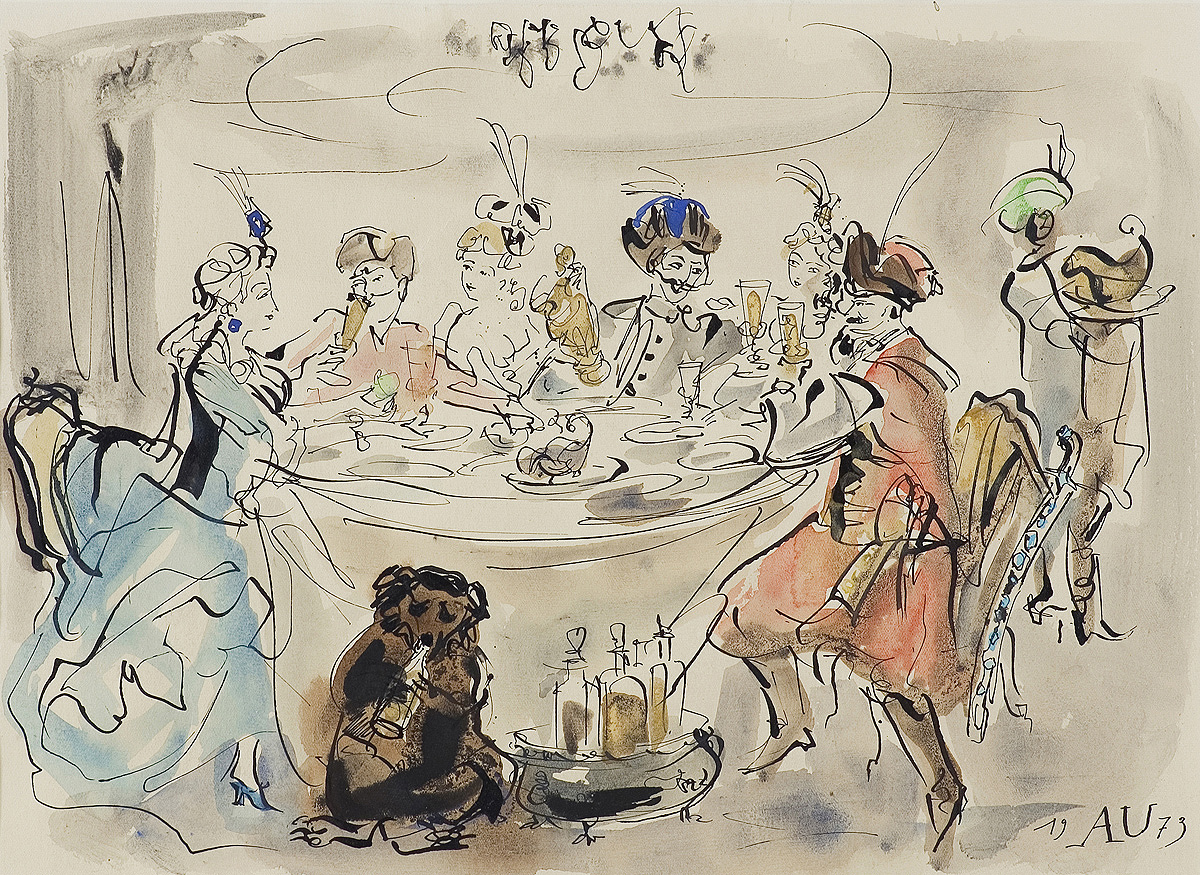
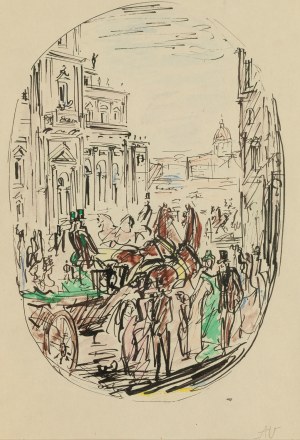
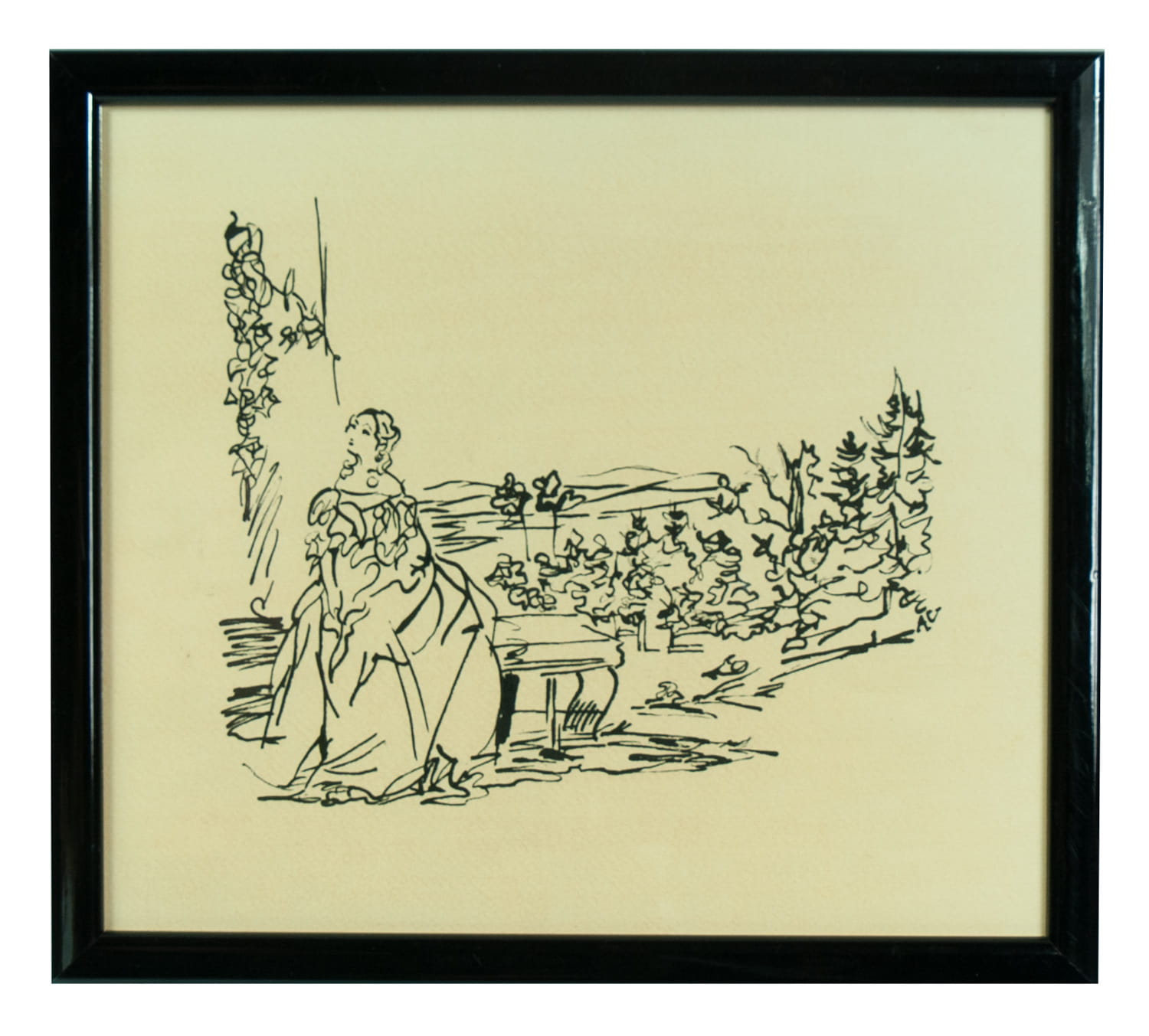
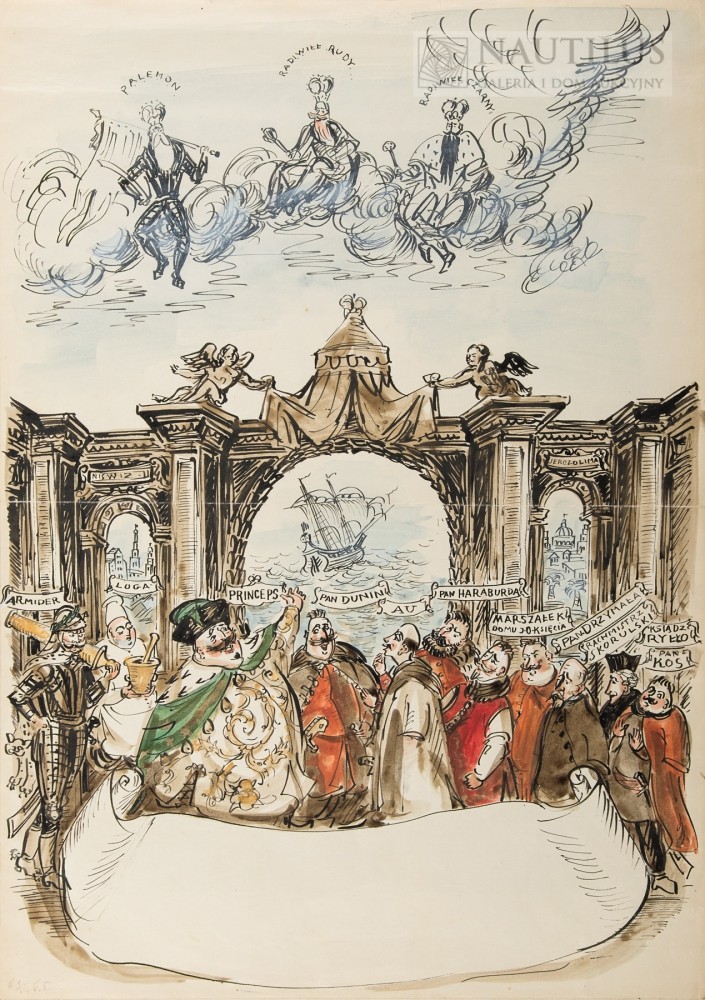
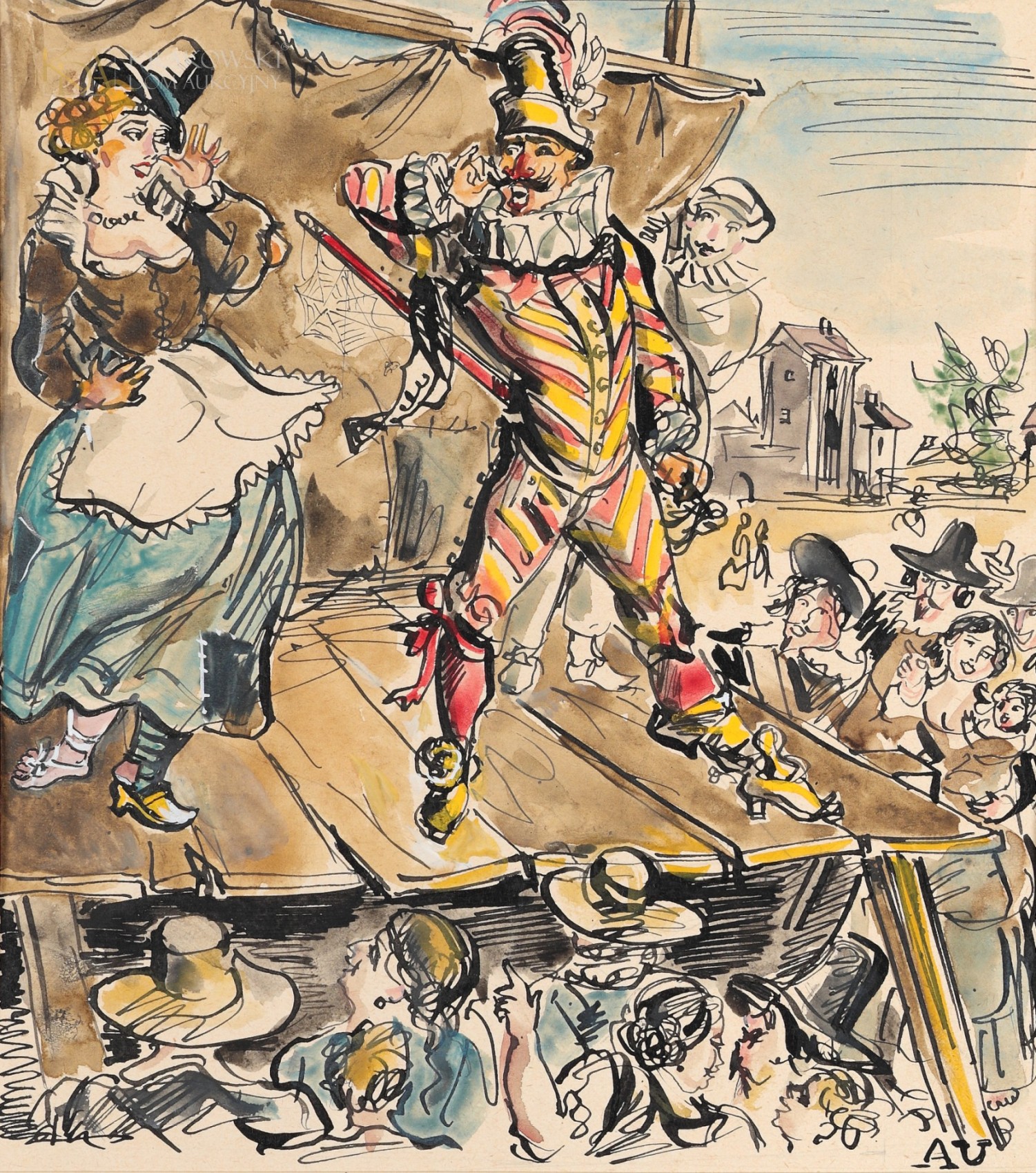
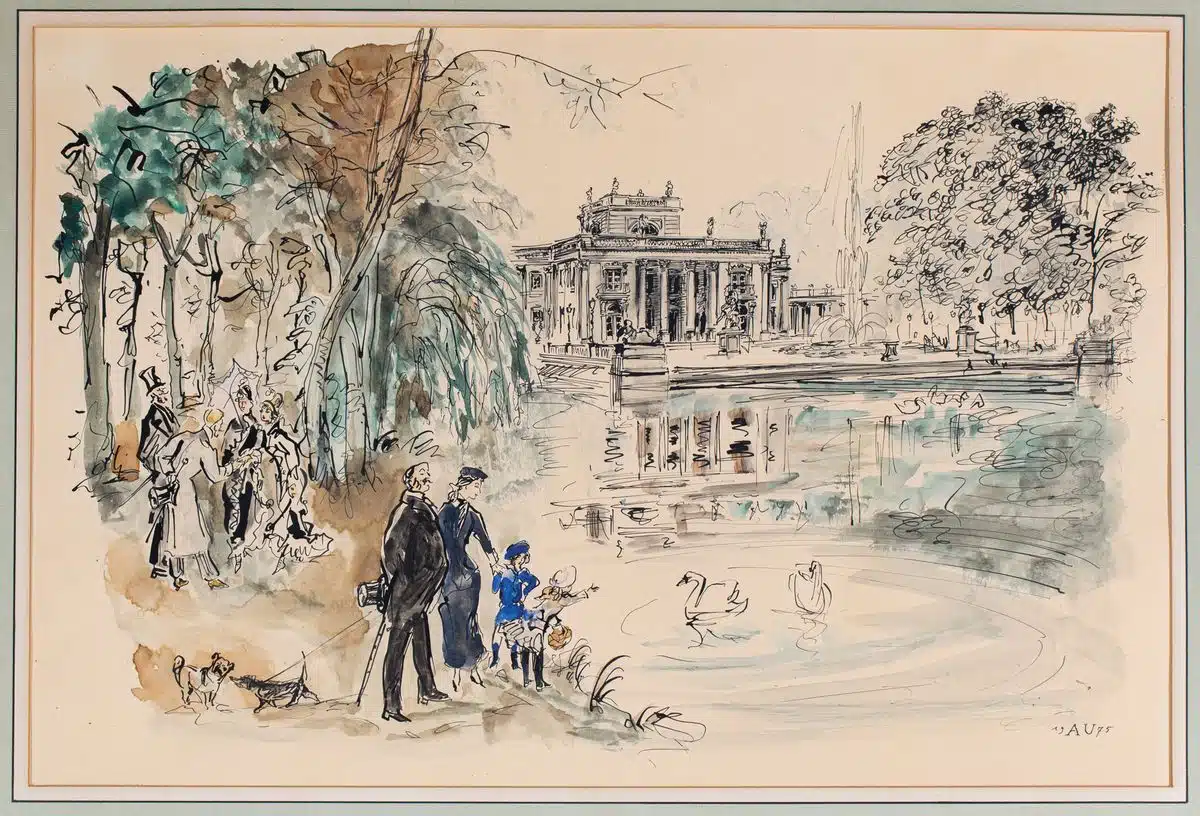
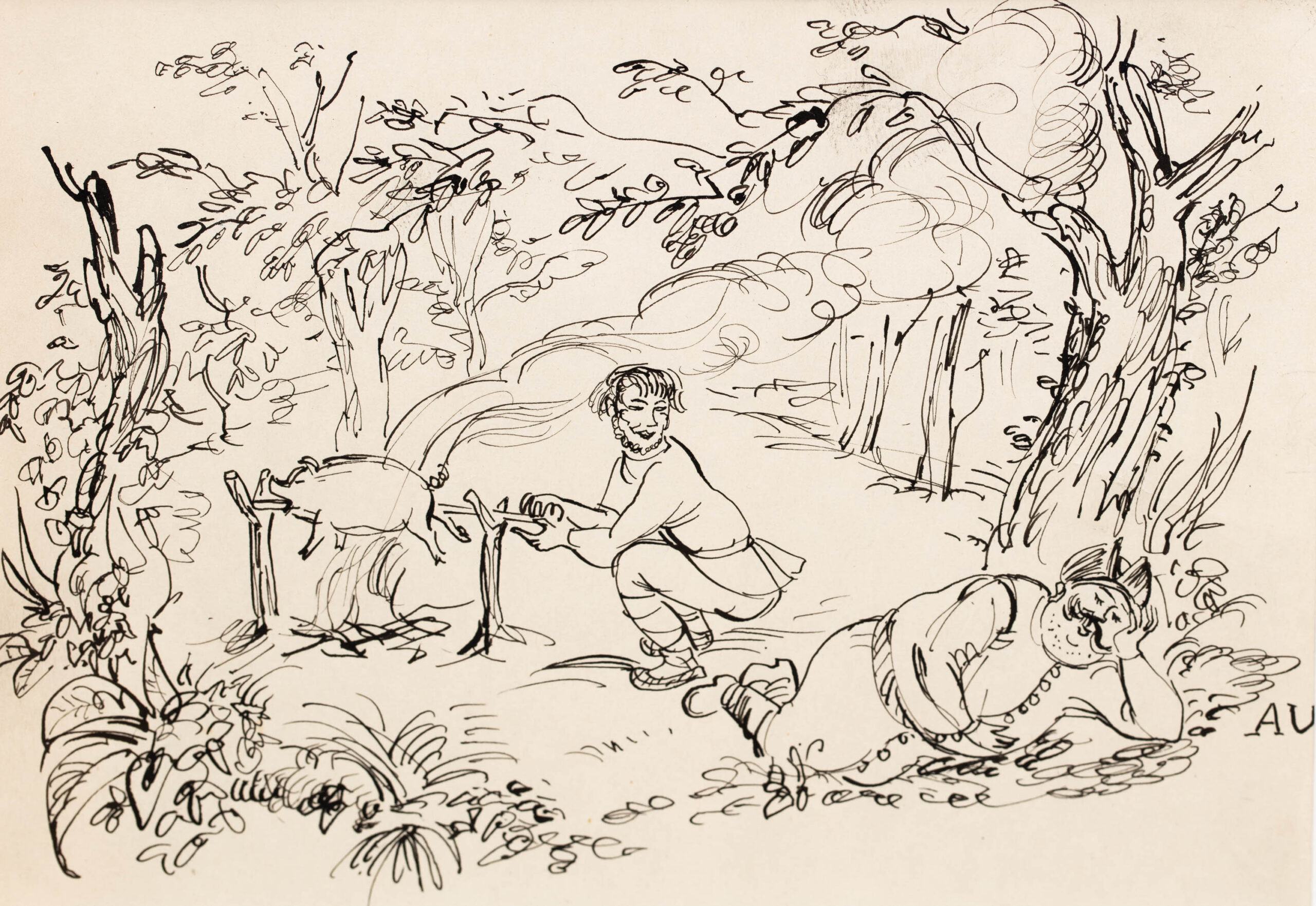
In Uniechowski’s drawings, you can almost hear the rustle of silk gowns and the clatter of carriage wheels on cobblestones. The world he conjured with ink and watercolor no longer existed—even at the time he depicted it—yet under his hand it came to life with extraordinary lightness. He was a master of the line—one that speaks more than a thousand words. An artist who turned a pen into a tool of memory, wit, and charm.
His education began at home. From 1916, he attended a Russian-language gymnasium in Minsk (now Belarus), and in 1918, he and his family moved to Warsaw. As a student of the St. Stanislaus Kostka Gymnasium (from 1919), he also took evening drawing classes with Feliks Słupski at the Wojciech Gerson School. In 1924, he enrolled as an auditing student at the School of Fine Arts, gaining conditional full student status in 1925. That same year, he passed his high school exams externally at the Tadeusz Reytan Gymnasium. In 1930, he completed his studies in fine arts under Karol Tichy (painting) and Wojciech Jastrzębowski (form and surface design).
After the war, he began his work as an illustrator in Kraków. From 1945 to 1956, he was regularly associated with the weekly Przekrój, and occasionally collaborated with magazines such as Polonia, Przyjaciółka, Płomyk, Płomyczek, Uroda, Opinia, and Panorama Północy. He also worked with leading publishers such as Nasza Księgarnia, Czytelnik, PWN, and Iskry, illustrating books.
In the 1940s, he taught drawing at the Film Studio of the Film Institute in Kraków. He returned to Warsaw in 1949. From 1950 onward, he was a full member of the Association of Polish Visual Artists (ZPAP). In January 1957, he debuted as a set designer at the Teatr Powszechny with the production A Journey Through Warsaw, and later designed sets for numerous Television Theatre performances.
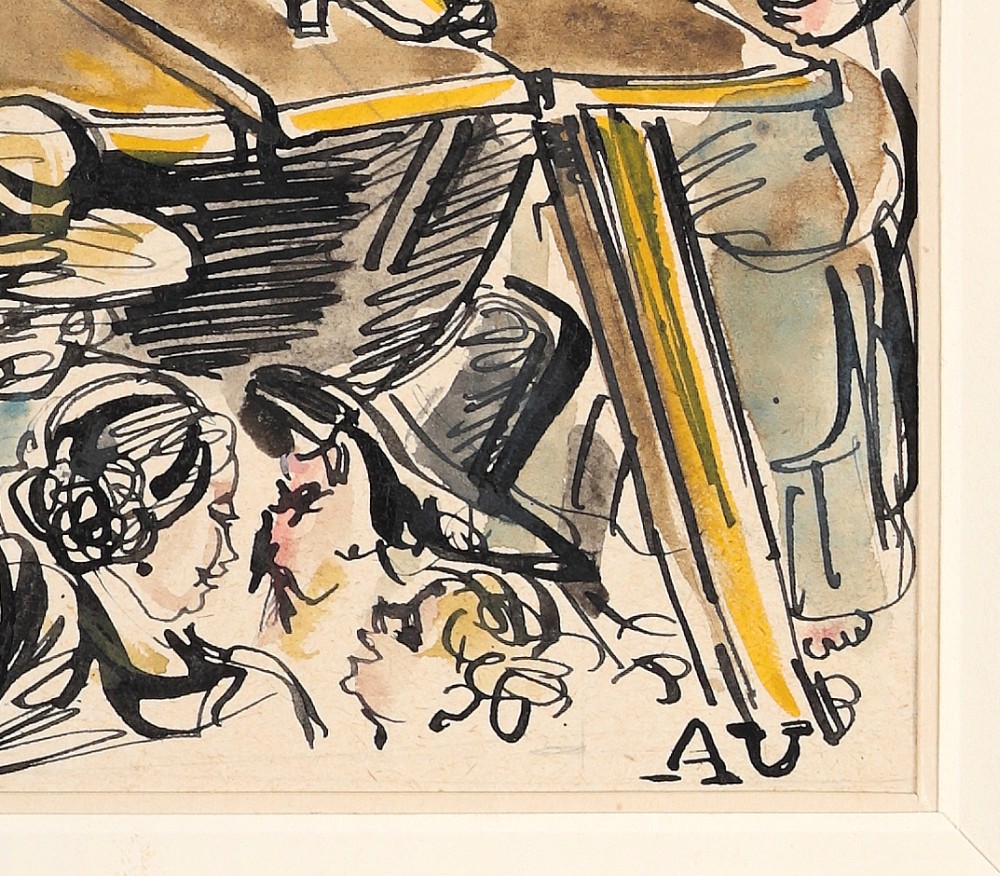
Uniechowski also created theatre, film, and commercial posters, as well as postcards, cards, calendars, brochures, advertisements, theatre programs, and album covers. His primary focus, however, was book illustration. His work is characterized by light, effortless pen-and-ink drawings, often enhanced with watercolor, gouache, or tempera.
Among the many works he illustrated are:
Philosophical Tales by Voltaire (1948)
The Deluge by Henryk Sienkiewicz (1949)
Monachomachia by Ignacy Krasicki (1953)
Ashes by Stefan Żeromski (1954)
The Doll (1962) and The New Woman (1972) by Bolesław Prus
A Little Princess by Frances Hodgson Burnett (1980)
Though his name may not have been loudly proclaimed on the avant-garde stage, Uniechowski was a quiet master, beloved by generations of readers. His illustrations accompanied them on journeys through literary classics—explaining styles, costumes, and customs with insight and tenderness.
1948 – Kraków Region Award
1951 – First Prize at the National Exhibition of Books and Illustration
1955 – Second Prize at the National Exhibition of Illustration, Poster, and Small Forms
1960 – Prime Minister’s Award for work for children and youth
1962 – First Prize from the Minister of Culture and Art at the “Book and Illustration in the 15th Anniversary of the People’s Republic of Poland” exhibition
1965 – Silver Medal at the International Book Fair
1973 – Second-Degree Award from the Minister of Culture and Art for lifetime achievement in book illustration