This is a demo store for testing purposes — no orders shall be fulfilled. Dismiss
Skip to contentDate and place of birth: February 5, 1911, Szczuczyn, Poland
Date and place of death: August 2, 1983, Warsaw
Education: Studied applied graphics at the Academy of Fine Arts in Warsaw (ASP Warsaw)
Even while still a student, Bocianowski began working as a cartoonist — in 1930, he made his debut in the satirical magazine Cyrulik Warszawski.
During the interwar period, following his graduation, he pursued a career as a press illustrator and cartoonist, publishing drawings and illustrations in popular magazines such as Szpilki, Kino, and Wróble na Dachu.
From 1946 to 1950, Bocianowski served as a lecturer at the Academy of Fine Arts in Warsaw, teaching in the Faculty of Graphic Arts.
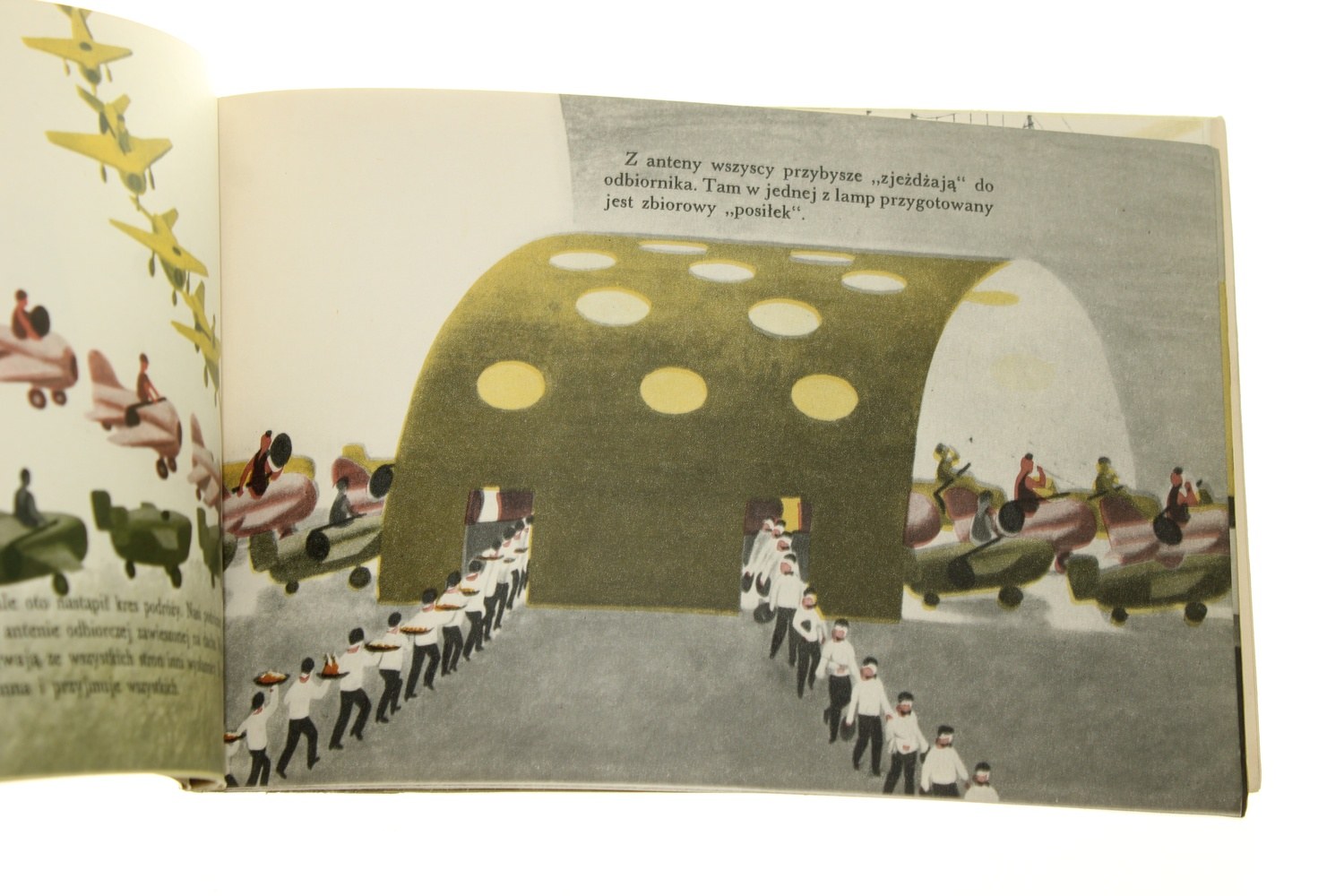
After his teaching tenure, he focused on applied graphics and illustration, particularly children’s and young adult books, and — according to some sources — worked as an art director in publishing houses.
Thanks to this multifaceted path — spanning academic training, satirical press work, illustration, and poster design — Bocianowski developed a highly versatile artistic profile.
Bocianowski worked across multiple graphic media, from satire and illustration to poster design. Key areas of his creative work include:
From 1930 onward, he was active in satirical press circles as a cartoonist and illustrator.
After WWII, he continued to contribute illustrations to both magazines and books.
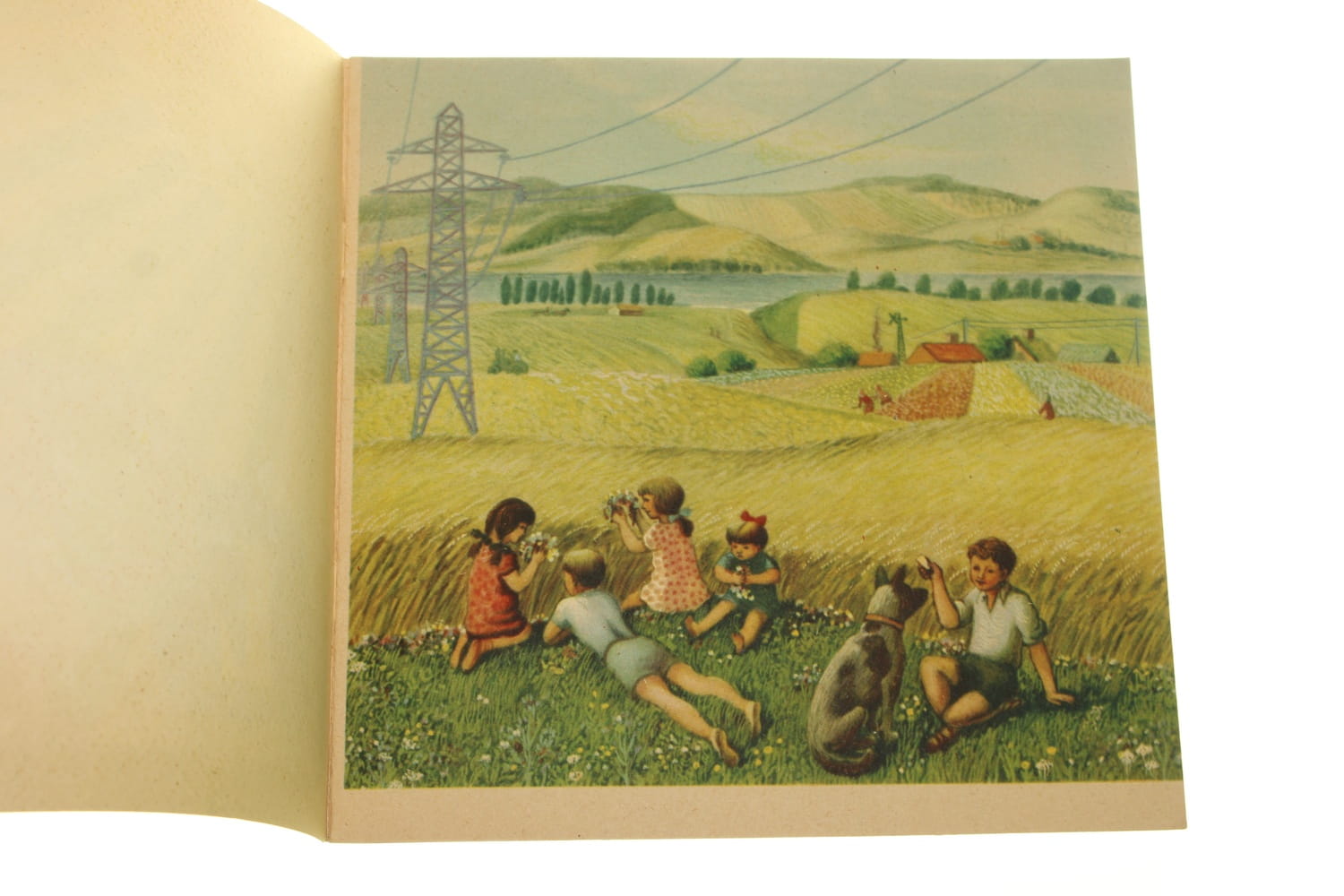
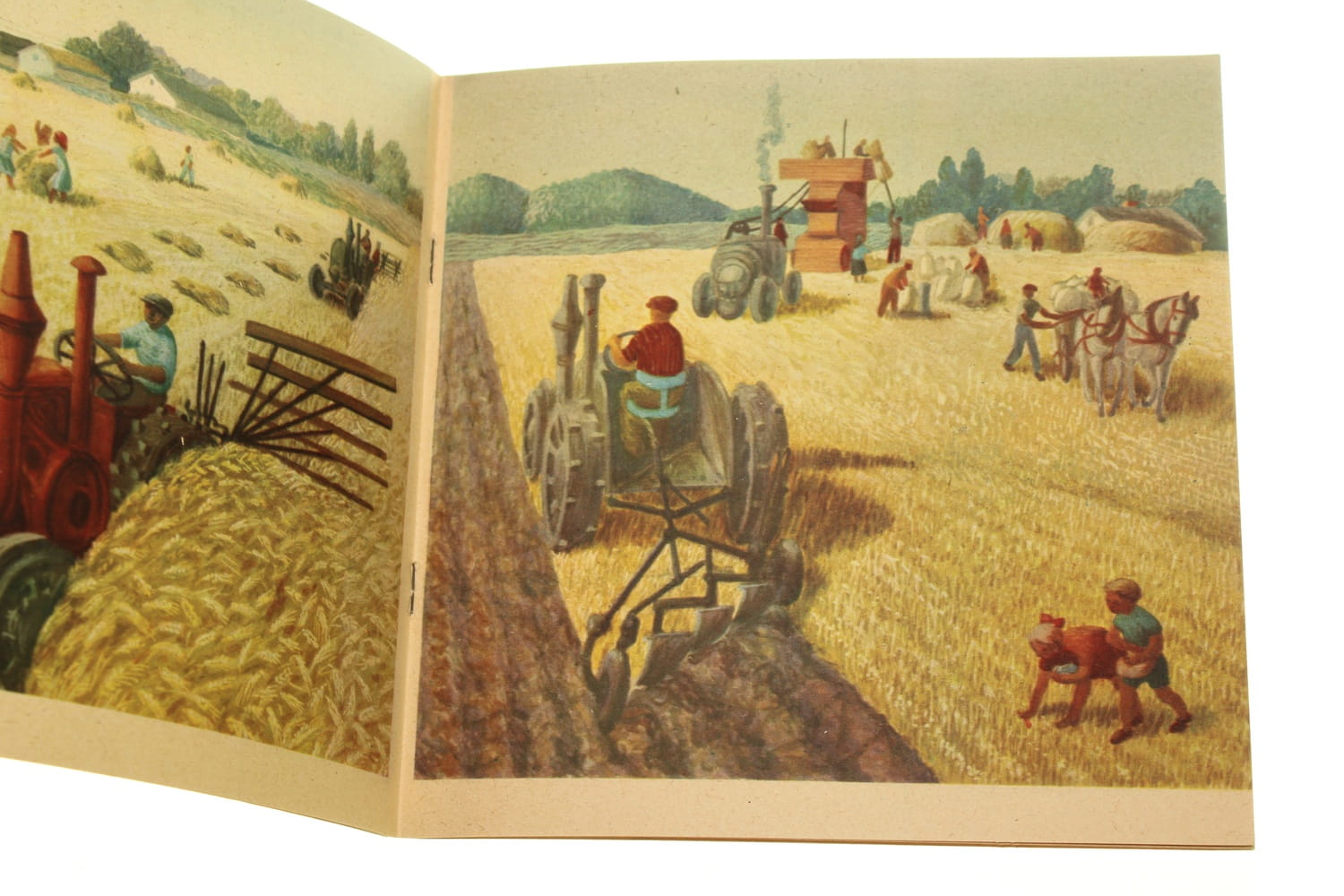
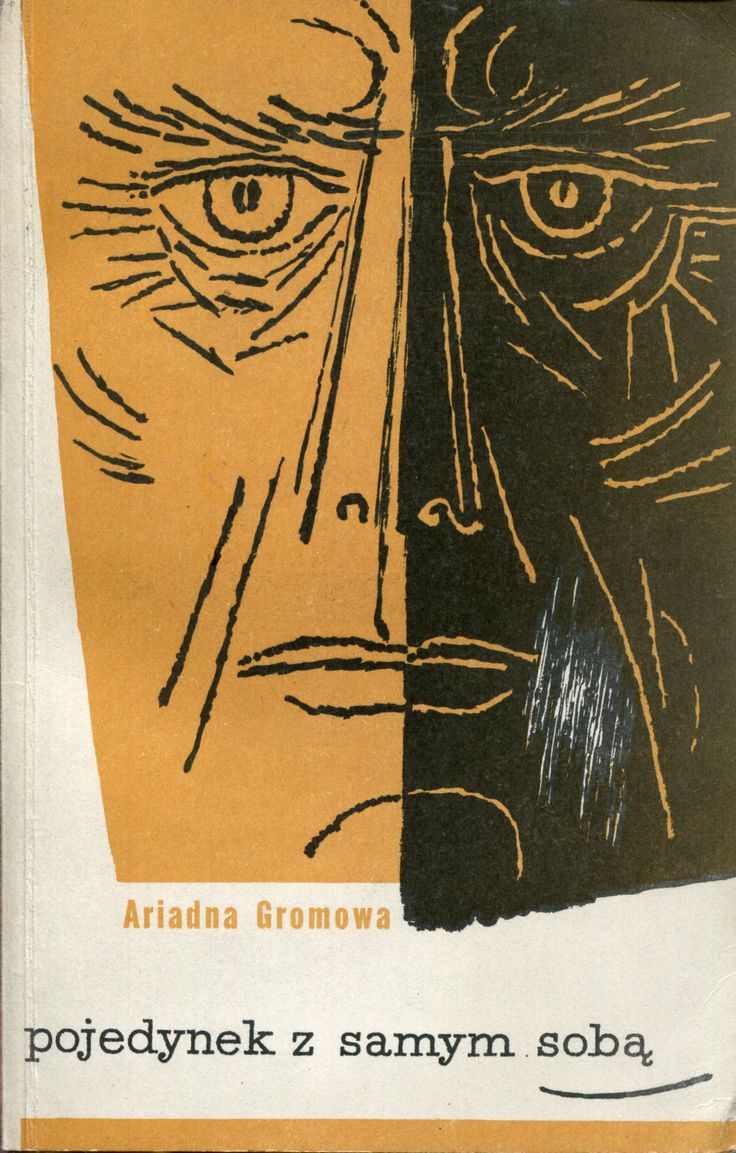
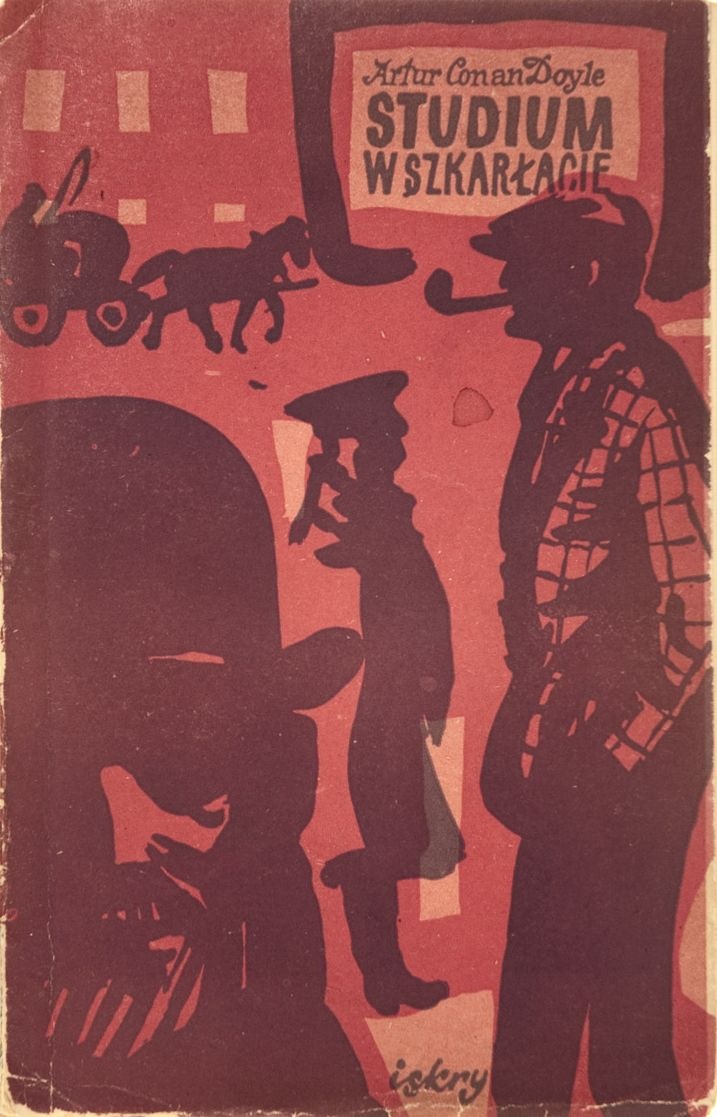
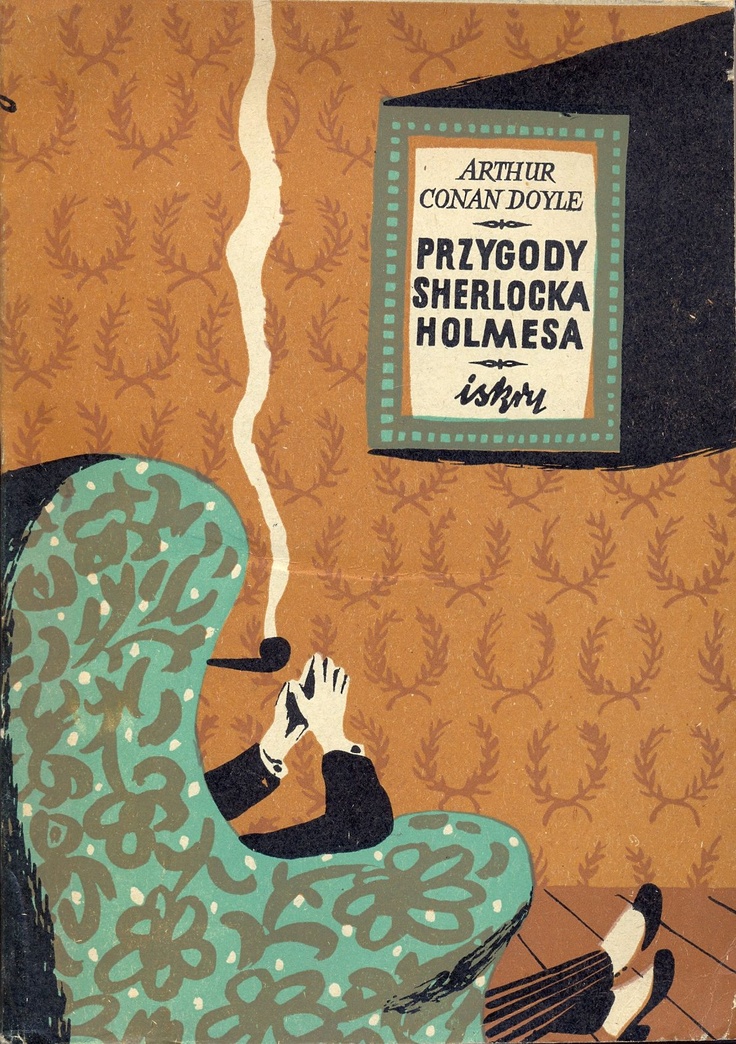
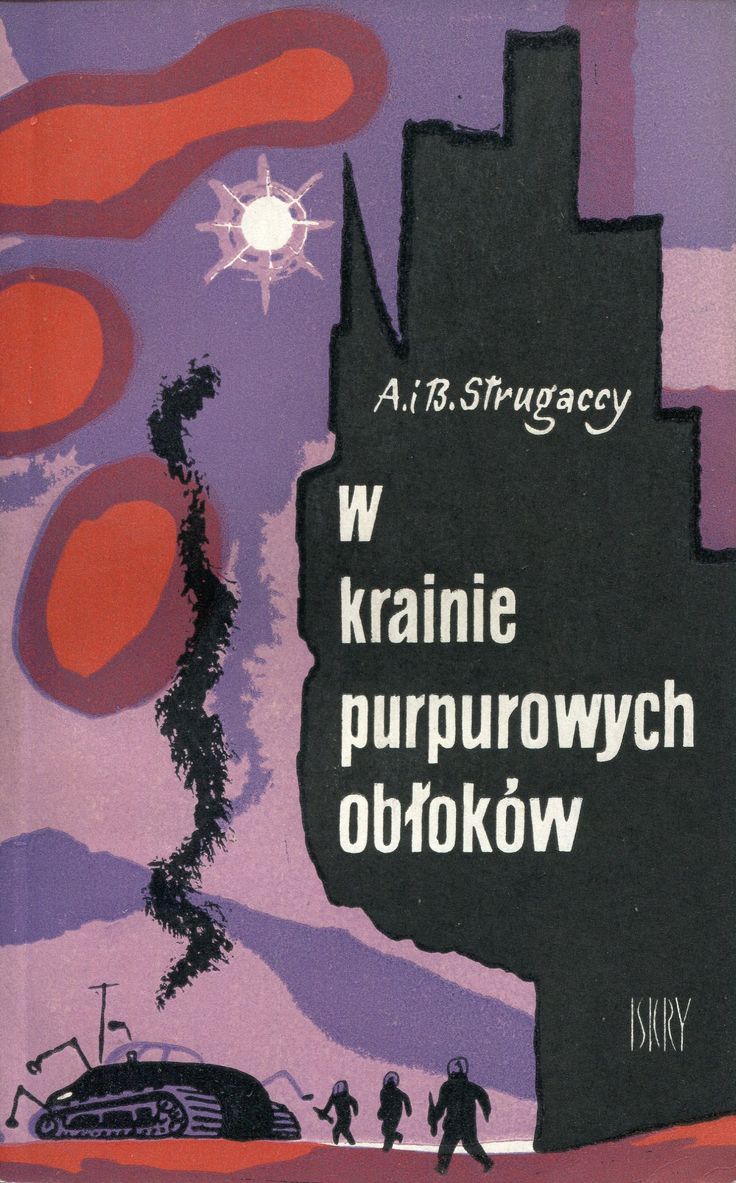
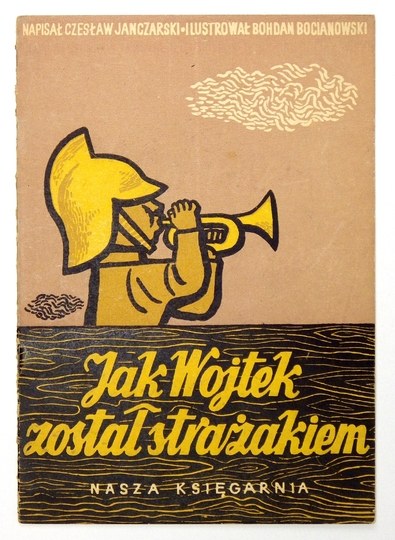
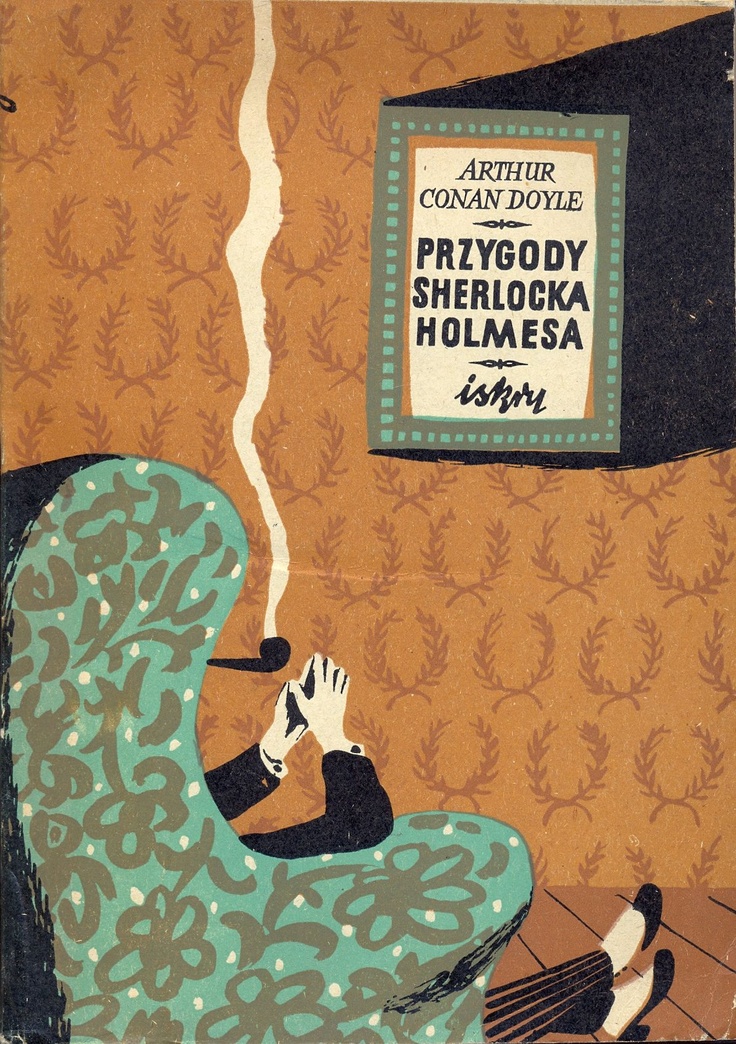
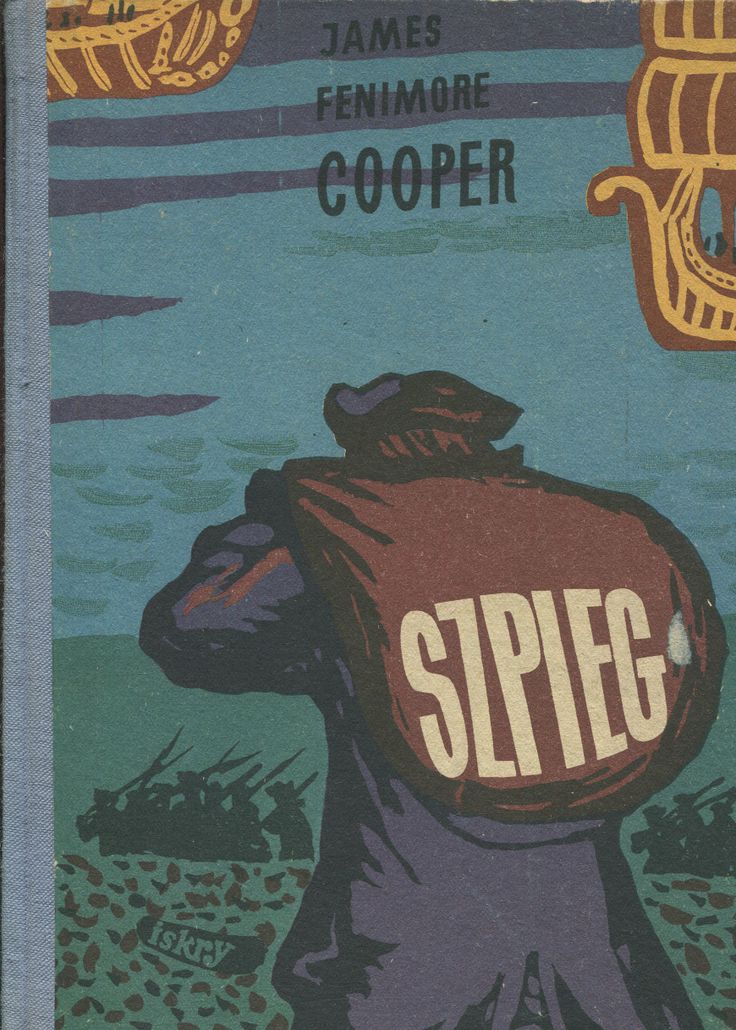
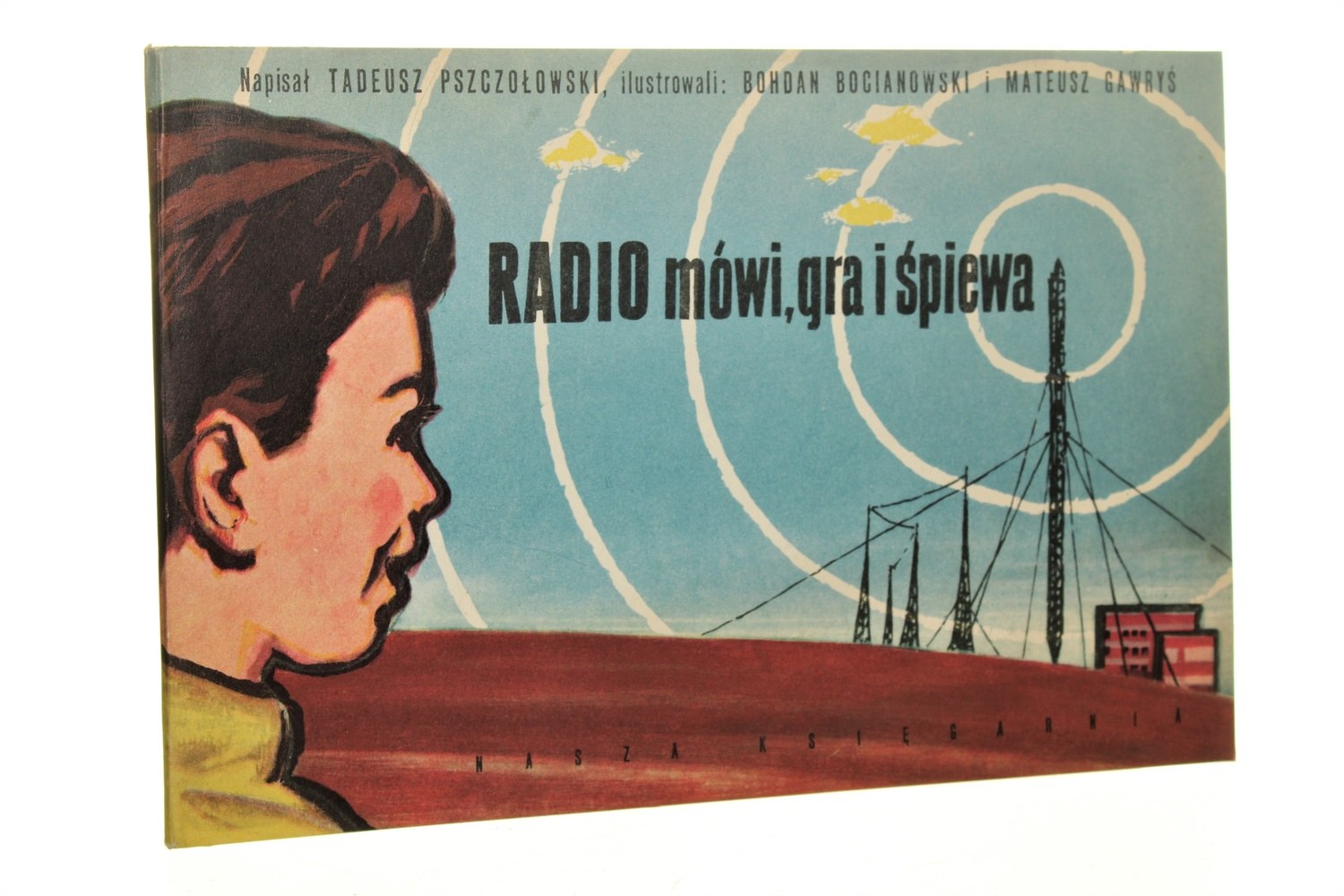
Bocianowski illustrated numerous books, including classic children’s titles such as How Wojtek Became a Firefighter by Czesław Janczarski.
His style was often light, humorous, and subtly ironic — consistent with his broader artistic sensibility.
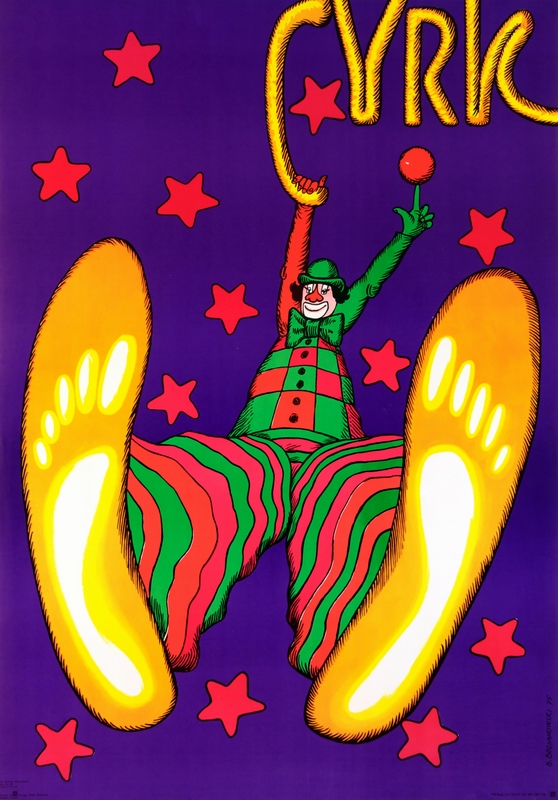
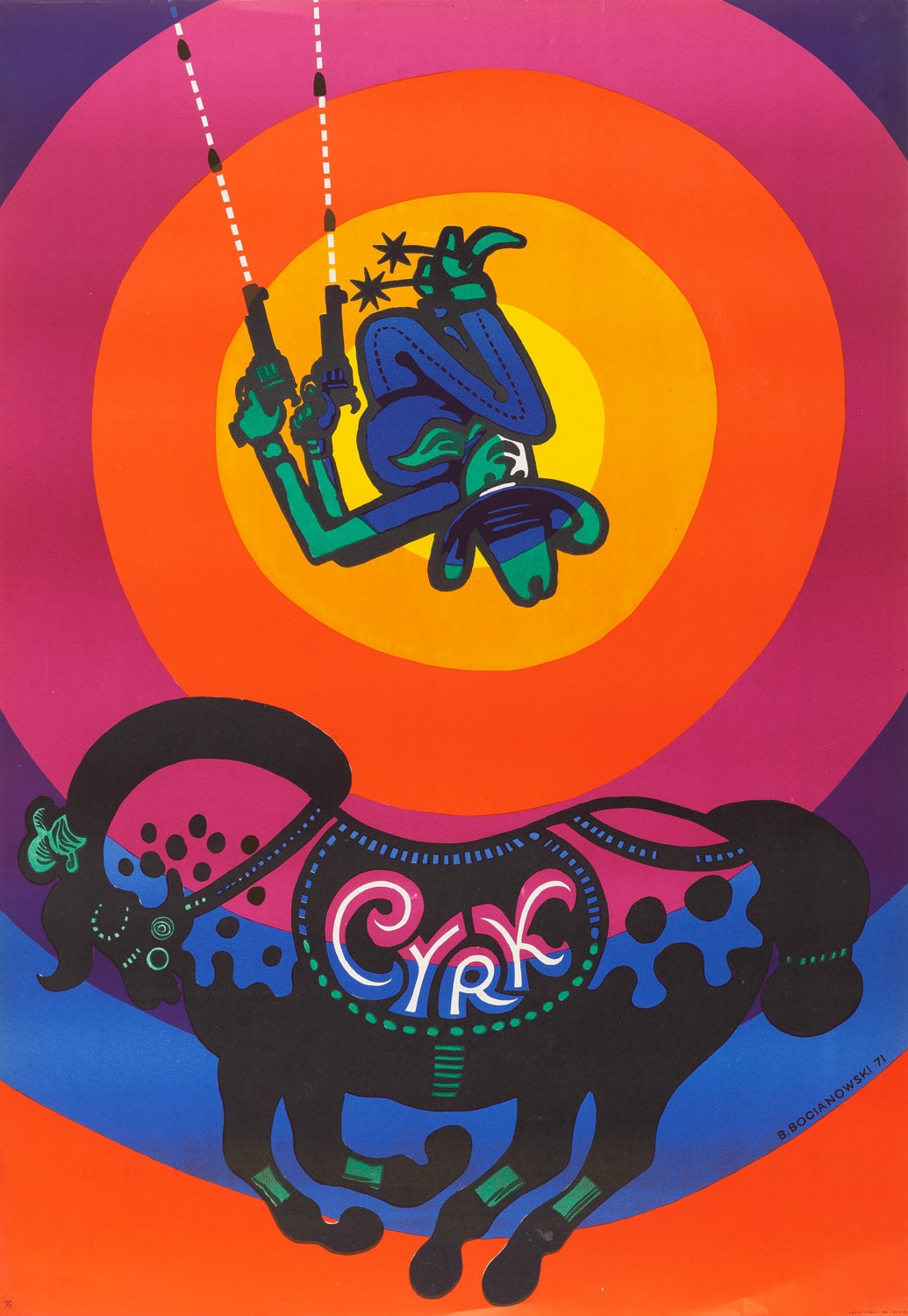
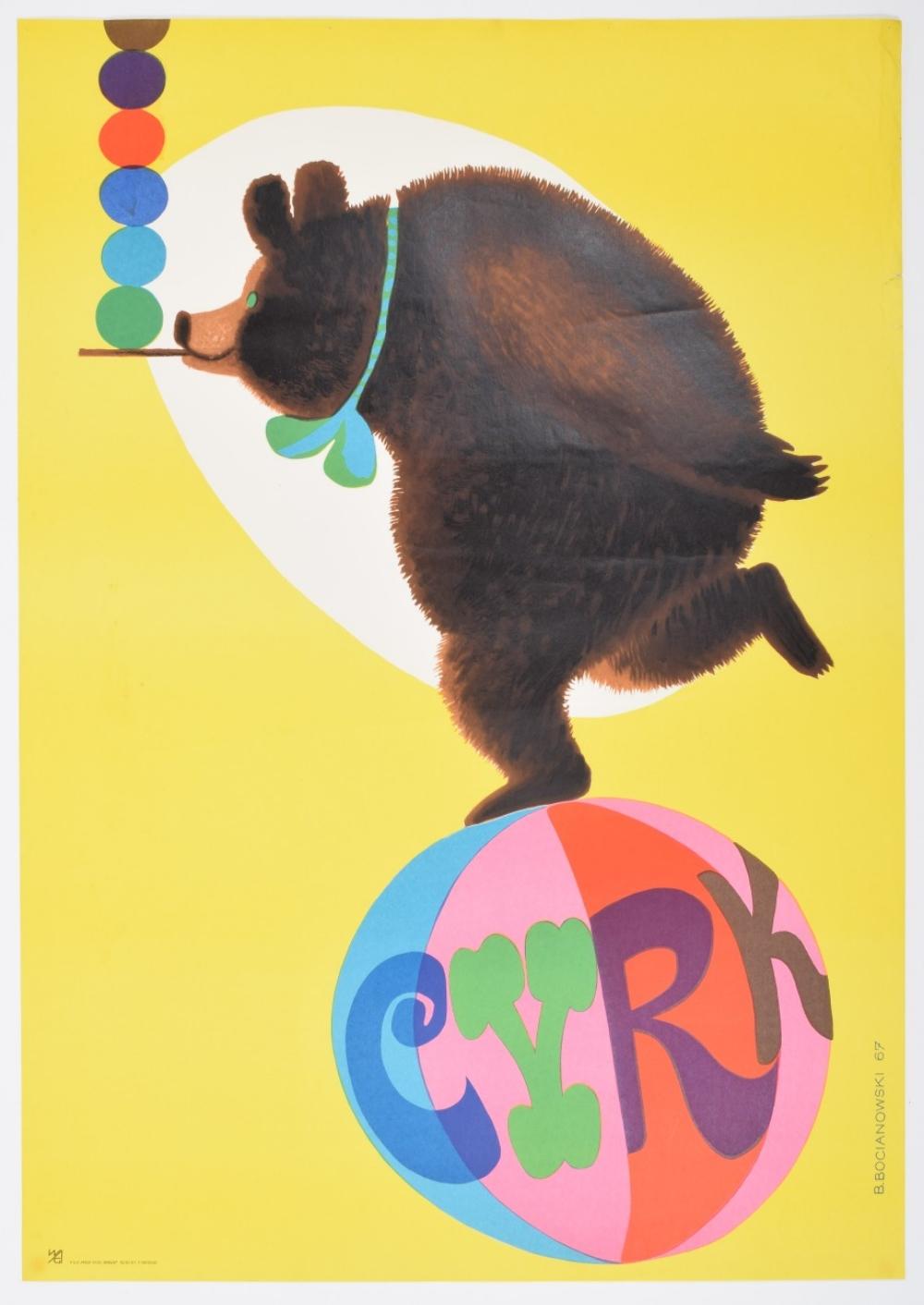
Bocianowski is best known for his circus posters, which became emblematic of the Polish Poster School, a movement that emerged in the 1960s promoting artistic expression over commercial advertising.
Cyrk: Ball Balancing Bear (1967) — known for its vibrant colors, humor, and symbolic visual language.
Cyrk: Dice Juggler (1970) — a rare first edition poster with expressive, colorful design.
Cyrk: Clown (1974) — iconic for its blend of satire, grotesque, and decorative elements.
These posters were often metaphorical and artistic, rather than literal representations — a hallmark of the Polish Poster School.
Bocianowski’s work is defined by fluid linework, humor, and often ironic or grotesque undertones, especially in caricature and satirical illustration.
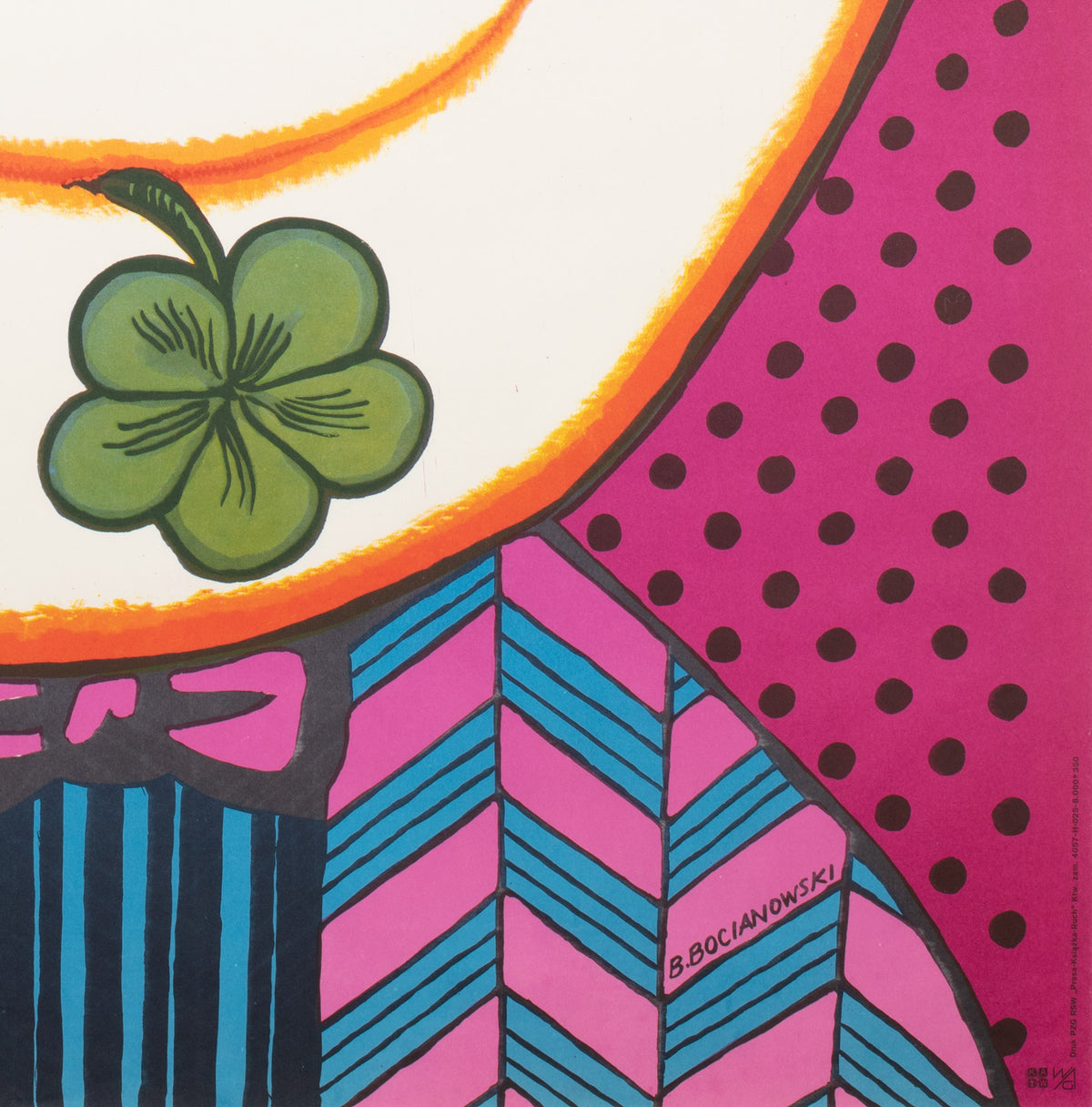
In posters, he employed bold color, graphic contrasts, and eye-catching compositions, balancing symbolism and decoration with humor and artistic lightness.
His Cyrk series used circus themes — clowns, performers, acrobats — as artistic metaphors rather than realistic depictions.
His posters and illustrations are included in significant poster collections and regularly appear at vintage poster auctions, where they fetch notable prices — a testament to their artistic and historical value.
He participated in group exhibitions, especially those devoted to Polish graphic arts and posters.
Bocianowski’s name is frequently cited as part of the canon of Polish graphic design.
Historically, Bocianowski’s life and work span the interwar period, World War II, and the postwar communist era (PRL) — making his output an important cultural bridge between eras.
Artistically, his Cyrk series redefined the circus poster as a vehicle for artistic expression, metaphor, and humor, proving that commercial graphics could also be fine art.
His work is a cornerstone of the Polish Poster School, which continues to inspire designers and collectors around the world.
For art lovers and collectors, original Bocianowski posters are considered valuable for their aesthetic, historical, and cultural significance.
His body of work illustrates a crucial segment of Poland’s artistic heritage — from satire and wartime resilience to the flourishing of visual culture in the 20th century.
Cyrk: Ball Balancing Bear (1967)
Cyrk: Dice Juggler (1970)
Cyrk: Clown (1974)
Book illustrations, e.g. How Wojtek Became a Firefighter
Numerous offset circus posters from the 1960s and 70s (B1 format, ca. 98 × 68 cm)
Bocianowski remains a towering figure in Polish graphic arts — both a chronicler of his times and a creator of timeless, expressive visuals.