This is a demo store for testing purposes — no orders shall be fulfilled. Dismiss
Skip to contentDaniel Mróz
Born in Kraków on February 3, 1917, and died in the same city on January 21, 1993. A Polish visual artist, graphic designer, stage designer, and illustrator, he is best known for creating the graphic design of Przekrój, a Polish cultural magazine, and for his iconic illustrations of Stanisław Lem’s short stories.
He was a member of the Kraków Group of artists.
Mróz was born the younger son of journalist Stanisław Mróz and Barbara Dorociak. He was exposed to art from an early age, largely thanks to his visits to the editorial offices of Na Szerokim Świecie (“In the Wide World”), a weekly magazine published from 1928 until the outbreak of World War II, where his father worked. A formative moment for Mróz was encountering the collages of Max Ernst in the pages of the German magazine UHU during one of those visits. His father’s connections and interests provided the young Mróz with direct contact with art — particularly through visits to the home of Feliks “Manggha” Jasieński, a Kraków-based collector and promoter of Japanese art.
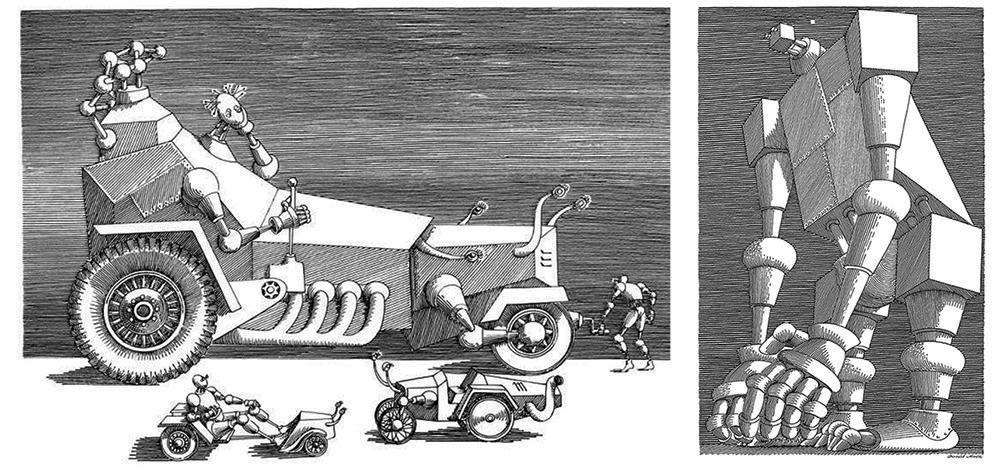
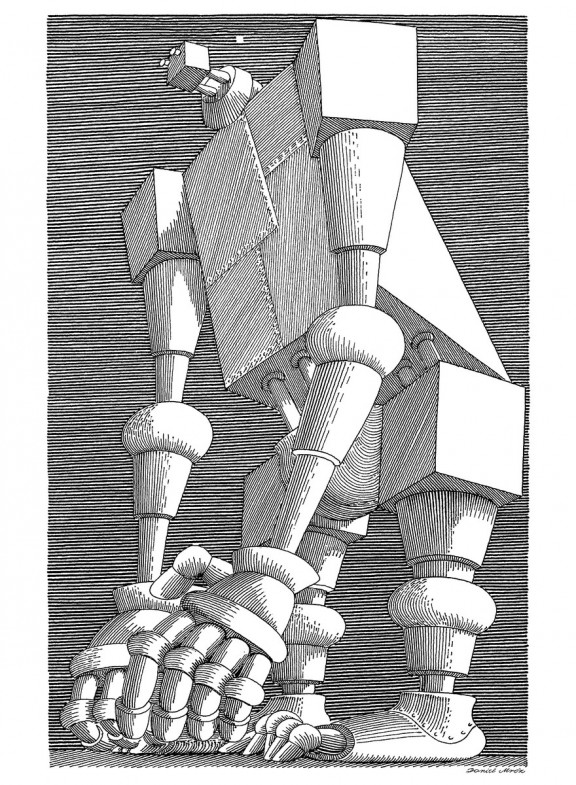
Mróz’s father also nurtured in him a fascination with technology, which would later be reflected in the complex machinery depicted in his illustrations for works by Stanisław Lem and Jules Verne. At just twelve years old, Mróz made his debut as an illustrator, drawing a small vignette of an airplane for the article “The First Airborne Madmen – Those Who Perished and Those Who Triumphed,” published in Na Szerokim Świecie. “Planes and cars were my obsession,” Mróz later admitted.
After World War II, in 1947, Mróz began studying graphic arts and stage design at the Academy of Fine Arts in Kraków. He had returned to his hometown after a brief stay in Germany and remained in Kraków for the rest of his life. During his studies, he met his future wife, Alina Nieniewska, a student of textile art, and another key figure in his career: Marian Eile, the legendary editor of Przekrój, who was then teaching at the Stage Design Department. Eile recognized Mróz’s talent while he was still a student and recruited him to the Przekrój team—initially as an illustrator, and later as the creator of the magazine’s entire visual identity.
At Przekrój, Mróz became a pioneer in tightly integrating illustration with typography, as seen in the elaborately designed tables of contents for each issue. He worked with Przekrój until the end of his life, while also contributing illustrations to other magazines, such as the lifestyle publication Ty i Ja, Życie Literackie, Polska, and the youth magazine Zebra.
In parallel, he designed book covers and illustrations for publishers like Wydawnictwo Literackie, Iskry, and Nasza Księgarnia. He illustrated works by authors such as Sławomir Mrożek, Konstanty Ildefons Gałczyński, Ludwik Jerzy Kern, and Stanisław Jerzy Lec. However, he had a particular fondness for adventure and science fiction literature, especially the classics by Jules Verne.
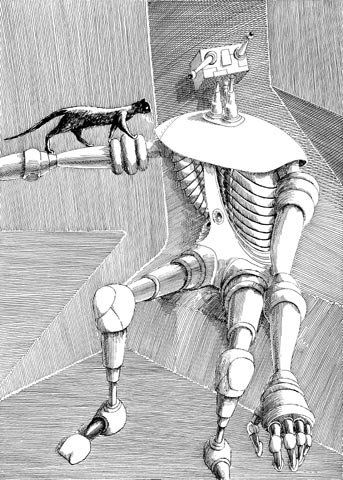
Mróz’s fame, though, was primarily built on his illustrations for the works of Stanisław Lem. He illustrated The Cyberiad (twice — in 1965 and 1972) and Fables for Robots, and designed covers for many of Lem’s other books.
Despite his fascination with Verne’s proto-science-fiction, Mróz wasn’t a fan of modern science fiction, once dismissively referring to the genre as “cosmic nonsense.” His daughter, Łucja Mróz-Raynoch, recalled: “He was a gloomy man, a radical pessimist when it came to the future of the world. He was terrified by humanity—its cruelty toward itself and nature, and by the ruthlessness of nature itself.”
He appreciated Lem’s work, however—for its humor, language, and the philosophical depth concealed beneath the cosmic settings. Lem also appreciated Mróz, and the artist became his favorite illustrator. In fact, Lem even agreed to postpone the release of The Cyberiad to wait for Mróz’s delayed illustrations.
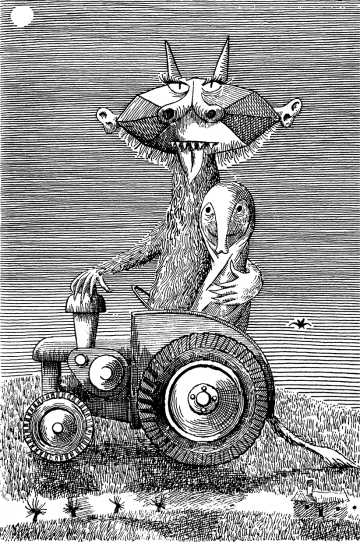
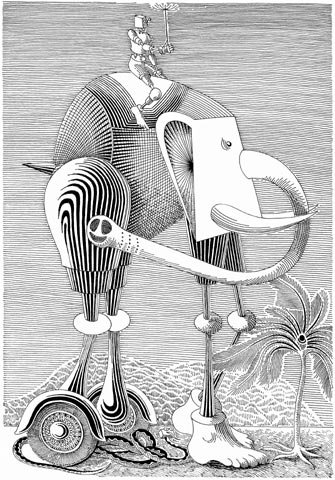
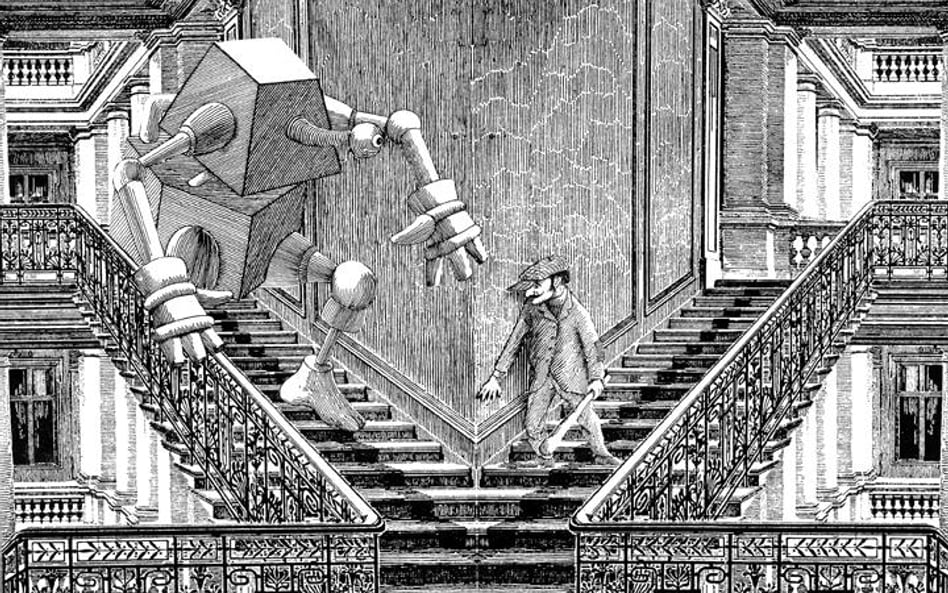
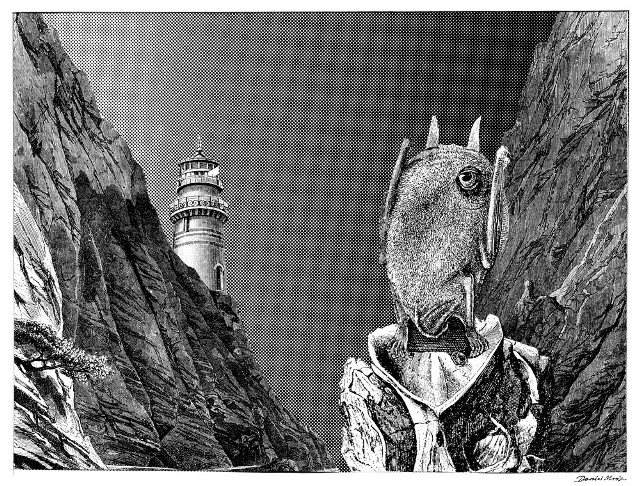
In his illustrations for Lem’s stories—as in the stories themselves—the world of robots, alien civilizations, and future technology becomes strikingly tangible and everyday. Mróz did not strictly adhere to the text, instead weaving his drawings from a wide range of visual influences: medieval depictions of demons, Hieronymus Bosch, 19th-century encyclopedia engravings, surrealist collages, and contemporary pop culture visions of robots and aliens.
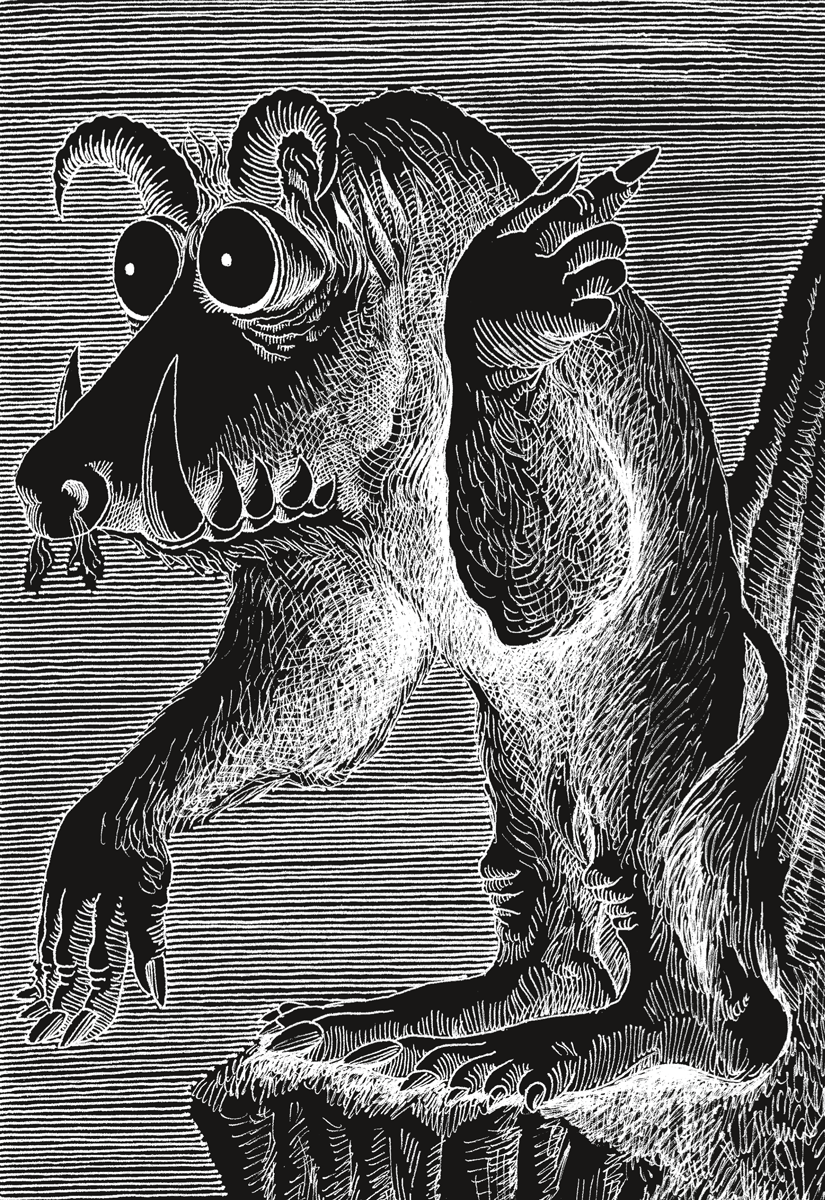
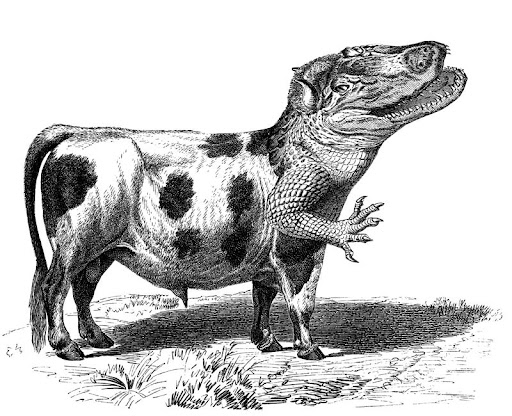
Using old encyclopedias and zoology textbooks he regularly browsed, Mróz created illustrations for Robert Stiller’s Zwierzydełka (“Little Beasts”) in 1977 — imaginative animal hybrids such as a cow with an alligator’s head, a tiger-donkey, or a frog-horse.
He also designed dozens of stage sets. Together with Józef Szajna, whom he met at university, Mróz staged several productions of Death on the Pear Tree by Witold Wandurski — a somewhat forgotten political and avant-garde drama from the 1920s, drawing on folk tales and street theatre. He created scenography for several Kraków theaters: the Stary Theatre, Groteska, Bagatela, and the Juliusz Słowacki Theatre, as well as for theaters in other cities such as the Contemporary Theatre in Wrocław and the Stefan Jaracz Theatre in Łódź.
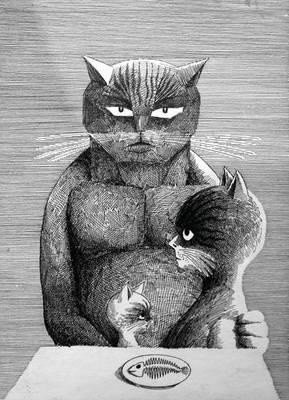
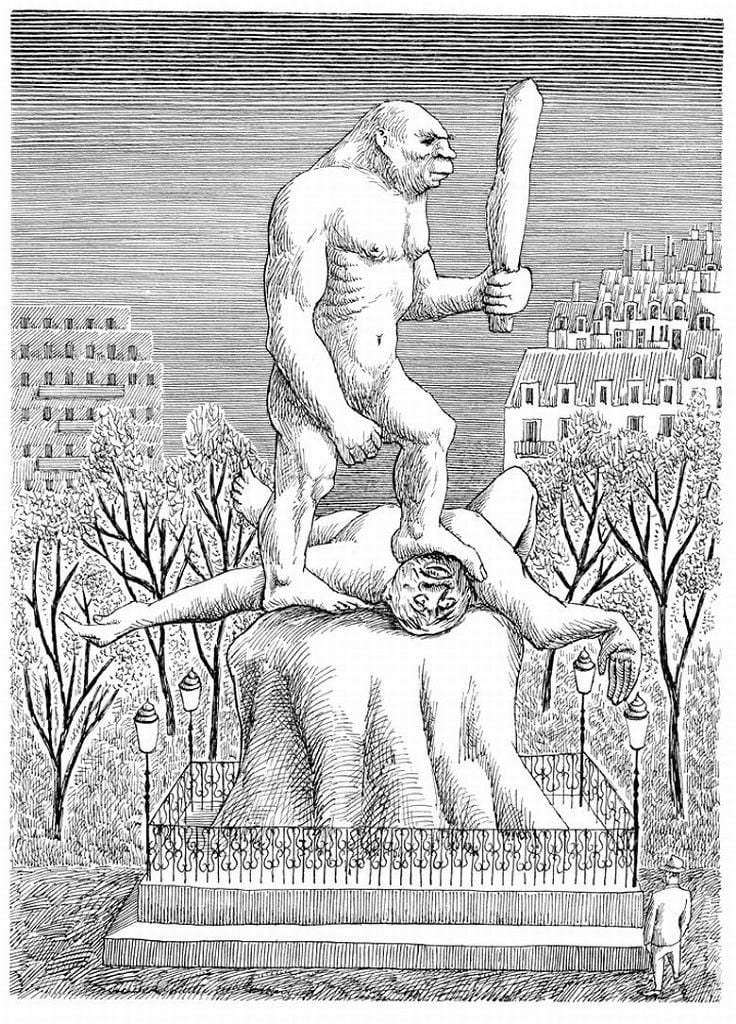
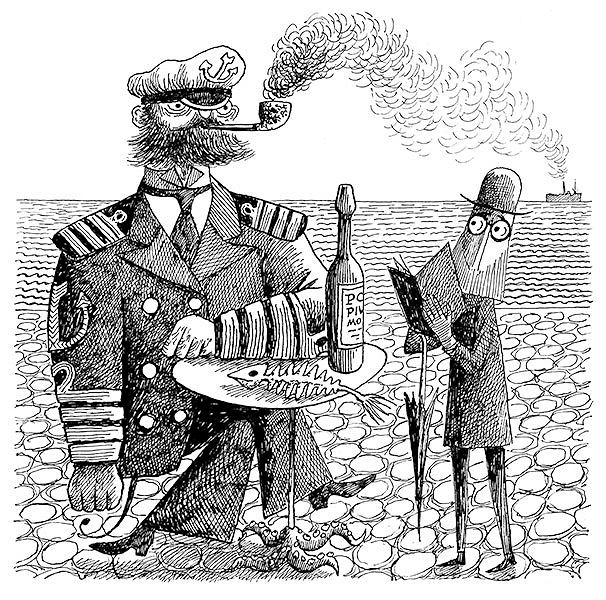
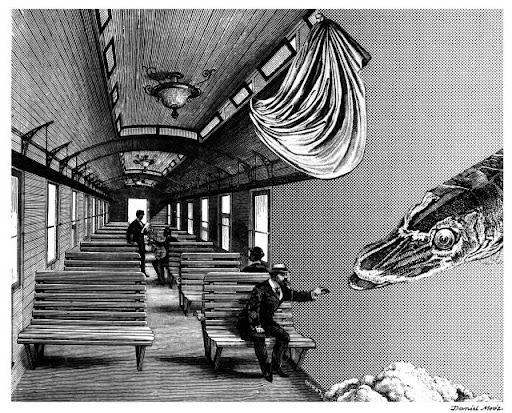
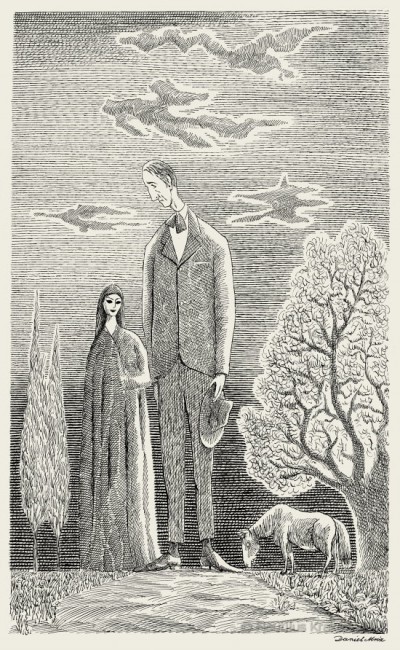
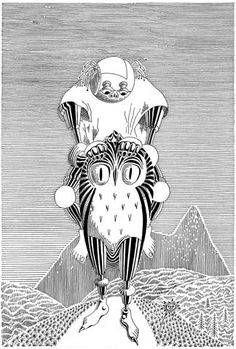
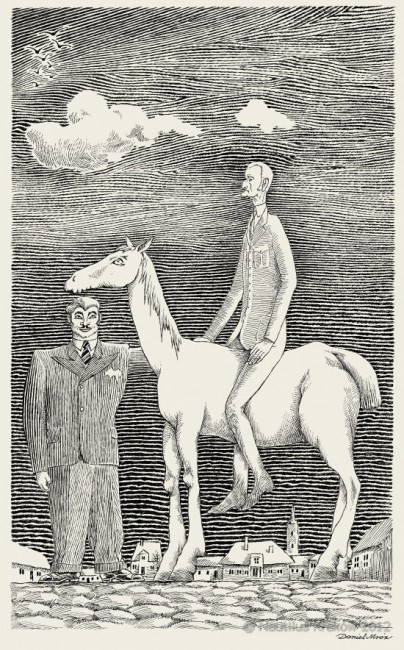
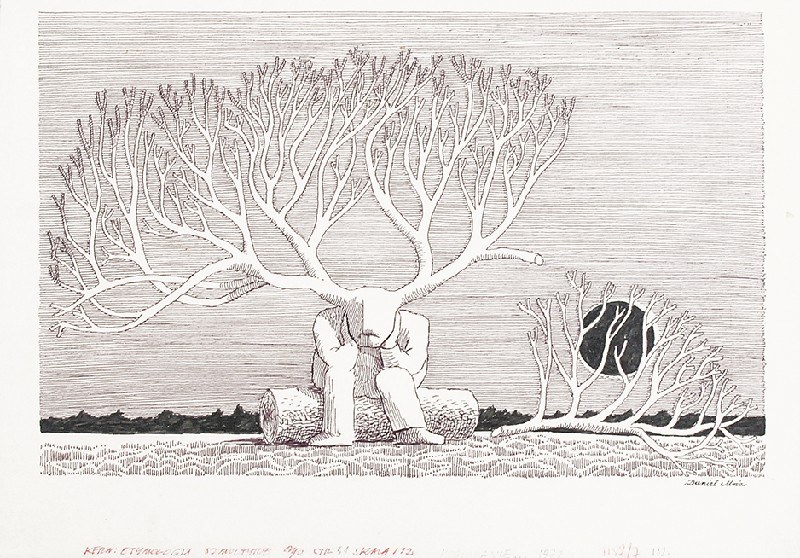
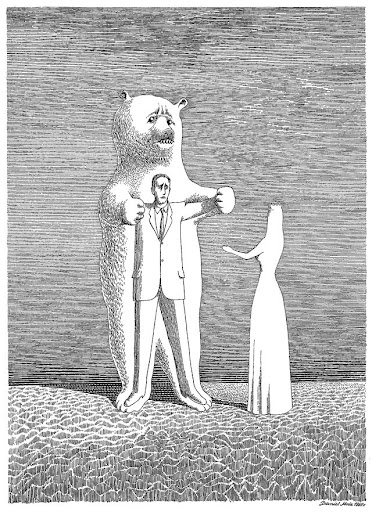
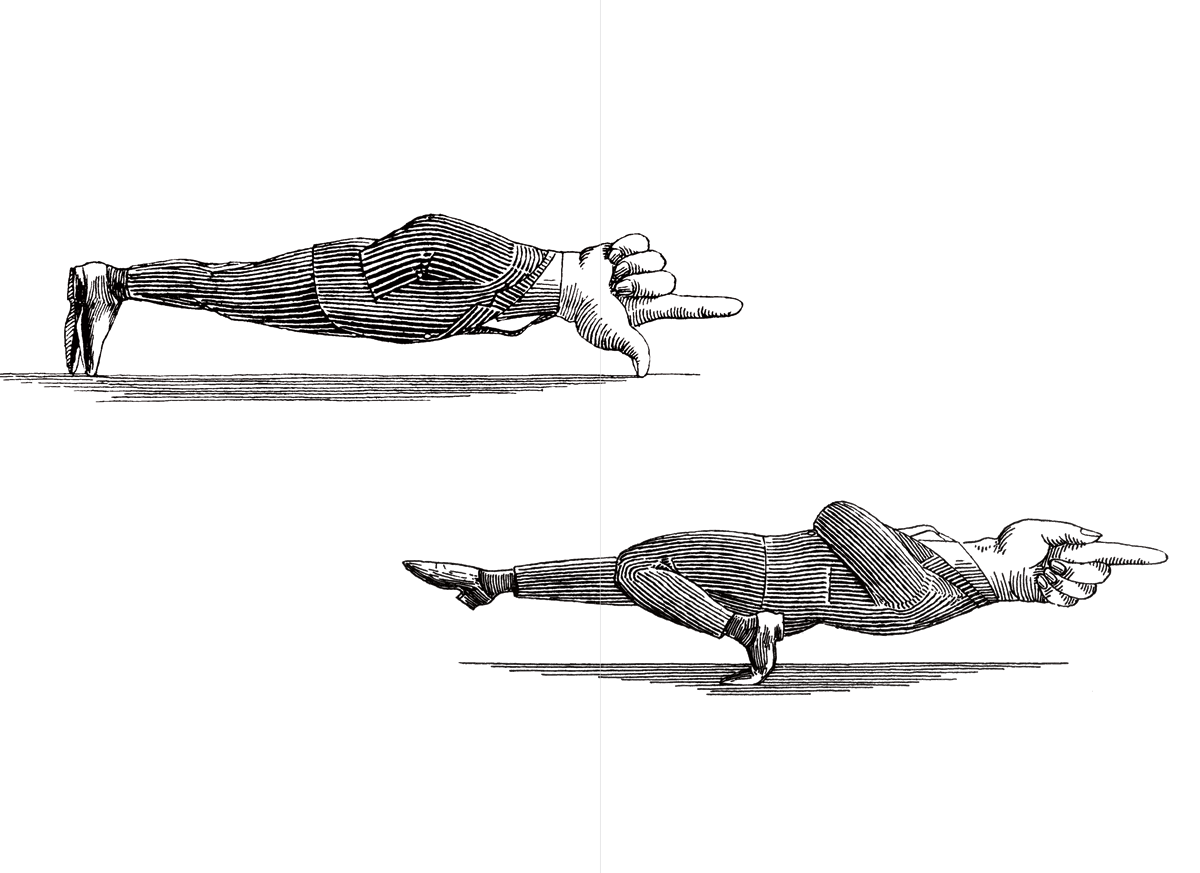
Mróz’s primary tools were a pen and ink. He constructed his ink drawings with meticulous hatching — hundreds of fine black lines that created an effect reminiscent of 19th-century wood engravings.
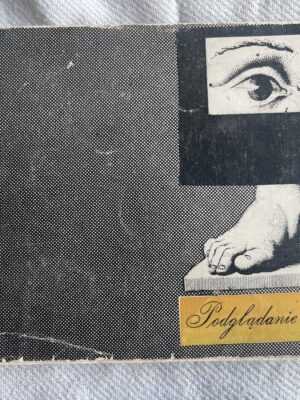
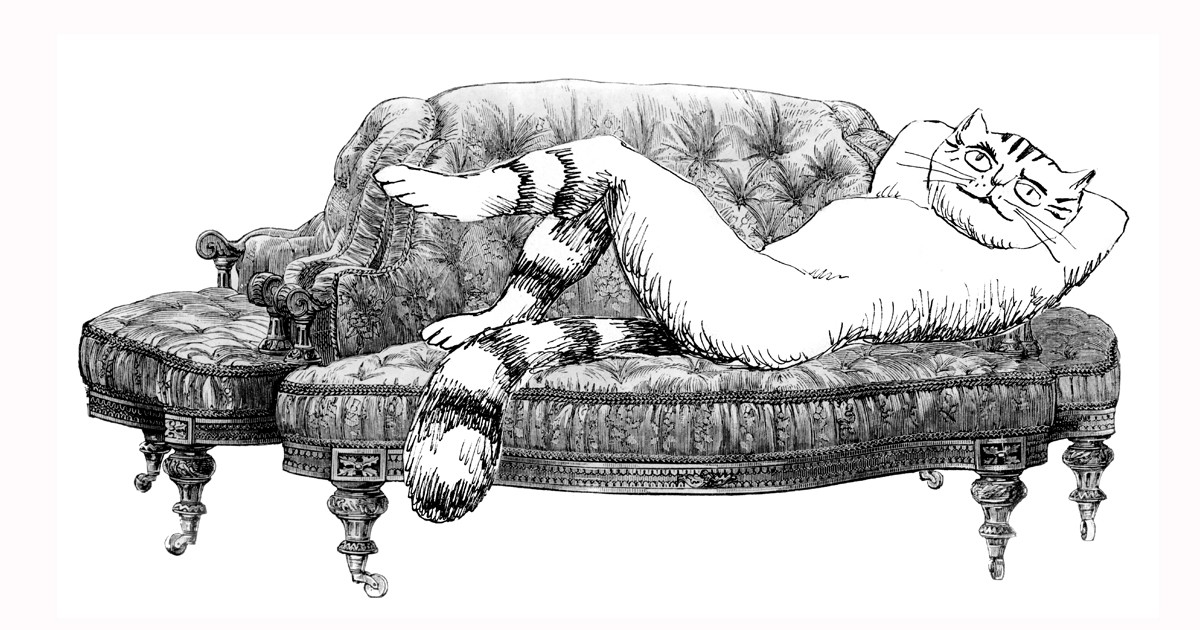
He also occasionally employed collage, combining fragments of different images. A signature motif in his graphic work was a hand with an extended index finger — a graphic element inspired by pre-war shop signs in Kraków.
Mróz’s art, while linked to surrealism, did not conform strictly to surrealist doctrines. Instead, he ventured into a different kind of fantasy — one that evoked Bosch as much as it parodied 19th-century illustrations. His work was intellectually fantastic, rich in satire and irony, with a knowingly raised eyebrow.
Tu są bajki, Ludwik Jerzy Kern, 1953; 2nd ed. 1954
Bajki drugie, Ludwik Jerzy Kern, 1954
Chryzostoma Bulwiecia podróż do Ciemnogrodu, Konstanty Ildefons Gałczyński, 1954
Satyry, Artur Maria Swinarski, 1955
Do widzenia zwierzęta, Ludwik Jerzy Kern, 1956
Profesor Tutka i inne opowiadania, Jerzy Szaniawski, 1956; 2nd ed. 1960
Słoń, Sławomir Mrożek, 1957
Wesele w Atomicach, Sławomir Mrożek, 1959
Myśli nieuczesane, Stanisław Jerzy Lec, 1959
Łgarze pod Złotą Kotwicą, Jerzy Szaniawski, WL 1960
Mit o świętym Jerzym, Jerzy Harasymowicz, 1960
Fantastyczne opowieści, 1961 and WL 1975 (Groza i Fantastyka series)
Posłanie z Piątej Planety, SF anthology, Nasza Księgarnia, 1964
Cyberiada, Stanisław Lem, WL 1965 & 1972, Verba 1990
Wyprawa do wnętrza Ziemi, Jules Verne, Nasza Księgarnia, 1959
Powrót do Jamy, Jan Paweł Gawlik, 1961
Wyłapuję szczęście z powietrza, Jan Stoberski, WL 1966
Onager – Russian short stories, WL 1967
Opowiadania niesamowite, Aleksandr Grin, Iskry, 1971
Miasto mojej matki, W cieniu zapomnianej olszyny, Juliusz Kaden-Bandrowski, Nasza Księgarnia, 1971
Łowcy meteorów, Jules Verne, Nasza Księgarnia, 1973
Zwierzydełka, Robert Stiller, WL 1977
Vademecum erotomana, Jerzy Wittlin, WL 1974
Book Covers (among others):
Witold Gombrowicz, Bakakaj (1957);
Jerzy Harasymowicz, Wieża melancholii (1958);
Jan Stoberski, Zwierzenia durnia (1958);
Stanisław Lem, Inwazja z Aldebarana (1959);
Antoni Słonimski, Torpeda czasu (1967);
Jan Stoberski, Będę żył dalej! (1969).
1956 – Galeria Krzysztofory, Kraków
1968 – Lunds Konsthall, Lund, Sweden
1990 – Daniel Mróz: Drawing, Collage, Galeria Kordegarda, Warsaw
1992 – Historical Museum of the City of Kraków
2010 – Galeria Starmach, Kraków
2011 – BWA Karkonosze, Jelenia Góra
2012 – Mróz and Lem, Gdynia Design Centre
2015 – Rediscovered Artists: Daniel Mróz, Historical Museum of the City of Kraków
2017 – Uncombed Monuments, Galeria Artemis, Kraków