This is a demo store for testing purposes — no orders shall be fulfilled. Dismiss
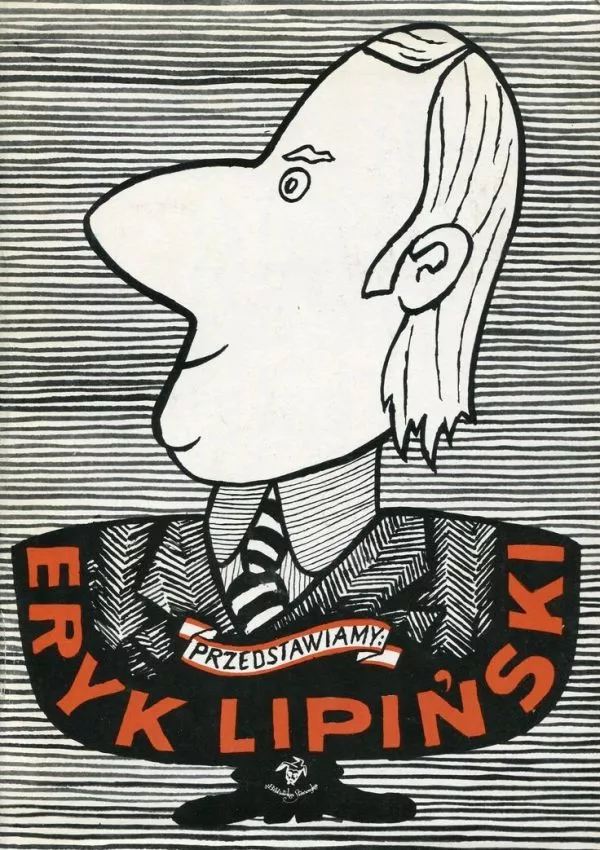
Skip to contentEryk Lipiński (born July 12, 1908, in Kraków – died September 27, 1991, in Warsaw) was a Polish caricaturist, satirist, journalist, graphic artist, poster and book illustrator, cabaret and column writer, author of books on satire and caricature, as well as a set designer and a recipient of the title Righteous Among the Nations. He was the founder of the satirical weekly Szpilki and the Museum of Caricature in Warsaw.
Around 1912–1913, Lipiński moved with his family to Moscow. At the age of six, he won third place in a Moscow competition for his poster titled Poles in Three Partitioning Armies. In 1921, at the age of thirteen, he returned to Poland with his family and settled in Warsaw. He attended the Joachim Lelewel State Secondary School and the Second Male High School of the Polish Teachers’ Union. After completing six grades, he left school and enrolled at the Wojciech Gerson School of Fine Arts in Warsaw. In 1933, he began studying at the Academy of Fine Arts in Warsaw under Tadeusz Pruszkowski (painting), Edmund Bartłomiejczyk (applied graphics), Bonawentura Lenart (lettering and typography), and Władysław Daszewski (stage design). He graduated in 1939.
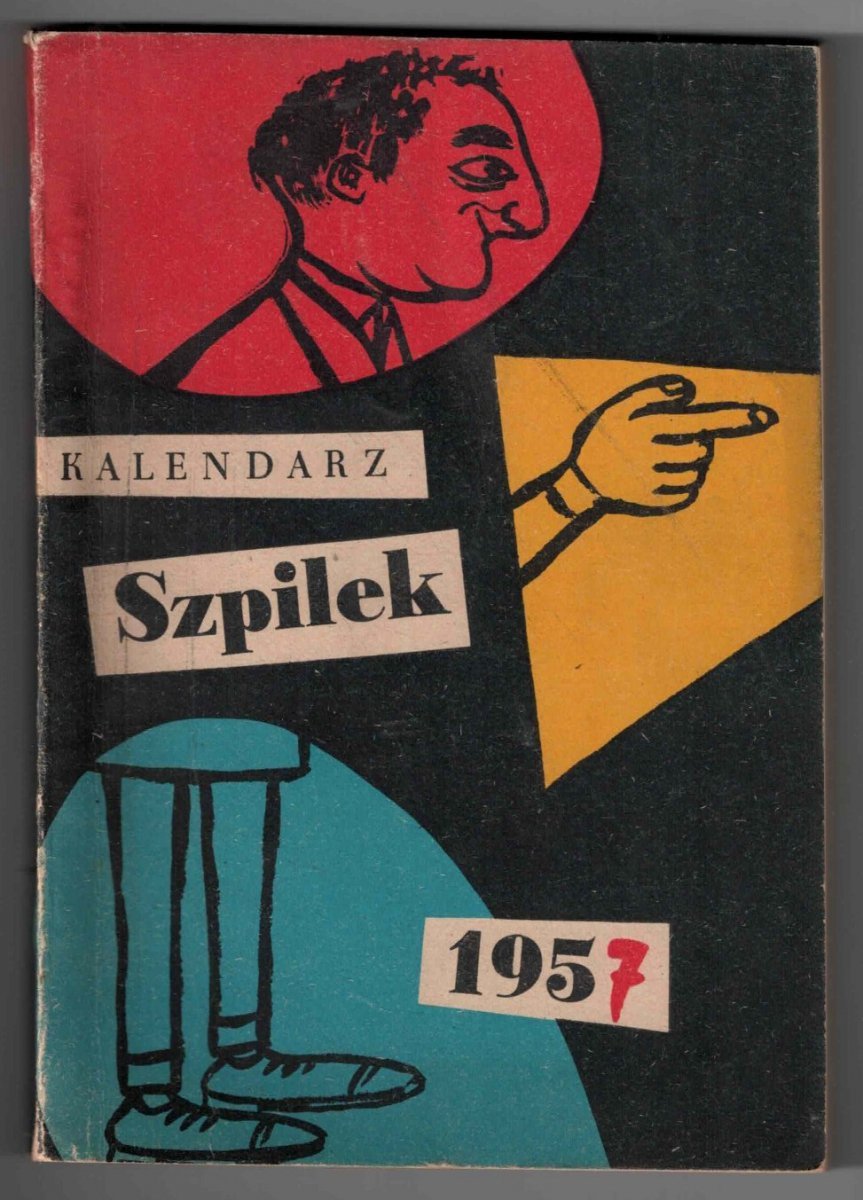
Lipiński made his official drawing debut in 1928 in the weekly Pobudka. From 1934, he contributed to Tygodnik Robotnika, where he occasionally ran a satirical column. This column inspired the creation of Szpilki (1935), which he co-founded with Zbigniew Mitzner. Lipiński served as editor-in-chief of Szpilki in 1935–1937 and again in 1946–1953.
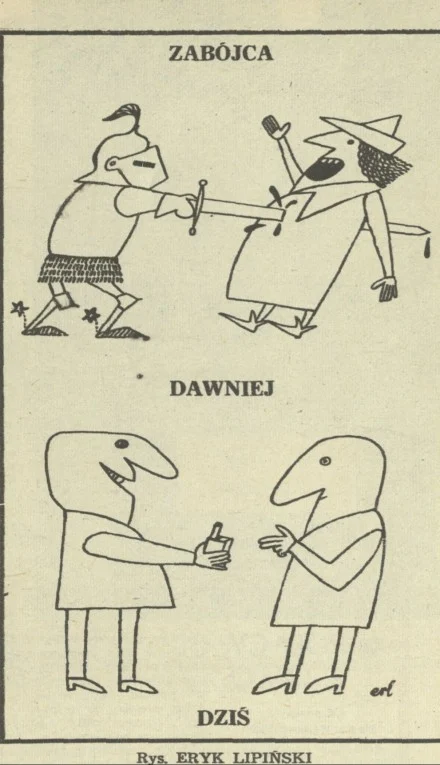
From 1934 onward, he was consistently involved in journalism, collaborating with Przekrój, Przegląd Kulturalny, Trybuna Ludu, Panorama, Zwierciadło, and Express Wieczorny, among others. He created notable comic series such as Otek and Man Creates Himself (Przekrój), Portraits of Polish Writers (Literatura), and Traits of Poles, Proverbs, The Seven Deadly Sins, and Zephyr of History (Szpilki). He also designed title pages and logos for magazines, including a mistakenly printed draft logo for Szpilki that remained in use for decades.
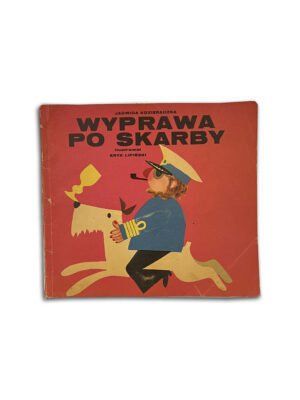
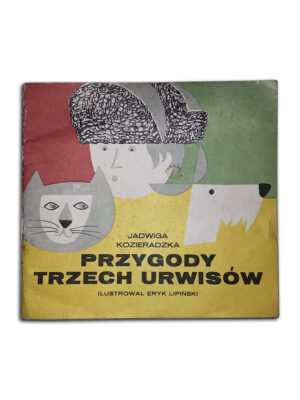
In the 1930s, Lipiński designed posters, book and magazine covers (such as Scena Polska), advertisements, corporate logos (e.g., AZS, Tobis, Pepeo), and marketing materials for clients like the Bracia Jabłkowscy company and Pluton. For Pluton, he created coffee and tea packaging and press advertisements, and even designed their exhibition booth for the 1937 Poznań Trade Fair.
On August 12, 1940, Lipiński was arrested in a street roundup and sent to Auschwitz concentration camp, where he was prisoner no. 2022. He was released later that year thanks to the efforts of his wife and a friend. Upon returning to Warsaw, he joined the underground resistance and forged identity documents.
During the Nazi occupation, Lipiński and his then-wife, Anna Gosławska-Lipińska, hid Jews in their apartment on Puławska Street. Between 1940 and 1942, they sheltered Wilhelm Wind, a poet, journalist, actor, and well-known member of Wesoła Lwowska Fala. In 1941, Lipiński helped a photographer named Nosanowicz escape from the Warsaw Ghetto and hid him on Miodowa Street. In 1942, he offered material assistance to Jakub Bickels after Bickels lost his documents. That autumn, Lipiński was arrested and sentenced to four months in Mokotów Prison for possessing a forged pass to the Ghetto.
In 1943, he sheltered artist Olga Siemaszkowa (Binder) and later helped painter Irena Kuczborska and her husband Stanisław. At their request, he also hid Maryla Spielrein, her son Ryszard, and young daughter. When the Warsaw Uprising broke out, Lipiński and Siemaszkowa were trapped in Saska Kępa. In mid-August 1944, he was taken to the German transit camp Dulag 121, where he worked as a stretcher-bearer and secretly forged German doctors’ signatures to help prisoners escape. At the end of the occupation, Lipiński and his wife lived in Częstochowa, running a tailor’s shop.
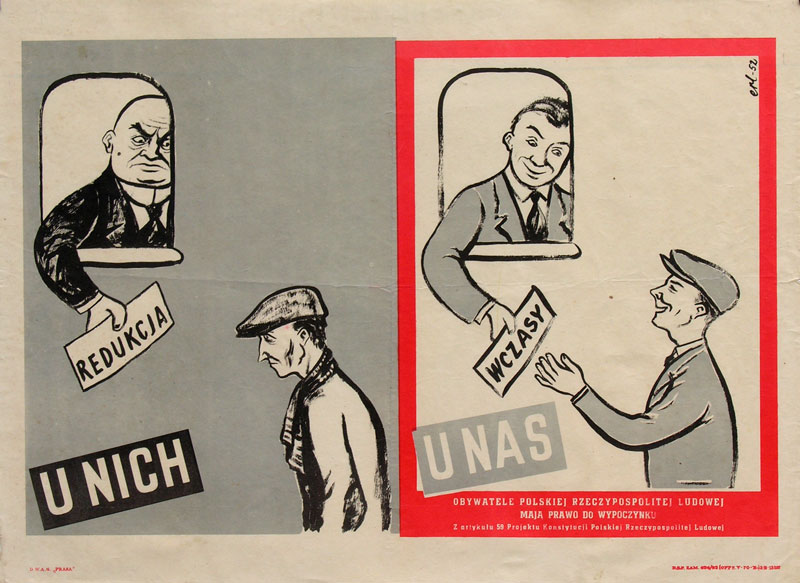
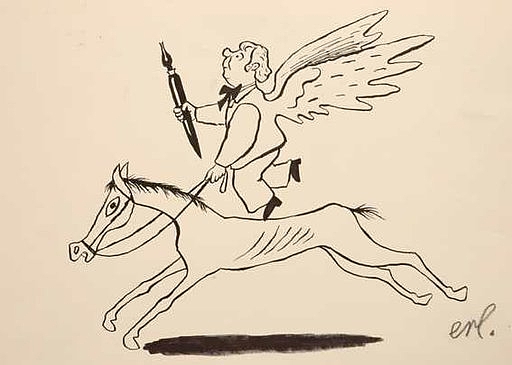
After the war, Lipiński continued to work as an illustrator, caricaturist, and graphic artist for numerous publications, including Mucha, Przekrój, Karuzela, Literatura, Zwierciadło, Polska, Stolica, Świat, Świerszczyk, Przegląd Kulturalny, Panorama, Express Wieczorny, and Trybuna Ludu. One of his iconic characters, Otek—a caricature of his friend Otto Axer—appeared throughout the 1960s in Przekrój. In the late 1950s, he created the opening sequence for the television program Kobra – Theatre of Suspense.
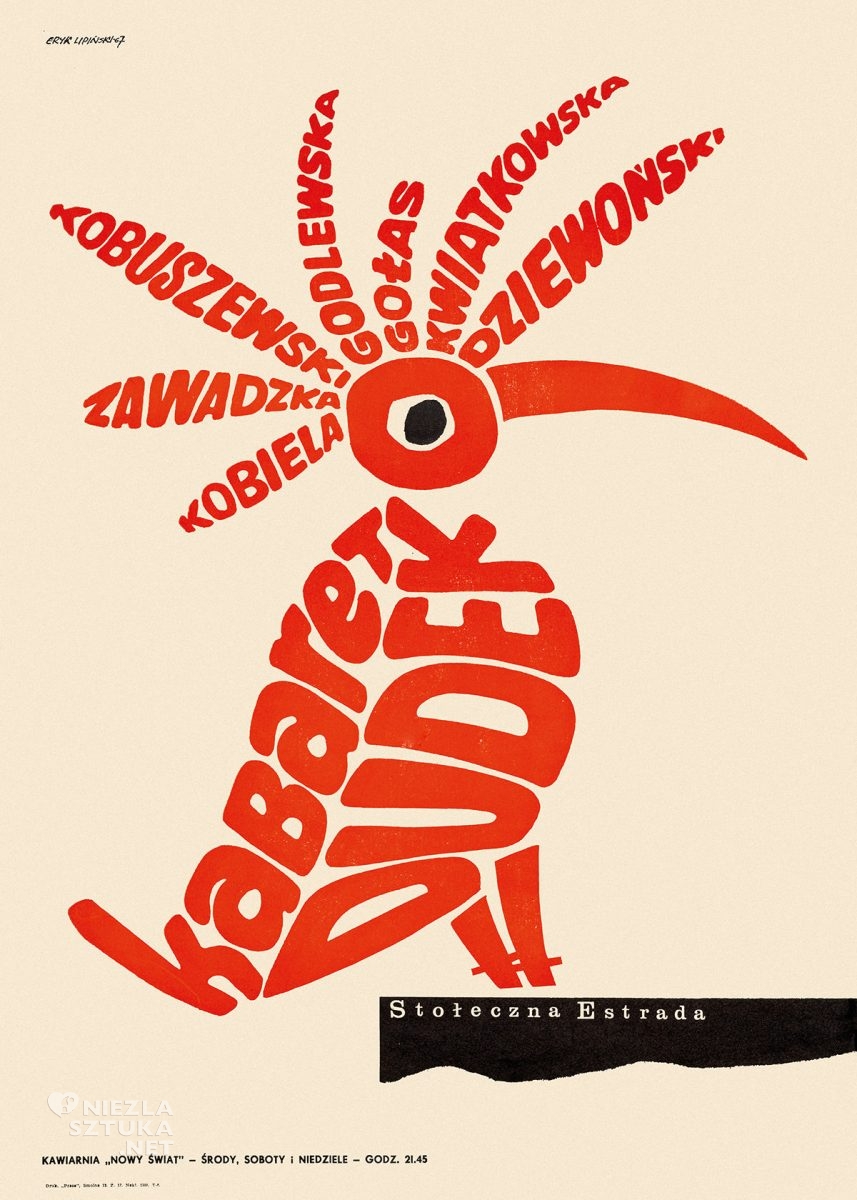
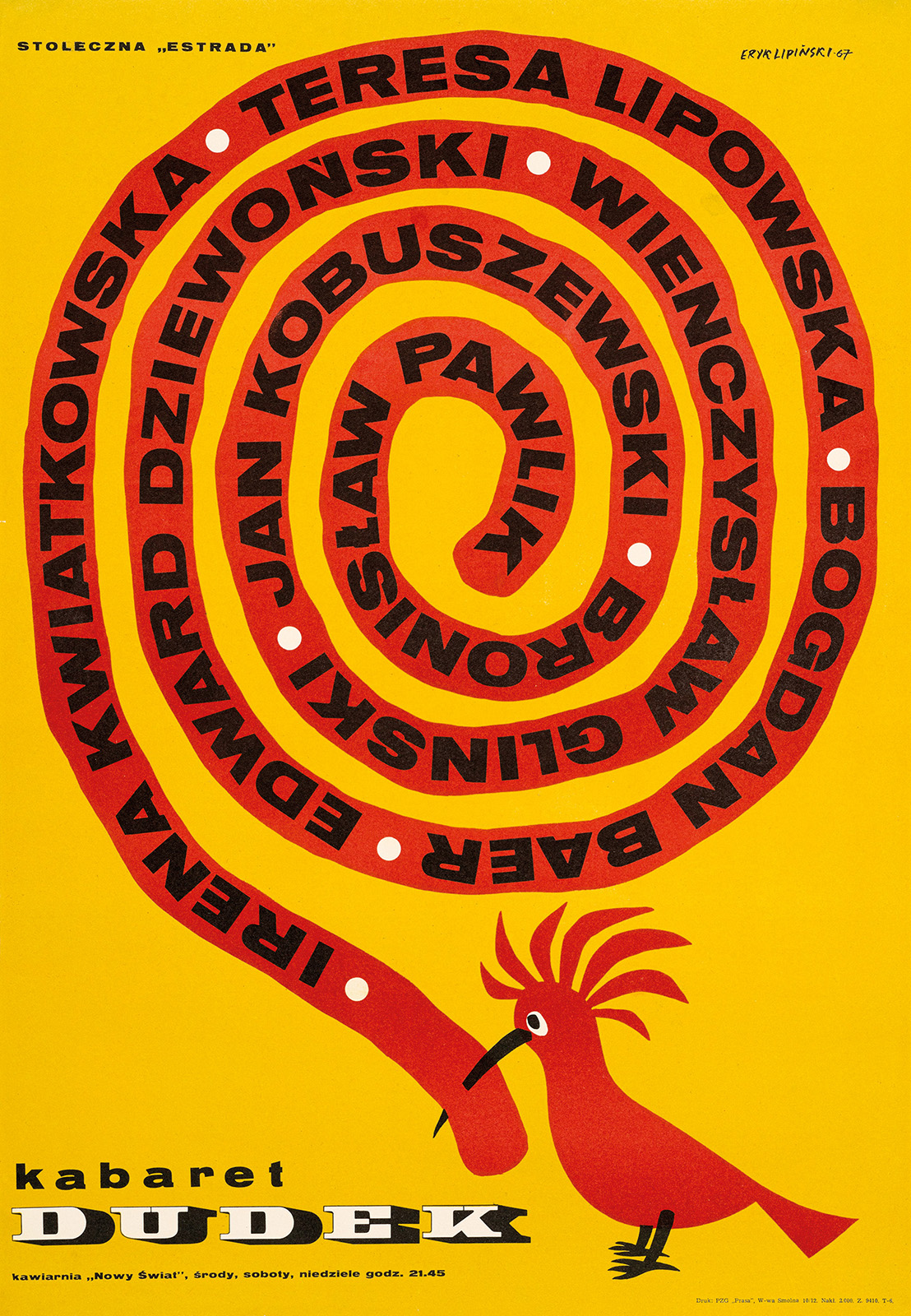
He was also associated with the cabaret Dudek, where between 1965 and 1975 he served as stage designer, scriptwriter, and poster artist for all of the cabaret’s productions.
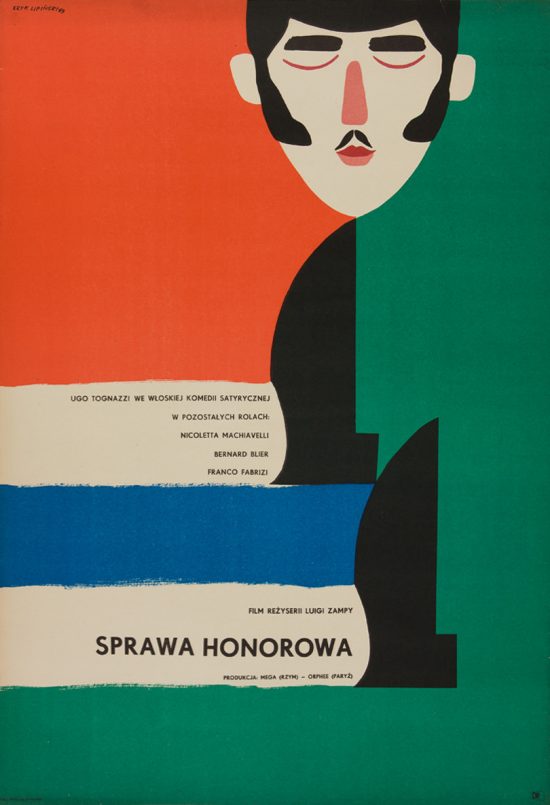
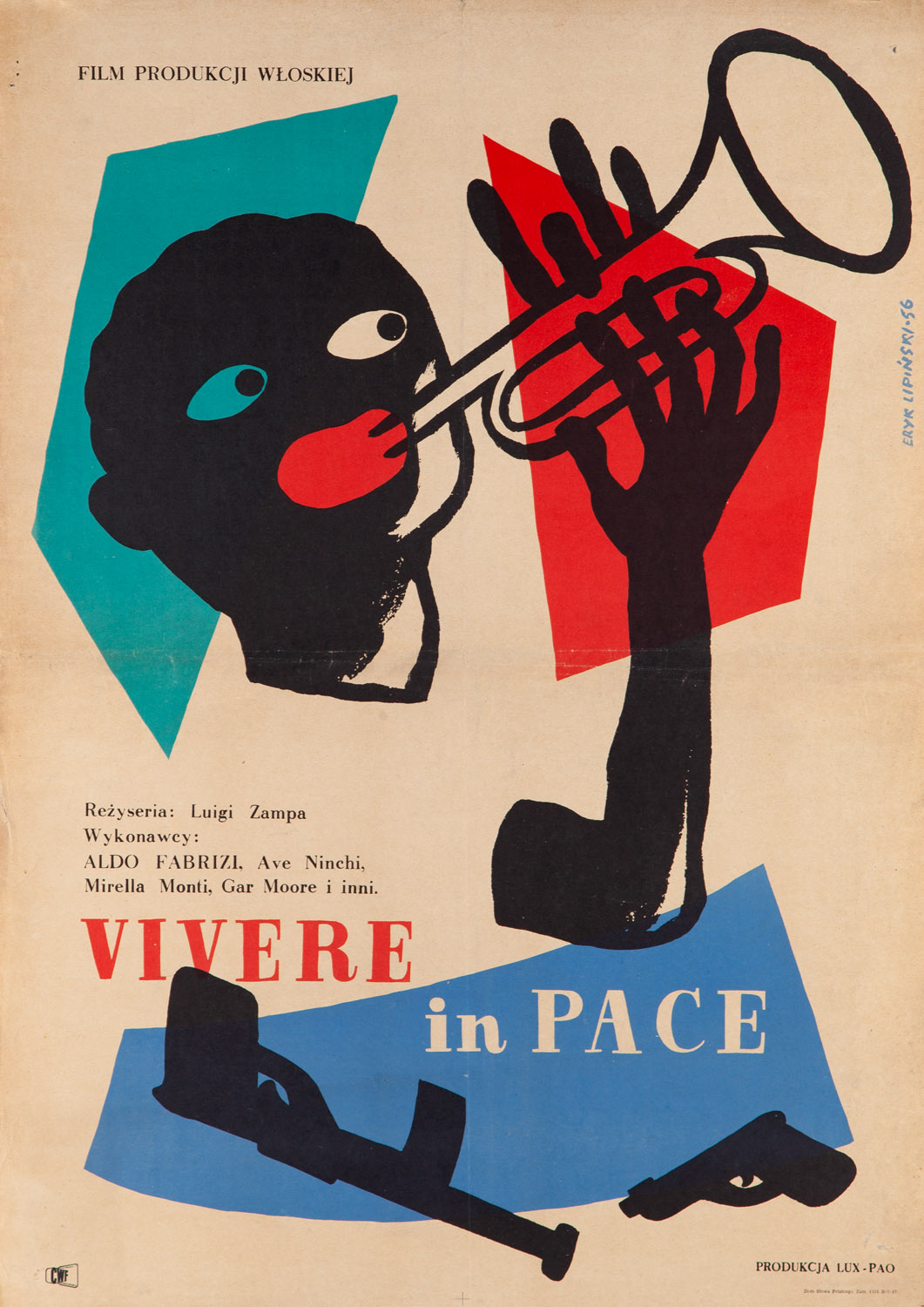
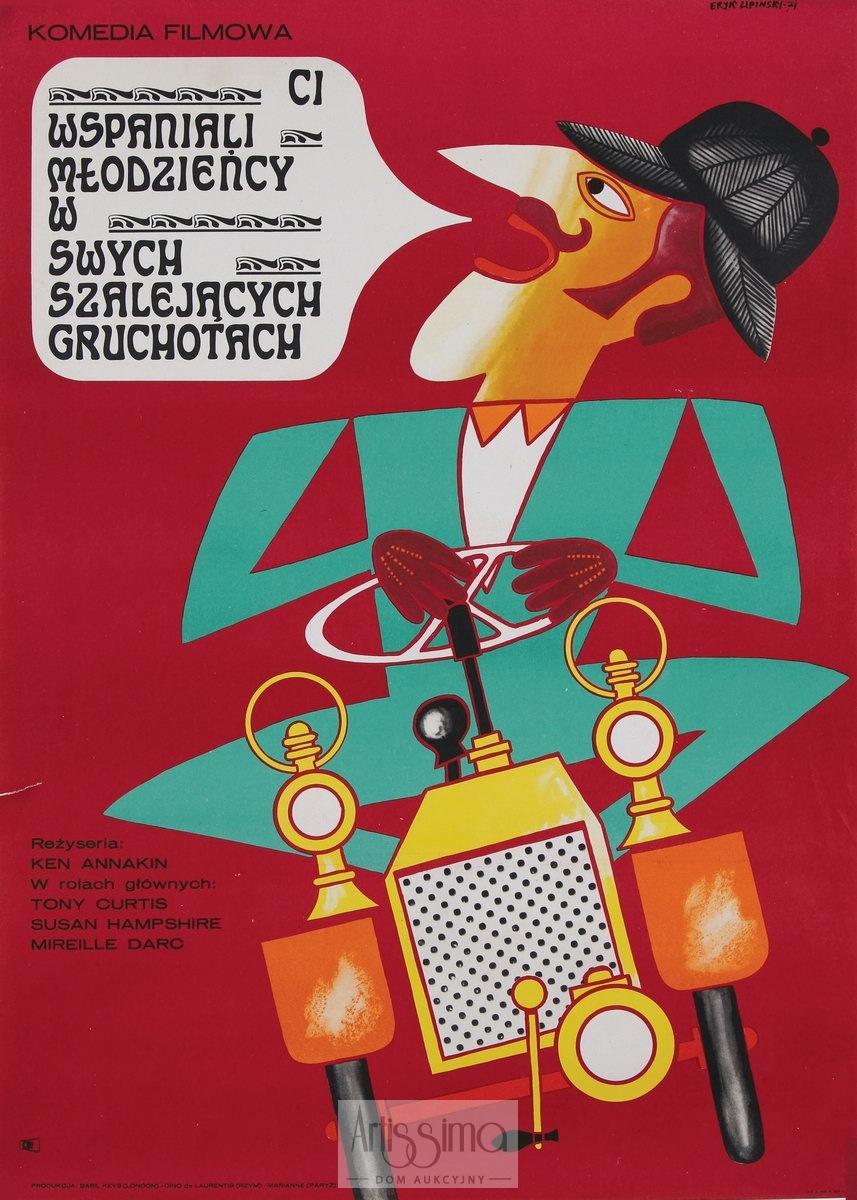
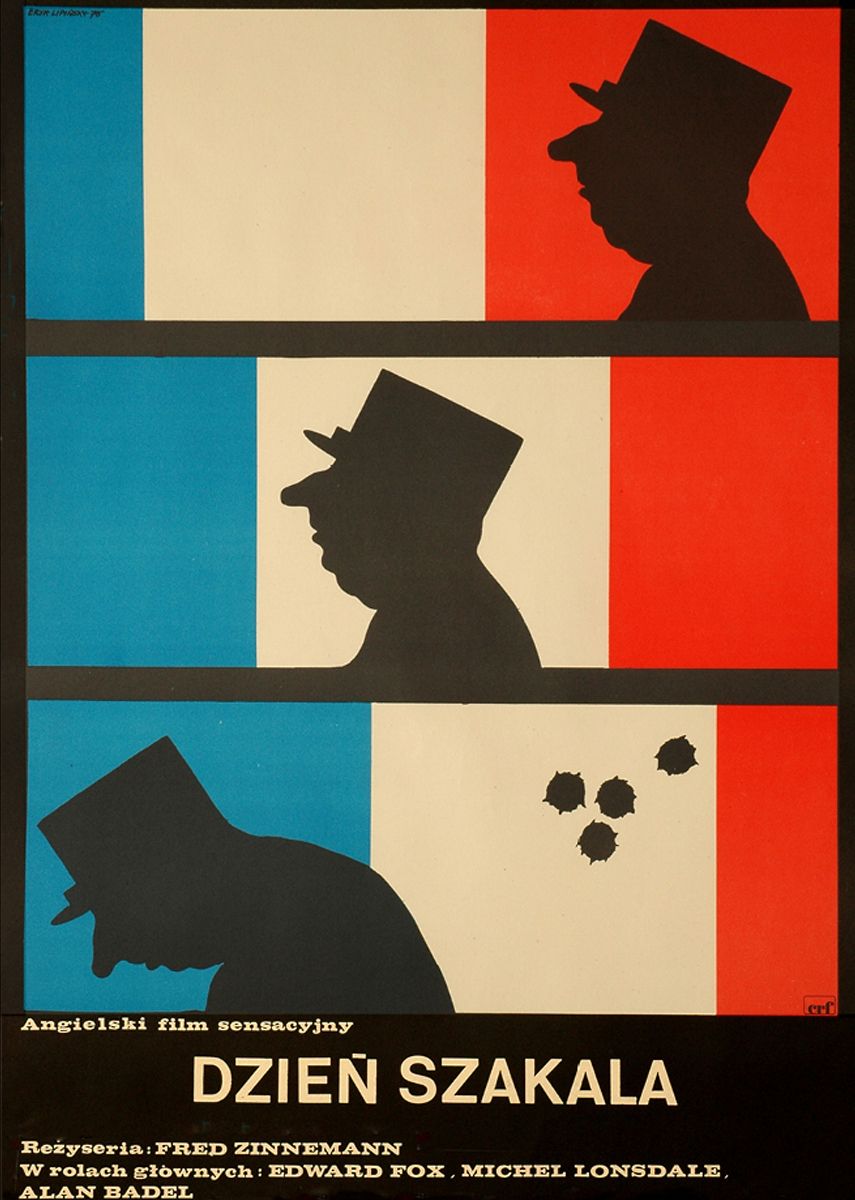
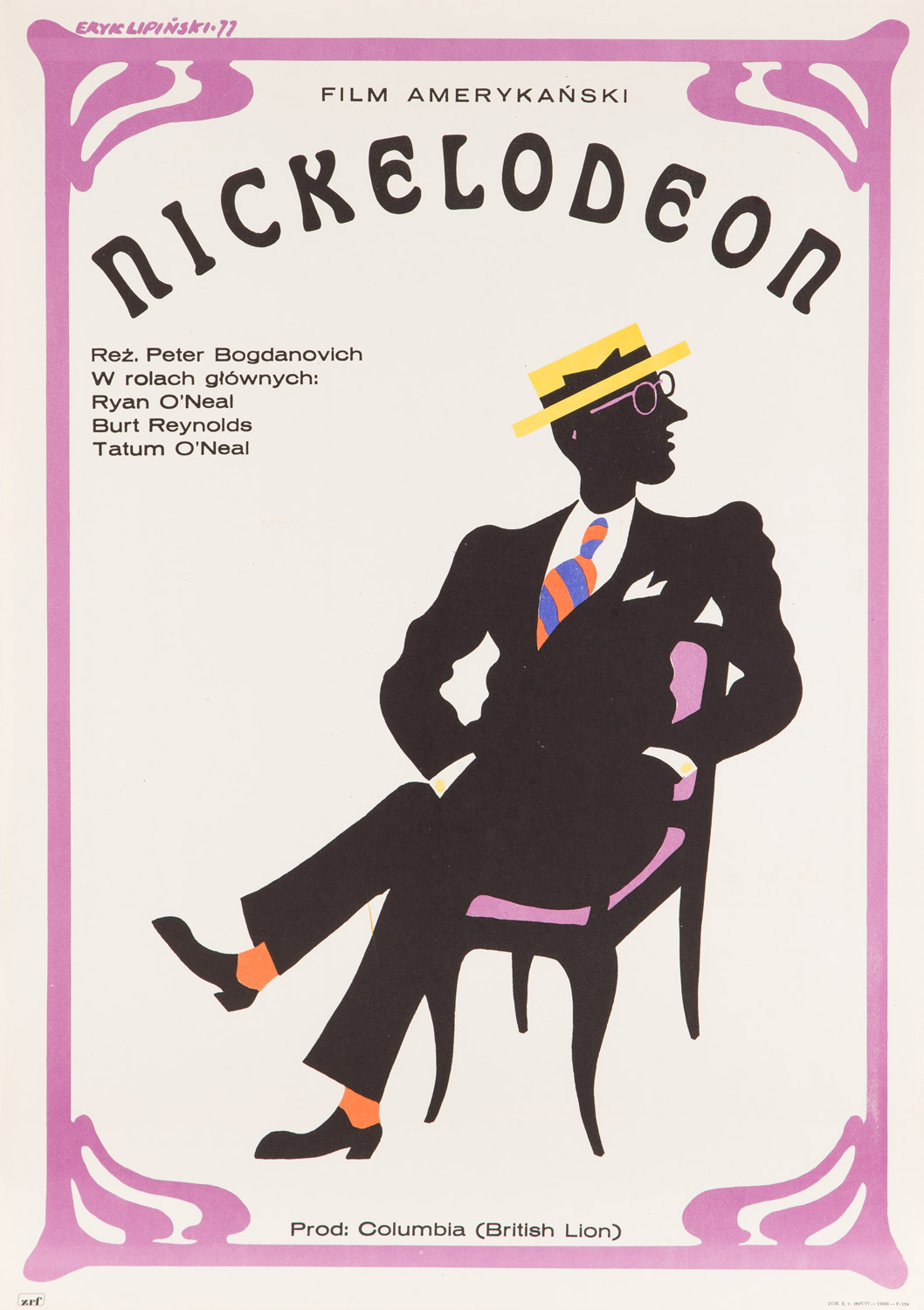
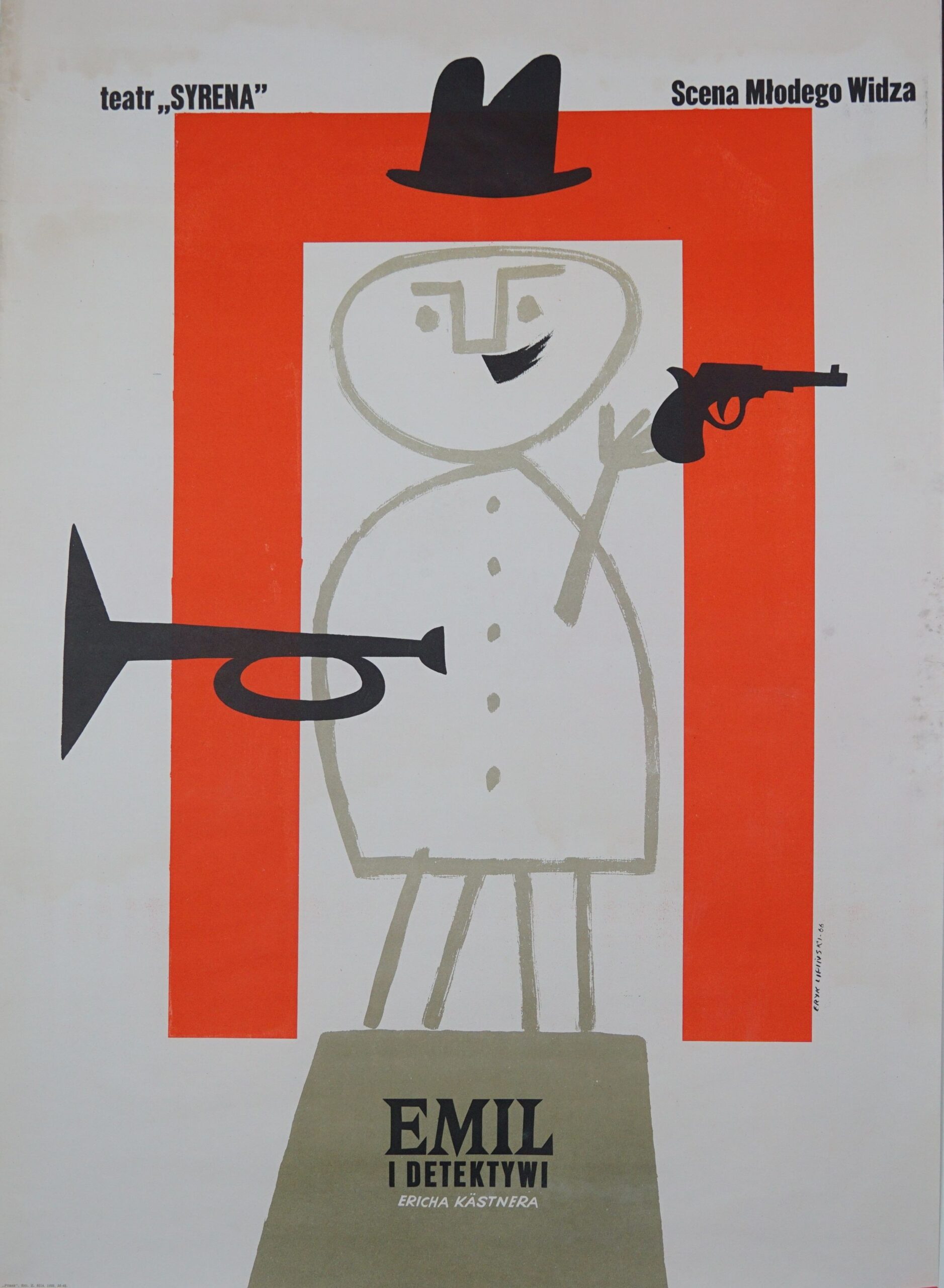
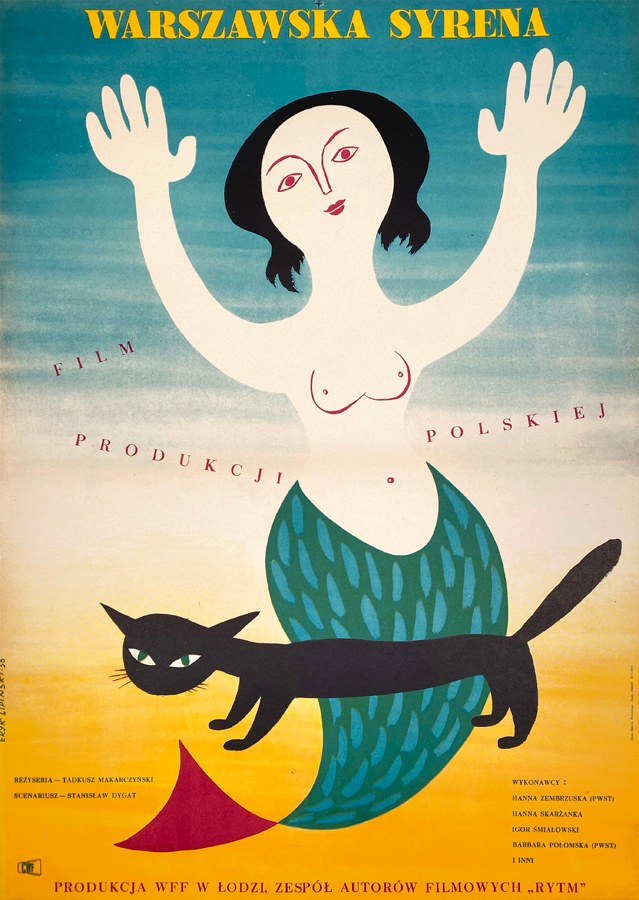
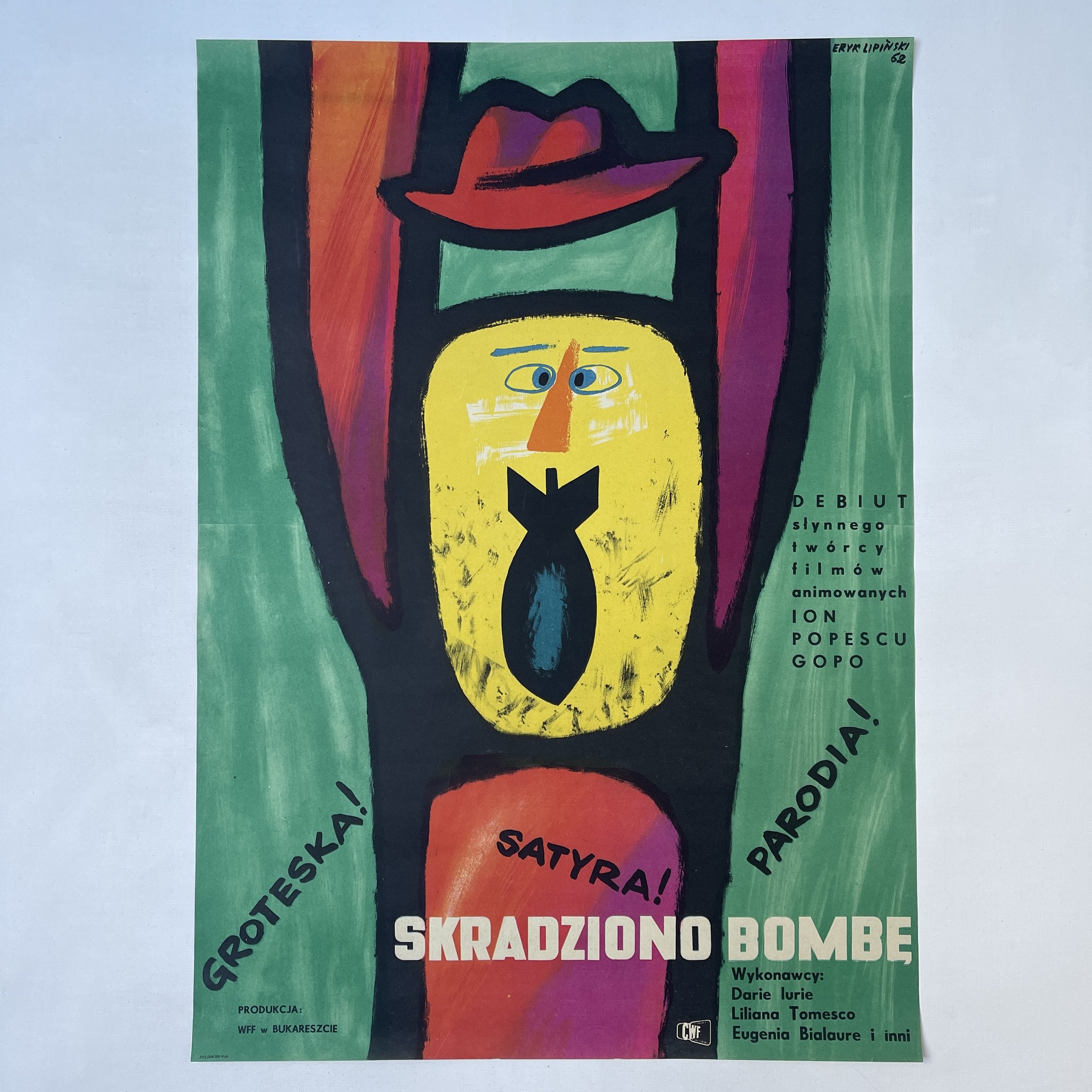
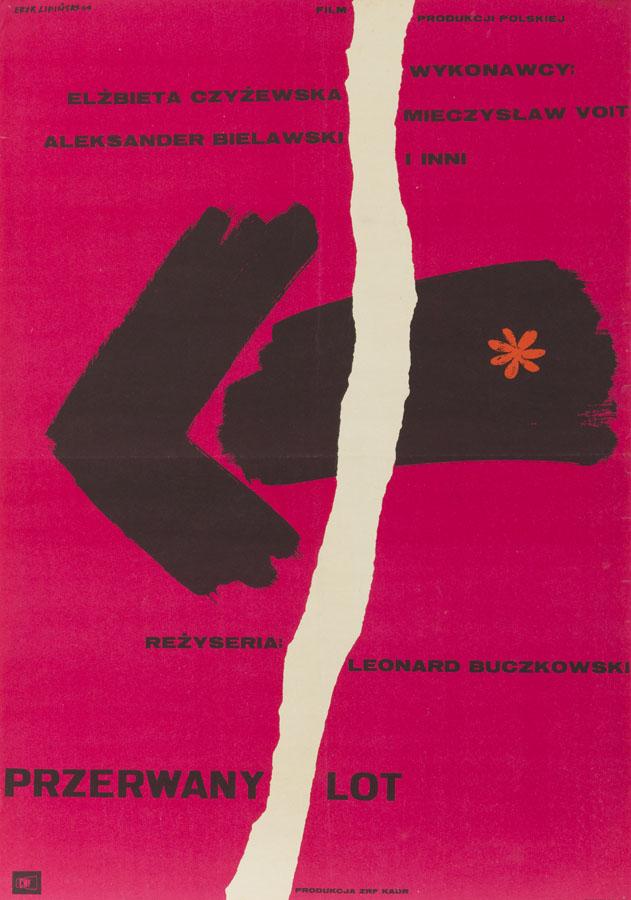
Lipiński’s posters were characterized by striking contrasts in visual texture—on one hand, employing coarse, simplified artistic techniques like cut-out shapes, smooth forms, and exaggerated areas; on the other, incorporating refined, almost ornamental lettering, Art Nouveau flourishes, and historical visual references.
His poster work earned him numerous awards. In 1945, he won a competition for an anti-Hitler poster (We Will Destroy Fascism to the End), which was approved for printing. In 1948, he won first prize for his Springtime of Nations poster, later repurposed during the anniversary of the 1905 Revolution. He received seven awards at the International Poster Exhibition in Vienna that same year. Further honors include prizes at national exhibitions of illustration and poster art (1955), the Film Poster Exhibition in Warsaw (1956), and various other competitions in the 1960s.
He also received broader accolades such as:
1966 – Golden Pin (Złota Szpilka)
1972 – Golden Pin with Laurel (Złota Szpilka z Wawrzynem) for lifetime achievements in satire
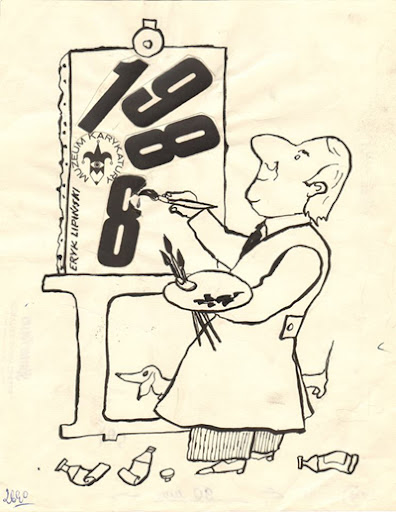
The Museum of Caricature in Warsaw was established in 1978, conceived and led for many years by Lipiński himself. On July 10, 2002, the museum was officially named in his honor.
The idea of creating one of the world’s first museums dedicated to caricature first came to Lipiński in the early 1960s. He began collecting works from fellow artists, encouraging donations, securing funds for acquisitions, and often using his own money. By the end of 1983, the museum’s collection included around 2,500 works. Over more than four decades, the collection has grown to over 25,000 pieces as of 2025, including long-term deposits.
1950 – State Artistic Award (3rd degree) for political caricature
1955 – Prize at the National Exhibition of Illustration, Poster, and Small Forms
1956 – Award from the Central Office of Cinematography, Film Poster Exhibition, Warsaw
1961 – Distinction at the Polish Fine Arts in the 15th Anniversary of the PRL poster exhibition
1963 – Poster of the Year Award – Best Poster in Warsaw
1965 – Prize at the International Film Poster Exhibition in Vienna
1966 – Golden Pin (Złota Szpilka)
1972 – Golden Pin with Laurel for lifetime satire work
1974 – Individual Award from RSW Press-Book-Movement
1980 – City of Warsaw Award
1980 – Honorary citizenship of Nashville, USA
1981 – “Outstanding Artist of the Year 1980”, awarded by the Association of American Editorial Cartoonists
1981 – First Degree Award from the Ministry of Culture and Art
1989 – Golden Pencil of Satyrykon ’89 for lifetime achievement