This is a demo store for testing purposes — no orders shall be fulfilled. Dismiss
Skip to contentGrażyna Dłużniewska (born 1946 in Płońsk) is a Polish illustrator, painter, scenographer, and art educator. She belongs to the generation of artists who, in the 1970s, introduced a new visual quality to Polish book illustration—based on expressive line work, strong visual narration, and formal boldness.
She studied at the Academy of Fine Arts in Warsaw, Faculty of Graphic Arts. She received her diploma in 1974 in the studio of Zofia Chrostowska, one of the most important figures in Polish artistic printmaking. Already during her studies, Dłużniewska showed a strong interest in narrative illustration, scenography, and the relationship between image and literary text.
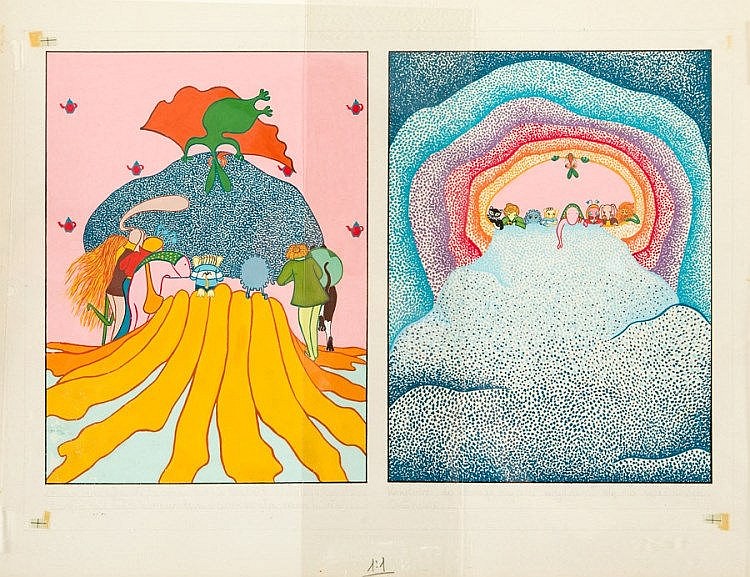
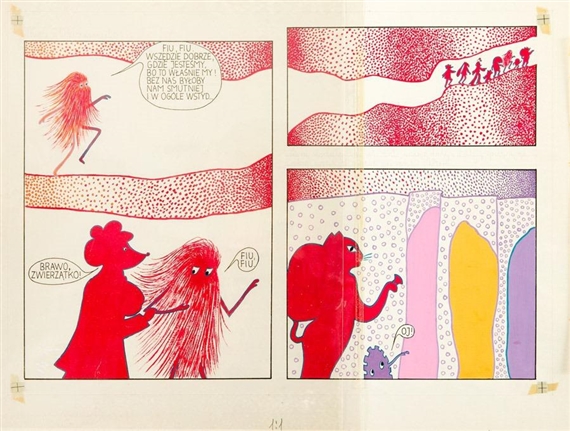
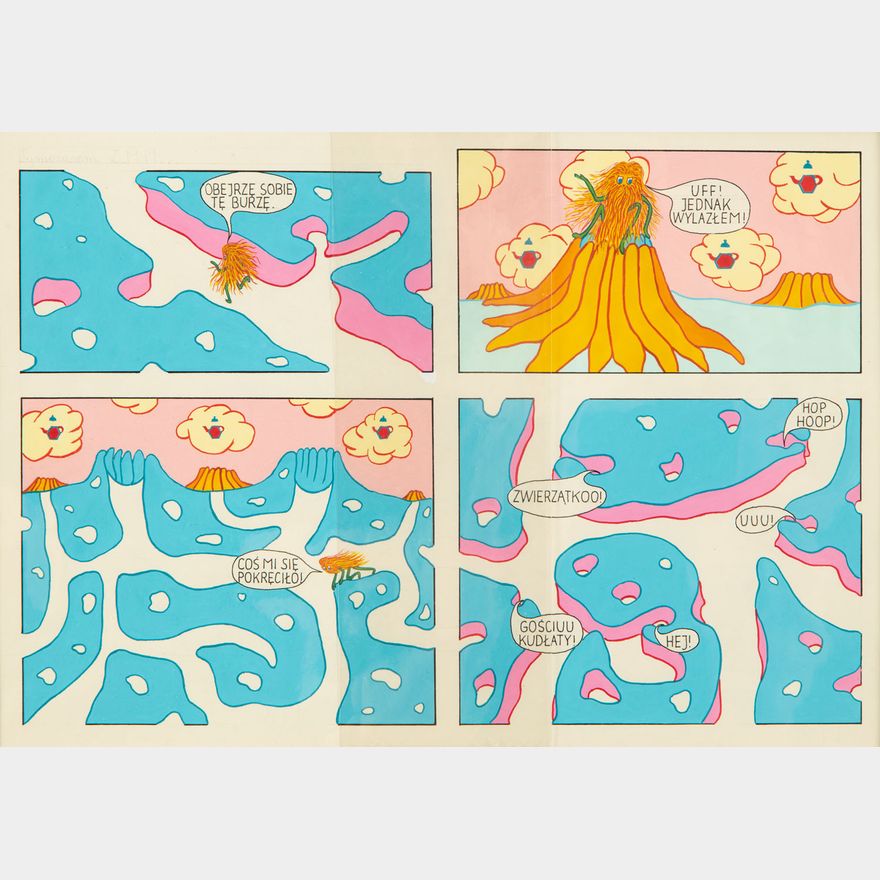
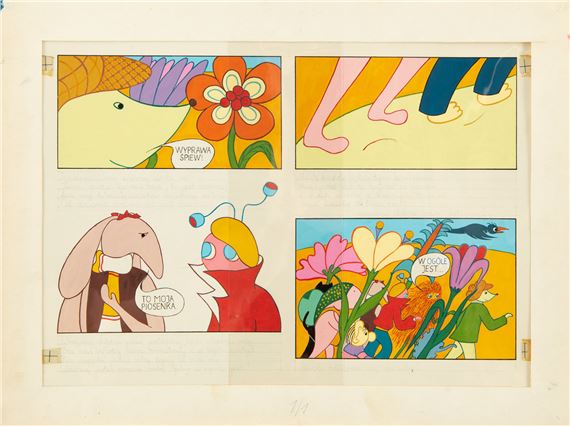
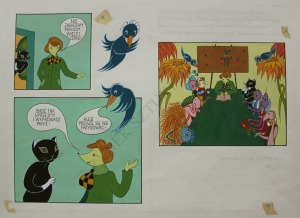
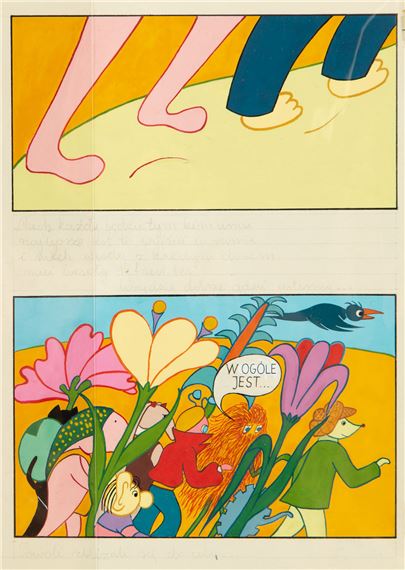
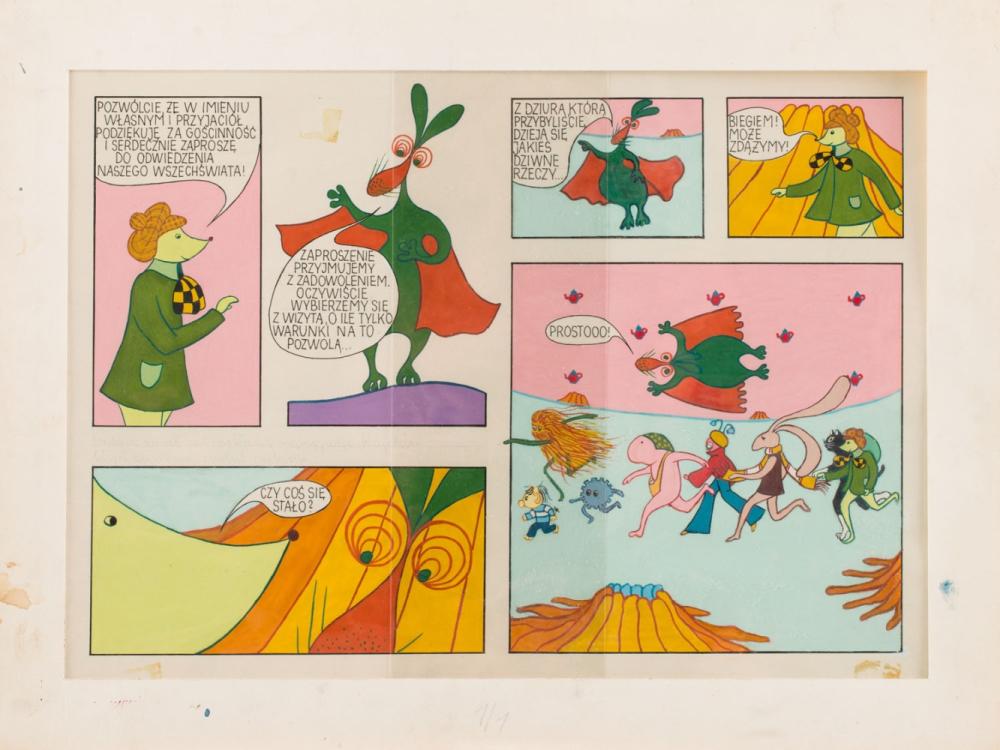
The most significant area of Grażyna Dłużniewska’s artistic practice is book illustration, particularly for children and young readers. Her illustrations are distinguished by dynamic compositions, a suggestive atmosphere, and a vivid—often slightly grotesque—stylistic language. She freely combines realism with fantasy, creating worlds filled with tension, humor, and a sense of adventure.
A particularly important place in her oeuvre is occupied by her collaboration with writer and playwright Maciej Wojtyszko. Dłużniewska’s illustrations became an integral part of the visual identity of his books and, for many readers, one of the most memorable elements of these stories.
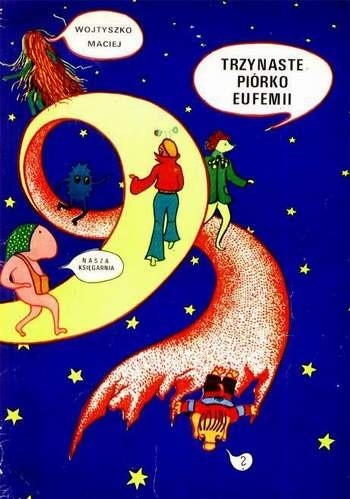
The Thirteenth Feather of Euphemia – Maciej Wojtyszko, Nasza Księgarnia, 1977 (later reprints, including Ezop Publishing). A cult classic combining adventure narrative with elements of fantasy; Dłużniewska’s illustrations played a crucial role in its reception.
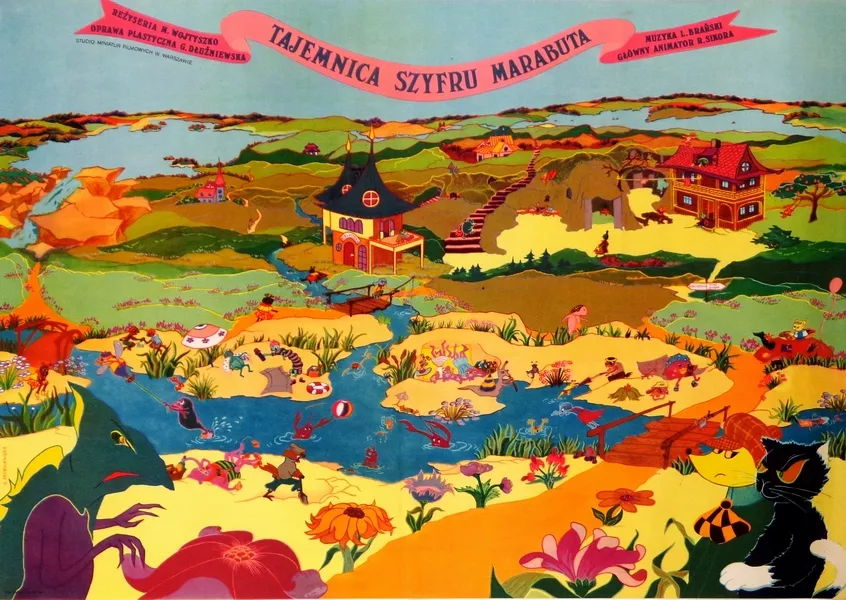
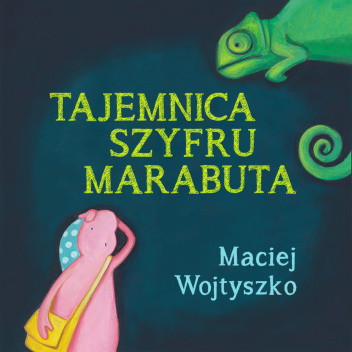
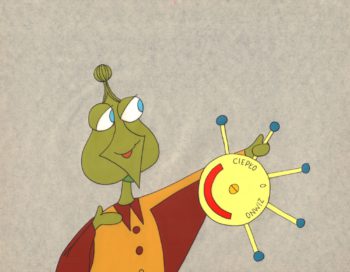
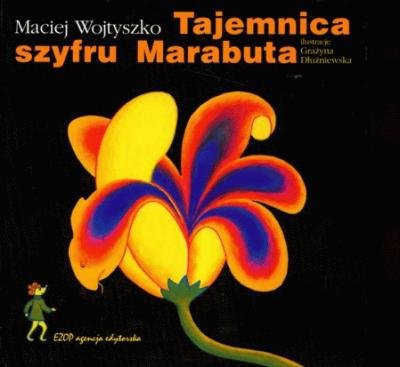
The Mystery of the Marabou Cipher – Maciej Wojtyszko. A detective-adventure novel for young readers, also known from its film adaptation; the illustrations emphasize the atmosphere of mystery and exoticism.
Her illustrations have been reprinted numerous times, and original illustration boards and drawings now function on the collectors’ market as independent works of art.
Alongside book illustration, Grażyna Dłużniewska worked in theatre and film scenography, designing sets and costumes. Her scenographic experience had a clear influence on her illustrations, visible in the theatrical handling of space, light, and the movement of figures.
She is also active in painting and ceramics, treating these fields as autonomous forms of artistic expression. Her paintings and ceramic works have been presented in both solo and group exhibitions.
From the mid-1980s onward, Grażyna Dłużniewska engaged in extensive educational and cultural activities. She organized plein-air painting sessions and art workshops for children and young people in Poland and Ukraine. These initiatives aimed not only to develop artistic skills but also to cultivate aesthetic sensitivity and imagination.
Works by Grażyna Dłużniewska have been presented in numerous solo and group exhibitions in Poland and abroad, including in Warsaw, Łódź, Olsztyn, Düsseldorf, and Heidelberg. Her illustrations and paintings regularly appear at art auctions and in gallery offerings, attracting the interest of collectors of illustration and contemporary art.
The artistic output of Grażyna Dłużniewska constitutes an important chapter in the history of Polish illustration in the second half of the twentieth century. Her works combine the qualities of literary narration with autonomous artistic value, allowing them to function both as applied illustrations and as independent works of art.