This is a demo store for testing purposes — no orders shall be fulfilled. Dismiss
Skip to content(Born January 4, 1928, in Poznań – Died October 5, 2001, in Berlin)
Polish visual artist, poster designer, screenwriter, director of animated films, musician, architect, art critic, book illustrator, and one of the pioneers and leading figures of the Polish School of Poster Art.
Jan Lenica was born into an artistic family. His father, Alfred Lenica, was a renowned painter and one of the founders of Polish abstract art. His mother was Janina Kubowicz (1907–1981). His sister, Danuta Lenica, was a children’s book illustrator and the wife of writer Tadeusz Konwicki.
Jan completed his studies at a music high school, specializing in piano, and went on to study architecture at the Warsaw University of Technology. He also apprenticed in his father’s painting studio.
He began his artistic career with modest satirical drawings published in the Polish weekly Szpilki. His breakthrough came in poster art, where he quickly became one of the key figures of the internationally celebrated Polish School of Poster Art. As a draftsman, he also wrote critical essays on graphic design, posters, and caricature, and worked as the graphic editor of Szpilki.
In 1954, he became an assistant at the Poster Studio at the Academy of Fine Arts in Warsaw. The following year, he received a commendation from the Subcommittee for Literature and Art of the State Awards for his poster work, particularly for “Gate No. 6” and “Lost Childhood.”
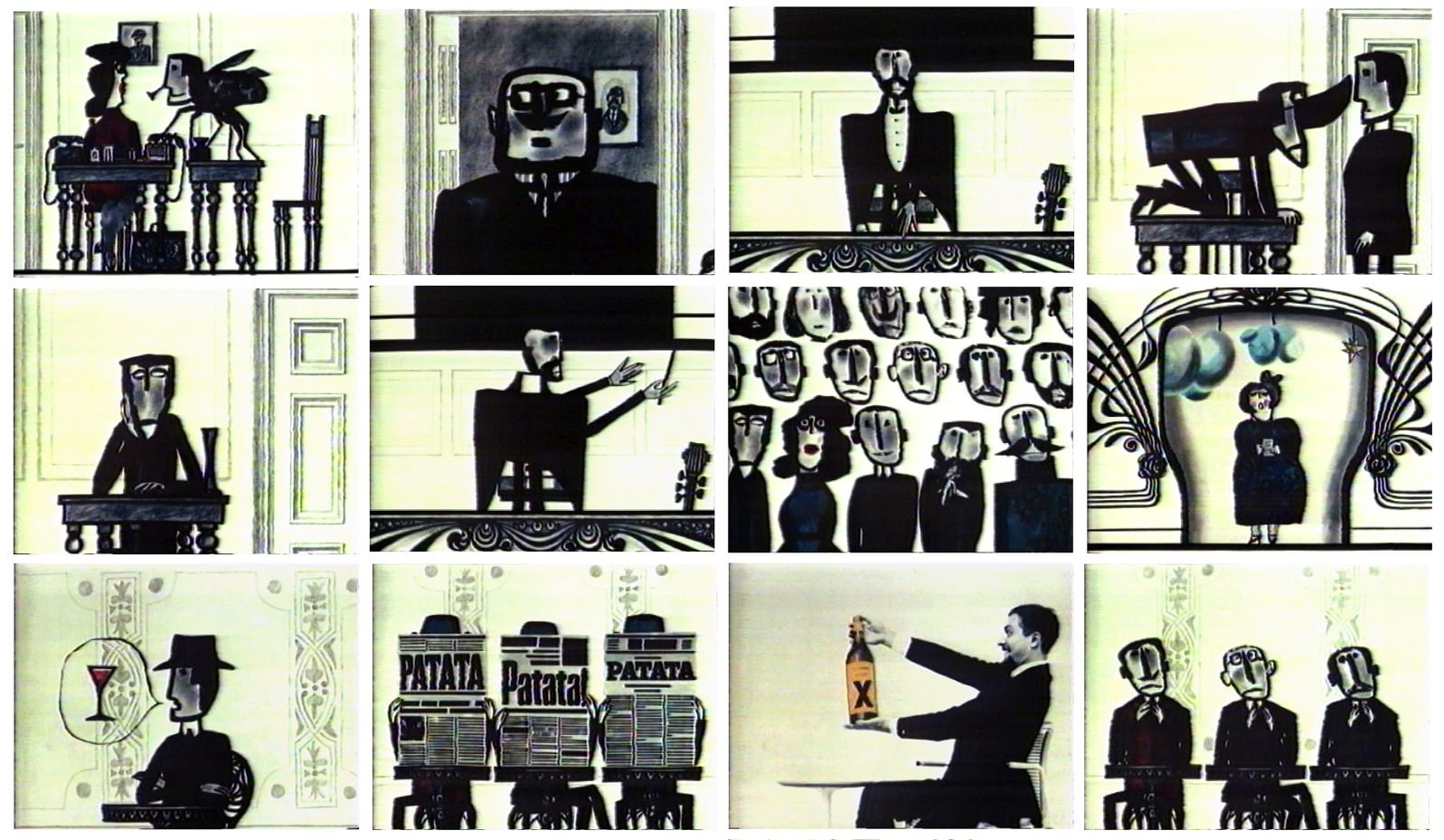
In 1957, Lenica collaborated with Walerian Borowczyk to create his first animated film. After producing several more and facing censorship issues that prevented their distribution, he left Poland and settled abroad permanently.
He gave lectures on poster art at Harvard University, and later led the Department of Animated Film at the University of Kassel. He also served as a professor of poster and graphic design at the Berlin University of the Arts (Hochschule der Künste).
Lenica coined the term “Polish School of Poster Art”, using it as the title for his article published in the Swiss magazine Graphis. Alongside his own artistic work, he was a respected art critic, known for insightful commentary.
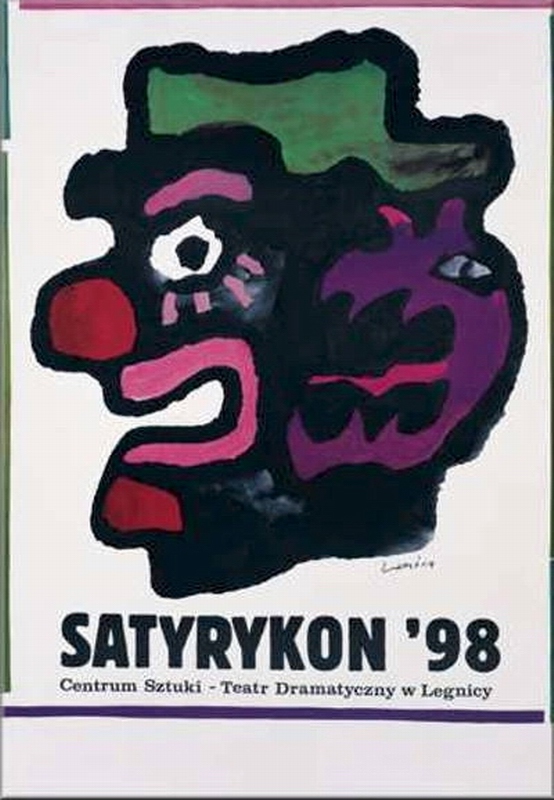
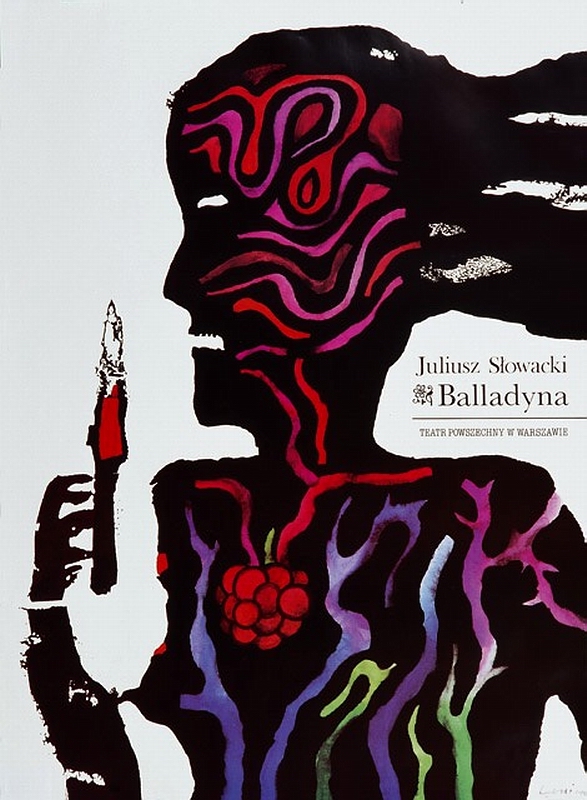
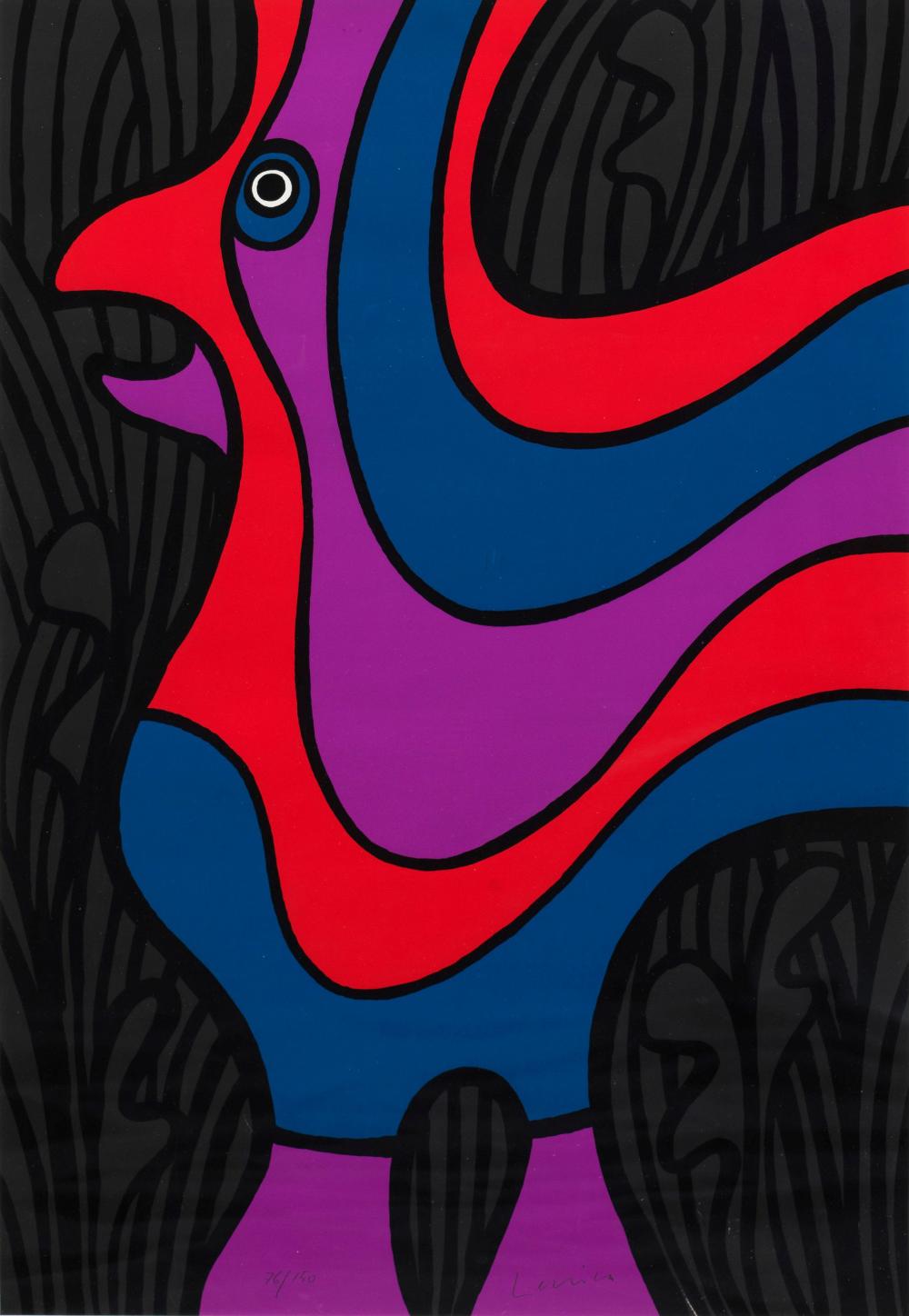
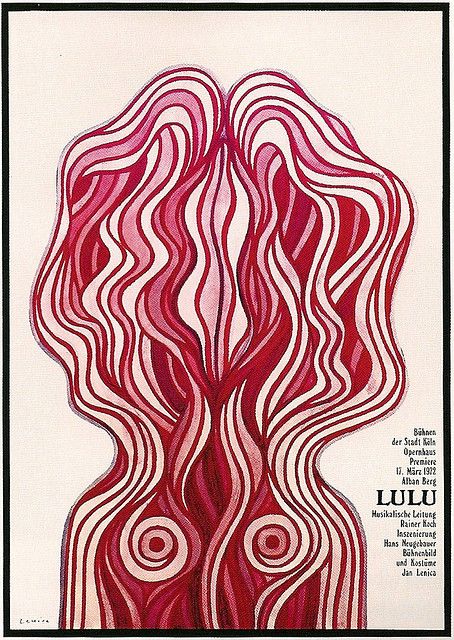
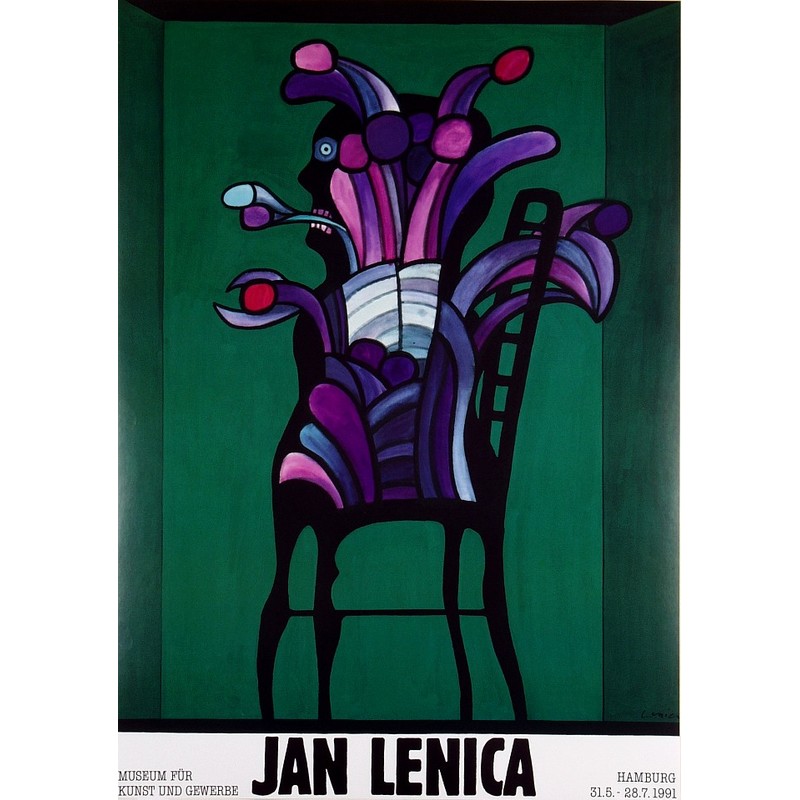
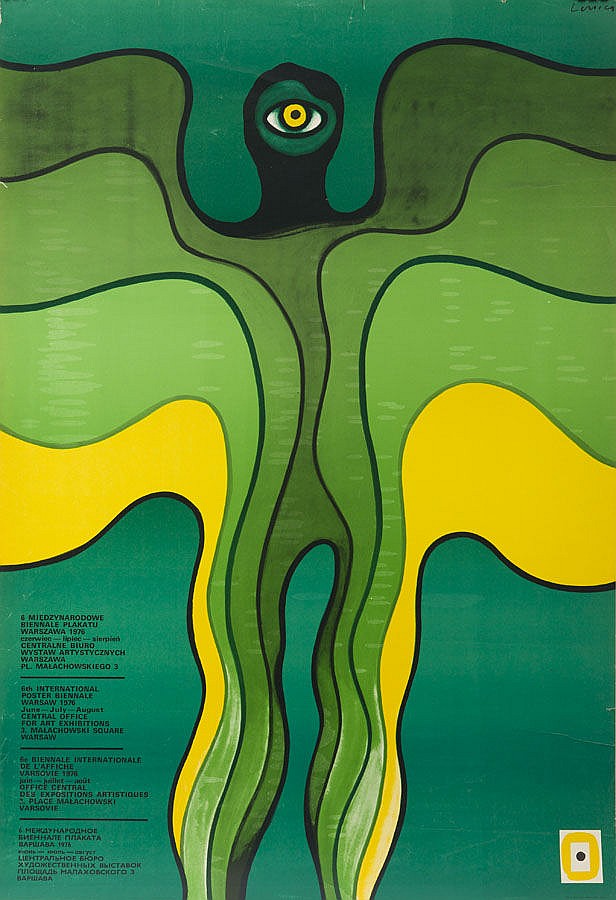
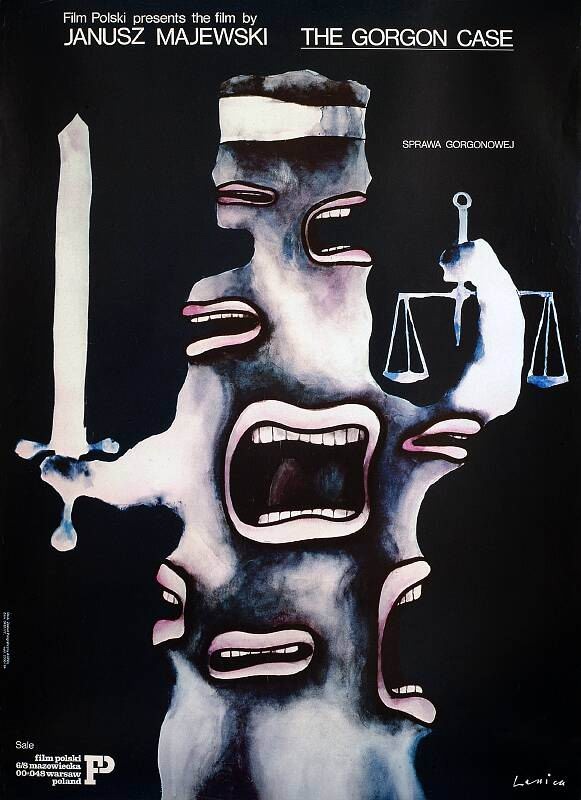
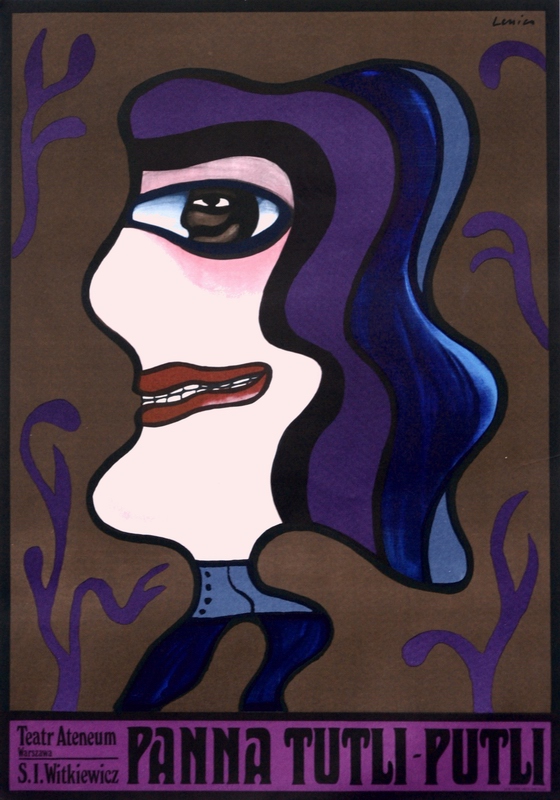
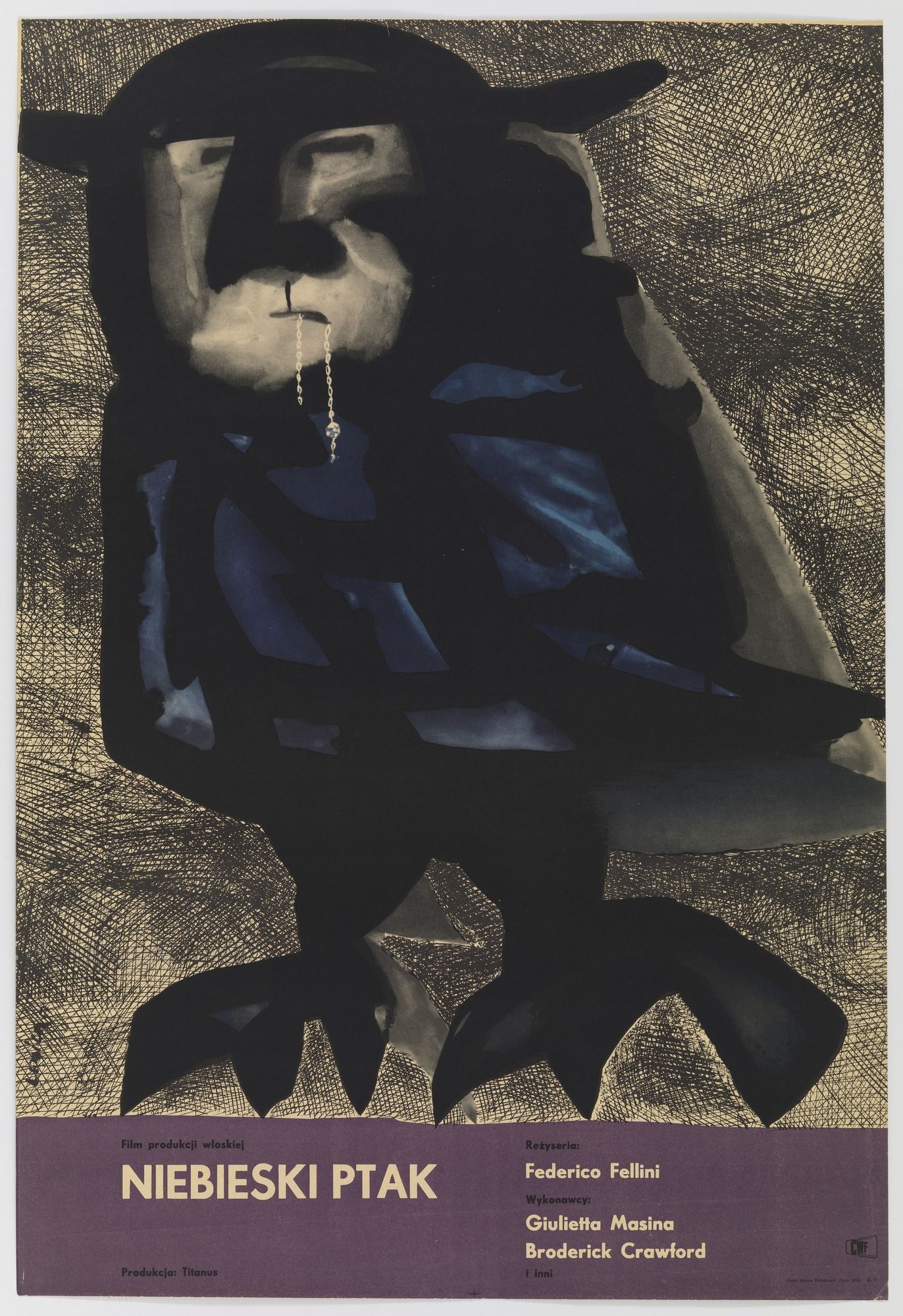
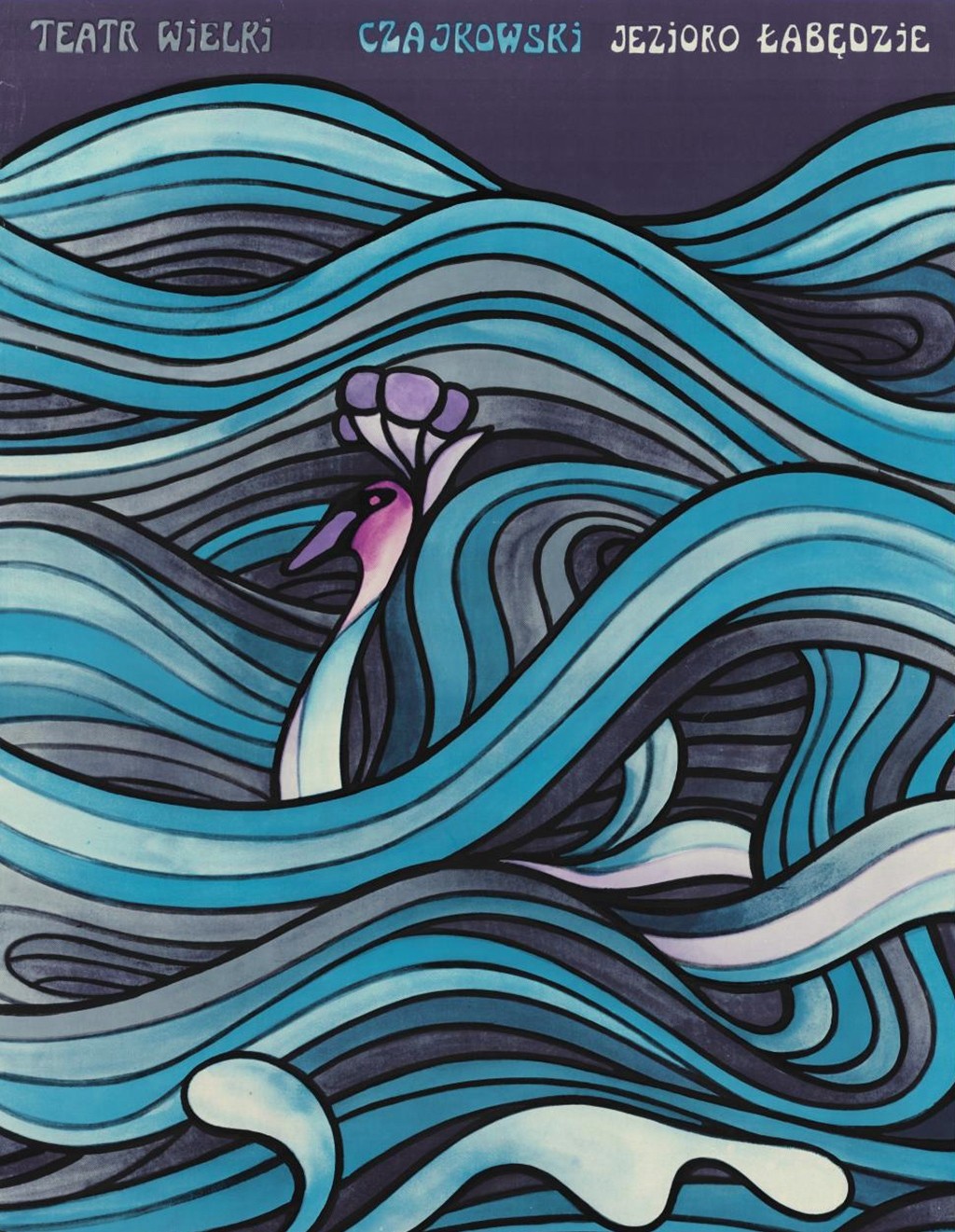
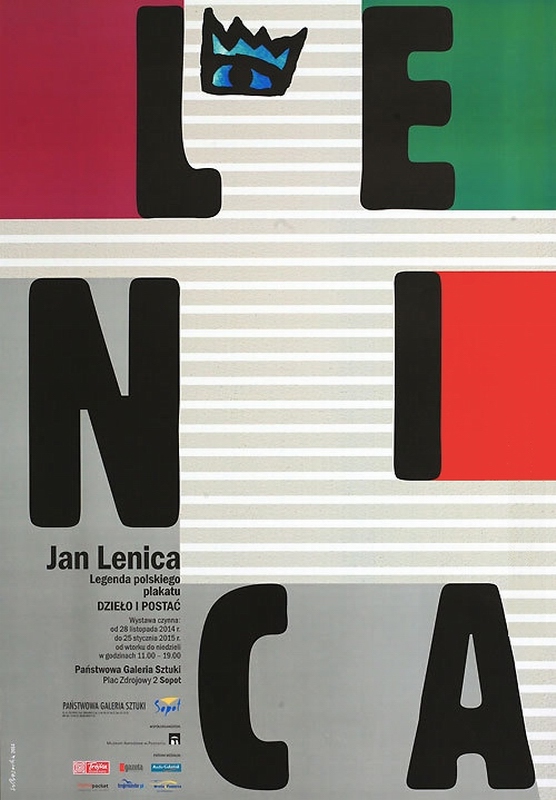
Lenica’s posters were marked by intense expressiveness but often contained a vein of sarcastic satire. His unique atmosphere of visual storytelling led critics in the 1960s to compare him to England’s “Angry Young Men” generation (like John Osborne). His graphic language often anticipated experimental techniques of contemporary graphic art.
He developed a highly personal and recognizable artistic “handwriting”, which, though evolving over decades, remained deeply individual and stylistically consistent.
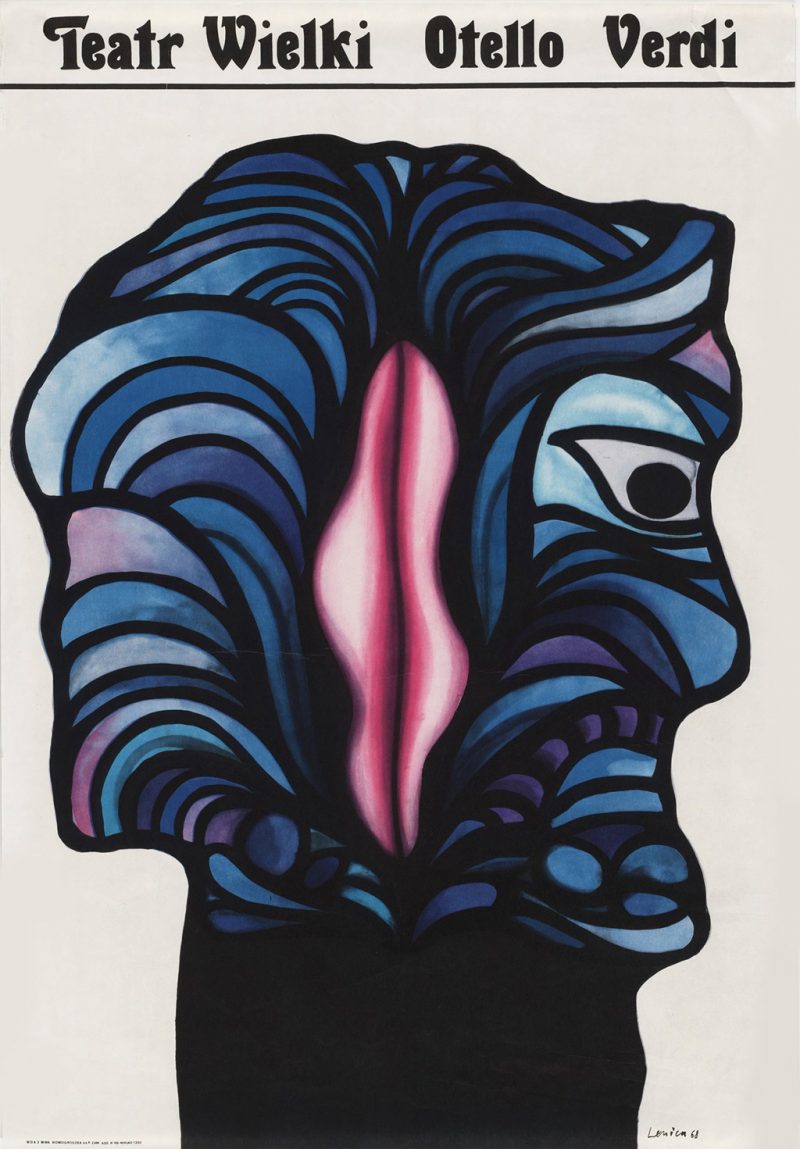
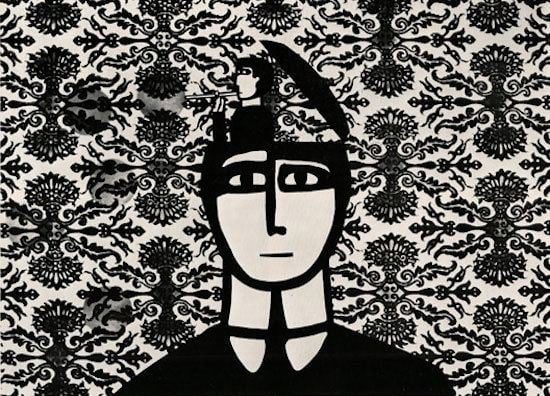
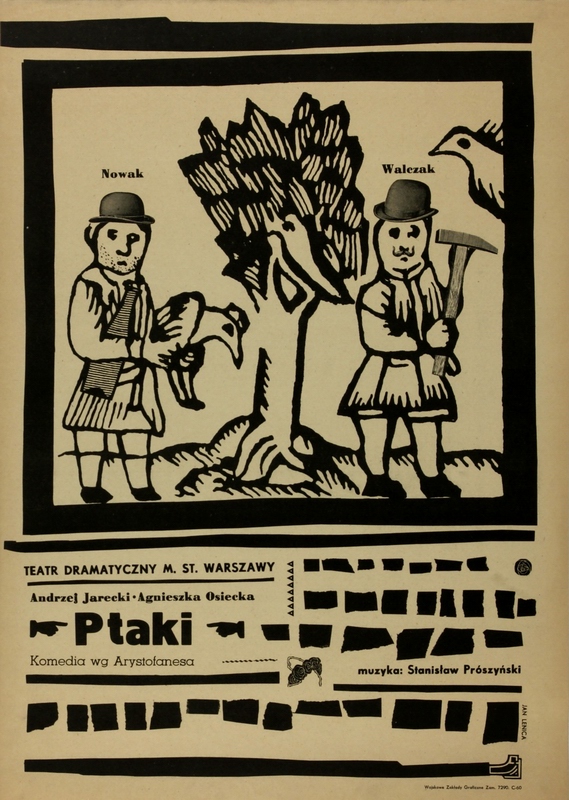
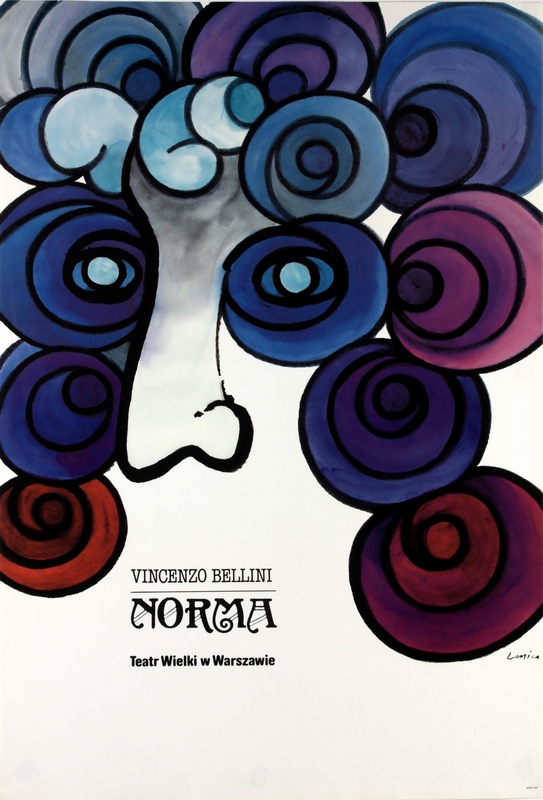
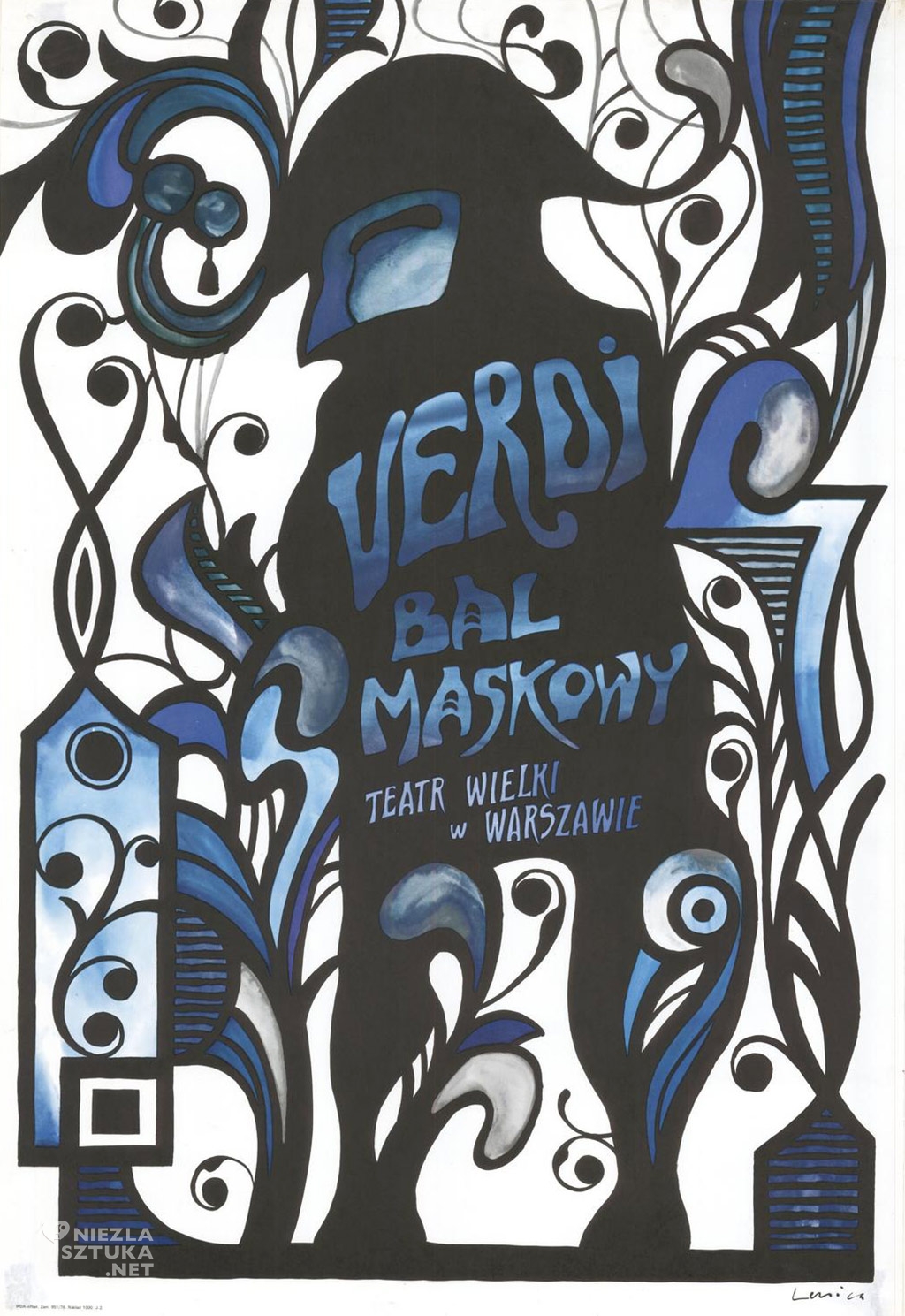
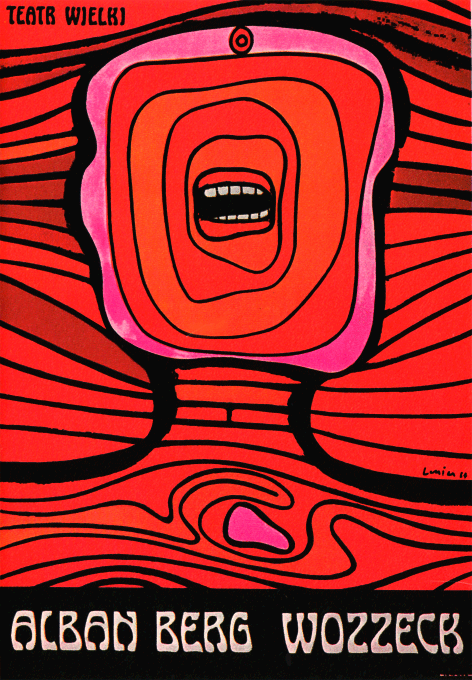
In the 1960s, Lenica embraced a cutout style, which became a defining feature of his work—evident in posters like “The Rite of Spring” and “Iphigenia in Tauris” (both from 1962). Shortly after, he began drawing inspiration from Art Nouveau, starting with his iconic 1964 poster for “Wozzeck”, created for Alban Berg’s opera. This stylistic influence continued in posters for “Faust” (1964) and “Othello” (1968). He also applied Art Nouveau-inspired lettering in the poster for his own animated film “Adam 2.”
Jan Lenica created over 200 theatrical and film posters, many of which are now considered masterpieces. One of his most famous works is the poster for “Wozzeck” (1964), featuring a massive red head with wide-open mouth, symbolizing emotional turmoil. This poster won the Gold Medal at the 1st International Poster Biennale in Warsaw.
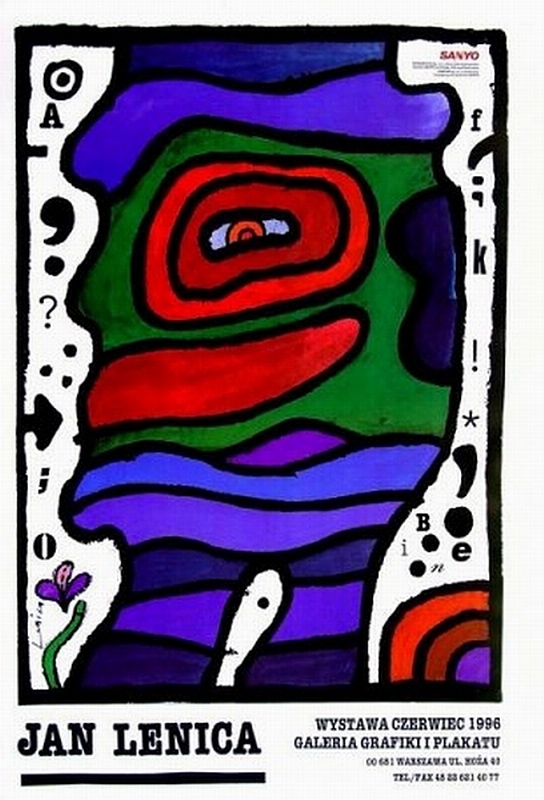
His posters are renowned for their ironic and absurd poetics, often portraying a grotesque, entirely new reality that challenges logic and embraces the surreal.
Surreal imagination – Merging real and fantastical elements into dreamlike, often absurd worlds.
Grotesque and irony – Exaggerated forms, absurd shapes, juxtaposition of seriousness with dark humor.
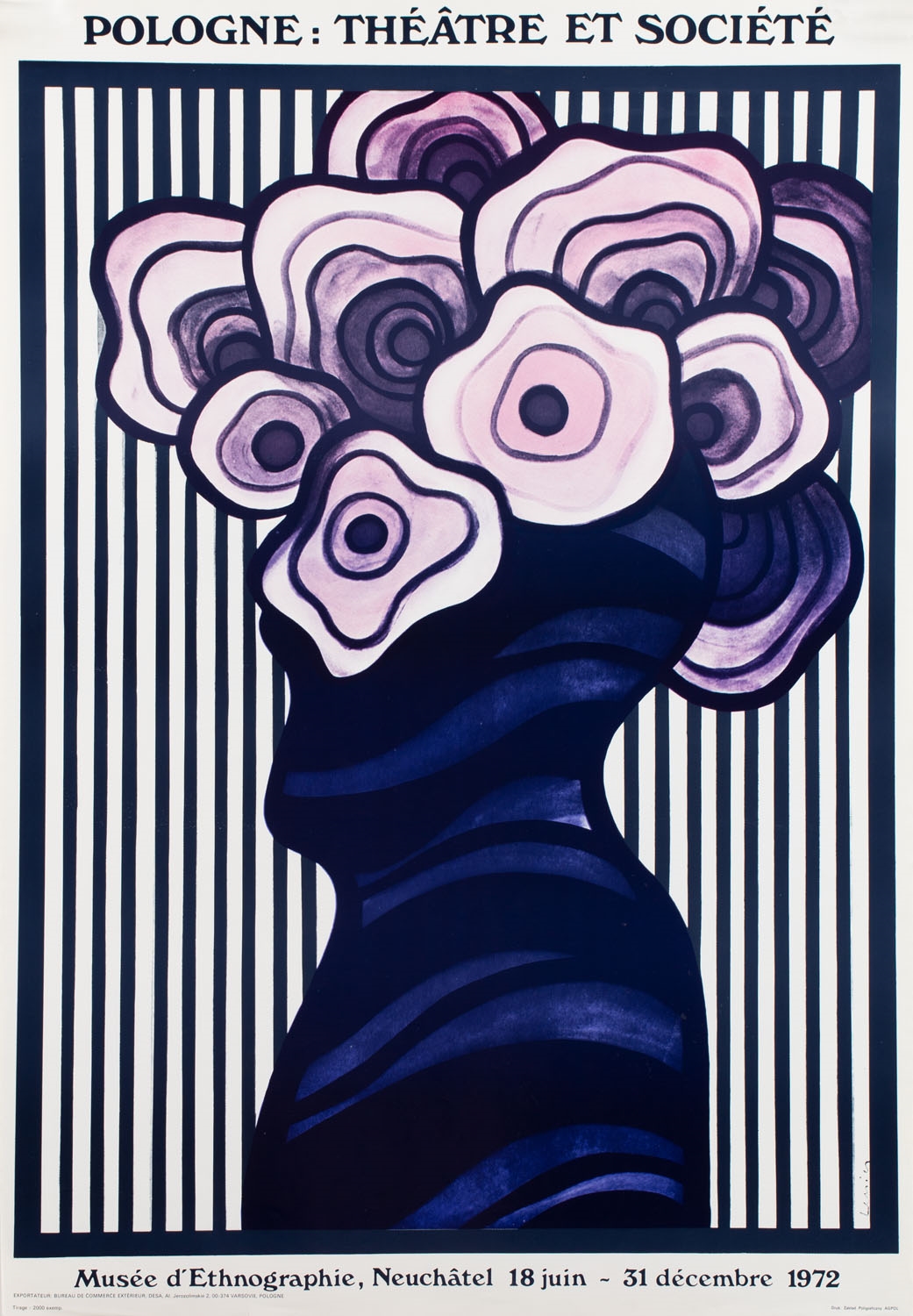
Minimalist in form, rich in meaning – Economical use of color and shape, yet conveying complex, layered messages.
Collage and deformation – Incorporating fragments of drawings, photos, and typography in nonlinear, surreal compositions.
Influence of the Polish Poster School – Emphasis on metaphor and visual shorthand over literal representation.
Hand-drawn, organic linework – His illustrations and animations featured expressive, irregular strokes that gave his work a distinctive personality.