
This is a demo store for testing purposes — no orders shall be fulfilled. Dismiss
Skip to contentA representative
of the Polish school of illustration.
Born 1902 Krakow. Died 1973 Warsaw.
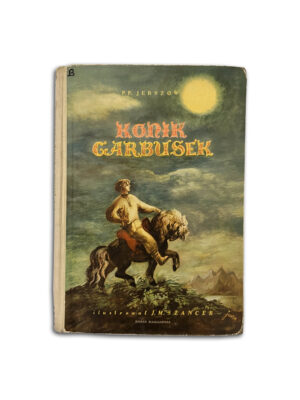
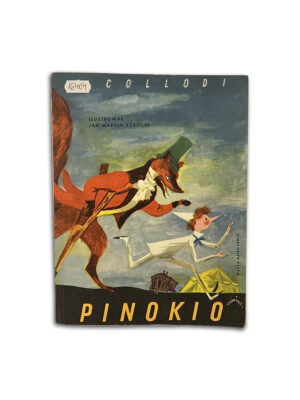
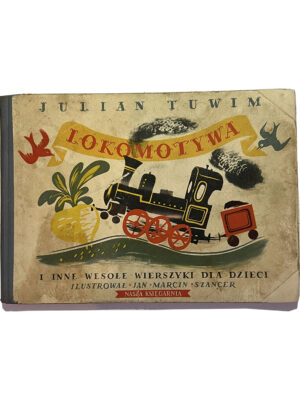
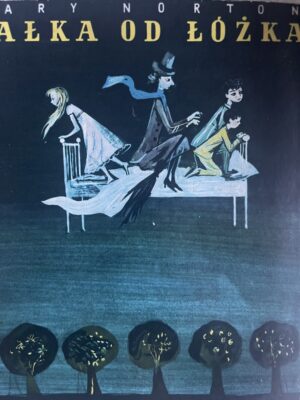
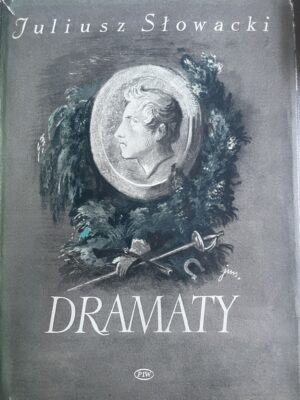
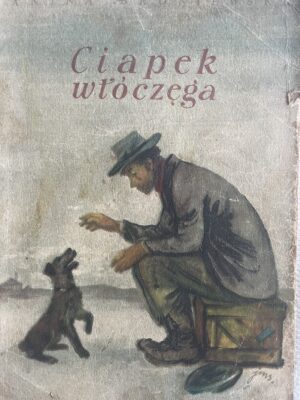
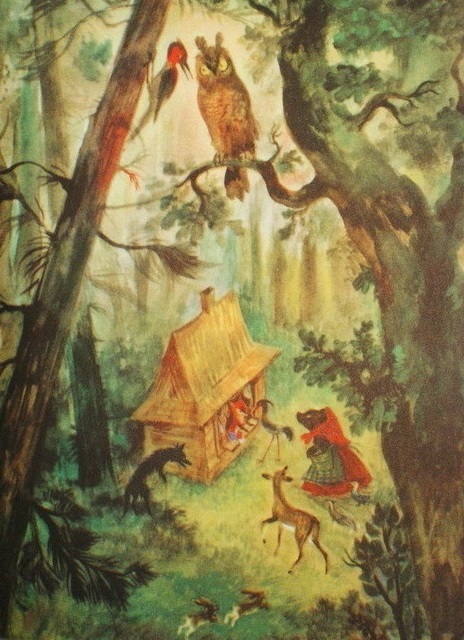
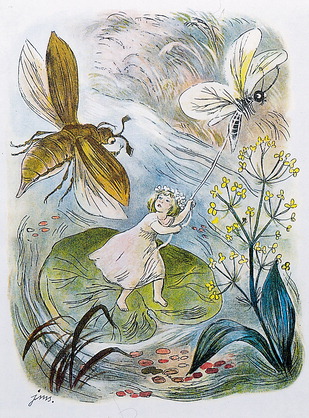
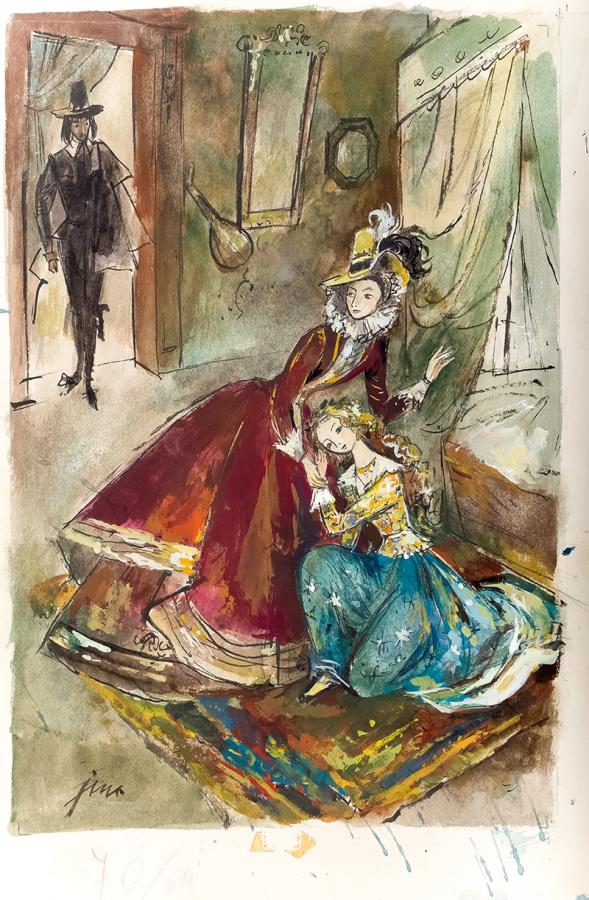
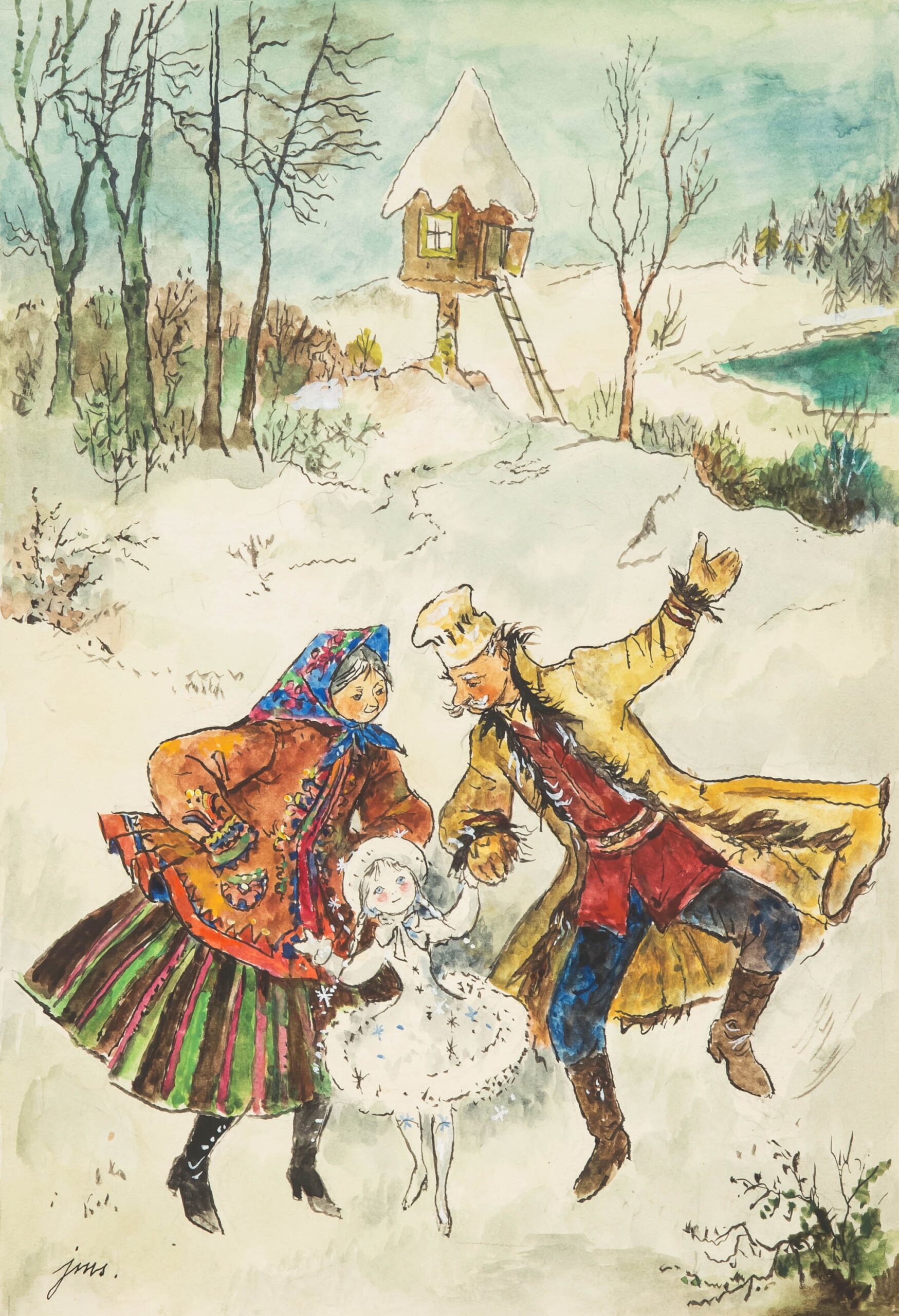
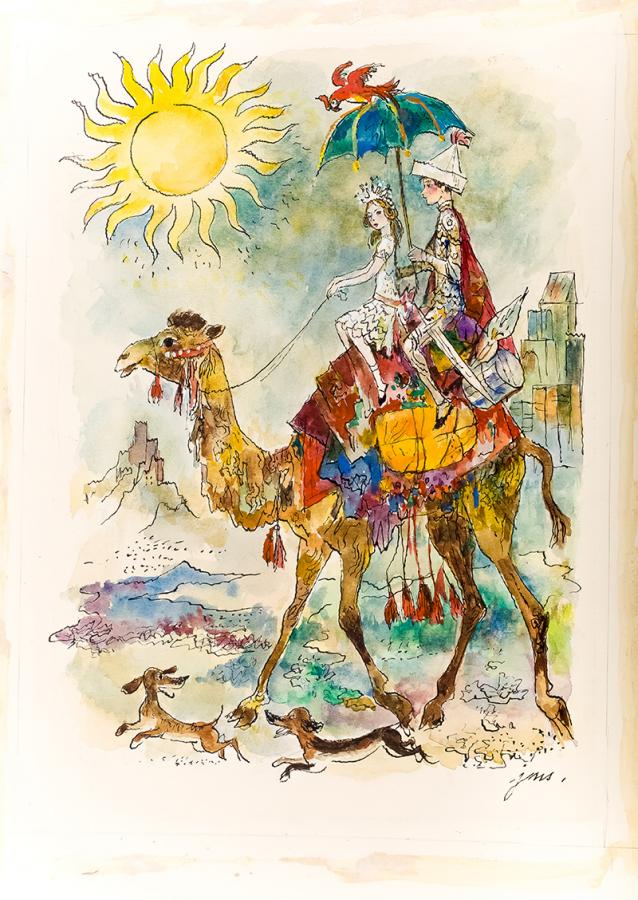
Graphic artist, illustrator, stage designer, costume designer, known mainly as an illustrator of children’s books. There is no person in Poland who would not know Szancer’s illustrations . His drawings have passed into the canon of children’s literature. One of the most outstanding Polish illustrators of the 20th century, called the “king of illustrators” or “painter of children’s dreams,” he became famous as the illustrator of about 300 books His family wanted him to have a serious profession and become a pharmacist. However, John mixed powders in the pharmacy according to the colors to match , not according to the recipe . So he became an artist. At the Jagiellonian University in Krakow he began to study history. Soon, however, against the expectations of his parents, he went to the studios of Jozef Mehoffer and Karol Frycz at the Krakow School of Fine Arts(1920-1926) . He graduated from the Cracow School of Fine Arts with a very good grade. He deepened his knowledge in Italy and France. The earliest of the books he illustrated was “Our City,” a Polish reading book for second-grade general school students, published in 1935 in Lviv. Another book with a cover by Szancer is “Krysia and the Rifle” by Jadwiga Gorzycka (1935). Szancer also illustrated the title “Television, or How Man Learned to See at a Distance” (1936) – but it is not in the book collection, probably lost. In 1939 he illustrated “A Room in the Attic” by Wanda Wasilewska. The signature “jms” appeared for the first time in 1944 in the book “The Goatman”. Since then it was constantly present in all his drawings.
Beginning in 1936, he collaborated with the traveling puppet theater of “Płomyk” and “Płomyczek” under the direction of Halina Starska, and also did stage design work, such as in the 1937/1938 season at the Warsaw Barber theater, and in 1939 at the Figaro theater. He designed costumes for the films “Above the Niemen”, “Soldier of the Queen of Madagascar” (both in 1939). In 1942 he did set design for the overt Miniatura Theater in Warsaw.
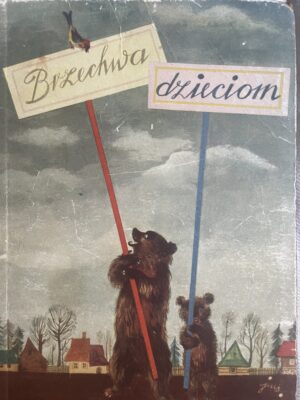
During the German occupation, he worked on illustrations for books that underground publishing houses (Gebethner, Arct, Fiszer, Kutner, Wegner and State School Book Publishers) intended to publish after the war. “The only reasonable investment became the so-called publishing portfolio, that is, manuscripts and illustrations prepared for printing. The author became a valuable figure, sometimes even priceless,” Szancer noted in his autobiography. It was then that his long collaboration and friendship with Jan Brzechwa developed.
Since May 1, 1945, when the first issue of “Świerszczyk” appeared – a color newspaper for children – he was its art director and cover illustrator. He cooperated with “Płomyk”, also as a photographer. After the war he devoted himself primarily to book illustration and graphic design, he was the graphic manager of publishing houses (Państwowe Instytut Wydawniczy and Książka i Wiedza).
Jan Marcin Szancer also wrote cartoons and columns. He came to prominence as a screenwriter and director (together with Jerzy Zarzycki) of the documentary film “My Theater I See Enormous,” dedicated to the wartime theater (1946). He was also involved in creating theatrical and film set designs. He was the first artistic director of Polish TV.
In 1951, the artist became a contract professor in the Department of Books and Illustration at the Faculty of Graphics at the Warsaw Academy of Fine Arts. He designed costumes for the first program of the Warsaw Construction Song and Dance Ensemble “Old Town” in 1953. In 1955-1961, he made decorations for the Polish Dance Ensemble. He continued to cooperate with theaters. Among other things, he was the author of set designs for the plays: “Mr. Foreman’s Children” (Jaskolka Theater, Warsaw 1947), “The Bat’s Revenge” (New Theater, Warsaw 1949), “The Flying Boy” (Polish Theater, Warsaw 1957), “Property or a Name” (Jaracz Theater, Lodz 1958), “The Plays of Hit and Love” (Powszechny Theater, Lodz 1959), “O krasnoludki i sierotka Marysi”, which he also directed (Classical Theater, Warsaw 1959), “Moralność pani Dulskiej” (Chamber Theater, Warsaw 1962), “The Unusual Adventures of Mr. Kleks” (National Theater, Warsaw 1963), “Joan of Arc” (Wrocław Opera, 1963). In the 1965/1966 season, he was the chief stage designer at the Grand Theater in Warsaw – at that time he designed the decorations for Ludomir Różycki’s “Mr. Twardowski” and “Aida”.
The artistic direction of the State Publishing Institute and a professorship at the Academy of Fine Arts in Warsaw should be added to the list of Szancer’s lifetime achievements. Students valued him as a brilliant teacher. Szancer’s pupil was also Bohdan Butenko whose drawings are also known to everyone in Poland .
Szancer was a great educator, he did not impose his tastes or preferences on his students, he let them develop. He was not concerned with churning out artists who imitated his work. He really liked it when someone had his own style.
Butenko
Chancer style
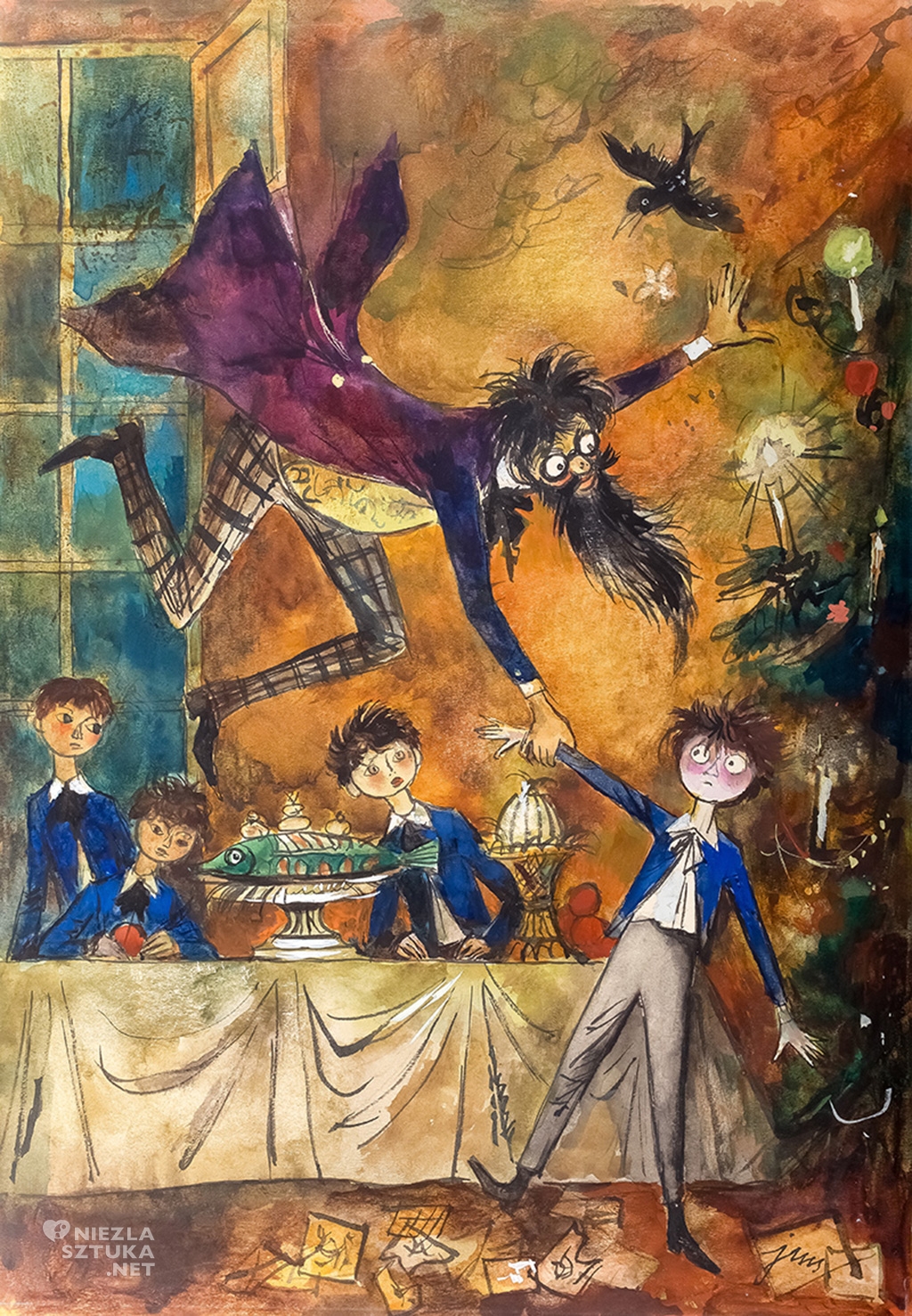
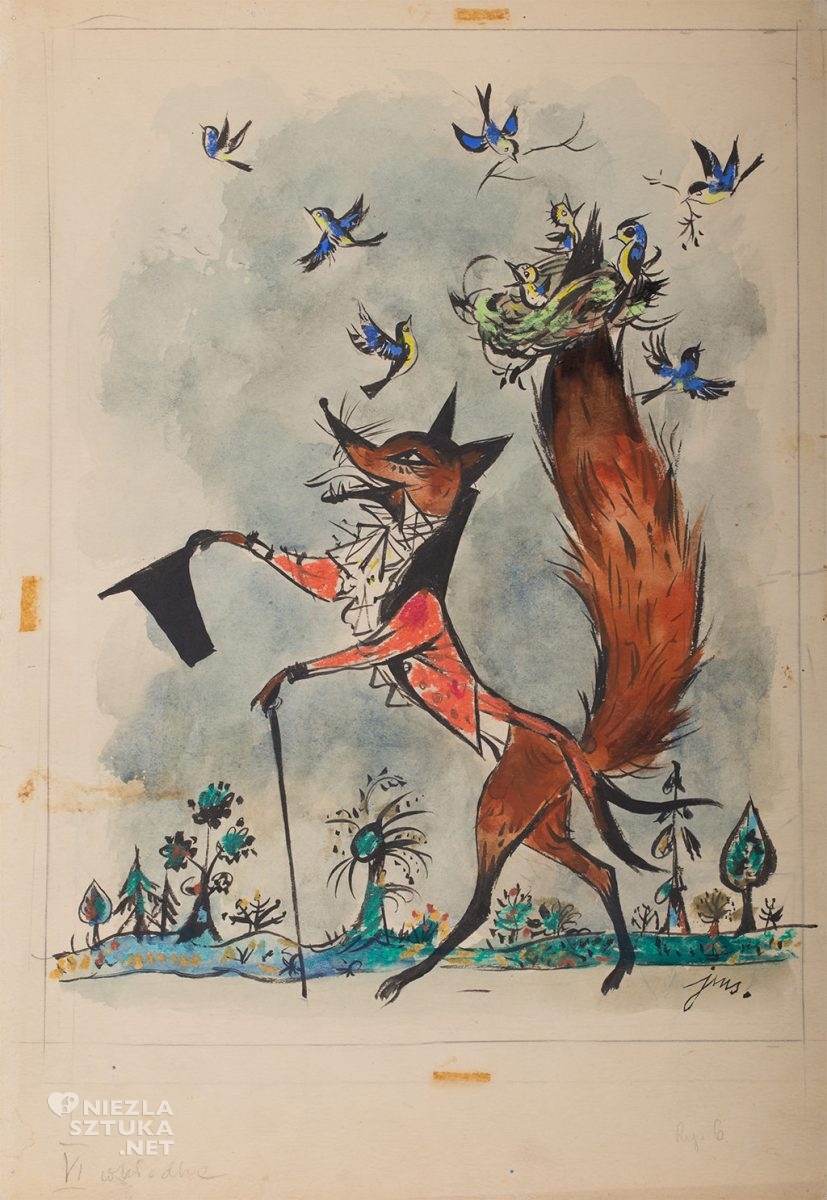
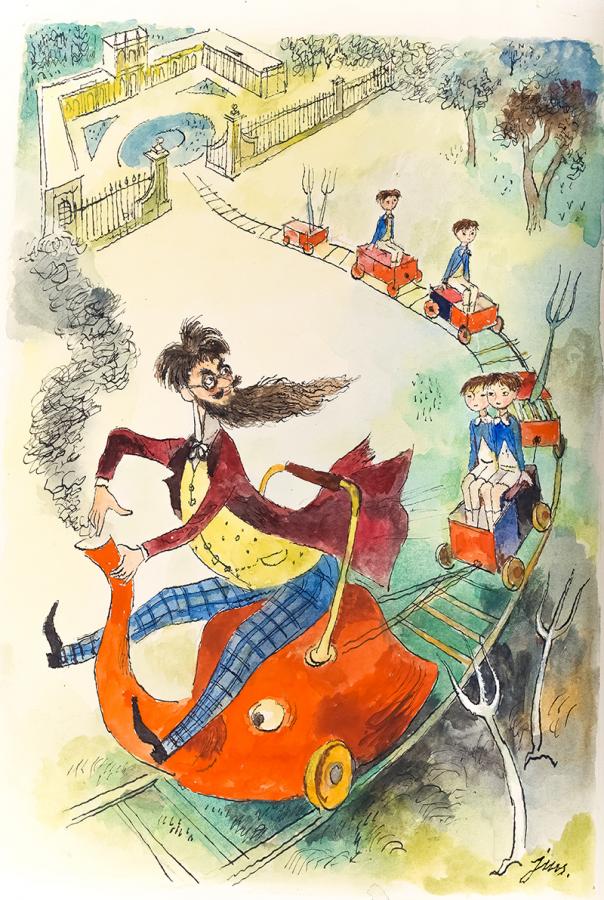
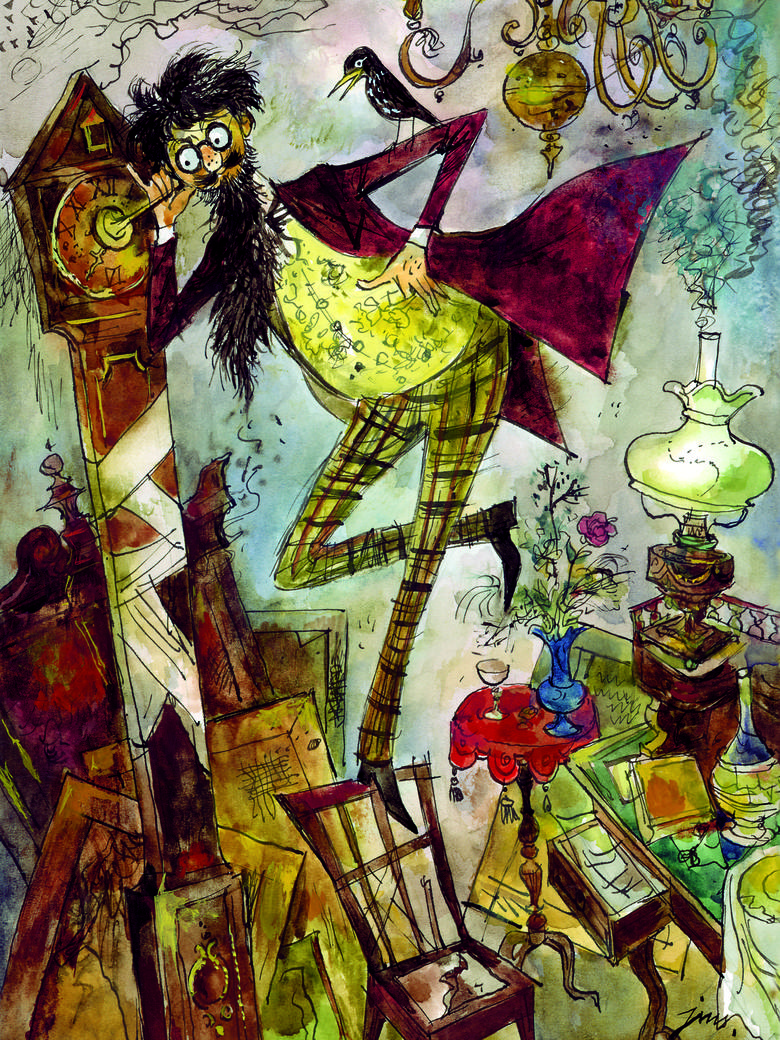
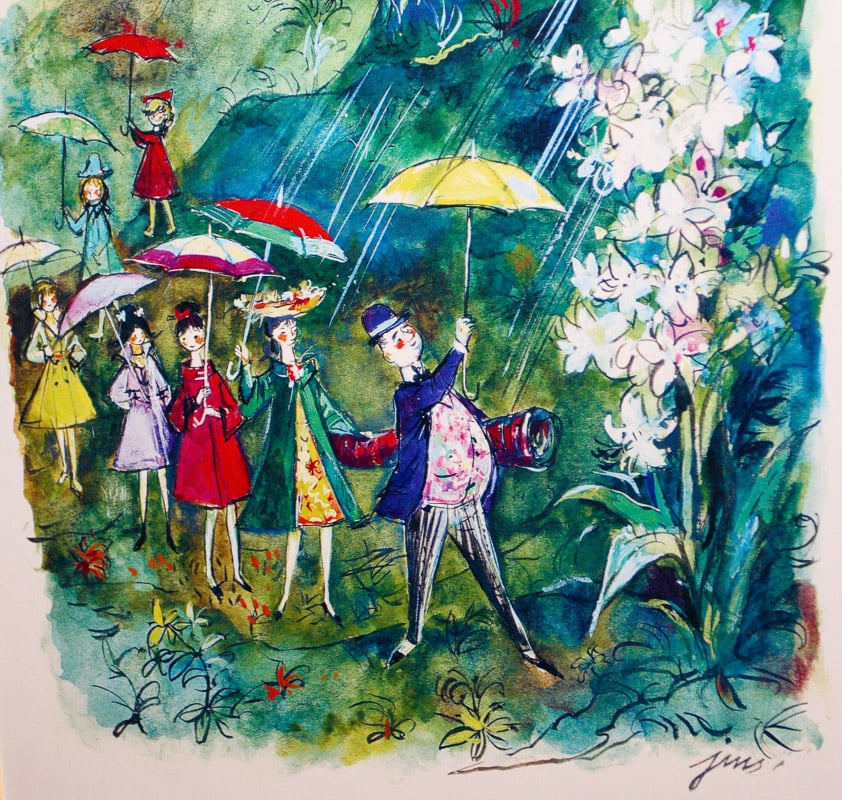
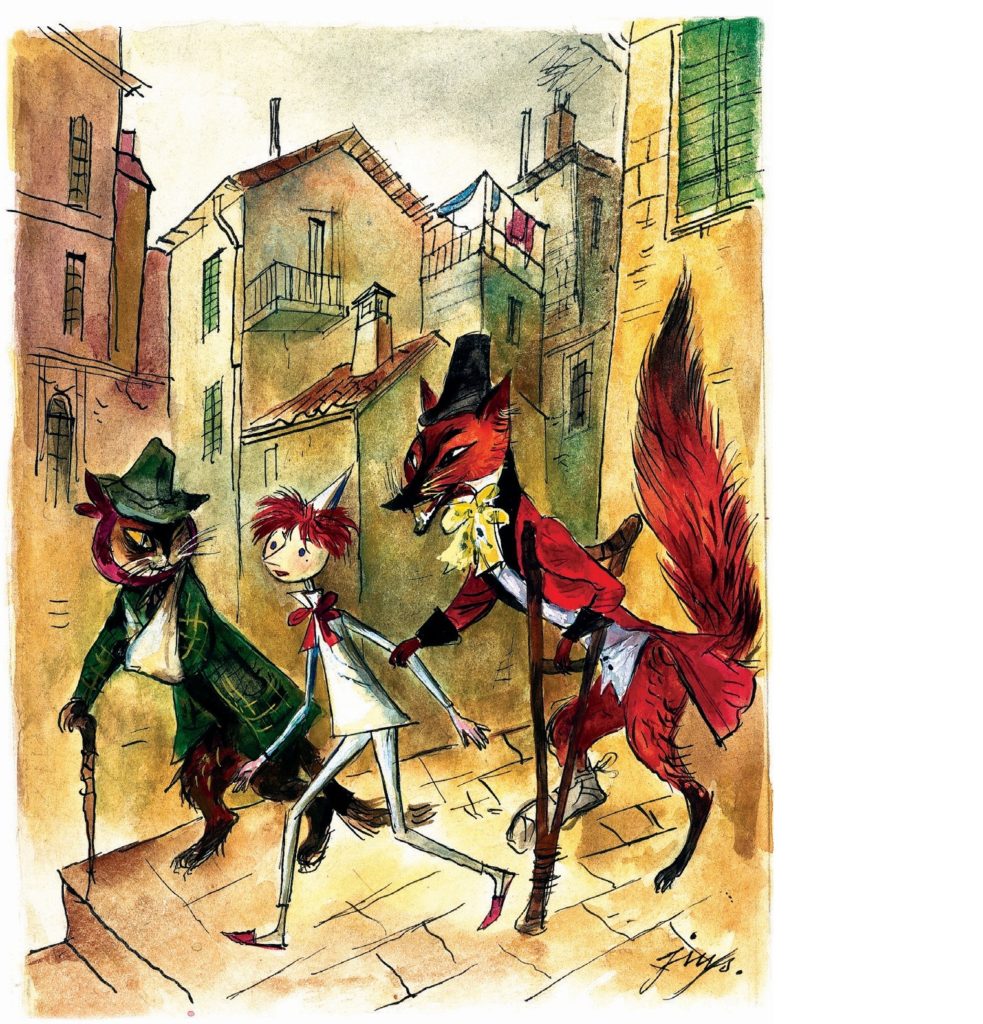
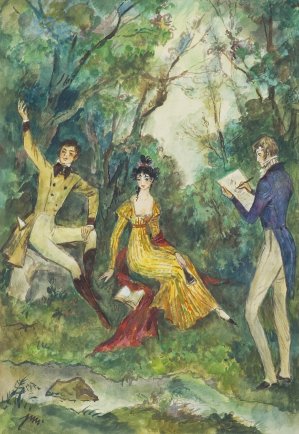
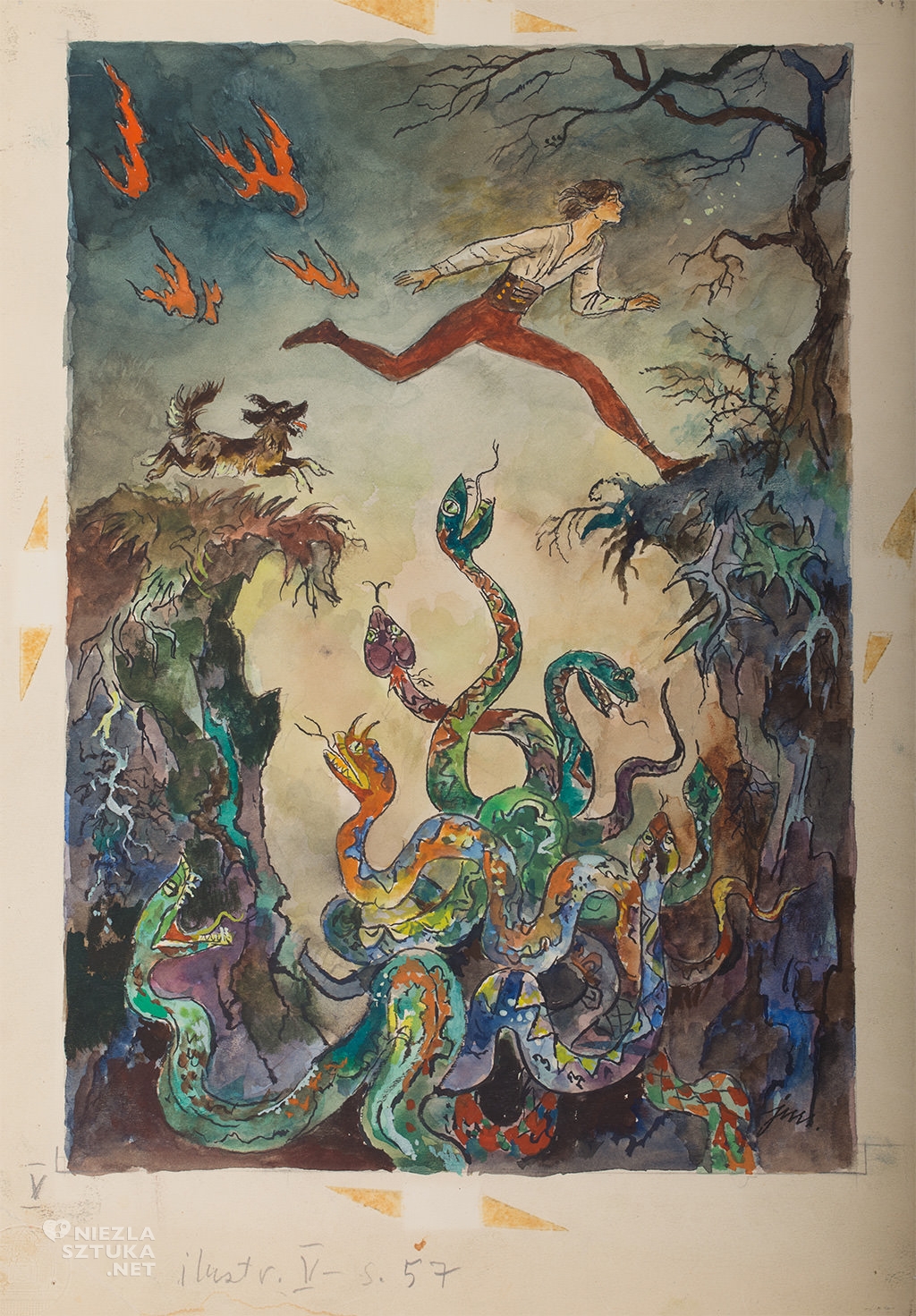
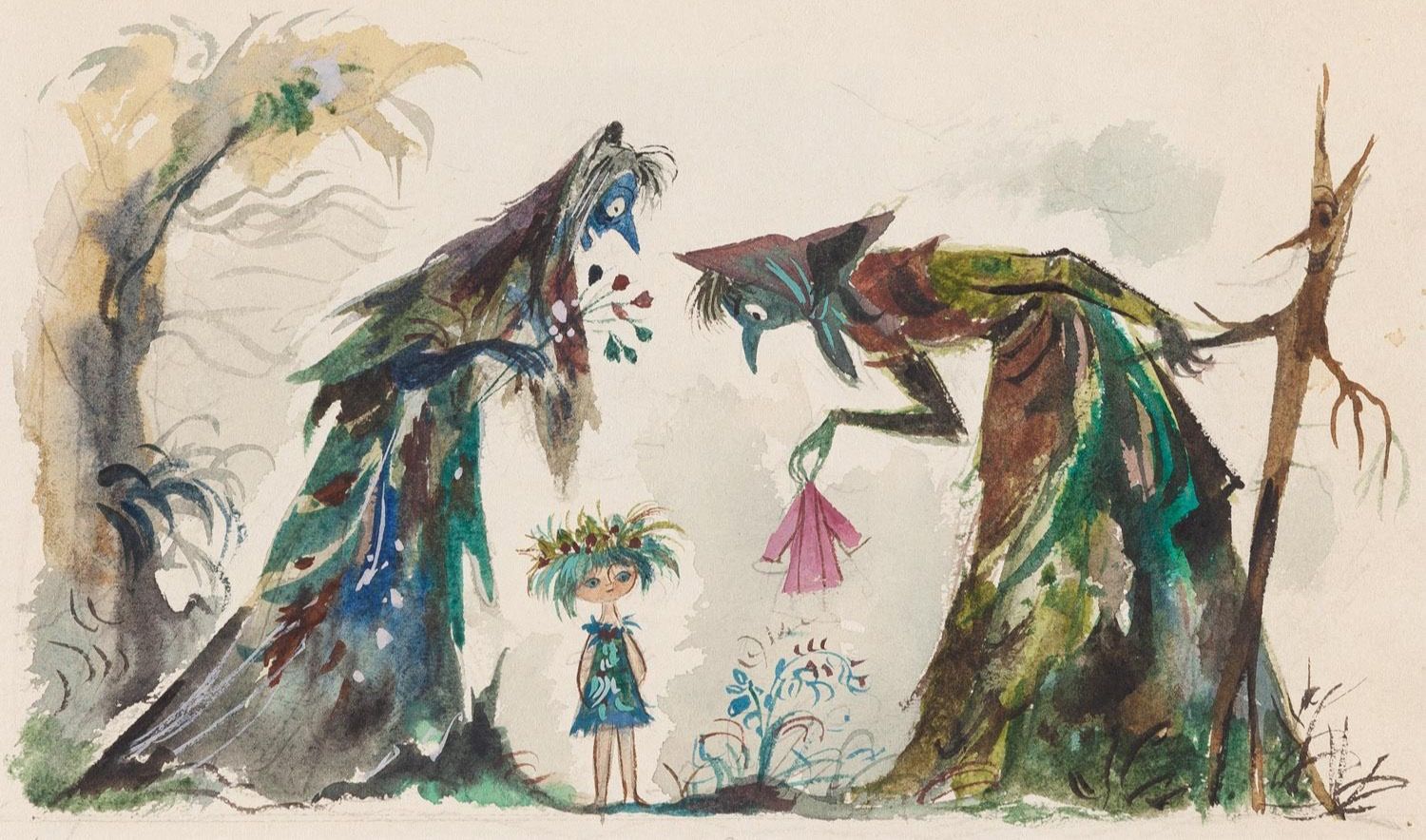
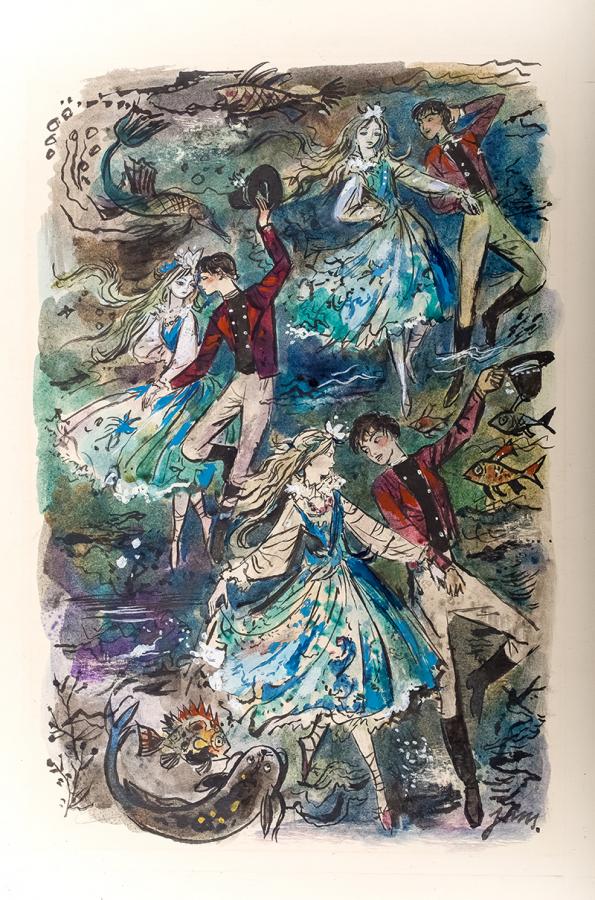
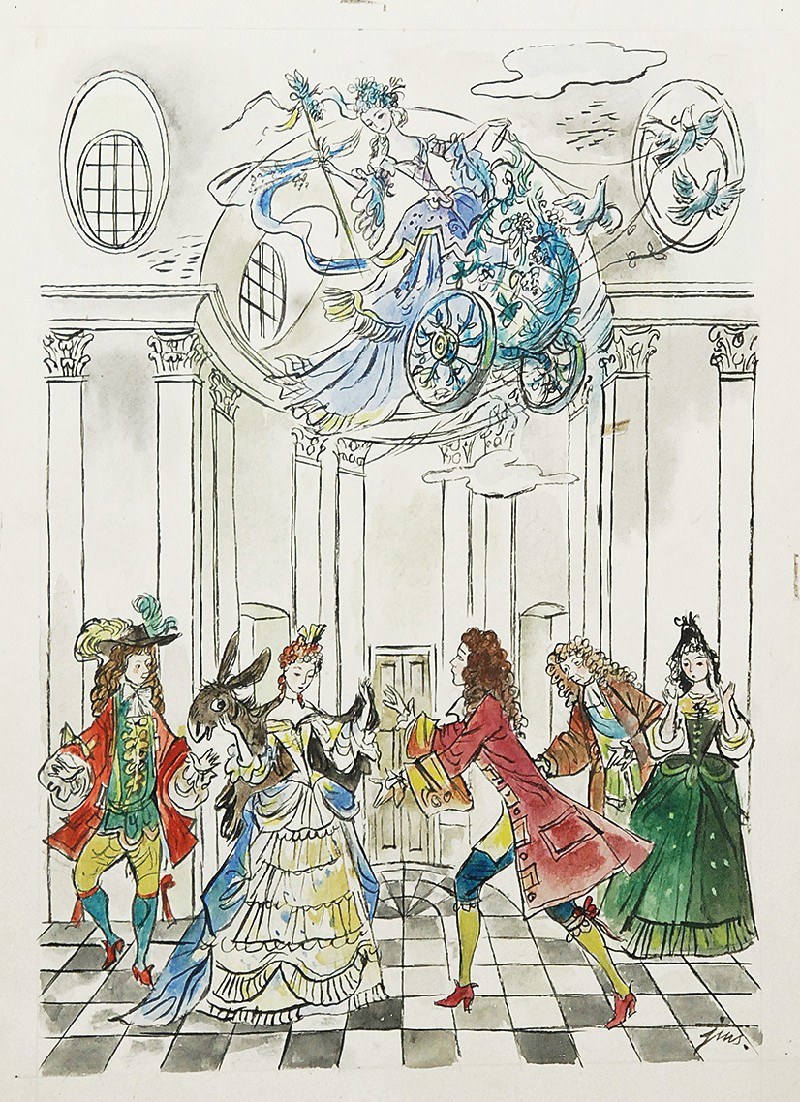
The elegance of Szancer’s characters is a blatant mockery of the coarseness of the People’s Republic of Poland – his characters are distinguished not only by their attire, but also by the restraint of their gestures, a refined chic transferred from another era. [Szancer’s panache for urban landscapes is astounding. Whether it’s Warsaw’s Powiśle district, Paris’ Montmartre, or the panorama of Krakow’s Market Square from a bird’s eye view – each of these sceneries has its own specificity and atmosphere, the graphic artist draws up, as it were, the essence of the architectural style by painting the detail lightly and nonchalantly. Szancer’s erudition is the envy of many illustrators. His furniture is stylish, his costumes – sophisticated, his carriages are truly royal, every baluster, cornice and balcony bears the stamp of the era.
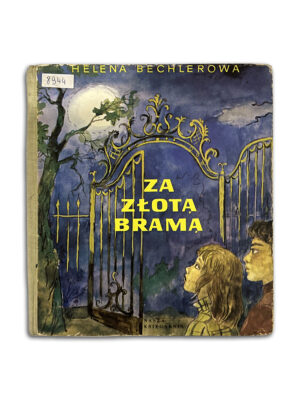
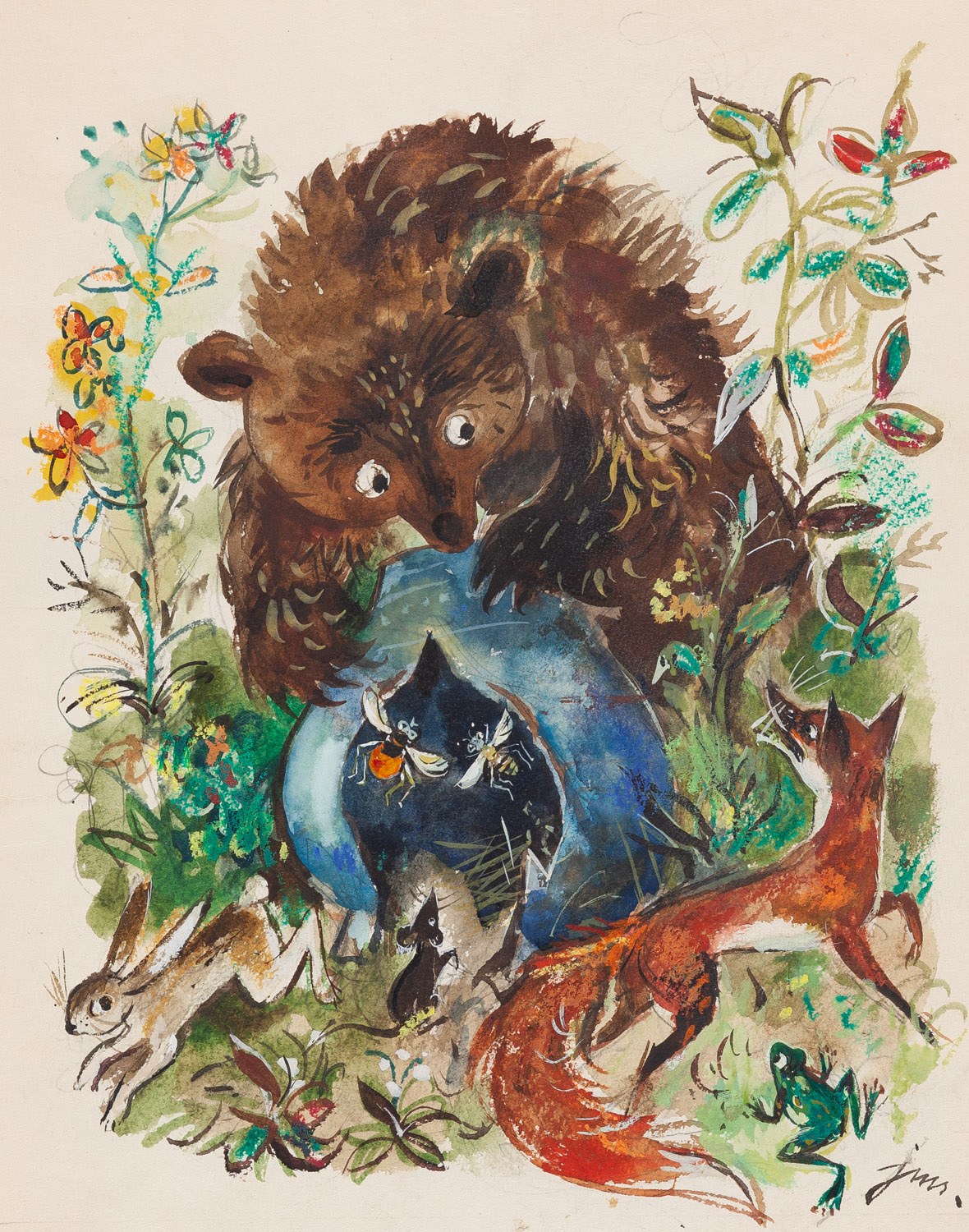
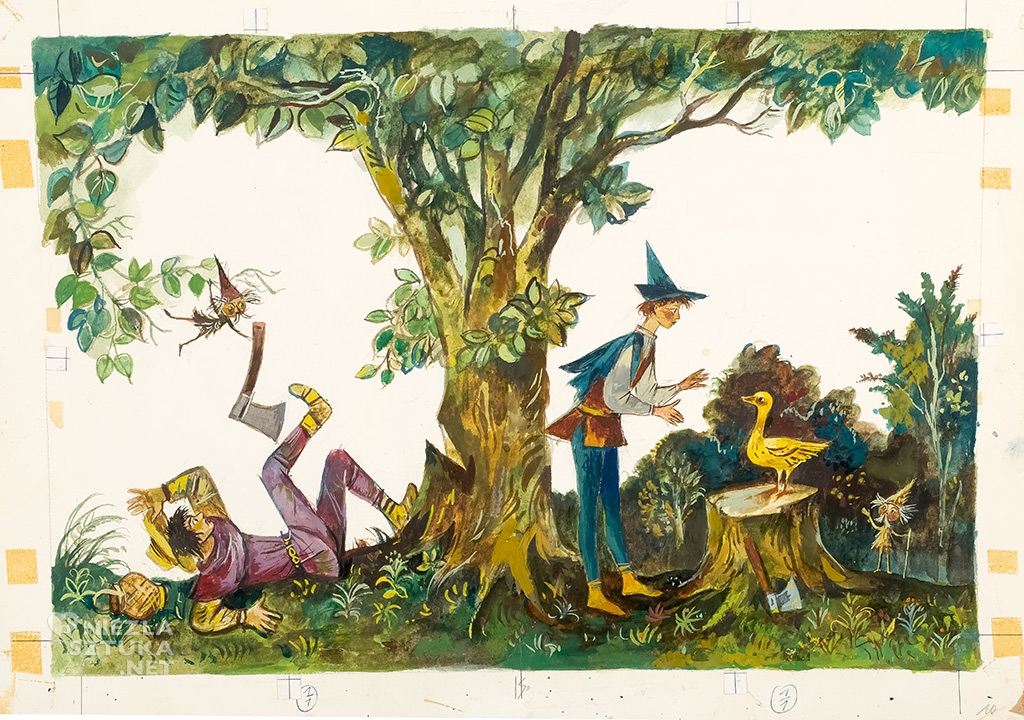
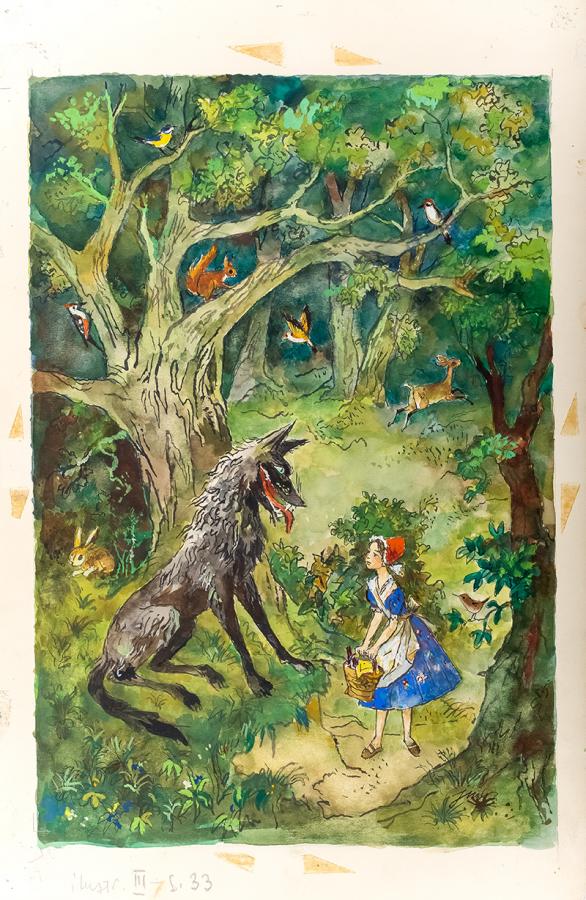
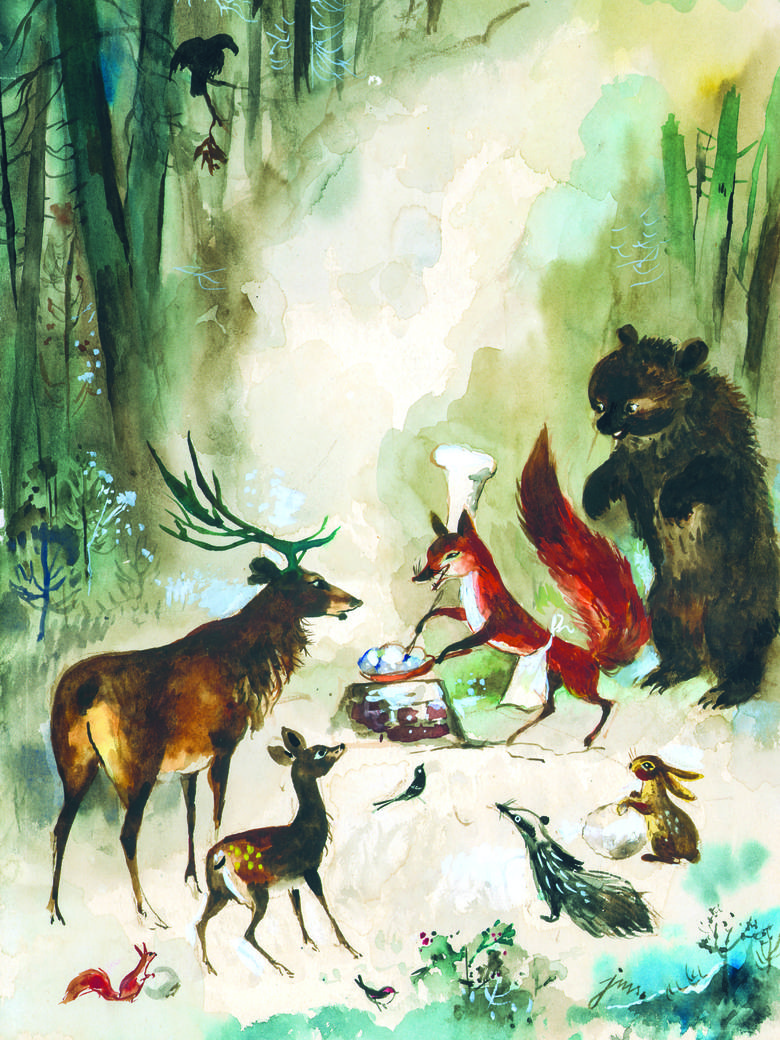
The light but firm line of Jan Marcin Szancer’s drawings, filled with luscious color spots, made his illustrations instantly recognizable. The distinctive style attracted the attention of young, but also mature readers, so the authors of the books solicited the participation of this particular illustrator for subsequent editions.
Artistic Achievements:
Individual exhibitions
Orders and decorations
Awards