
Jerzy Desselberger (born June 16, 1931, in Łódź; died 2013 in Warsaw) was a Polish graphic artist, illustrator, postage stamp designer, painter, and distinguished amateur ornithologist. He graduated from the Faculty of Painting and Graphic Arts at the Academy of Fine Arts in Kraków, receiving his diploma in 1957. Even during his studies, he demonstrated an exceptional sensitivity to book composition, typography, and artistic illustration.
Desselberger belonged to a remarkably rare group of artists who combined applied art, scientific illustration, and a passion for nature. Although he is best known to the general public as a postage stamp designer, his contribution to Polish book illustration and wildlife graphics was equally significant.
He studied at the Academy of Fine Arts in Kraków, specializing in book graphics. His diploma project—an artistic edition of The Enchanted Carriage (Zaczarowana dorożka) by Konstanty Ildefons Gałczyński—already revealed his artistic maturity. The project was conceived as a bibliophile edition featuring his own typographic layout and illustrations.
From the beginning of his career, he focused on:
Jerzy Desselberger became renowned as the creator of approximately 178 postage stamp designs for the Polish Post Office (Poczta Polska). His stamps most frequently depicted:
His stamp designs were distinguished by:
He also designed stamps for the Swedish market.
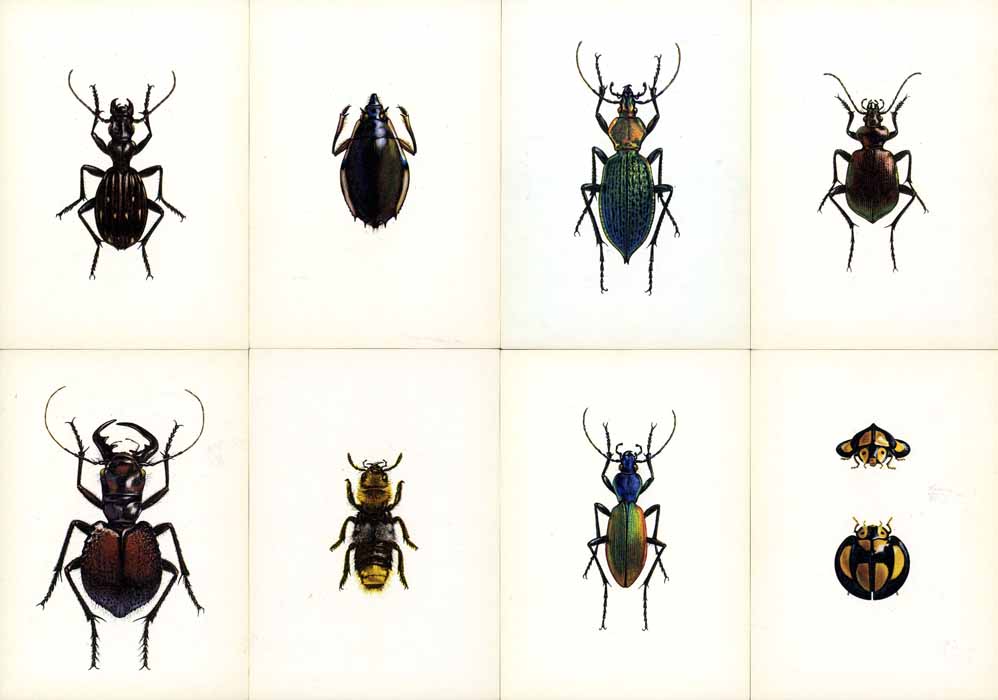
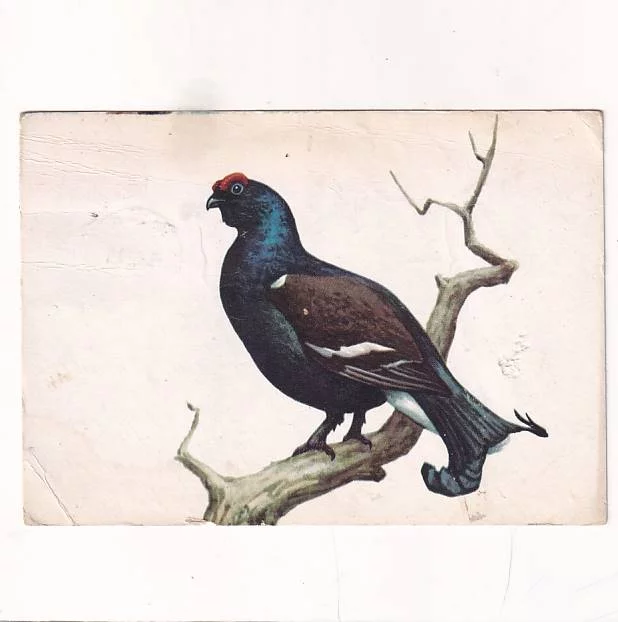
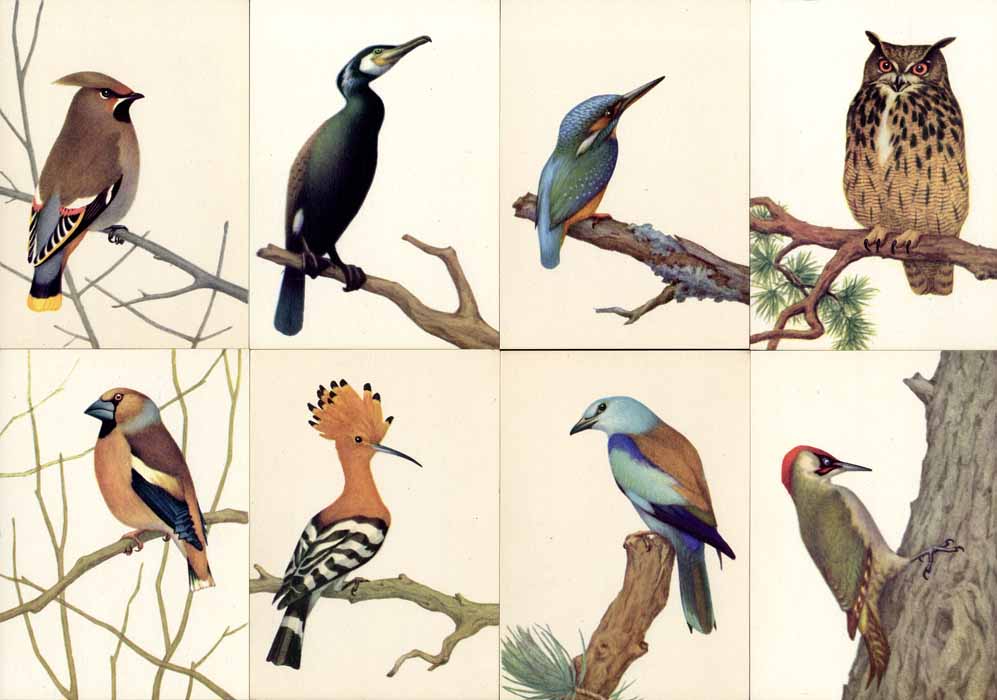
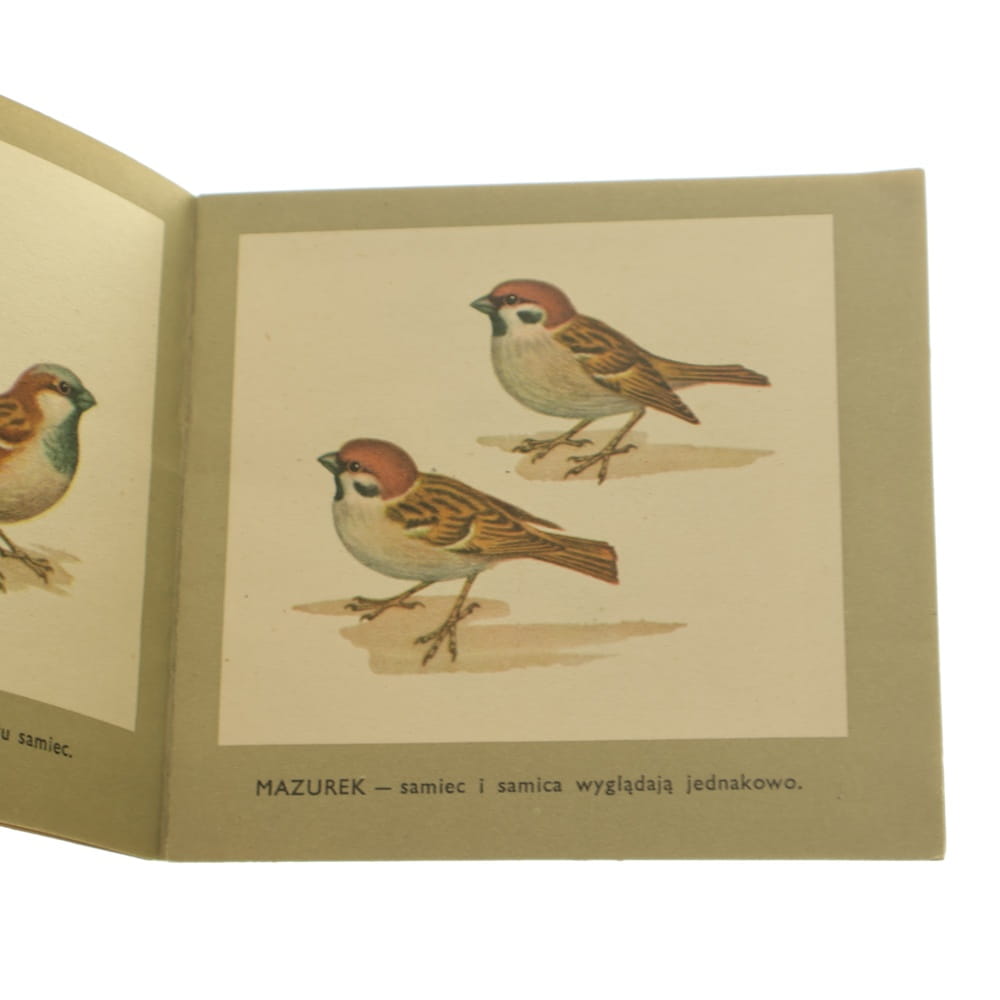
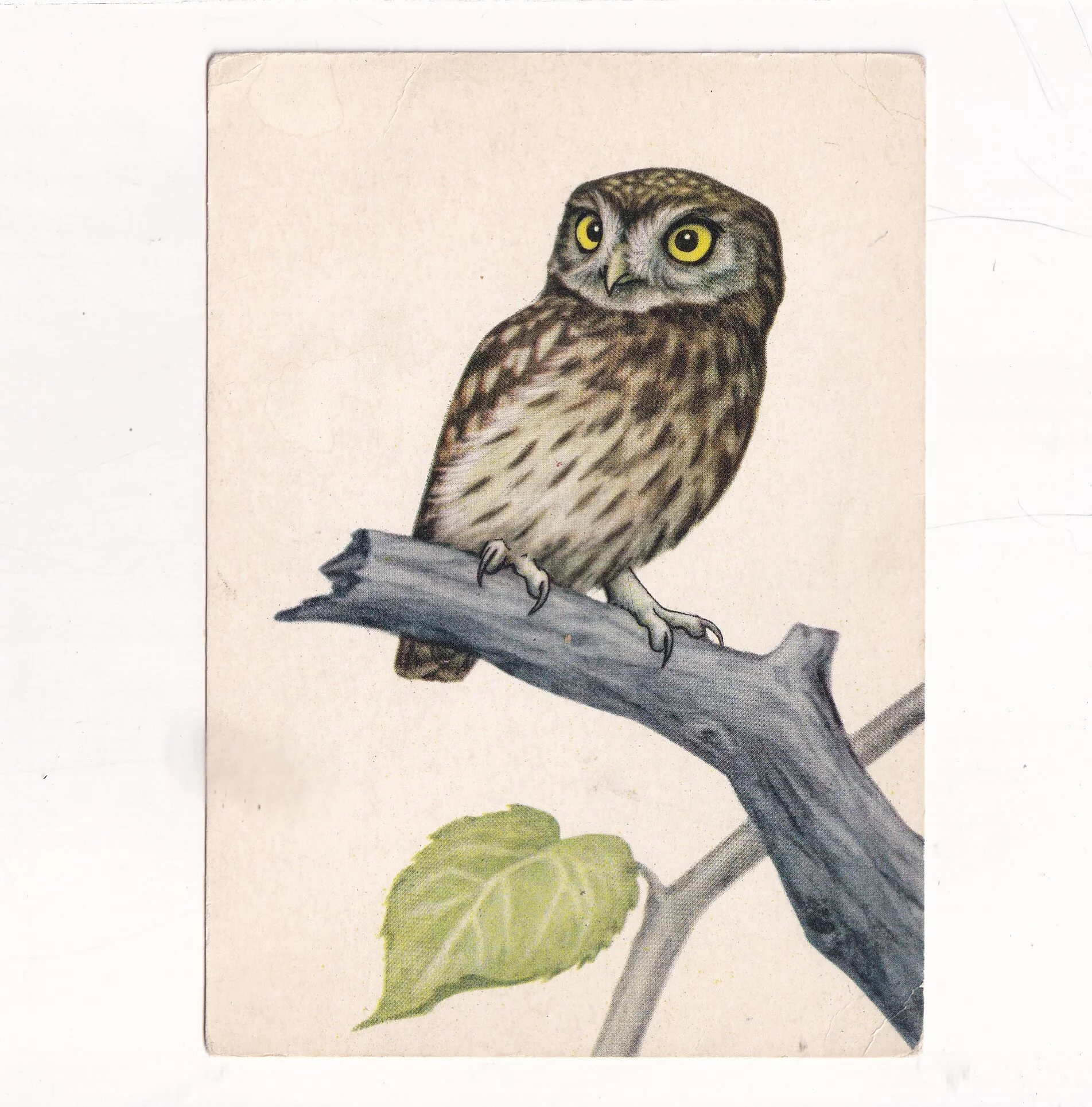
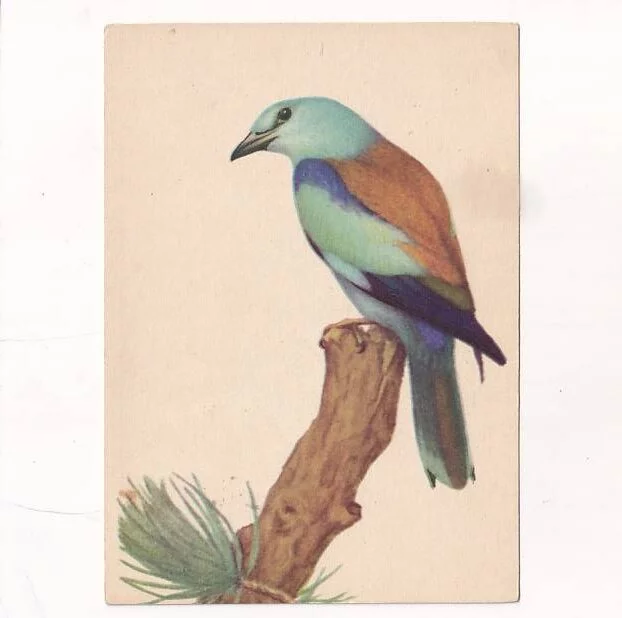
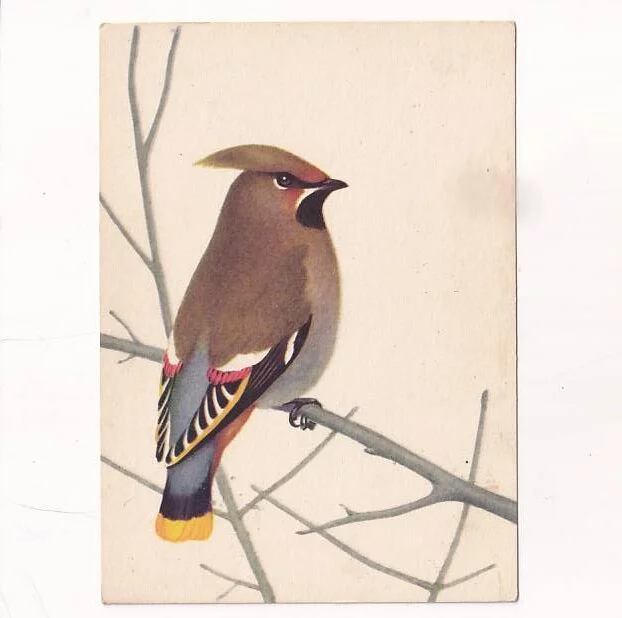
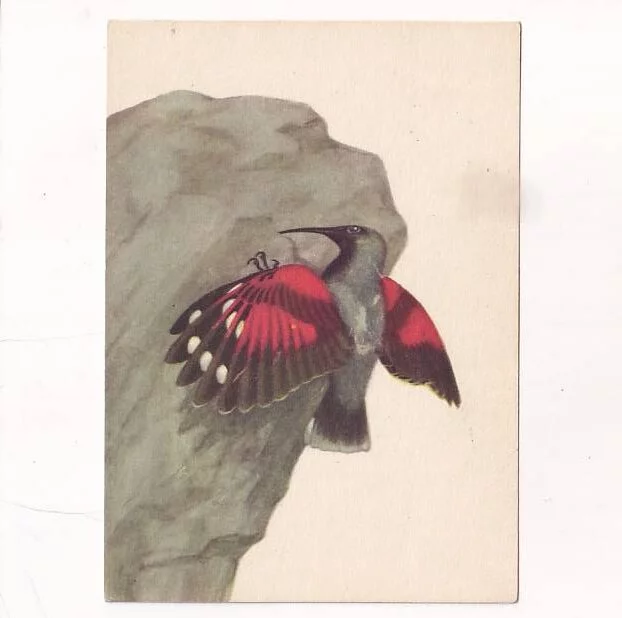
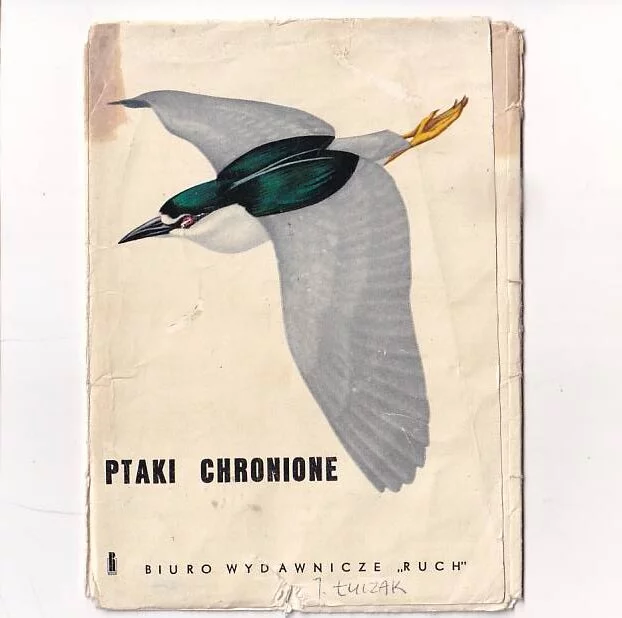
Desselberger was one of the most important Polish wildlife illustrators of the 20th century.
He created illustrations for:
His style was characterized by:
Jerzy Desselberger also designed original typefaces, including:
In addition, he designed:
Among his notable works was the visual identity for the Polish Society for the Protection of Birds (Ogólnopolskie Towarzystwo Ochrony Ptaków).
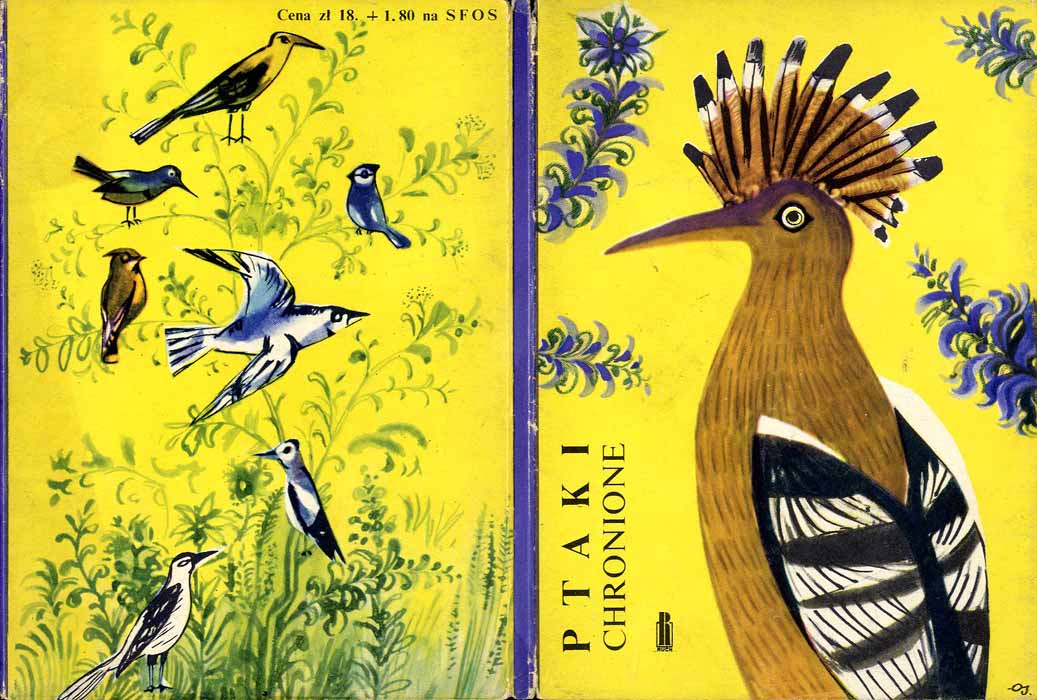
Among the most important publications illustrated by Jerzy Desselberger are:
Beyond his artistic work, Desselberger was deeply involved in wildlife conservation.
Together with his wife, Krystyna Rogaczewska:
Their efforts later became one of the inspirations behind the Bird Asylum (Ptasie Azyl) at the Warsaw Zoo.
He was also a co-founder and secretary of the Faunistic Commission of the Polish Zoological Society.
Jerzy Desselberger’s style can be described as a synthesis of:
He did not create overly decorative illustrations. Instead, his works were restrained, clean, and subordinated to their educational and cognitive purpose, which made them exceptionally effective in scientific and nature publications.
Jerzy Desselberger remains an important figure in Polish applied graphics, scientific illustration, and philately. His work successfully united art, education, and environmental protection.
He left behind:
He stands as an example of an artist for whom art and nature were inseparable.
Two of Art | KvK: 94351813 | Teilingen 79, 1082JR Amsterdam, Netherlands