
This is a demo store for testing purposes — no orders shall be fulfilled. Dismiss
Skip to contentJerzy Skarżyński (16 December 1924 – 7 January 2004)
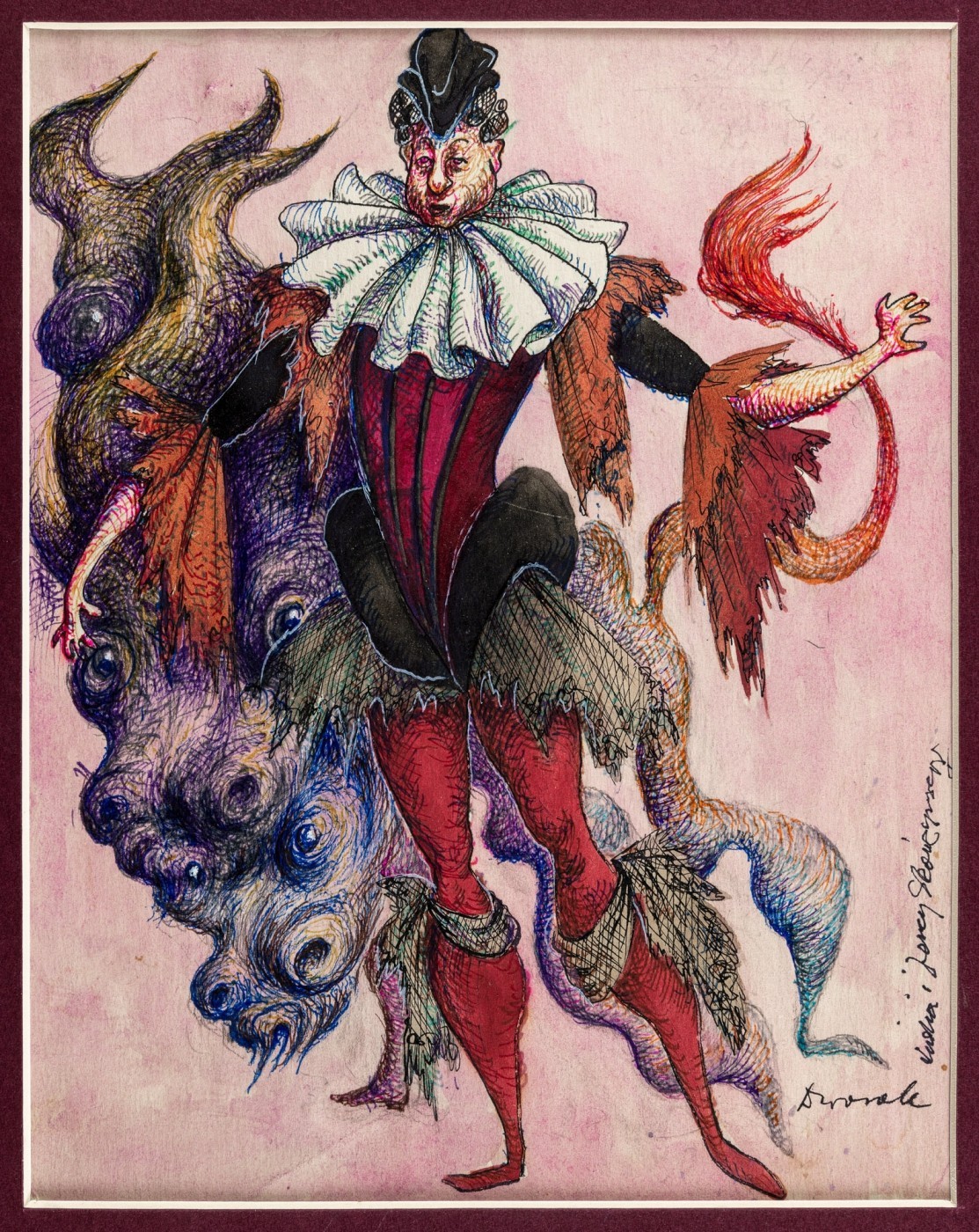
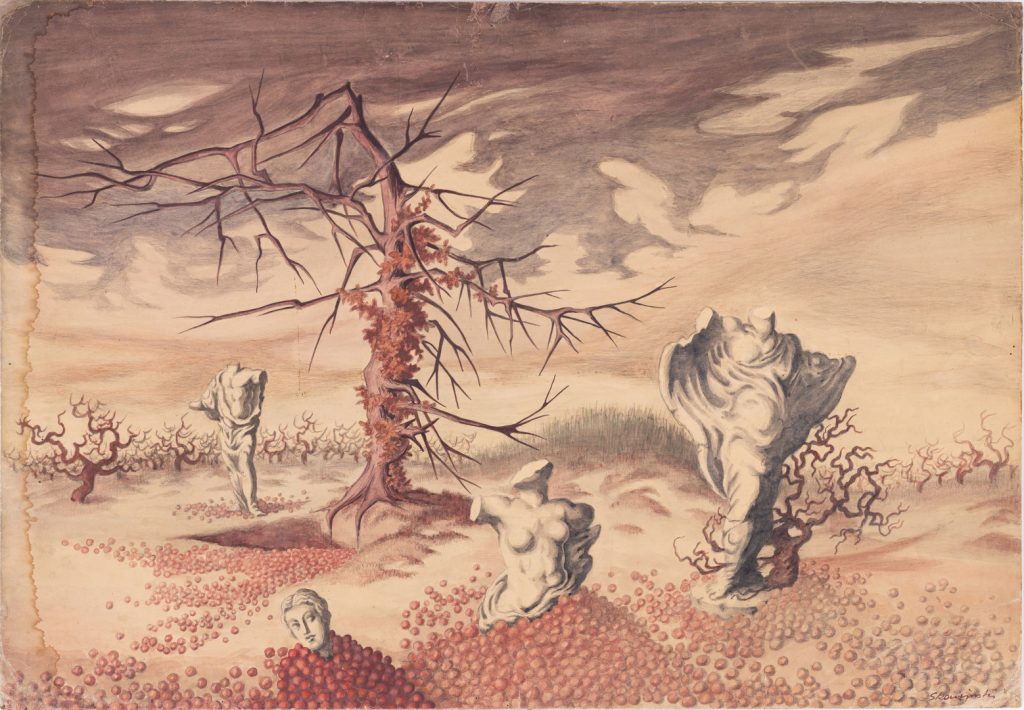
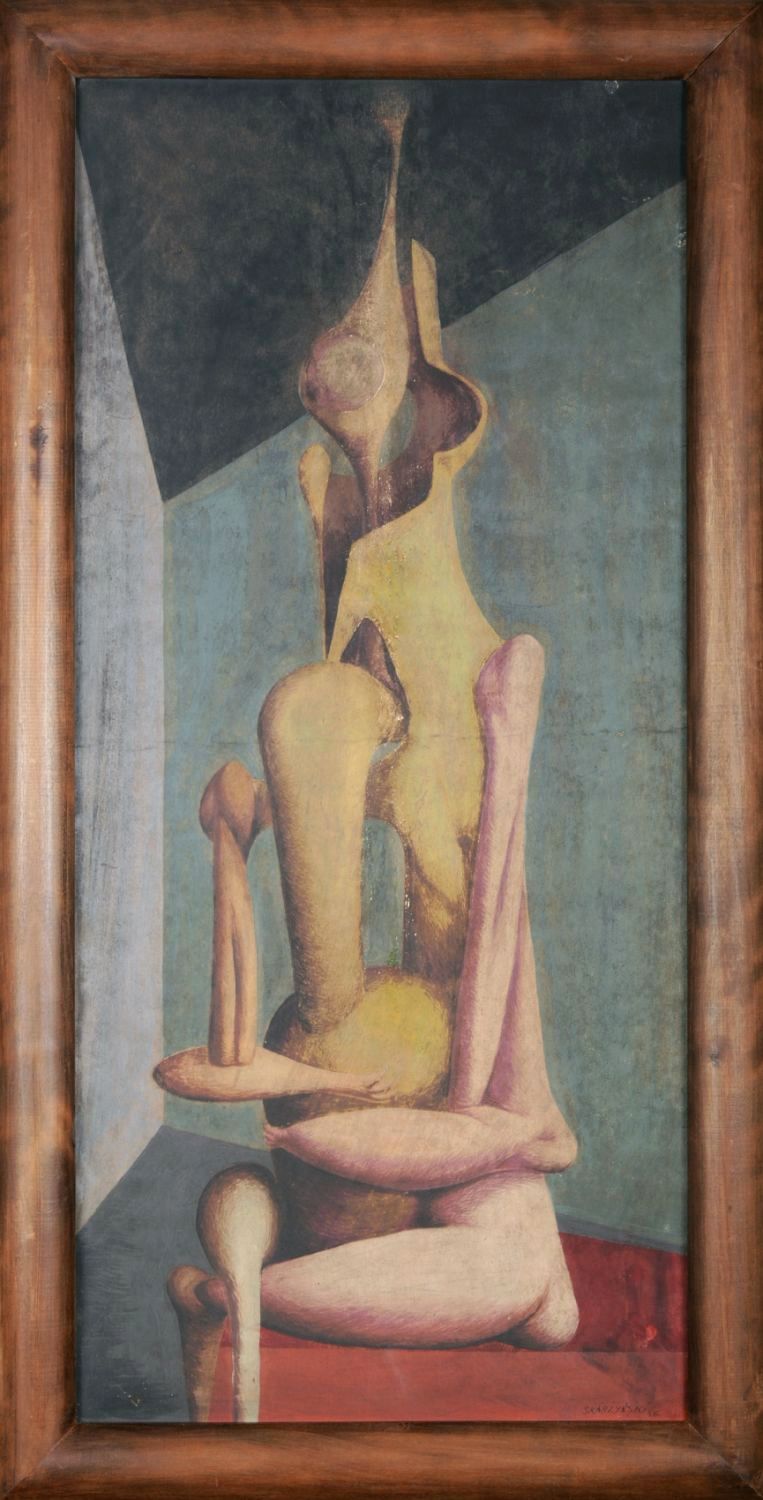
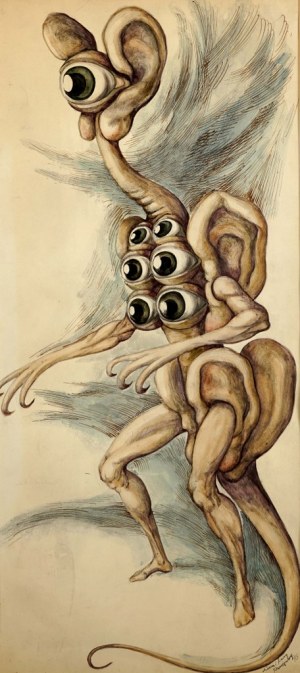
Jerzy Skarżyński was a Polish painter and theatre scenographer, and the artist behind the comic-book adaptation of the television series Janosik—a work that still stands out for its expressive energy and graphic experimentation.
Born in 1924 and deceased in 2004, Skarżyński graduated from the Academy of Fine Arts in Kraków and also studied architecture at the Kraków University of Technology. He worked as a scenographer, painter, and poster designer.
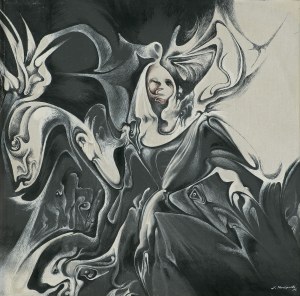
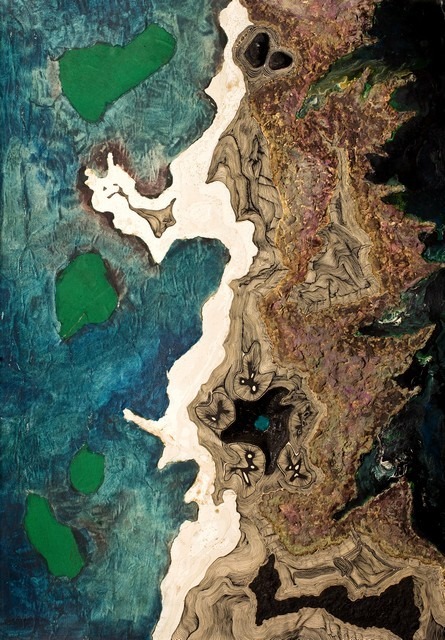
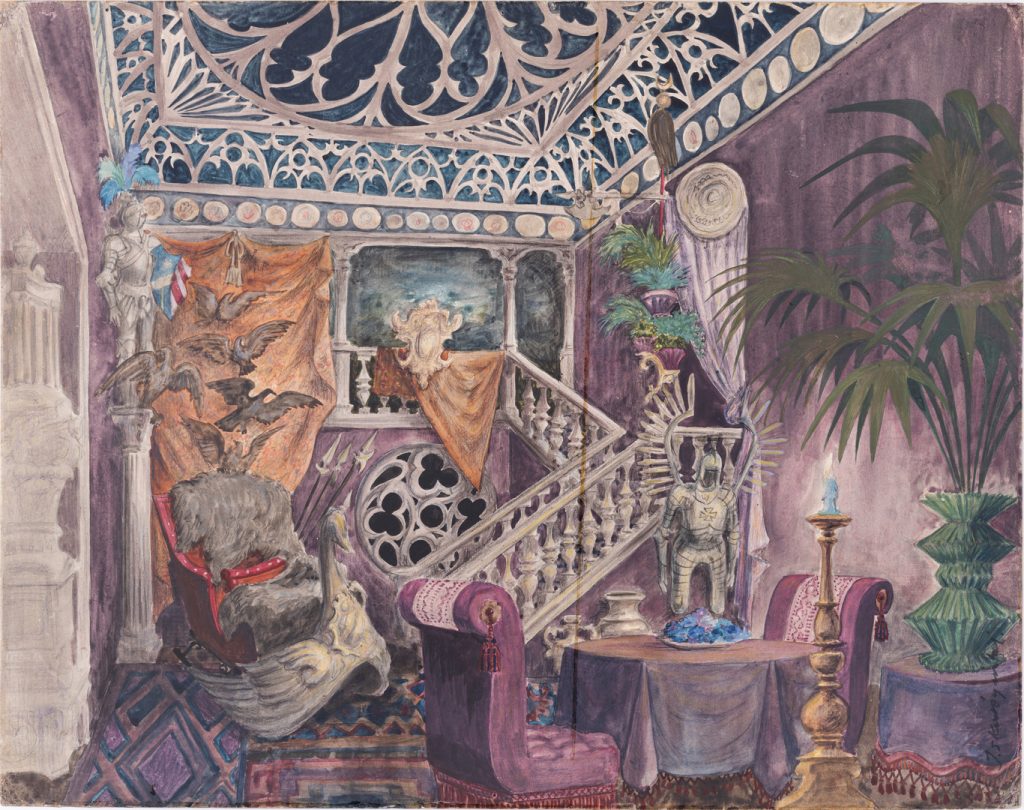
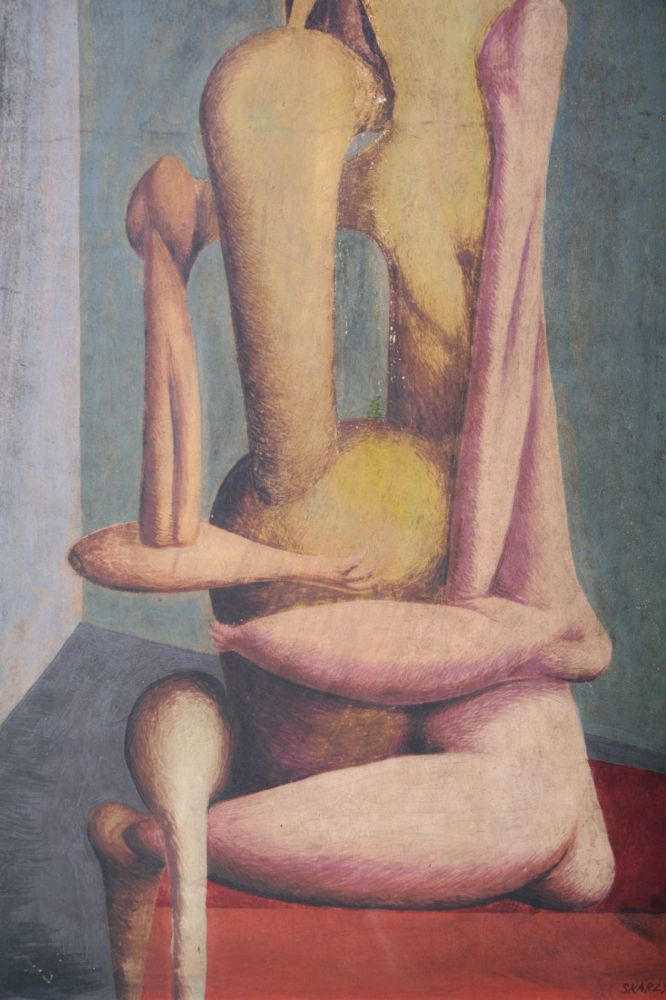
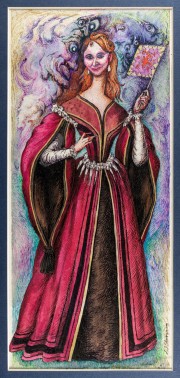
Skarżyński is remembered in the history of Polish art above all as one of the most important postwar theatre scenographers. For many years he collaborated with leading Polish stages, including the Stary Teatr (Old Theatre) in Kraków, creating sets for productions by some of the most outstanding directors of the twentieth century. At the same time, he developed an independent practice in painting and graphic art, exhibited in Poland and abroad.
He was a member of international artistic organizations and a recipient of numerous awards and decorations recognizing his contribution to culture and the performing arts.
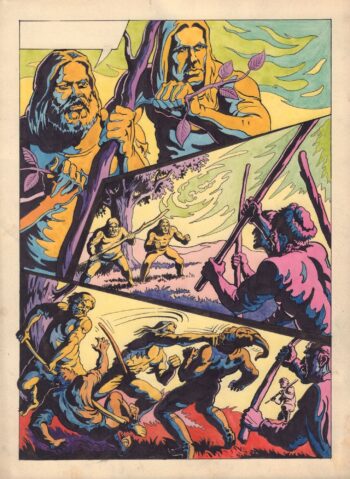
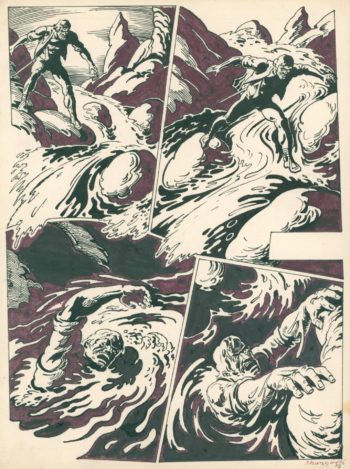
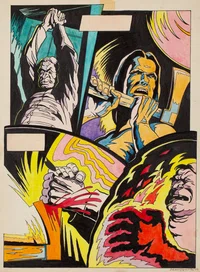
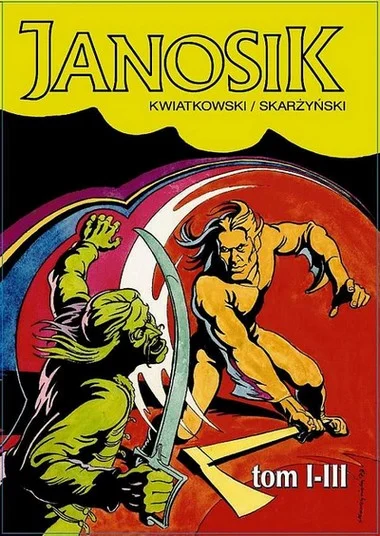
Skarżyński was one of the few Polish artists of his time to engage seriously with comics. Janosik was first published in six parts in 1974. The pages alternated between black-and-white and color. Nearly three decades later, a two-volume collected edition appeared, featuring new colors applied—under Skarżyński’s supervision—by Rafał Szłapa and Joanna Holeksa-Szłapa.
Visually, Janosik combines the idiom of Zakopane’s artistic tradition with elements of pop art. The drawing is highly dynamic, with an emphasis on bold, plastic, and often surprising framing. Character concepts were based on the heroes of the television series directed by Jerzy Passendorfer, from a script by Tadeusz Kwiatkowski, who also wrote the comic adaptation.
In Poland, the comic passed largely without wider notice. Internationally, however, it brought Skarżyński recognition—among other distinctions, an award at the 11th International Comics and Animation Salon in Lucca, Italy, in 1975. After this success, he produced comics for Italian publishers as well, including works based on Jan Potocki’s novel The Manuscript Found in Saragossa. One of these—The Story of Captain Torlewy—was later published in Poland in the magazine Fan. In Italy, Skarżyński also released the album Zapatan, based on prose by Władysław Łoziński.
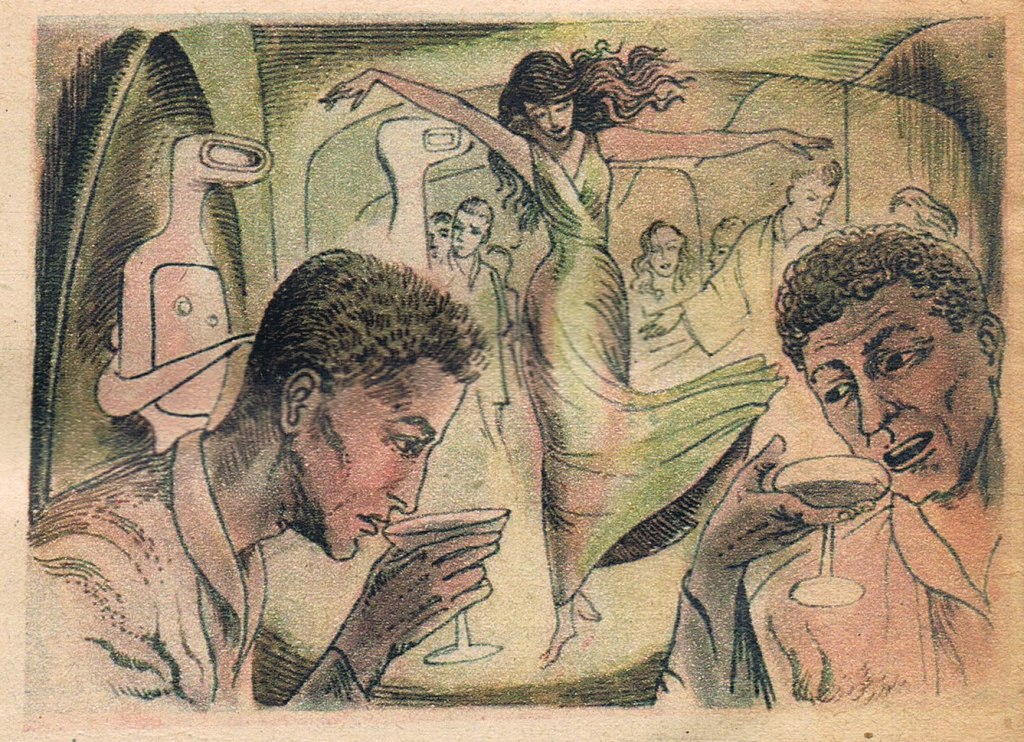
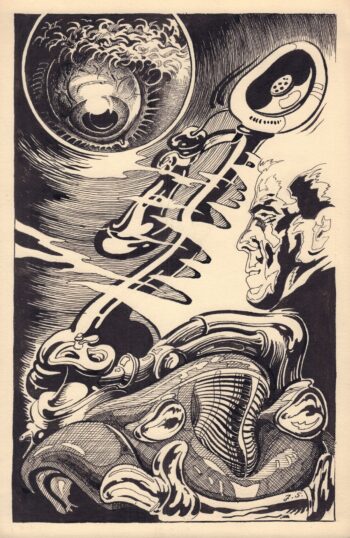
He also illustrated Julio Cortázar’s Fantomas Against the Multinational Vampires. It is said that, among foreign-language editions, Cortázar valued the Polish version of this work most highly. The book is a striking hybrid of text and comics: the illustrations take the form of comic boards in which part of the narrative action unfolds.
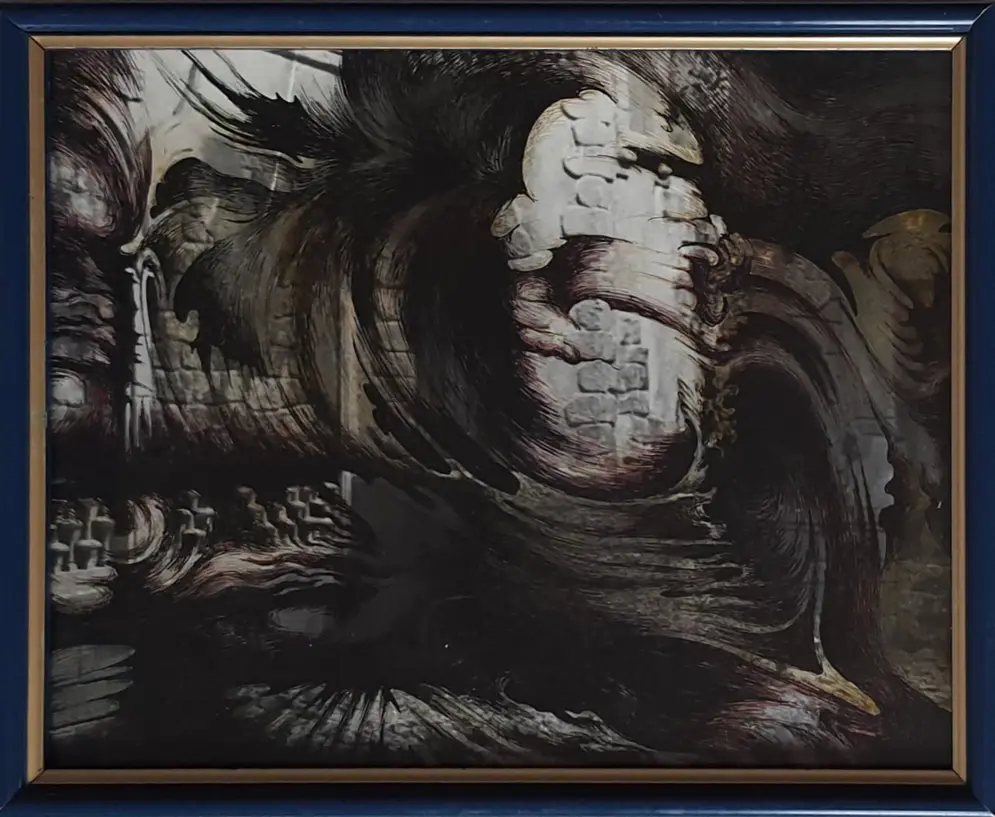
Skarżyński further created a 48-page comic titled P.E. (an acronym for Pithecanthropus erectus), set in a post-apocalyptic world and centered on a draughtsman and his doll. The comic is silent and dispenses with conventional panels; scenes flow into one another, forming a single continuous composition. The album was never printed, but the original boards were exhibited repeatedly in galleries. He also drew a comic in a similar style about Caravaggio, but the originals were lost during an exhibition and the album was never published.
Skarżyński wrote critical and scholarly texts on comics and their history for outlets including Przekrój, Gazeta Wyborcza, and specialist comics magazines such as AQQ and KKK. He never considered himself a professional comic artist. Above all, he was an acclaimed theatre and film scenographer, painter, and academic lecturer. Associated with the Stary Teatr in Kraków, he collaborated with, among others, Konrad Swinarski, Zygmunt Hübner, and Jerzy Jarocki. He was also a member of the Second Kraków Group (II Grupa Krakowska) centered around Tadeusz Kantor. Beyond scenography, he designed film, theatre, and cabaret posters, created press and book illustrations, and taught at the Academy of Fine Arts in Kraków.
For his achievements, he was awarded the Commander’s Cross of the Order of Polonia Restituta and the Gold Cross of Merit.