This is a demo store for testing purposes — no orders shall be fulfilled. Dismiss
Skip to content(September 25, 1910, Warsaw – March 3, 1975, Warsaw)
Polish graphic artist, illustrator, caricaturist, set designer, and educator.
Jerzy Srokowski began studying drawing and graphic arts at the Municipal School of Decorative Arts and Painting. In 1935, he entered the Academy of Fine Arts in Warsaw, studying under Miłosz Kotarbiński, and graduated in 1939.
He debuted as a caricaturist in Szpilki magazine during his first year of studies and remained a contributor until the outbreak of World War II. He resumed his collaboration with the magazine after the war, eventually becoming its art director. During his studies, his work also appeared in Kurier Poranny, Prosto z mostu, and Mucha. After 1945, he contributed to Nowa Kultura, Problemy, Życie Warszawy, and Wieczór, where from 1947 to 1948 he ran a popular cartoon series titled “Pani Dziuba.”
In addition to book illustration, Srokowski worked for many years as a set designer, actor, and scriptwriter at the Guliwer Puppet and Actor Theater. In 1956, he was awarded the Prime Minister’s Prize for his contributions to book illustration.
He also collaborated with Polish Television, where he created set designs for numerous popular programs, most notably the iconic Cabaret of Older Gentlemen (Kabaret Starszych Panów) starting in 1958. Between 1965 and 1968, he lived in Damascus, Syria, where he was a professor at the Faculty of Fine Arts and founded the university’s graphics studio. Upon returning to Poland, he resumed his work in theater and became the art director at the Czytelnik publishing house as well as at Miesięcznik Polski magazine.
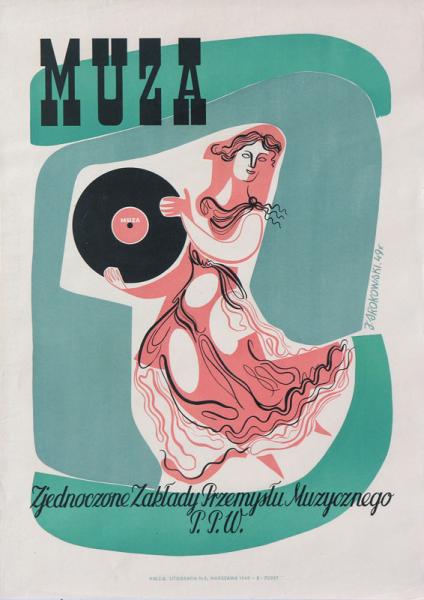
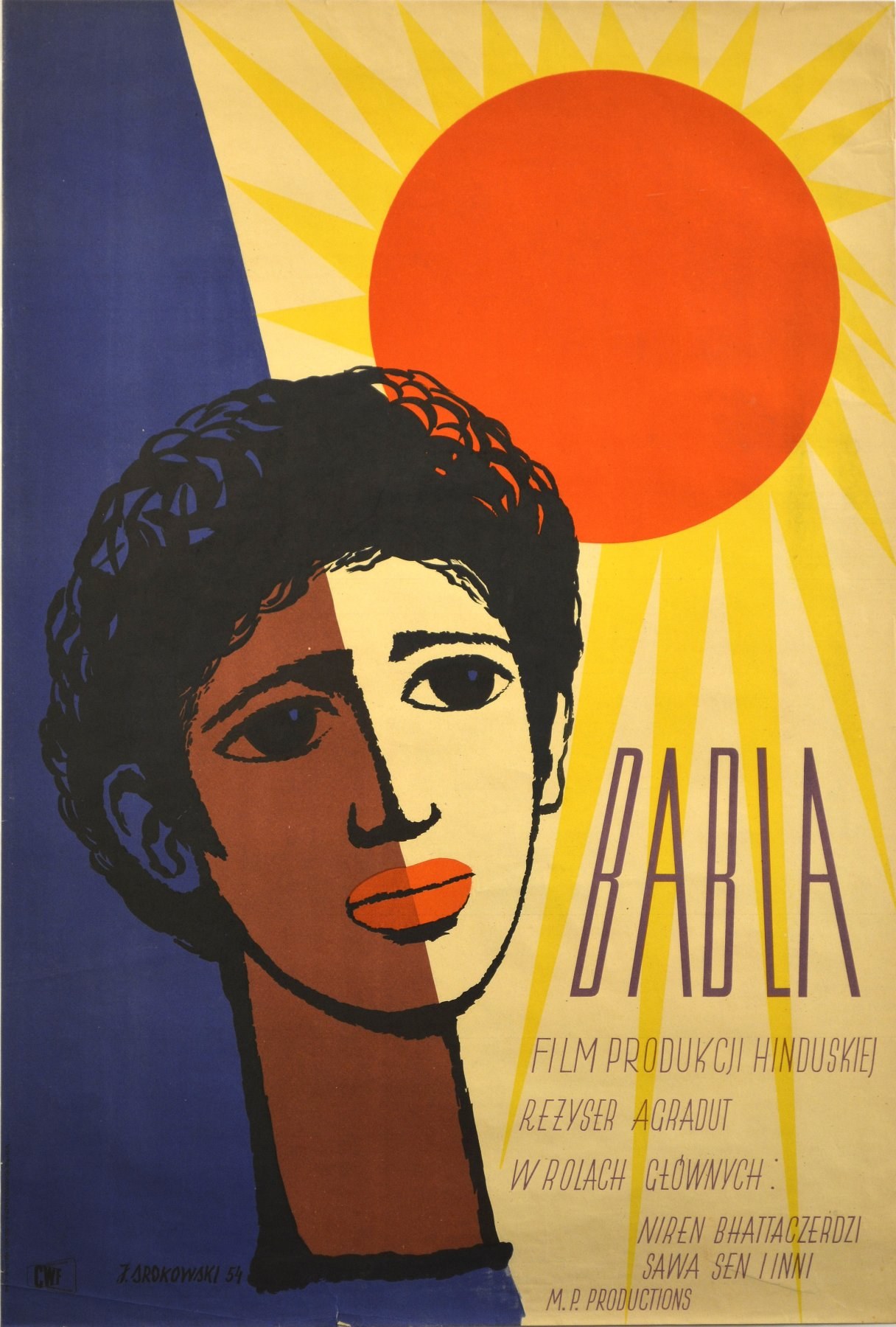
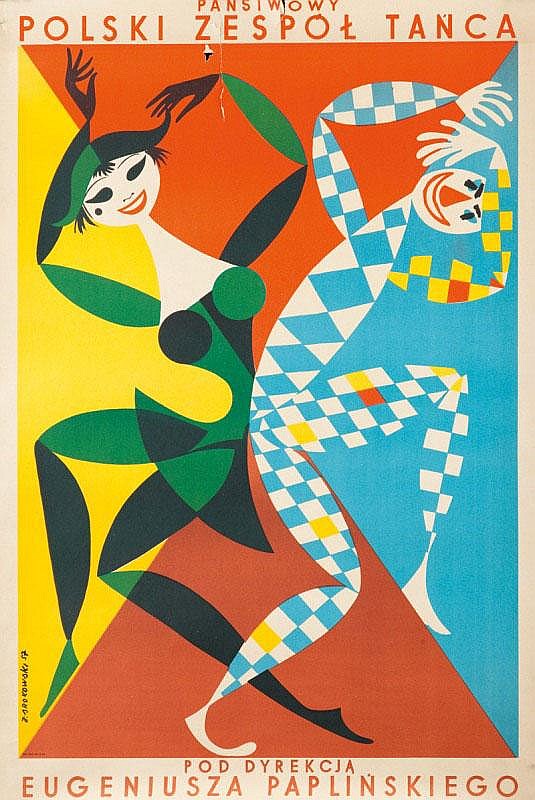
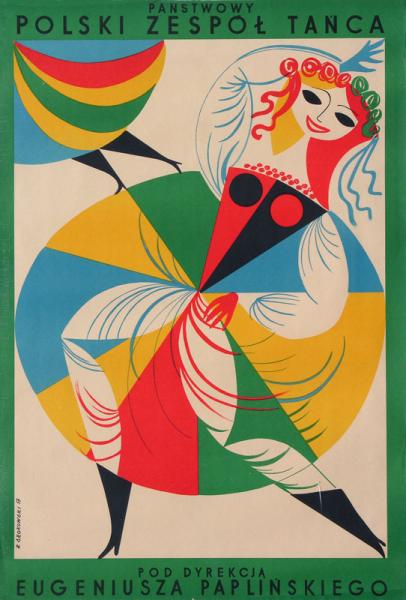
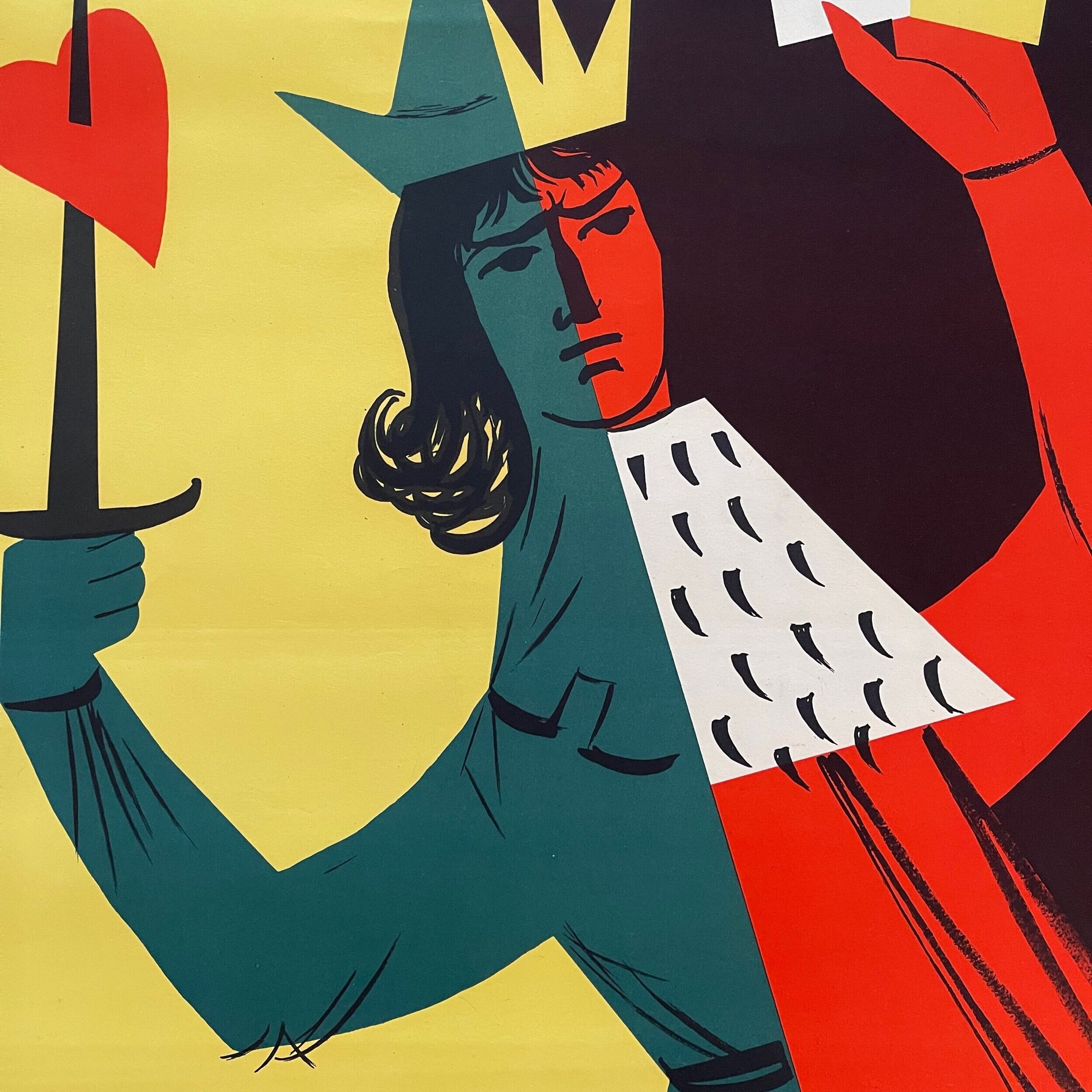
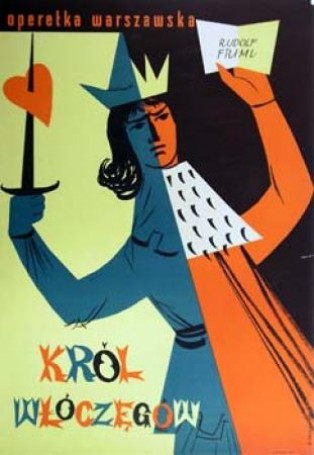
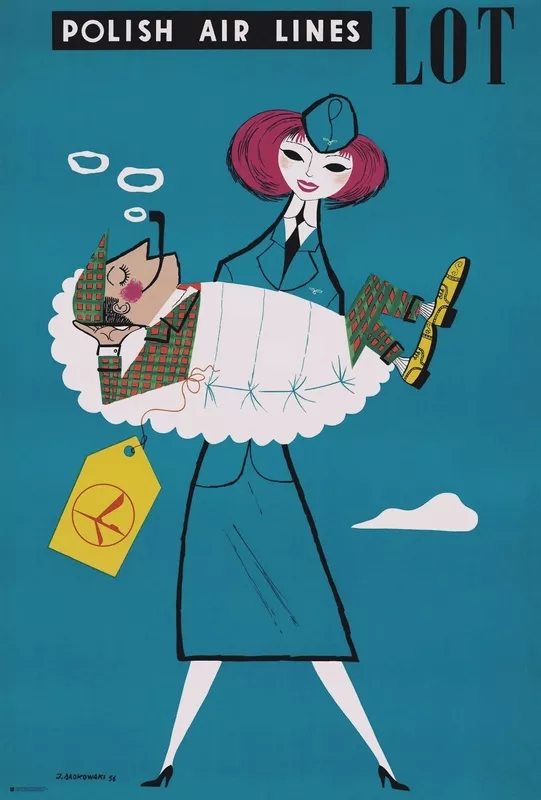
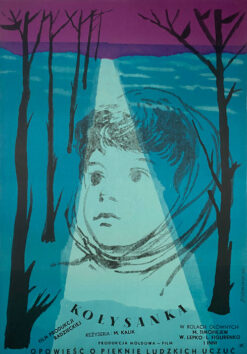
In 1973, Srokowski received the Golden Szpilka with Laurel, among numerous other awards for his illustrations and posters.
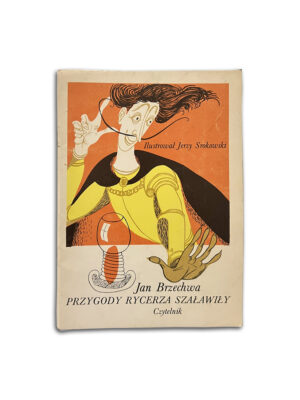
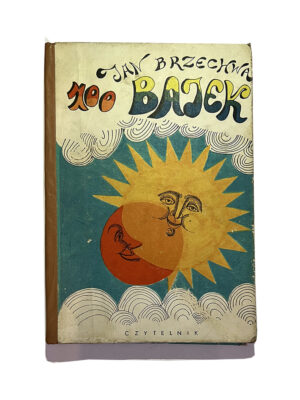
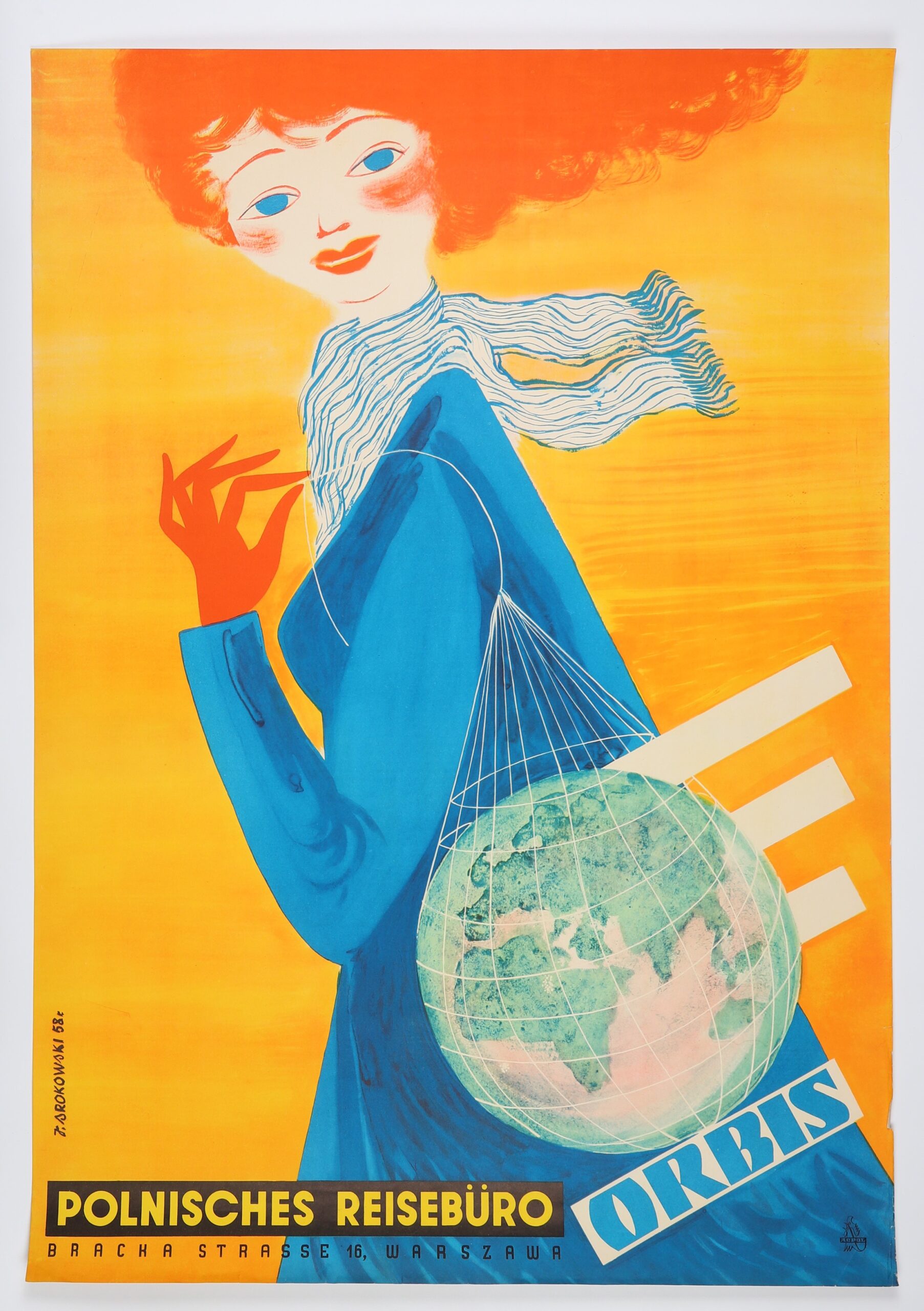
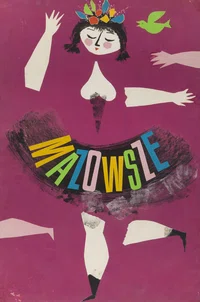
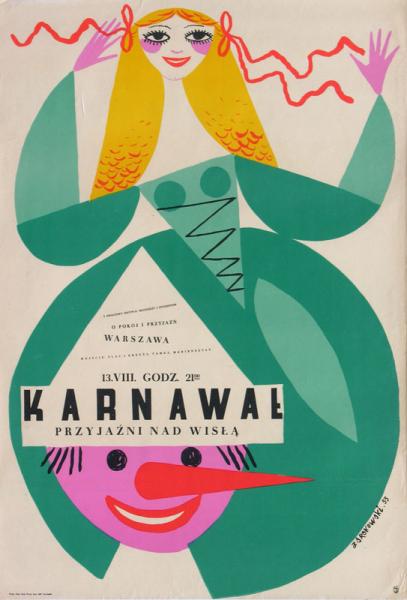
Jerzy Srokowski’s creative legacy is vast. Beyond illustrations and graphic design, he was involved in exhibition designand poster art. His drawings for classic editions of In Desert and Wilderness (W pustyni i w puszczy) and King Matt the First (Król Maciuś Pierwszy) are considered milestones in Polish illustration.
He was also a renowned caricaturist, with his works exhibited both in Poland and abroad. As a set designer, he utilized the limited resources of his time with ingenuity, combining minimalism and wit to create memorable stage designs for programs like Kabaret Starszych Panów.
His work is held in the National Museum and Poster Museum in Warsaw, as well as in collections in Barcelona and Berlin.
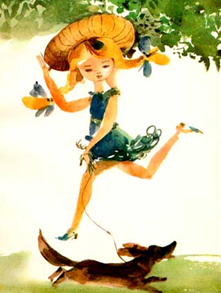
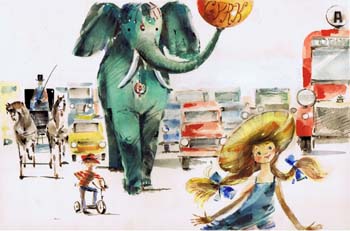
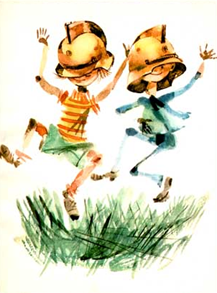
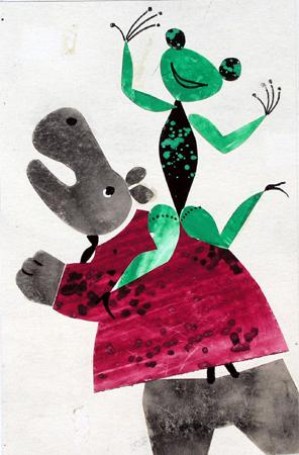
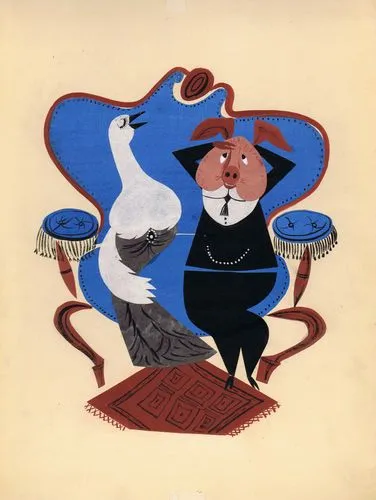
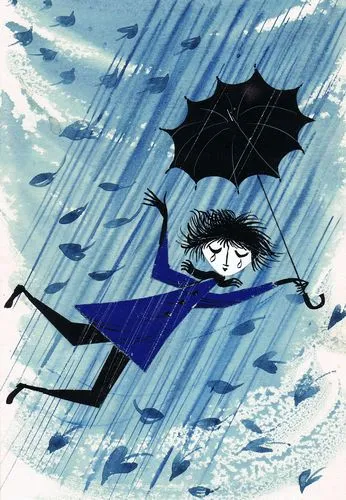
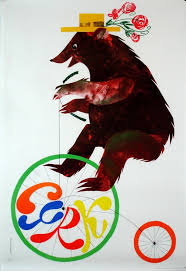
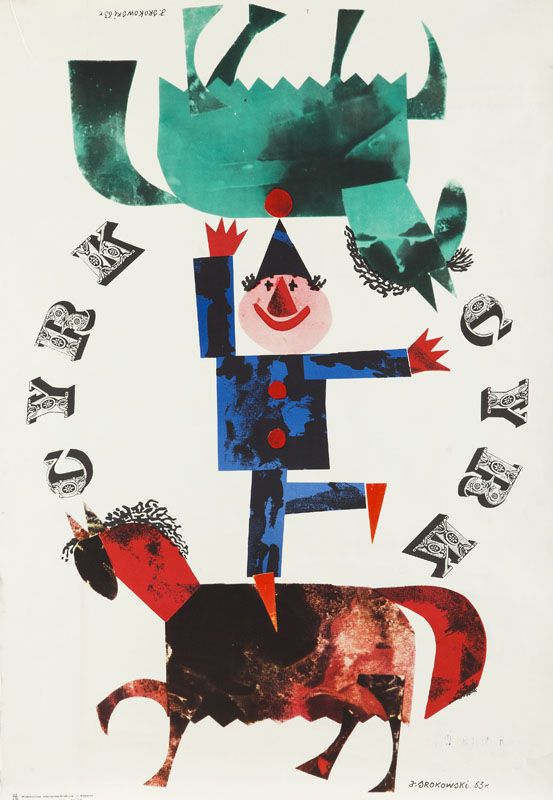
Srokowski’s work is marked by painterly fluidity, precise draftsmanship, elegant form, meticulous attention to detail, and a masterful use of color — all imbued with humor and lyricism. He specialized in realistic illustration, yet was open to experimentation. He employed various techniques such as:
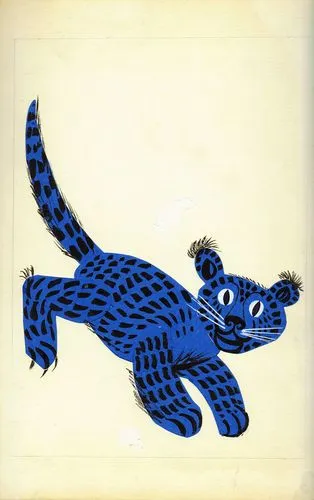
cut-outs combined with watercolor
scratching into tempera
pen and ink drawing
collage.
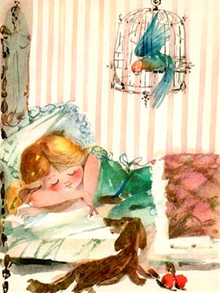
He created poetic, almost dreamlike atmospheres, filled with gentle humor and soft color palettes.
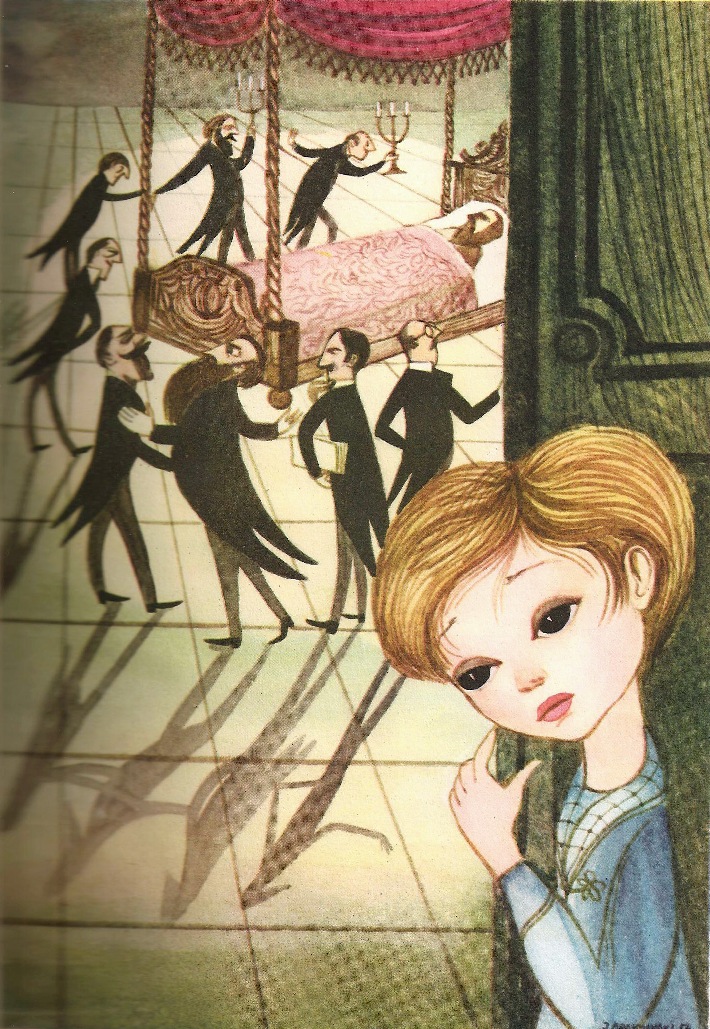
Srokowski’s illustrations for Janusz Korczak’s King Matt the First became definitive. For this work, he received the Silver Medal at the International Book Art Exhibition (IBA) in Leipzig.
His visual interpretation of King Matt — a horizontally set oval head that is disproportionately large, perched on a slender neck and tiny body, with big, doe-like eyes — became iconic. The figure resembled puppets or marionettes, which Srokowski himself sometimes designed, and this theatrical influence shaped the distinctive proportions and facial expressiveness of his characters.
As critic Szymon Kobyliński wrote in Nowe Książki:
“Jerzy Srokowski didn’t just create the character of Matt — he built his entire kingdom. He shaped the landscapes and set the tone, one we’ve since come to associate with Korczak. The landscapes are faintly surreal, with dreamy perspectives whispered in gentle, subdued colors. Almost static. Almost silenced. Would the Old Doctor himself have envisioned such muted metaphors? I wouldn’t be sure — unless guided there by someone of Srokowski’s caliber. And if Jerzy — a poet as subtle with a brush as with a pen — tells me I should believe, I believe him without question.”