
(1920–2007)
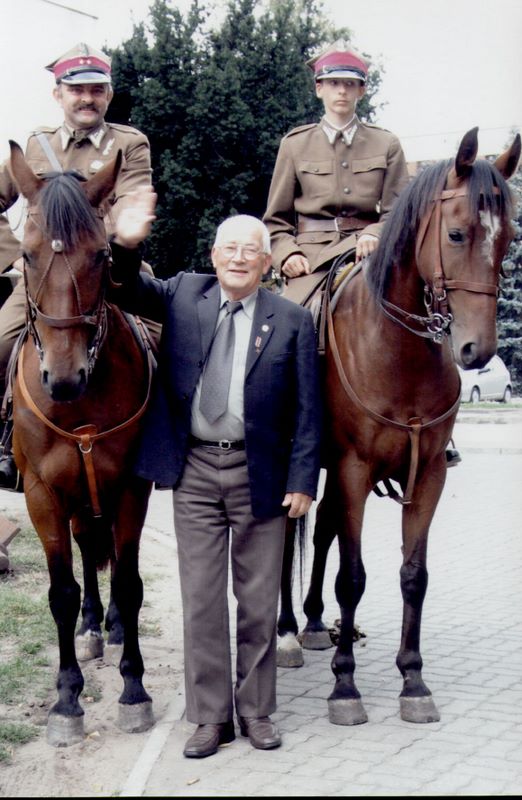
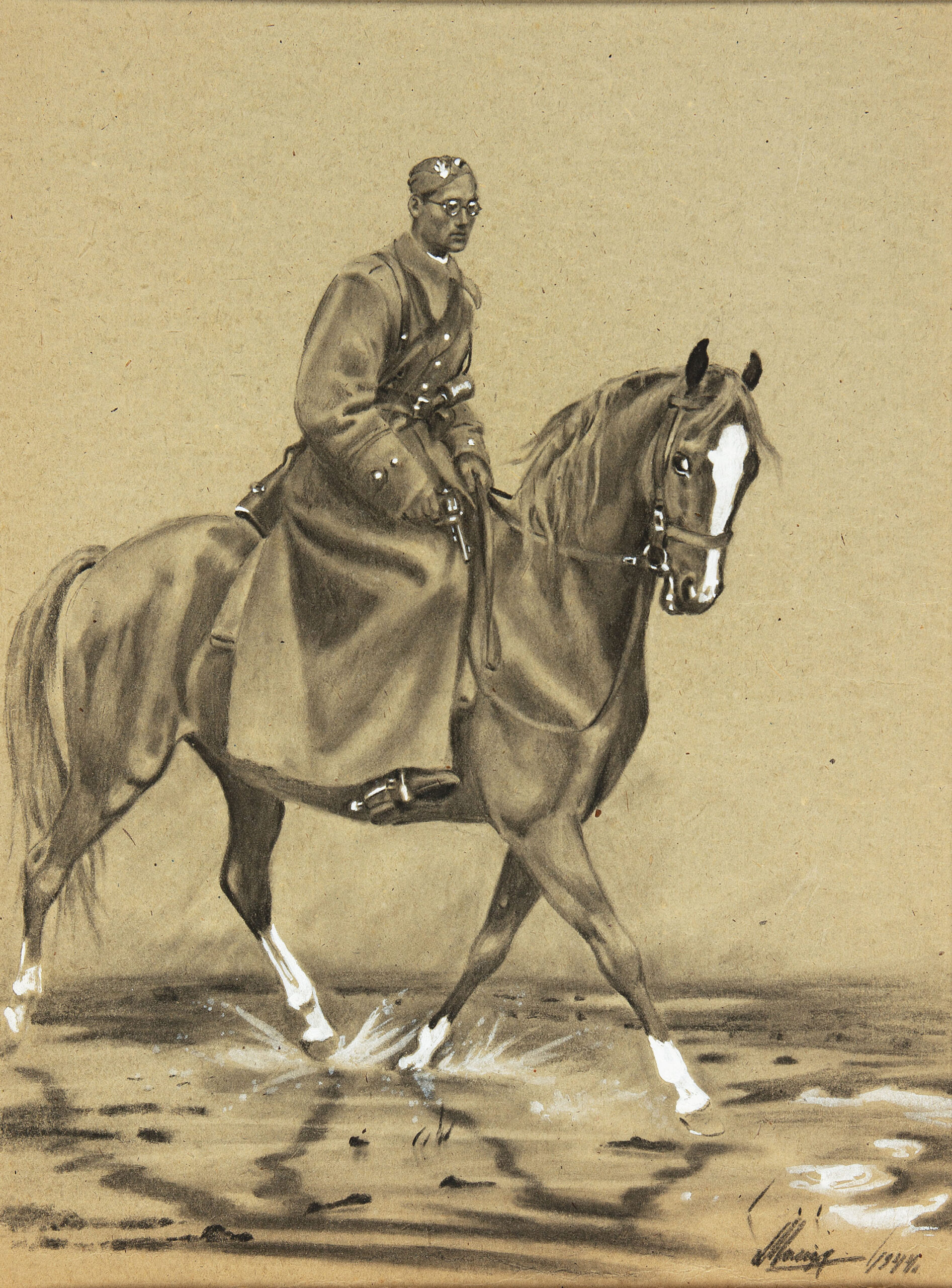
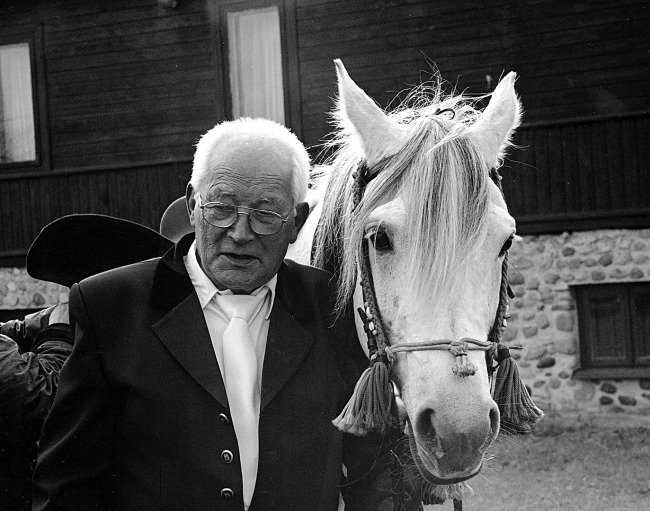
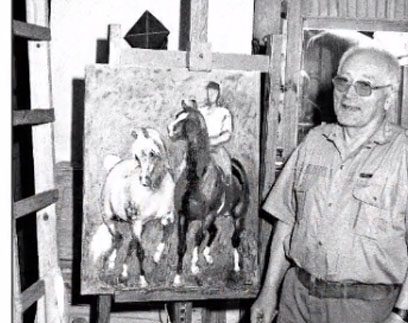
Ludwik Maciąg (born July 9, 1920, in Kraków; died August 7, 2007, in Warsaw) was one of the most distinguished Polish battle painters, graphic artists, illustrators, and educators of the 20th century. He achieved particular renown as a master of horse painting, historical scenes, and hunting and military subjects.
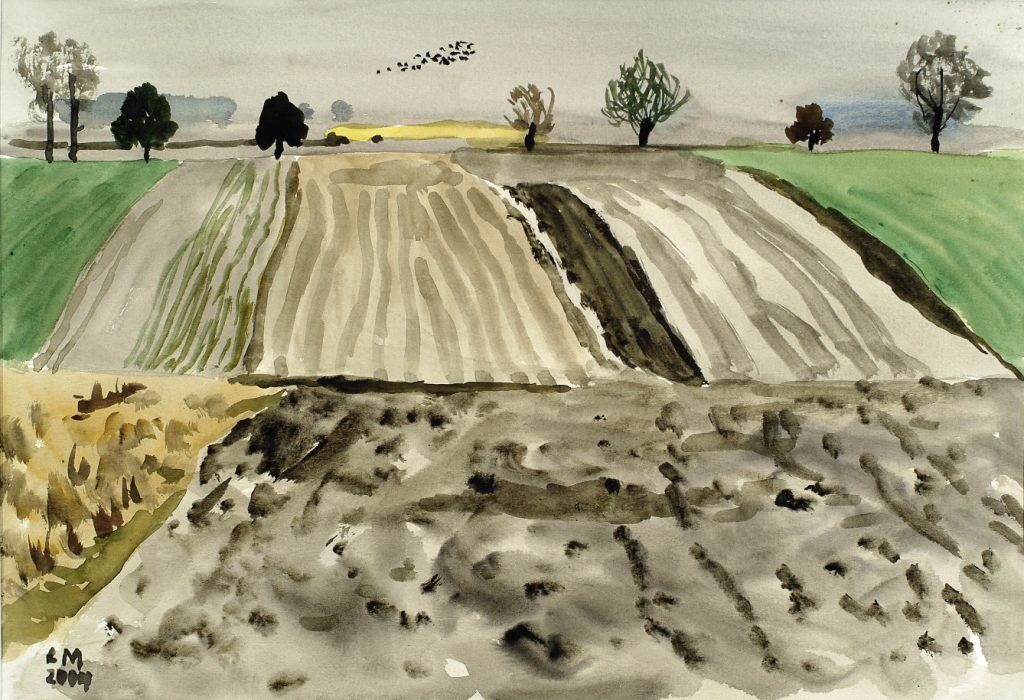
A remarkably versatile artist, Maciąg combined classical academic technique with dynamic composition and a profound interest in Polish history, cavalry traditions, military culture, and nature.
Ludwik Maciąg was born in Kraków, although he spent much of his childhood and youth in the Lublin region of Poland. From an early age, he showed a strong interest in drawing, horses, and military themes.
During World War II, he was active in the resistance movement, serving in the ranks of the Armia Krajowa (Home Army), and later participated in the Warsaw Uprising. His wartime experiences profoundly influenced his later battle paintings.
After the war, he studied at the Academy of Fine Arts in Warsaw, where he trained under leading representatives of the Polish painting tradition. He received his diploma in 1950.
In later years, he joined the faculty of the Academy and eventually became a professor. From 1969 to 1972, he also served as Rector of the Academy of Fine Arts in Warsaw.
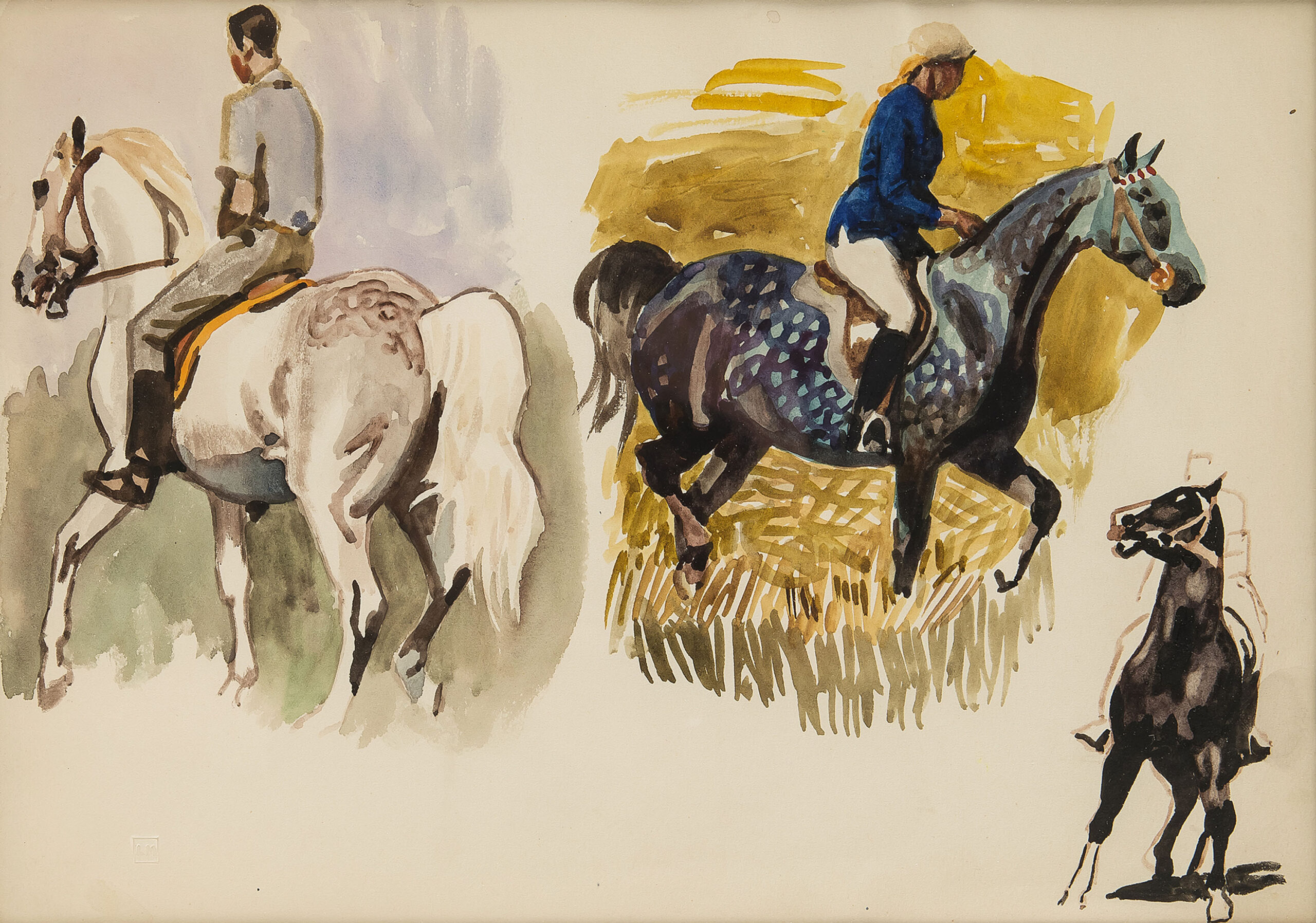
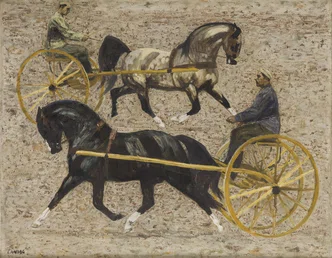
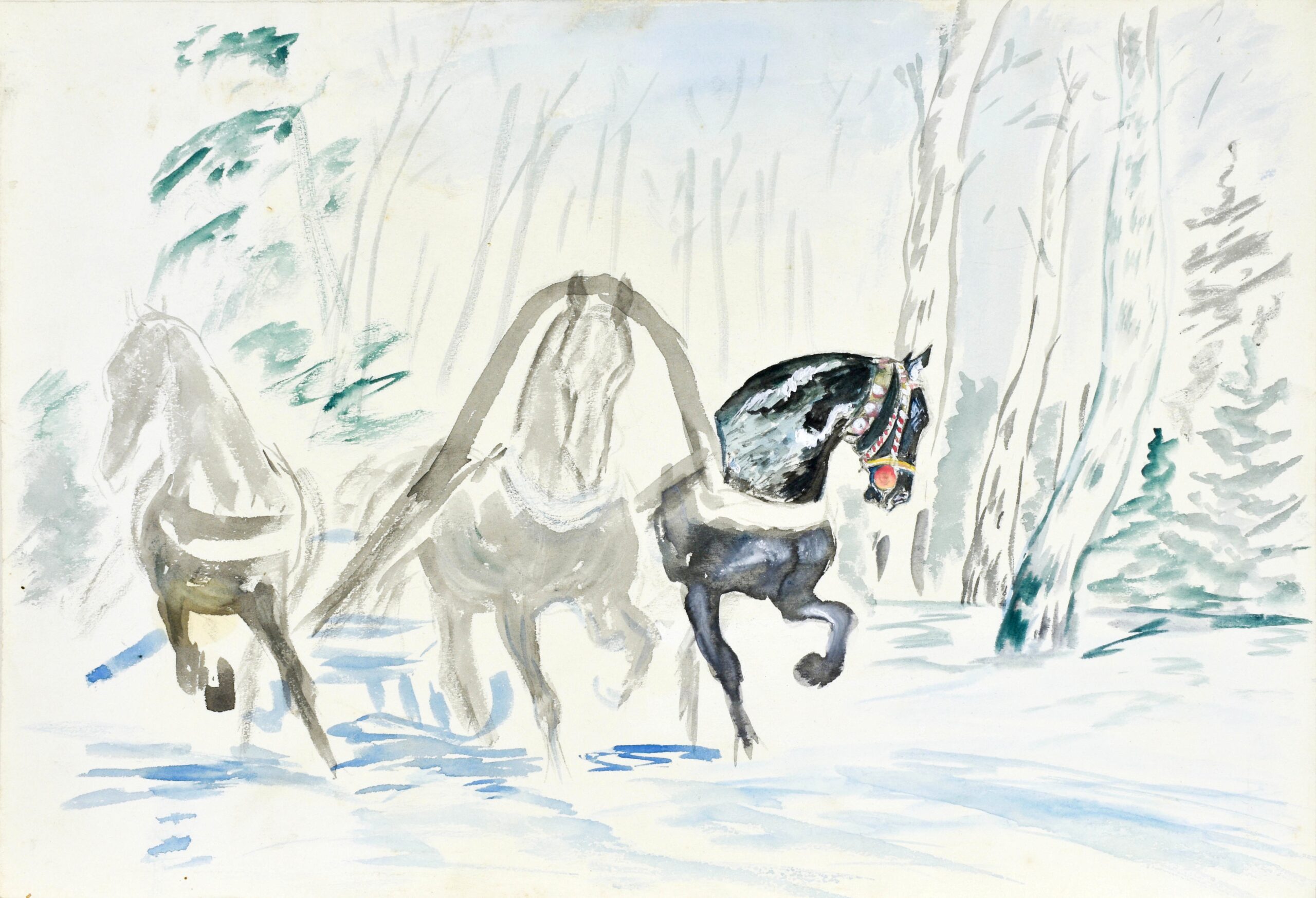
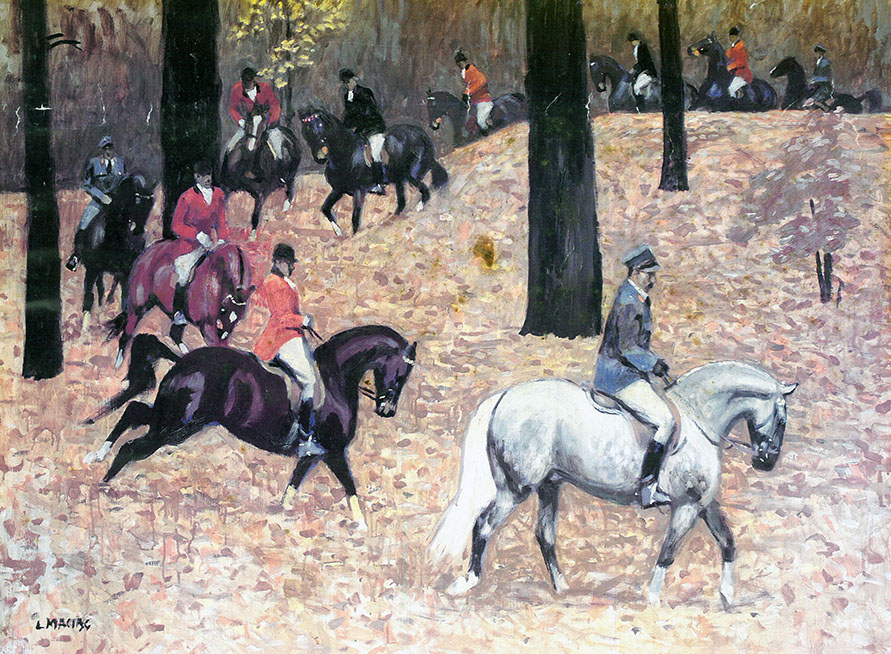
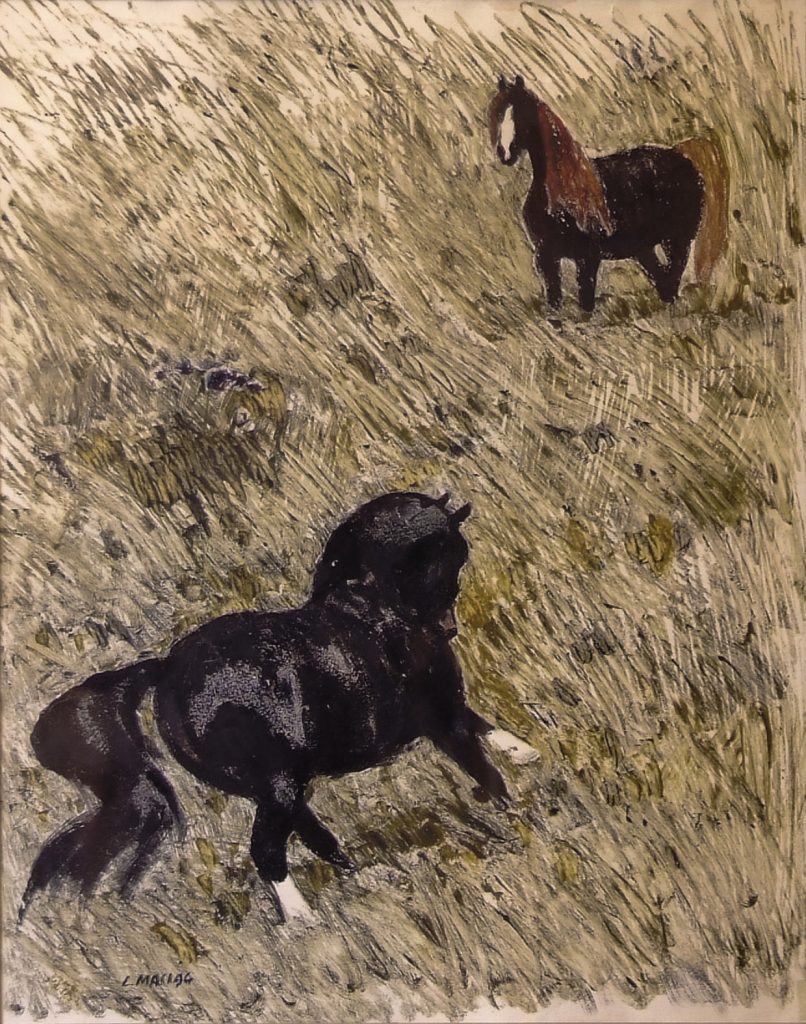
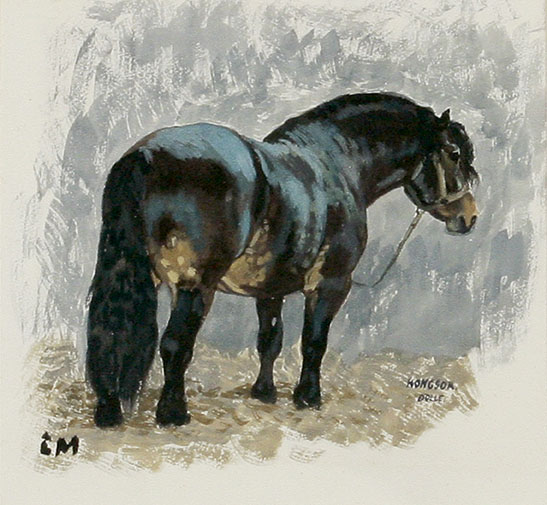
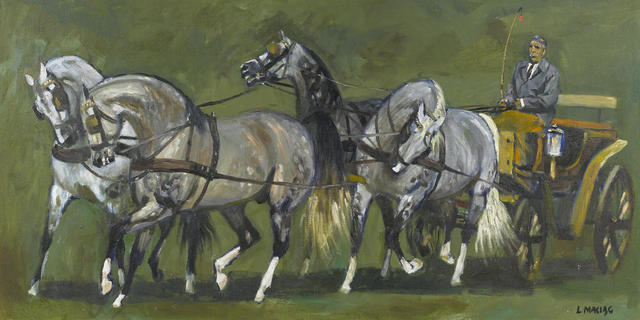
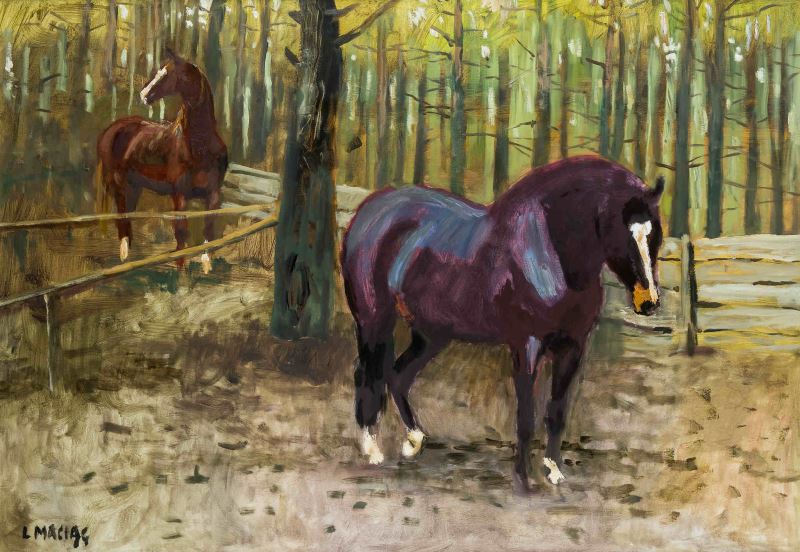
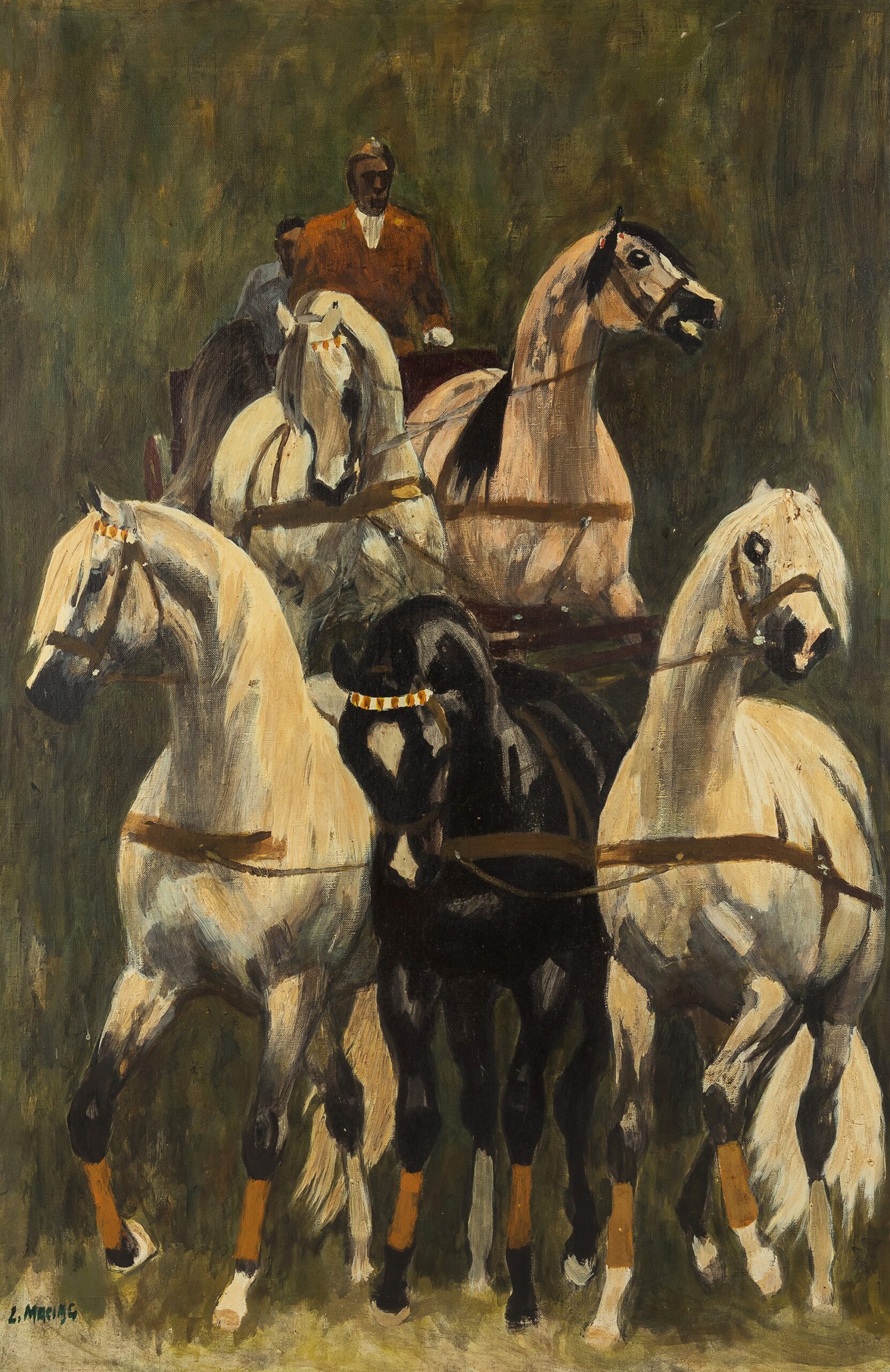
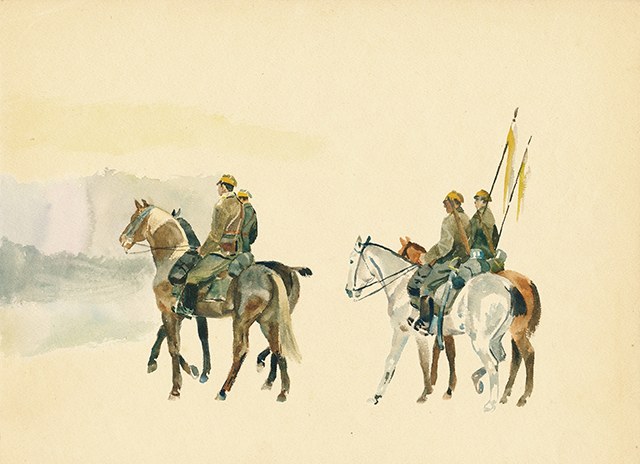
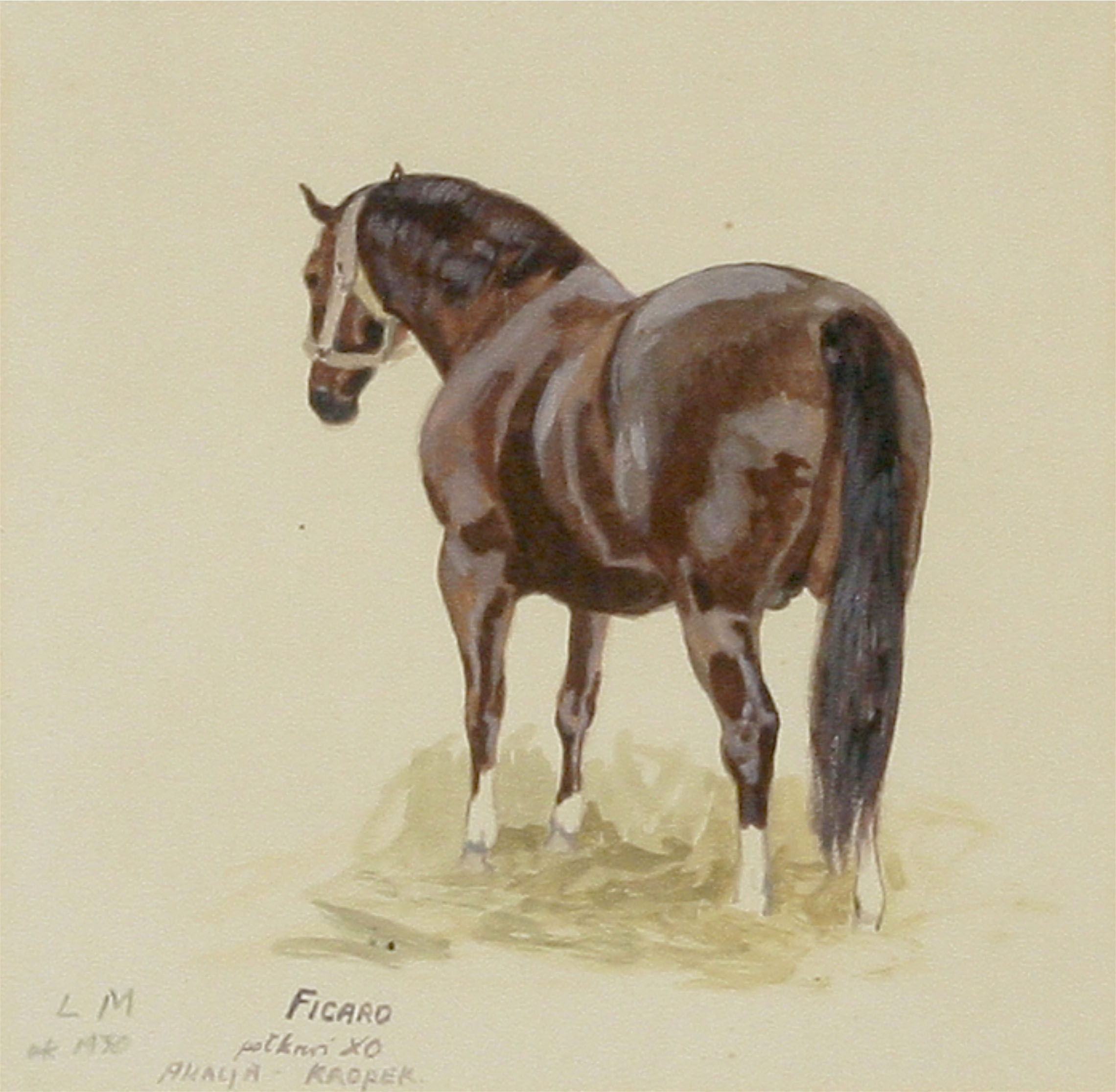
The most recognizable aspect of Ludwik Maciąg’s work was his painting of horses.
He created:
His depictions of horses were distinguished by:
Maciąg is regarded as one of the greatest Polish equestrian painters of the 20th century.
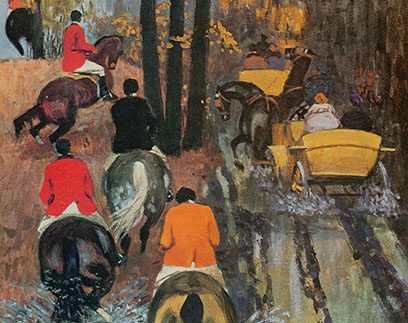
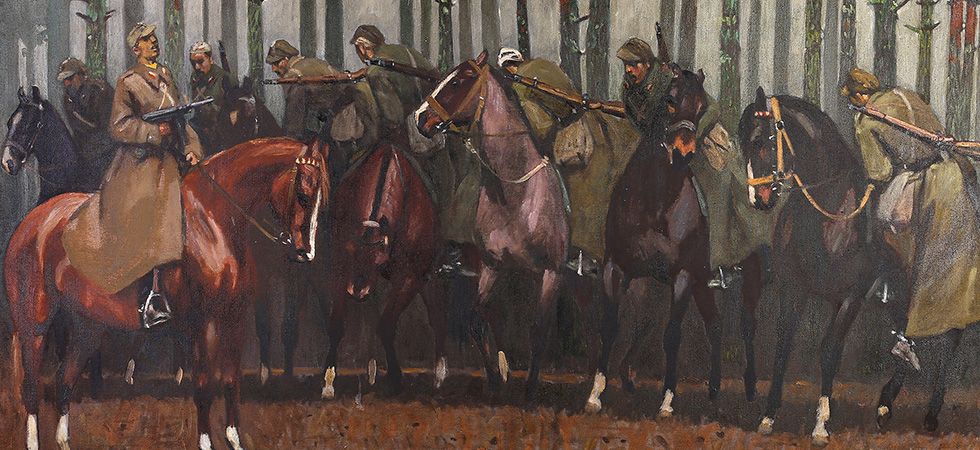
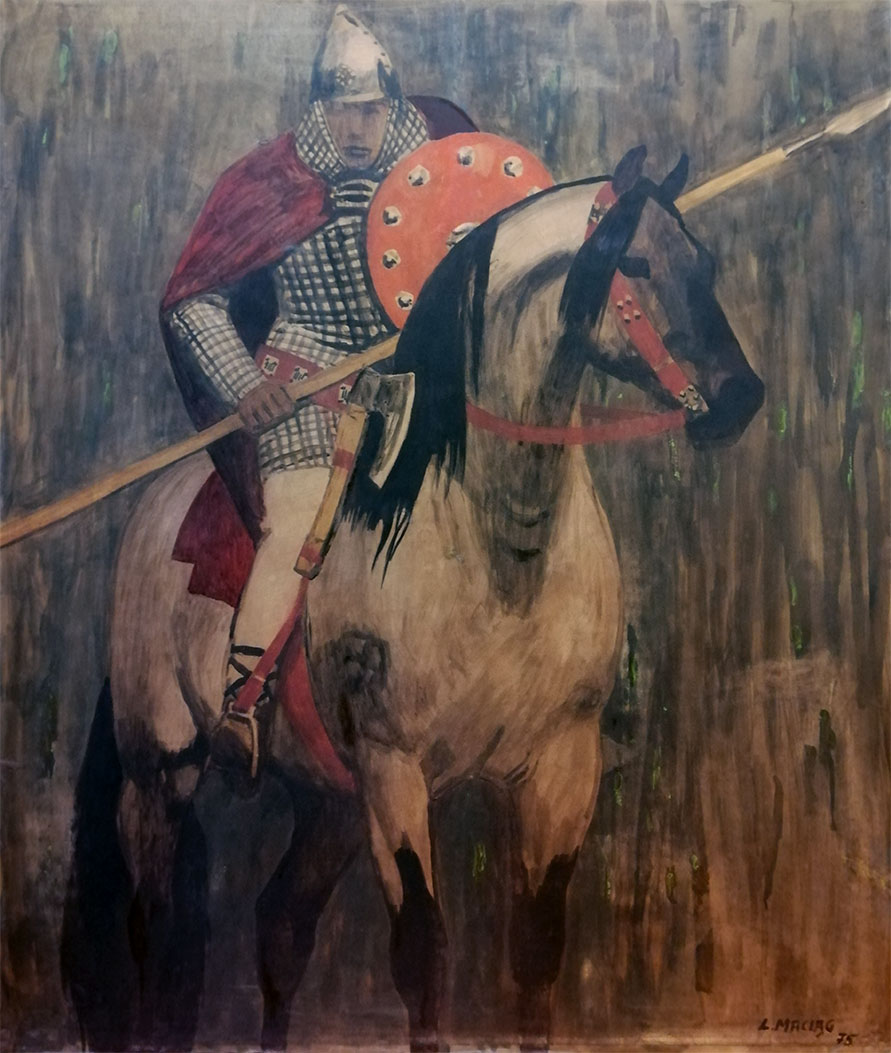
Another major pillar of his artistic output was historical and military painting.
He created works depicting:
His inspirations stemmed from:
His battle paintings combined realism with monumentality and a strong patriotic spirit.
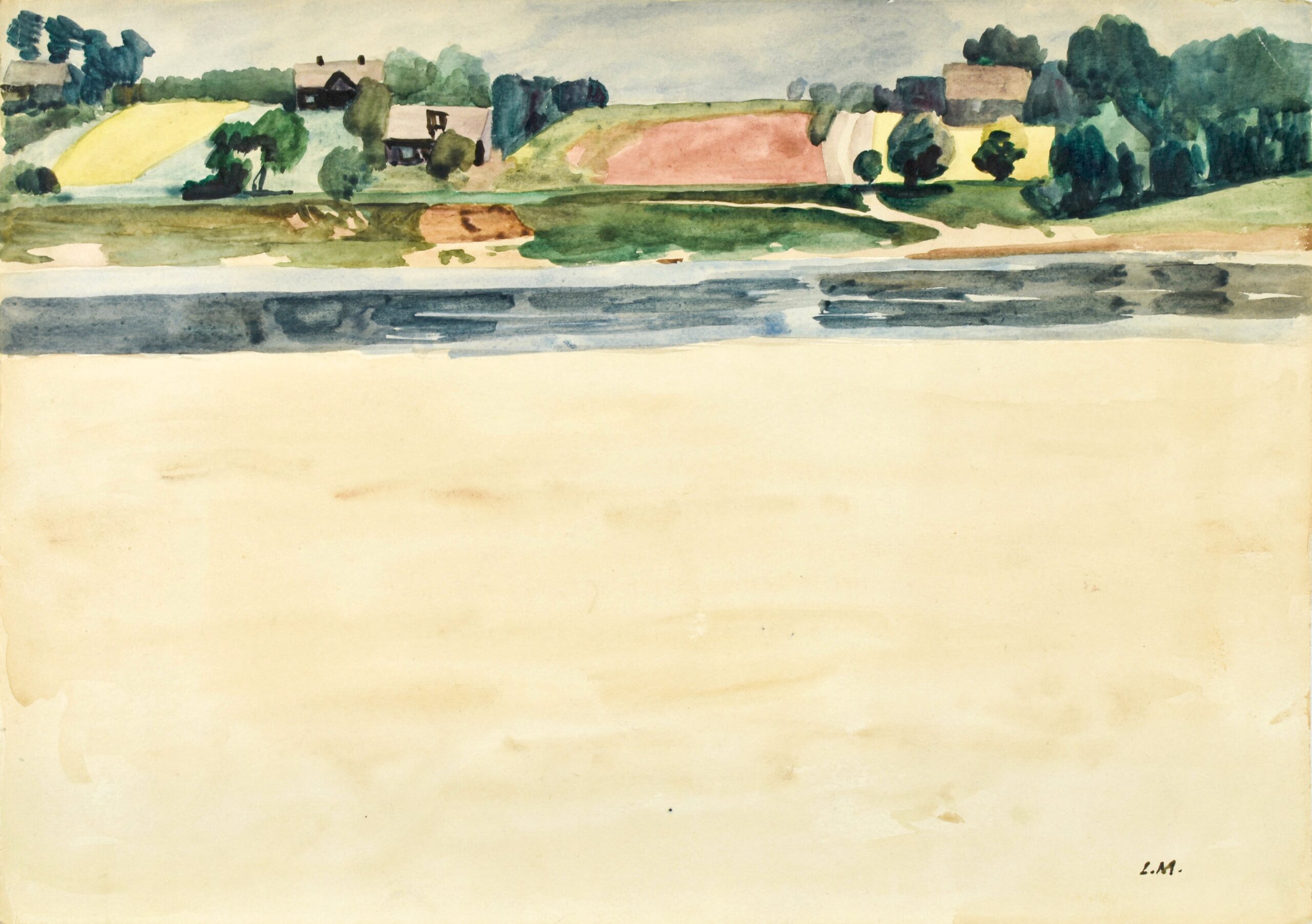
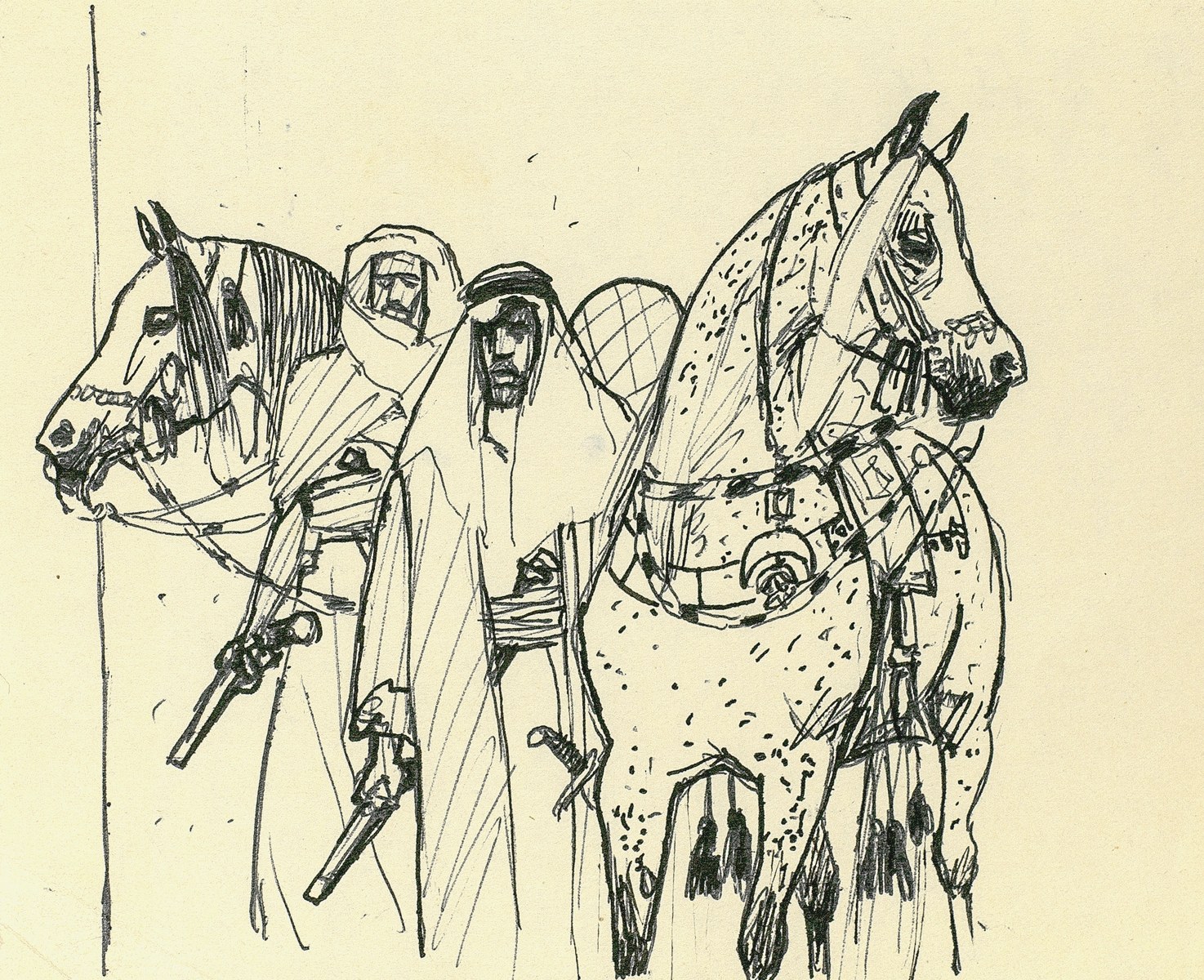
Ludwik Maciąg was also active as a book illustrator and publishing graphic artist.
He created illustrations for publications devoted to:
His illustrations were characterized by:
Among the publications illustrated or graphically designed by Ludwik Maciąg are:
A publication devoted to the iconography of the horse in Polish art, featuring reproductions of Maciąg’s works alongside historical commentary.
The artist collaborated on numerous publications related to:
Particularly notable were albums devoted to:
Maciąg created illustrations for books and publications concerning:
His works were frequently featured in historical albums and museum publications.
Ludwik Maciąg received numerous awards and distinctions for his artistic and educational achievements, including:
His works were exhibited extensively in solo and group exhibitions both in Poland and abroad.
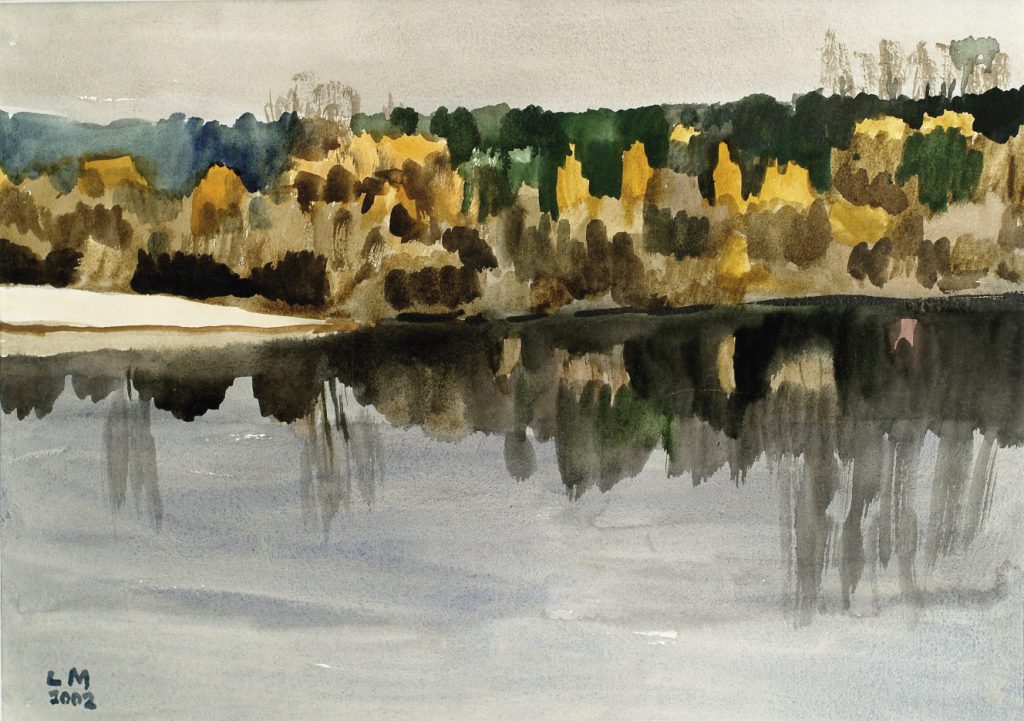
Ludwik Maciąg’s style can be described as a synthesis of:
The defining features of his painting include:
His depictions of galloping horses and cavalry scenes are especially admired.
As a professor and Rector of the Academy of Fine Arts in Warsaw, Ludwik Maciąg exerted a major influence on several generations of Polish artists.
He was respected for:
His teaching played a significant role in shaping Polish art education during the second half of the 20th century.
Ludwik Maciąg left behind an extensive body of work that includes:
His works are held in:
To this day, he remains one of Poland’s most important painters of horses and military subjects.
Ludwik Maciąg (1920–2007) was an outstanding Polish painter, graphic artist, illustrator, and educator.
He is best known as:
His work united:
The artistic legacy of Ludwik Maciąg holds a permanent place in the history of 20th-century Polish painting.
Two of Art | KvK: 94351813 | Teilingen 79, 1082JR Amsterdam, Netherlands