This is a demo store for testing purposes — no orders shall be fulfilled. Dismiss
Skip to content(1931–2010)
Illustrator, graphic artist, book designer – a master of tender linework and childlike imagination.
Maria Orłowska-Gabryś was born in 1931. She graduated from the Academy of Fine Arts in Kraków, where she studied in the departments of applied graphics and illustration. From the earliest years of her career, she was drawn to the world of books—as both an illustrator and graphic designer. Her talent was quickly recognized: she had a rare gift for storytelling through imagery, where the illustration stood as equal to the text—not merely complementing it, but often giving it new depth and dimension.
During the 1950s, ’60s, and ’70s, she became one of the most recognizable and respected illustrators of children’s and young adult literature in Poland. For decades, she worked with the country’s most prominent publishing houses—Nasza Księgarnia, WSiP, Iskry—illustrating classics of both Polish and world children’s literature. Her illustrations also appeared in educational books, textbooks, calendars, and magazines.
She collaborated with many distinguished authors, including Maria Konopnicka, Wanda Chotomska, Hanna Januszewska, Joanna Papuzińska, Kornel Makuszyński, Jan Brzechwa, and Julian Tuwim. She illustrated over 100 books, among them:
Bajarka opowiada by Maria Niklewiczowa
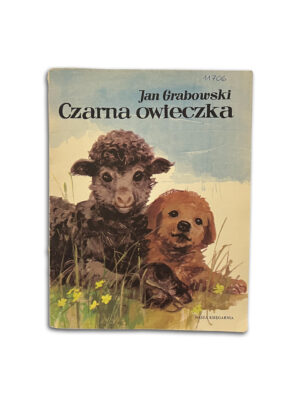
Czarna owieczka by Jan Grabowski
The Paul Street Boys by Ferenc Molnár
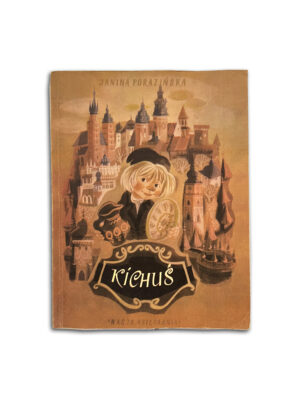
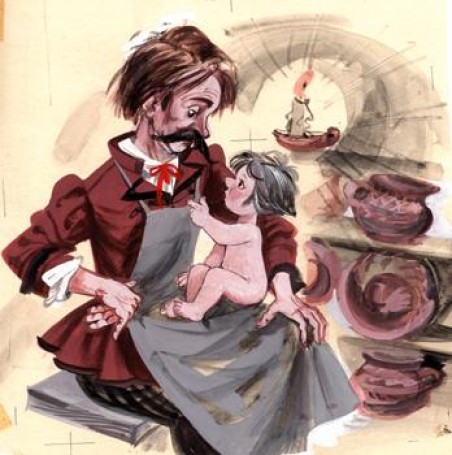
Kichuś majstra Lepigliny by Janina Porazińska
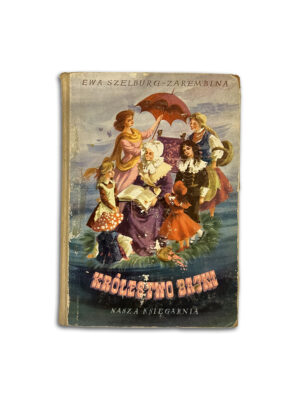
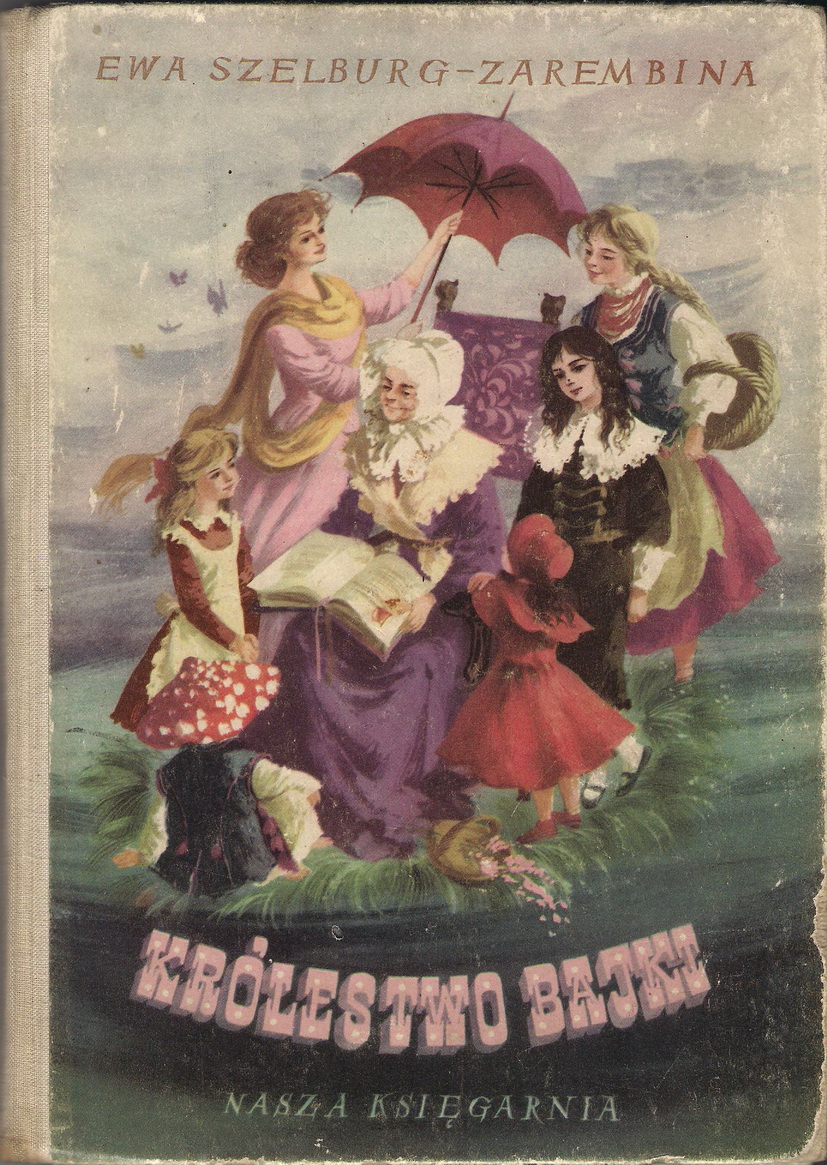
The Kingdom of Fairy Tales by Ewa Szelburg-Zarembina
Edith Nesbit’s fantasy-adventure series (Five Children and It, The Phoenix and the Carpet, The Story of the Amulet)
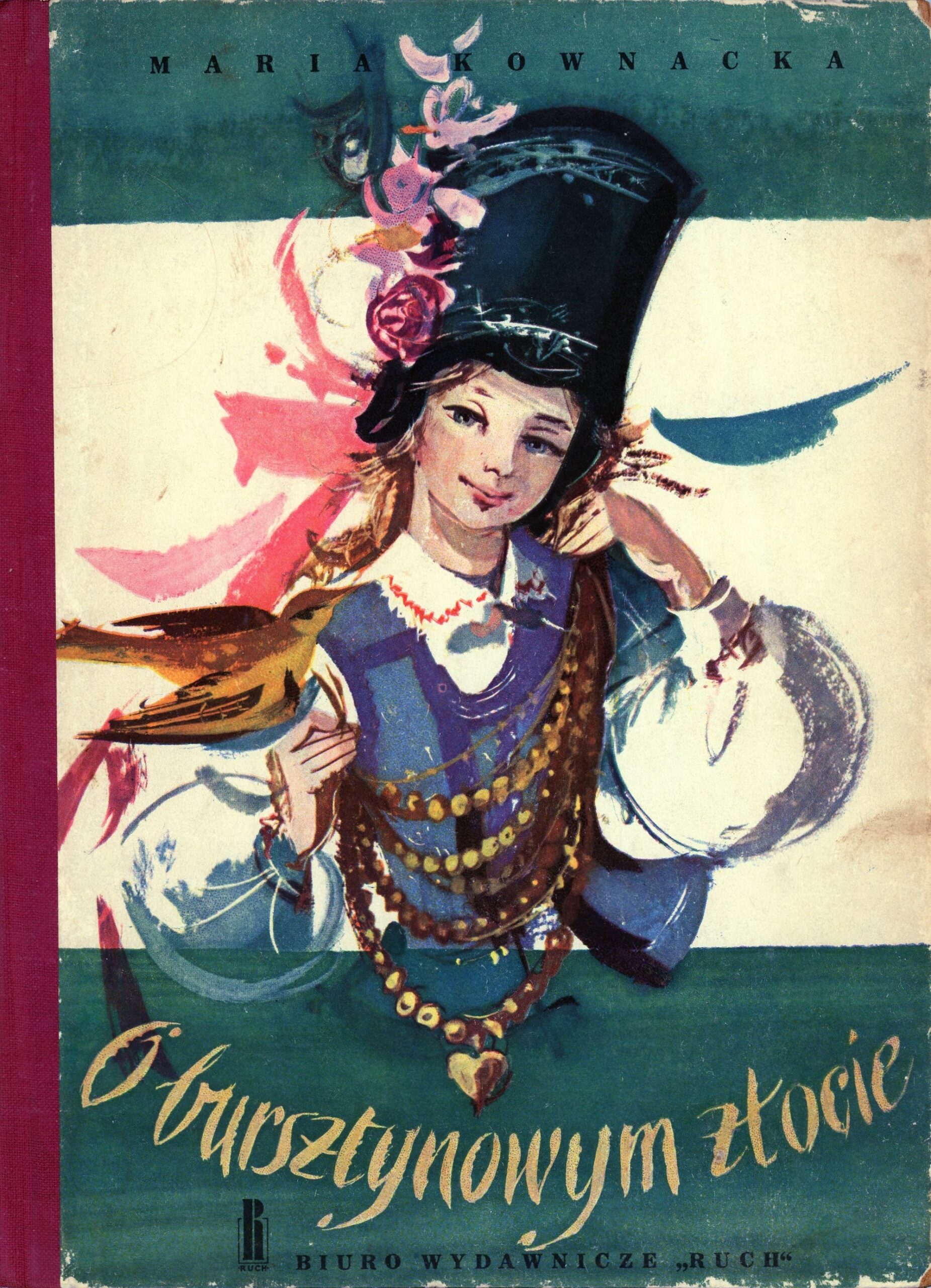
Ogródek by Maria Kownacka
School Adventures of Pimpuś the Chubby Cat by Maria Konopnicka
Mio, My Son and Rasmus and the Vagabond by Astrid Lindgren
Her illustrations for beloved titles such as About the Dwarfs and Little Orphan Mary, Pampilio, The Diary of Plastuś, The Enchanted Carriage, and The Green Wanderer became widely popular and cherished by generations of readers.
She passed away in 2010, leaving behind a rich and cohesive artistic legacy that continues to live on in libraries, school shelves, and private collections.
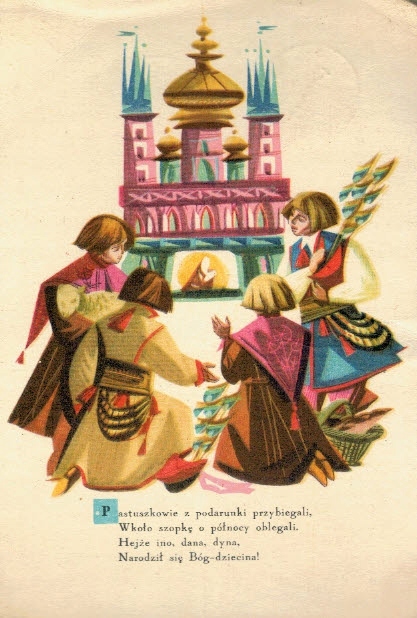
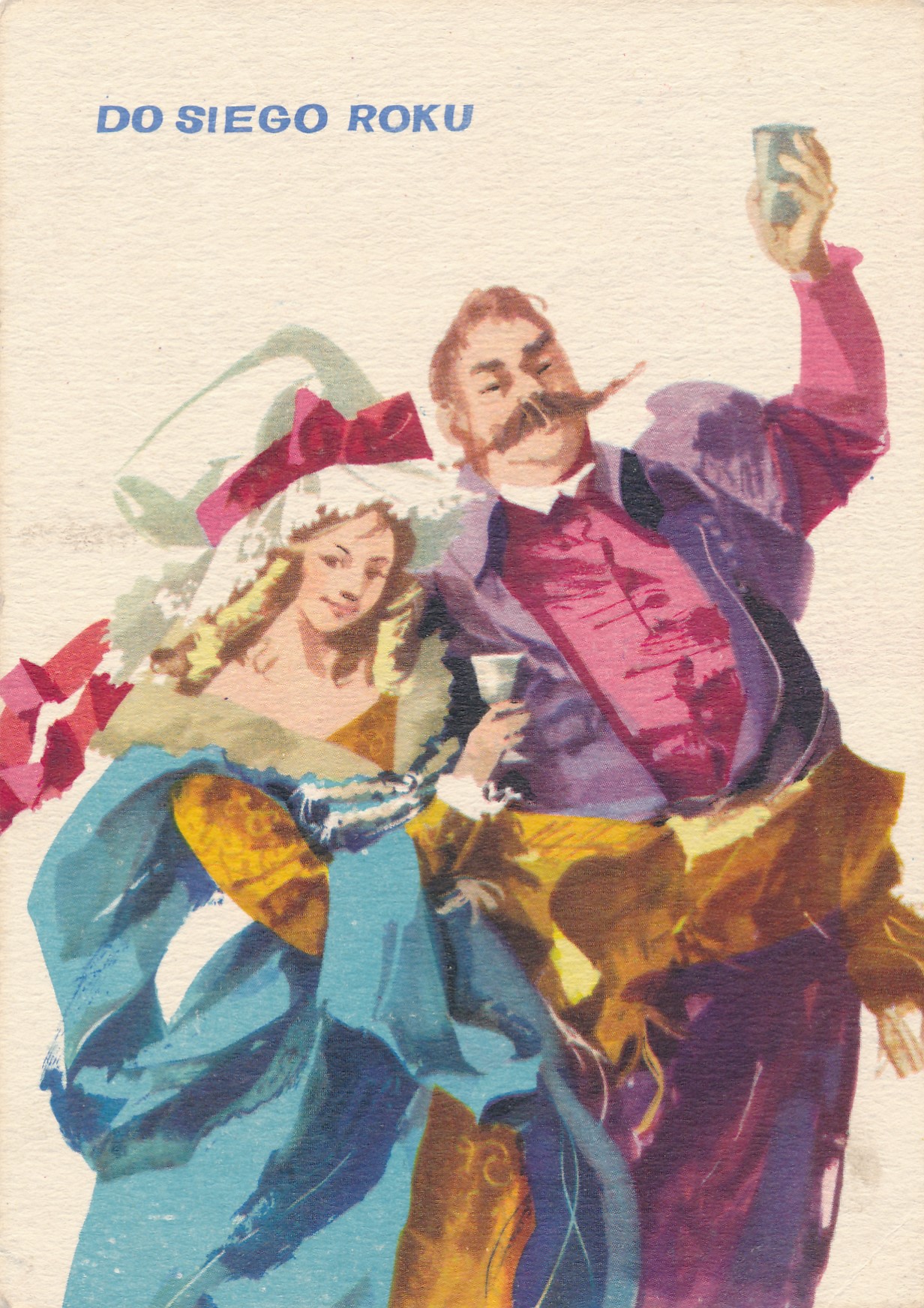
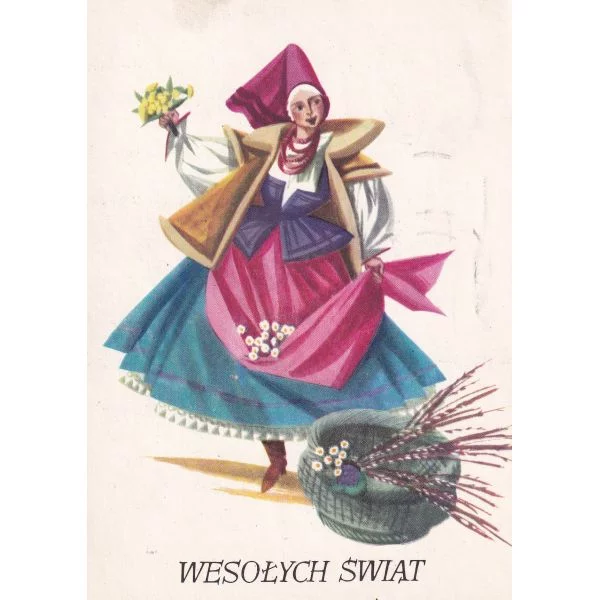
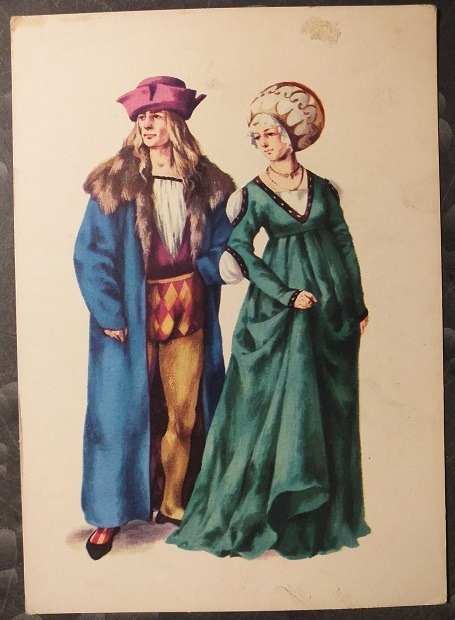
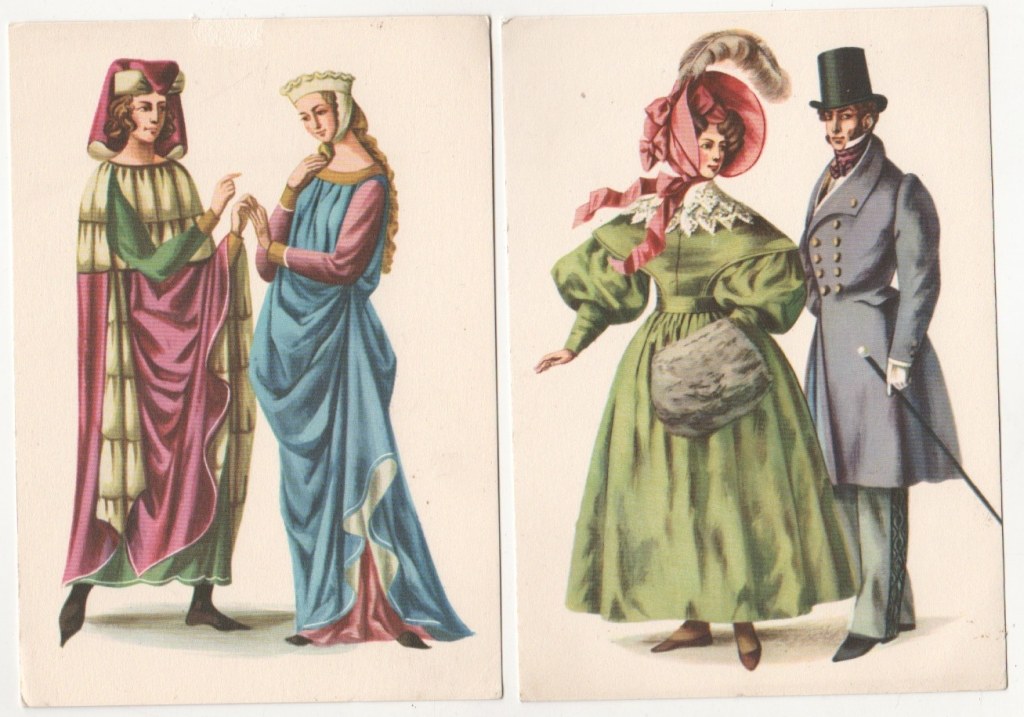
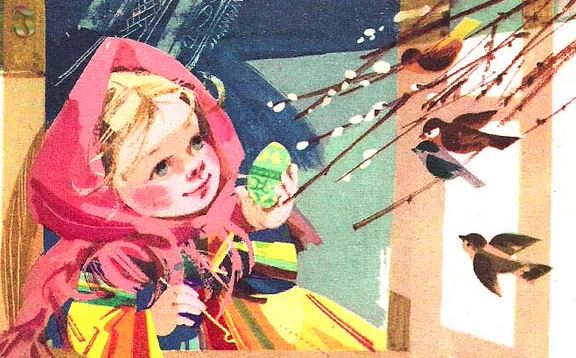
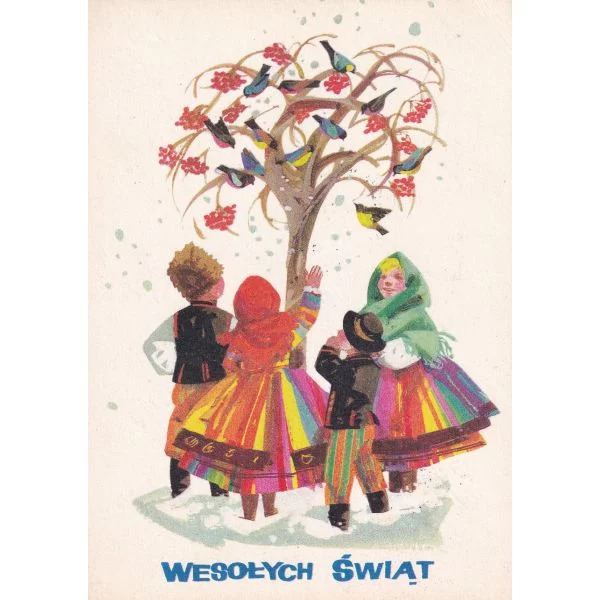
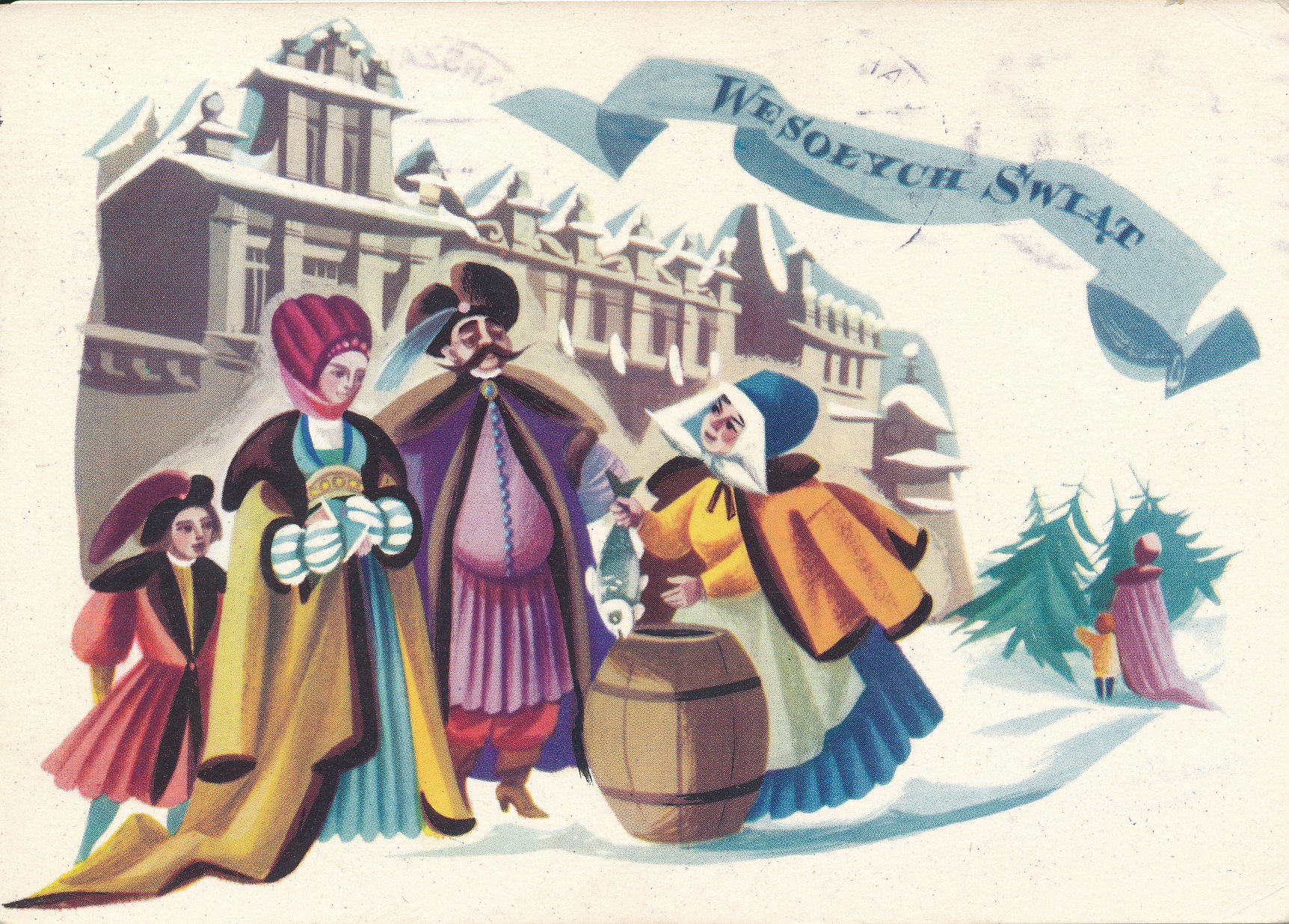
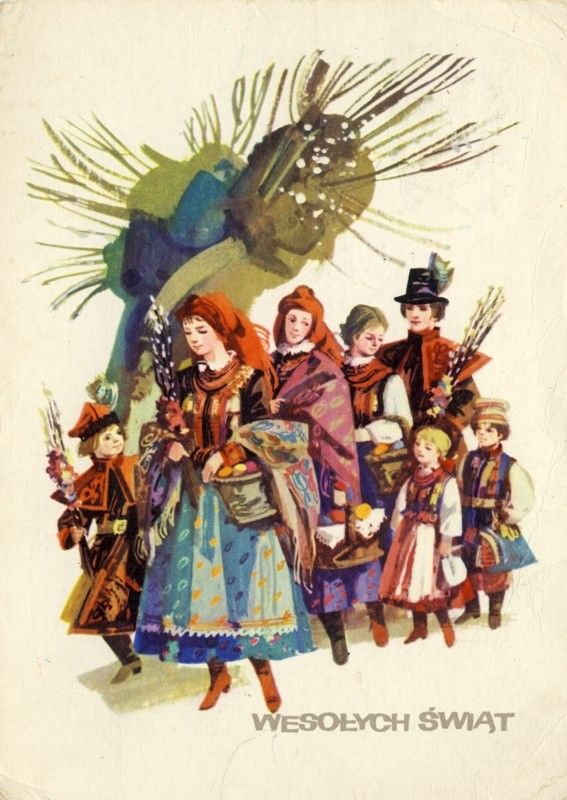
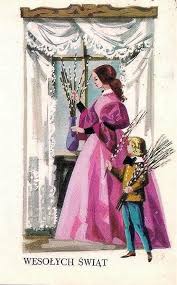
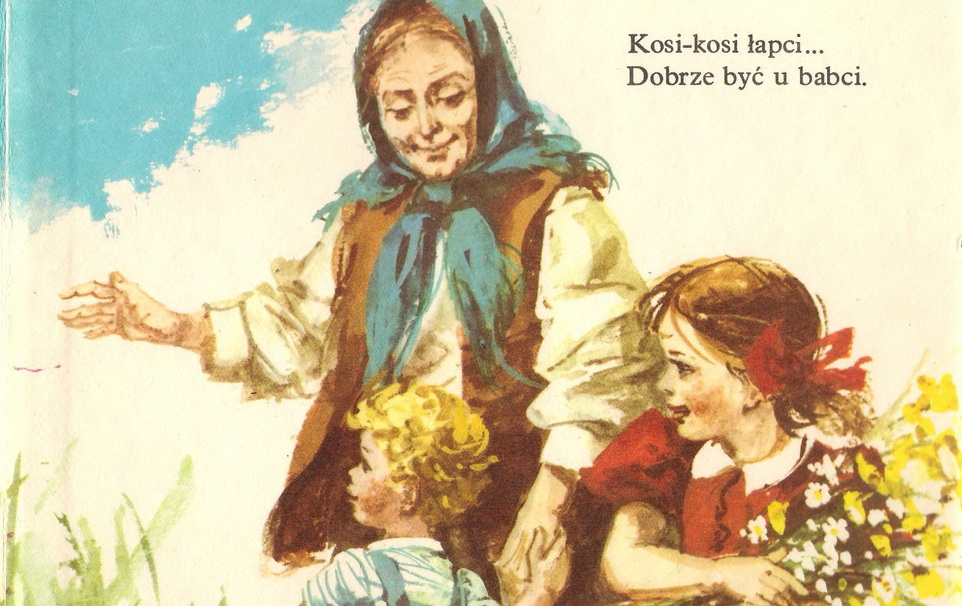
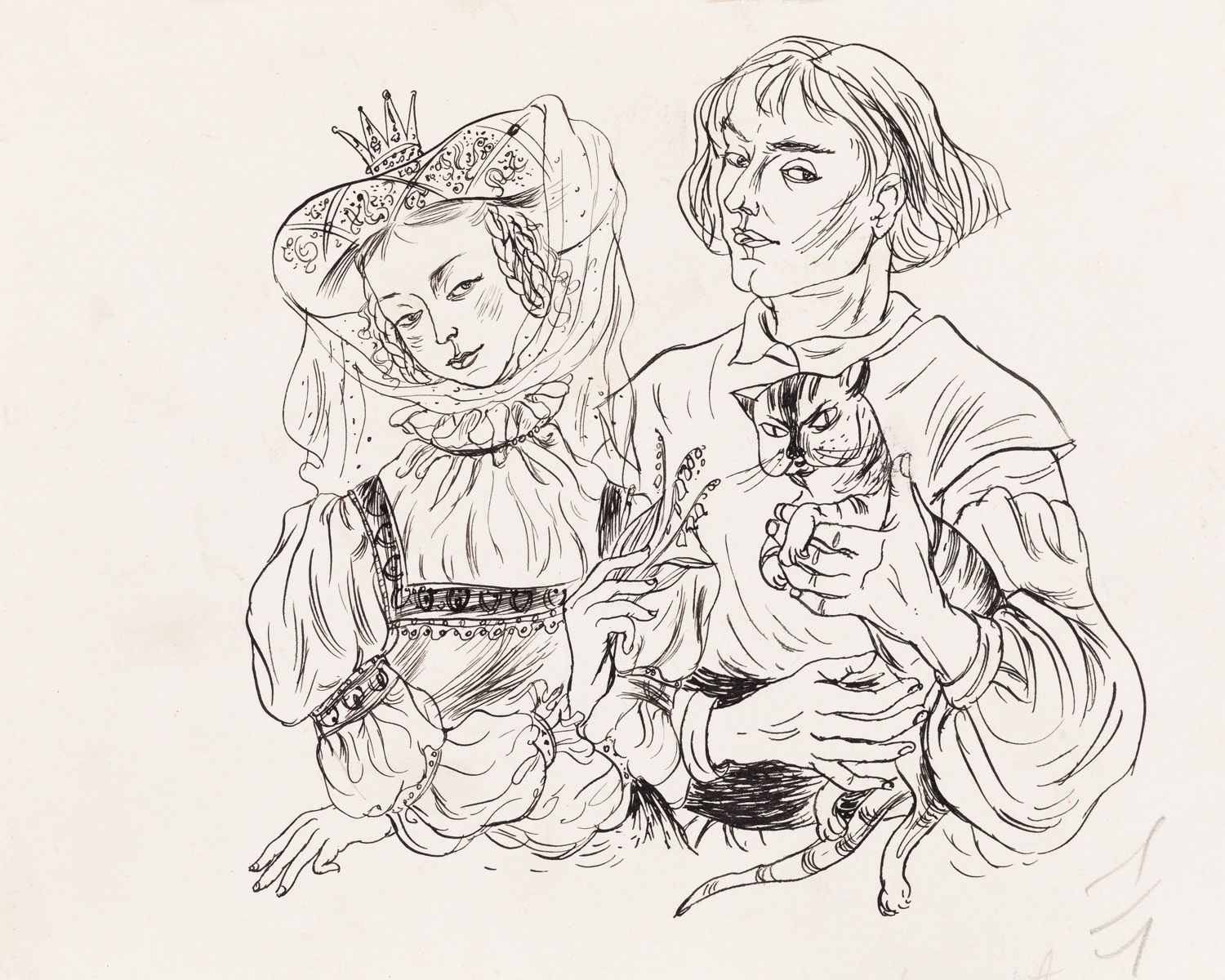
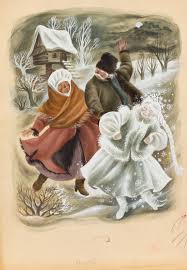
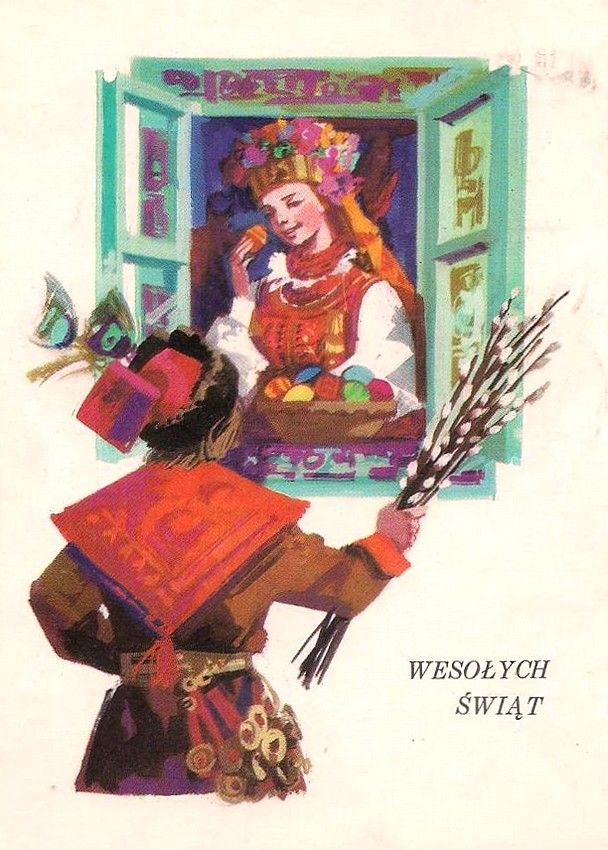
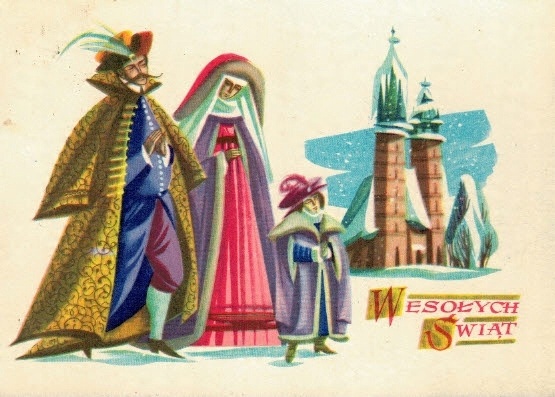
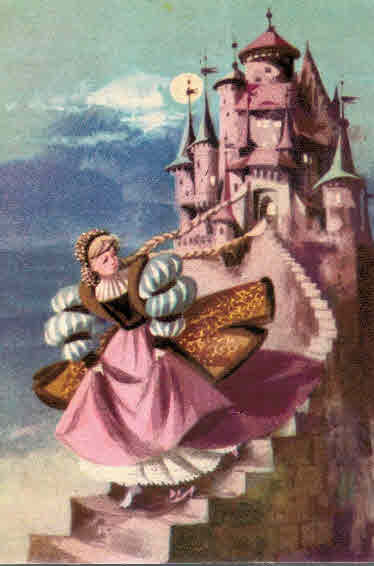
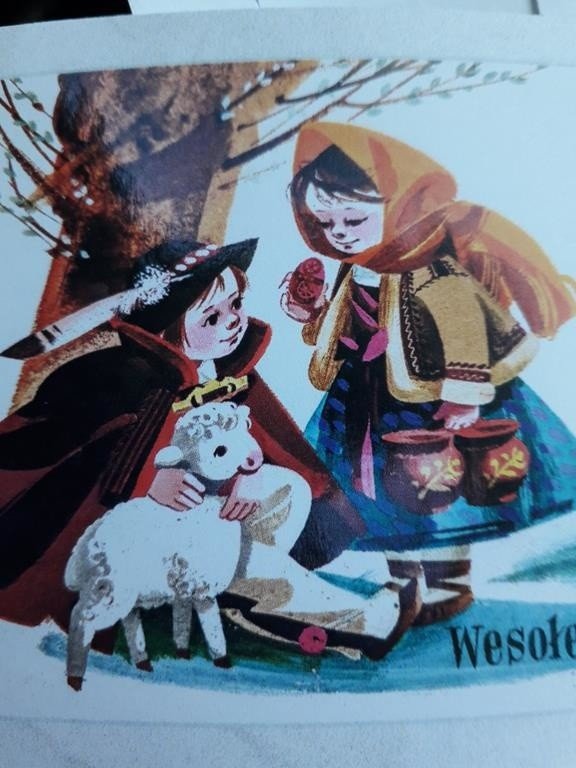
Maria Orłowska-Gabryś’s style was instantly recognizable: soft, organic lines, pastel color palettes, delicate use of light and shadow, and a strong sensitivity to emotional nuance. Her illustrations radiated empathy—not just toward children, but toward nature, animals, and everyday objects. She had a unique ability to capture fleeting moments—a glance, a gesture, a mood—and distill them into a composition that spoke without words.
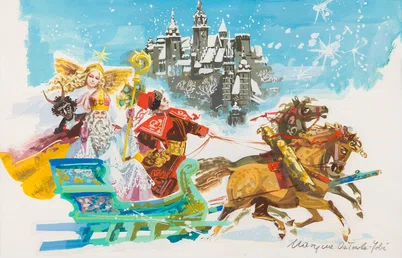
While she worked primarily in a realistic style, she often wove in elements of fantasy and fairytale, inviting the reader into a world of dreams and adventure. Her work carried a deeply humanist message—full of warmth, respect, and faith in the goodness of human nature.
Orłowska-Gabryś’s drawings were never mere decorations. They were the emotional and visual voice of the story. She illustrated with a deep understanding of the subject, the reader’s age, and the tone of the narrative. As a result, her work remains timeless—elegant and accessible to both children and adults.
Maria Orłowska-Gabryś is considered one of the most distinguished illustrators of the 20th-century Polish school of illustration. Her work is an essential part of Poland’s cultural heritage—a bridge between art and literature, between a child’s sensitivity and the mastery of a mature artist.
She left behind not just thousands of drawings, but generations of readers who learned to see the world through eyes attuned to beauty and tenderness. Her illustrations are like visual poems—quiet, full of meaning, gentle in form, yet powerful in message.