This is a demo store for testing purposes — no orders shall be fulfilled. Dismiss
Skip to content(Born April 19, 1911, Kraków – Died October 6, 2000, Warsaw)
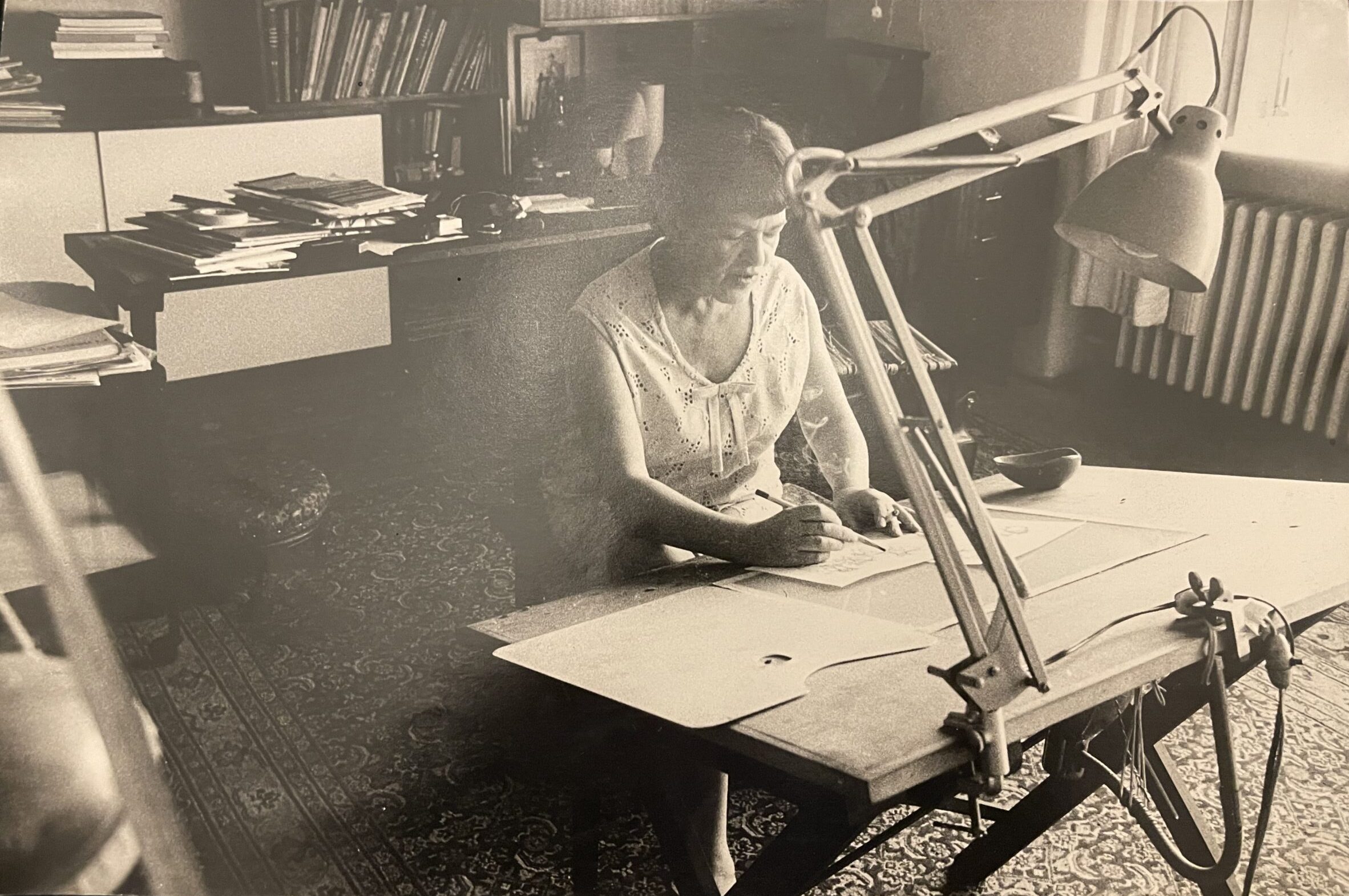
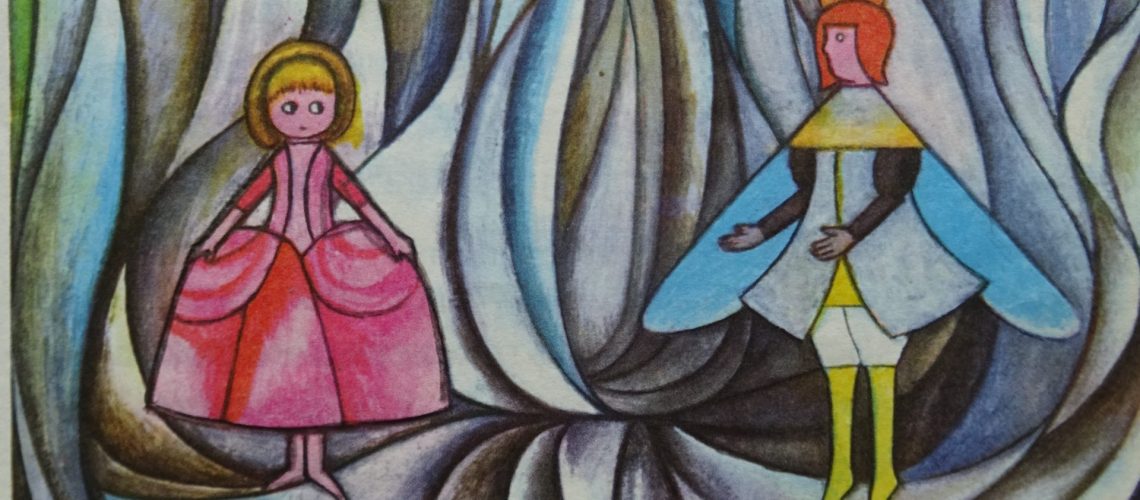
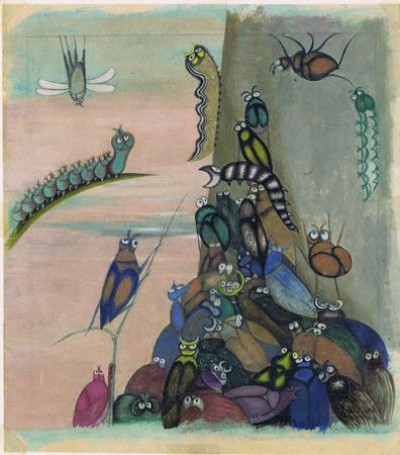
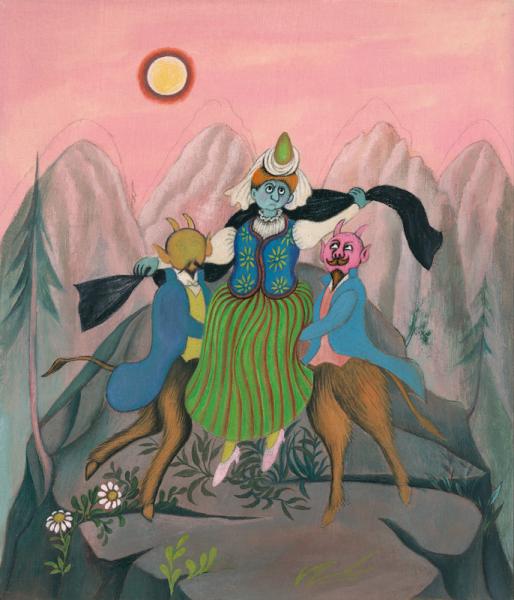
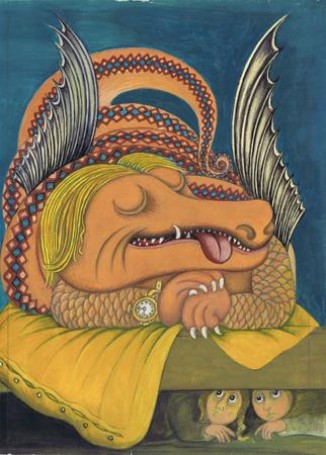
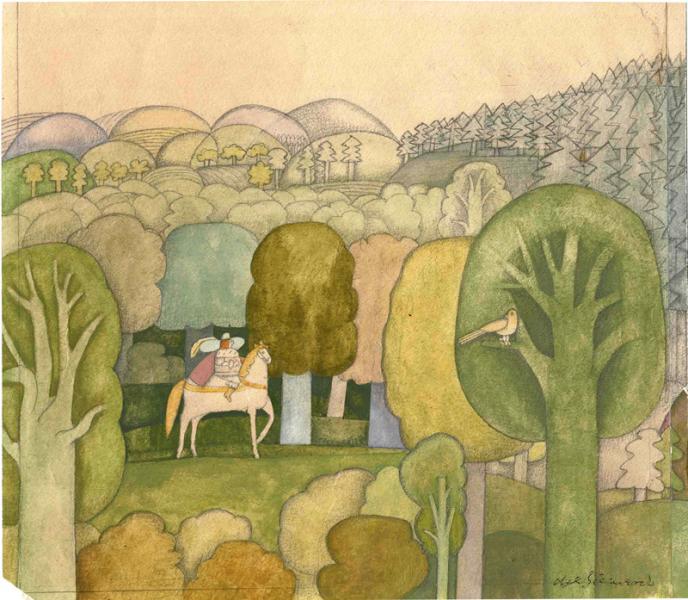
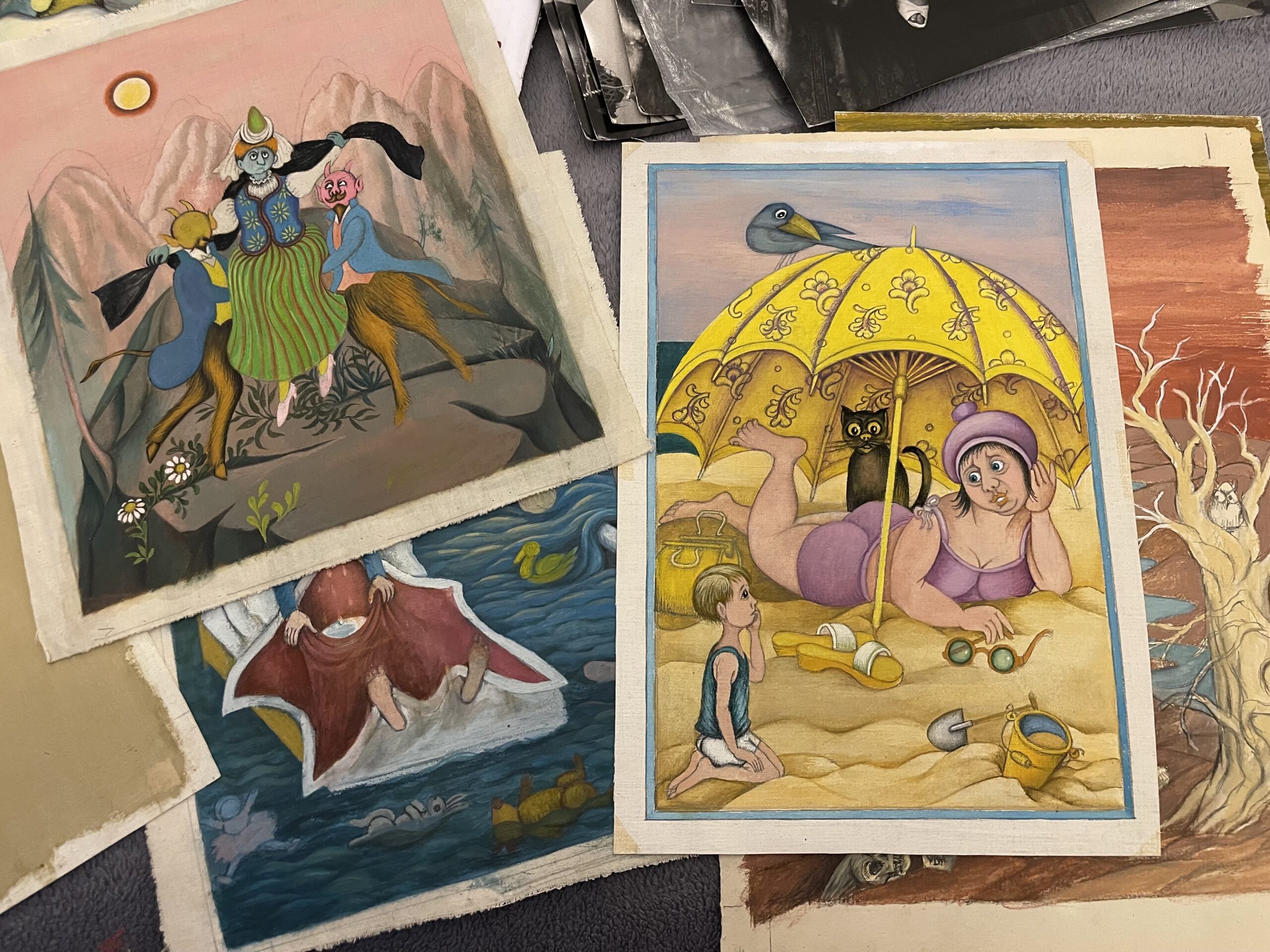
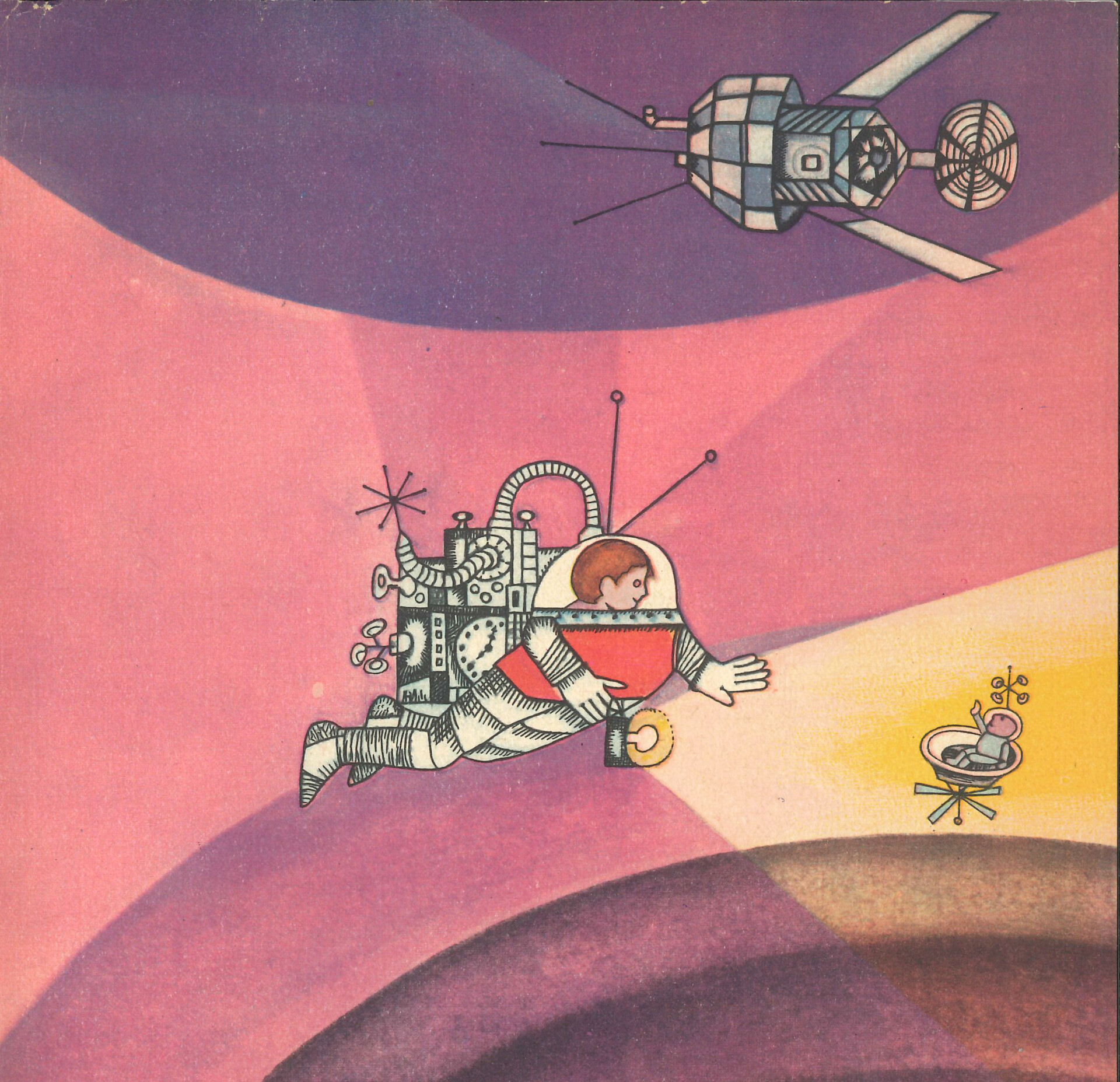
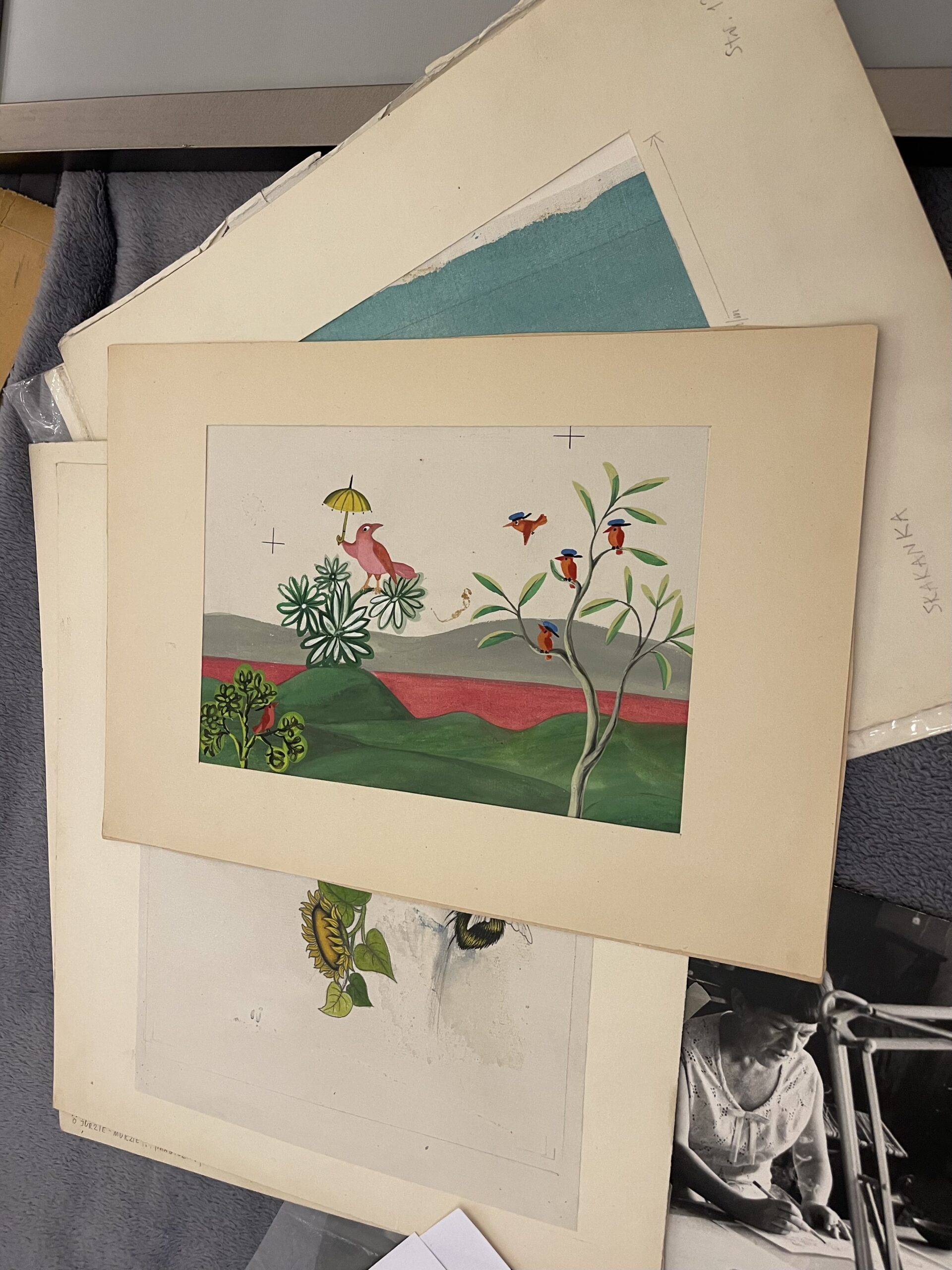
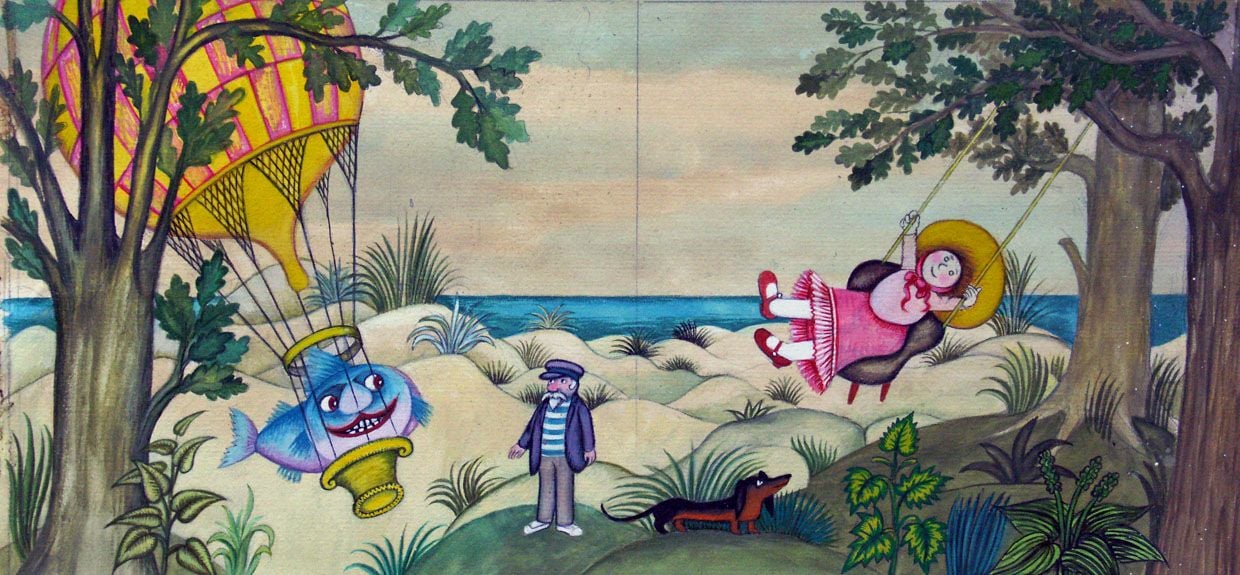
A Polish graphic artist, painter, and illustrator, Olga Siemaszko is considered one of the most outstanding Polish illustrators of the 20th century, particularly renowned for her work in children’s and young adult literature. Her artistic style combined painterly sensitivity, a delicate line, and vivid narrative imagination.
She studied in the 1930s at Vasily Meshkov’s Drawing School in Moscow. After returning to Poland, she graduated in 1935 from the School of Artistic Industry in Kraków, then continued her education at the Academy of Fine Arts in Warsaw. There, her teachers included Mieczysław Kotarbiński (painting), Tadeusz Kulisiewicz (drawing), Edmund Bartłomiejczyk (graphics), and Stanisław Ostoja-Chrostowski (printmaking). After graduating in 1939, she moved to Lviv, where she was caught by the outbreak of World War II. She became a member of the Soviet Union of Artists, with her work exhibited in Kyiv and Moscow.
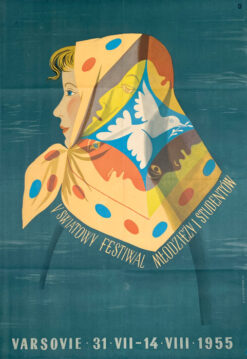
In 1945, she settled in Warsaw and became the artistic director of the newly founded children’s magazine Świerszczyk. She collaborated with the publishing house Czytelnik and worked alongside Jan Marcin Szancer in book illustration. She was actively involved in illustrating books and magazines for publishers in Warsaw and Łódź and created numerous posters for the Central Film Production Company (Centralna Wytwórnia Filmowa). Siemaszko is recognized as one of the central figures of the Polish School of Illustration.
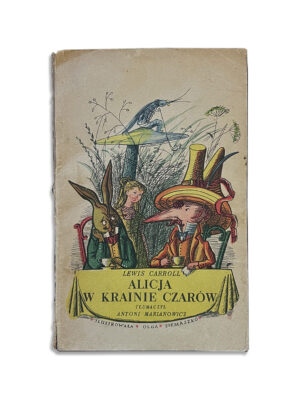
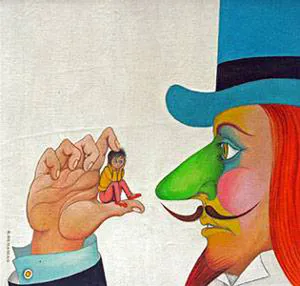
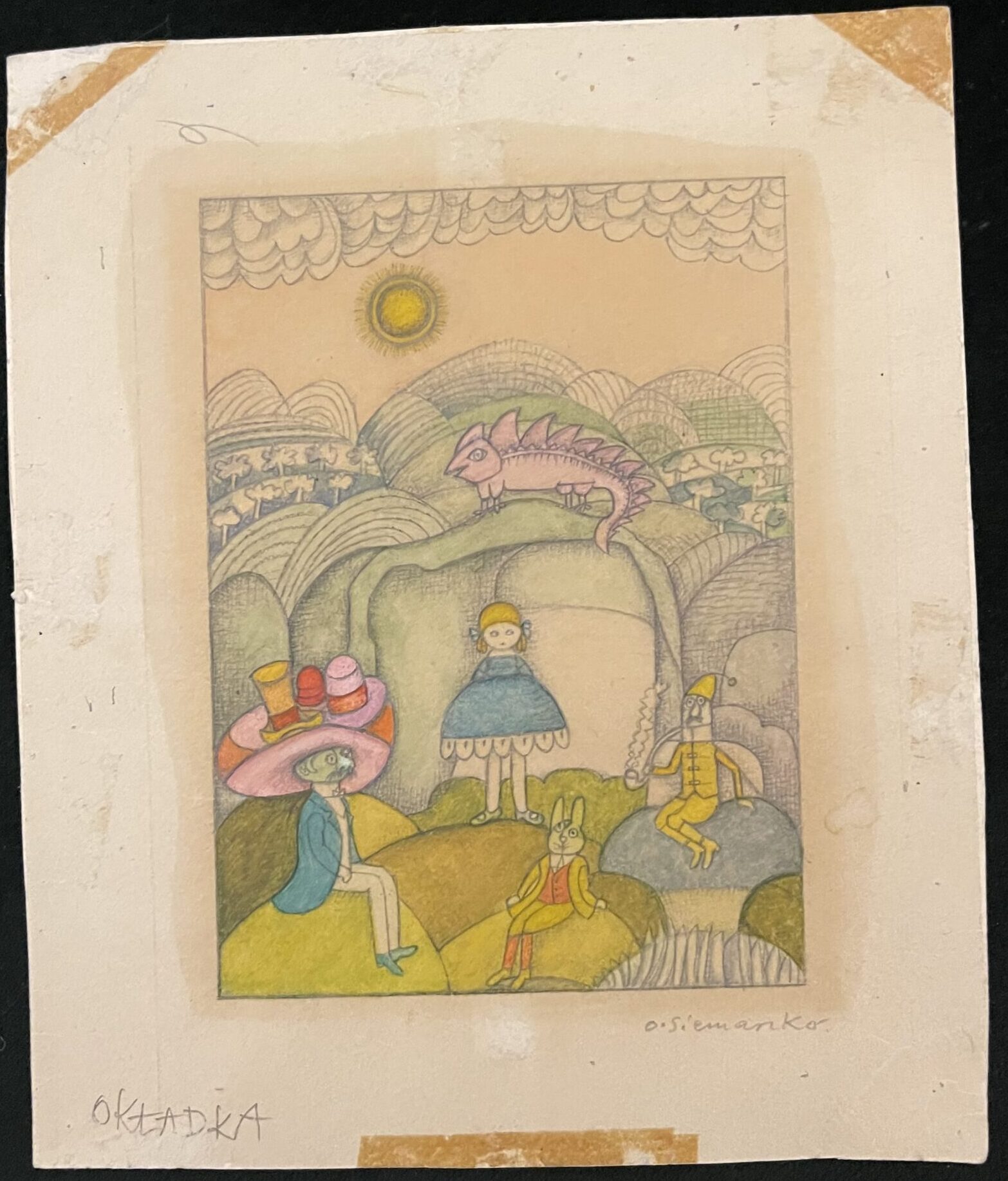
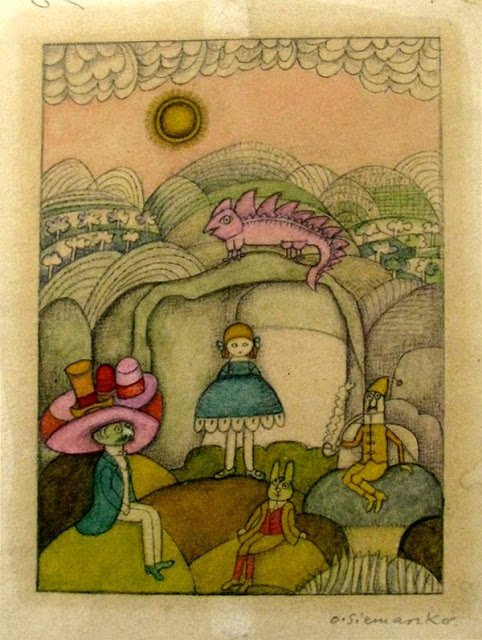
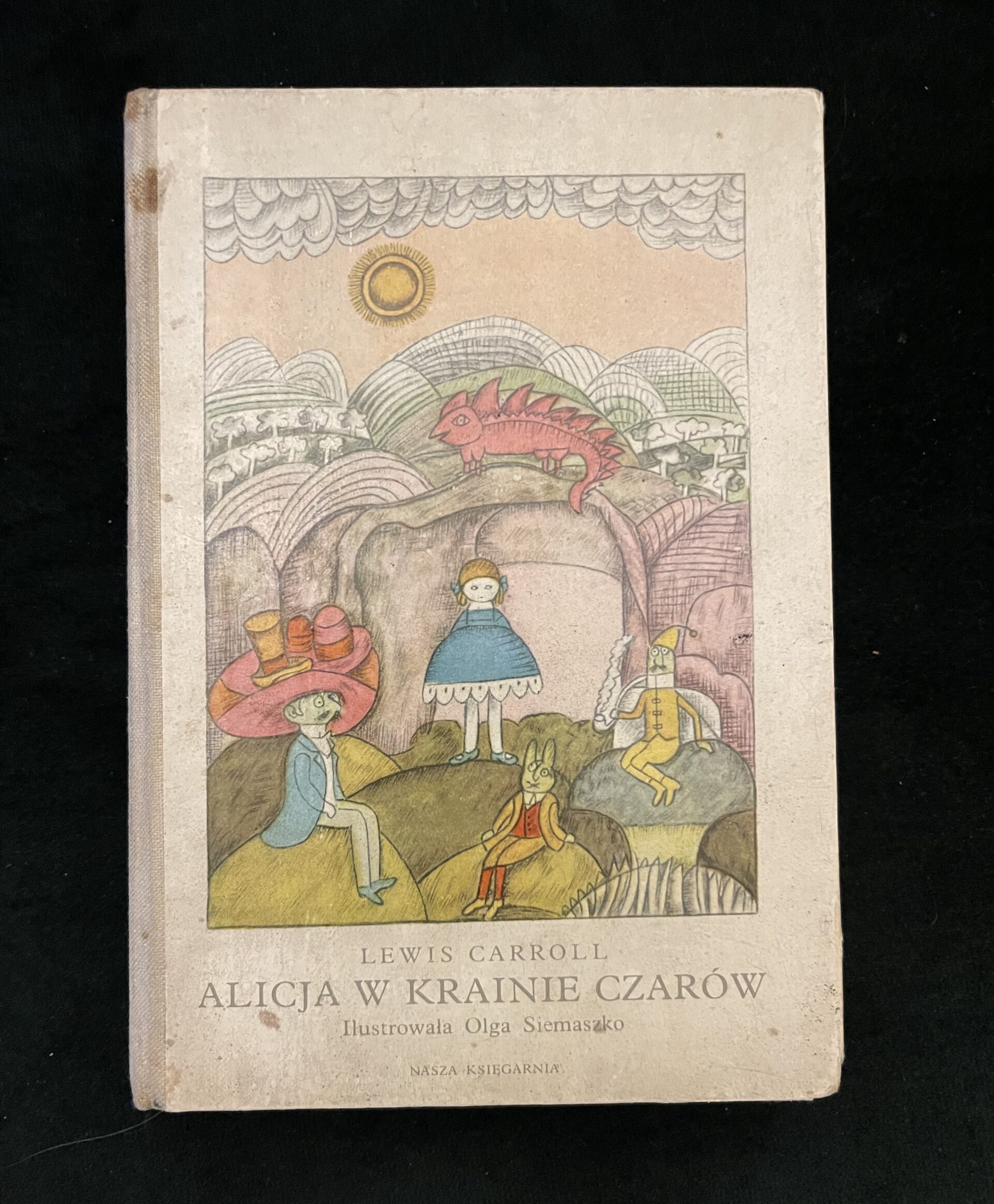
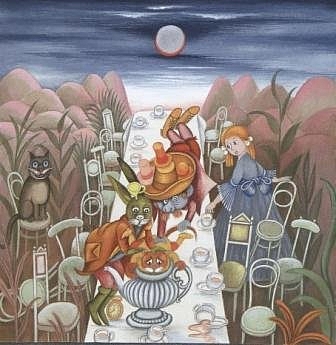
Her illustrations for Tom Thumb, Alice in Wonderland, and The Sorcerer’s Apprentice are considered classics of Polish illustration.
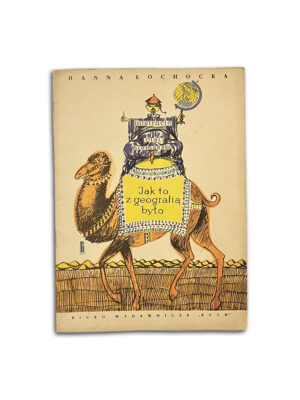
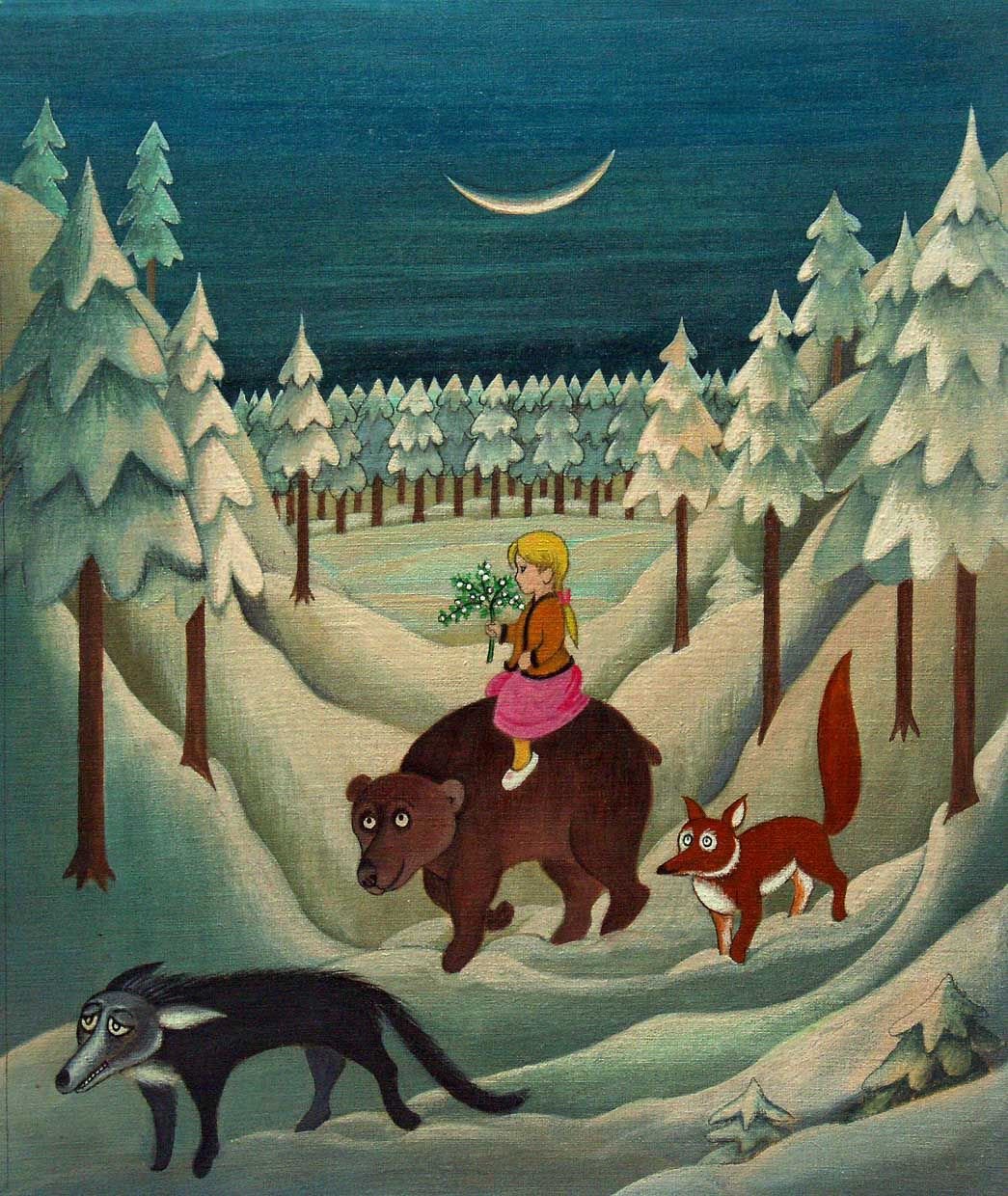
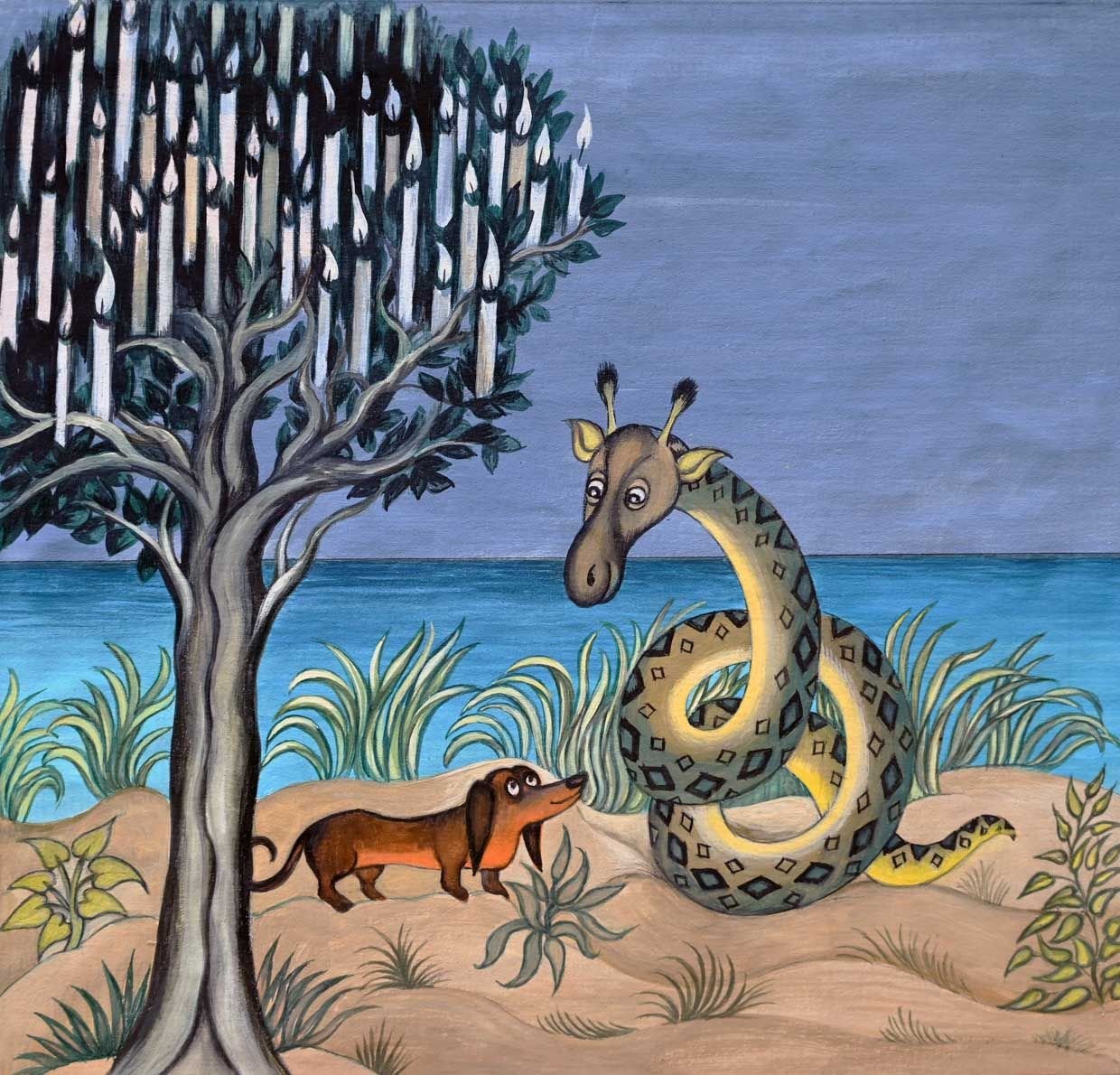
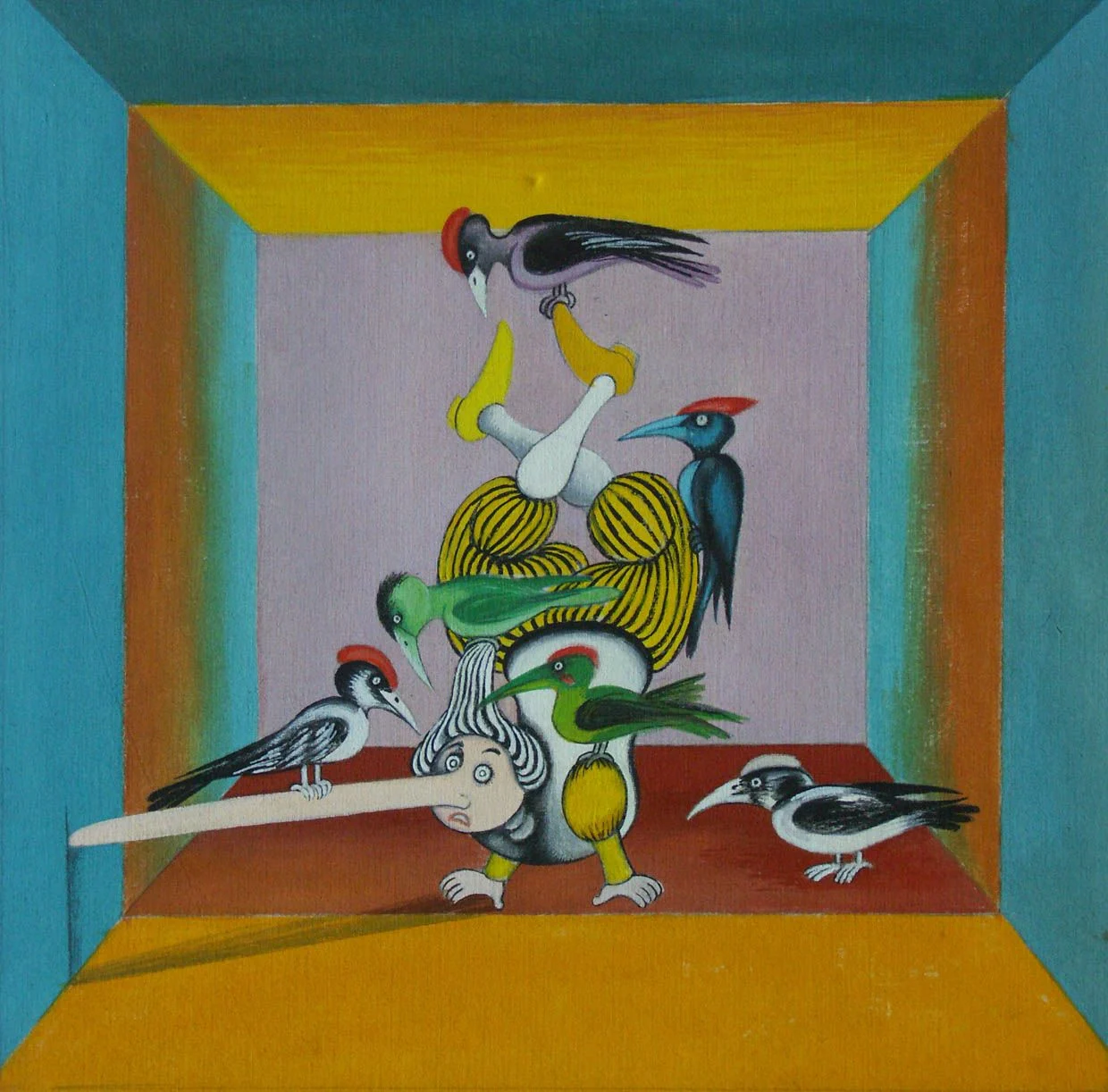
It is estimated that Siemaszko illustrated over 200 children’s books, known for their vibrant color palettes and subtly grotesque elements. Selected titles include:
The Tale of the Carved Grandfather and Painted Grandmother, Janina Broniewska, Czytelnik, 1947
Cutouts from Sea Foam, Włodzimierz Słobodnik, Czytelnik, 1956
The Butterfly’s Birthday, Jerzy Ficowski, Ruch, 1965
Alice in Wonderland, Lewis Carroll, Nasza Księgarnia, 1969
The Lion Who Liked Strawberries, Claude Aveline, Nasza Księgarnia, 1970
Fairy Tales, Jerzy Afanasjew, Ruch, 1971
The Passport Office, Jerzy Kierst, Nasza Księgarnia, 1974
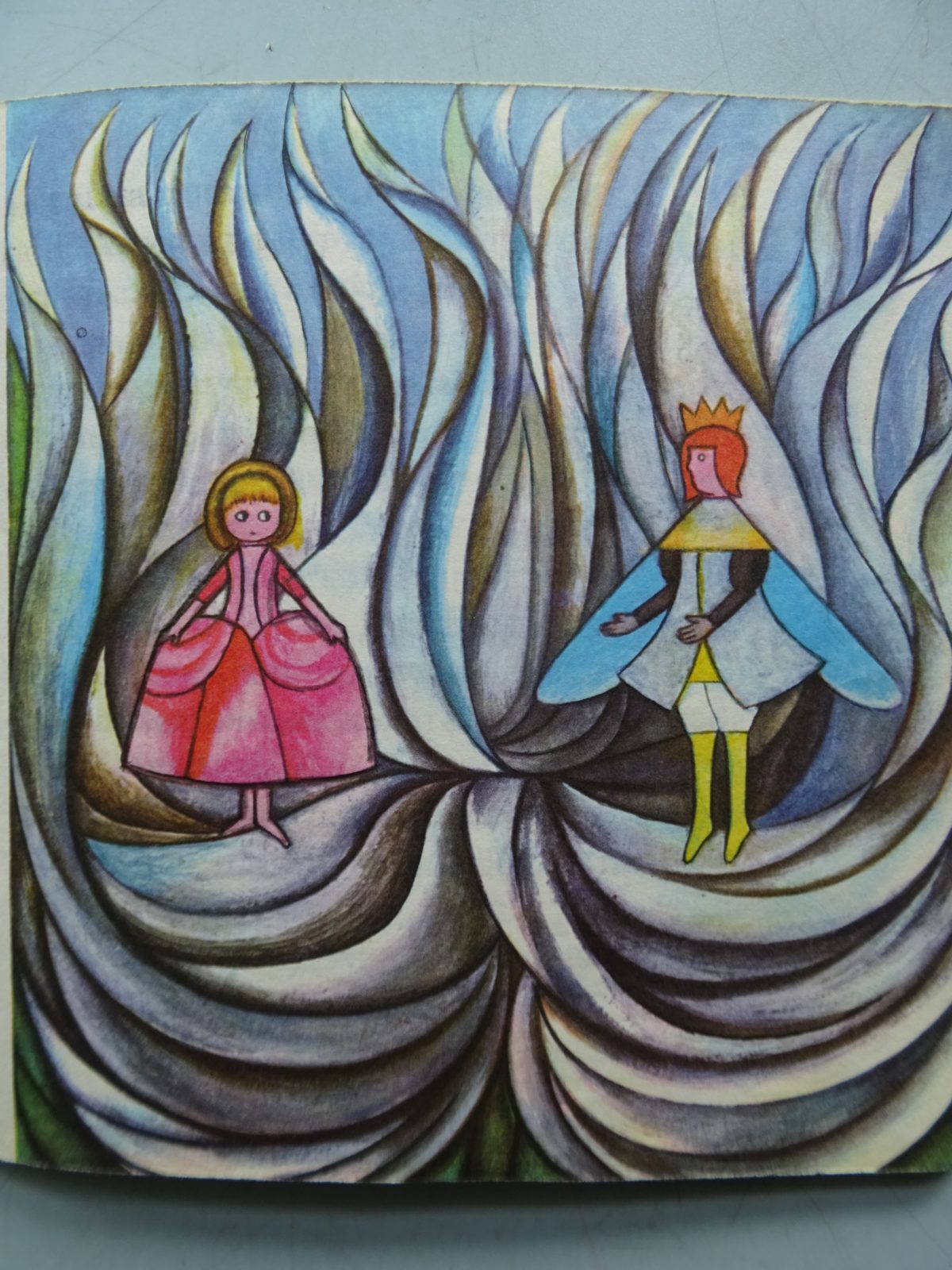
The Princess Turned Upside Down, Pedro Calderón de la Barca, Czytelnik, 1974
The Best Cook, Igor Sikirycki, KAW, 1975
Where the Little Lion Goes, Hana Doskočilová, KAW, 1977
The Story of the Elves, Hans Christian Andersen, Nasza Księgarnia, 1978
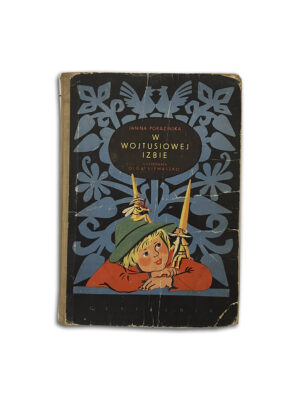
In Wojtuś’s Room, Janina Porazińska, Czytelnik, 1978
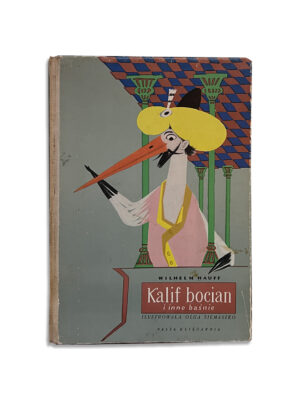
Caliph Stork, Wilhelm Hauff, KAW, 1983
The Sorcerer’s Apprentice, Johann Wolfgang Goethe, Nasza Księgarnia, 1984
The Merry Luletki, Joanna Pollakówna, Arka, 1985
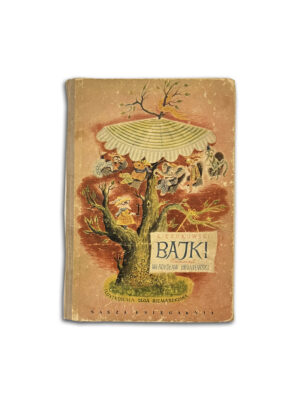
Little Tales, Józef Ignacy Kraszewski, KAW, 1985
Paweł and Gaweł, Aleksander Fredro, Nasza Księgarnia, 1988
Realistic illustration imbued with lyricism and decorative elements
Subtle, often pastel, warm color palettes that evoke the atmosphere of a child’s world
Highly detailed drawings, often with stylized, Art Nouveau influences
Mood-driven visuals—her illustrations are full of tenderness, intimacy, and lightness, resembling fine paintings
Often compared to the work of Arthur Rackham and Jan Marcin Szancer, though her style is softer and more fluid
Created cohesive, fairy-tale worlds that captivated not only children but also adults
Treated illustration not as ornamentation, but as a full-fledged visual narrative accompanying the text
Her work is timeless and remains a model of classic book illustration
Knight’s Cross of the Order of Polonia Restituta (1955)
Gold Cross of Merit (1952)
Medal of the 10th Anniversary of People’s Poland (1955)
Medal of the National Education Commission (1975)
Prime Minister’s Award for Children’s Literature (1951)
Honorary Award at the 1st National Exhibition of Books and Illustrations (1951)
3rd Degree State Prize (1953)
1st Prize at the 2nd National Exhibition of Illustration, Posters, and Small Forms (1955)
Gold Medal at the International Exhibition of Book Art – first Polish laureate of the IBBY award (1959)
Diploma at the 12th Triennale of Applied Arts in Milan (1960)
2nd Degree Award from the Minister of Culture and Art for the exhibition Book and Illustration in the 15 Years of the PRL (1962)
2nd Prize in the RSW Prasa-Książka-Ruch competition for picture stories (1973)
Distinction from the Polish Publishers Association (PTWK) for illustrations to The Princess Turned Upside Down (1979)
PTWK Award for Caliph Stork by Wilhelm Hauff (1984)
PTWK Award for Little Tales by J.I. Kraszewski (1986)
IBBY Medal of the Polish Section for Lifetime Achievement in Children’s and Young Adult Literature (2000)
Siemaszko’s works are held in the collections of the Museum of Literature in Warsaw and national libraries.
Reissues of her illustrated books remain popular among collectors and independent publishers.
Today, she is celebrated as one of the most prominent children’s illustrators in the history of Polish graphic literature—alongside Jan Marcin Szancer and Bohdan Butenko.