
This is a demo store for testing purposes — no orders shall be fulfilled. Dismiss
Skip to contentOtto Axer is one of the most remarkable Polish set designers of the second half of the 20th century, as well as a painter, graphic artist, and illustrator. He was born in 1906 in Przemyśl and died in 1983 in Warsaw. He spent his childhood in Lviv, where his father ran a music school.
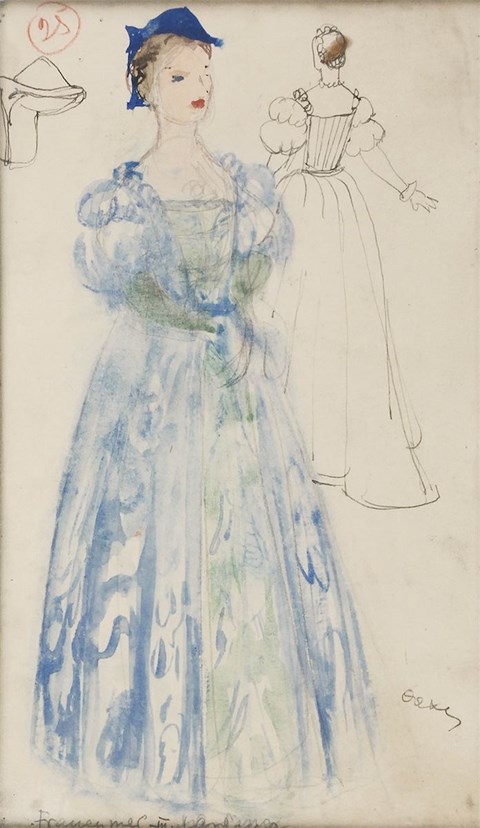
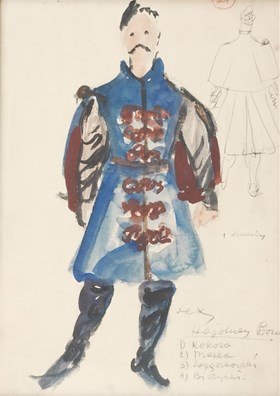
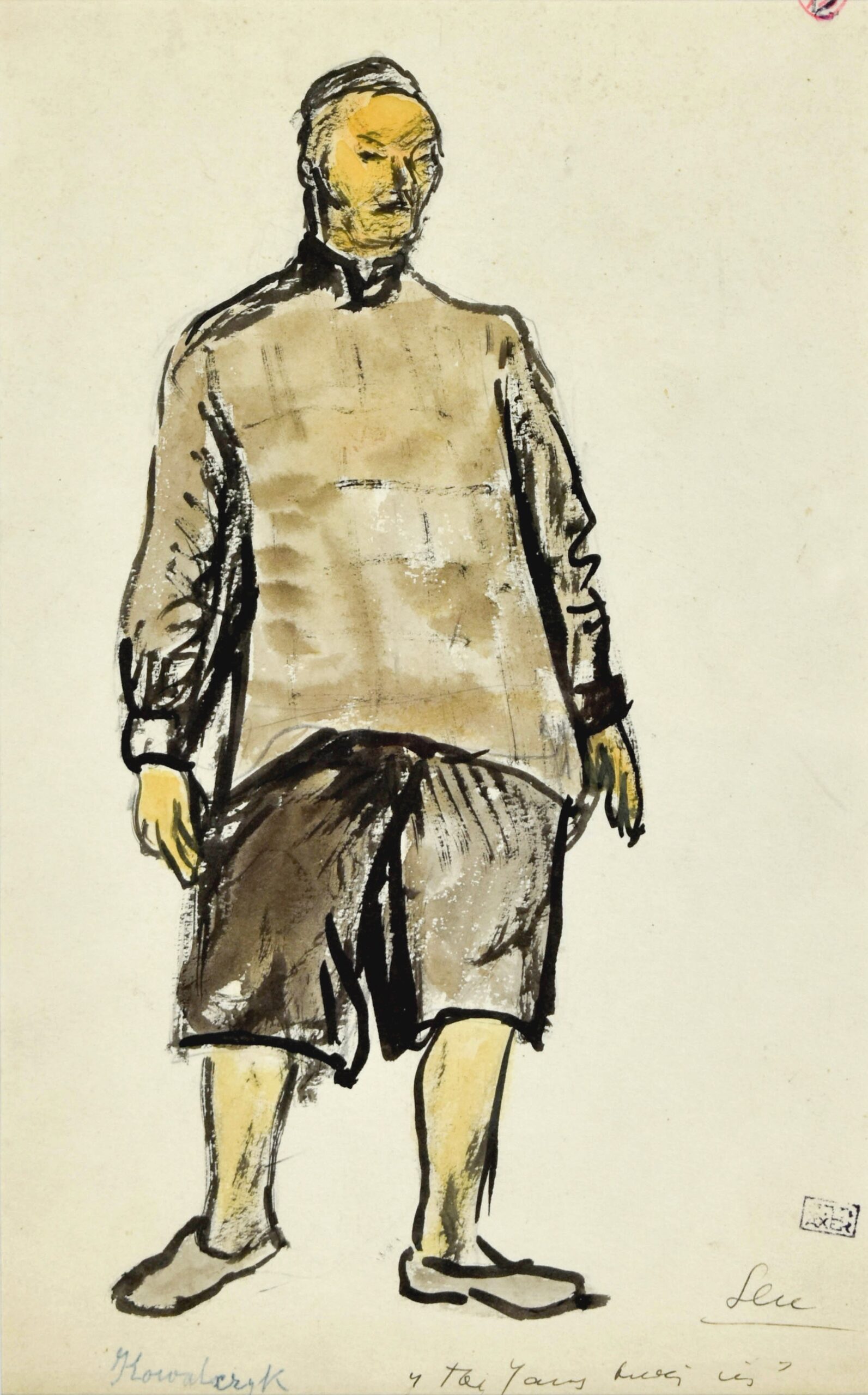
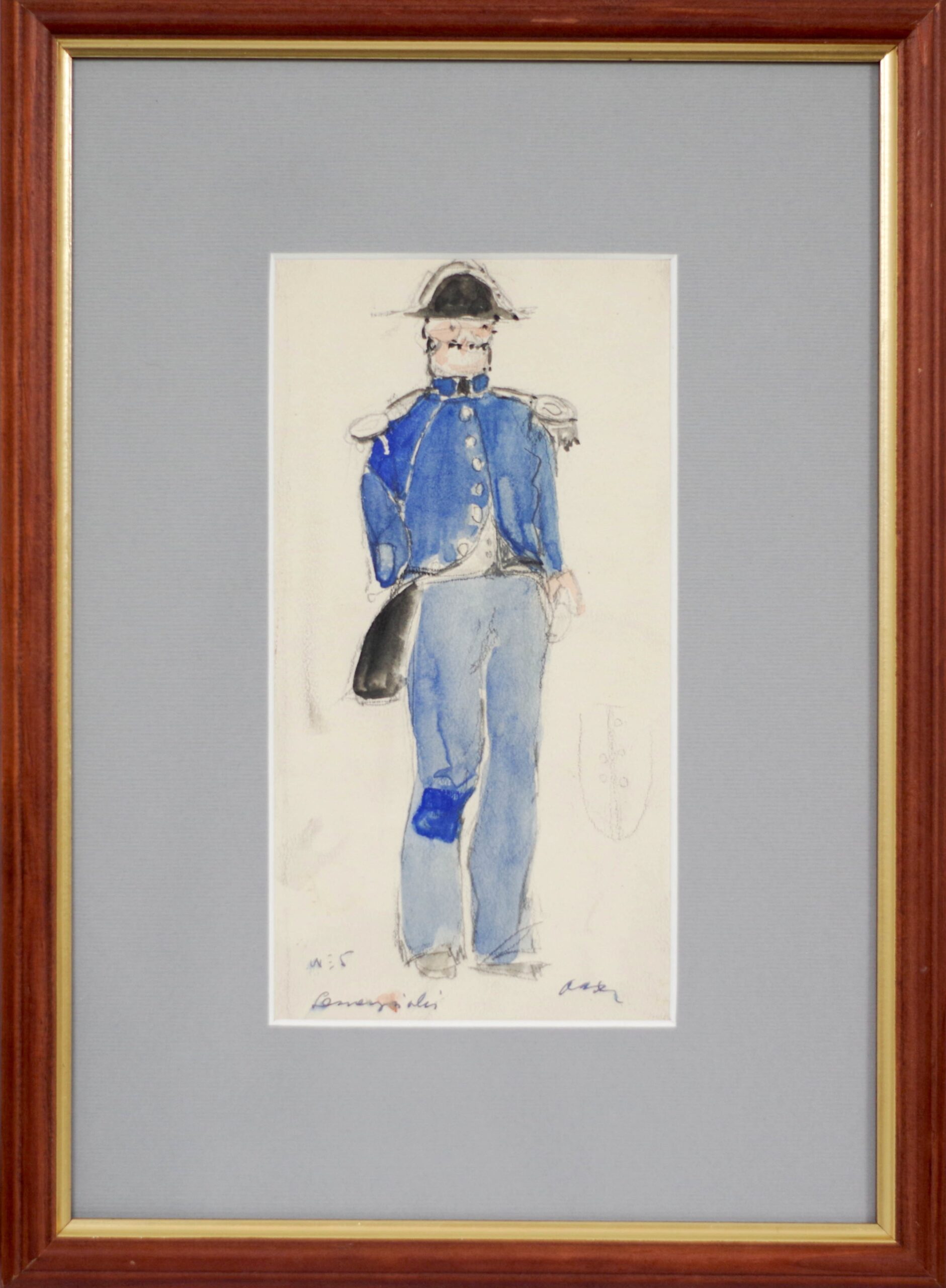
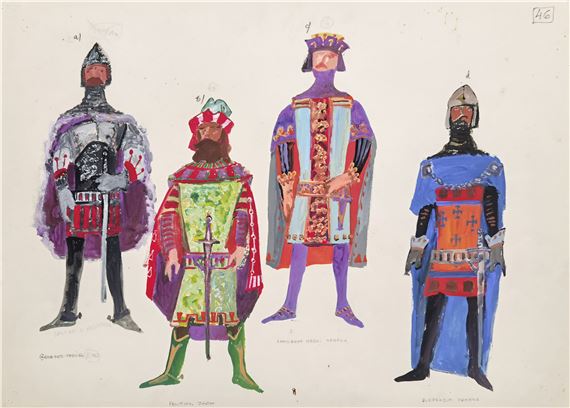
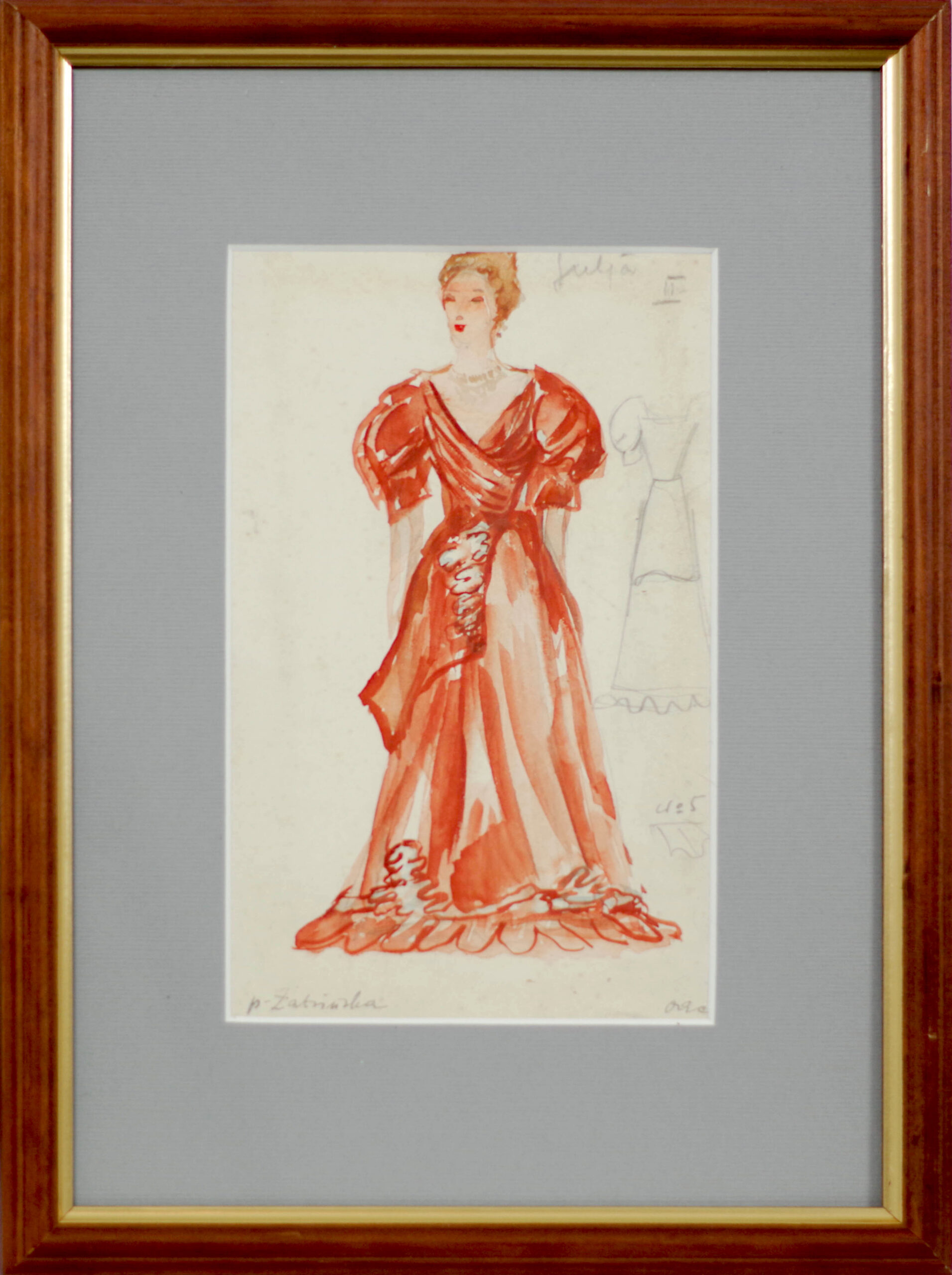
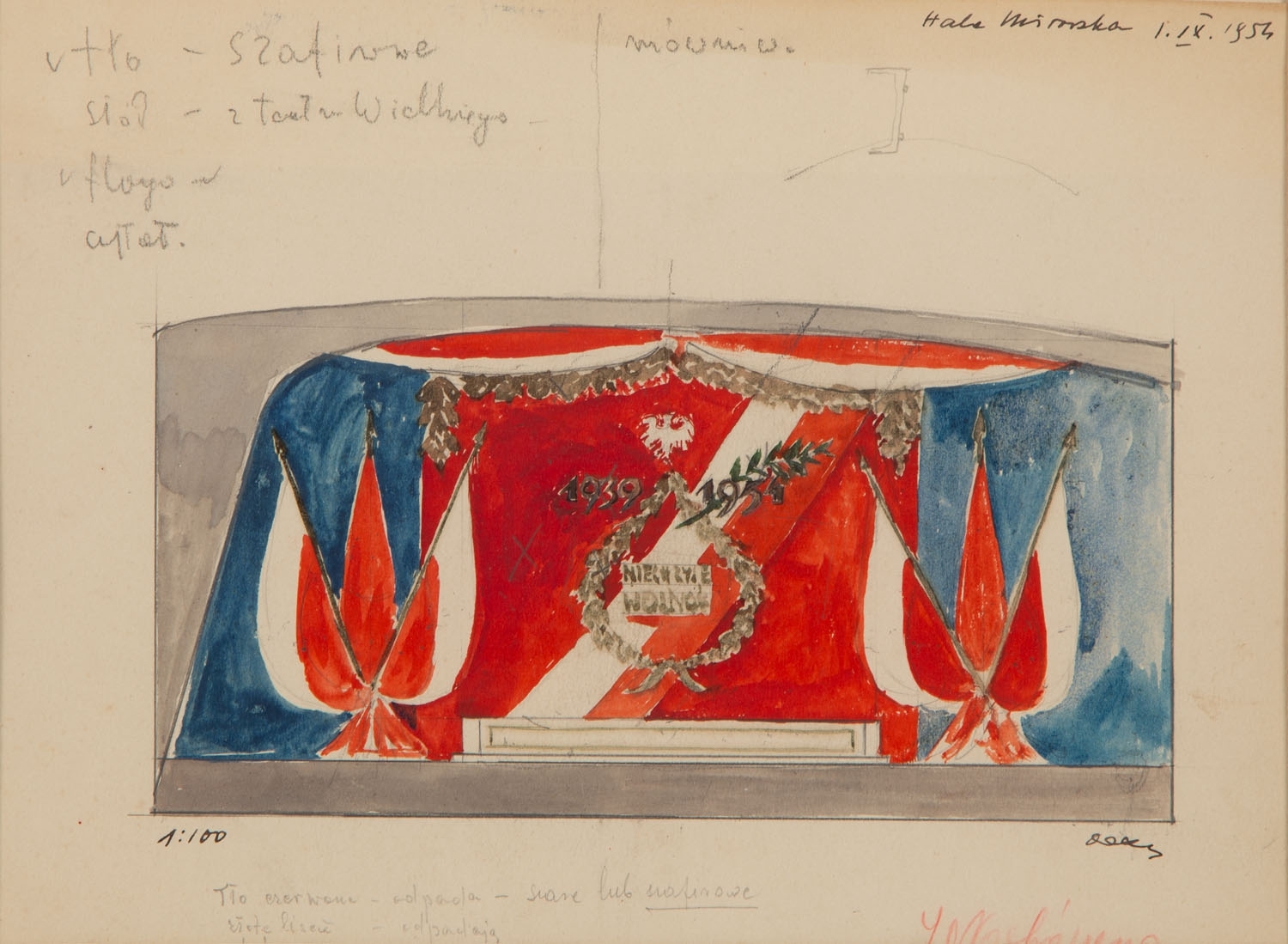
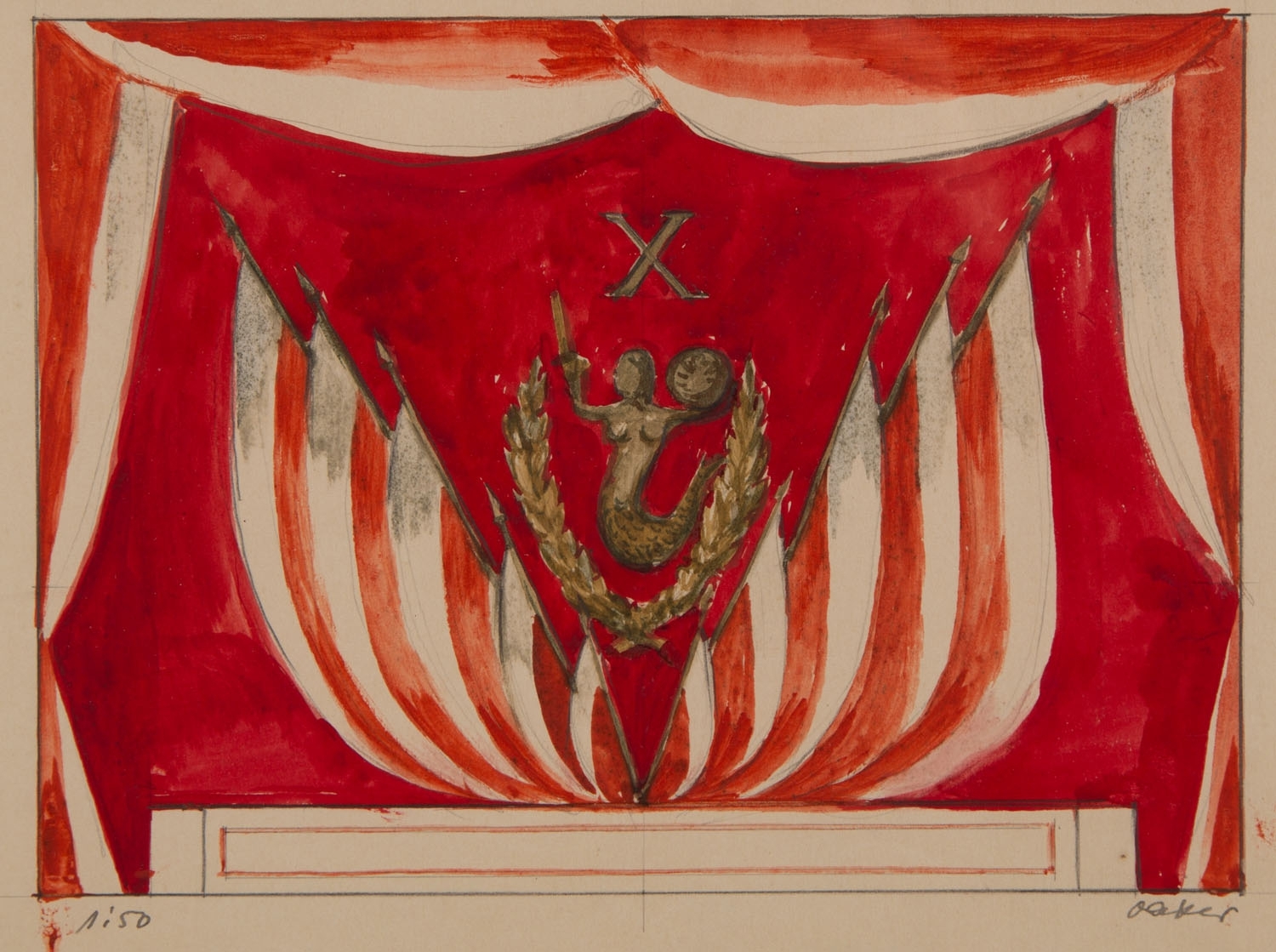
In 1924, Otto Axer began his studies at the Kraków Academy of Fine Arts, where he studied under Weiss, Frycz, and Pankiewicz, both in Kraków and in Paris. His debut as a set designer came in 1932 at the Municipal Theatre in Lviv, where he teamed up with, among others, Leon Schiller and Andrzej Pronaszko. From then on, theatre remained his greatest passion. After the war, Axer was a set designer at the Polish Theatre in Warsaw. He also collaborated with the Theatre of the Polish Army in Łódź and was a guest designer at many other theatres, including the Powszechny and Jaracz Theatres in Łódź, the Contemporary and Grand Theatre in Warsaw, the Wyspiański Theatre in Katowice, and the Osterwa Theatre in Lublin.
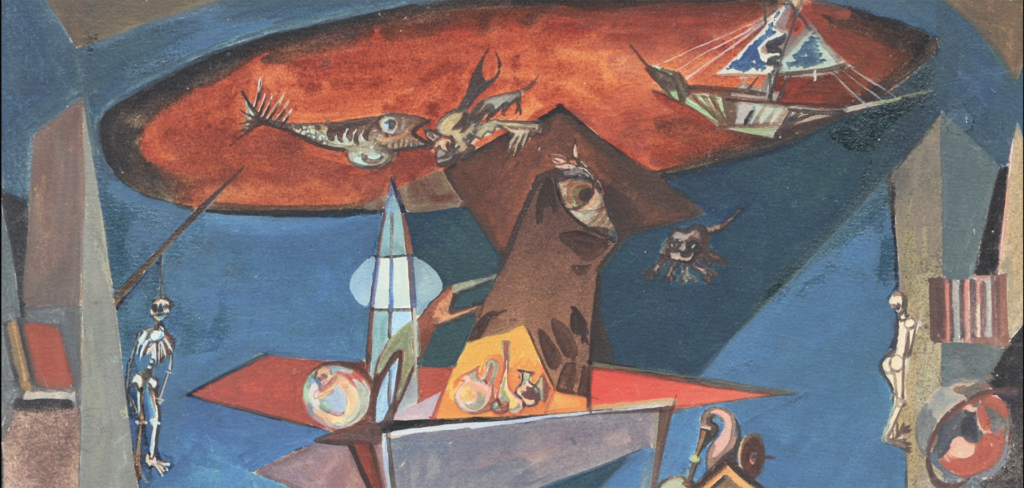
Some of his most remarkable post-war stage designs include Igraszki z diabłem by Drda, Don Carlos by Schiller, Maria Stuart by Słowacki, Irydion by Krasiński, Macbeth by Shakespeare, Iphigenia in Tauris by Goethe, Hrabina by Moniuszko, and King Roger by Szymanowski.
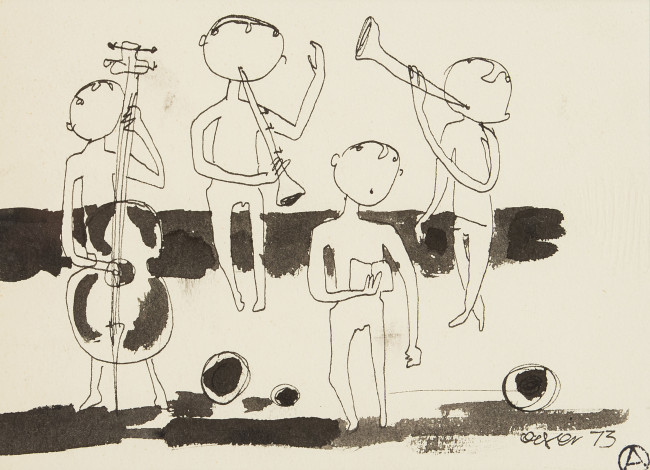
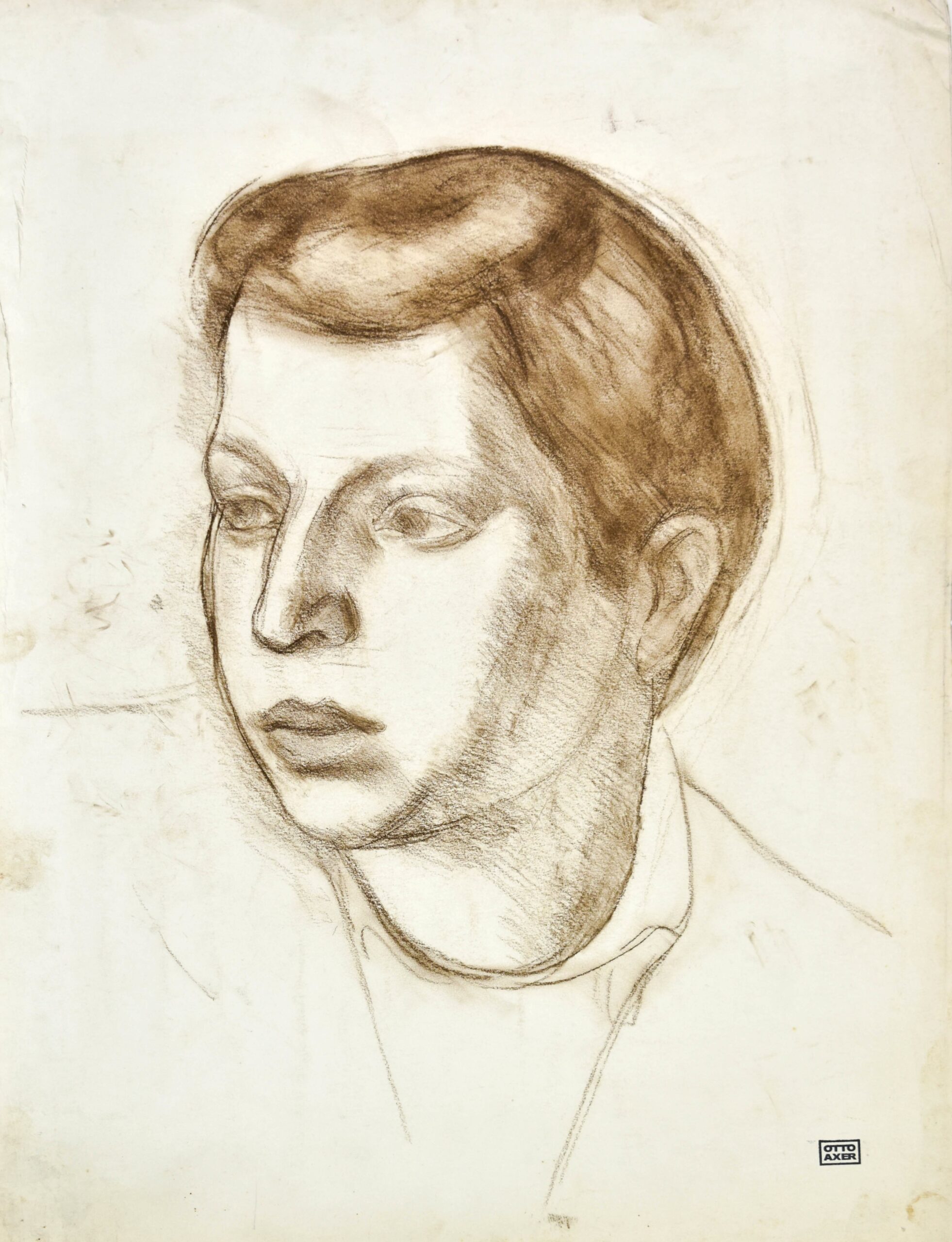
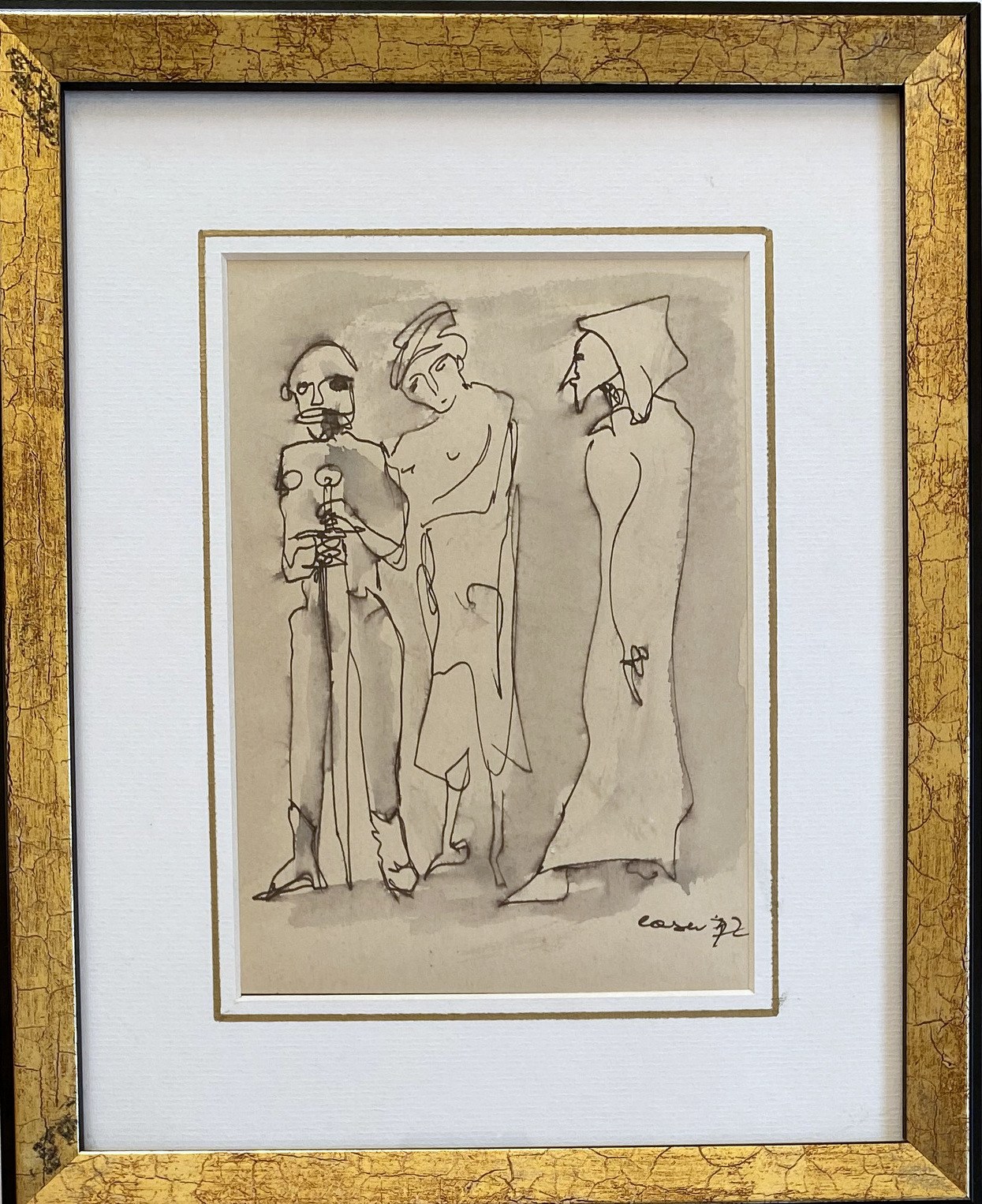
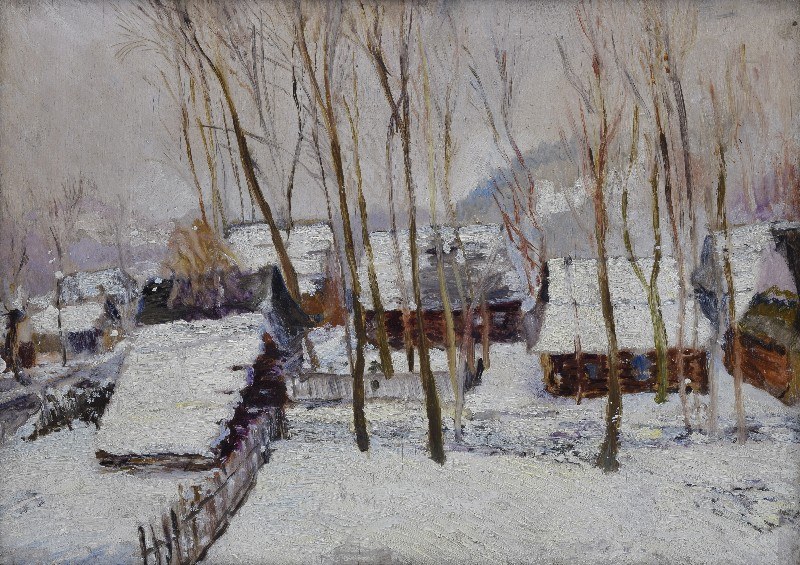
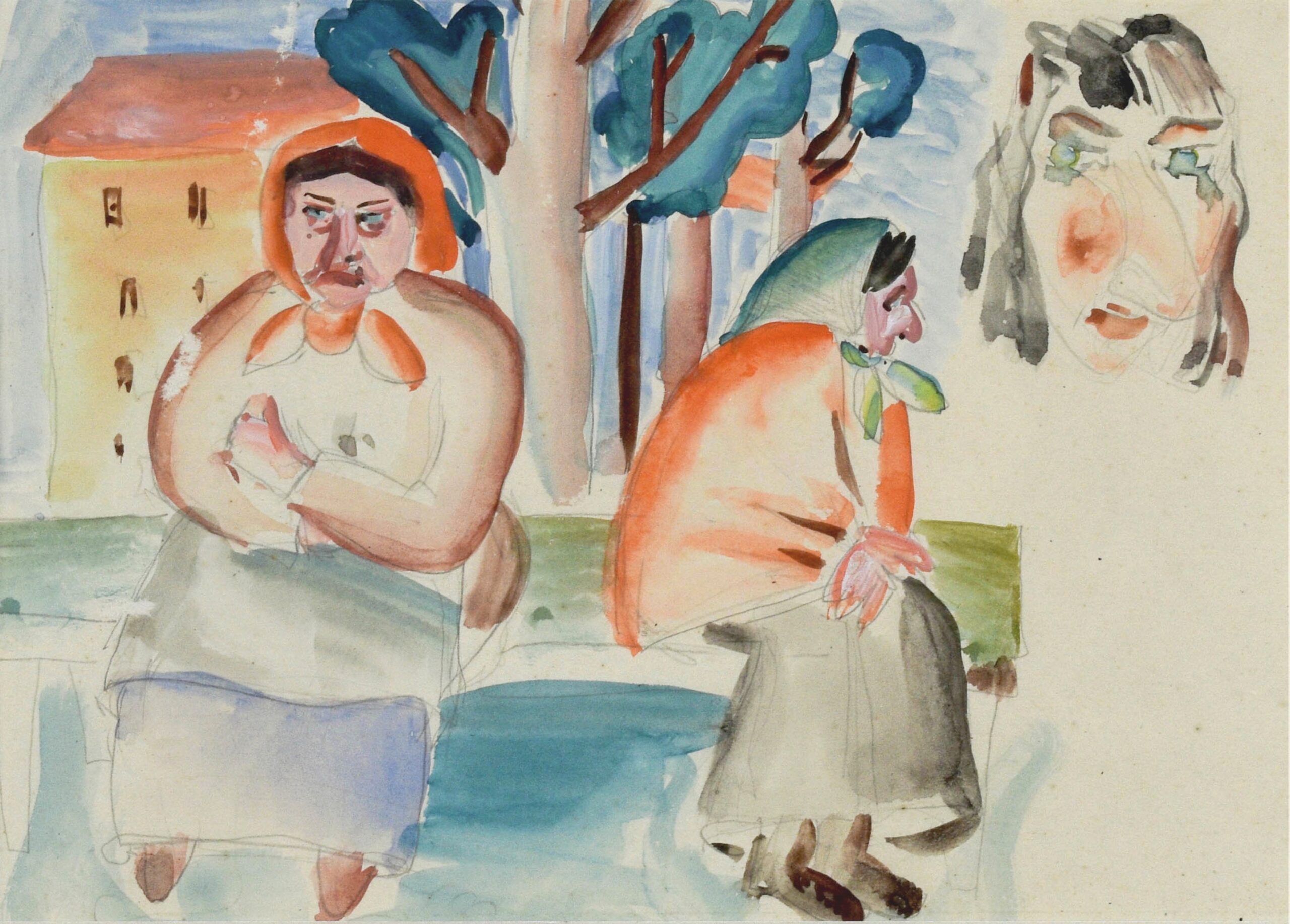
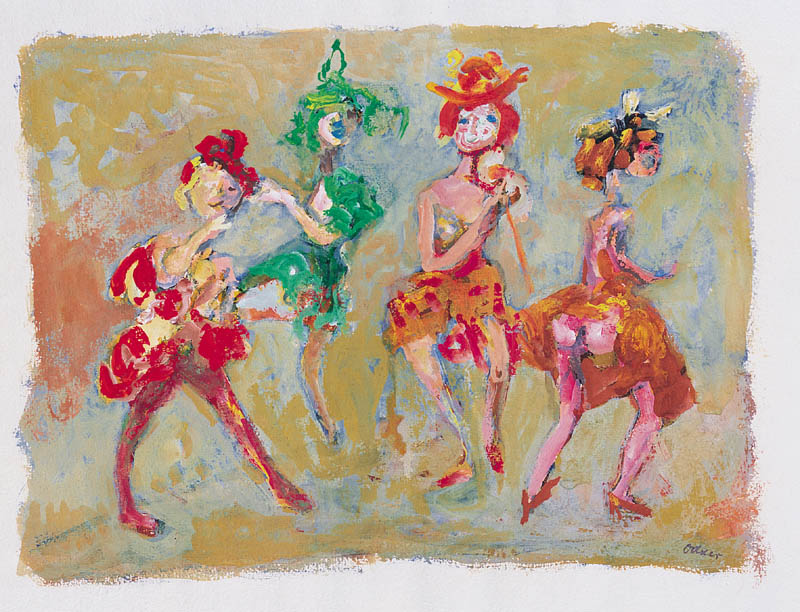
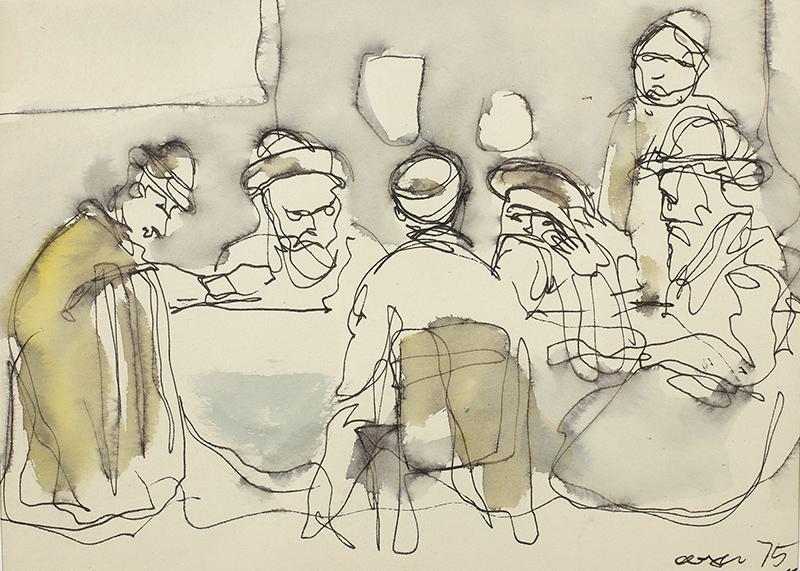
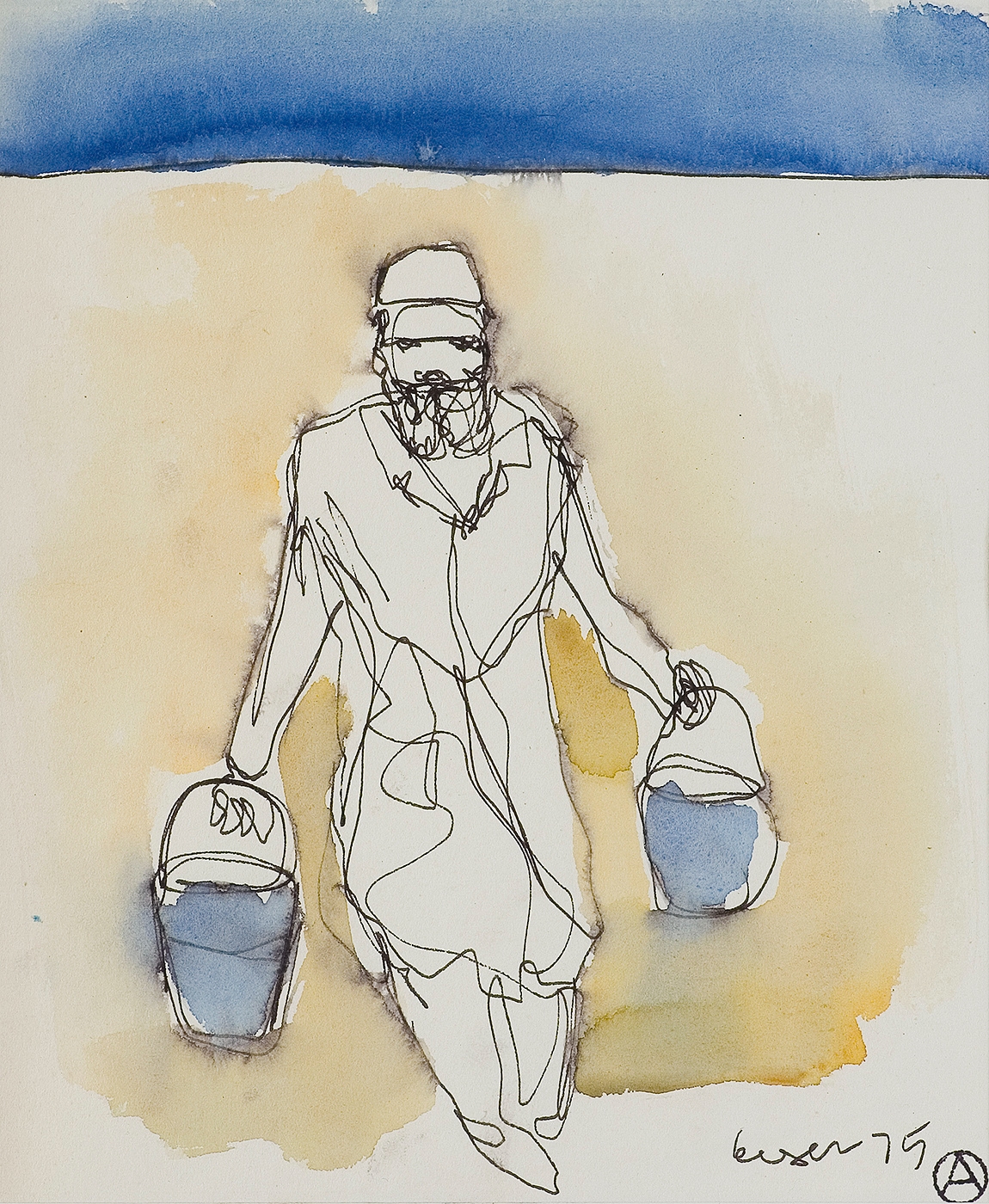
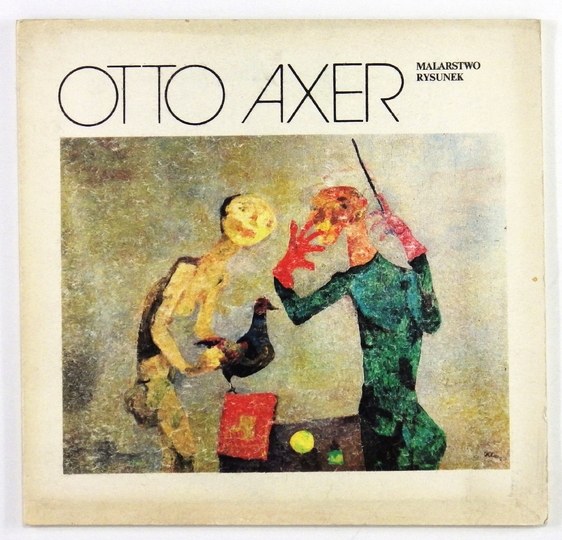
In painting, created in the peace of his studio and rarely shown to the wider public, Otto Axer predominantly focused on intimate forms based on his earlier drawing studies. His works predominantly consist of sparse still lifes and figurative scenes. The simplicity of composition and form is balanced by a well-thought-out and rich color palette. “This is painting filled with color — yet entirely free of garishness,” wrote Andrzej Osęka in 1968 in the catalogue for Axer’s painting exhibition.
In 1973, Otto Axer turned his focus to painting and graphic art. In 1979, he was honored with the title of Distinguished Member of the Association of Polish Stage Designers.
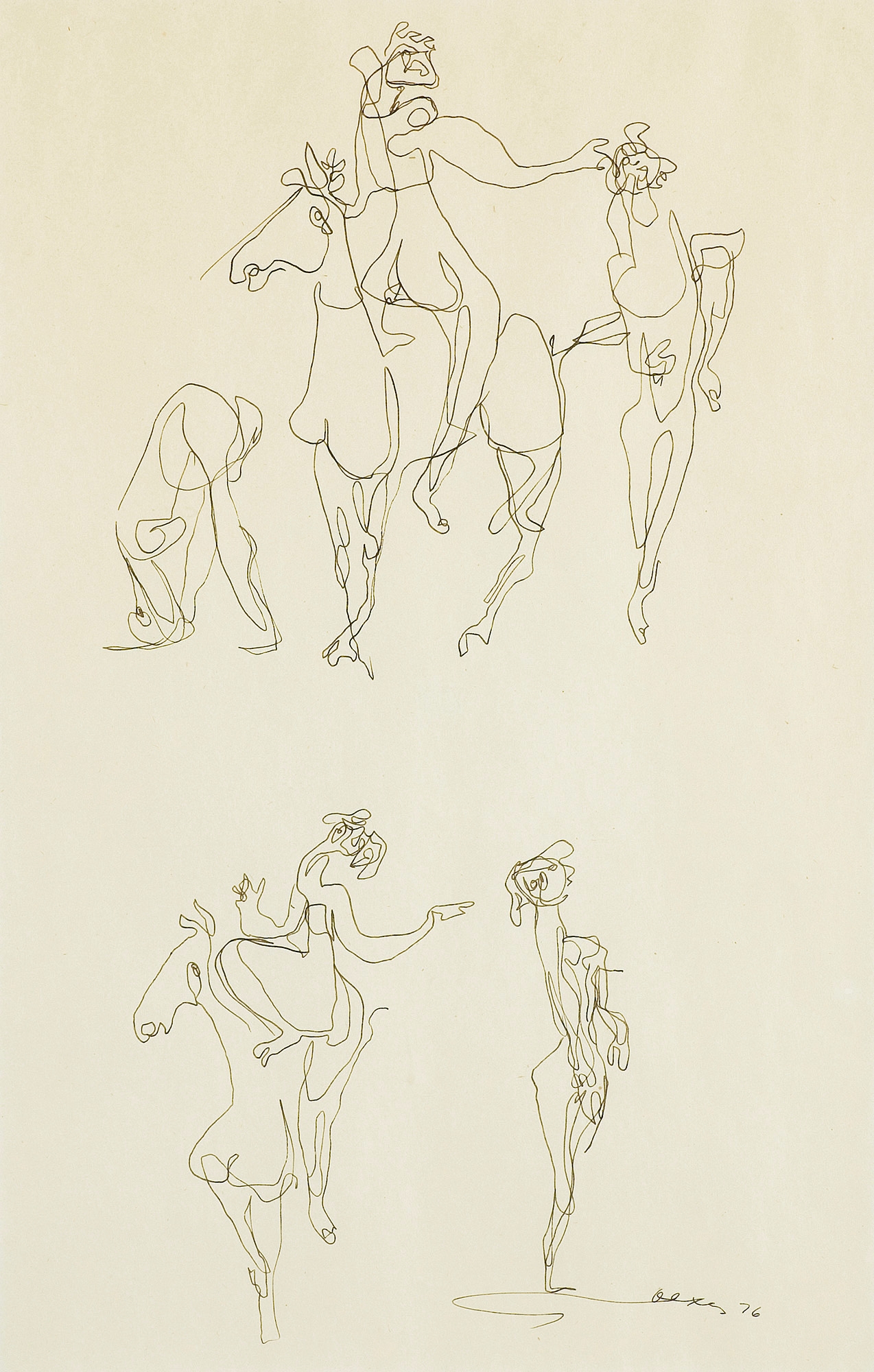
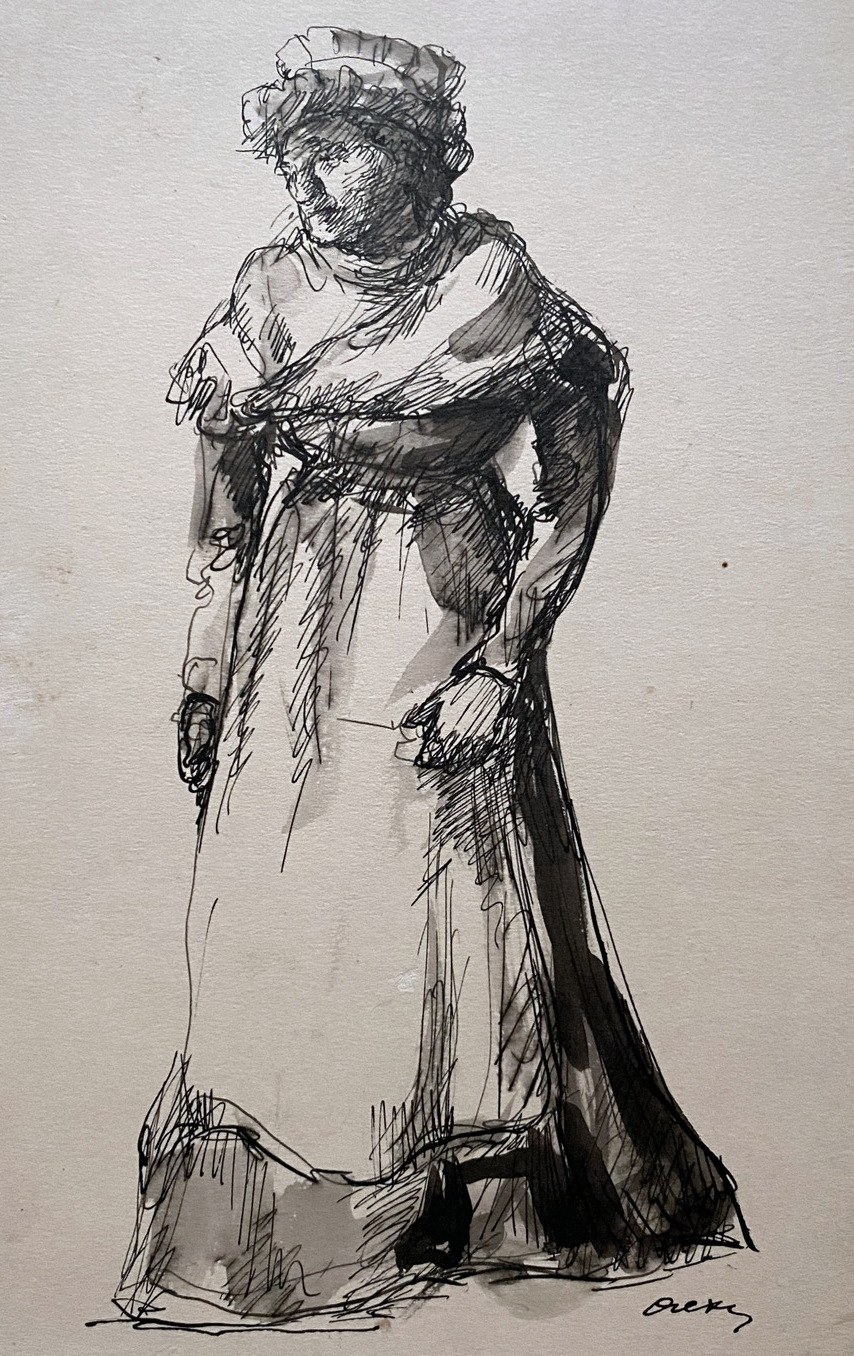
Some commentators have described a theatrical mood in his works. “The figures resemble marionettes, the faces — masks, the objects — stage props.” Marcin Czerniewski called this atmosphere a “pictorial theatre.” Although this painting was created alongside a very busy career in theatre, it maintained a unique character of its own. Otto employed numerous techniques in his art — from ink drawing to oil painting — often adding collage or cut-out elements.
Order of the Banner of Labor, First Class (1964)
Commander’s Cross of the Order of Polonia Restituta (11 July 1955)
Gold Cross of Merit (twice: 22 July 1952 and 13 November 1953)
Medal of the 10th Anniversary of People’s Poland (19 January 1955)
Badge “Meritorious for the Polish Theatre” (1976)
1949 — award at the Soviet Arts Festival for set design of The Lower Depths by Maksim Gorky at the Theatre of the Polish Army in Łódź
1951 — 2nd degree State Prize (collective) for set design of Woe from Wit by Aleksandr Griboyedov at the Polish Theatre in Warsaw
1963 — 1st degree award from the Minister of Culture and Art during the exhibition “Polish Visual Art in the 15th Year of the People’s Republic of Poland”
1965 — award at the 5th Kalisz Theatre Meetings for set design of Actor by Cyprian Kamil Norwid at the Juliusz Osterwa Theatre in Lublin
1965 — 2nd degree award from the Minister of Culture and Art for overall artistic achievements in set design