
This is a demo store for testing purposes — no orders shall be fulfilled. Dismiss
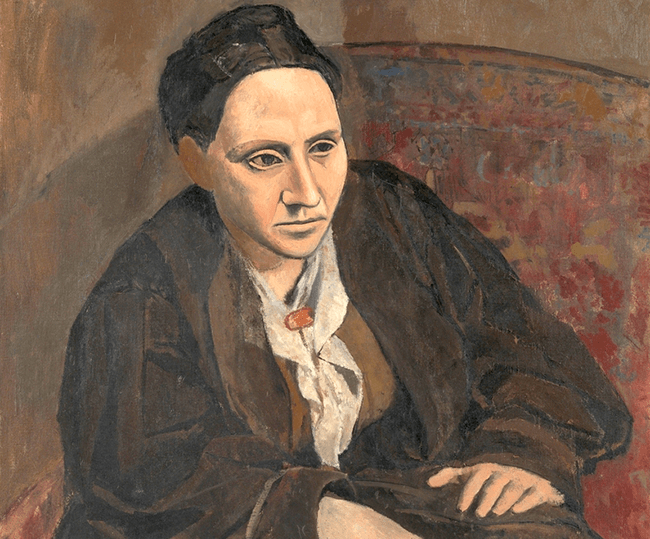
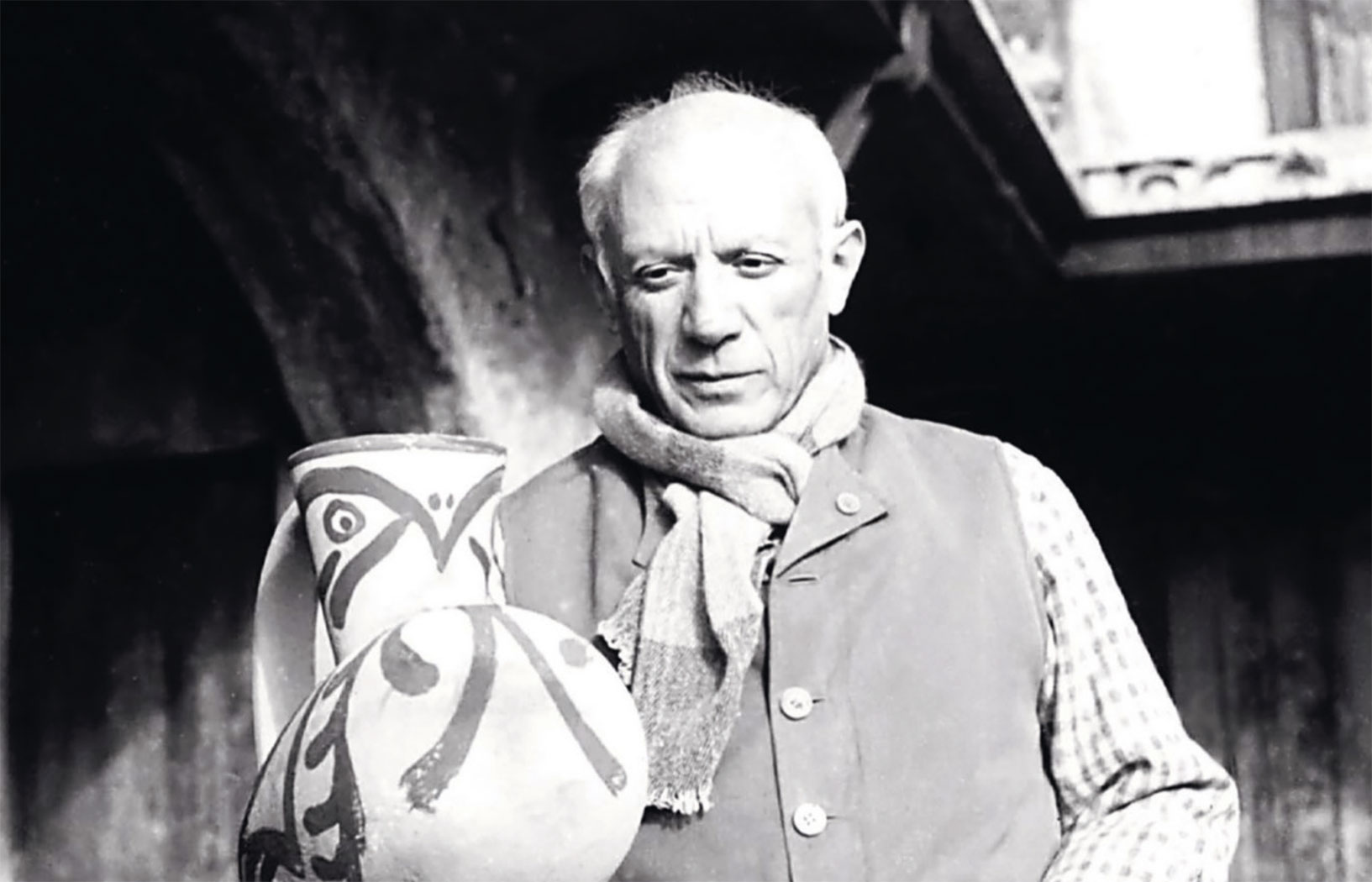
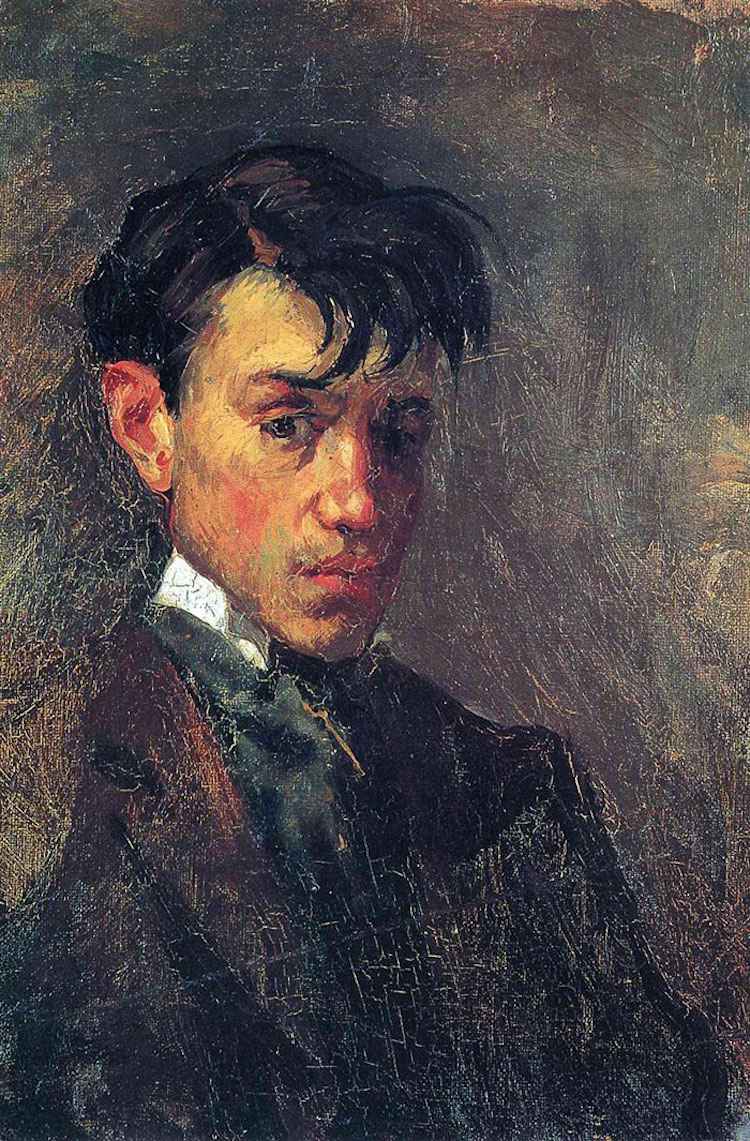
Skip to contentPablo Picasso (full name: Pablo Diego José Francisco de Paula Juan Nepomuceno Crispín Crispiniano María Remedios de la Santísima Trinidad Ruiz Picasso) was born on October 25, 1881, in Málaga, Spain, and died on April 8, 1973, in Mougins, France. He was one of the most prominent and influential artists of the 20th century—a painter, sculptor, printmaker, ceramicist, and stage designer. Picasso was the co-founder of Cubism and a key innovator in the development of modern art.
From an early age, Picasso demonstrated extraordinary talent. His father, José Ruiz Blasco, was a painter and drawing teacher, which enabled Pablo to cultivate his artistic skills from childhood. At the age of 14, he began studying at the prestigious Academy of Fine Arts in Barcelona.
In 1904, Picasso settled permanently in Paris, then the capital of the art world.
Picasso’s career is divided into several distinctive periods:
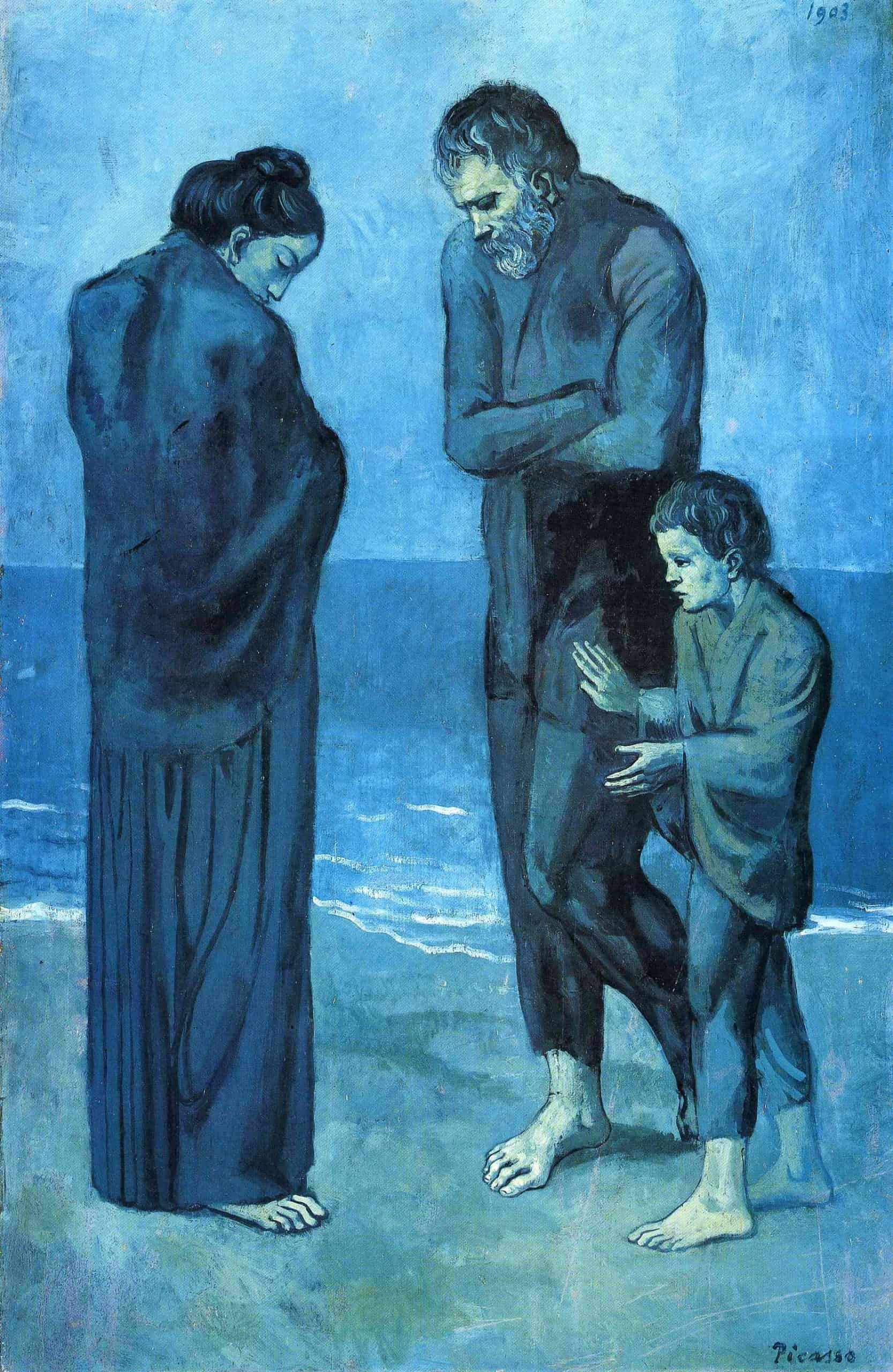
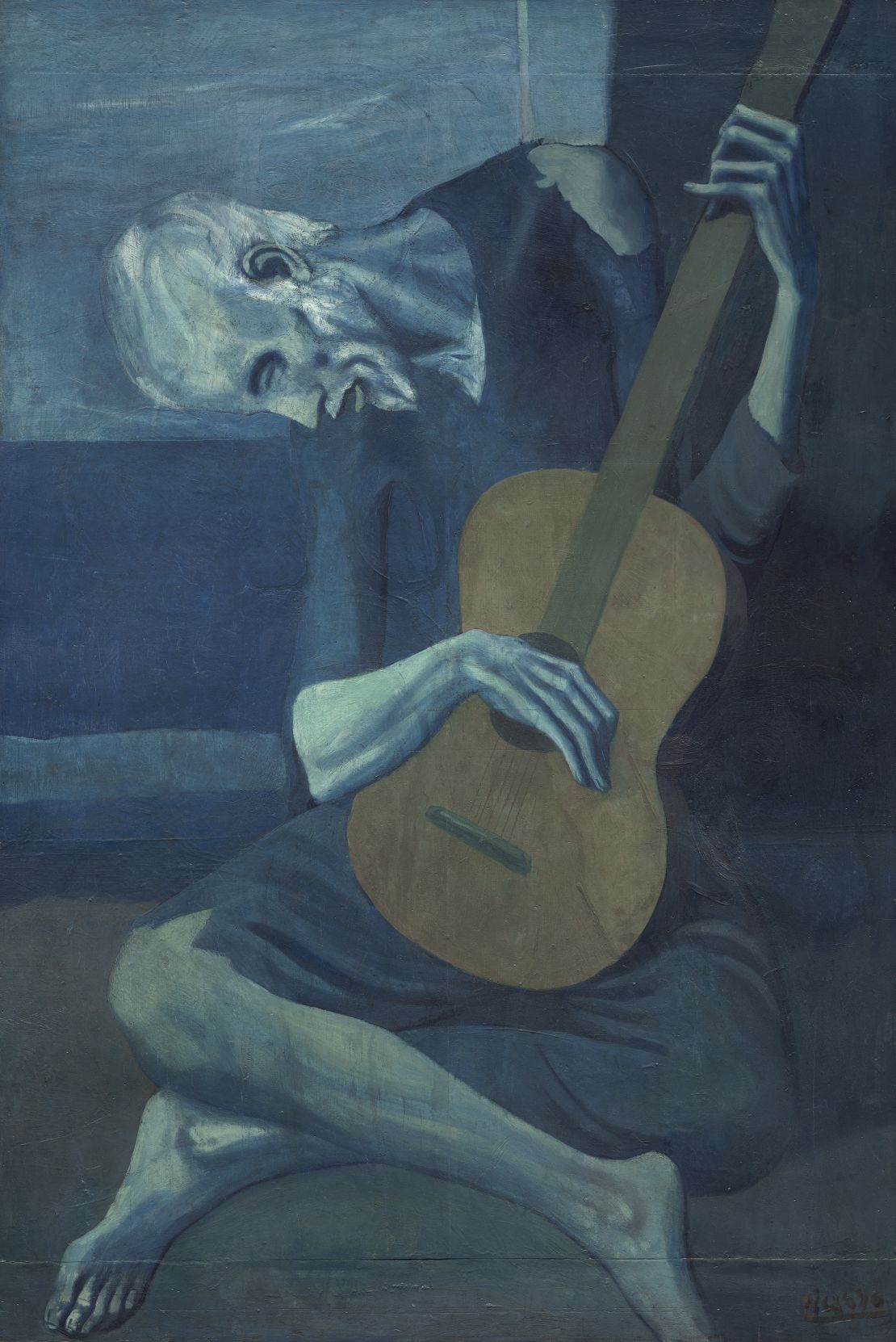
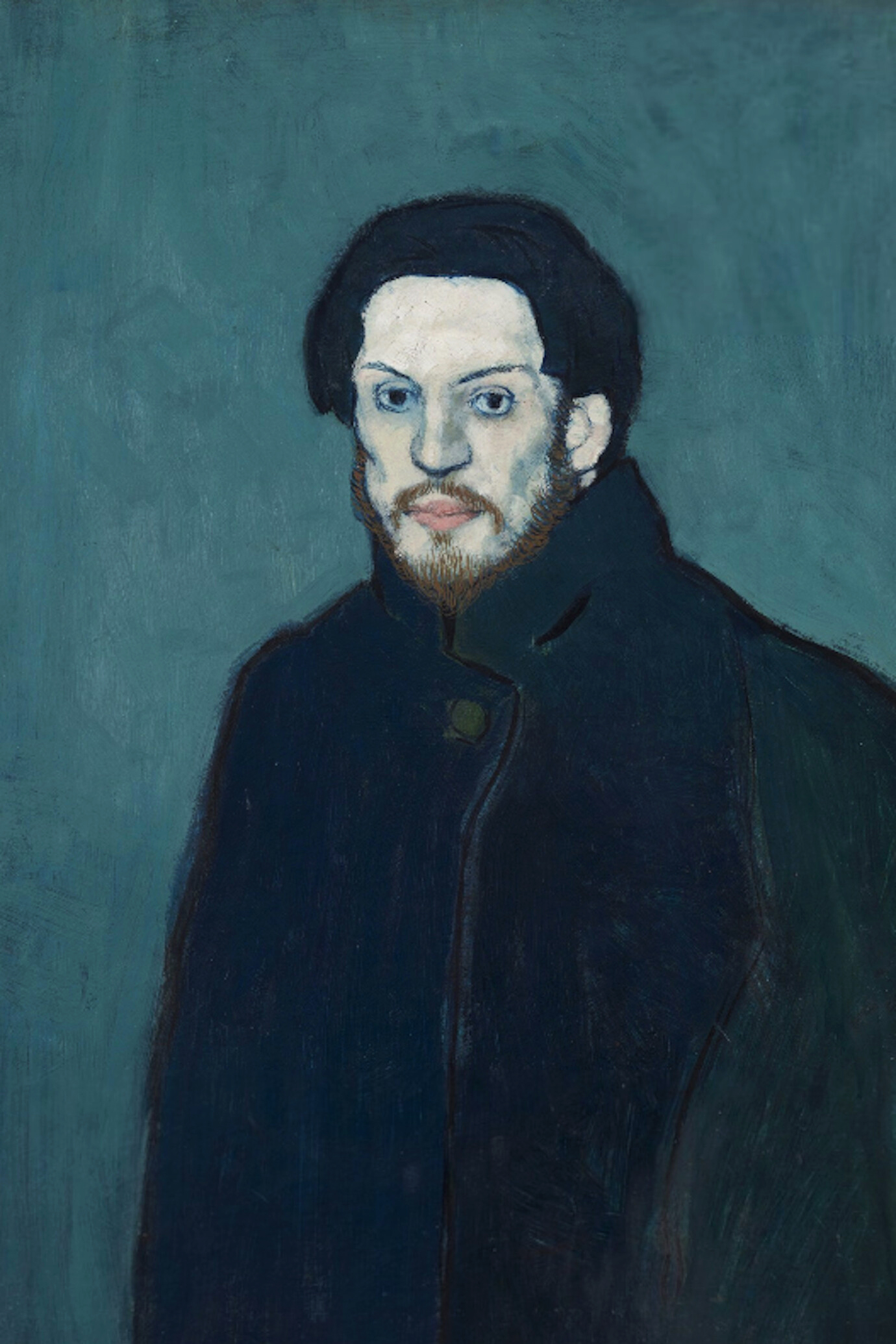
Marked by melancholic themes and a dominant use of blue tones. His works from this time express deep emotion and depict poverty, loneliness, and suffering (e.g., The Old Guitarist).
Warm hues like pink, beige, and soft browns begin to dominate. The themes become lighter—circus performers, harlequins, and romantic figures (e.g., Family of Harlequin).
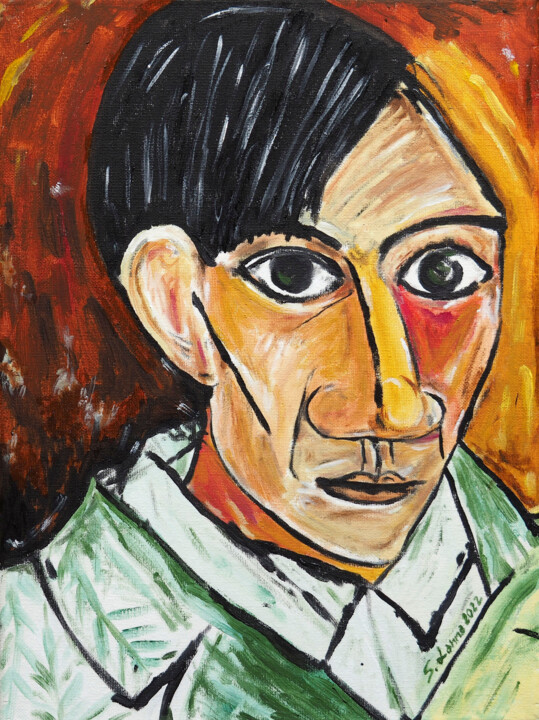
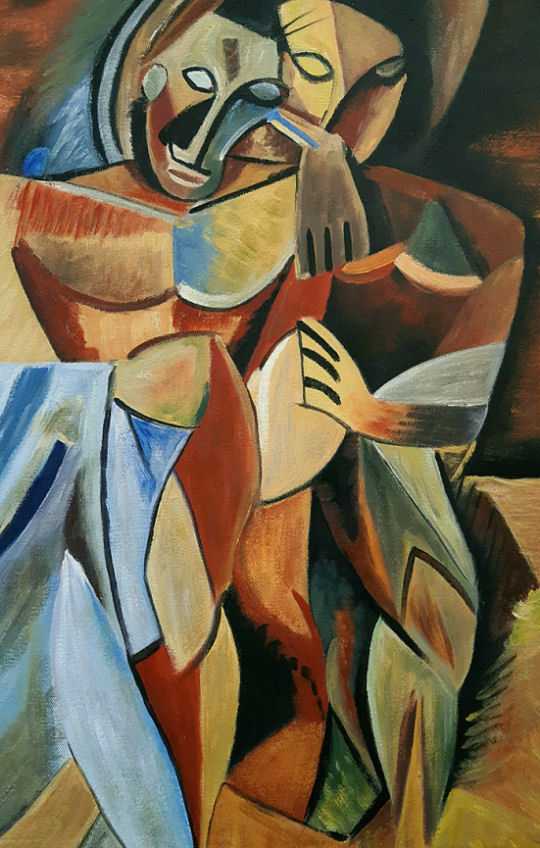
Inspired by African and Iberian art, Picasso created simplified, geometric forms. The defining work of this period is the groundbreaking Les Demoiselles d’Avignon (1907), considered the beginning of Cubism.
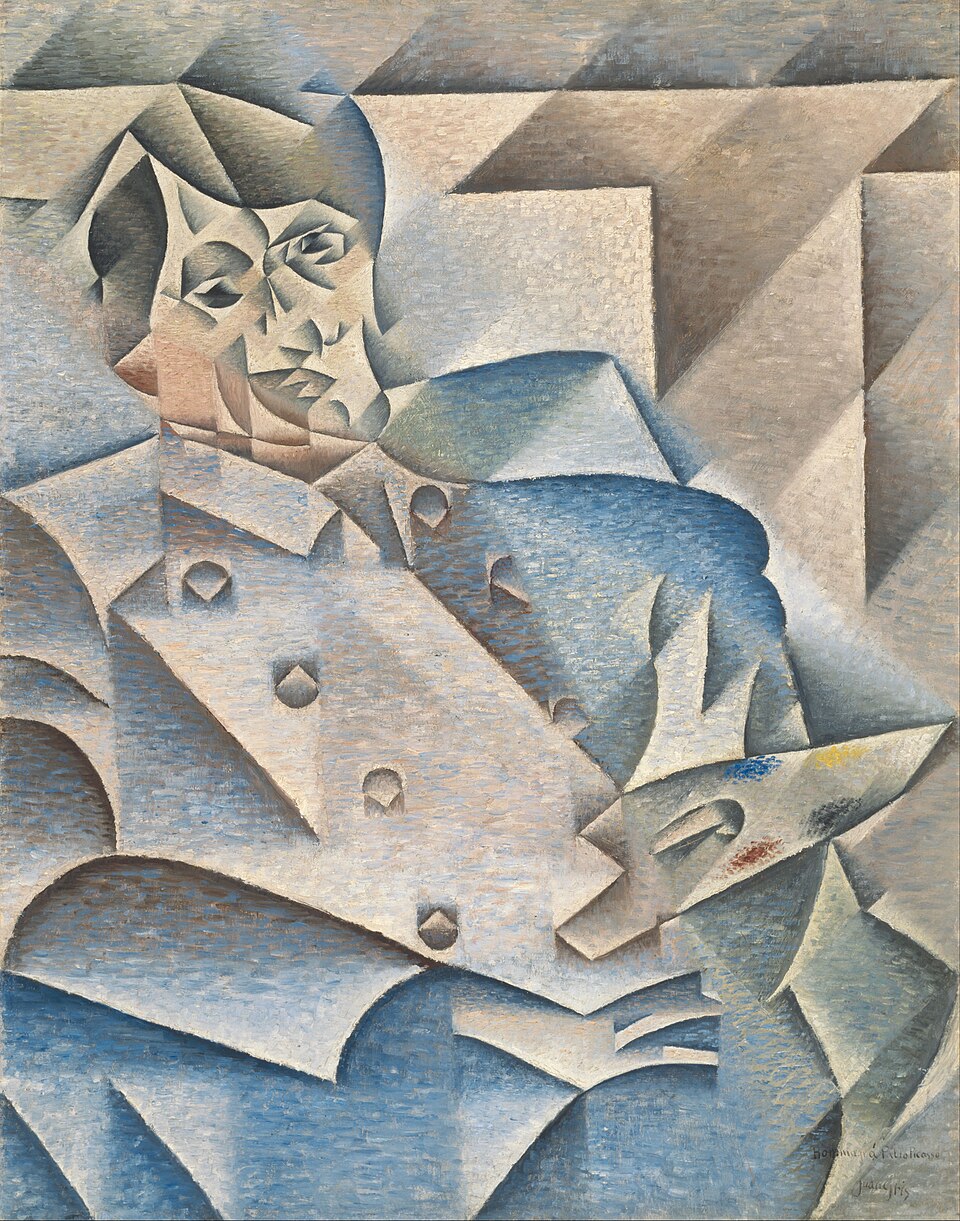
Together with Georges Braque, Picasso developed Cubism, which evolved into two phases:
Analytical Cubism – breaking down objects into geometric forms and analyzing structure,
Synthetic Cubism – introducing collage and mixed media, simplifying forms (e.g., Still Life with Chair Caning).
After World War I, Picasso revisited classical traditions (Three Musicians, Maternity), while also experimenting with Surrealism, producing expressive and often distorted imagery.
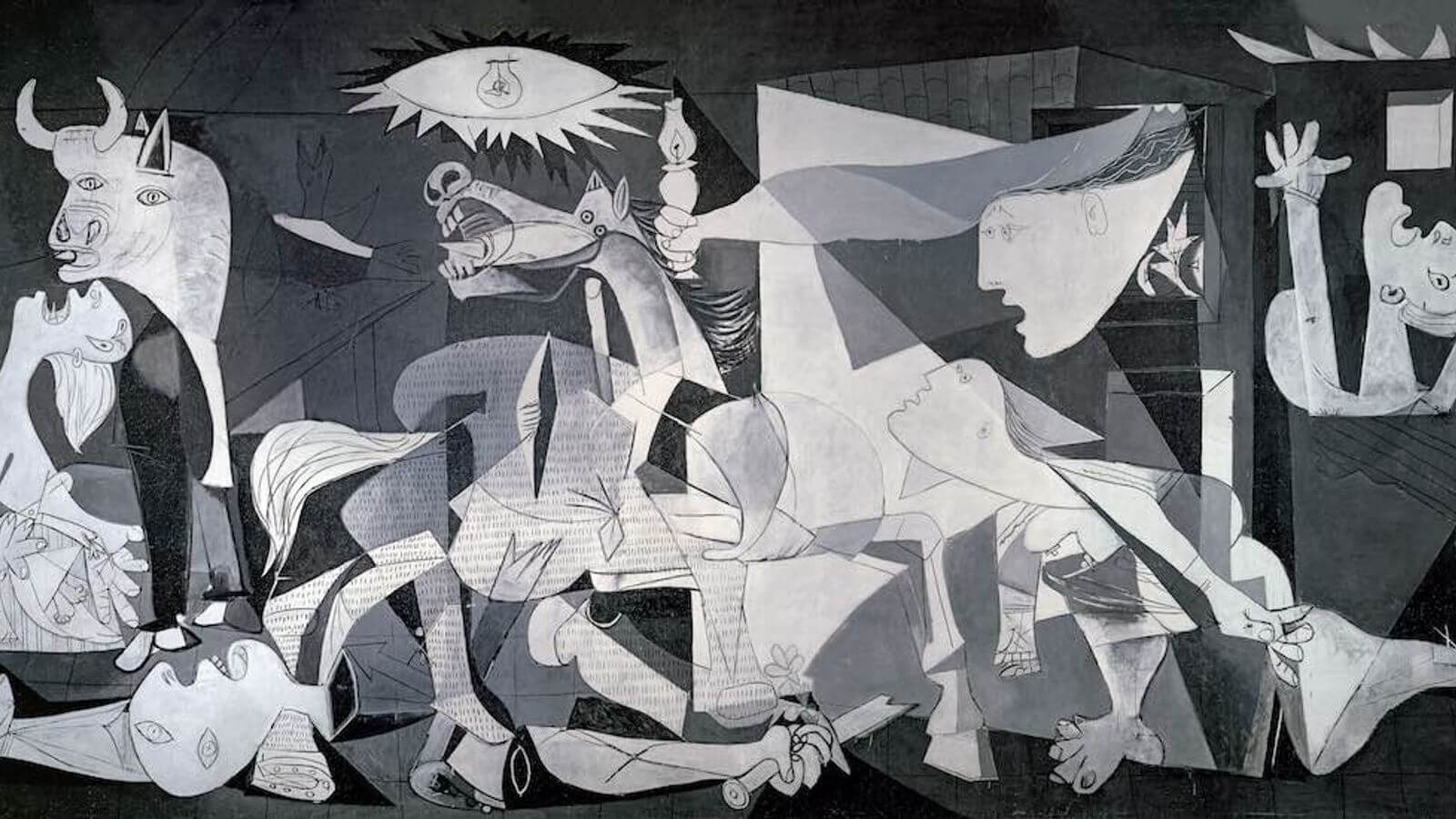
In response to the bombing of the Basque town of Guernica during the Spanish Civil War, Picasso painted the monumental Guernica—a powerful anti-war protest and one of the most iconic artworks of the 20th century.
Picasso remained artistically active until his death, producing paintings, ceramics, sculptures, and prints. He was inspired by Old Masters like Velázquez and Manet, creating reinterpretations in his own unique style.
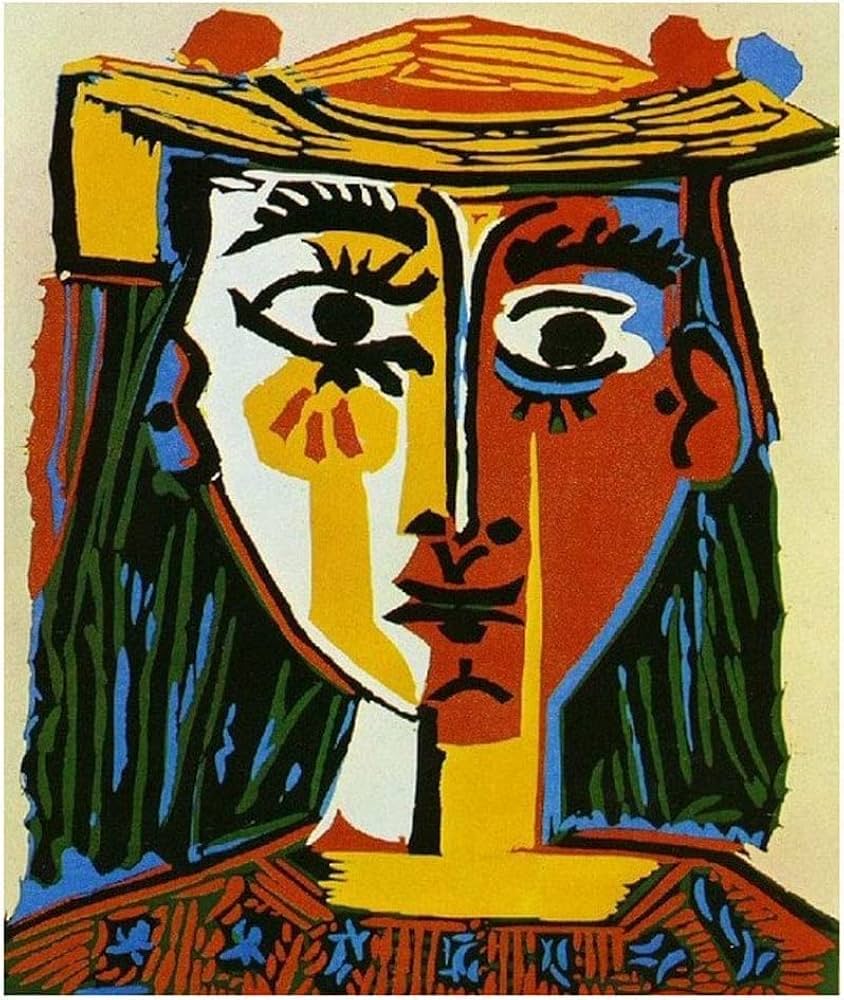
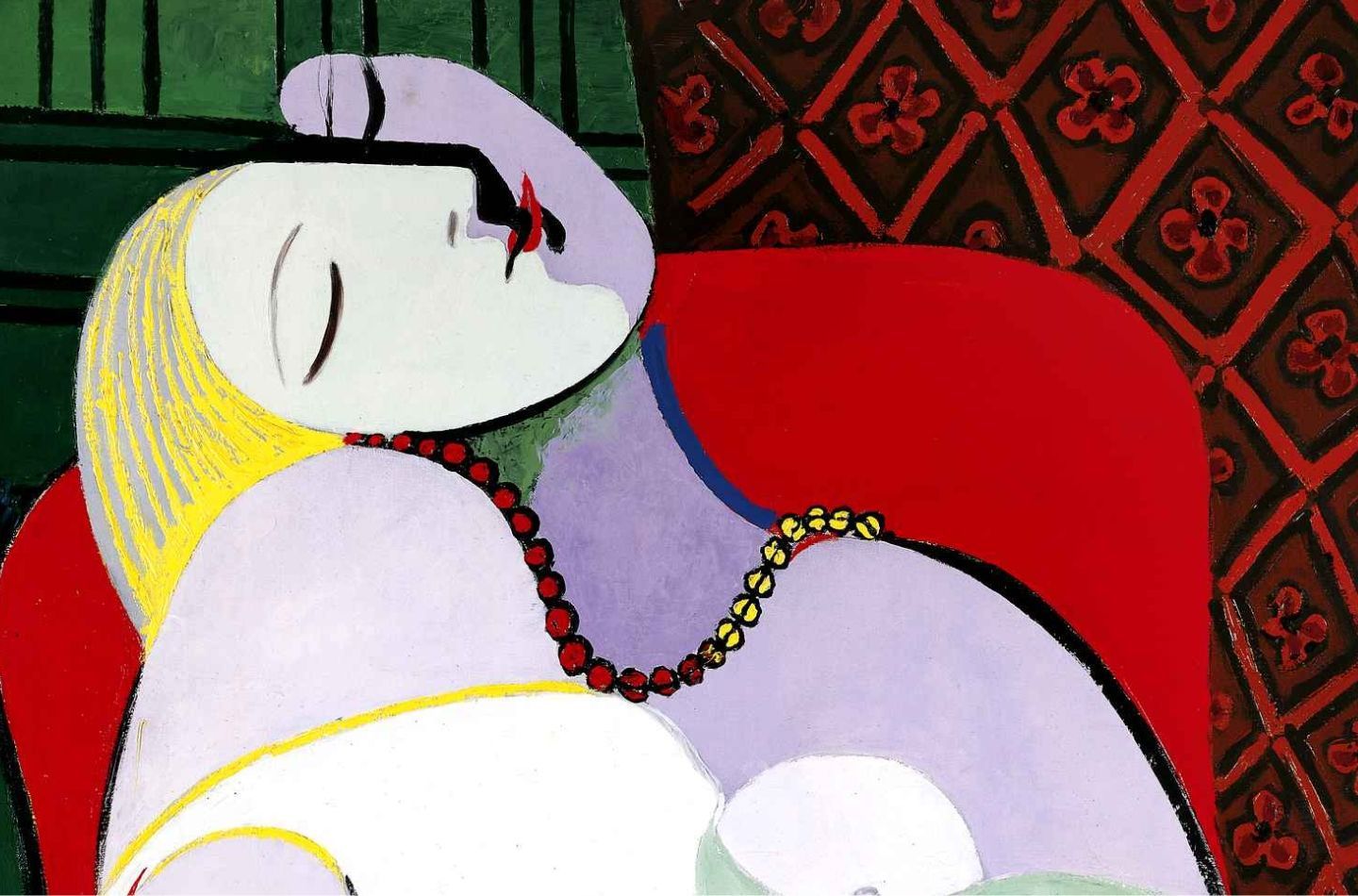
Picasso’s style evolved constantly—ranging from realism to expressionism, Cubism to abstraction. His work was defined by relentless experimentation, bold deconstruction of form, and fearless use of color.
He was a master of synthesis, seamlessly merging classical inspirations with avant-garde ideas. Picasso’s contributions fundamentally shaped Cubism, collage, and the language of modern art. His works are featured in the world’s most prestigious collections, including the Picasso Museums in Paris and Barcelona.
Picasso created over 50,000 works of art—paintings, drawings, prints, ceramics, and stage designs.
His personal life was famously turbulent; he had relationships with many women, who often served as his muses.
He was a vocal opponent of fascism and a member of the French Communist Party.
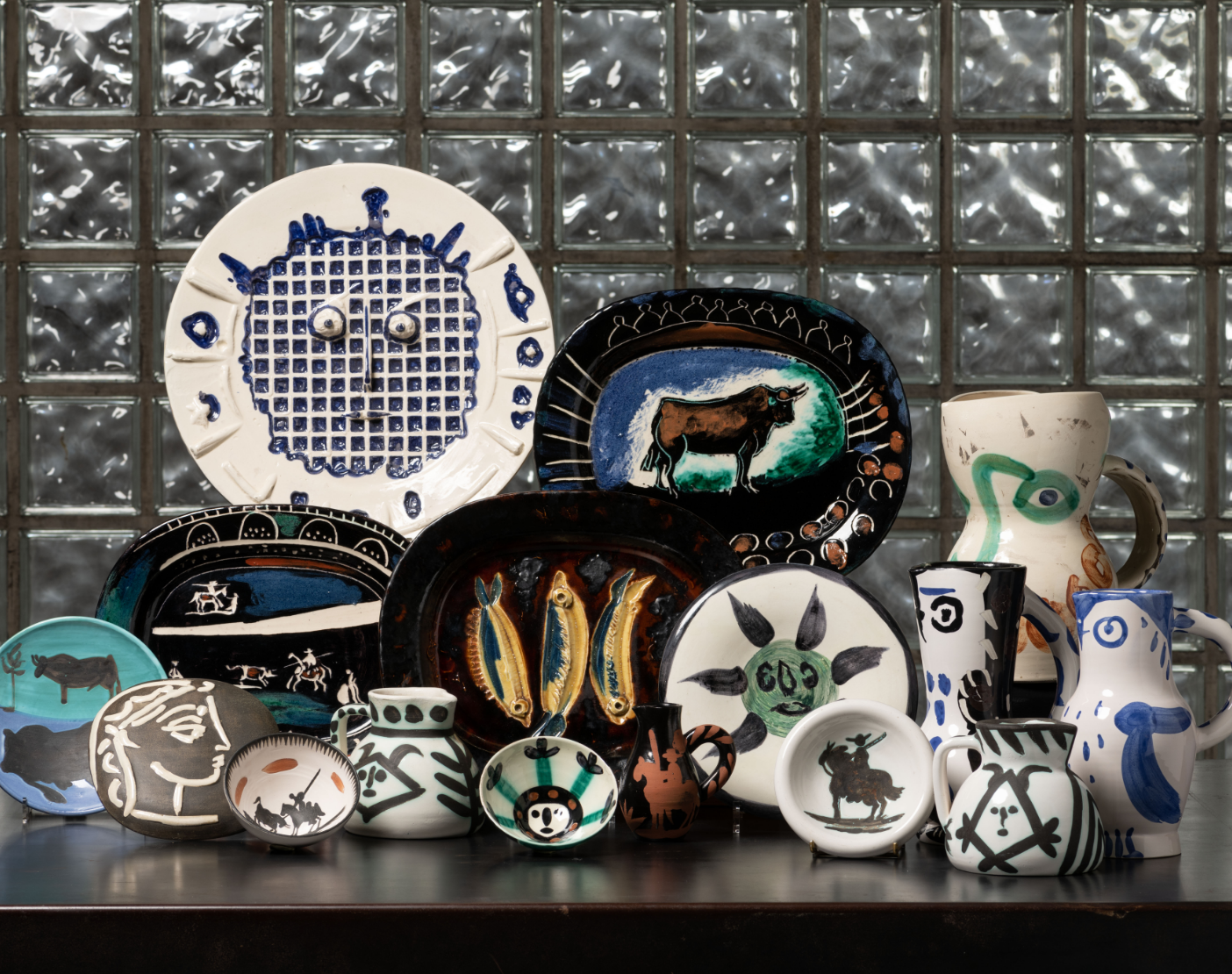
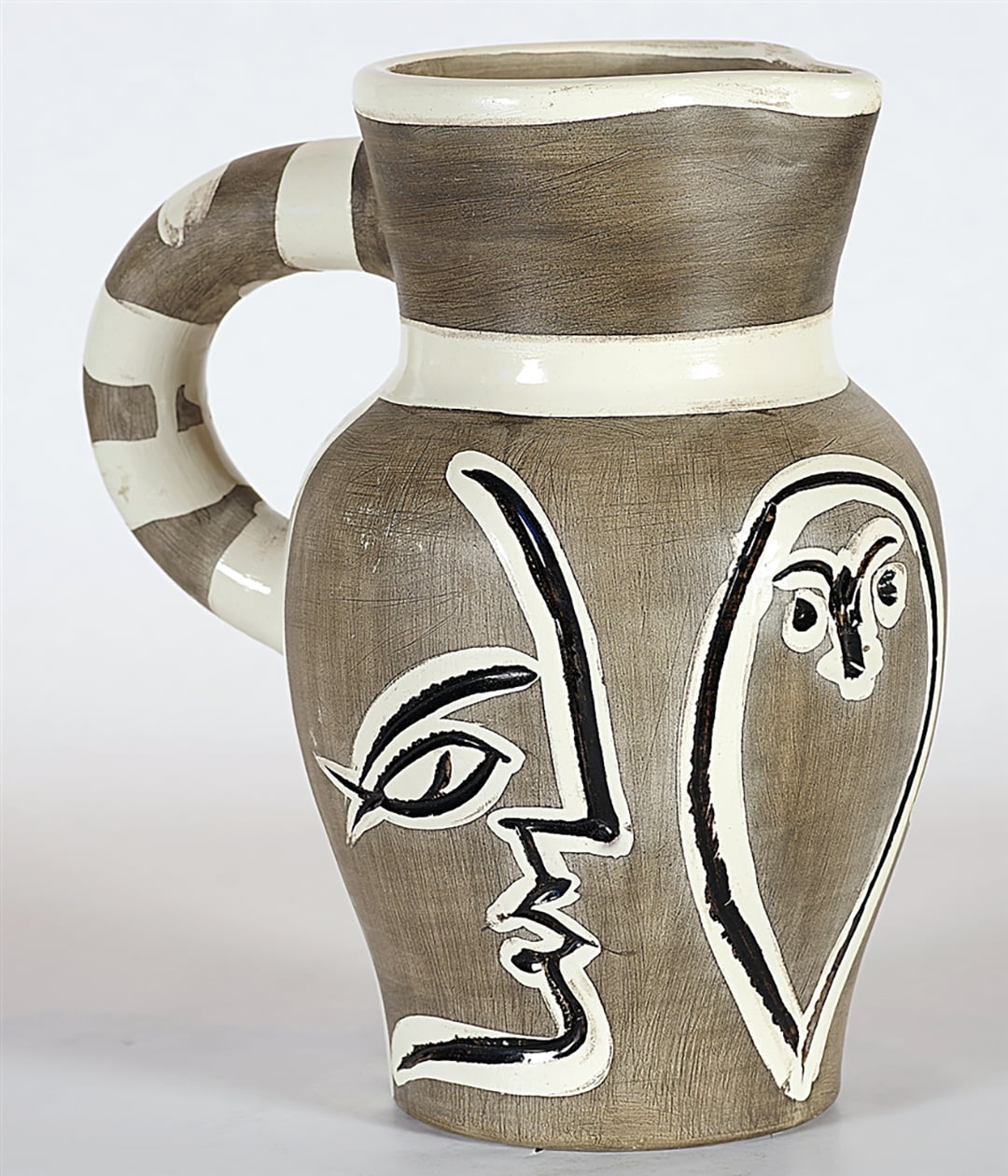
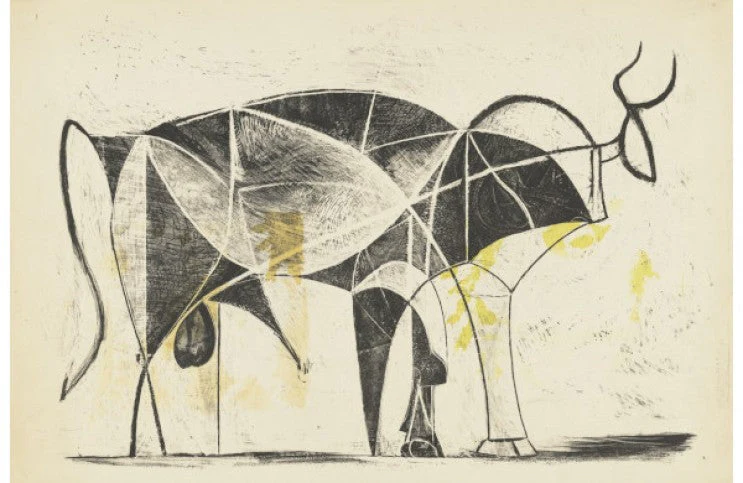
He also explored sculpture, ceramics, and printmaking.
In August 1948, Picasso visited Poland at the invitation of the organizers of the World Congress of Intellectuals in Defense of Peace, held in Wrocław. The event, backed by leftist and communist circles, was a post-war propaganda initiative promoting peace and opposing Western imperialism, especially American.
It was Picasso’s first time traveling by airplane. As a member of the French Communist Party and a prominent leftist figure, his presence carried significant symbolic weight—he was the star of the congress.
During his visit, Picasso:
Attended the Wrocław Congress, gave speeches, and met with artists and intellectuals.
Traveled to Warsaw, where he toured the city’s ruins left by the Warsaw Uprising, which deeply moved him.
Visited Auschwitz, the former Nazi concentration camp, which left a profound impression on him.
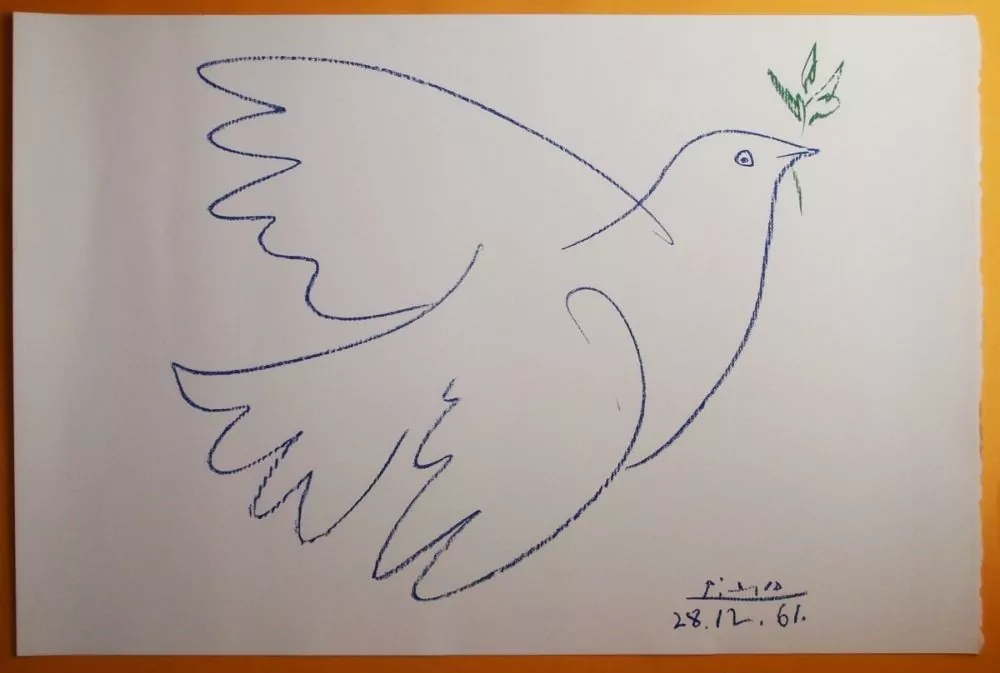
While in Warsaw (likely at the Hotel Polonia), Picasso drew a symbolic dove, which later became the emblem of the global peace movement. The sketch was later used as the official poster for the Paris Peace Congress in 1949.
Thanks to this visit, Picasso’s dove became an internationally recognized symbol of peace.
Picasso met several Polish artists, including Jerzy Nowosielski and Andrzej Wróblewski.
For many Polish creatives, it was an extraordinary chance to meet a global art icon—his work was otherwise almost inaccessible in postwar Poland.
Picasso did not produce any major works during his time in Poland—his most notable legacy was the dove sketch on hotel stationery. According to legend, it was drawn on a napkin or scrap of paper in a café or hotel room. A famous photograph shows Picasso creating the drawing.
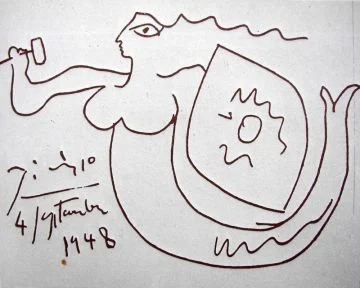
He also visited a new housing estate in Warsaw. In a spontaneous moment, he drew a Warsaw mermaid in charcoal on the wall of a local apartment.
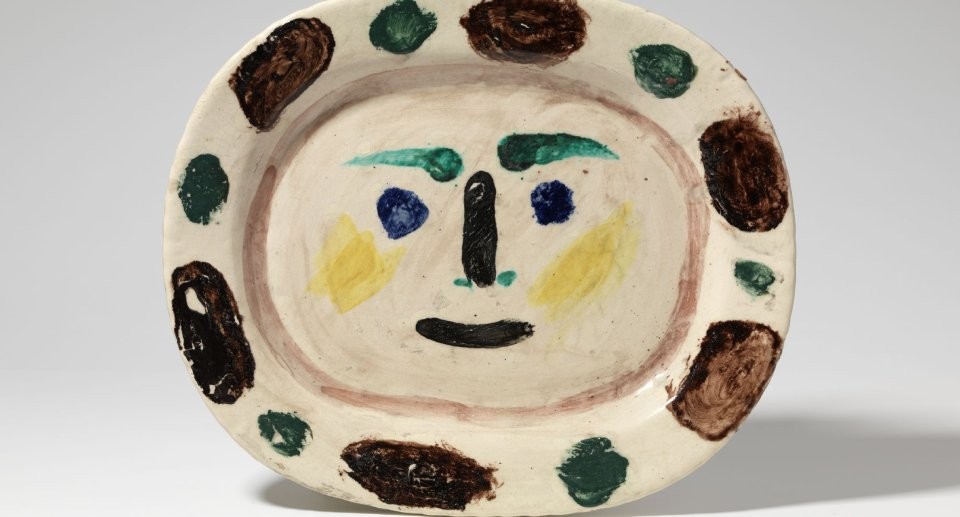
Picasso donated 20 ceramic plates—crafted and painted by himself—to the National Museum in Warsaw.
As a souvenir of his visit, he purchased a traditional Polish sheepskin coat (korzuch).