This is a demo store for testing purposes — no orders shall be fulfilled. Dismiss
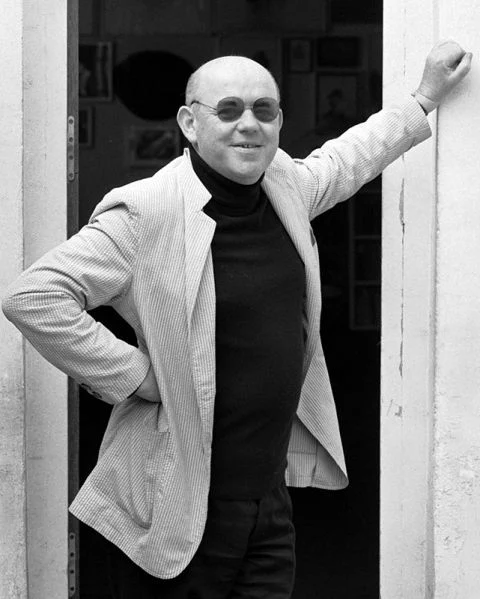
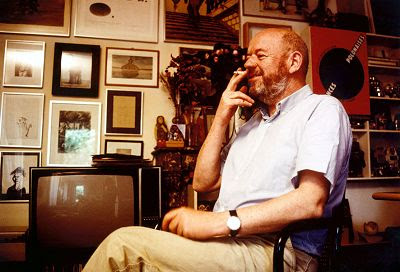
Skip to contentRoman Cieślewicz was one of the most outstanding graphic designers of the twentieth century—a visual artist, designer, and theorist of the image who radically transformed the language of visual communication in both Poland and France. His work, positioned at the intersection of art and design, combined photomontage, collage, typography, and a strong—often political—commentary on contemporary reality. He is regarded as one of the pillars of the Polish School of Posters and a key figure of the European graphic avant-garde.
Roman Cieślewicz was born in 1930 in Lviv. He grew up during a period of profound political and social upheaval, which had a lasting influence on his artistic sensibility. After the Second World War, he began his studies at the Academy of Fine Arts in Kraków, where he specialized in graphic design and poster art.
Already during his studies, he distinguished himself through an uncompromising approach to form and a strong interest in modern modes of expression. He was particularly fascinated by press photography, visual propaganda, typography, as well as the experiments of Constructivist and Dadaist artists.
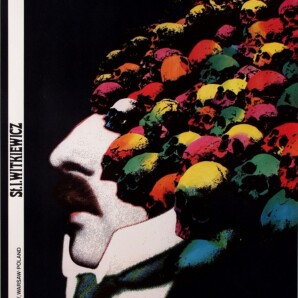
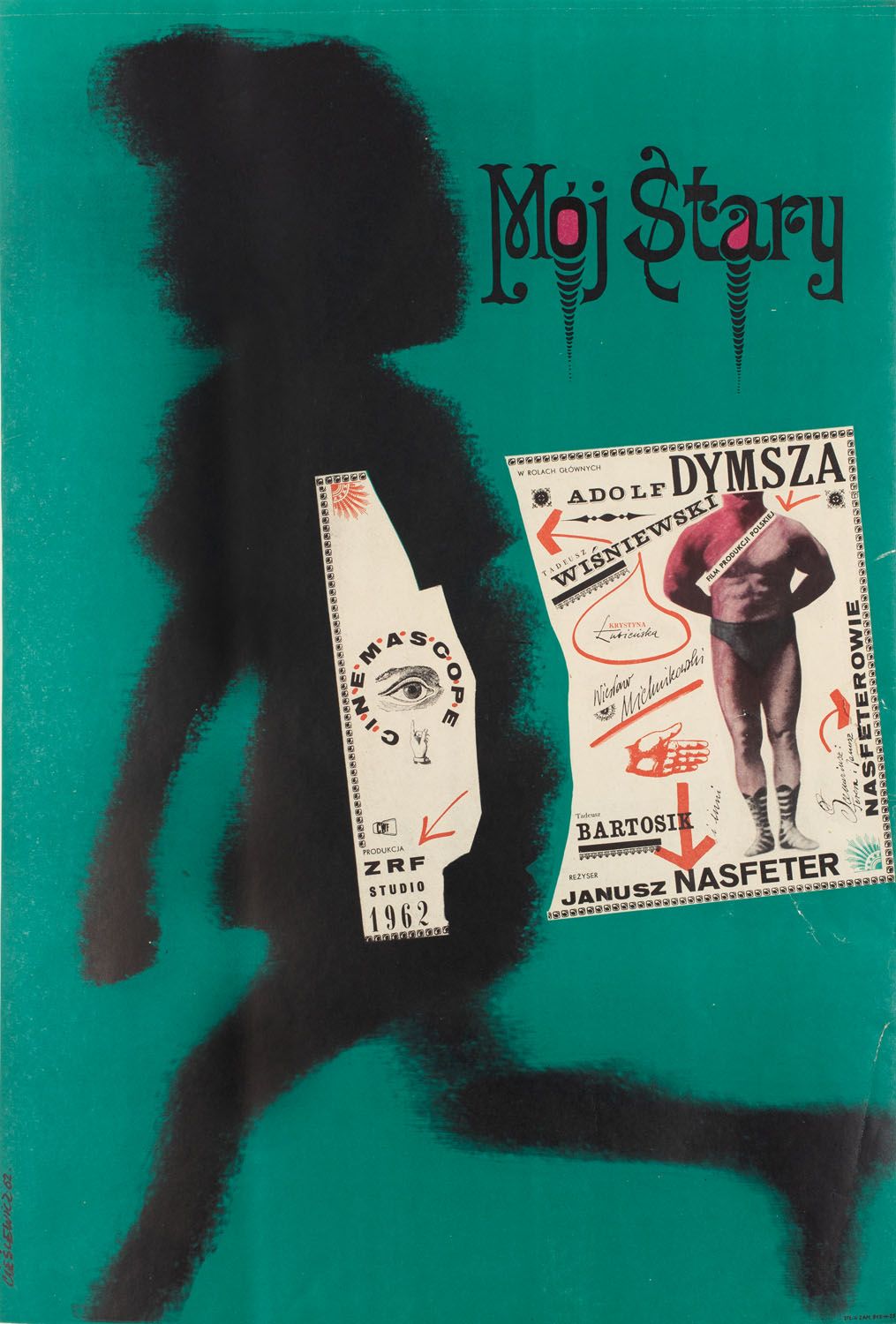
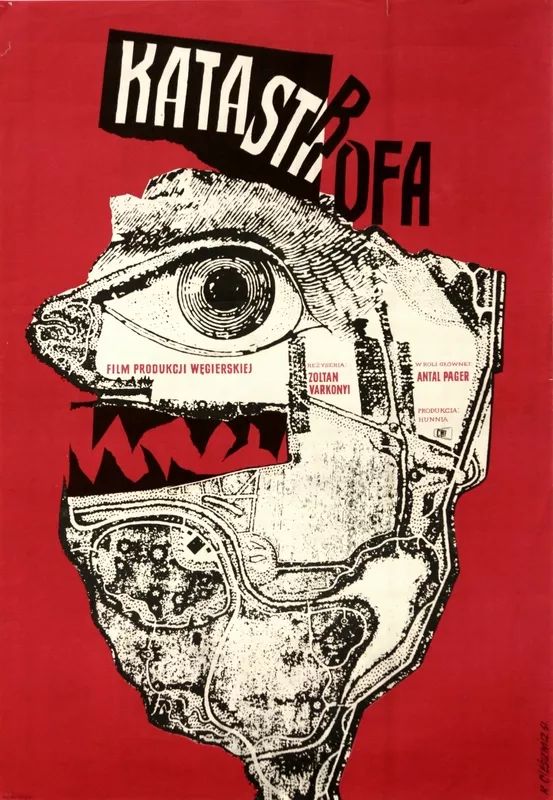
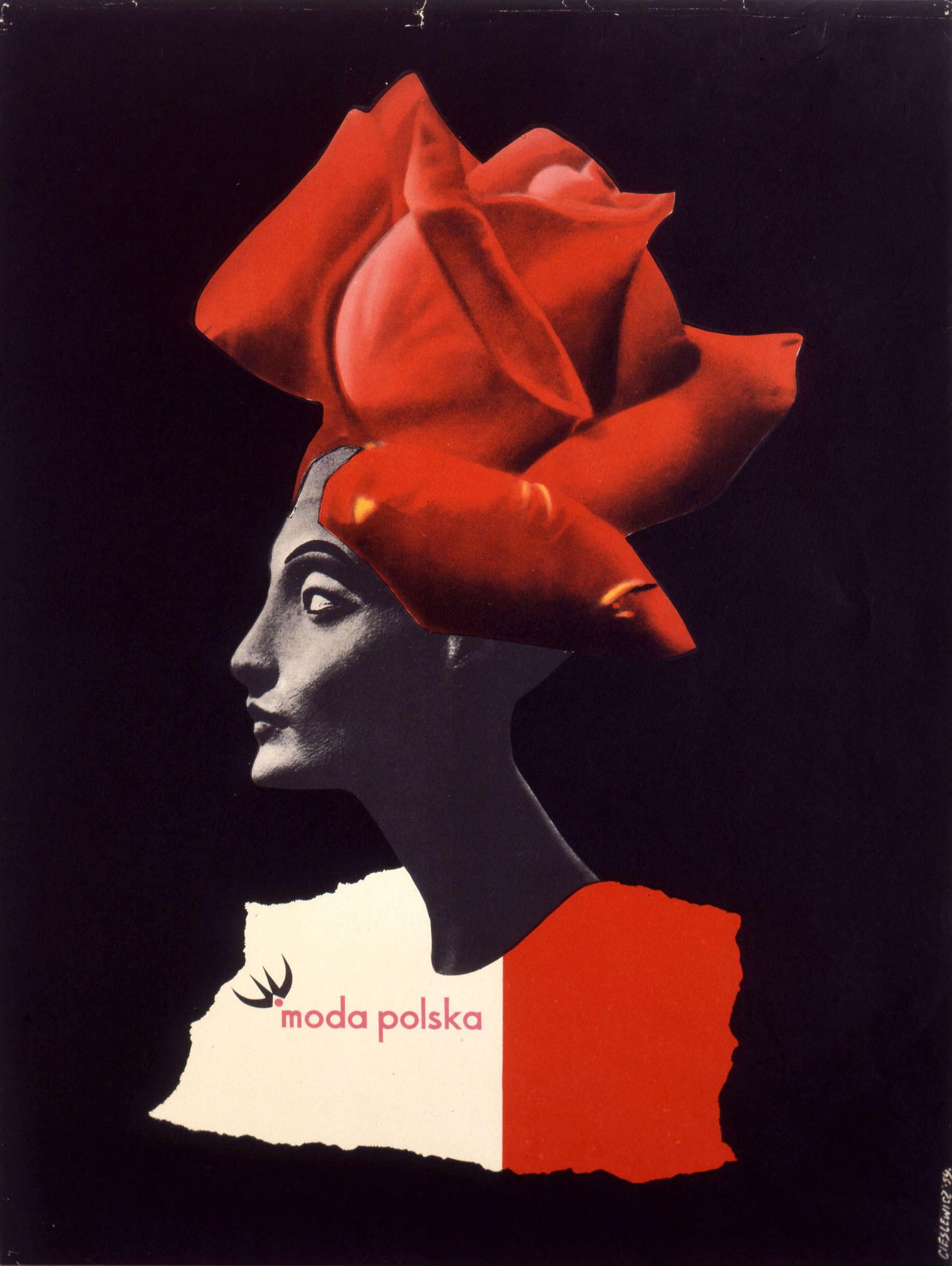
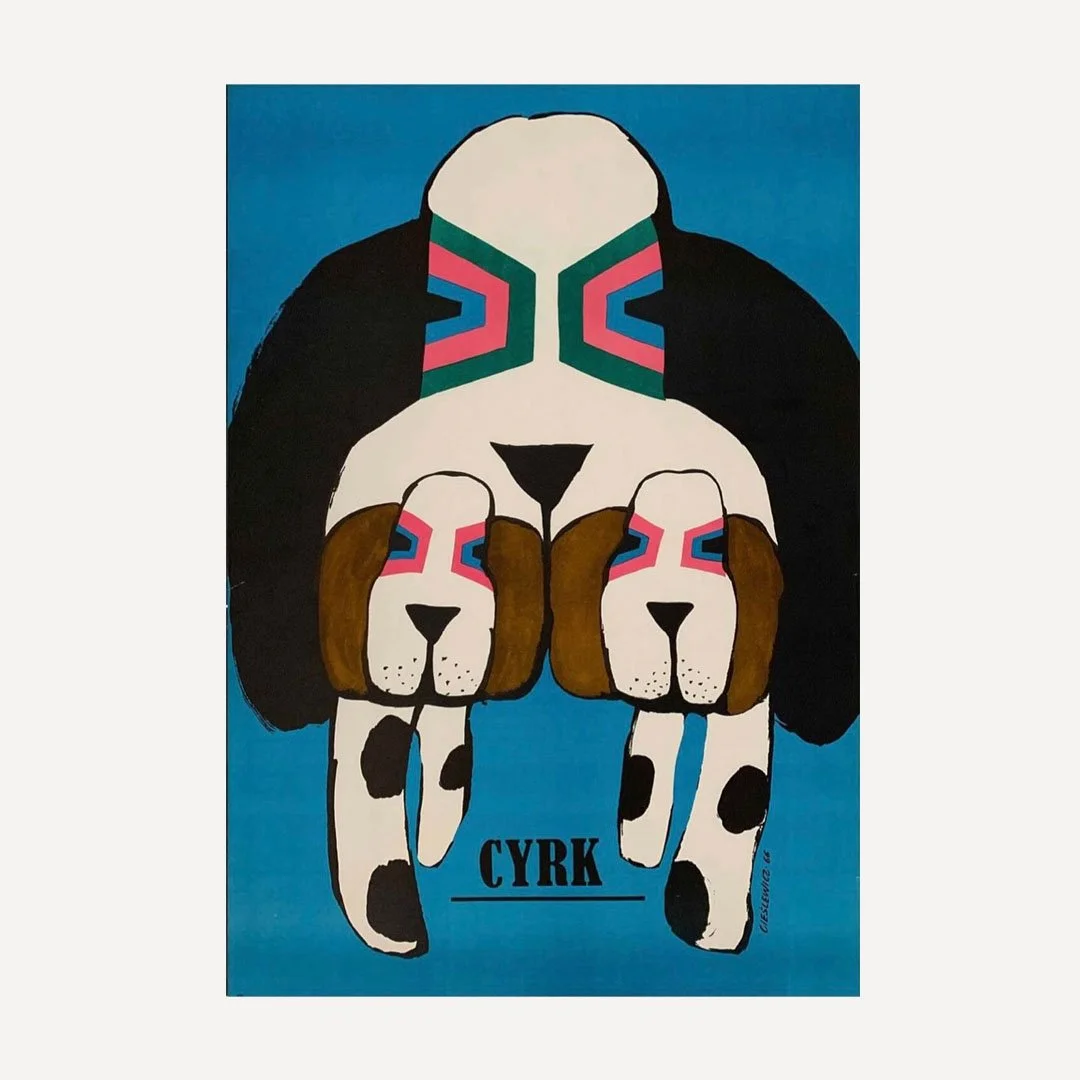
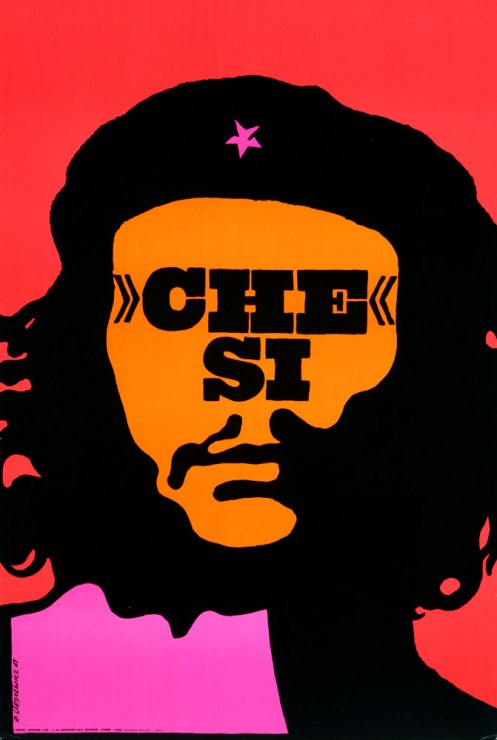
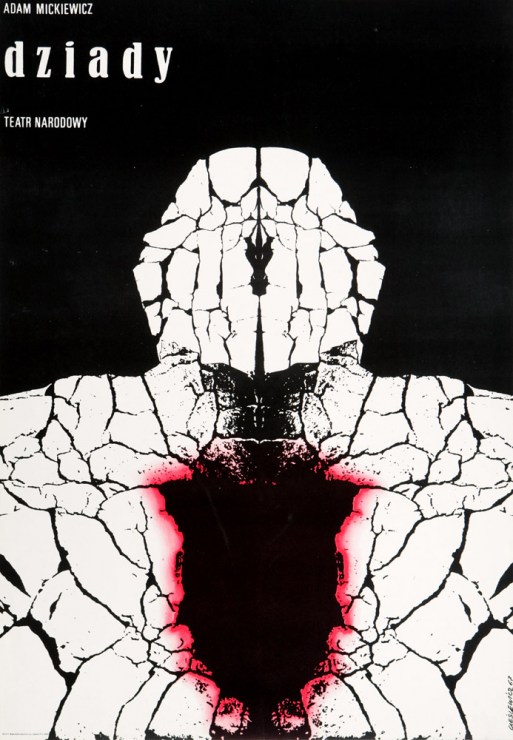
During the 1950s and early 1960s, Roman Cieślewicz became one of the leading figures of the emerging Polish School of Posters. He designed film, theatre, and social posters characterized by intellectual concision, visual metaphor, and an economy of means.
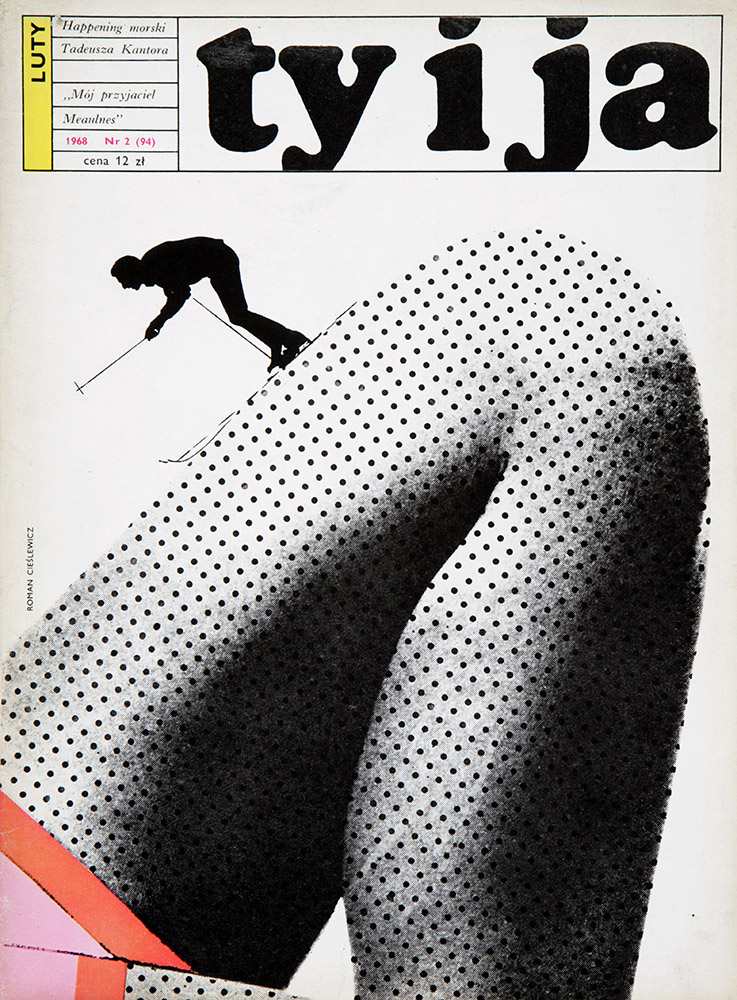
At the same time, he worked as a press graphic designer and art director. He co-created the modern visual identity of magazines such as:
Ty i Ja – a cult magazine devoted to culture and lifestyle
Projekt – a journal focused on applied arts and design
Szpilki – a satirical weekly
In this Polish period, his work was marked by irony, an intelligent play with imagery, and a remarkable ability to convey critical content within the constraints of censorship.
In 1963, Roman Cieślewicz emigrated to Paris—a decision that proved to be one of the most significant moments of his artistic life. In France, he found himself at the center of the international worlds of art, advertising, and media.
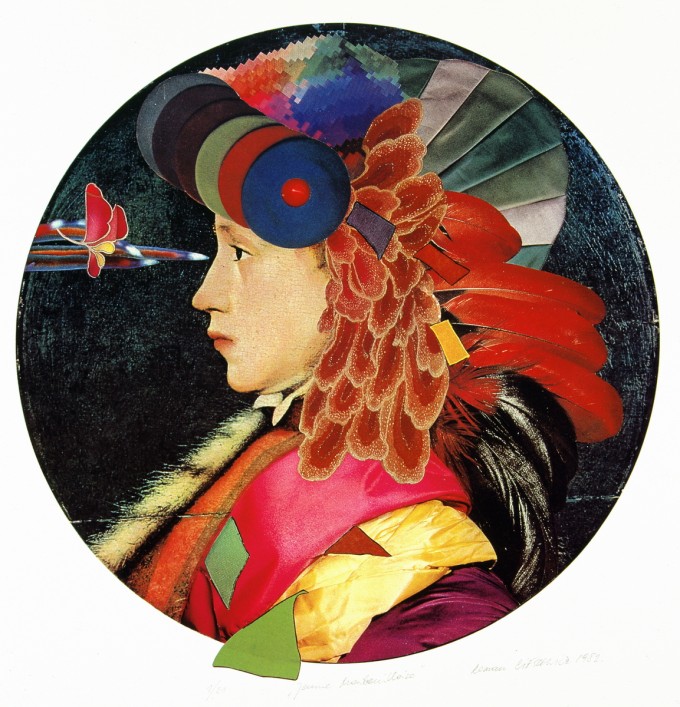
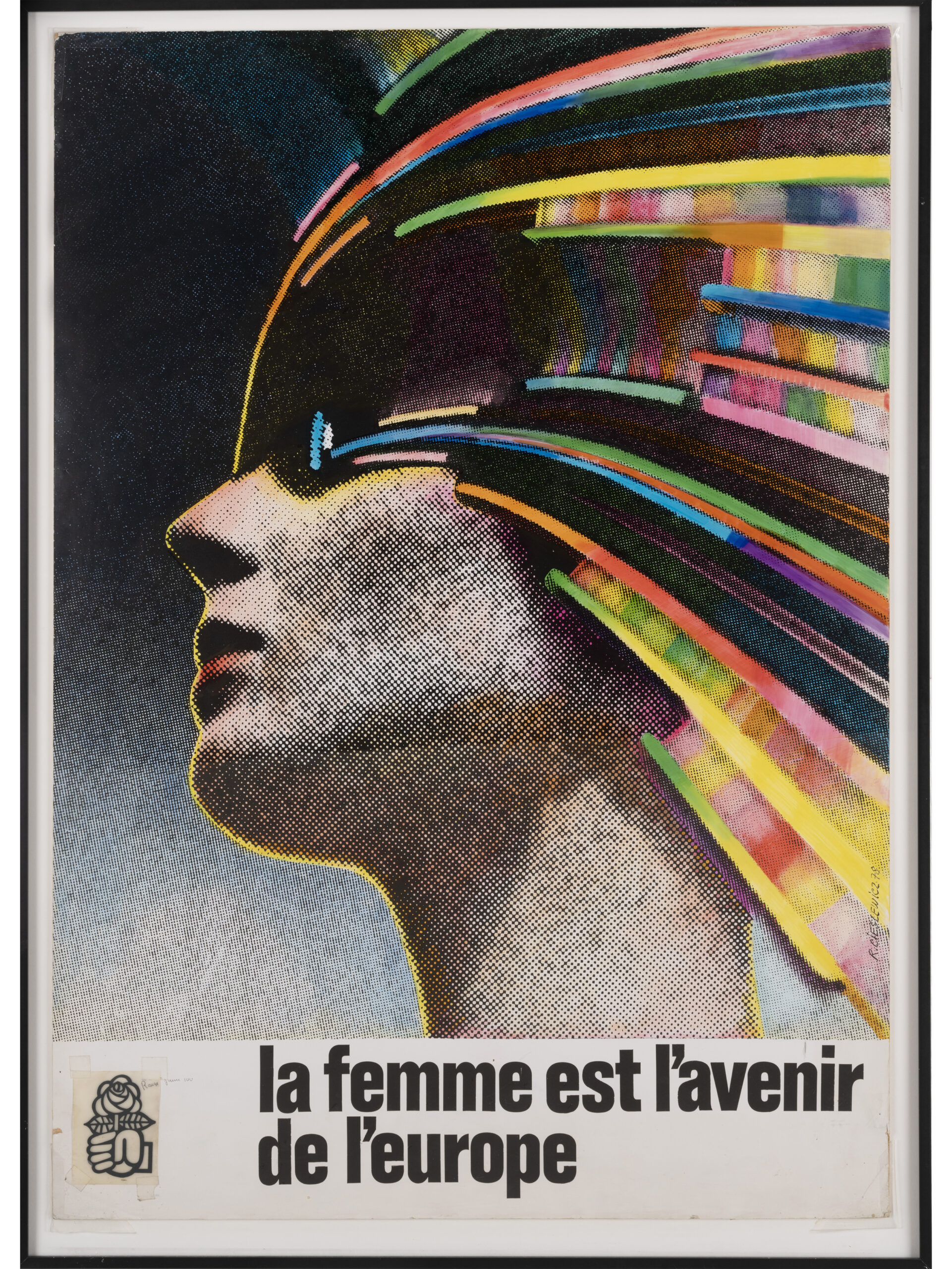
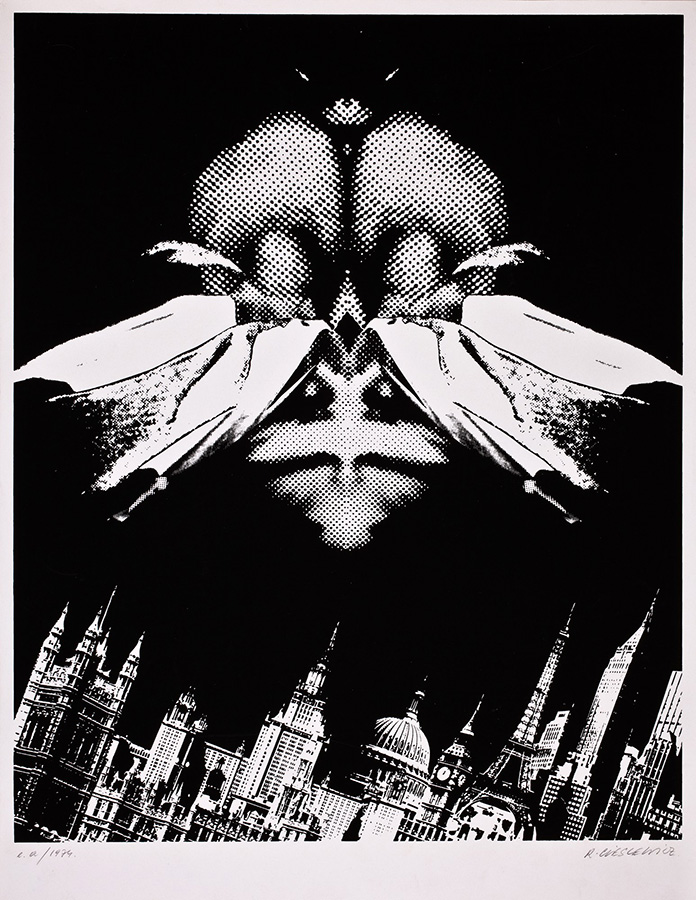
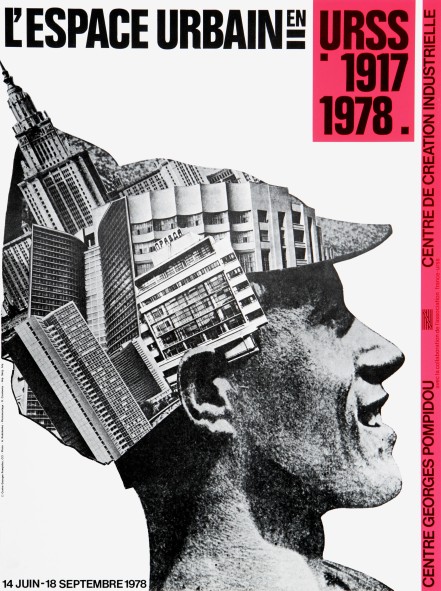
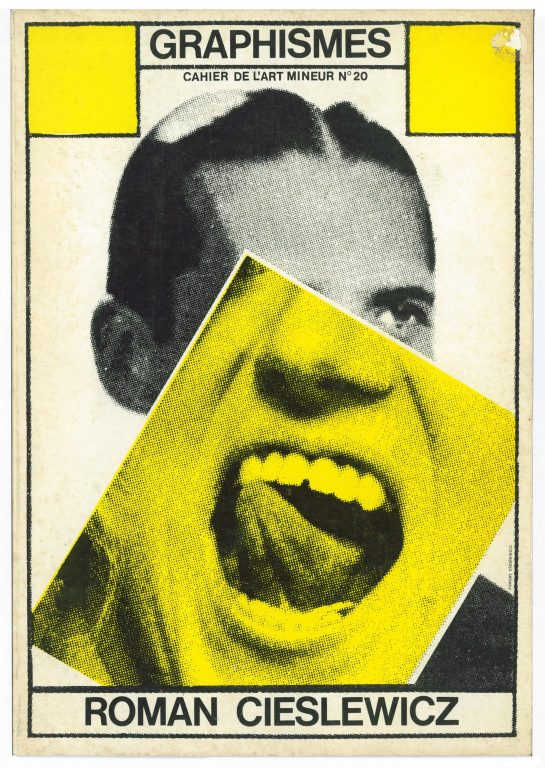
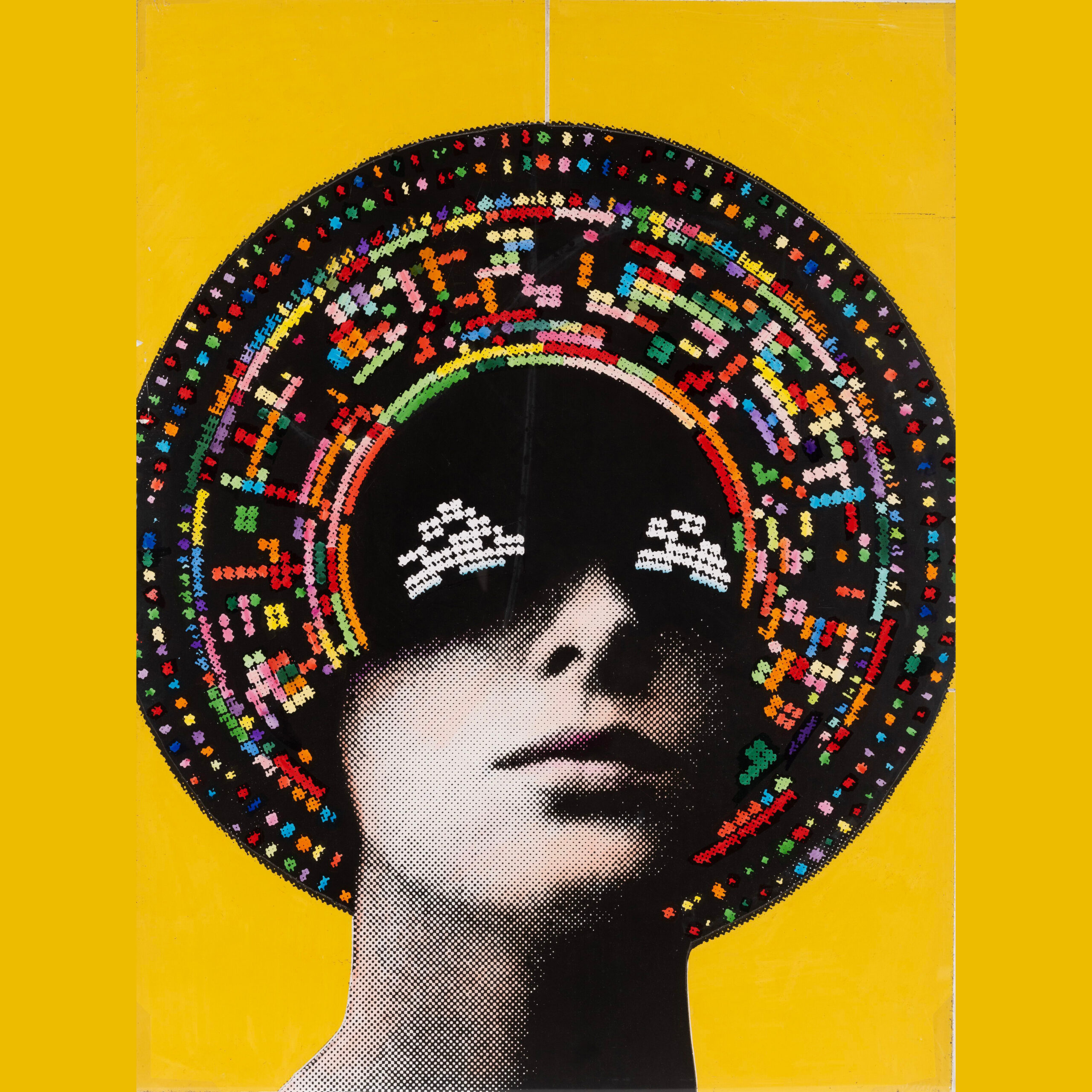
Paris offered him full creative freedom, access to modern printing technologies, and direct contact with contemporary avant-garde movements. His visual language became more radical, brutal, and direct. He increasingly employed collage, photomontage, and image multiplication, drawing inspiration from the aesthetics of the press, advertising, and propaganda.
One of Roman Cieślewicz’s most important achievements was his long-term collaboration with the French magazine Elle. From the mid-1960s to the early 1970s, he served as the magazine’s art director.
During this period, he completely transformed the visual character of Elle:
he broke away from the classic, decorative layout
introduced dynamic, modern typography
employed bold photographic cropping
combined fashion with social, political, and cultural themes
He treated the fashion magazine as a space for artistic and intellectual experimentation. Thanks to his vision, Elle became one of the most innovative magazines of its time, and Cieślewicz’s designs are now studied as a breakthrough in the history of editorial design.
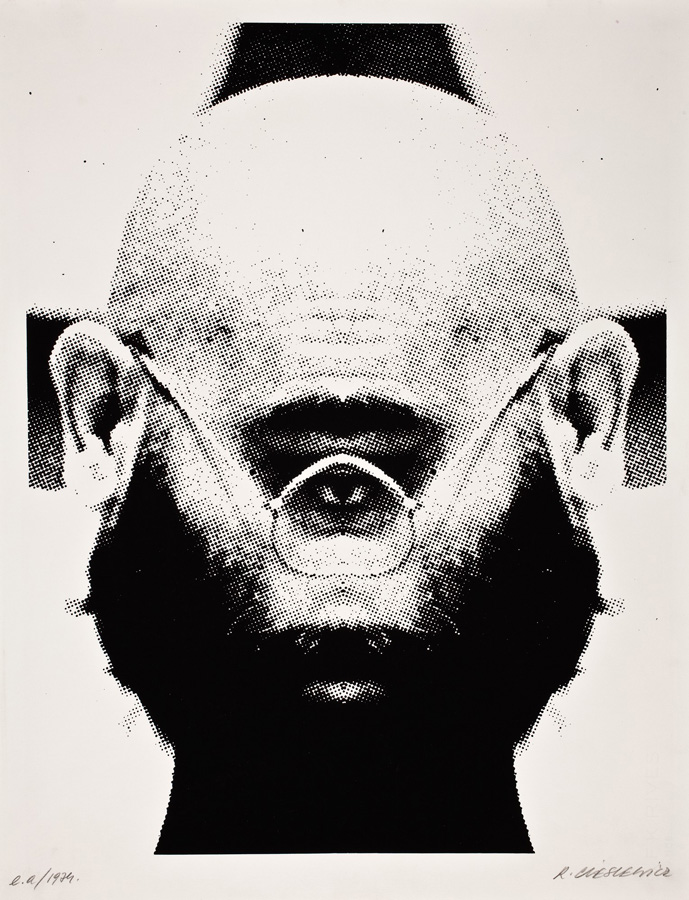
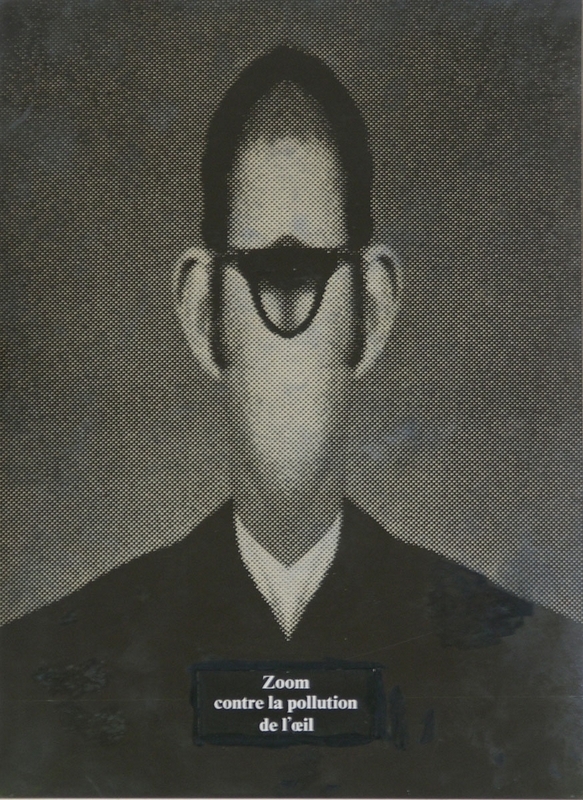
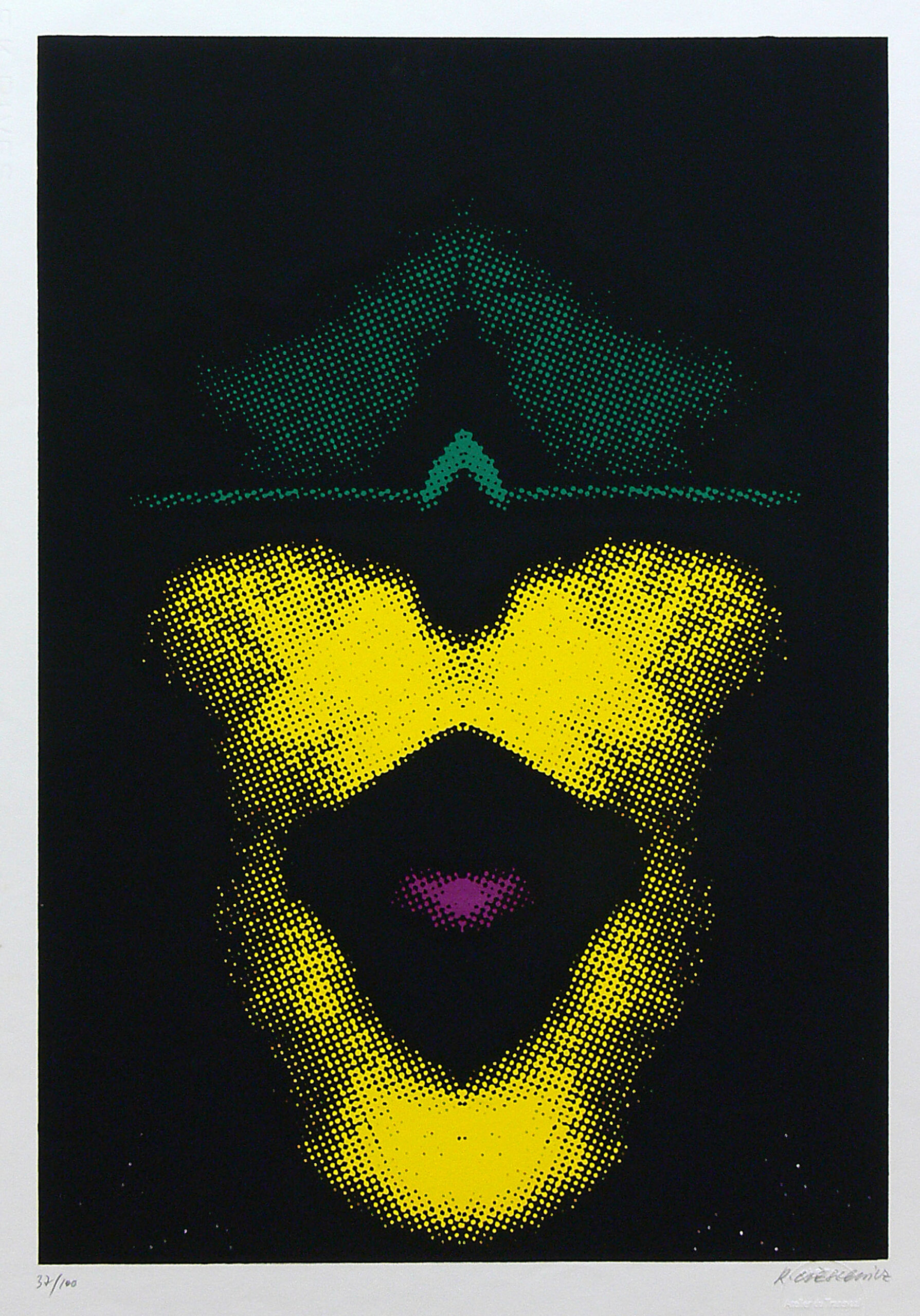
Alongside his commercial work, Roman Cieślewicz pursued an intense independent artistic practice. He created posters, collages, and graphic series with a distinctly critical and anti-systemic character.
His works addressed themes such as:
media manipulation
violence and war
totalitarianism and propaganda
consumerism
the dehumanization of the modern world
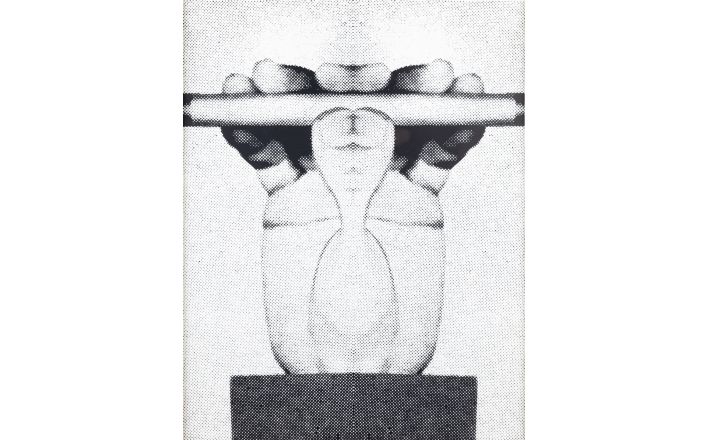
His visual language was characterized by repetitive motifs, distorted faces, symbols of power, and aggressive typography. His aesthetics were often described as brutal, yet always precise and intellectually uncompromising.
Roman Cieślewicz was also a respected educator. He taught, among other institutions, at the École Supérieure d’Arts Graphiques in Paris, where he exerted a profound influence on subsequent generations of designers.
He taught students how to think through images, critically analyze media, and understand the designer’s responsibility for visual communication. For him, graphic design extended far beyond aesthetics—it was a tool of communication and resistance.
Roman Cieślewicz received numerous international awards in the fields of graphic design and poster art. His works are held in the collections of major museums and art institutions worldwide.
He is regarded as:
one of the most important figures of the Polish School of Posters
a pioneer of modern editorial design
an artist who successfully merged art, politics, and mass media
Roman Cieślewicz died in 1996 in Paris. He left behind a vast artistic legacy that continues to serve as a point of reference for graphic designers, visual artists, and theorists.
His work remains strikingly relevant, as it addresses universal mechanisms of power, image manipulation, and the role of media in the contemporary world. The legacy of Cieślewicz lives on both in museum collections and in the practice of contemporary graphic design.