This is a demo store for testing purposes — no orders shall be fulfilled. Dismiss
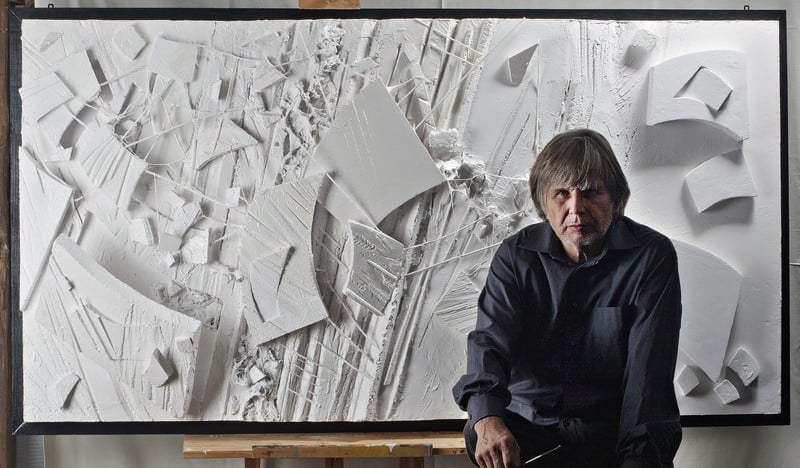
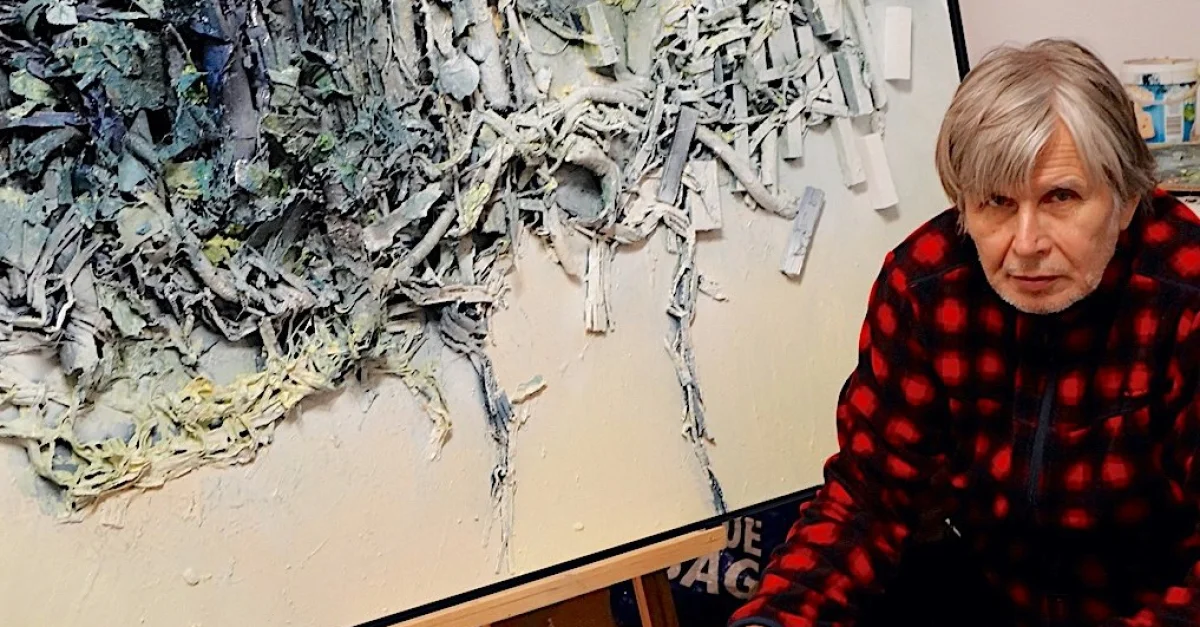
Skip to contentTadeusz Baranowski, born January 6, 1945, in Zamość, Poland, is a Polish painter and one of the most distinctive comic book authors in Polish popular culture.
He grew up in Lublin, where his father served as director of the local Fine Arts High School. He graduated from the Stanisław Staszic High School for Boys in Lublin, and from 1962 to 1969, he studied at the Academy of Fine Arts in Warsaw, at the Faculty of Graphic Arts and Painting. He began his studies in the atelier of Prof. Artur Nacht-Samborski, later continued under Prof. Aleksander Kobzdej. During this time, he was influenced by Zdzisław Jurkiewicz, and in 1965, he traveled to Paris. He graduated in 1969 with honors and was a member of the art group AUT.
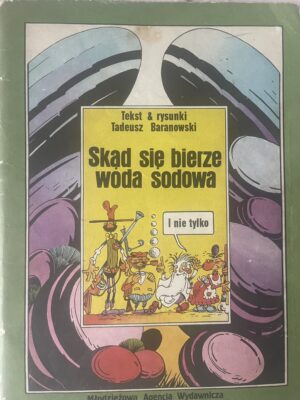
After graduation, he began working as a graphic designer, contributing to publications such as Przyjaciółka, Świat Młodych, Razem, and Na Przełaj. His first comic strip was drawn at the encouragement of journalist Jerzy Dąbrowski. Titled That Infernal Barnaba, it was published in Świat Młodych in 1975. From 1976, Baranowski’s comics regularly appeared in that magazine.
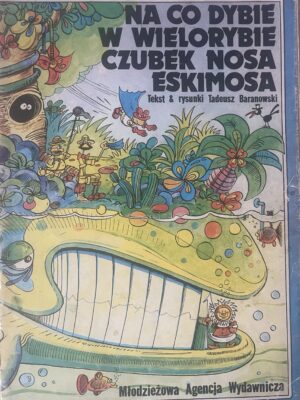
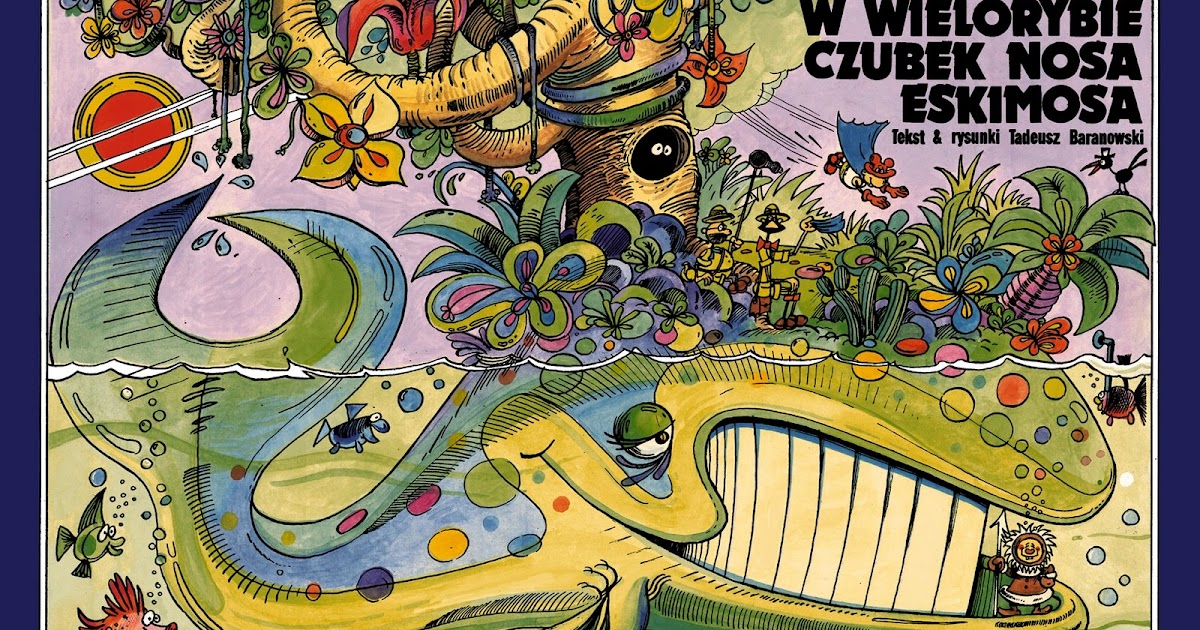
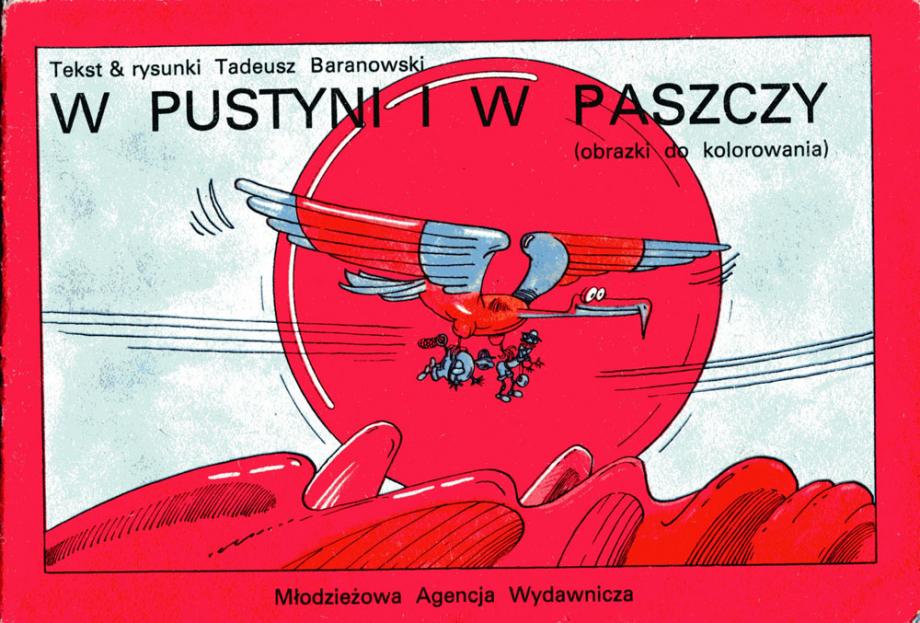
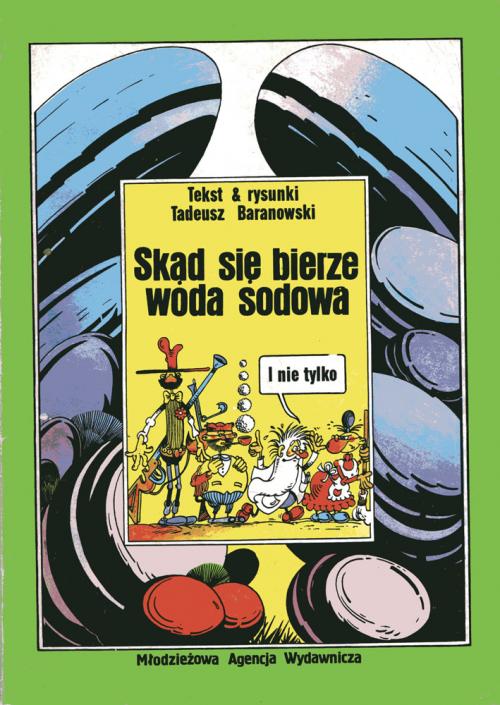
His first album, What’s That Eskimo’s Nose Doing in the Whale?, was published in 1980 by the Youth Publishing Agency (Młodzieżowa Agencja Wydawnicza).
In 1984, Baranowski worked as a colorist on the Thorgal series with Grzegorz Rosiński, and the same year began collaborating with the Belgian publisher Éditions du Lombard. His comics were featured for four years in the magazine Tintin, where he illustrated scripts by Belgian writers BOM and Jean Dufaux. Around this time, he also created part of the illustrations for a luxury edition of Jacques Brel’s songs, published in Belgium and France.
In the late 1980s and 1990s, he worked as a graphic editor for several children’s and youth magazines, including Ja, Ty, My, Juppi!, and Jupik. His comics and illustrations also appeared in VideoFan, Fantazja, Super Boom!, and Świat Komiksu.
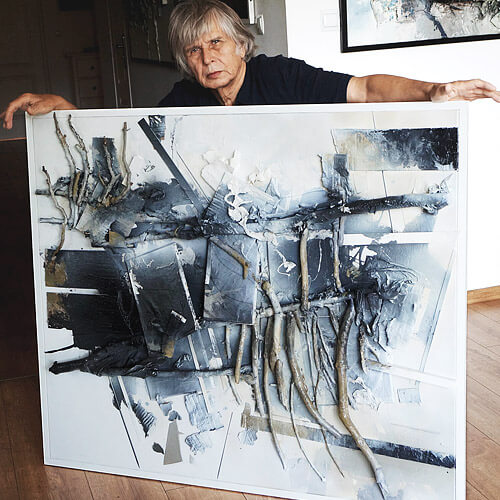
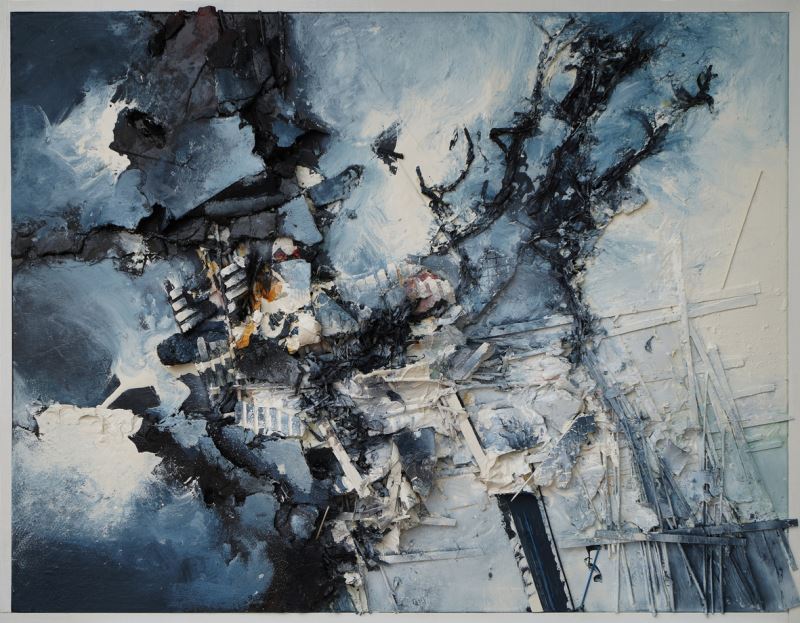
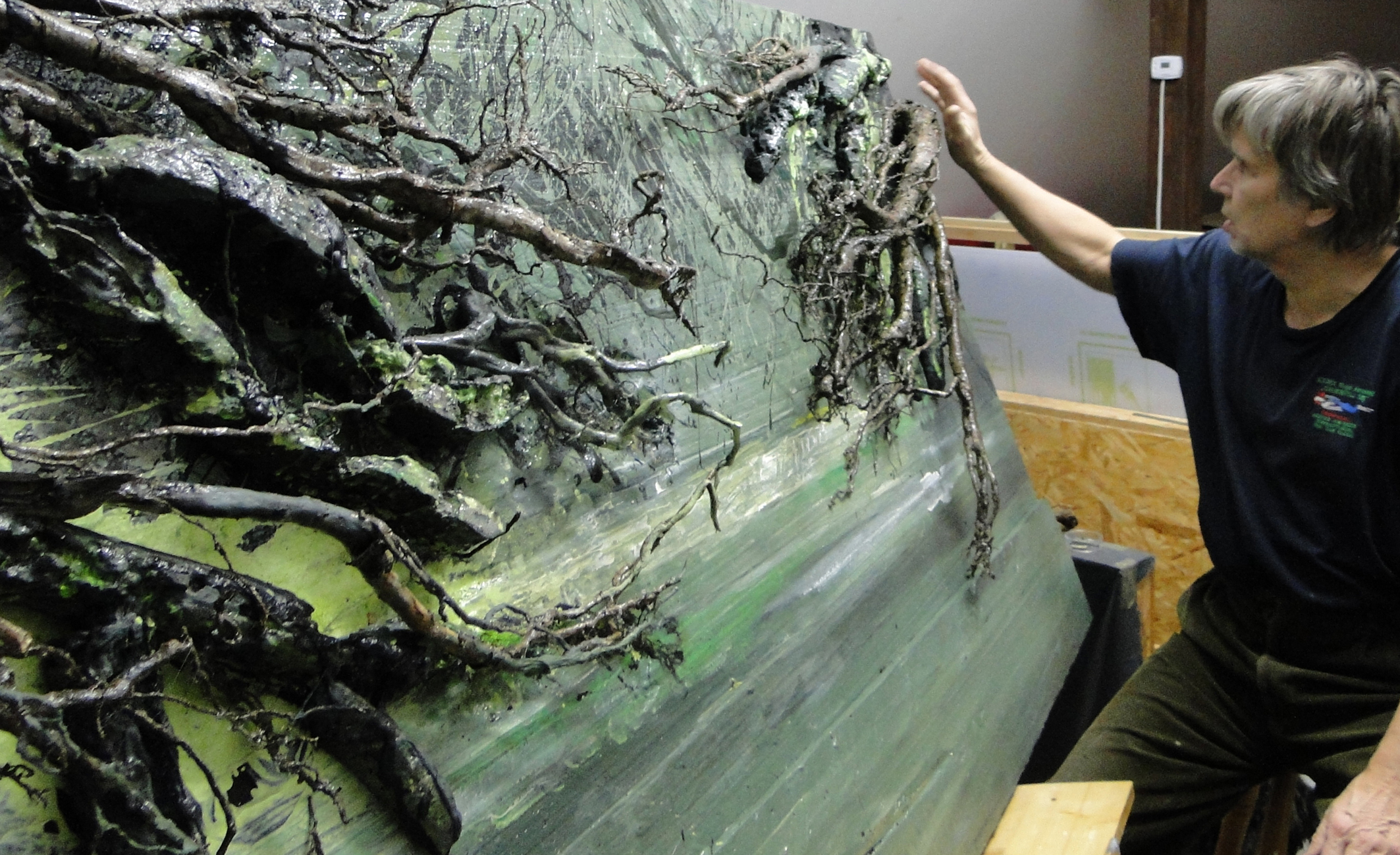
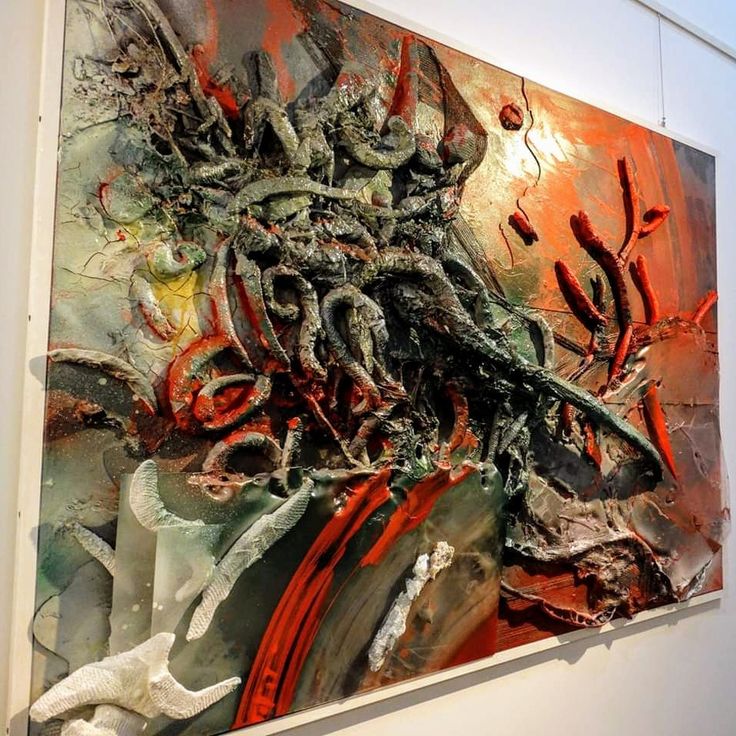
In 2008, Baranowski returned to painting, which he had largely set aside in the late 1970s. Over the next 13 years, he created more than 200 paintings.
On May 31, 2007, Baranowski was awarded the Silver Medal for Merit to Culture – Gloria Artis by the Minister of Culture and National Heritage, Kazimierz Michał Ujazdowski, for his contributions to children’s culture. The same medal was also awarded to Henryk Jerzy Chmielewski and Janusz Christa.
In 2009, he received a Special Award from the Minister of Culture and National Heritage.
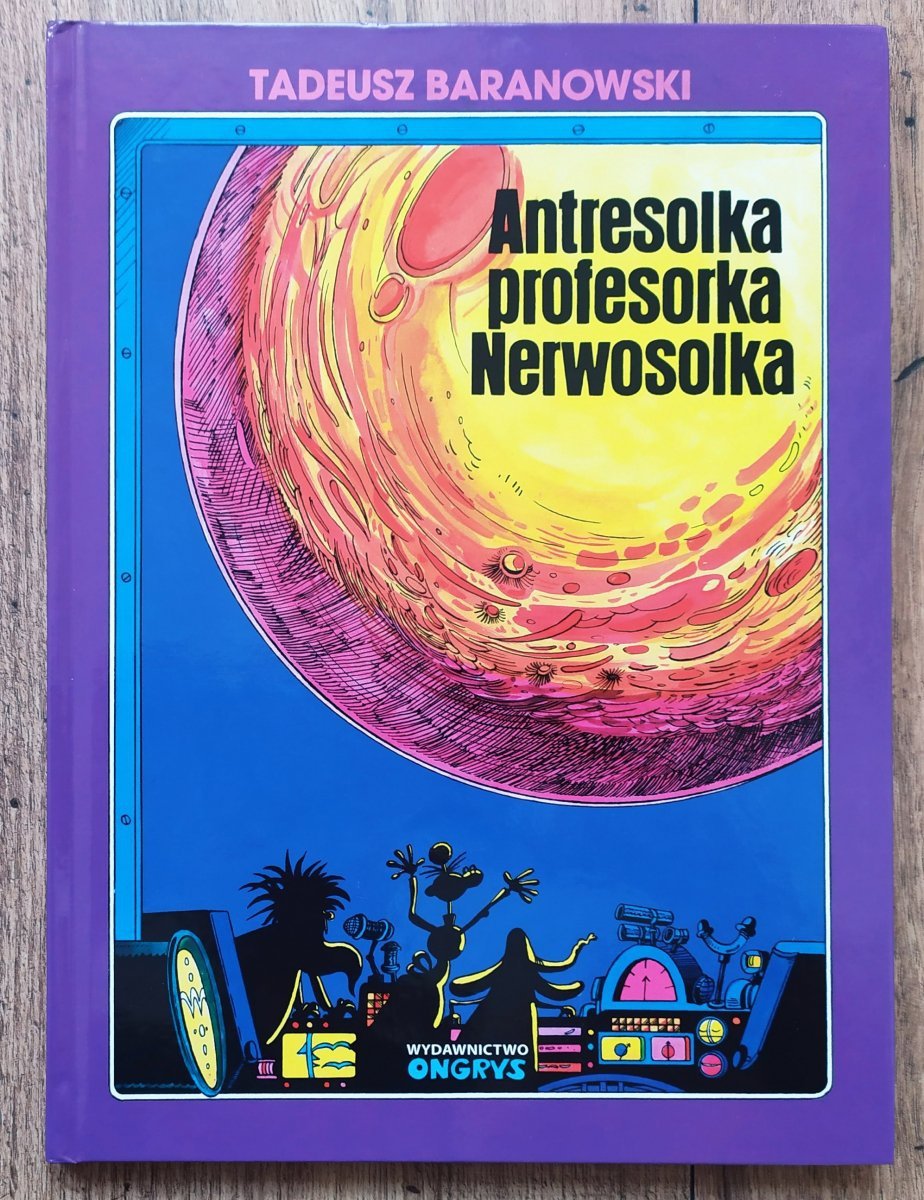
His comic Professor Nervosol’s Attic was included in Paul Gravett’s 1001 Comics You Must Read Before You Die.
On September 14, 2024, during the 35th International Festival of Comics and Games, he received the Golden Cup – Janusz Christa Award.
He was nominated to the Hall of Fame (2025) in the Best Artist category by the European Science Fiction Society (ESFS).
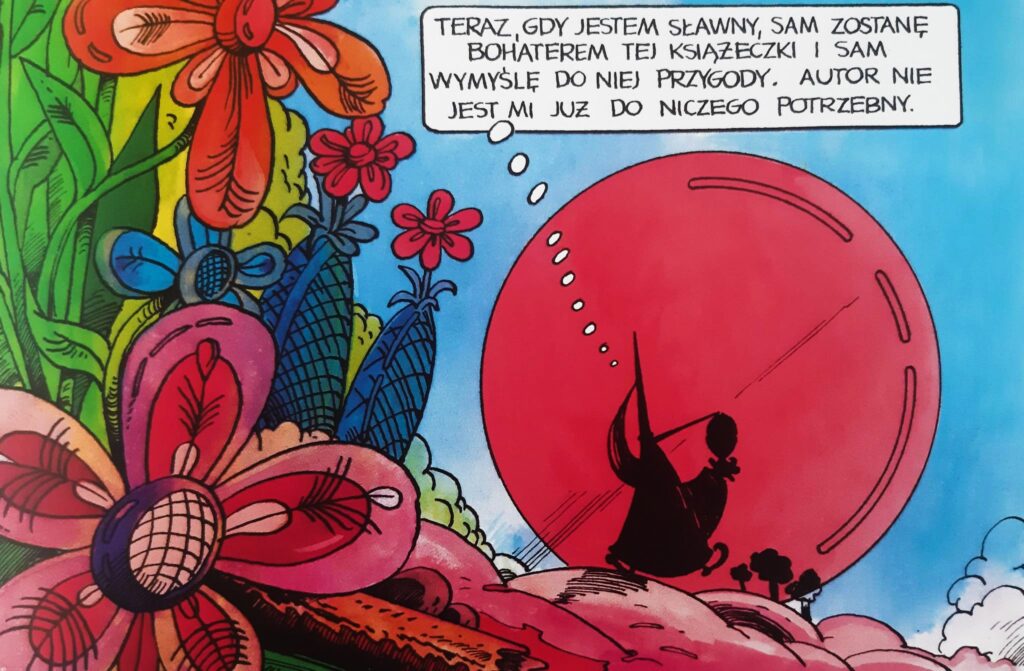
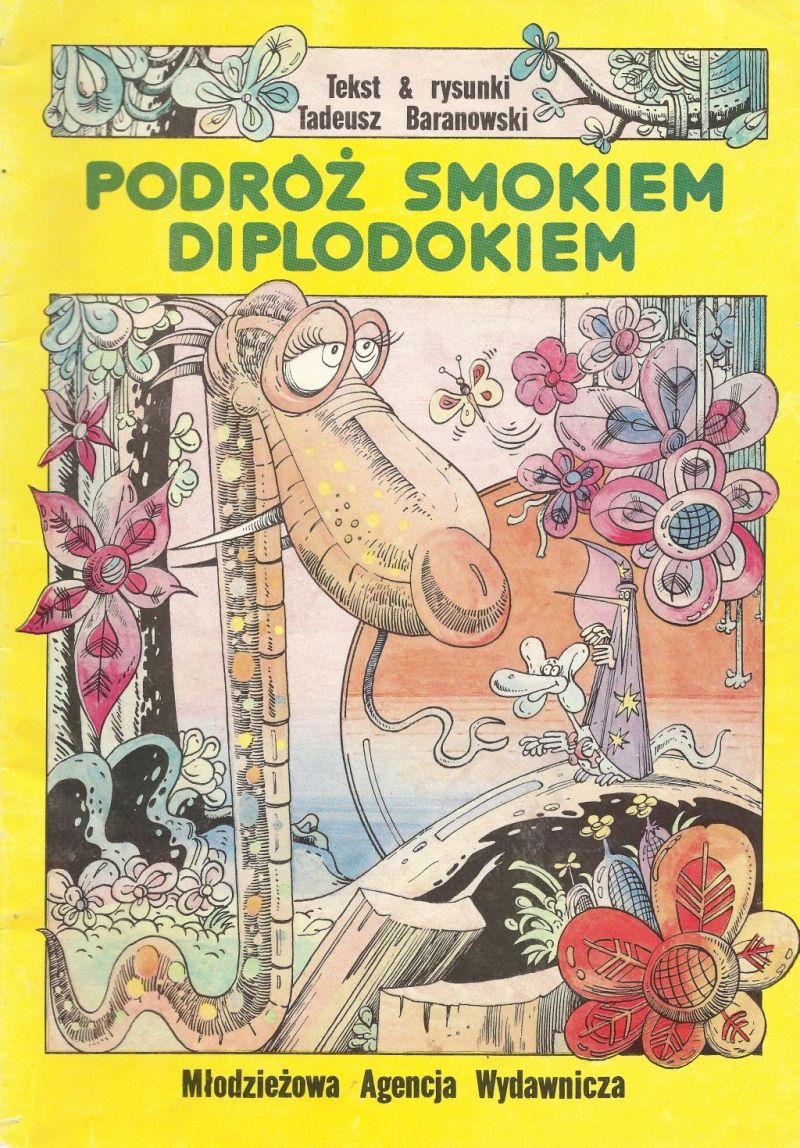
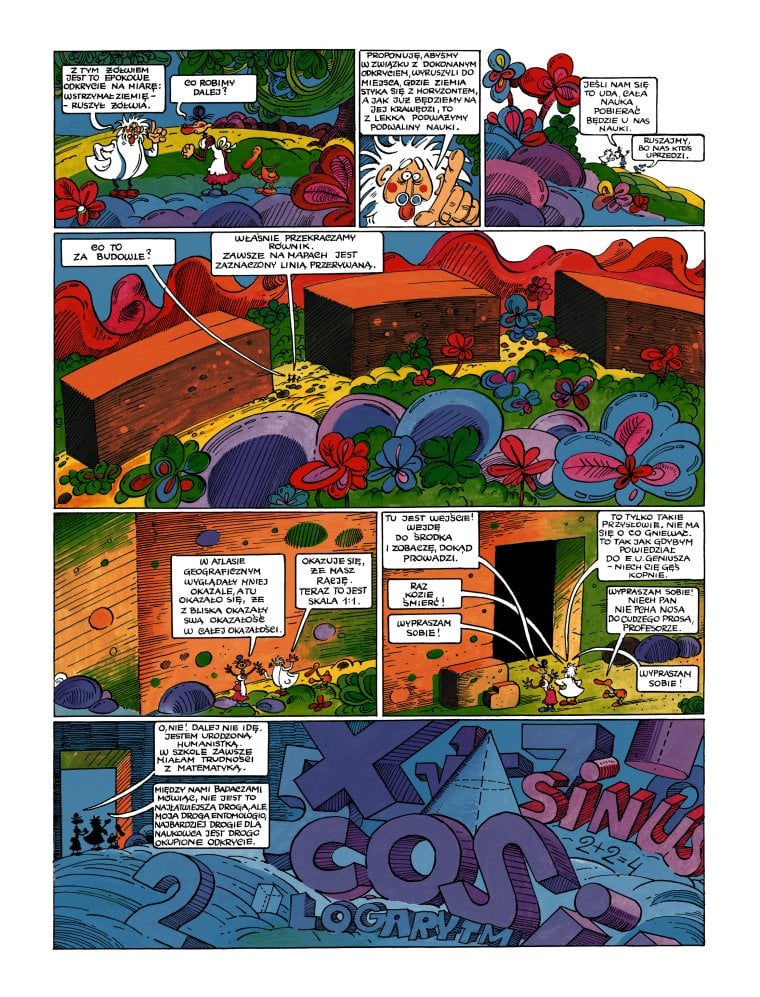
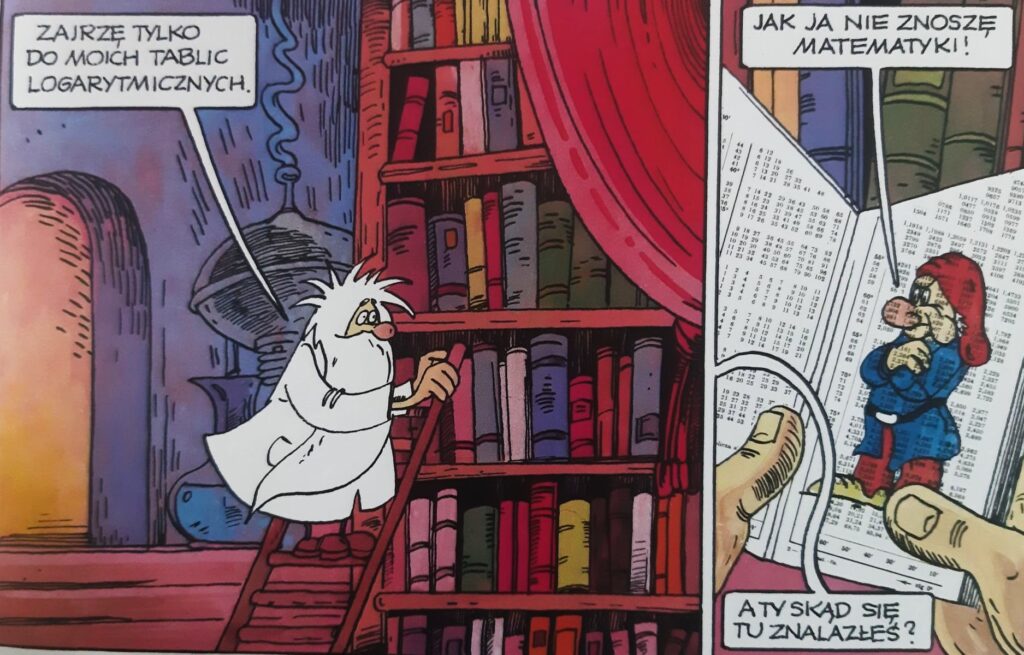
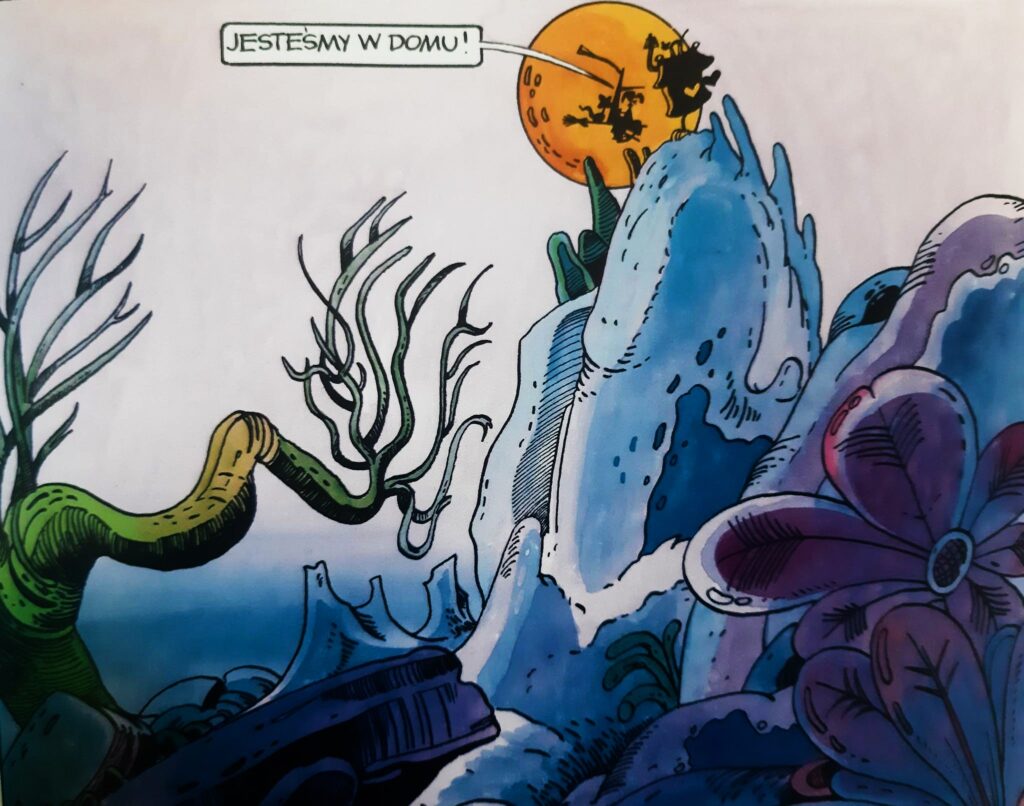
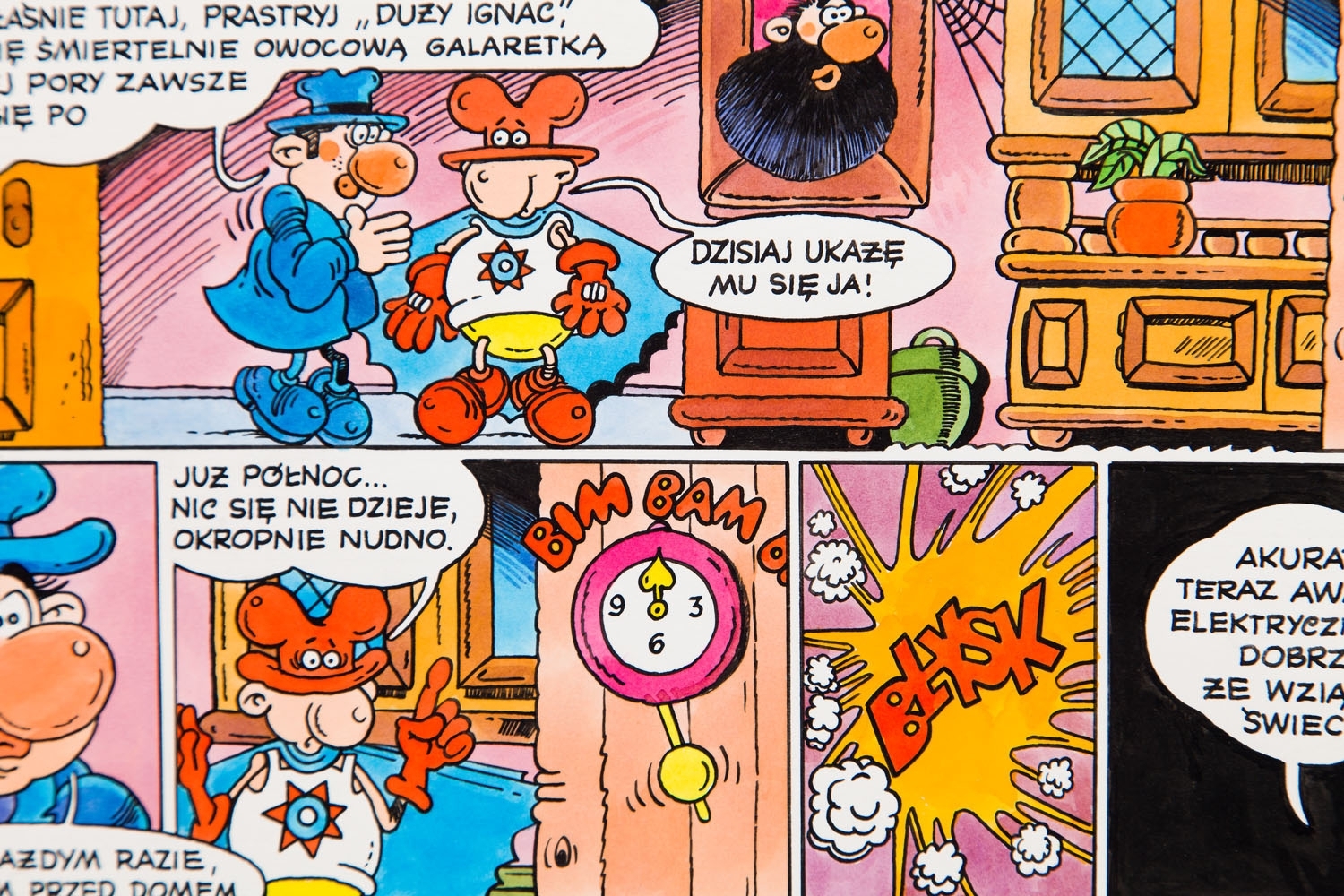
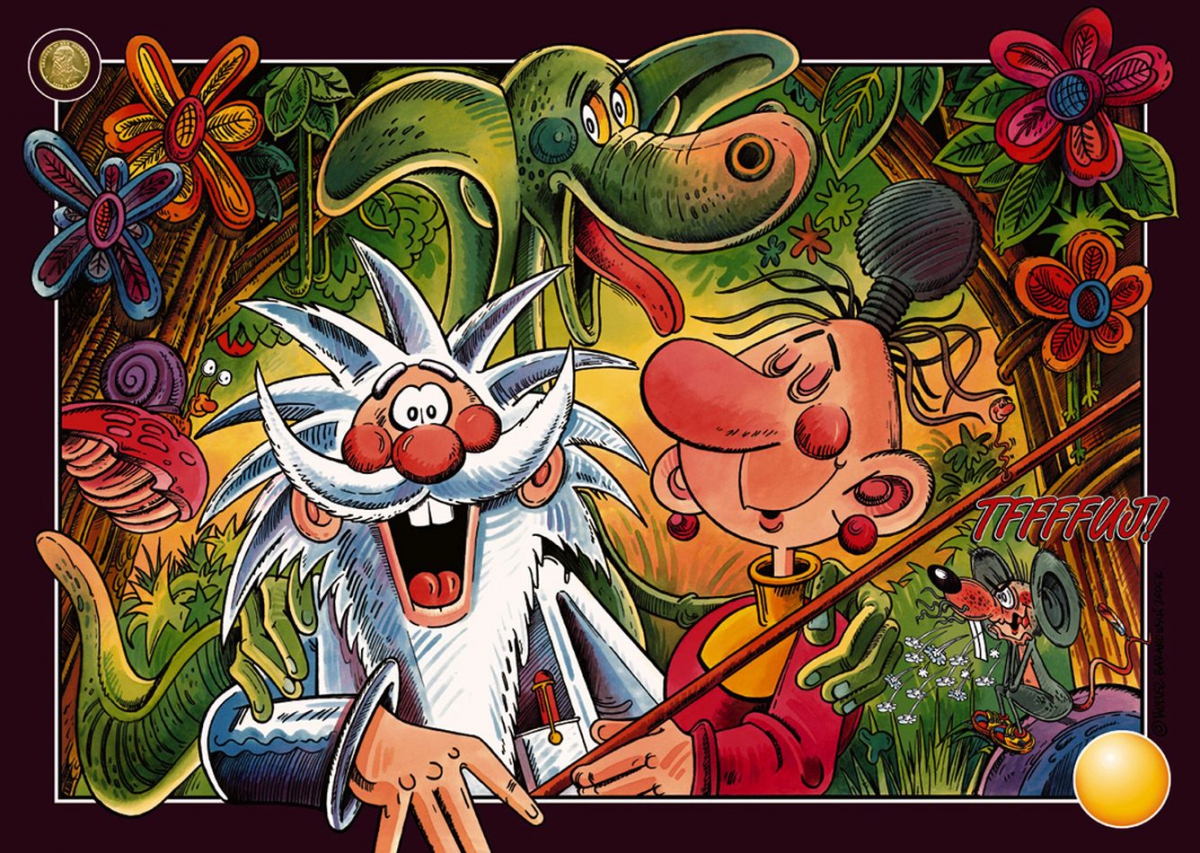
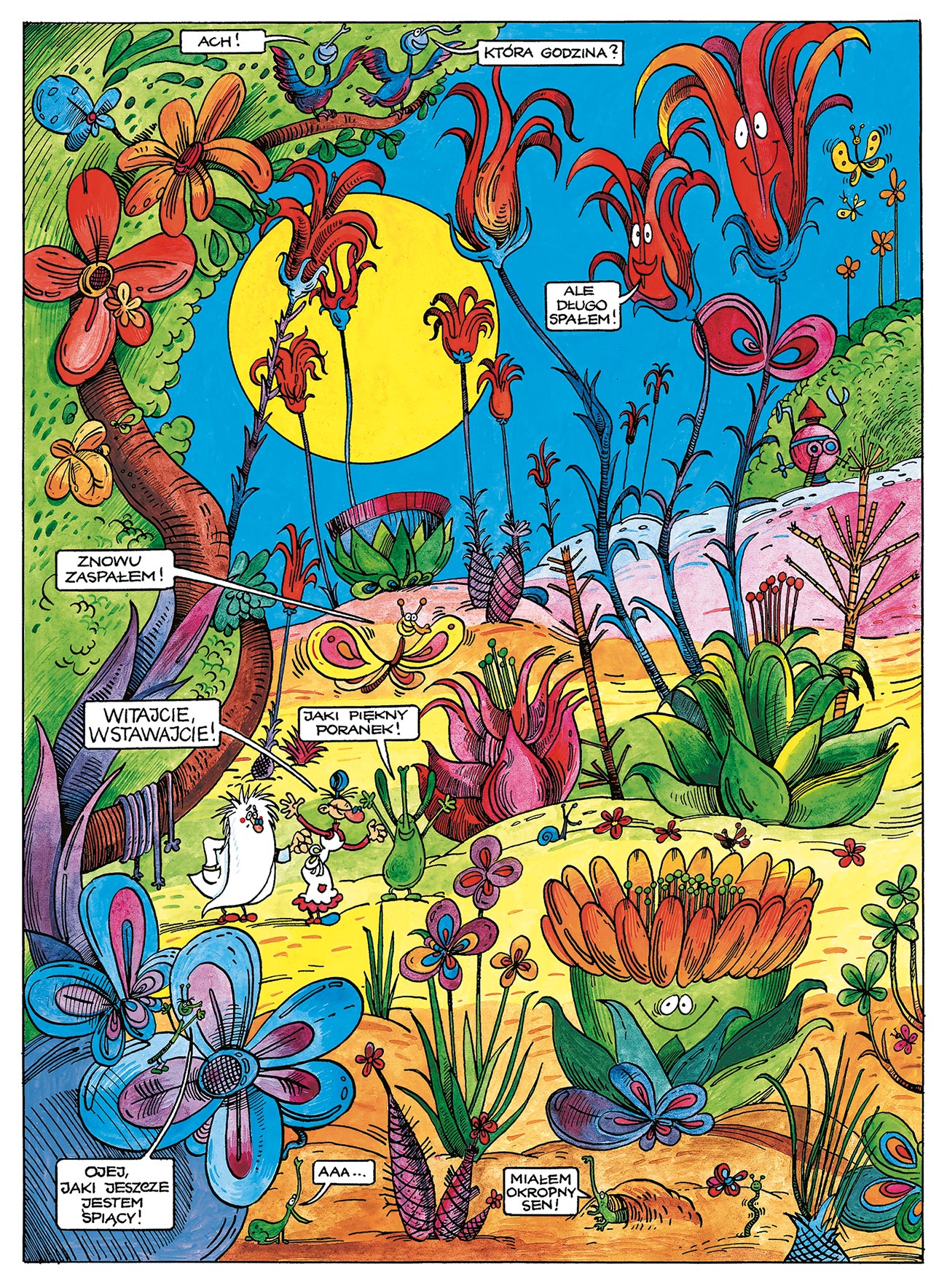
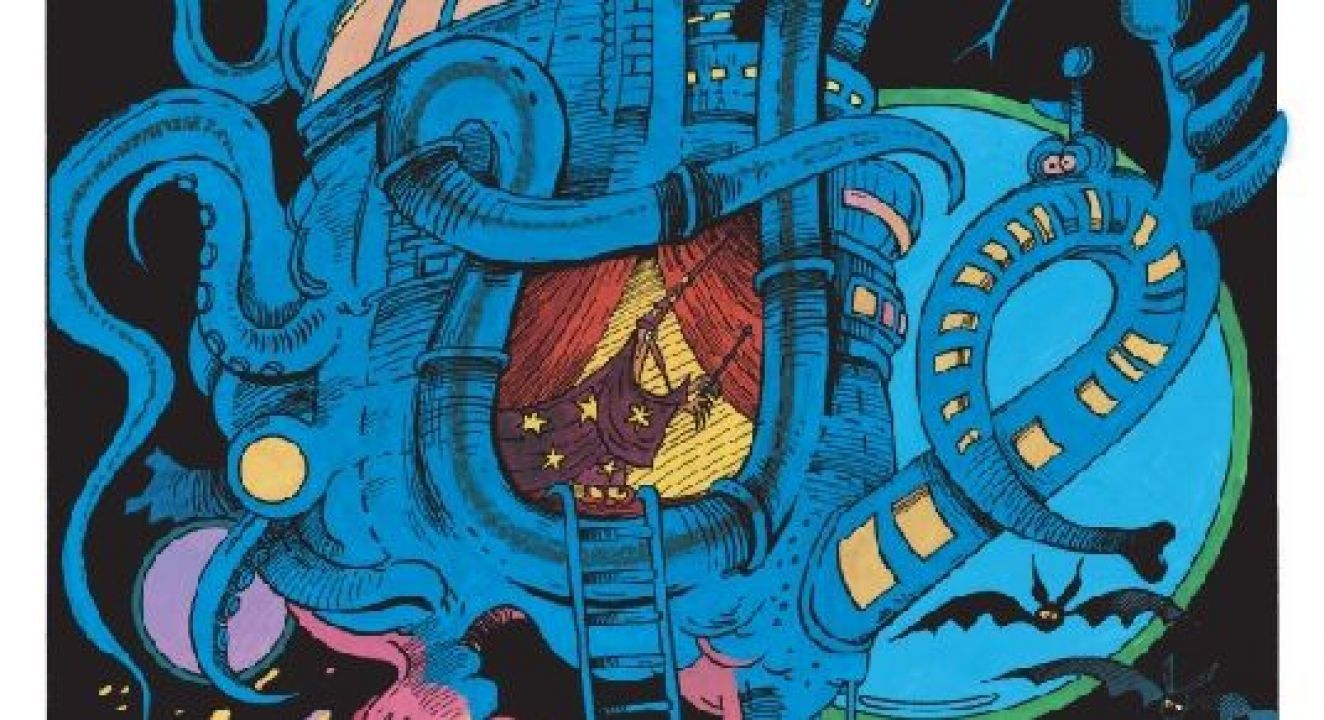
Tadeusz Baranowski’s artistic style is a distinctive blend of surrealism, grotesque, and absurd humor, making him one of the most recognizable figures in Polish comics. Key elements of his work include:
Rich detailing – Each panel teems with minute, often plot-irrelevant elements that build a fantastical world.
Organic shapes – He avoids sharp lines, favoring flowing, plant-like, biomorphic forms.
Vivid color – Especially in his later works, his palettes are bold, even psychedelic.
“Living line” technique – Dynamic, gently vibrating contours give his illustrations a sense of motion and energy.
Surreal narratives – His stories often follow absurd or illogical plots that are cohesive within their own universe.
Wordplay and neologisms – Characters speak in puns, strange names, alliterations, and deliberate linguistic distortions.
Baranowski created many memorable characters, including:
Orient Men, Bąbelek and Kudłaczek, Professor Nerwosolek and Entomology Motylkowska, Practical Man, and Szlurp and Burp.
1969–1971 – Numerous national and international group exhibitions, including:
Student Exhibition of the Warsaw Academy of Fine Arts (Helsinki)
The Youngest Generation (Galeria Współczesna, Warsaw)
Polish Contemporary Art Exhibition (West Berlin)
Polish Young Art (BWA Sopot, BWA Lublin, Galeria MDM)
Festival of Polish Contemporary Painting (Szczecin, Zachęta Warsaw)
1988 – Polish Comics group exhibition, Sierre International Comics Festival (Switzerland)
1998–2000 – La bande dessinée en Pologne 1919–1998, shown in France and at the Angoulême International Comics Festival
2009 – Siusiu w torcik, Zachęta National Gallery, Warsaw
2010–2015 – Masters of Polish Comics (Łódź), Subconsciousness (Warsaw), Assemblages (Łódź)
2017–2019 – Polish Comics at international festivals in Stockholm, Paris, Berlin
2020–2021 – Polish Comics at KomMissia (Moscow), Miejsce w dymku (BWA Jelenia Góra), Slovo a obraz (Bratislava)
2022–2023 – Generation ’45 Retrospective (Warsaw), Non-obvious Painting (Oświęcim, DAP Gallery Warsaw)
2024–2025 – Tadeusz Baranowski. Śmieszy, tumani, przestrasza (Makes You Laugh, Confuse, and Frighten), Center for Comics and Interactive Narration, Łódź
2024 – El cómic polaco aterriza en Barcelona, Comic Barcelona