This is a demo store for testing purposes — no orders shall be fulfilled. Dismiss
Skip to contentIllustrator of childhood, painter of words, magician of imagery
In a world where words and images intertwine to tell stories, Teresa Wilbik‑Stanny was one of those rare artists who could paint silence, reflection, childhood imagination, and emotions in their purest form.
Born in 1938 in Warsaw, she began her art studies in 1959 at the Academy of Fine Arts in Warsaw in the painting studio of Eugeniusz Eibisch. After two years, she transferred to the Faculty of Graphic Arts, studying illustration under Jan Marcin Szancer. She graduated with distinction in 1964.
From 1971 to 1972, she worked as an art editor and graphic designer at the publishing house Nasza Księgarnia, with which she continued to collaborate throughout her career. From the beginning, she followed a path of emotional precision—never overwhelming with excess, but rather with the tenderness of her line, the harmony of color, and the fullness of suggestion.
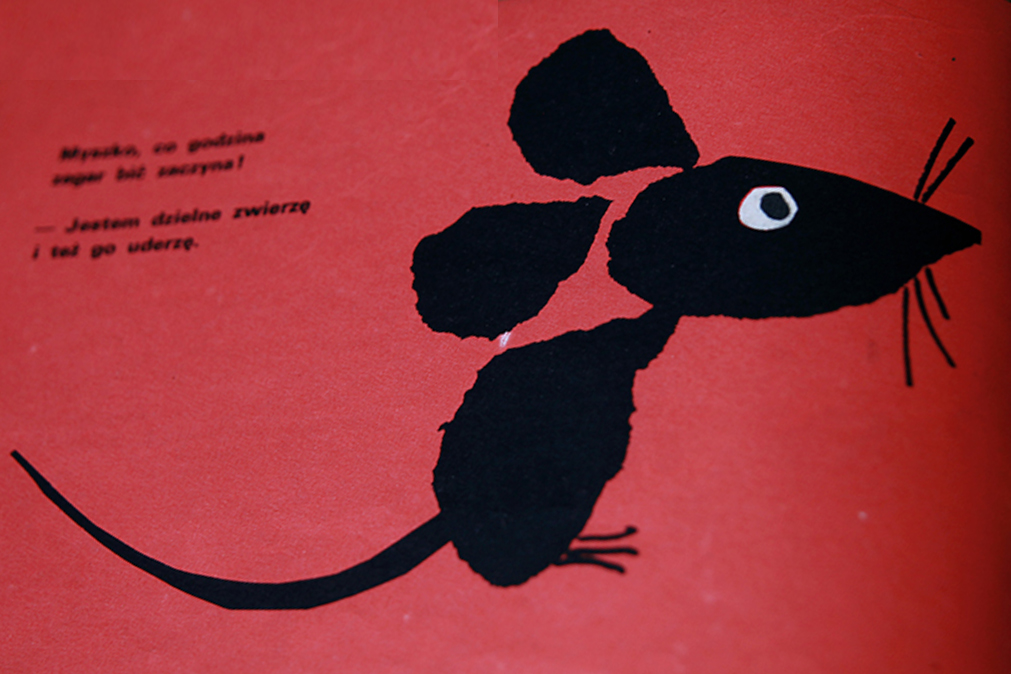
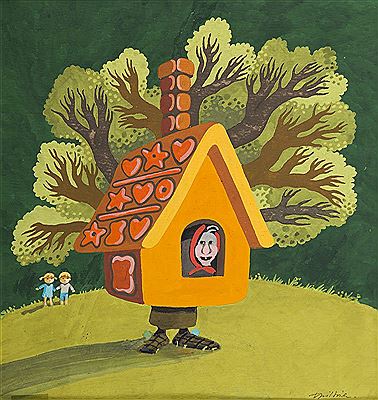
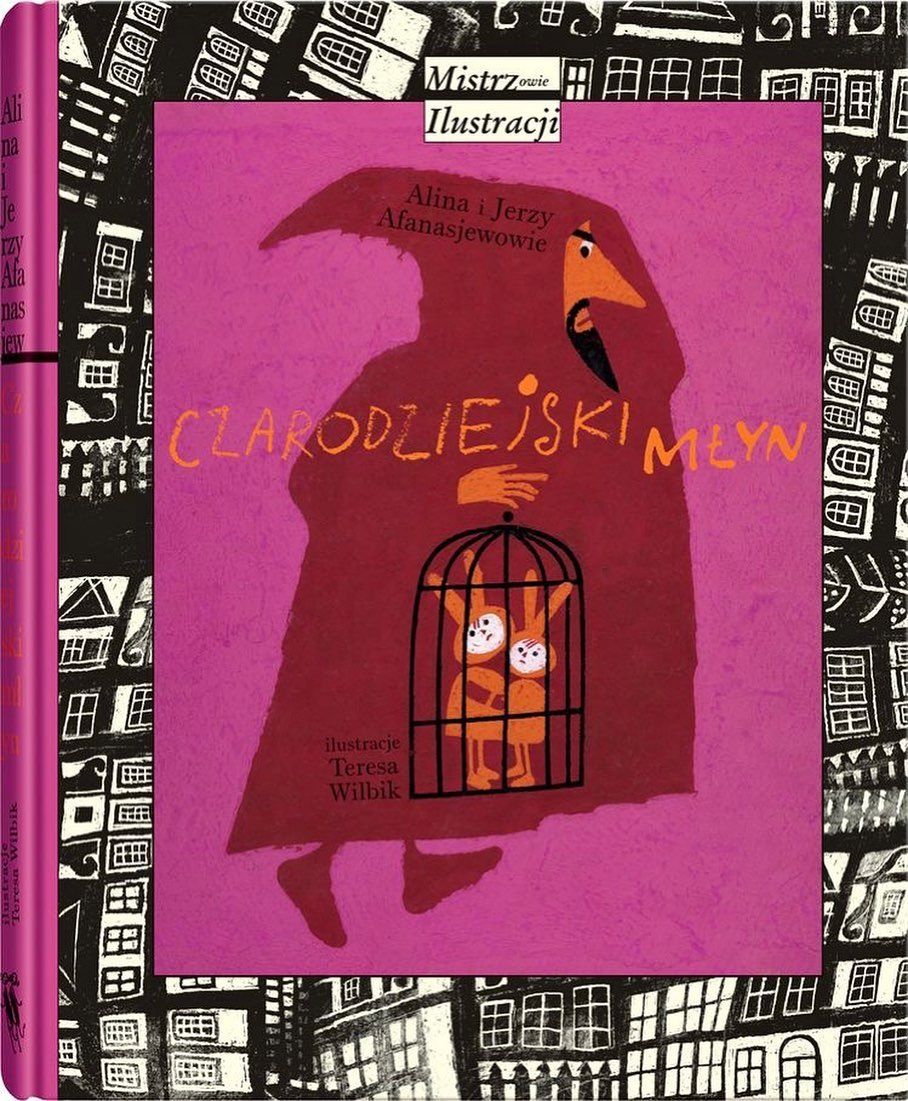
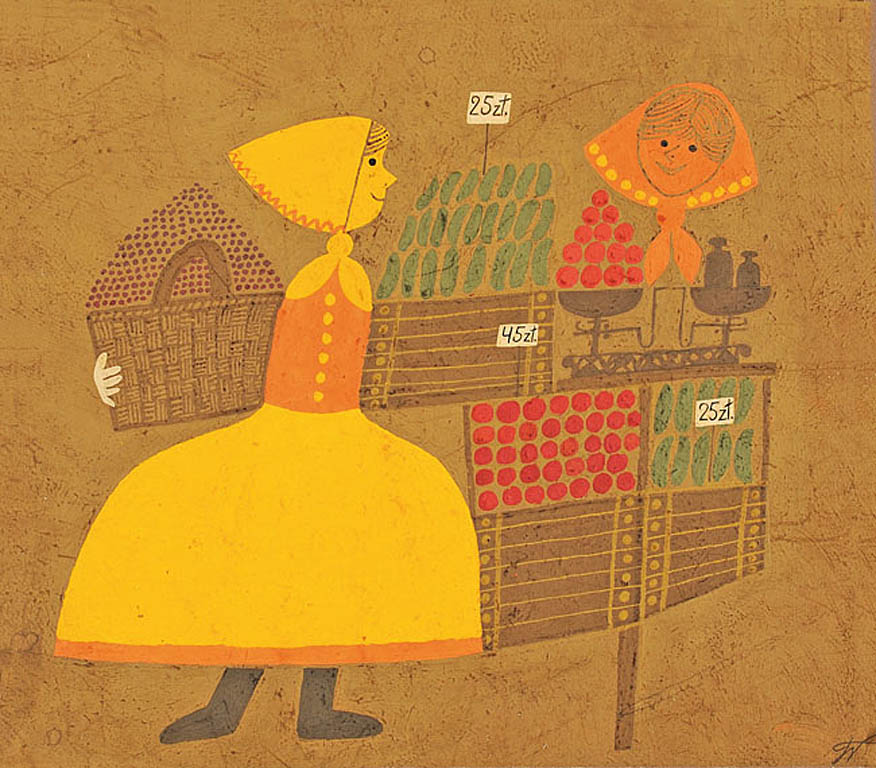
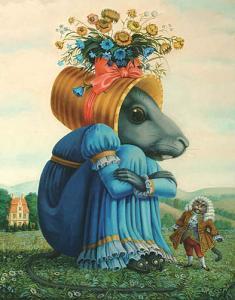
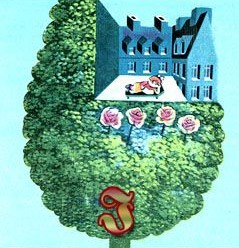
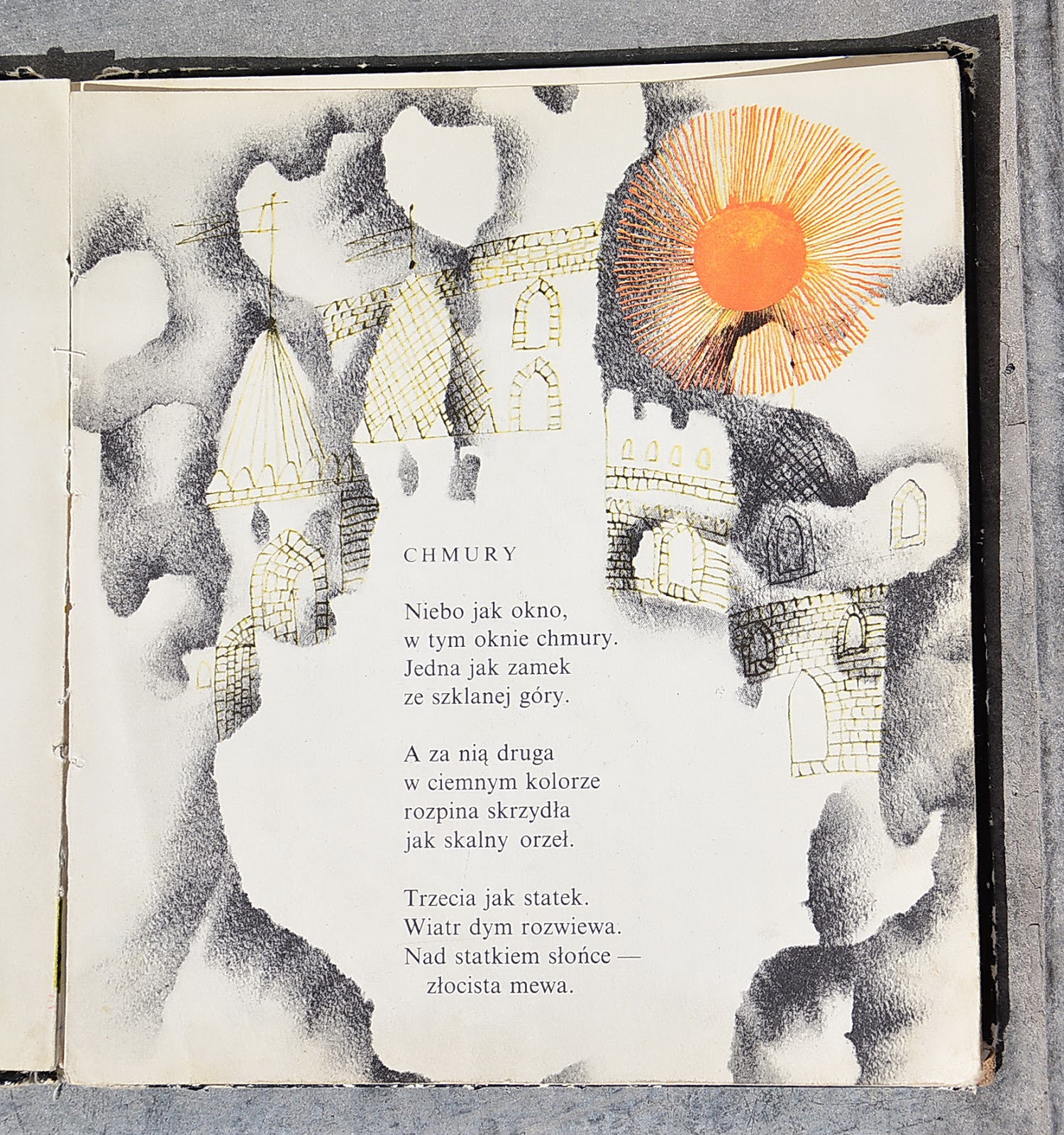
Her illustrations—rich in pastel tones, Art Nouveau elegance, and theatrical stylization—transported young readers to the fairy-tale worlds of Andersen, Perrault, or Brzechwa, while also resonating deeply with the everyday: in the poems of Chotomska, the adventures of Pan Samochodzik, and gentle stories about animals, families, and dreams. She employed innovative techniques to give each book a unique character, using both drawing and painting. Her warm, friendly characters and soft linework introduced young readers to the world of childhood fantasy. This is evident in her linear illustrations for O małej spince i dużym pstrągu by Adam Bahdaj and painterly images in Czarodziejski młyn by Jerzy Afanasjew.
Wilbik-Stanny’s style was painterly, inspired by the Renaissance and the European school of illustration, yet carried a unique tenderness—visible in both domestic scenes and fantastical landscapes. Her worlds were never saccharine; they were warm yet wise, lyrical yet subtly distanced.
She worked primarily with Nasza Księgarnia, also serving as a graphic editor, and her illustrations regularly appeared in children’s magazines such as Świerszczyk, Miś, Płomyk, and Ciuchcia.
She was also one half of an artistic duo—her husband was the renowned illustrator Janusz Stanny, with whom she formed one of the most celebrated partnerships in the history of Polish graphic art. Their family and creative life were later chronicled by their daughter Katarzyna Stanny in the 2024 biography W królestwie ilustracji (In the Kingdom of Illustration), a book that is both a historical document and a tribute to art and tenderness.
Despite receiving some of the most prestigious awards in the illustration world, such as the Golden Apple of BIB in Bratislava, the Prime Minister’s Award, a Silver Medal in Leipzig, and the IBBY Polish Section Medal, her art never sought applause. It spoke softly—through the texture of paper, the light on a child’s face, the curve of a leaf in a fairy tale drawing.
Toni, Mieczysława Buczkówna, Nasza Księgarnia, 1963
Pan Samochodzik i Templariusze, Zbigniew Nienacki, Nasza Księgarnia, 1966
Zoo, Jan Brzechwa, Nasza Księgarnia, 1966
Stragan Pani Jesieni, Barbara Lewandowska, Ruch, 1969
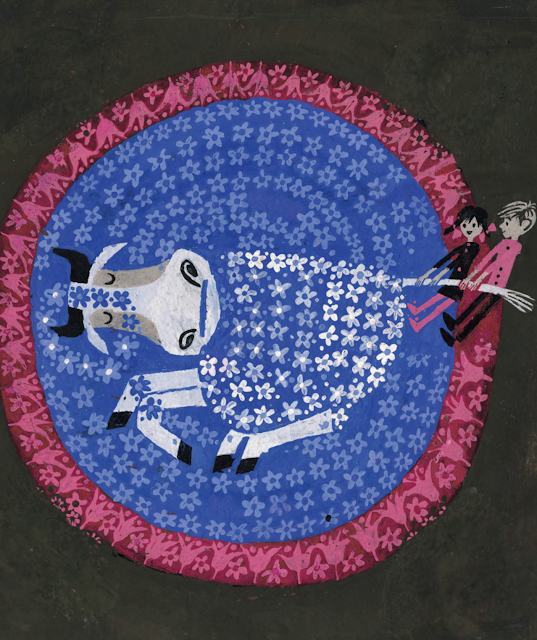
Czarodziejski młyn, Alicja & Jerzy Afanasjew, Ruch, 1970
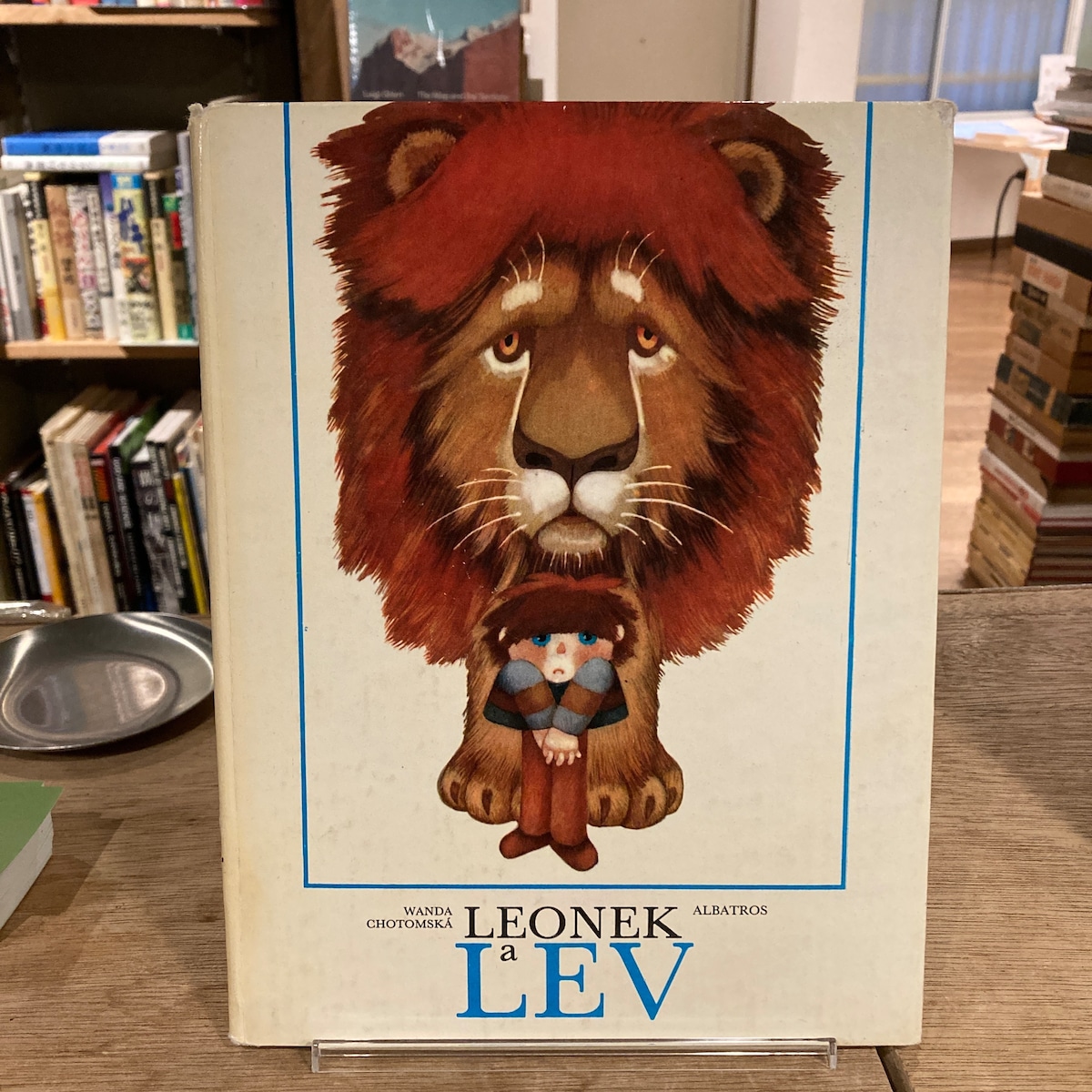
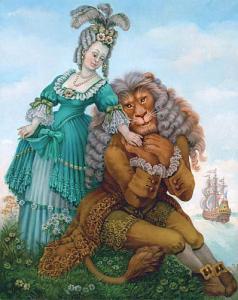
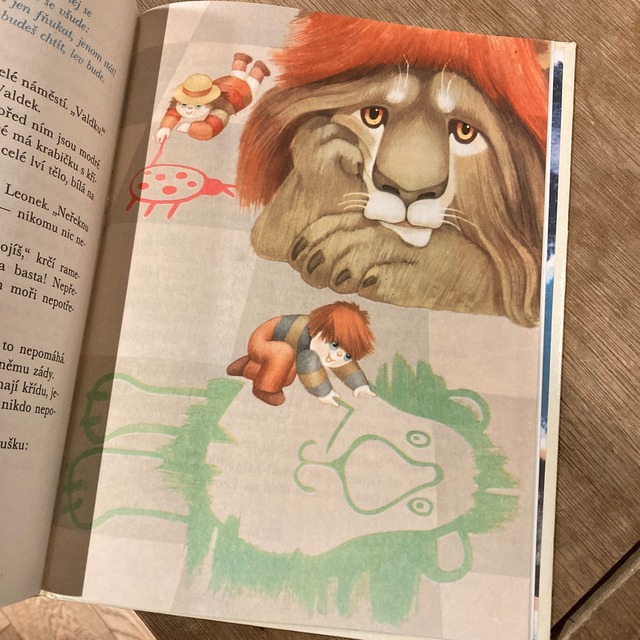
Leonek i Lew, Wanda Chotomska, Nasza Księgarnia, 1970
O małej spince i dużym pstrągu, Adam Bahdaj, Ruch, 1971
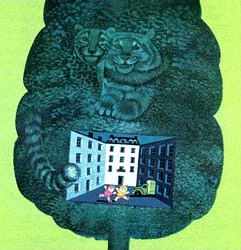
Księga strachów, Zbigniew Nienacki, Nasza Księgarnia, 1972
Kolory, Joanna Kulmowa, Nasza Księgarnia, 1973
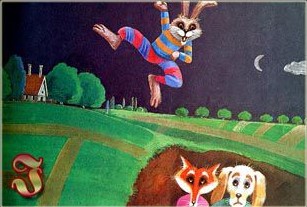
Joachim Lis – detektyw dyplomowany, Ingemal Fjell, Nasza Księgarnia, 1974
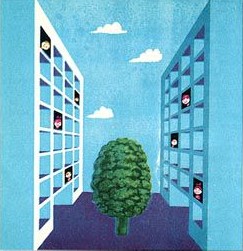
Drzewo do samego nieba, Maria Terlikowska, KAW, 1975
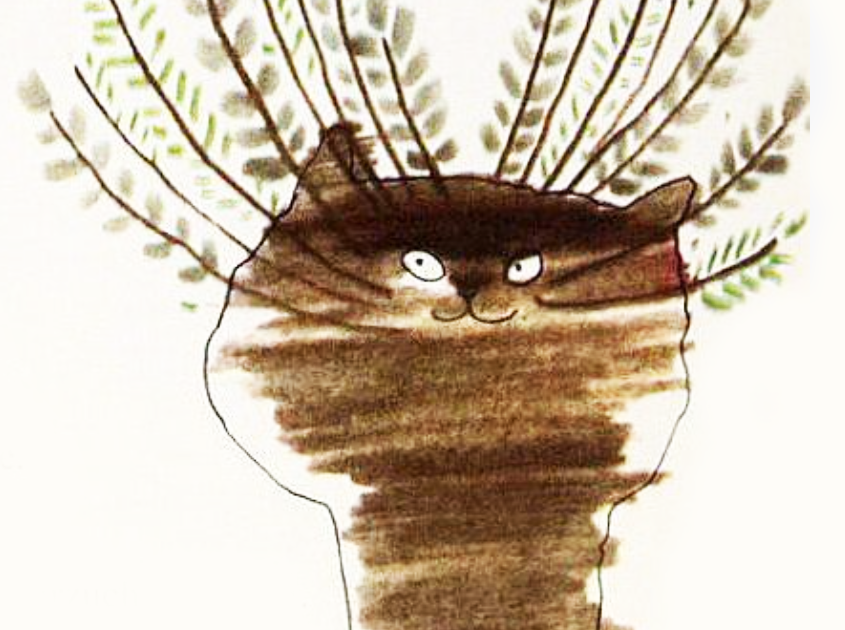
Ważna sprawa Kocimiętki, Maria Łastowiecka, Nasza Księgarnia, 1979
Jaś i Małgosia, Wanda Chotomska, Nasza Księgarnia, 1983
Rokiś i Kraina Duchów, Joanna Papuzińska, Nasza Księgarnia, 1984
Fables, Jean de La Fontaine, Nasza Księgarnia, 1985
Czarodziejski młyn, Alicja & Jerzy Afanasjew, KAW, 1986
Słoń Trąbalski, Julian Tuwim, Nasza Księgarnia, 1988
Rokiś, Joanna Papuzińska, Nasza Księgarnia, 1988
Fairy Tales, Hans Christian Andersen, Plac Słoneczny 4, 1996
Unforgettable Poems for Children, Świat Książki, 2007
Kołysała mama smoka, Joanna Papuzińska, Wydawnictwo Literatura, 2008
Silver Medal, International Exhibition of Book Art (1971)
Distinction, National Book Art Exhibition, Leipzig (1973)
PTWK Distinction for graphic design of A gdzie ja się biedniuteńki podzieję by Joanna Papuzińska (1973)
Prime Minister’s Award for artistic work for children and youth (1978)
Golden Apple, Biennial of Illustration Bratislava (BIB) for Leonek i Lew (1979)
IBBY Honour List, Illustrator Category (Bratislava, 1980)
IBBY Polish Section Medal for lifetime achievement in children’s illustration (2007)
ZAiKS Award for lifetime achievement in children’s literature (2020)
Teresa Wilbik-Stanny left behind a world you can still enter—through books, through memories, through images. A world where children feel safe, and adults feel like children again.