
This is a demo store for testing purposes — no orders shall be fulfilled. Dismiss
Skip to contentdraughtsman, illustrator, comics creator
Waldemar Andrzejewski (born 14 September 1934 in Warsaw; died 29 March 1993, Warsaw) was a Polish graphic artist, illustrator, comics artist, poster designer, and postage stamp designer.
Waldemar Andrzejewski was a Polish draughtsman and illustrator whose artistic activity took place primarily in the second half of the twentieth century—a period of particular importance for the development of comics and illustration in Poland. His work is associated with the classical tradition of narrative comics, rooted in book illustration and press drawing.
Andrzejewski developed his artistic path on the basis of solid formal training and strong draftsmanship. He was a student at the Stefan Batory State Gymnasium and Lyceum in Warsaw. From 1954 to 1960, he studied at the Faculty of Graphic Arts of the Academy of Fine Arts in Warsaw, where he received his diploma in the poster studio of Professor Henryk Tomaszewski. Between 1963 and 1967, he traveled to France and Italy. From the outset of his career, he focused on the image as a carrier of narrative—clear, logical, and subordinate to storytelling. His works are characterized by realism of form, attention to detail, and an ability to depict complex scenes in a manner that remains legible to the viewer.
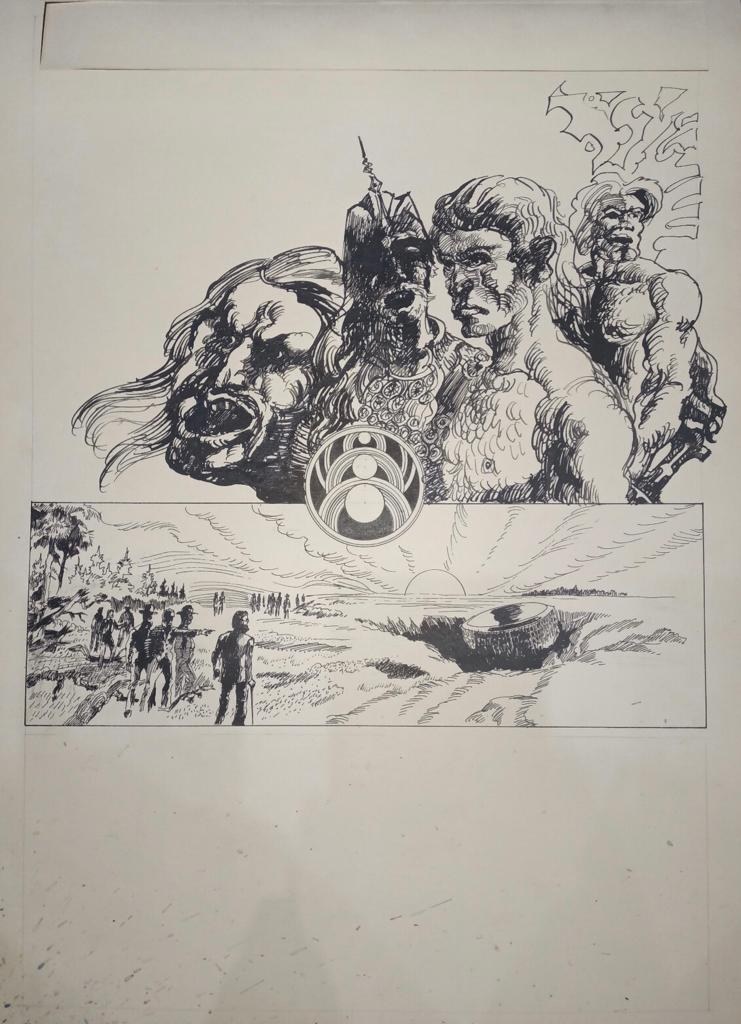
The most important area of Waldemar Andrzejewski’s activity was adventure and science-fiction comics, often with a strong educational dimension. He worked within the publishing realities characteristic of his era—comics appeared both as standalone booklets and in periodicals, reaching a wide audience of young readers.
One of the most recognizable titles in his oeuvre is the comic:
The Time Machine (Wehikuł czasu) — a classic example of science-fiction comics inspired by speculative and popular-science literature. The work combines adventure with reflection on history, the development of civilization, and the consequences of time travel. Its graphic layer is marked by a realistic approach to characters, architecture, and crowd scenes, while the narrative is clear and dynamic.
The Time Machine belongs to a current of comics that not only entertained but also shaped imagination and cognitive interests among young audiences—one of the key aims of Polish comics culture of the period.
In addition to full-length stories, Andrzejewski also created:
shorter comics forms,
educational and narrative panels,
illustrative story sequences published in magazines.
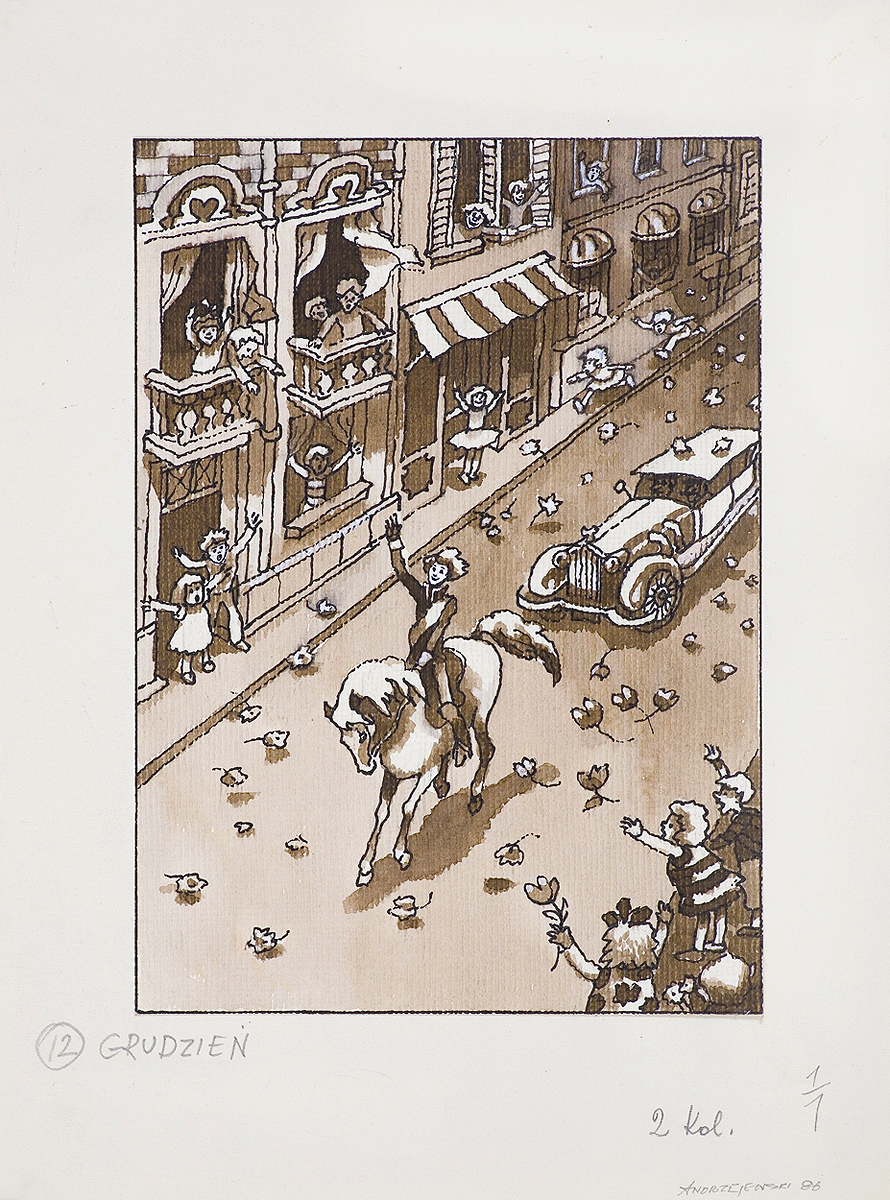
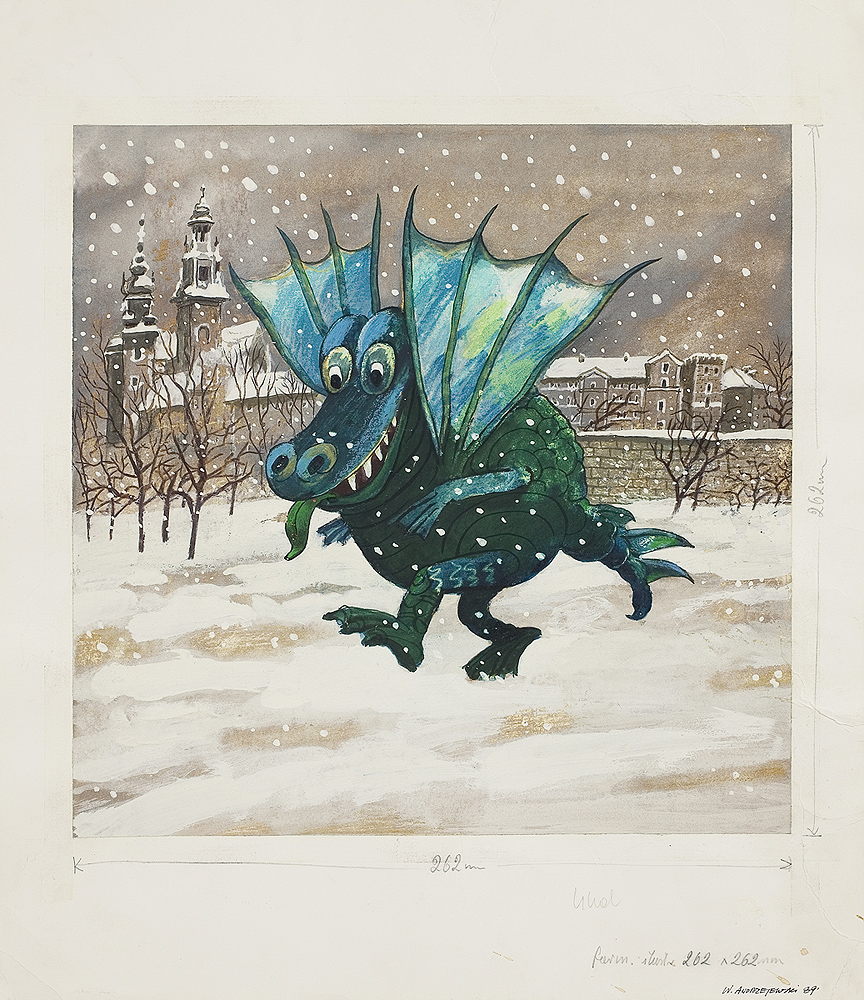
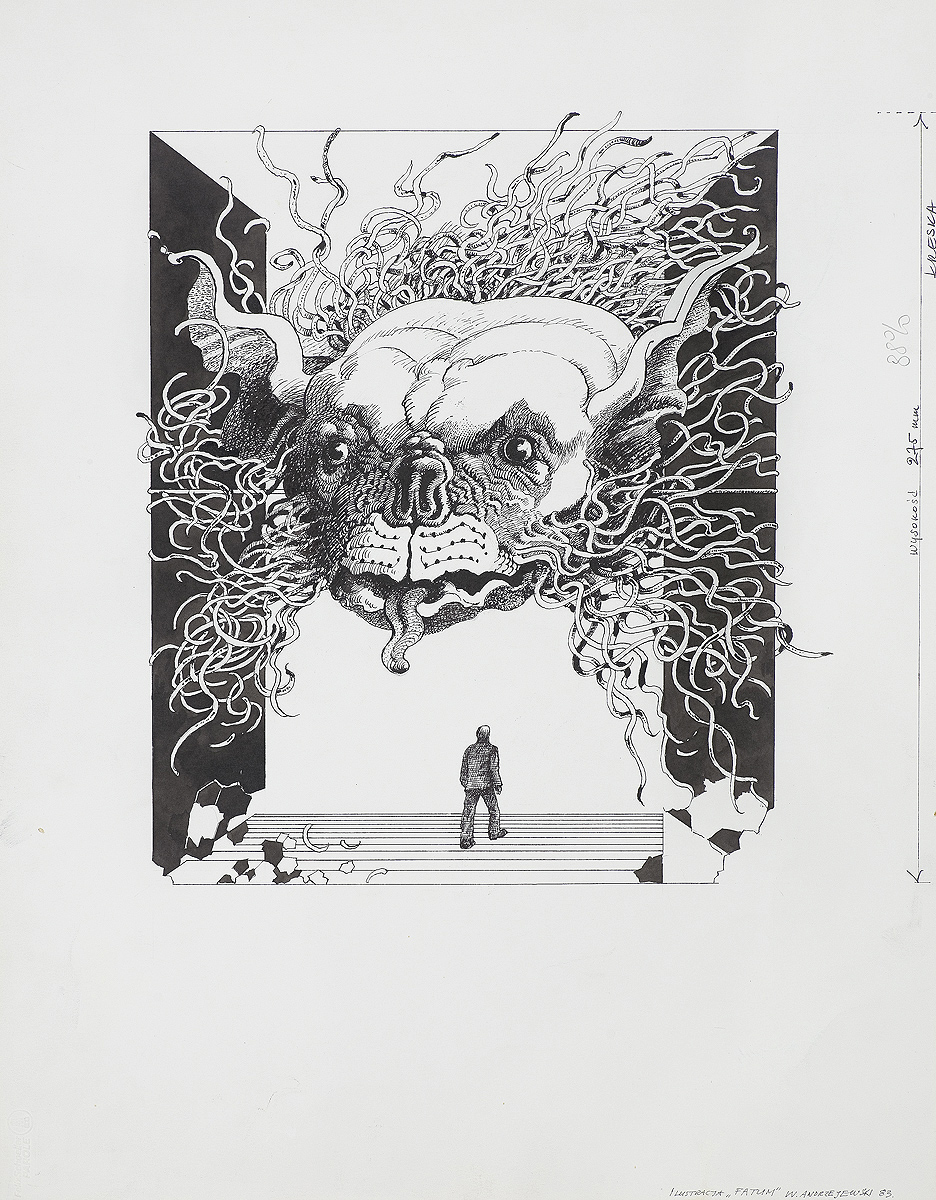
Alongside his comics work, Waldemar Andrzejewski was active as a book illustrator, mainly for children’s and young adult literature. His illustrations were not merely decorative; they fulfilled a narrative function, deepening the literary content and constructing the represented world.
He illustrated publications that were:
adventure-oriented,
historical,
fantastic and popular-scientific.
Characteristic features of his illustrations include:
realistic proportions and anatomy of figures,
careful attention to background and historical context,
skillful use of light and perspective,
strong narrative clarity of the frame.
As a result, his works were easily accessible to young readers while maintaining a high level of technical craftsmanship.
The style of Waldemar Andrzejewski can be described as classical, realistic, and narrative-driven. He consciously avoided formal experimentation in favor of clarity of communication and solid draftsmanship. His work belongs to a tradition that treated comics as a fully-fledged narrative medium rather than a mere illustration of text.
Andrzejewski’s oeuvre:
constitutes an important testimony to the development of Polish comics in the twentieth century,
aligns with the tradition of educational and popularizing illustration,
remains of interest to collectors, scholars, and enthusiasts of classic comics.
Original boards, illustrations, and printed editions of his works are now valued as material traces of an era in which comics played a significant role in shaping cultural imagination.
The Time Machine (Wehikuł czasu), based on the novel by H. G. Wells, Alfa magazine no. 3, 1977
The War of the Worlds, based on the novel by H. G. Wells, Alfa magazine no. 4, 1978
Where the Sun Sets in Turquoise, Relax magazine no. 11, 1977
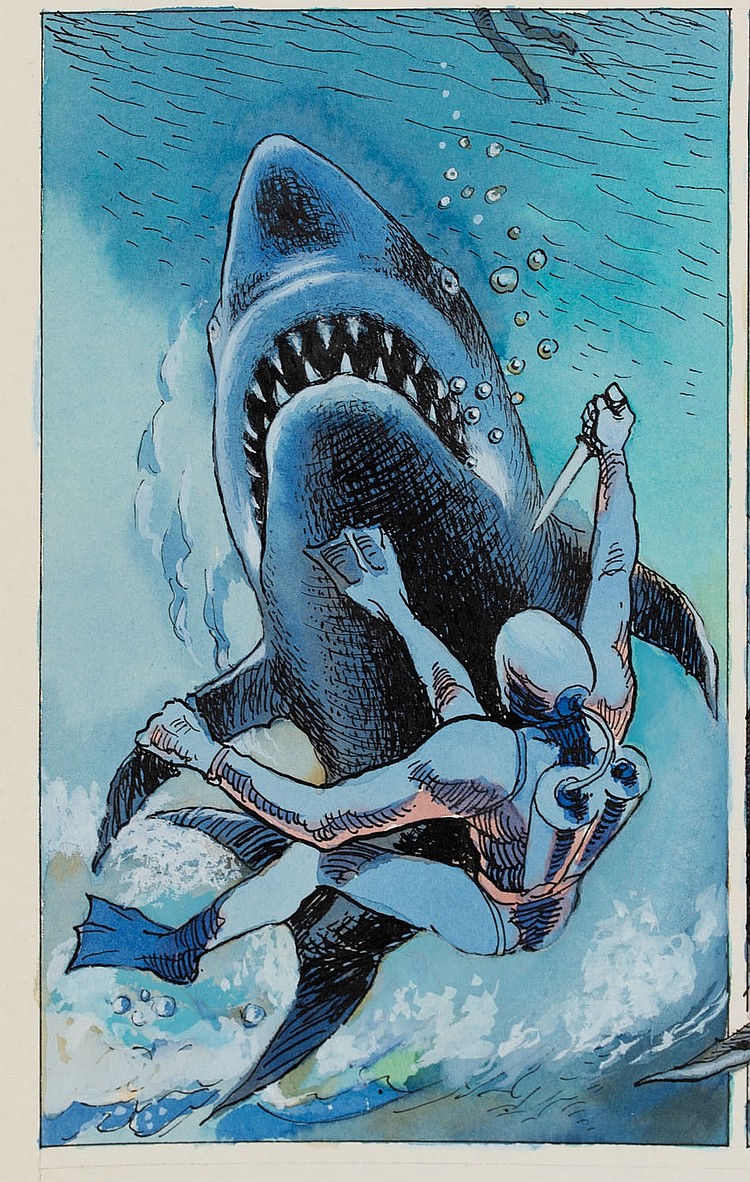
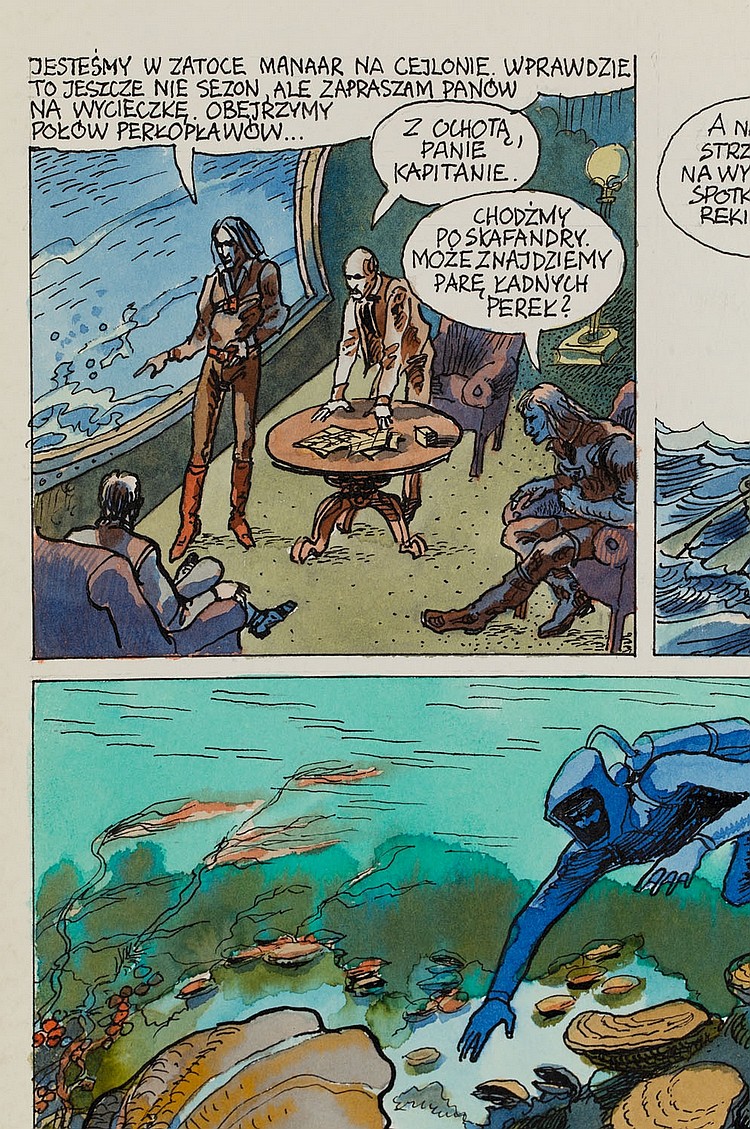
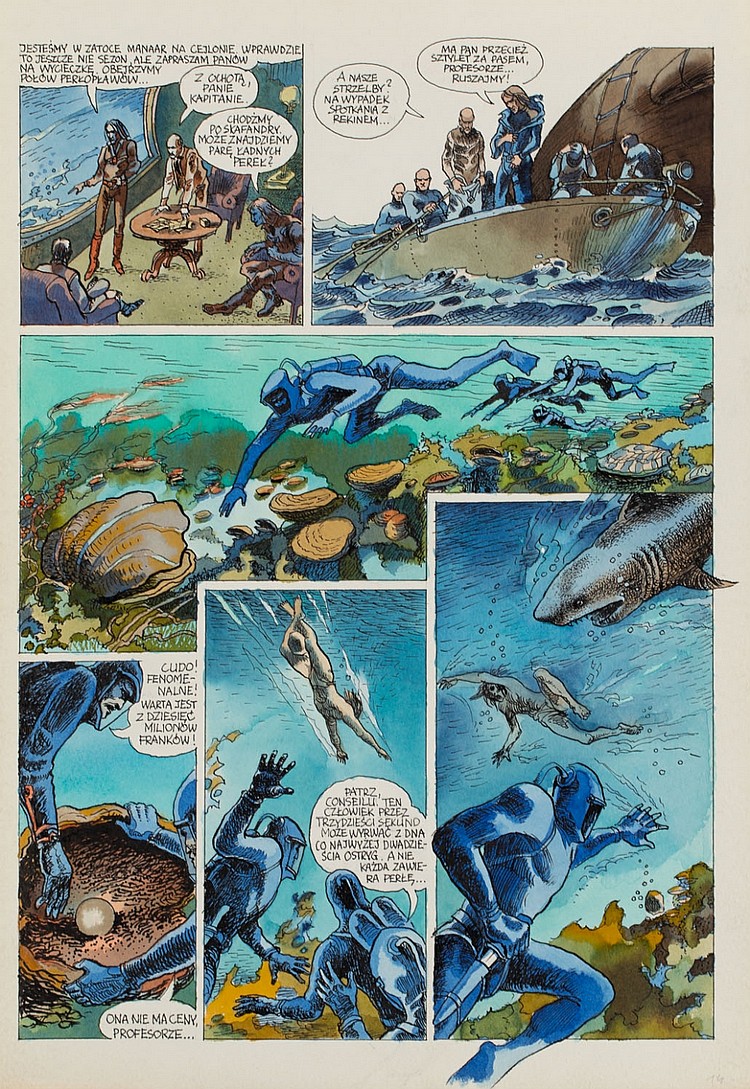
Captain Nemo, based on Twenty Thousand Leagues Under the Seas by Jules Verne
Hasło Słomot
I Was Nineteen, 1968
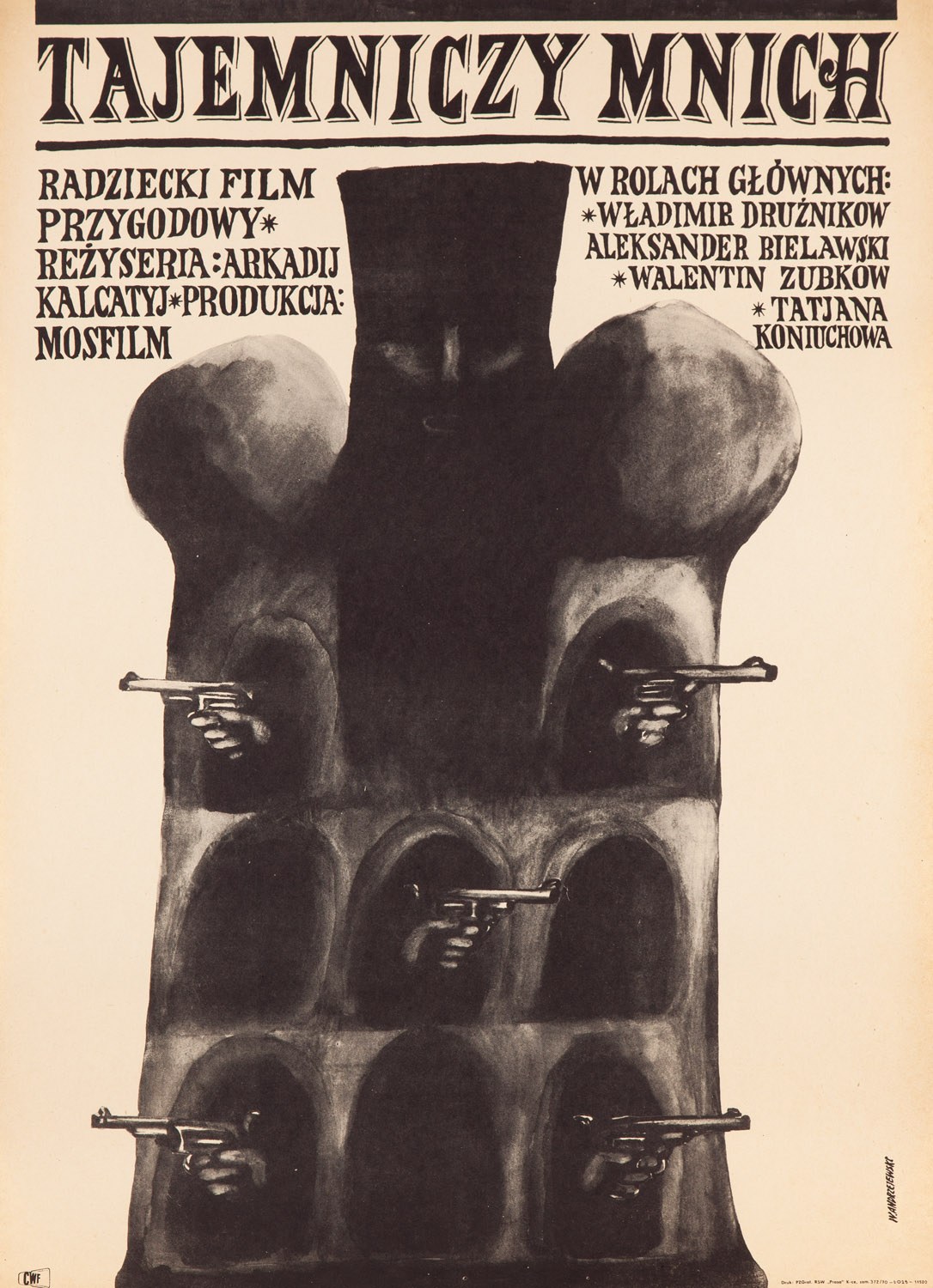
The Mysterious Monk, 1970
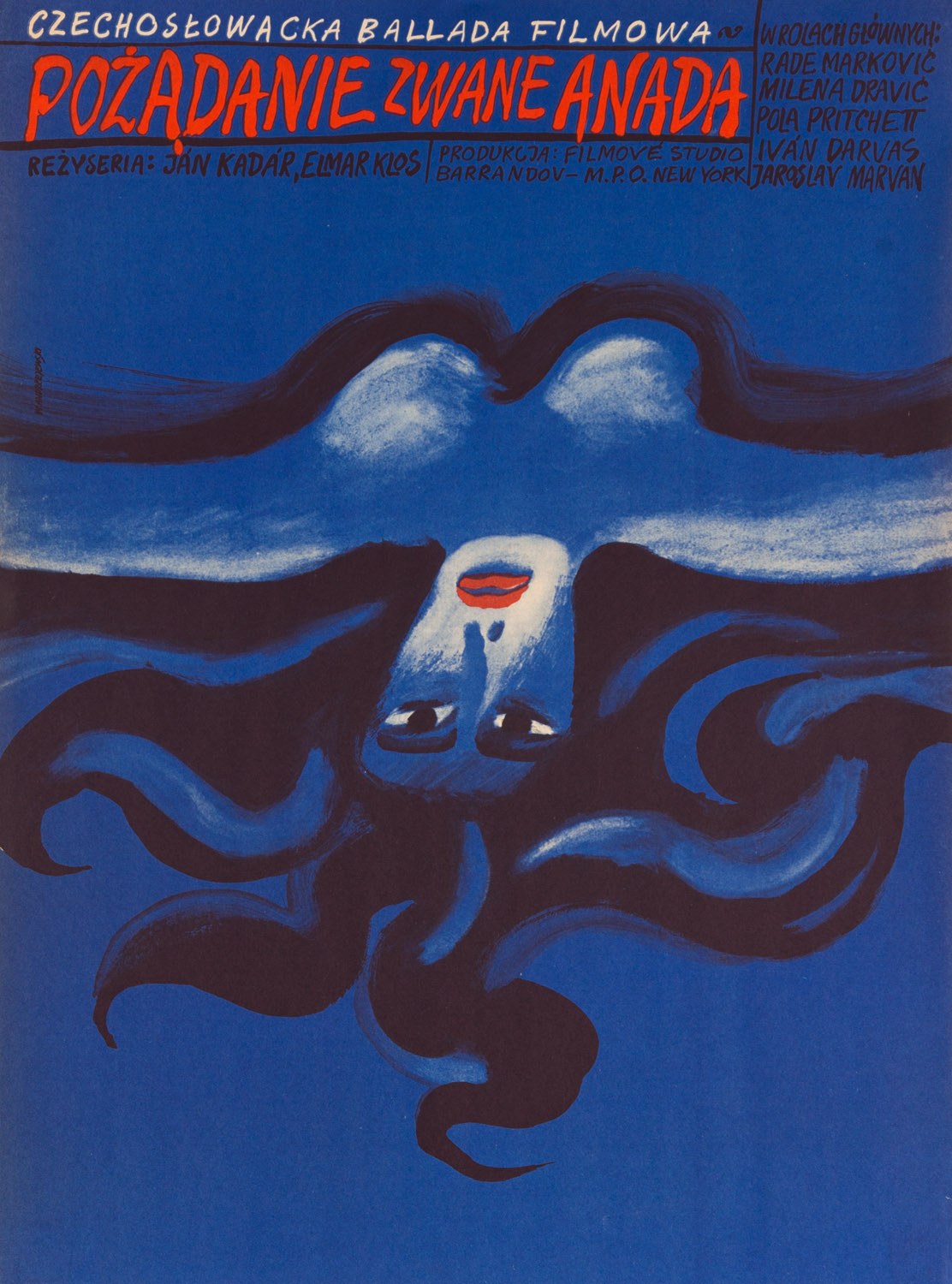
Desire Called Anda, 1970
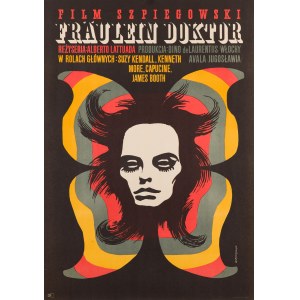
Fraulein Doktor, 1971
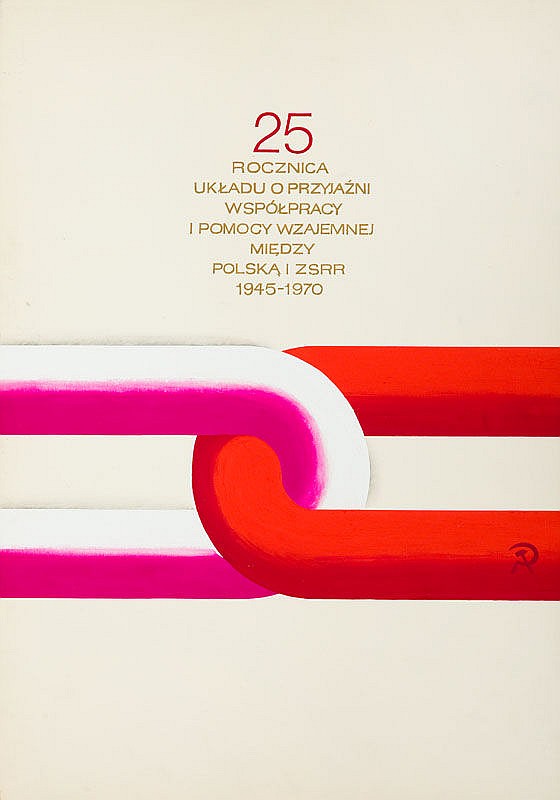
45th Anniversary of the Red Army
The Painted Bird (Jerzy Kosiński), 1965
Night Flight (Antoine de Saint-Exupéry)
The Rulers of Time (Stefan Weinfeld)
Janissaries of Space (Stefan Weinfeld)
Totem of the Forest People (Andrzej Trepka)
Paroxysm Number Minus One (Ryszard Głowacki), 1979
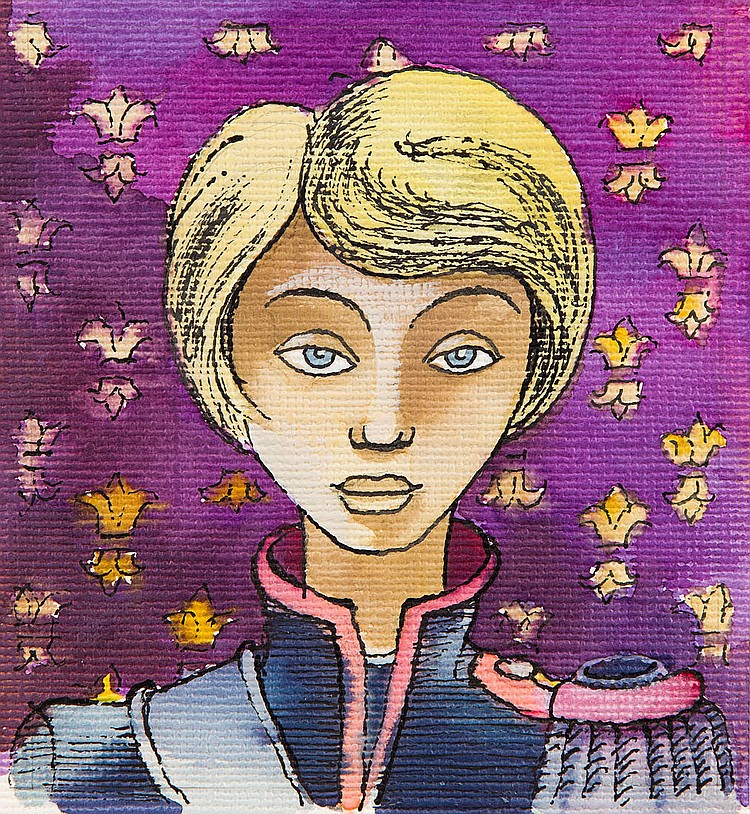
King Matt the First (Janusz Korczak), 1978
Małgosia contra Małgosia (Ewa Nowacka), 1976
The Adventures of Melikles the Greek (Witold Makowiecki), 1983
World Philatelic Exhibition “Poland ’73,” 1973
Famous Polish Sailing Ships (series) and FDC envelopes, 1973
Stamp Day 1974 – Children in Polish Painting (series) and FDC envelopes, 1974
120th Anniversary of the January Uprising and FDC envelope, 1983
International Philatelic Exhibition “Ameripex ’86” and FDC envelope, 1986
Third Visit of Pope John Paul II to Poland (block) and FDC envelope, 1987
World Stamp Exhibition ’95 – Washington and FDC envelope, 1989
Polish Red Cross 1919–1989 and FDC envelope, 1989