This is a demo store for testing purposes — no orders shall be fulfilled. Dismiss
Skip to contentPolish cartoonist, illustrator, and satirist
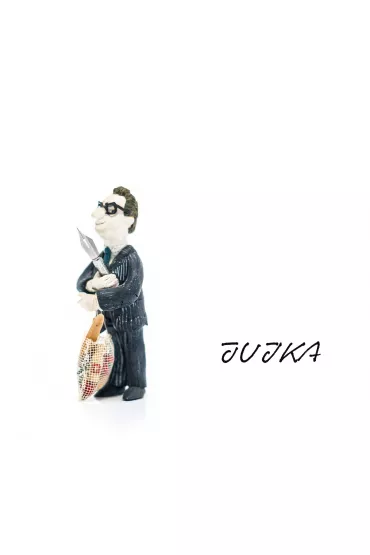
Zbigniew Jujka was born on July 23, 1935, in Stary Targ, Poland, and passed away on November 18, 2019, in Gdańsk.
He studied at the Faculty of Interior Architecture of the State Higher School of Fine Arts in Gdańsk (now the Academy of Fine Arts in Gdańsk).
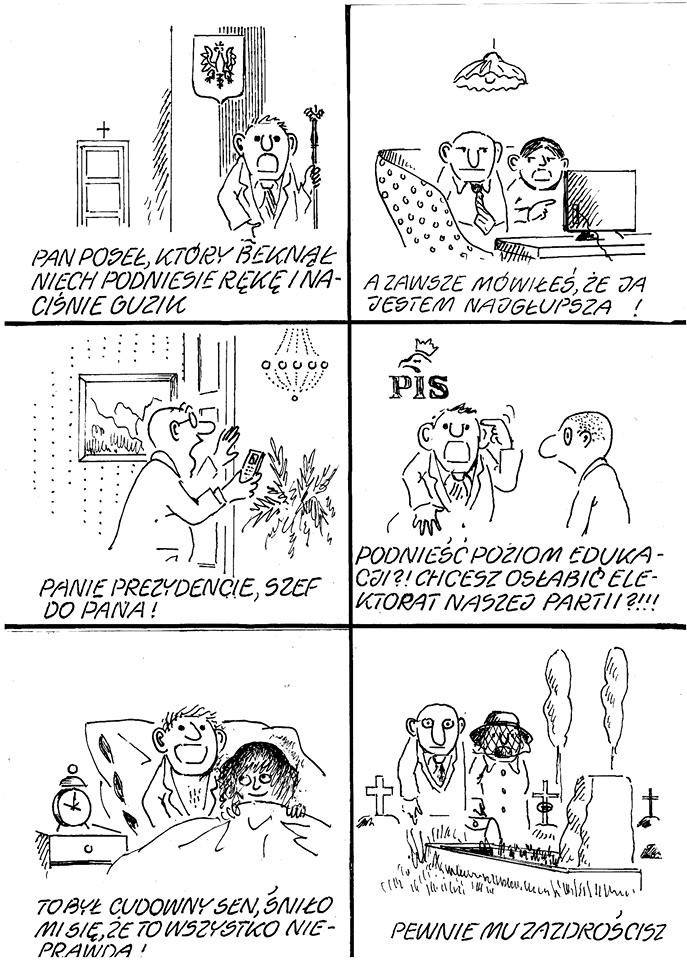
Jujka made his satirical debut in 1953 in the newspaper Gazeta Zielonogórska. Beginning in 1963, he was closely associated with Dziennik Bałtycki, where he authored the weekly series “Dzienniczek”—a visual commentary on the week’s political and social events. For nearly three decades, he also served as the graphic editor of the newspaper.
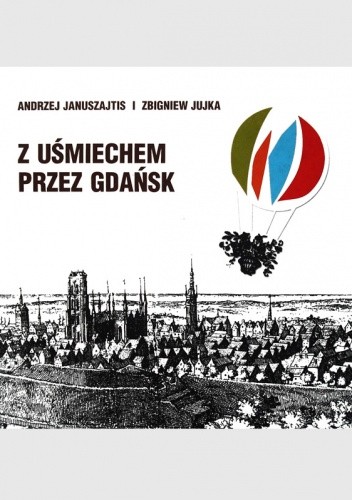
From 1989 to 1996, he was president of the Polish Association of Cartoonists. He also contributed to literature, co-authoring, among others, the illustrated guidebook Z uśmiechem przez Gdańsk (“With a Smile Through Gdańsk”) with Andrzej Januszajtis.
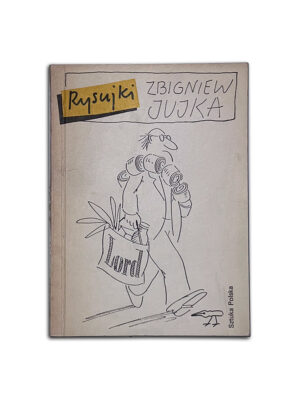
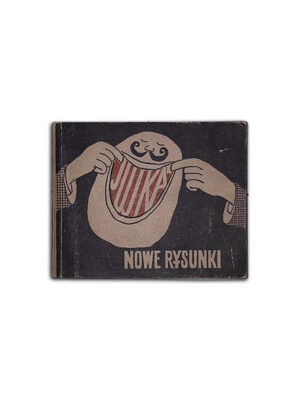
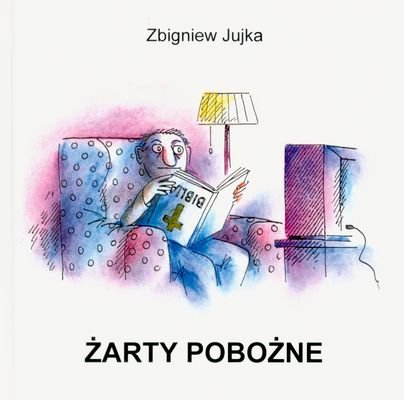
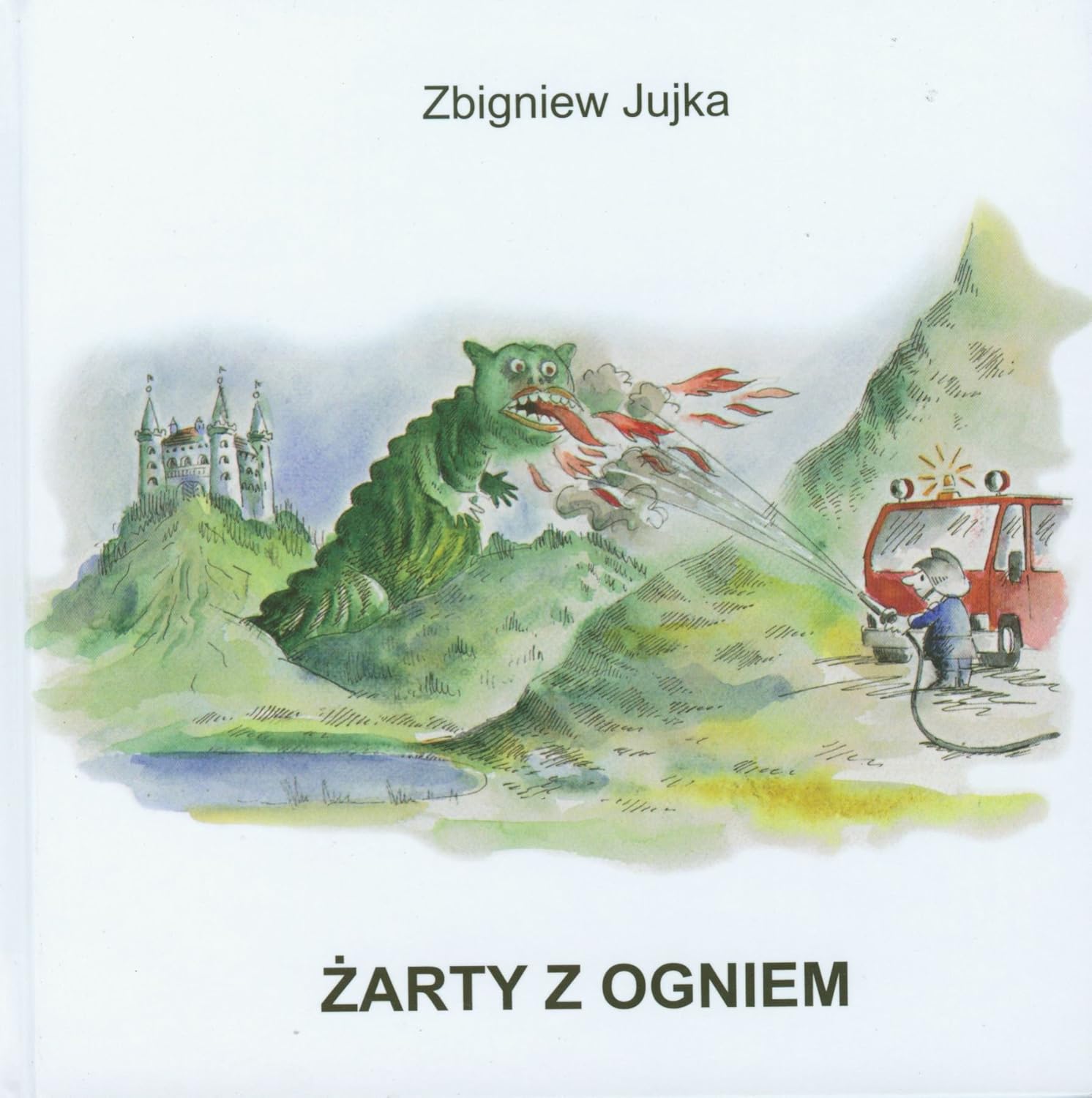
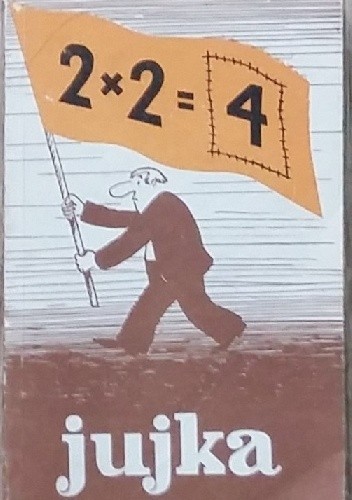
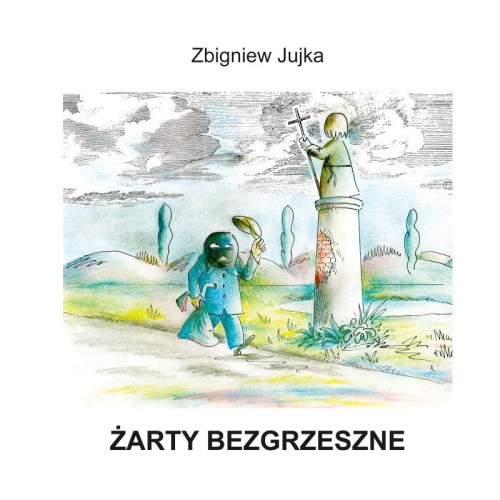
Jujka illustrated books, designed posters, and published numerous volumes of his own drawings, including series such as My i oni (“Us and Them”) and Poprawki do historii (“Corrections to History”). His work earned multiple accolades, including the Grand Prix and gold medal at the Salon in Ancona (Italy), and an award at the World Drawing Salon in Knokke-Heist (Belgium).
Jujka received numerous state honors, including:
Silver Cross of Merit (1973)
Knight’s Cross of the Order of Polonia Restituta (1998)
Silver Medal for Merit to Culture – Gloria Artis (2006)
After his passing, a memorial plaque was unveiled on the building where he lived in Gdańsk. His life and artistic legacy were commemorated in the publication Pro memoria. Zbigniew Jujka (1935–2019)—a volume of sketches, memories, drawings, and documents.
Zbigniew Jujka was one of the central figures in Polish satire and caricature in the second half of the 20th century. His artistic style was rich and multifaceted, combining satirical drawing, book illustration, graphic design, and poster art.
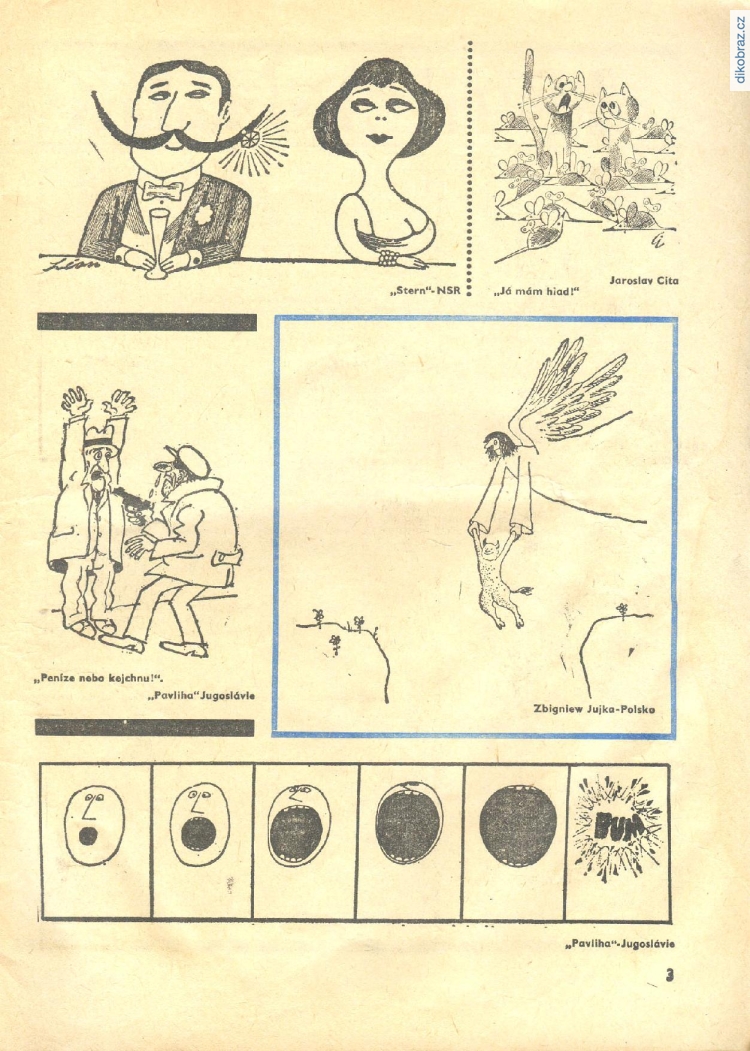
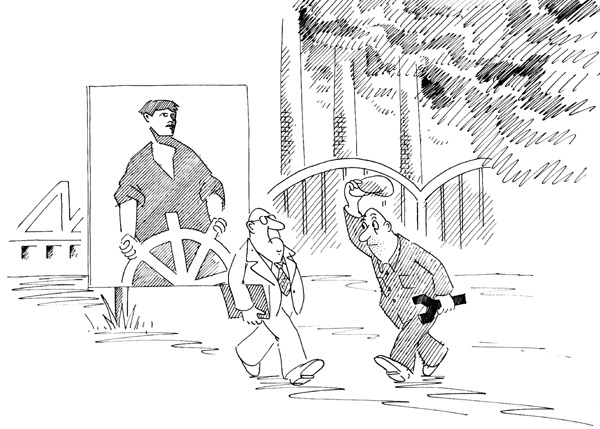
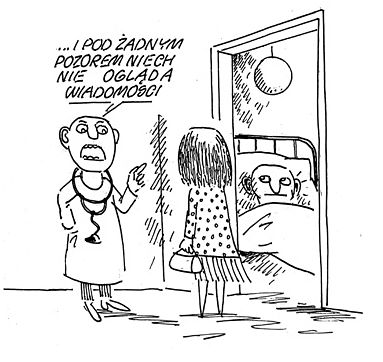
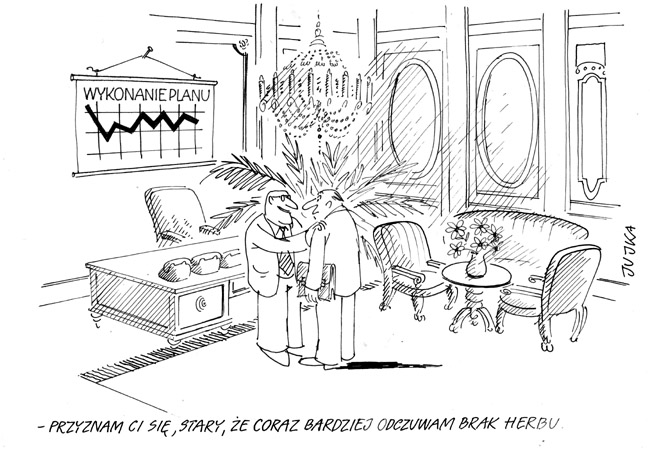
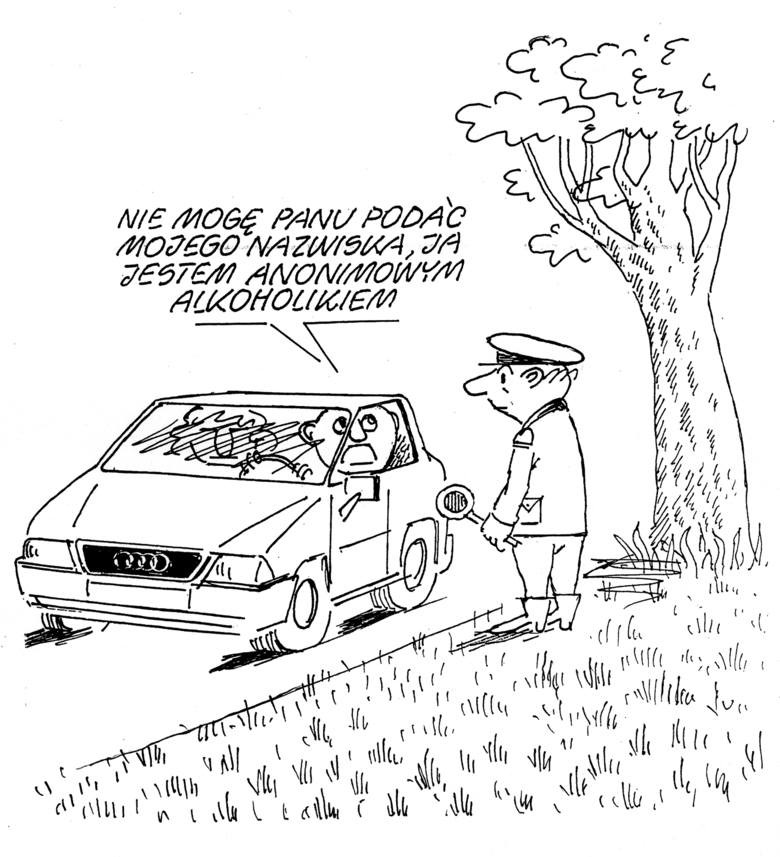
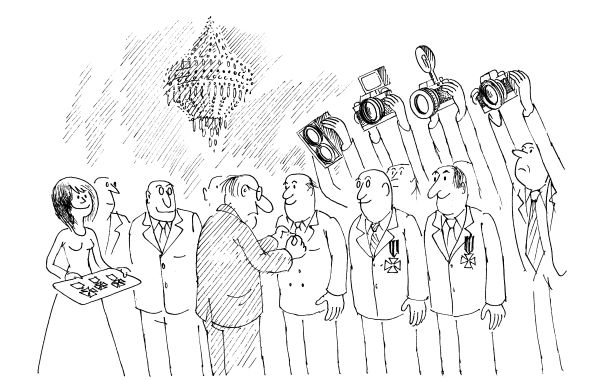
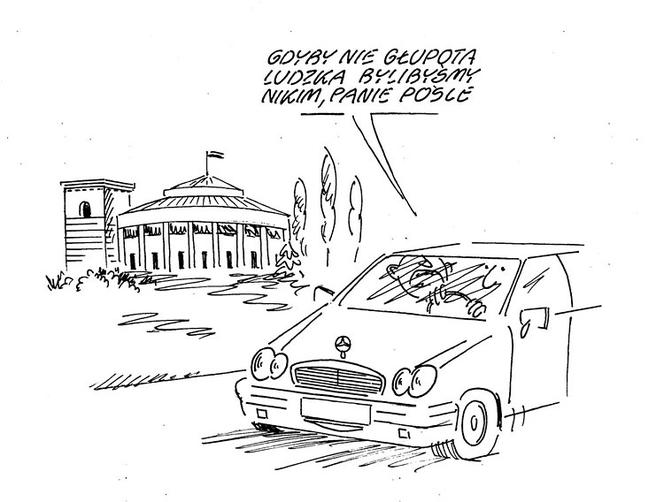
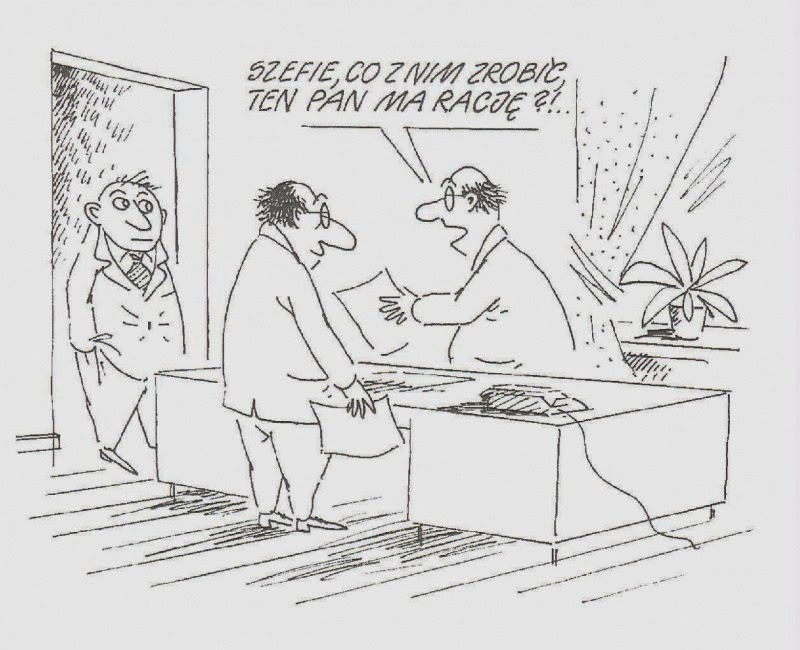
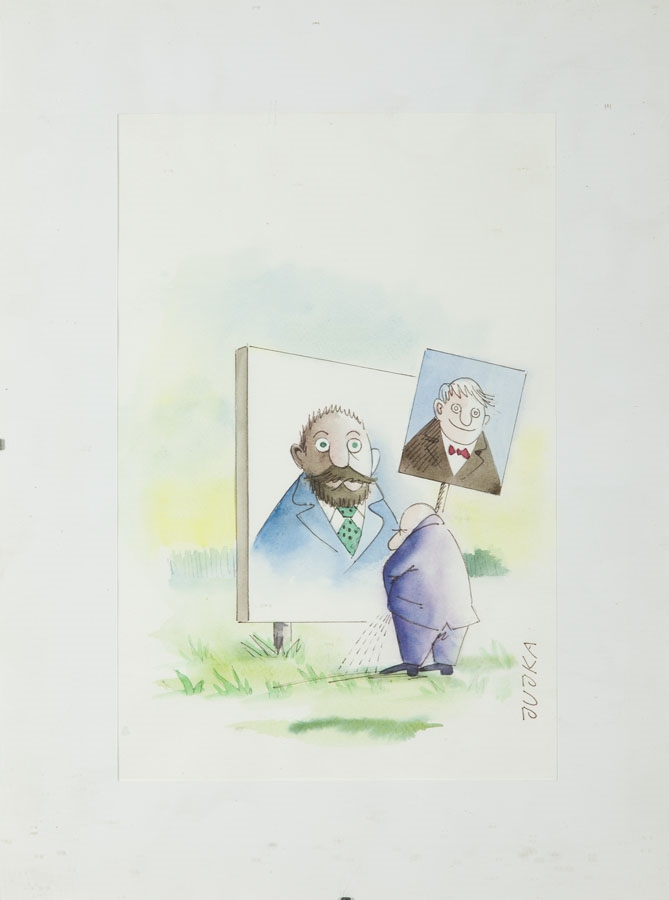
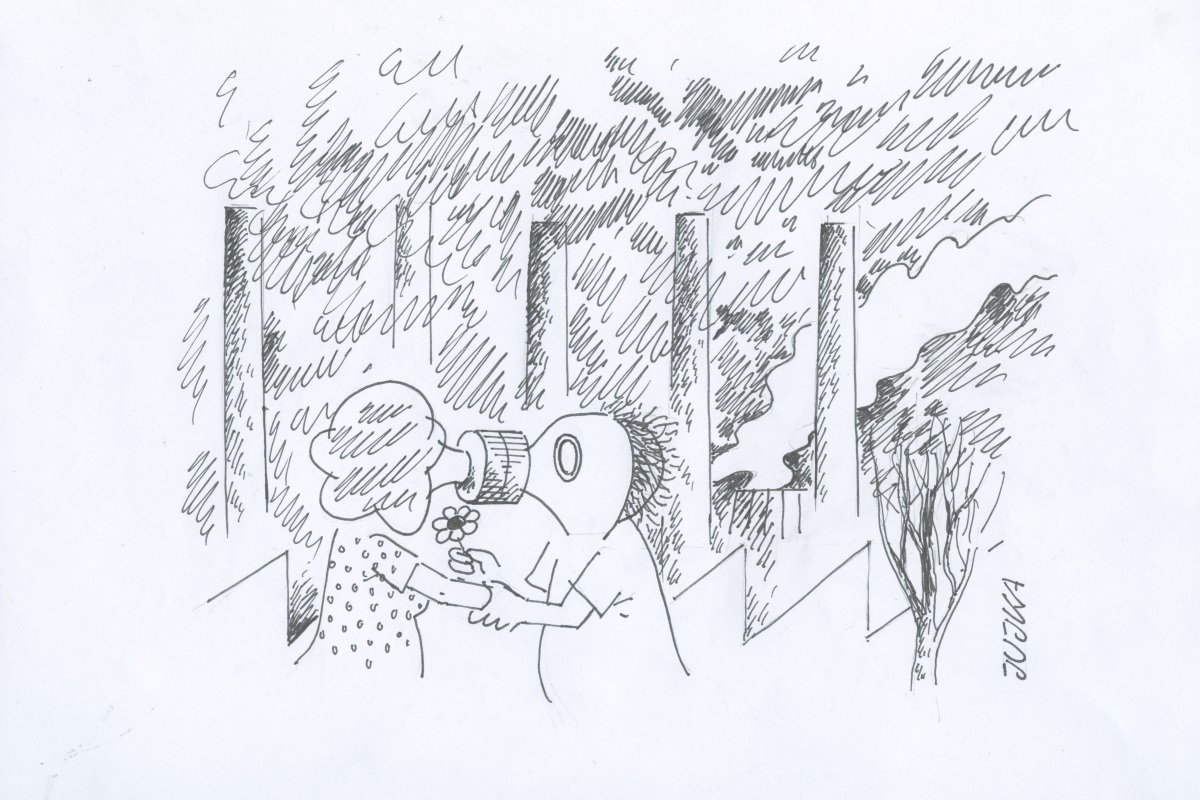
Socio-political satire: Through caricature, Jujka offered sharp yet humorous commentary on Polish life—politics, bureaucracy, environmental issues, and the human condition. His Dzienniczek series became a platform for weekly reflection with wit and subtle critique.
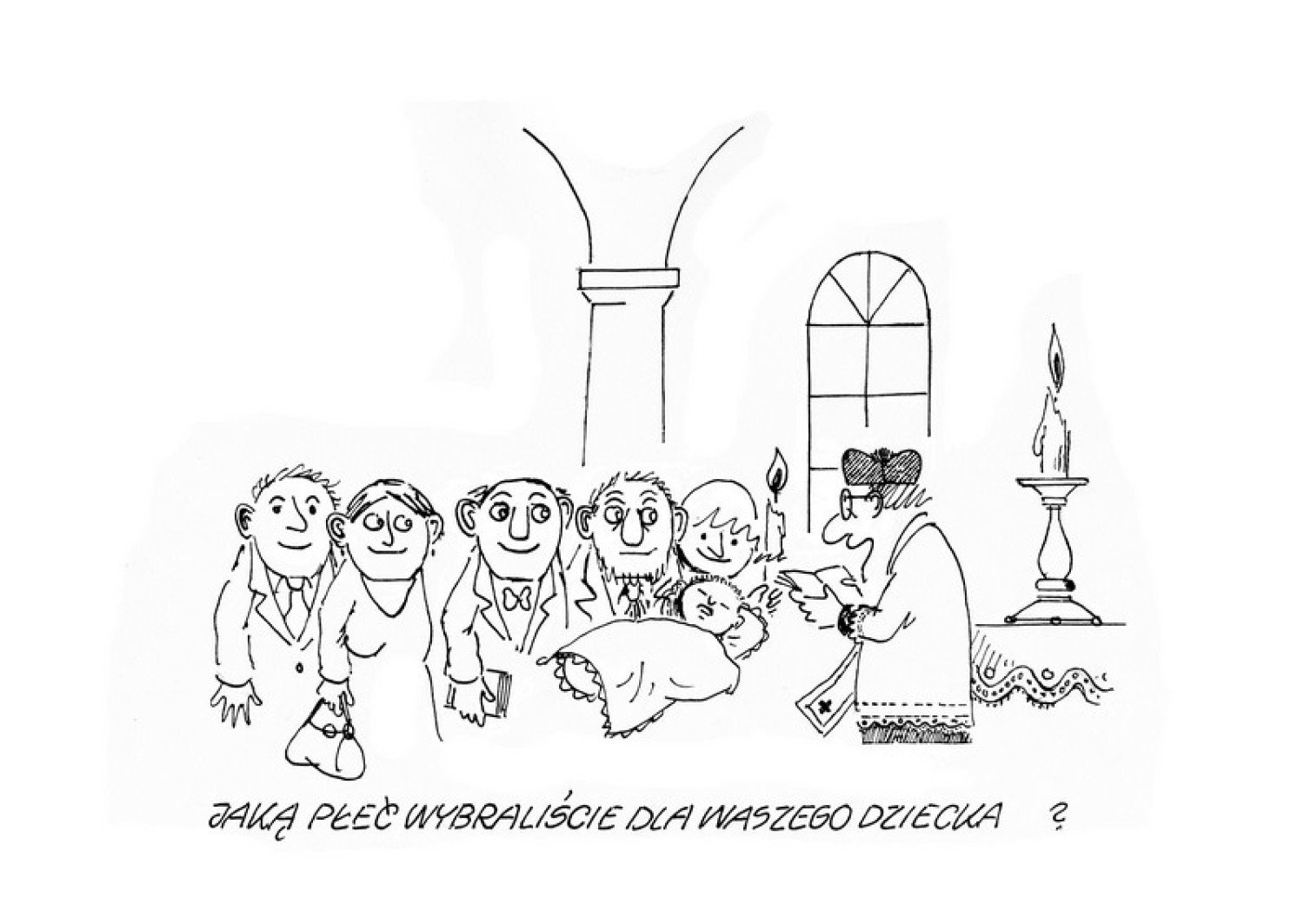
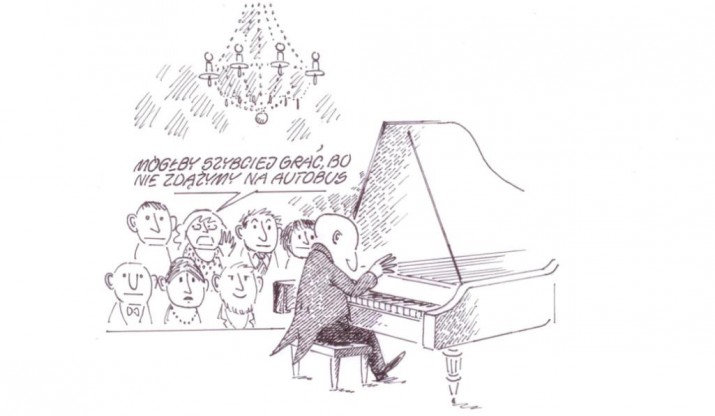
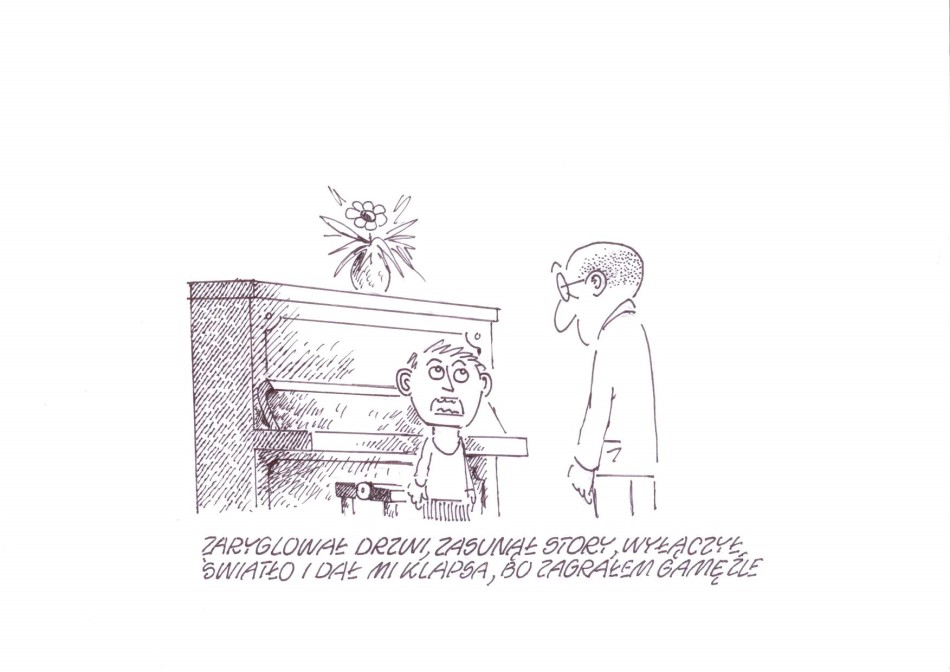
Lightness and humor: His drawings were accessible, relying on irony rather than aggression. He often used simple forms to deliver deep, thoughtful messages.
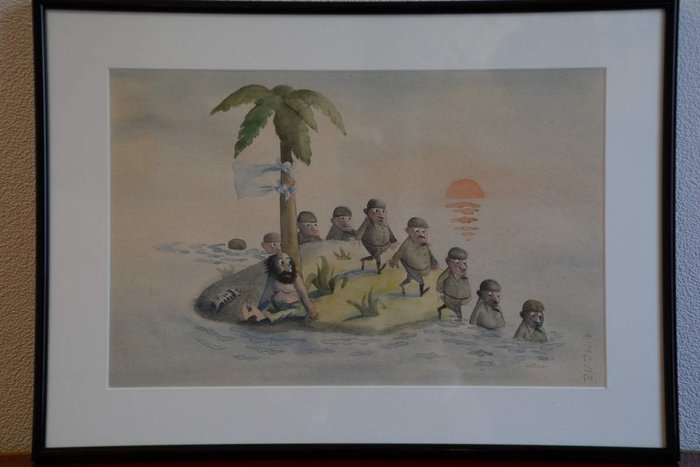
Versatility: His creative output included book illustrations, posters, and satirical albums. He found particular satisfaction in reinterpreting Polish history through caricature, presenting key figures and events with both distance and affection.
Civic engagement: Jujka was not afraid to tackle difficult topics, from politics to environmental issues, always with a sense of responsibility and empathy.
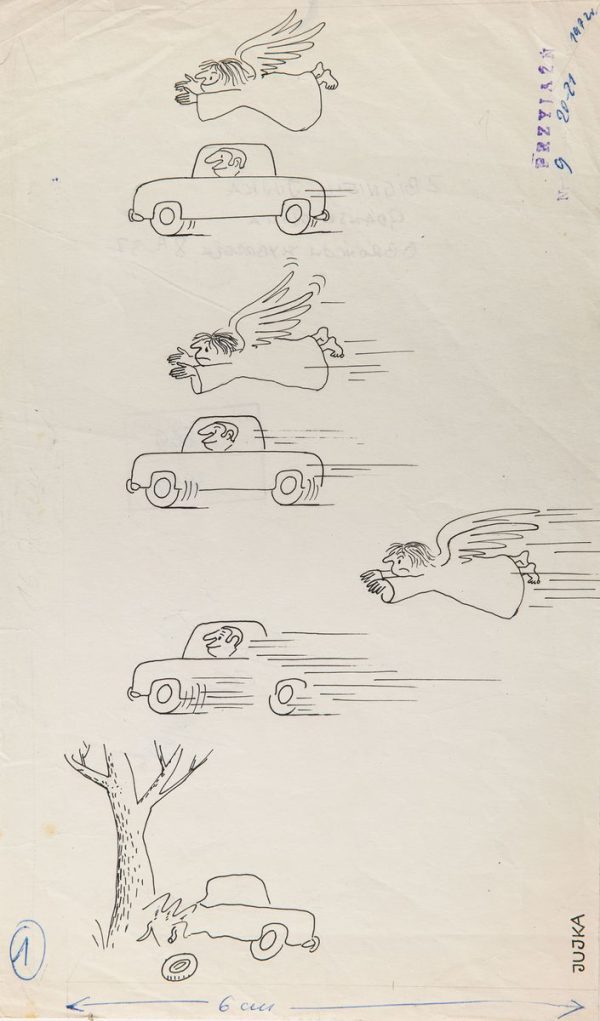
Signature style: His work is known for its clean lines, simplified forms, and expressive facial gestures and body language. His drawings often contained multiple layers of meaning within a single frame.
Through dozens of albums, collections, and publications, Jujka’s satirical take on Polish society continues to resonate. His works have been exhibited in museums and galleries, and his memory lives on in Gdańsk, not only through a commemorative plaque but also through curated publications honoring his contribution to Polish visual culture.