This is a demo store for testing purposes — no orders shall be fulfilled. Dismiss
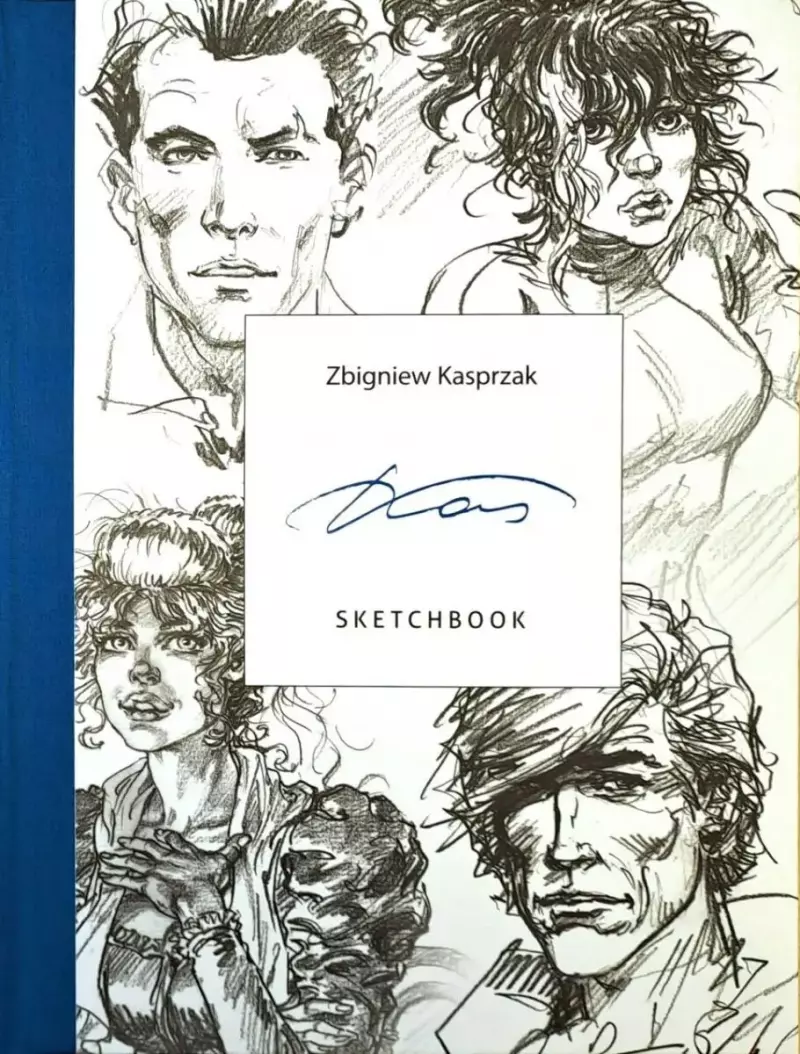
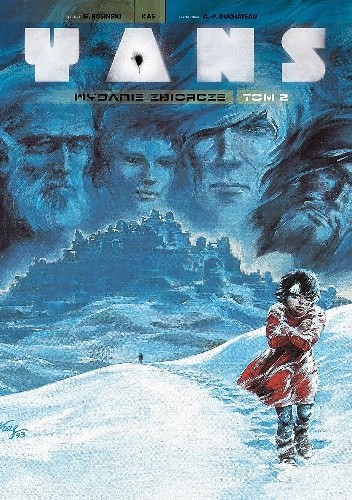
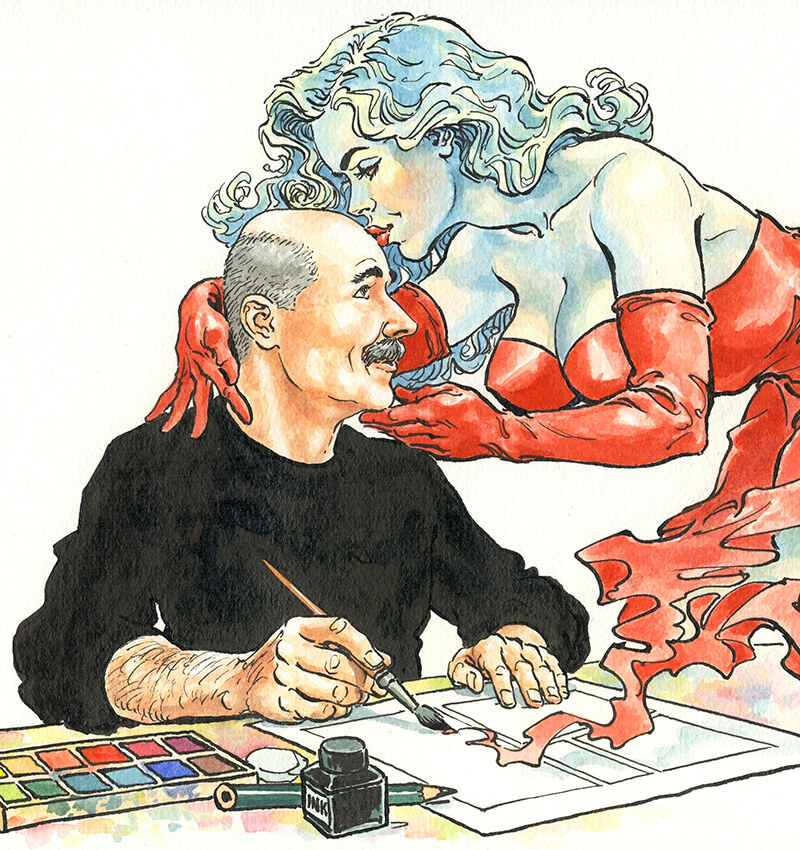
Skip to contentZbigniew Kasprzak (born 31 March 1955 in Kraków) is a Polish comic book artist and illustrator, regarded as one of the leading representatives of the realist school of narrative drawing in European comics. Since the early 1990s, he has lived in Belgium, where he works under the pseudonym Kas. He is a co-creator of the comic series Yans and Halloween Blues and currently collaborates with the publishing house Le Lombard.
Kasprzak began his artistic career in Poland during a period of dynamic development of Polish comics and press illustration. He is a graduate of the Academy of Fine Arts in Kraków. His first contact with comics came through winning a competition organized by the magazine Relax.
In Poland, he primarily created science-fiction and historical comics published by the Sport i Turystyka publishing house. He is also the author of drawings for short comics about famous explorers, included in anthologies released by the National Publishing Agency (Krajowa Agencja Wydawnicza) in the 1980s.
In 1988, Zbigniew Kasprzak was invited—alongside other Polish comic artists such as Tadeusz Baranowski, Bogusław Polch, and Jerzy Skarżyński—to the comic festival in Sierre, where they participated in an exhibition of Polish comics. It was there that Grzegorz Rosiński proposed that Kasprzak take over the Yans series.
In 1992, Kasprzak moved to Brussels at Rosiński’s invitation. Together they illustrated the fifth album of the Yans series, titled The Law of Ardelia. At that time, Kasprzak adopted the pseudonym Kas, which was easier for Belgian audiences to pronounce than his full surname. In subsequent years, Rosiński focused on the Thorgal series, while Kasprzak assumed full responsibility for Yans and settled permanently in Belgium. He continued drawing the series up to album 12, The Land of the Abysses, published in 2000, after which Le Lombard suspended the cycle due to declining readership interest.
The professional experience Kasprzak gained in the publishing conditions of the 1970s and 1980s shaped his exceptional technical discipline and narrative approach to drawing. Even at this early stage, his work stood out for its formal maturity, attention to realistic character depiction, and skillful use of light and shadow.
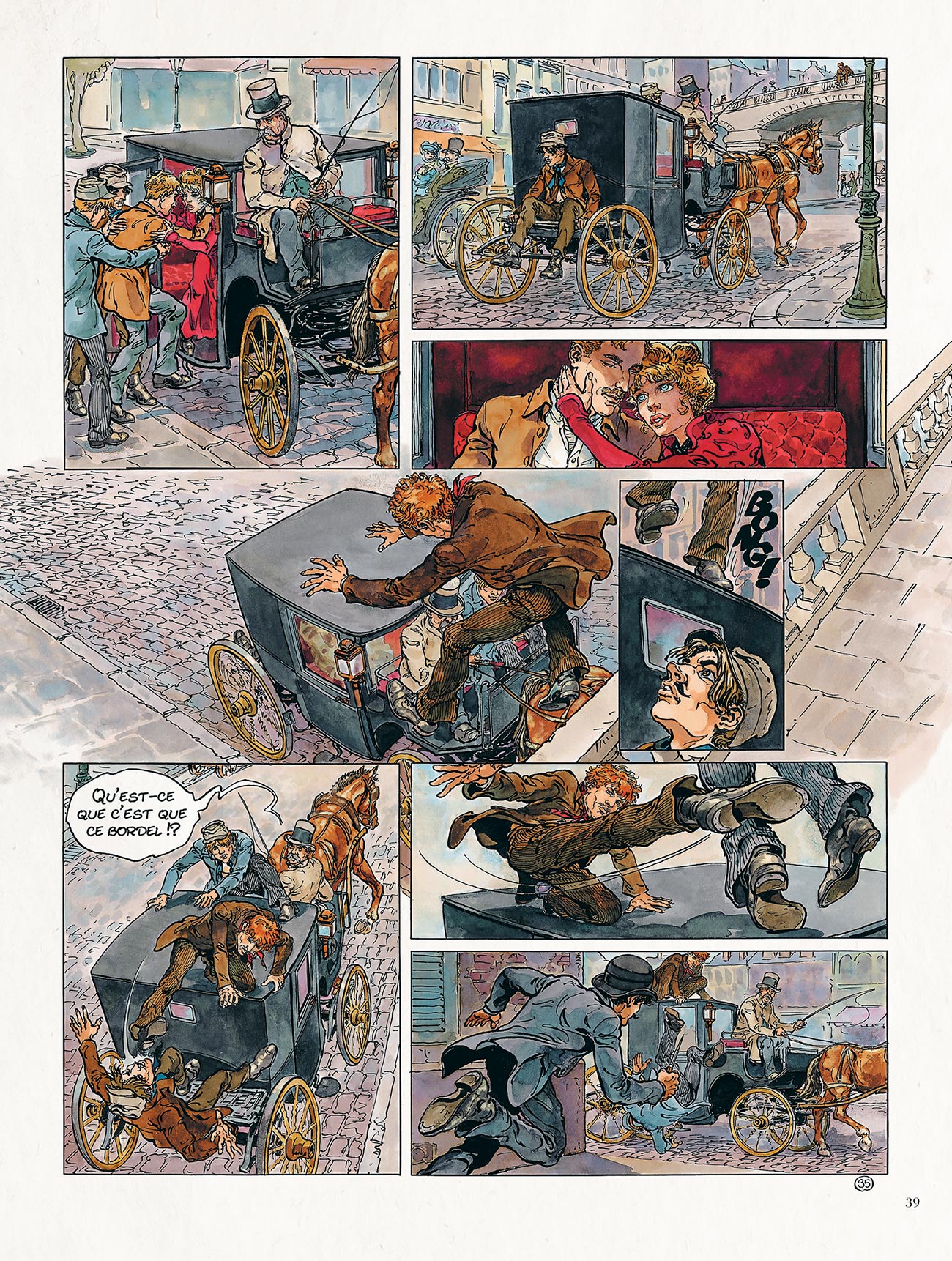
Emigration to Belgium gave the artist access to one of the most important comic markets in the world. Working within the Francophone environment, Kasprzak developed his style toward classical European realism, referencing the tradition of ligne claire, while enriching it with greater plasticity of form, complex panel compositions, and a cinematic approach to storytelling.
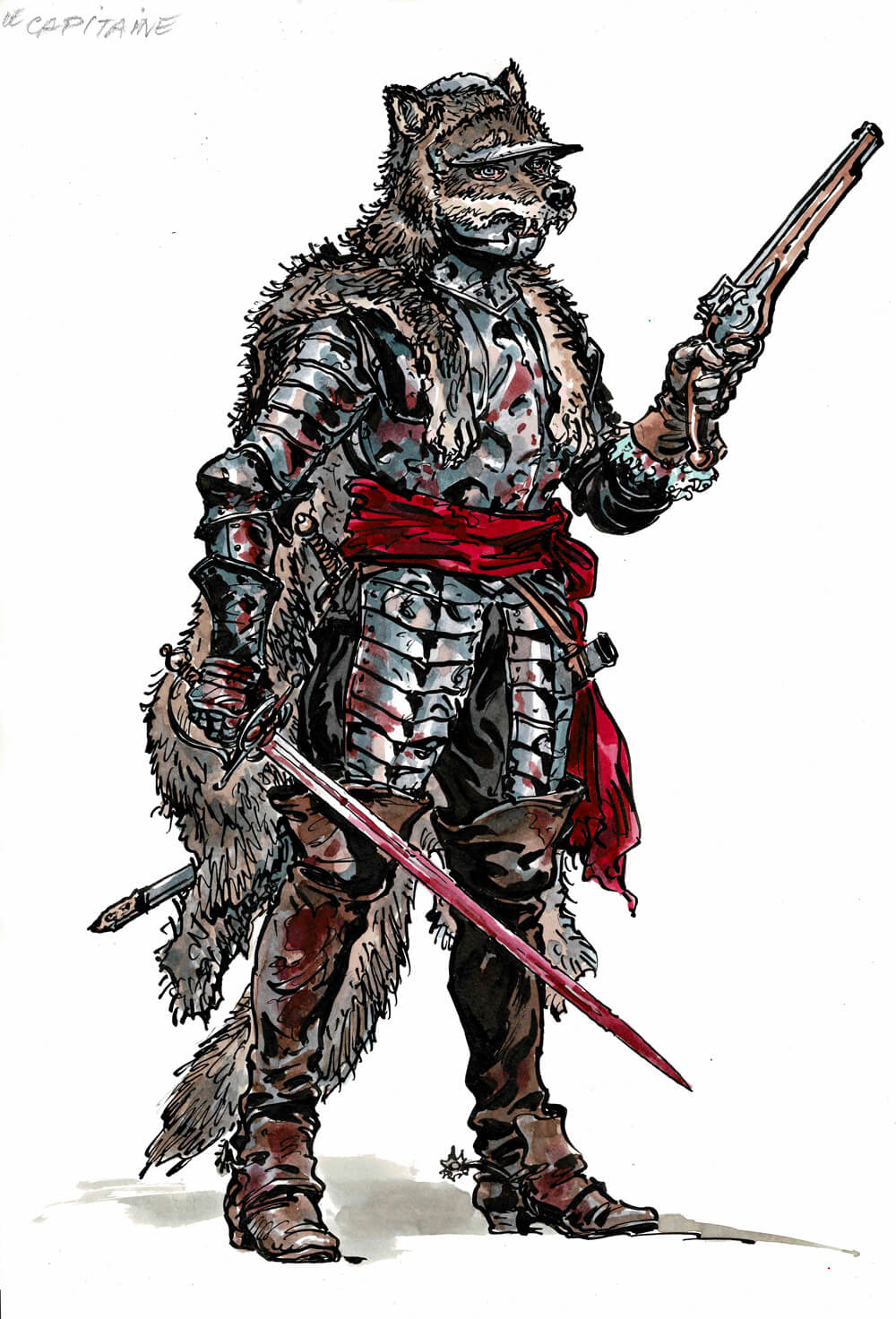
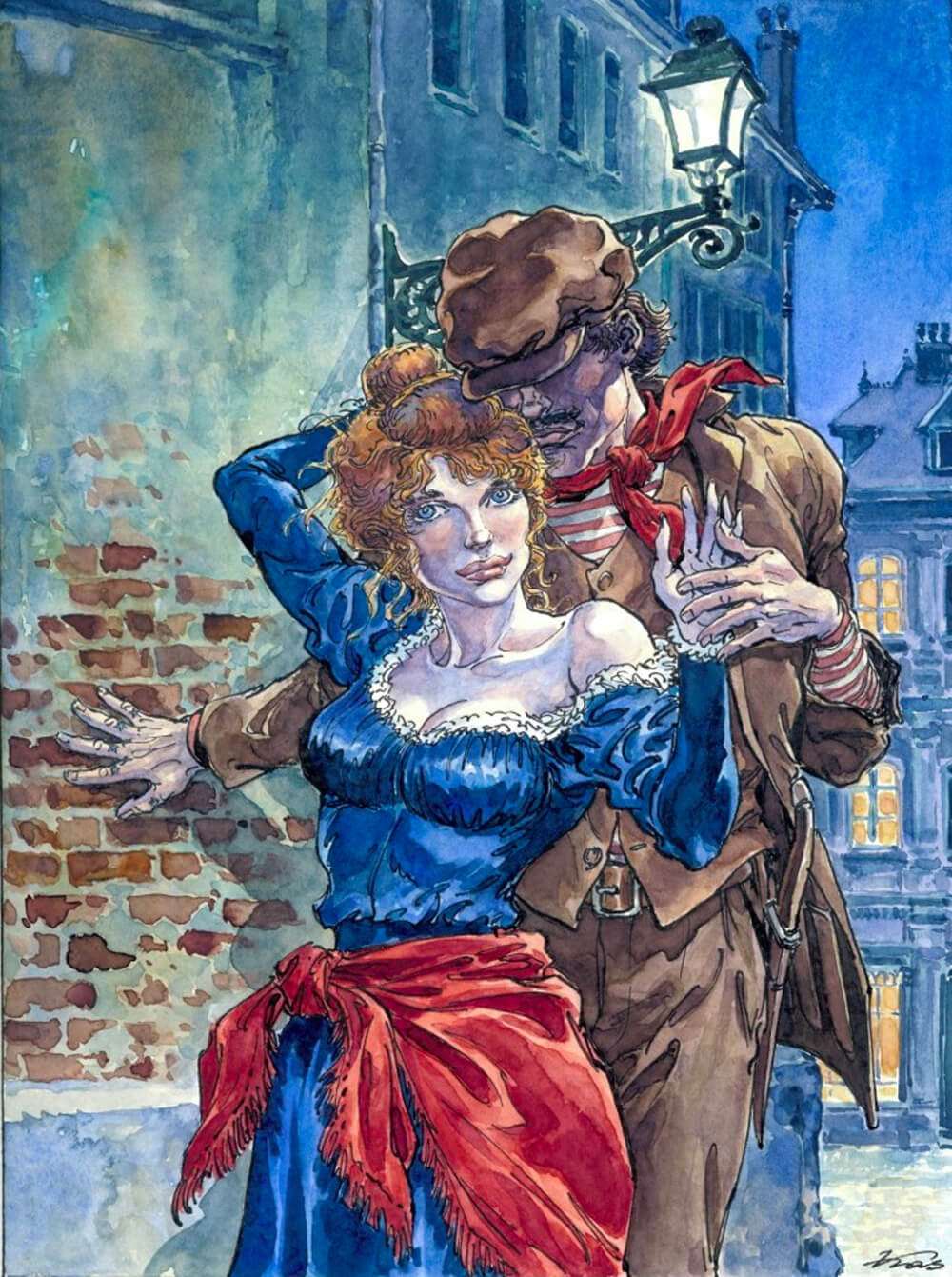
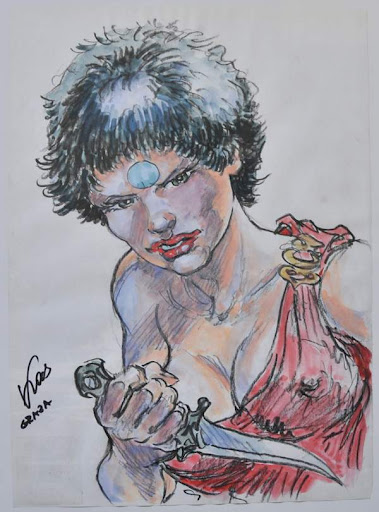
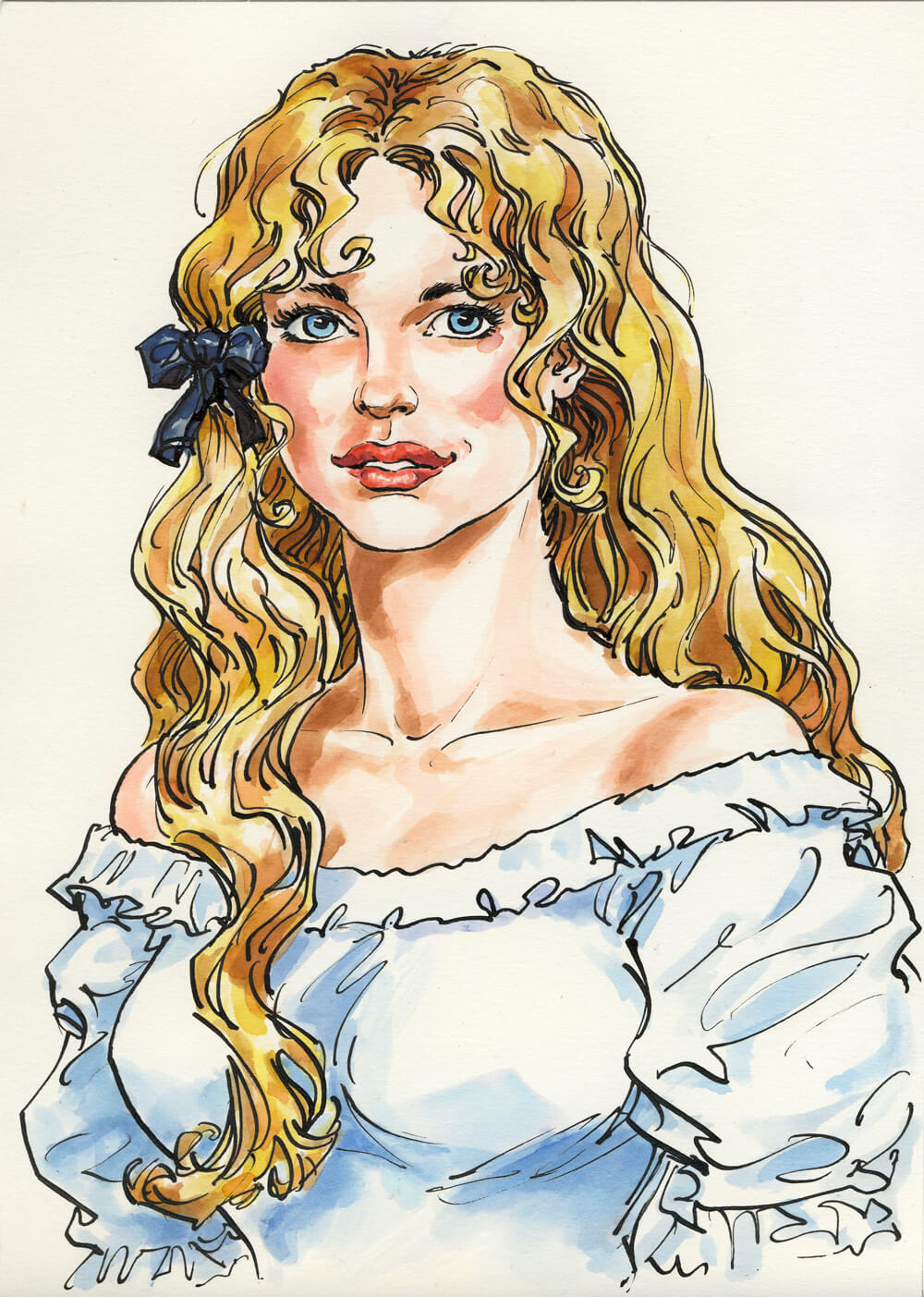
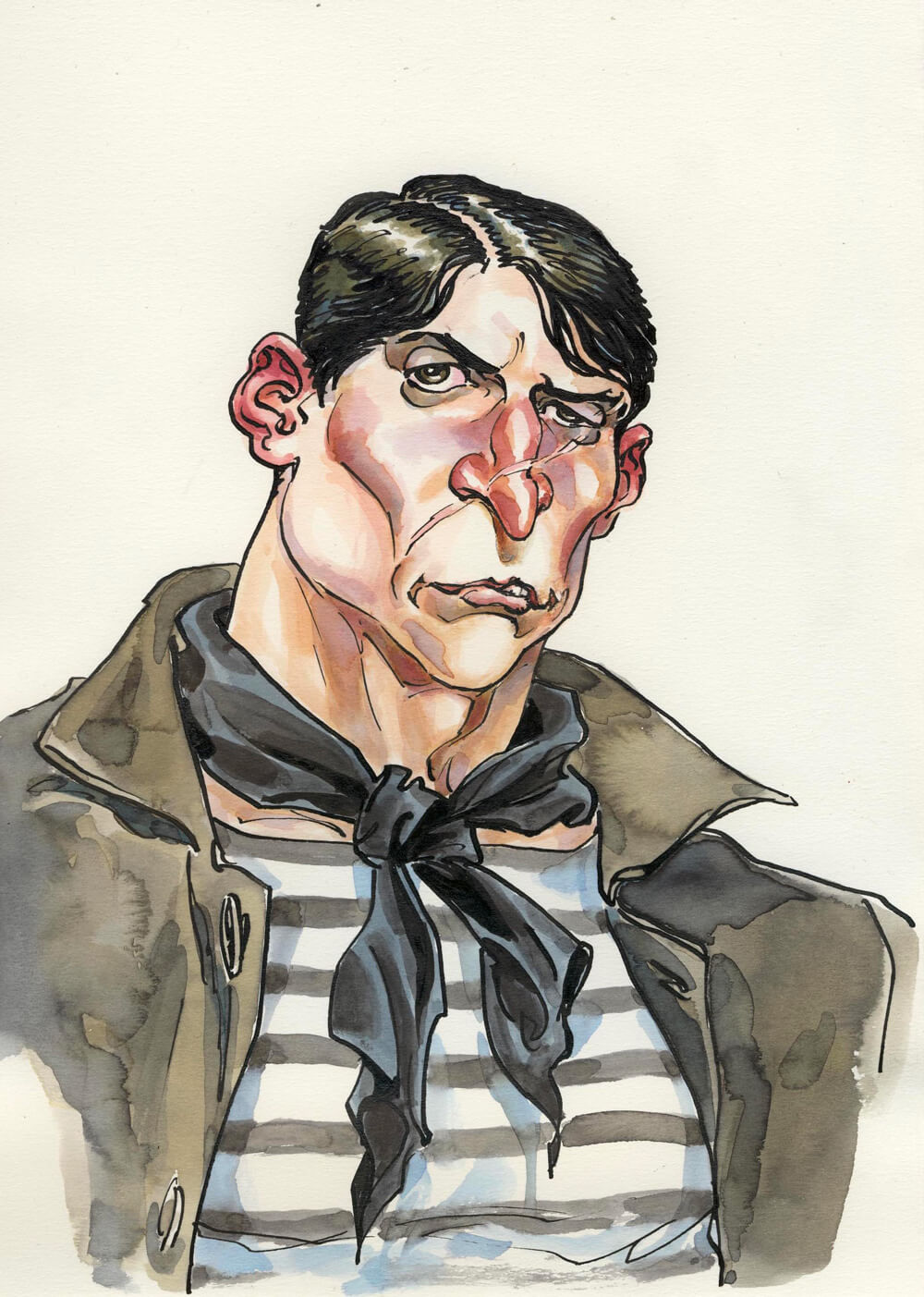
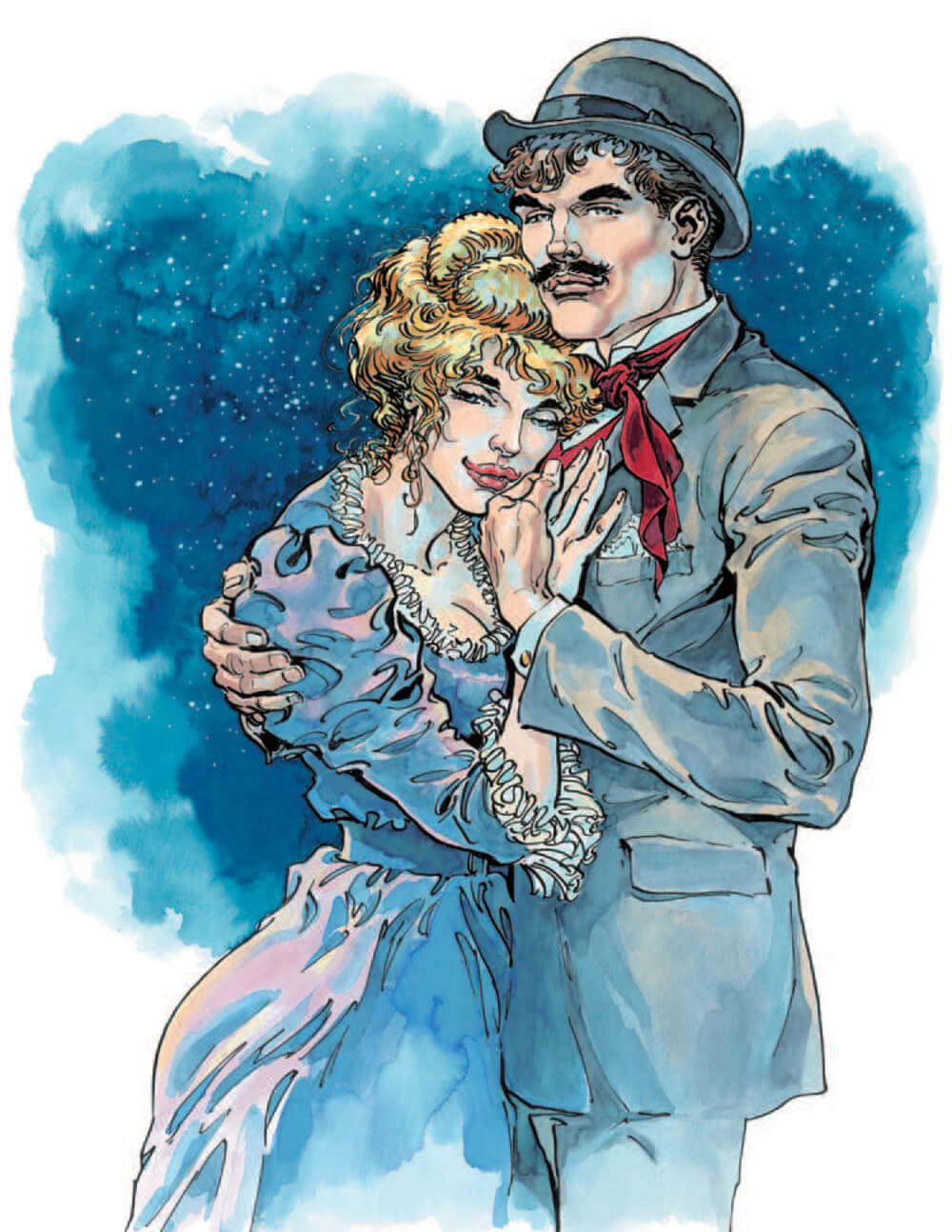
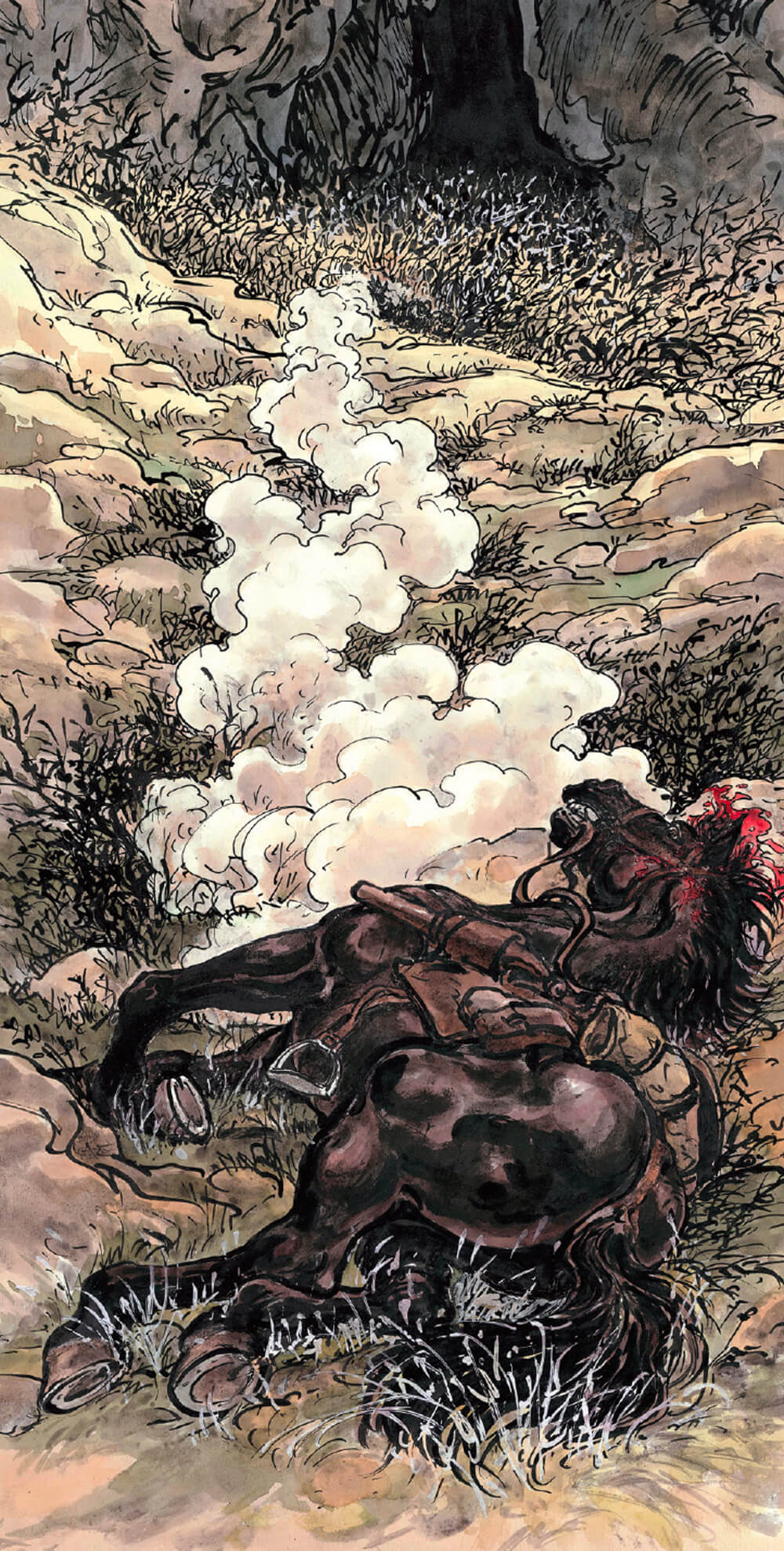
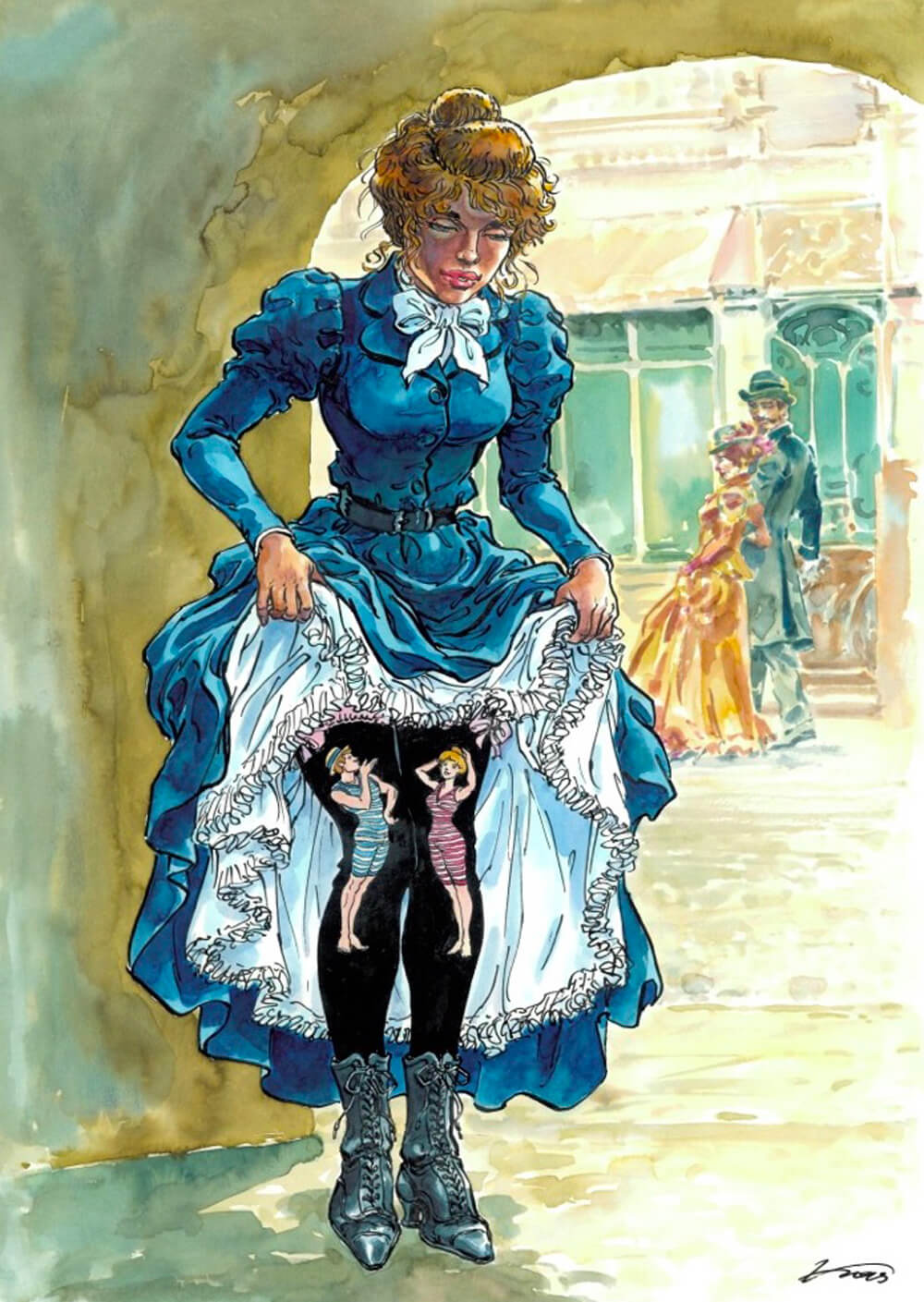
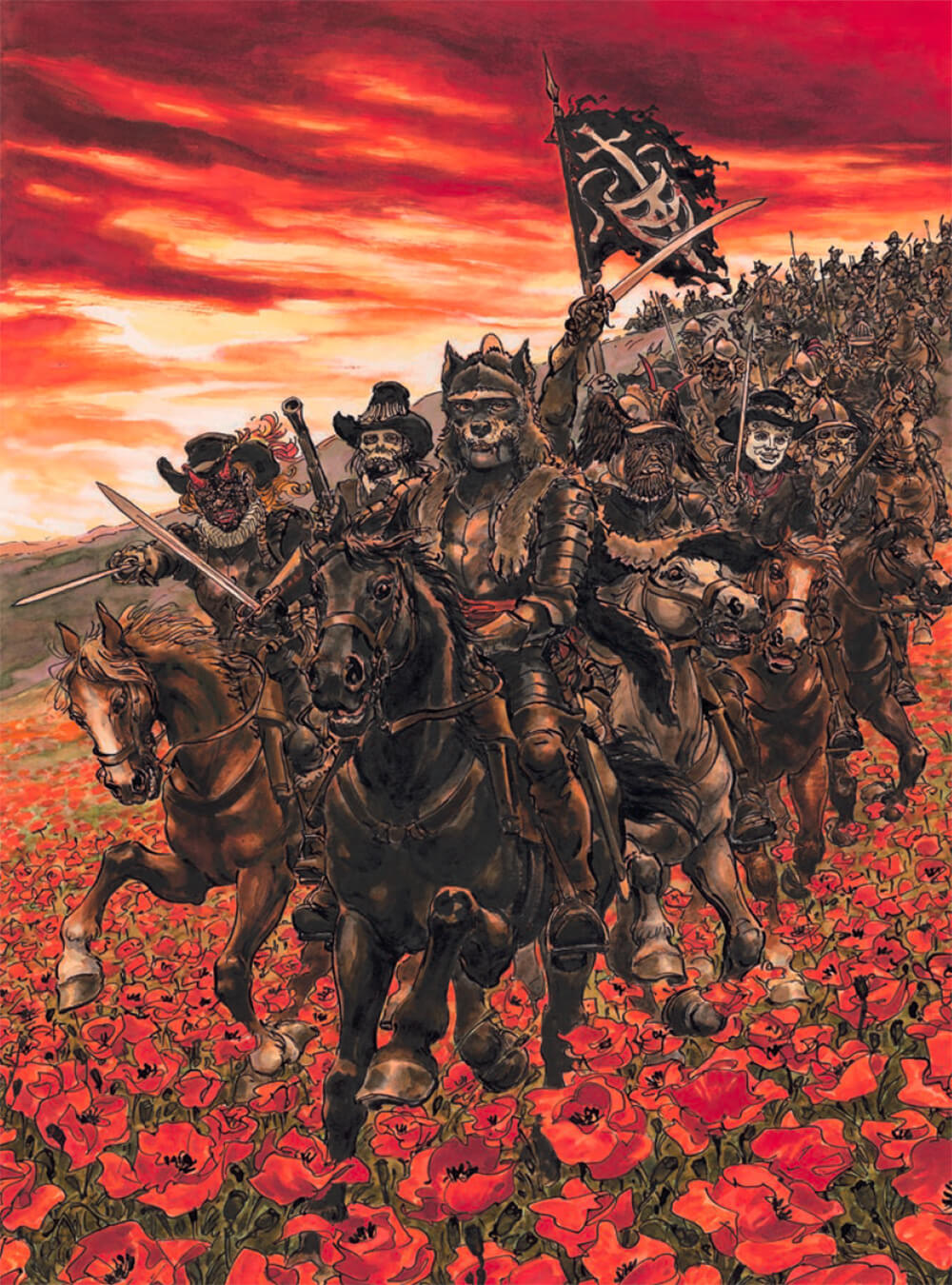
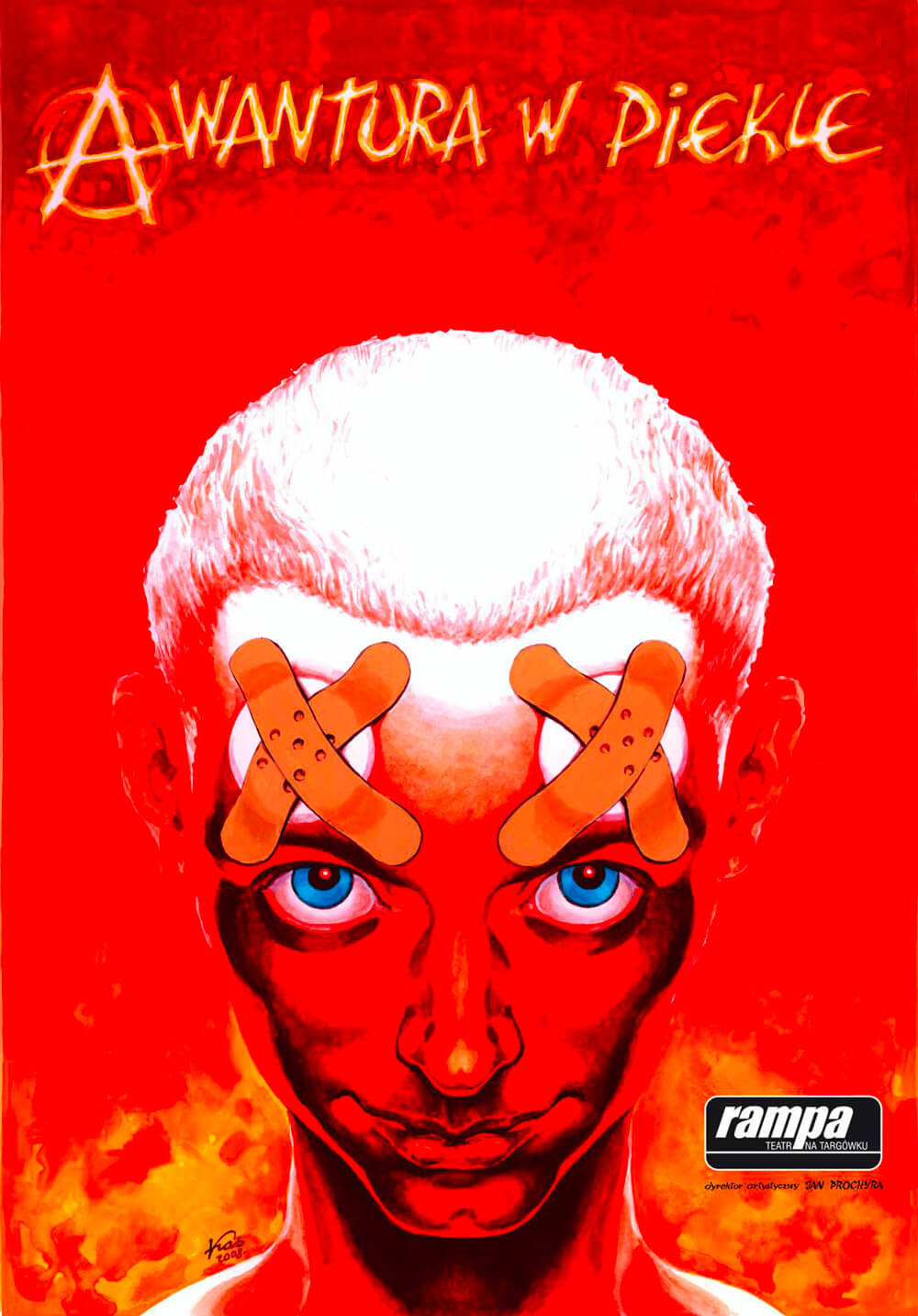
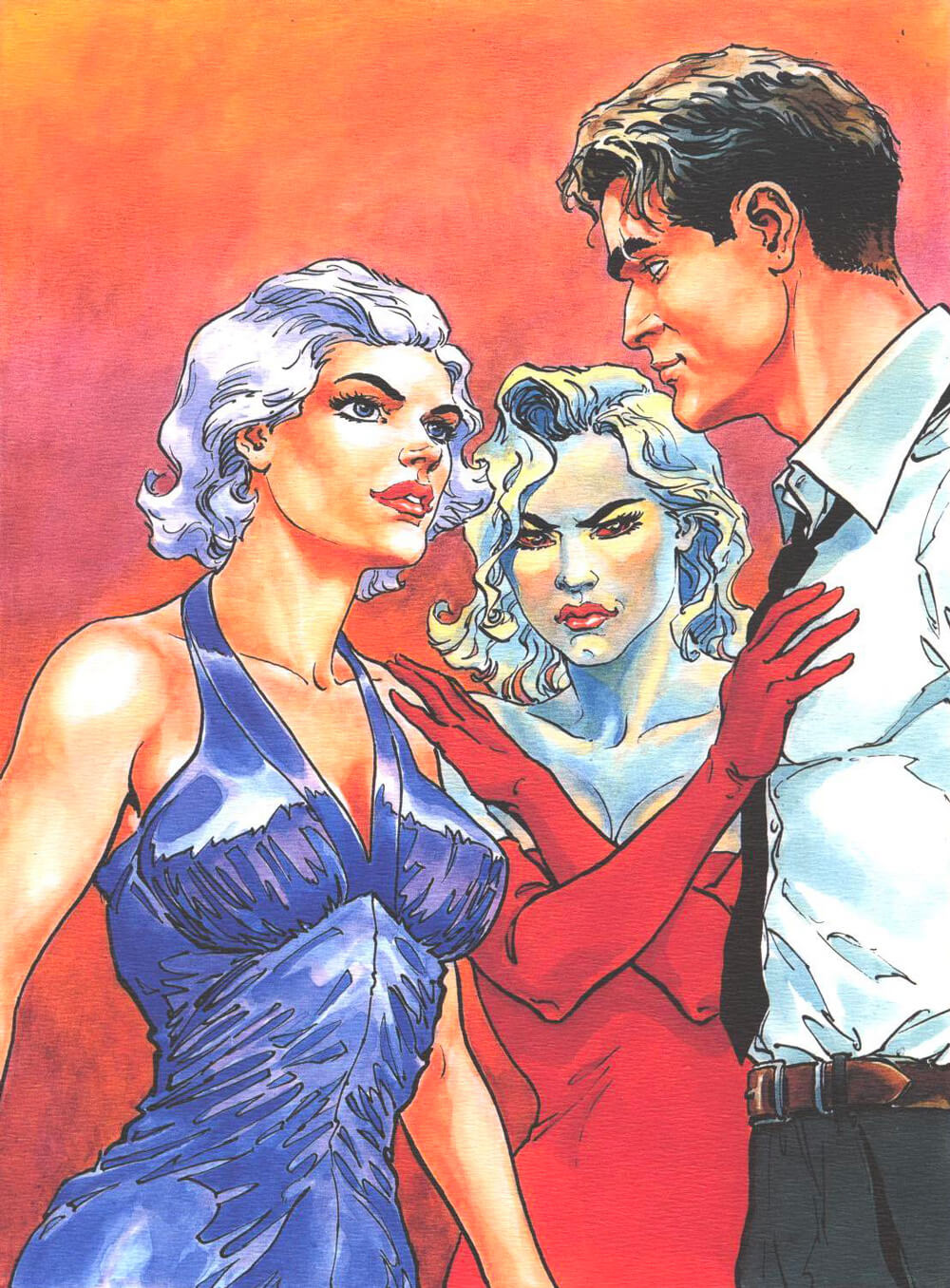
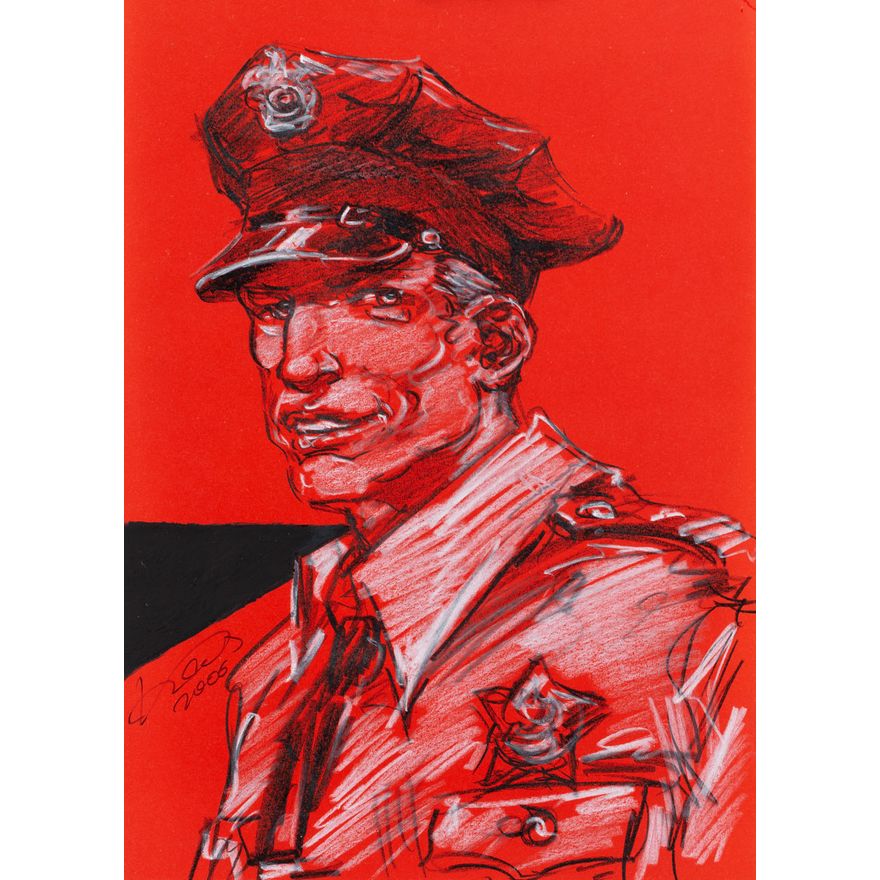
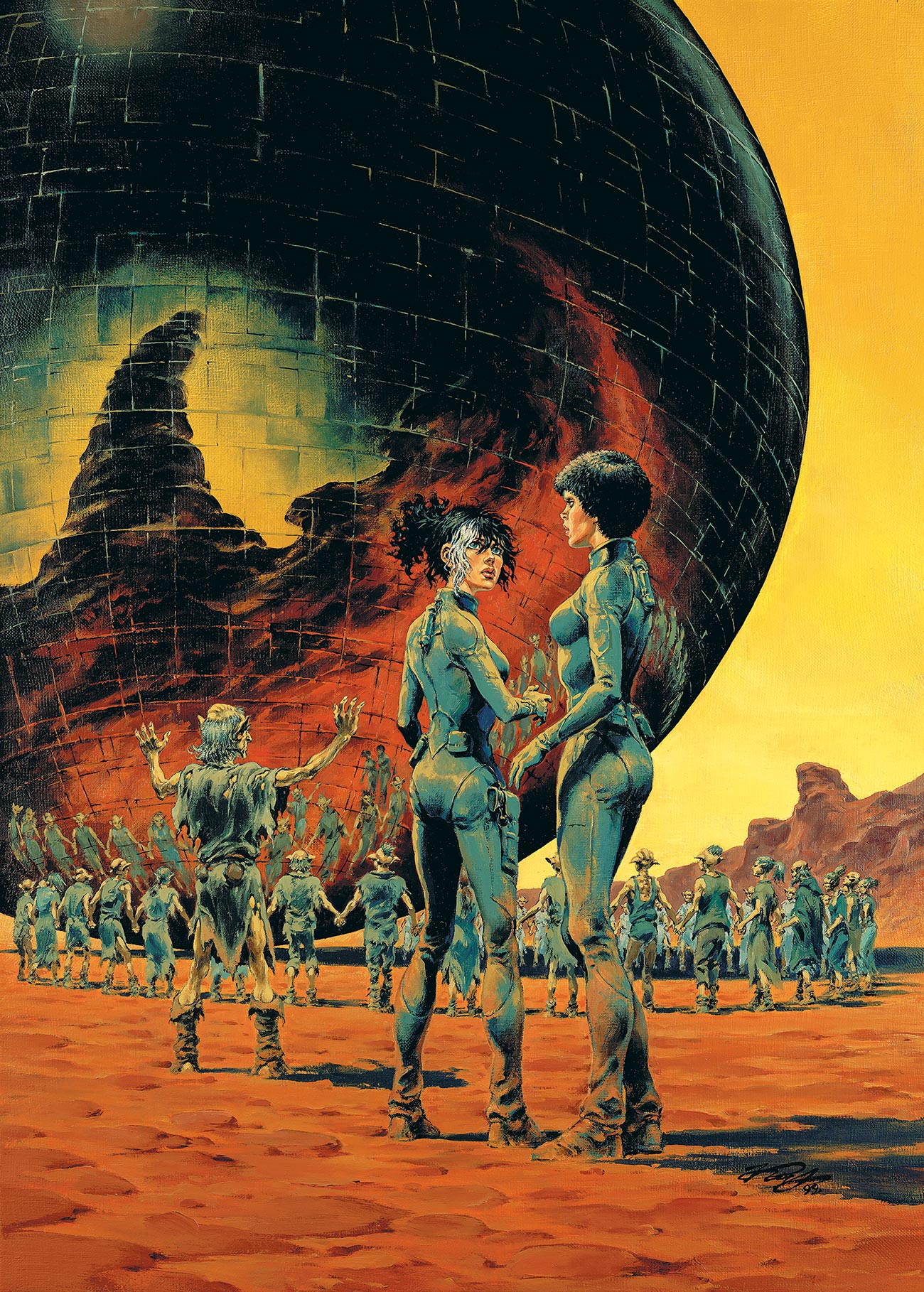
Zbigniew Kasprzak’s work is characterized by a precise, elegant line, an excellent command of anatomy, and a strong sense of perspective and proportion. He primarily uses classical drawing techniques such as ink, pencil, and watercolor, treating drawing as an autonomous work of art rather than merely a narrative component.
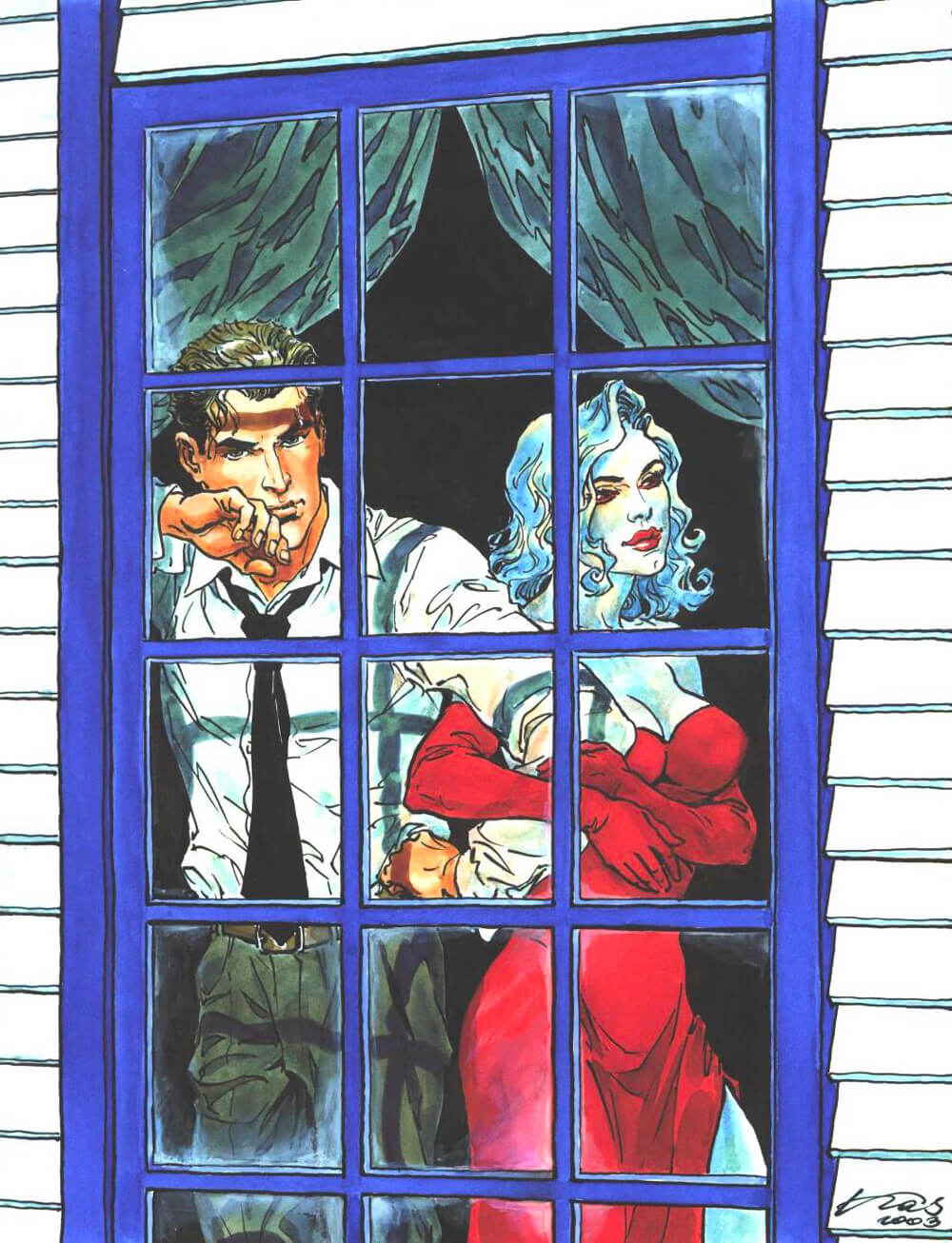
Light plays a crucial role in his compositions, shaping mood, dramatic tension, and spatial depth. Kasprzak’s panels often resemble still frames from a film—dynamic yet carefully balanced in composition. His work also reveals inspiration drawn from realist and academic painting, particularly in the modeling of figures and meticulous attention to costume and architectural detail.
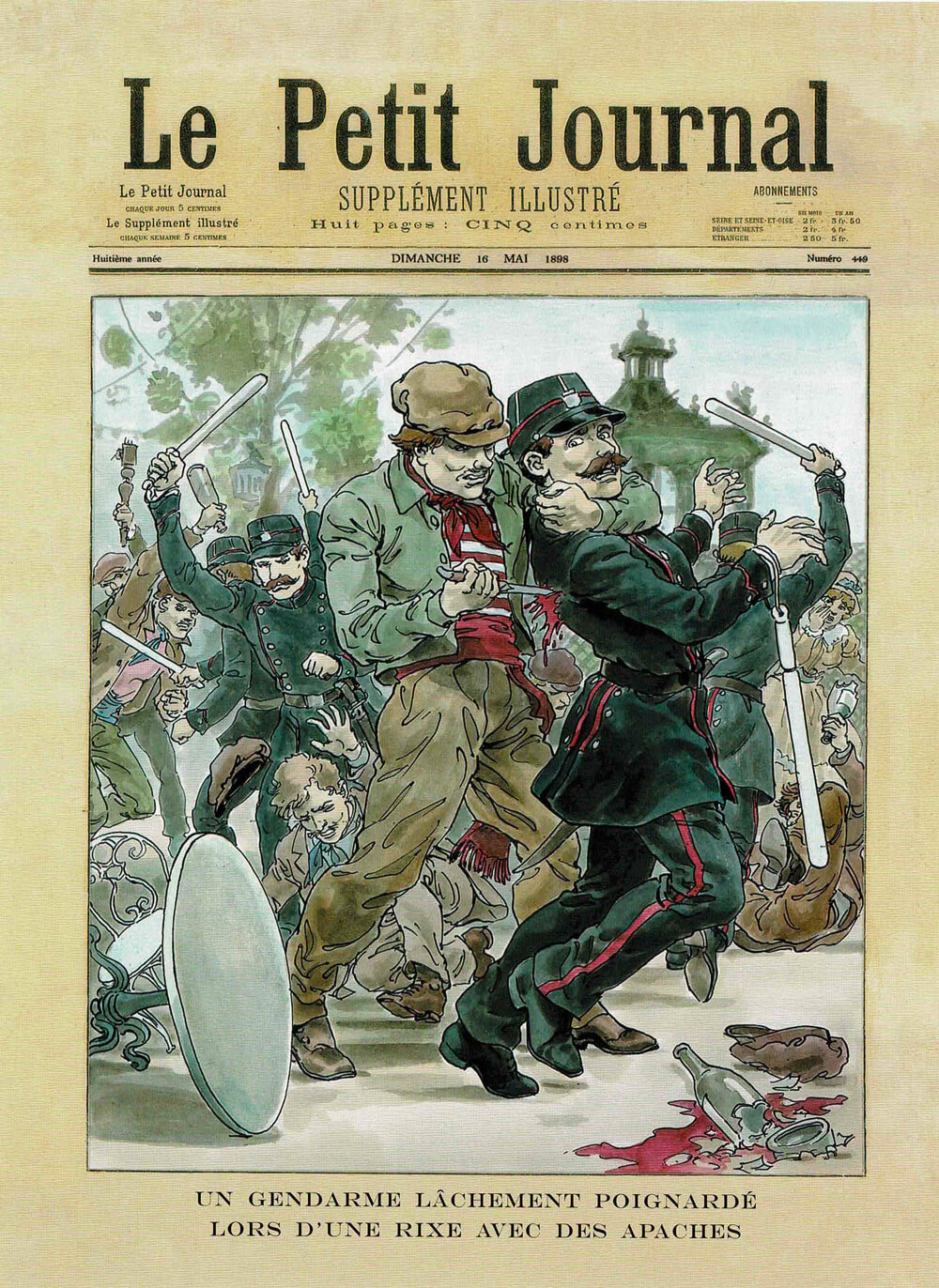
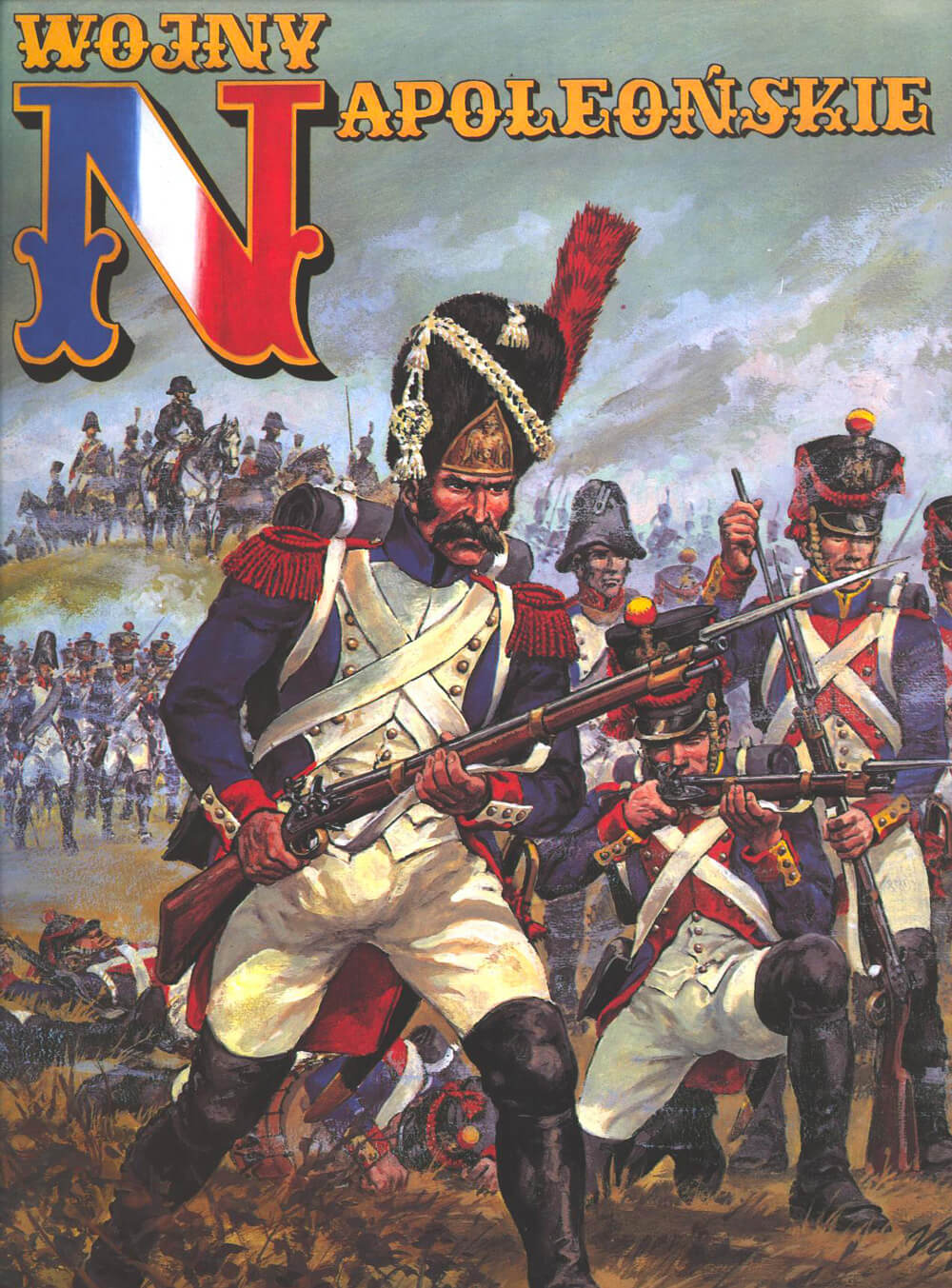
The artist is best known for historical, biographical, and adventure comics set in the realities of the nineteenth and twentieth centuries. His works are marked by a high degree of historical credibility, achieved through careful research and an ability to synthesize complex historical contexts.
Kasprzak’s visual narratives do not rely solely on action; emotions, character psychology, and subtle interpersonal relationships play an equally important role. As a result, his drawings function both as elements of a broader story and as independent images of high aesthetic value.
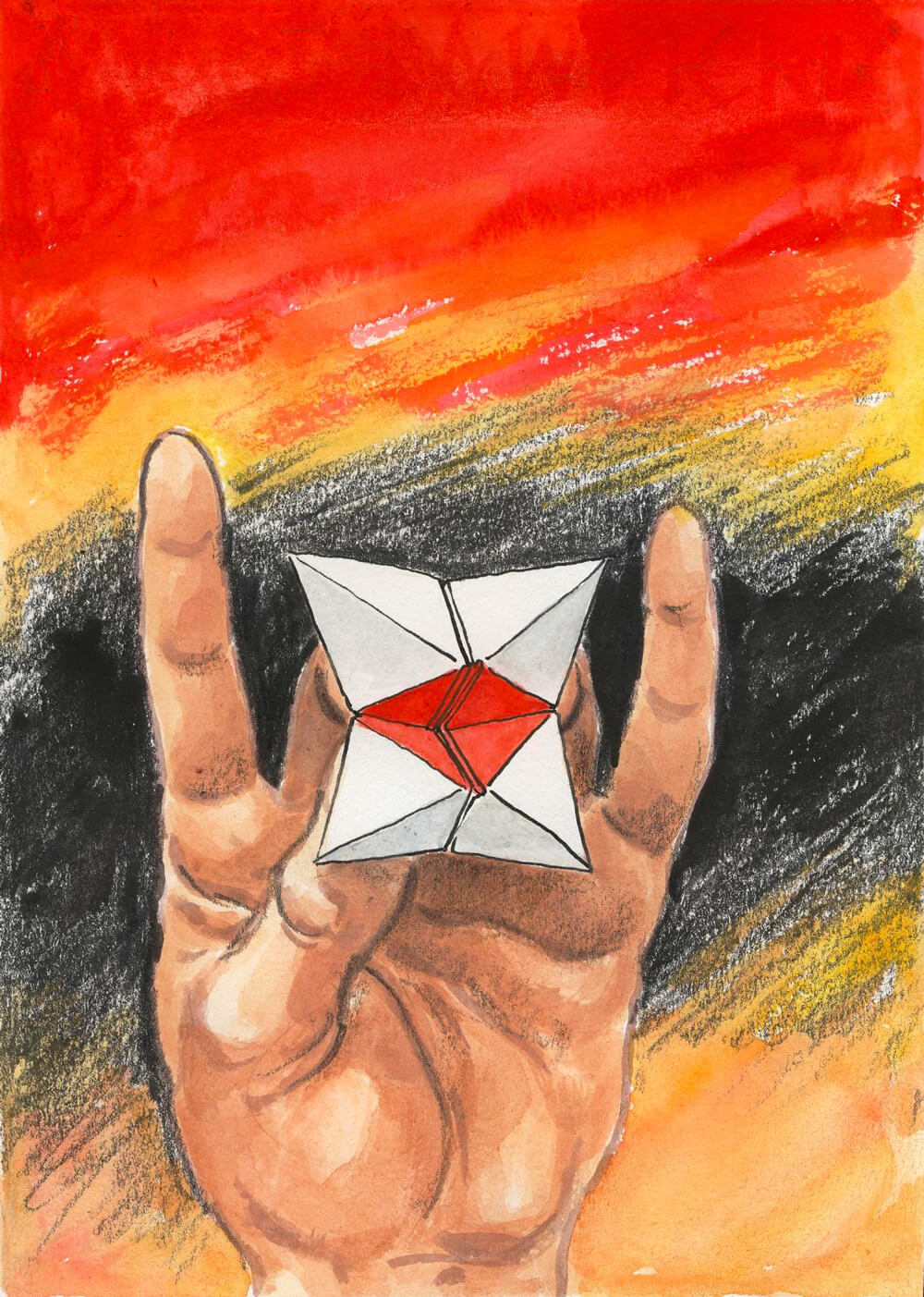
Zbigniew Kasprzak is highly regarded by comic readers as well as art collectors. Original comic boards, illustrations, and study drawings are valued on the collectors’ market for their uniqueness, technical excellence, and representation of a classical—now increasingly rare—school of realist drawing.
His work forms an important bridge between the Polish tradition of illustration and Western European comic culture, securing his place within the canon of contemporary narrative art.
Works by Zbigniew Kasprzak are held in private collections in Europe and beyond. Particularly sought after are:
original comic pages,
preparatory and study drawings,
autonomous illustrations not directly connected to published works.
His works are considered a stable and prestigious form of collecting, combining artistic value with historical significance for European comics.
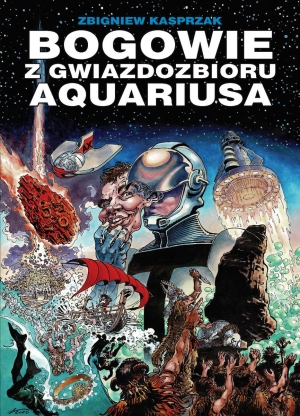
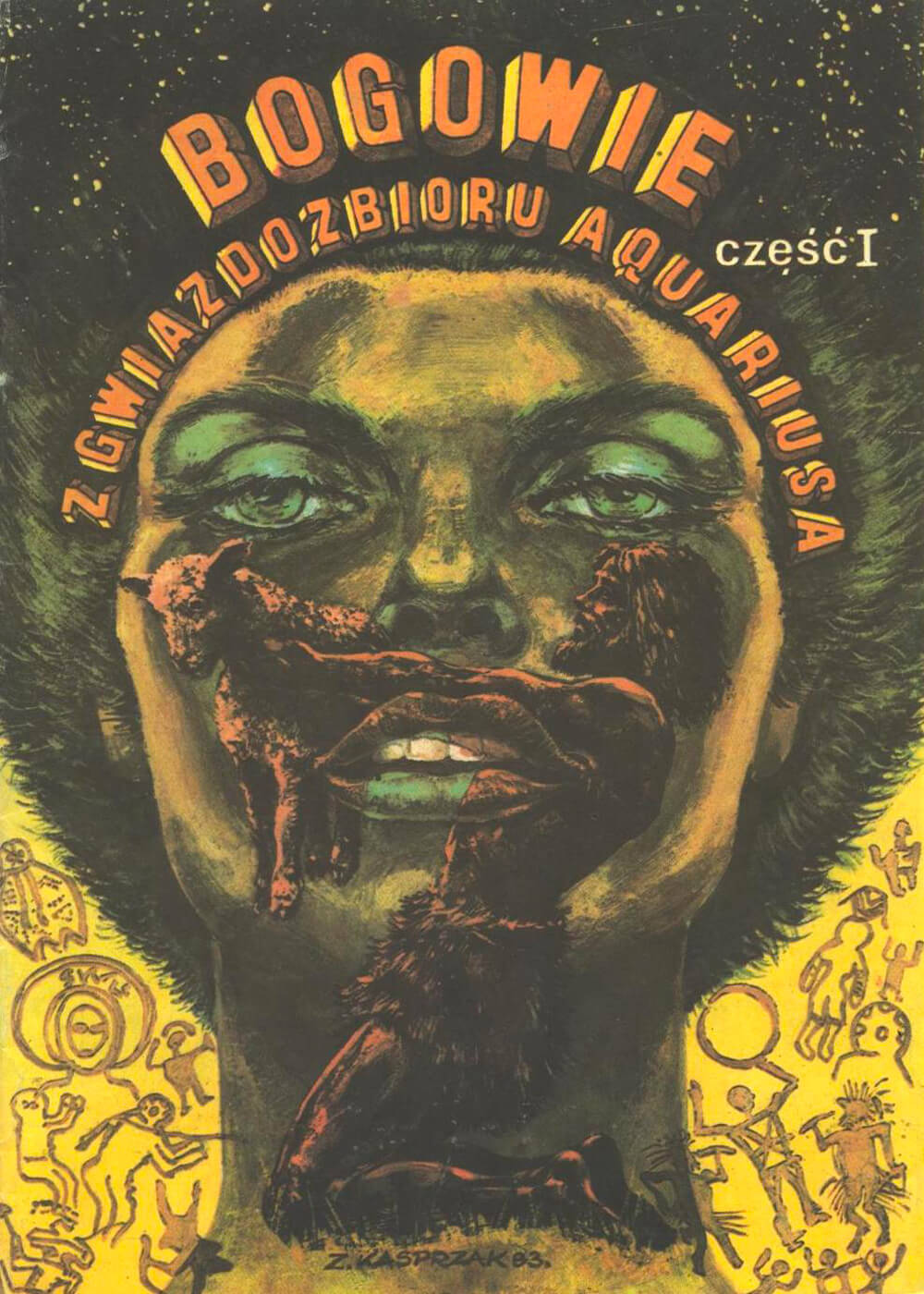
Gods from the Constellation Aquarius Vol. 1 – Sport i Turystyka, 1985
Hypotheses – script by Wiesława Wierzchowska
The Destruction of Atlantis Vols. 1–2 – Sport i Turystyka, 1986
A Visitor from Space – Sport i Turystyka, 1986
The Rebel – Sport i Turystyka, 1986
Gods from the Constellation Aquarius Vol. 2 – Sport i Turystyka, 1987
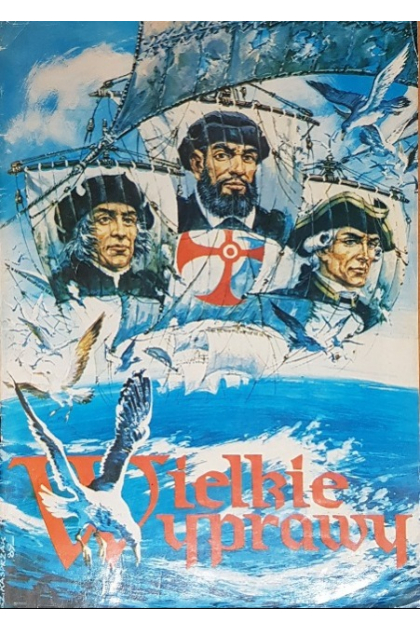
Great Expeditions – KAW, 1990 (script: Stefan Weinfeld), a collected edition of three stories:
Christopher Columbus and the Discovery of the New World
The Voyages of James Cook
Magellan’s Circumnavigation of the World
Athabasca – Le Lombard, 1995; Egmont Polska, 2003
Grizzly – Le Lombard, 1997; Egmont Polska, 2003
(script by Bran McLeod)
(Zbigniew Kasprzak took over the artwork in 1990 from Grzegorz Rosiński; album 5 was co-illustrated. All scripts by André-Paul Duchâteau.)
The Law of Ardelia – Le Lombard, 1990
Planet of Sorceries – Le Lombard, 1992
Children of Infinity – Le Lombard, 1994
The Face of the Monster – Le Lombard, 1996
Princess Ultis – Le Lombard, 1997
The Rainbow Plague – Le Lombard, 1998
The Secret of Time – Le Lombard, 1999
The Land of the Abysses – Le Lombard, 2000
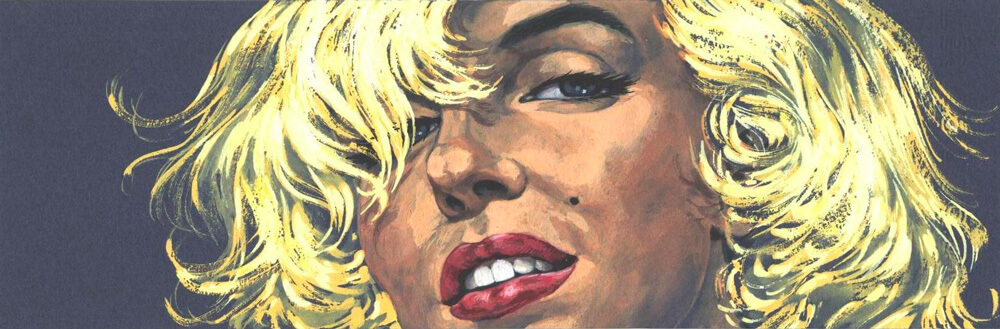
Shooting Star: Marilyn Monroe – Casterman, 2006; Ongrys, 2011
(script by Maryse Charles and Jean-François Charles)
(script by Belgian writer Jean-Claude Smit-le-Bénédicte, writing as Mythic)
Premonitions – Le Lombard, 2003
I Am Writing to You from Gettysburg – Le Lombard, 2004
Like Two Drops of Water – Le Lombard, 2005
New Life – Le Lombard, 2006
Lost Letters – Le Lombard, 2007
Sweet Loreena – Le Lombard, 2008
Remake – Le Lombard, 2009