This is a demo store for testing purposes — no orders shall be fulfilled. Dismiss
Skip to contentPolish draughtsman and graphic artist of the twentieth century
Zbigniew Kiulin was born in 1922, and his life and artistic activity unfolded during one of the most dramatic periods in Polish history—the Second World War and the subsequent postwar reconstruction of the country. His mature artistic work developed in the realities of the Polish People’s Republic, a time marked by strong social, political, and ideological tensions, which found clear reflection in the character of his works.
He died in 1987. Although he does not belong to the group of artists extensively discussed in art history textbooks, his oeuvre continues to circulate on the collectors’ and auction markets, attesting to the authenticity and recognizable character of his drawing.
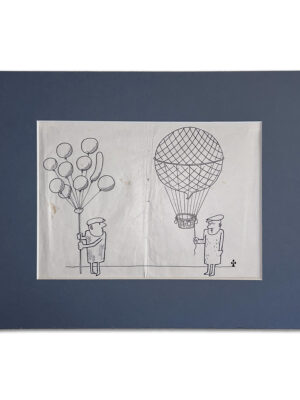
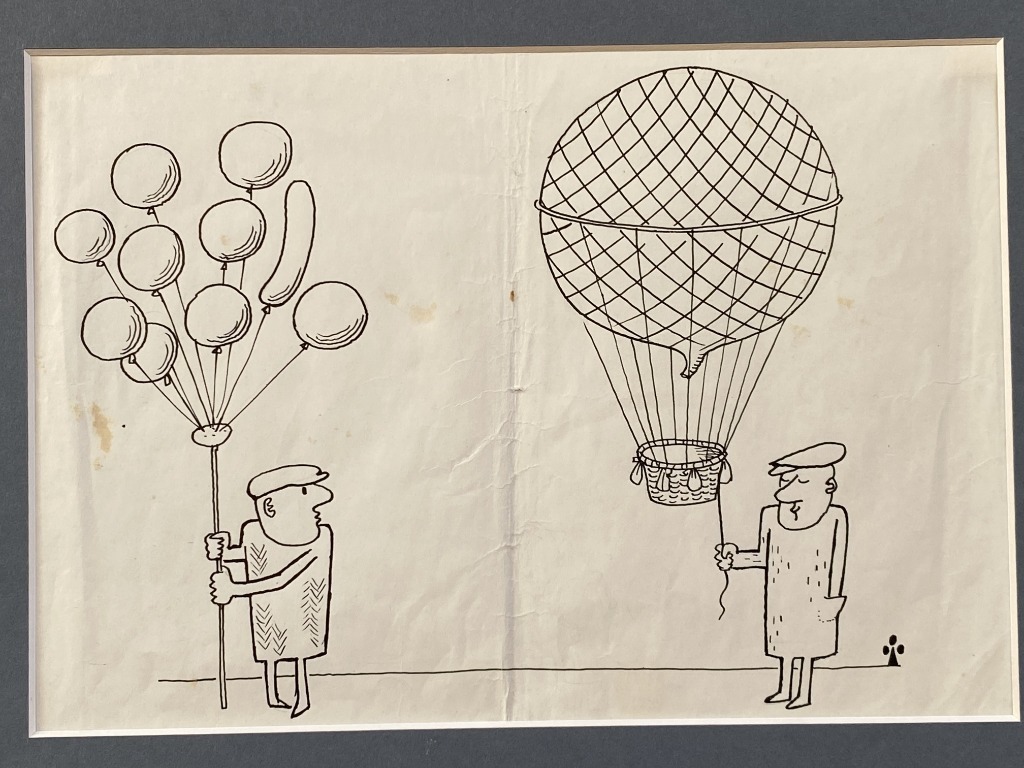
Zbigniew Kiulin was primarily a draughtsman and graphic artist, most often working in ink on paper. This medium allowed him to achieve a precise, economical, yet expressive artistic statement.
His works are characterized by:
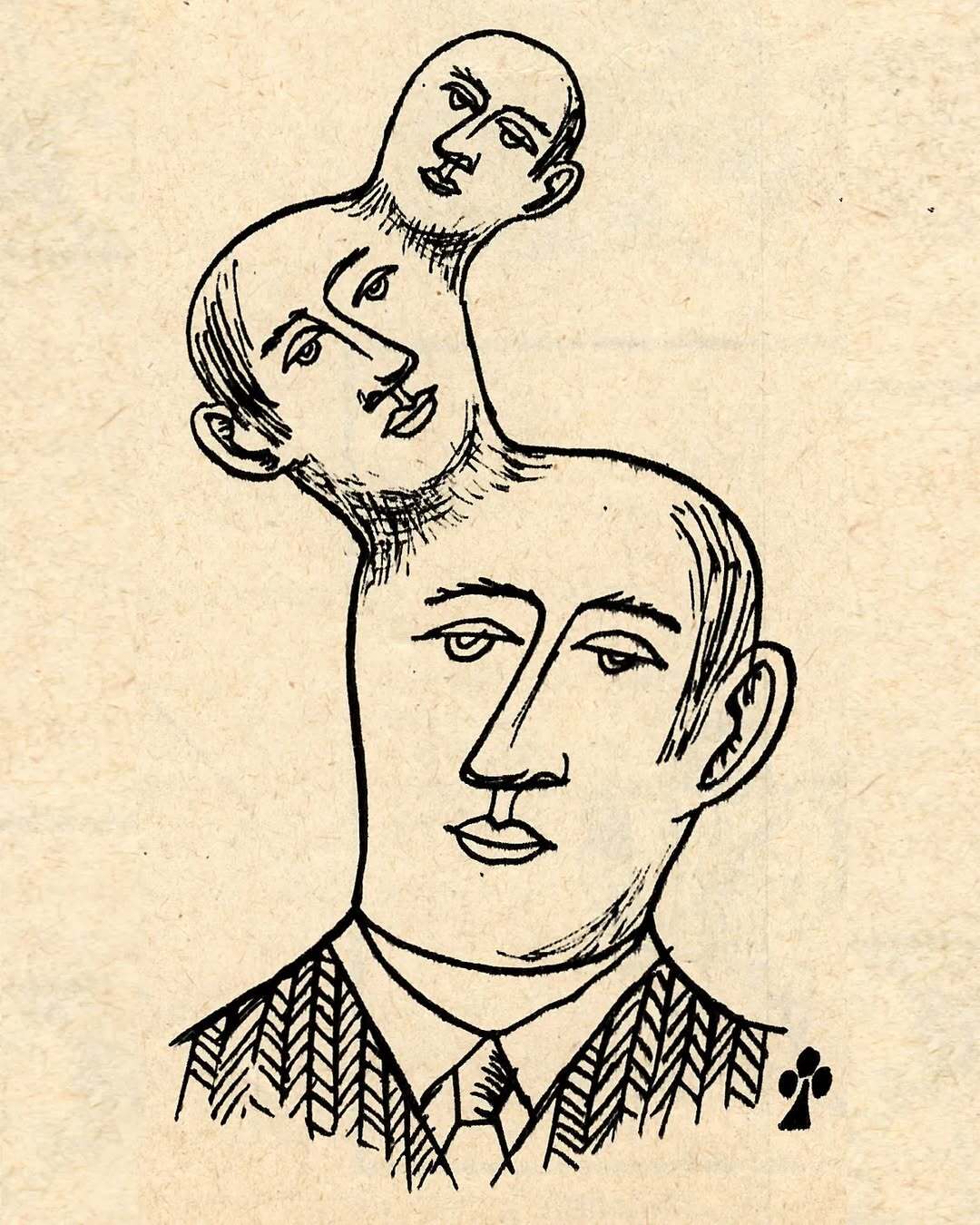
a distinct line, often nervous and deliberate, constructing form without excess means,
an intimate scale that enhances the personal nature of the message,
a focus on the human figure and psychological condition,
an atmosphere of unease, irony, or existential reflection.
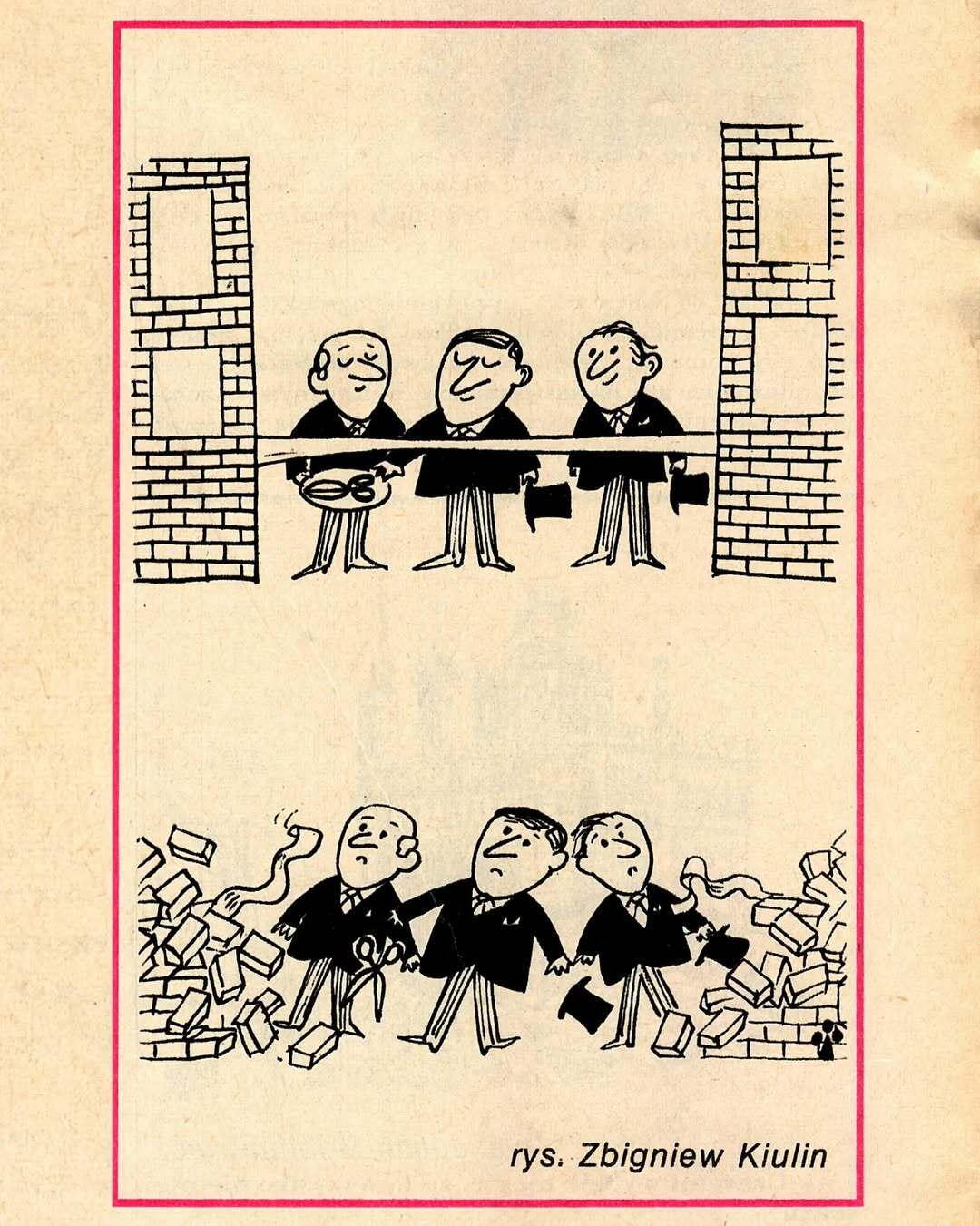
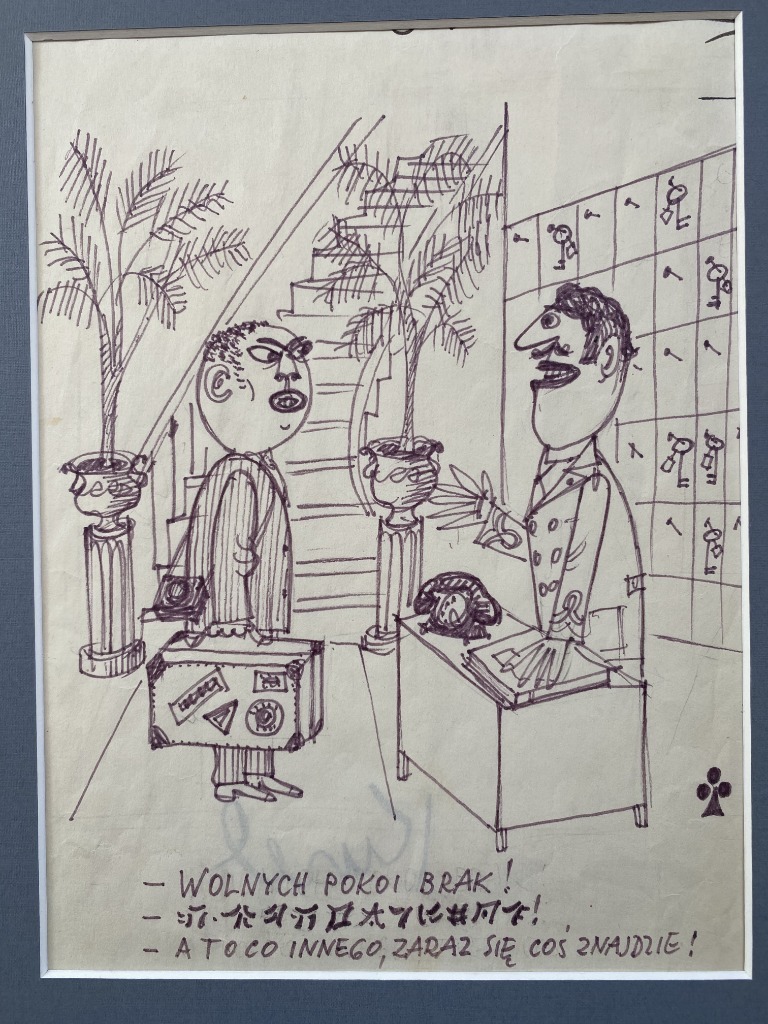
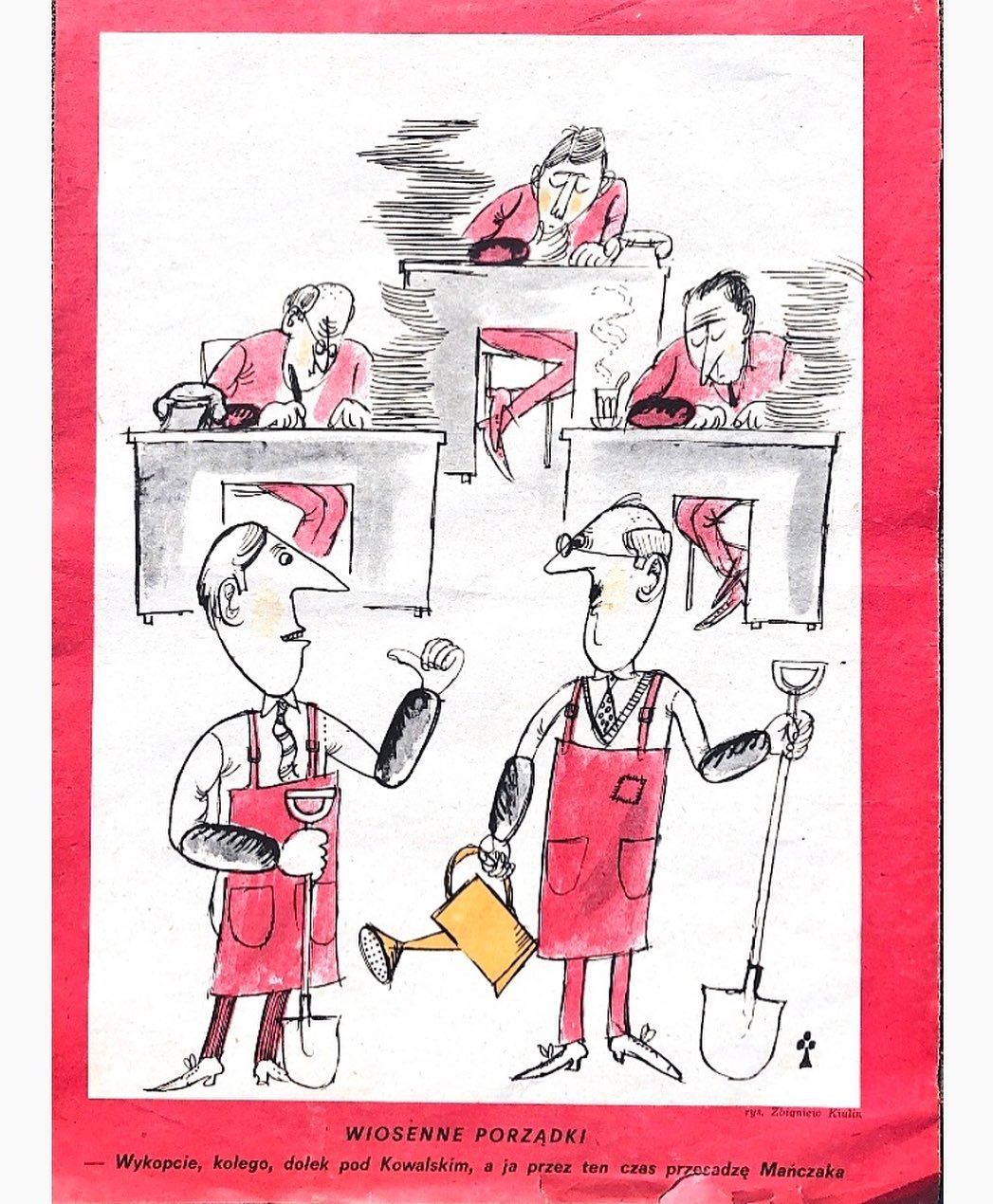
The subject matter of Kiulin’s drawings is frequently rooted in everyday life—interiors, social situations, interpersonal relations—yet these representations often carry a symbolic or psychological commentary characteristic of postwar art.
Recurring motifs in the artist’s known works include:
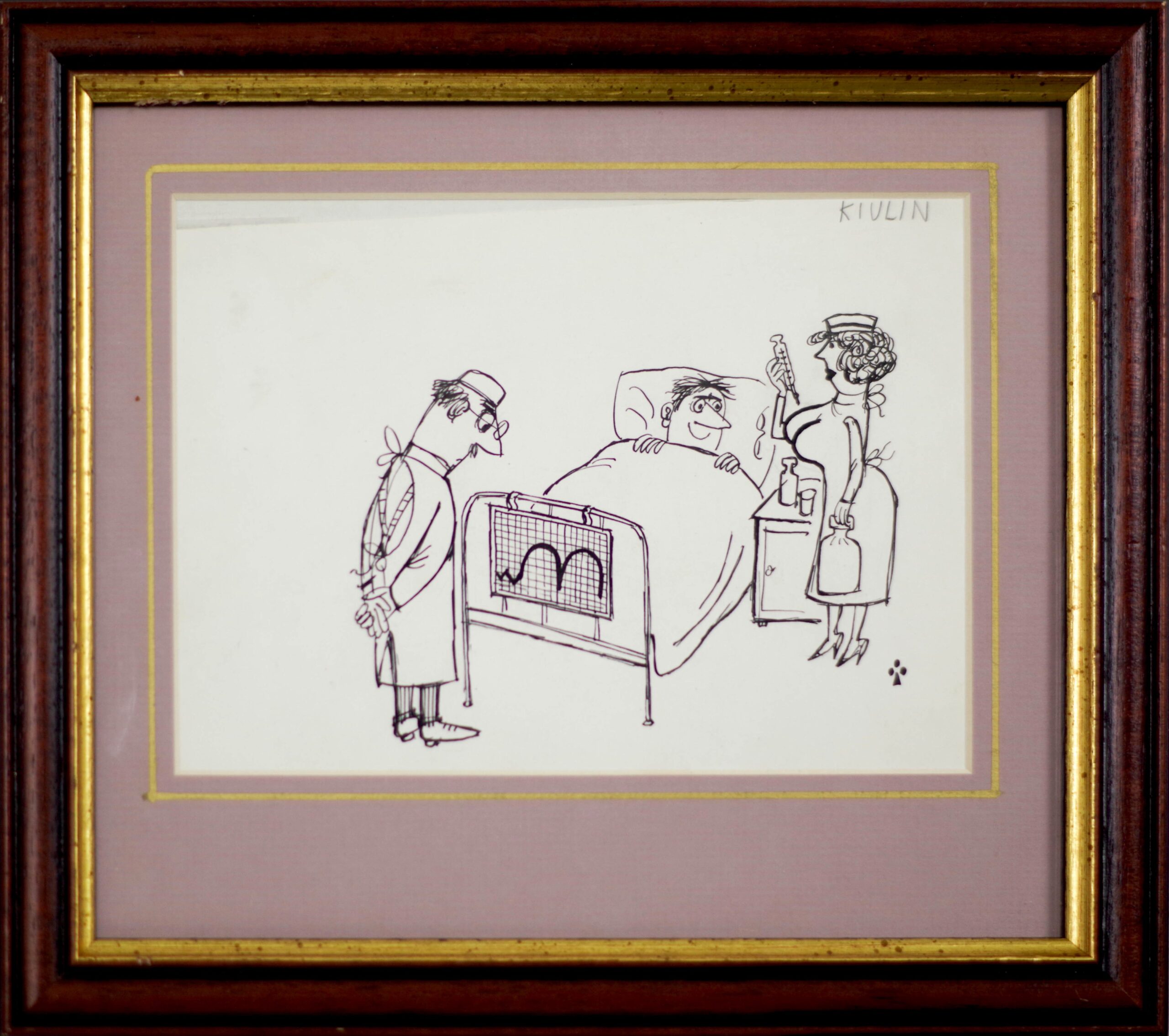
hospital and illness-related scenes,
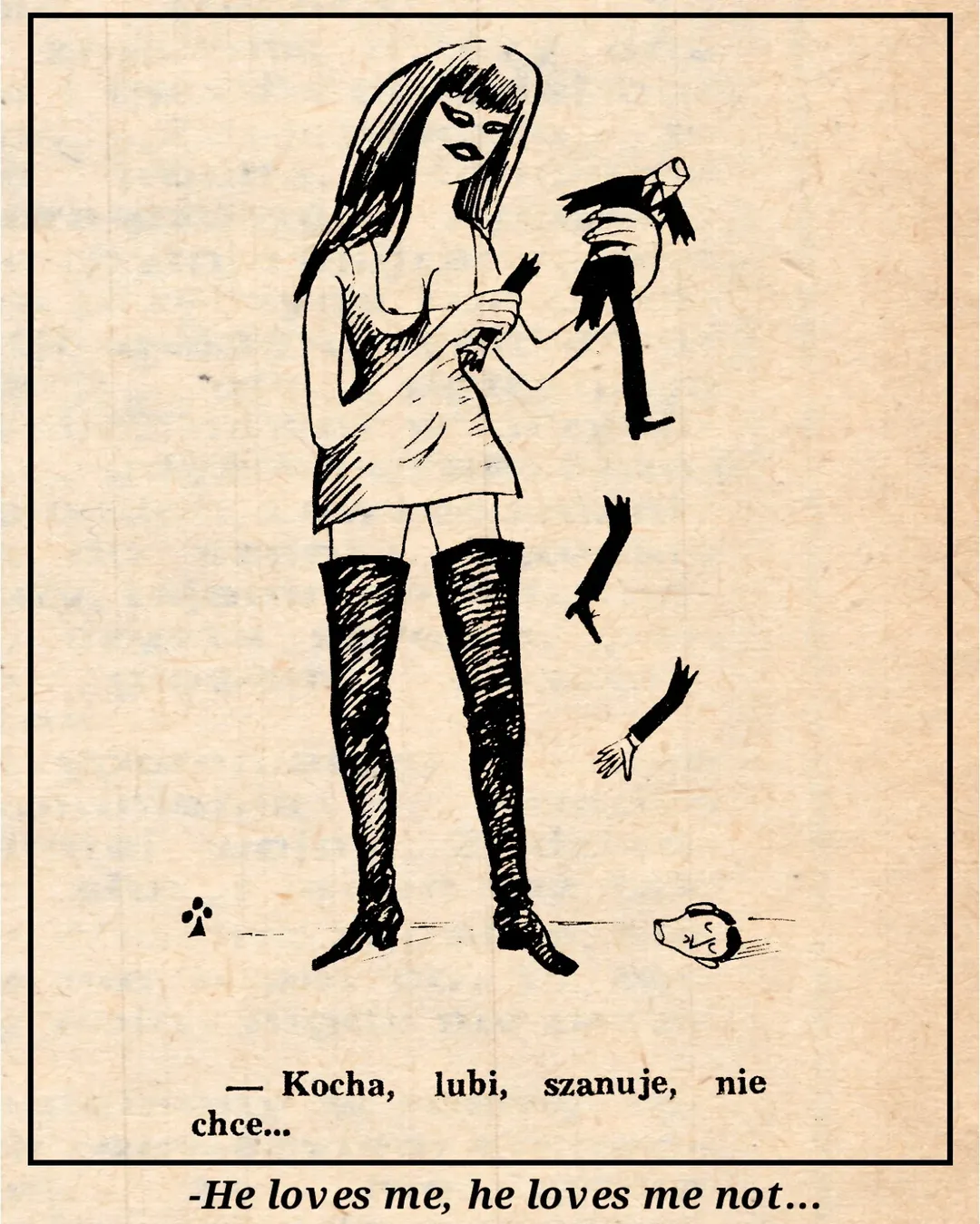
emotional tension,
observations of human weakness and fragility,
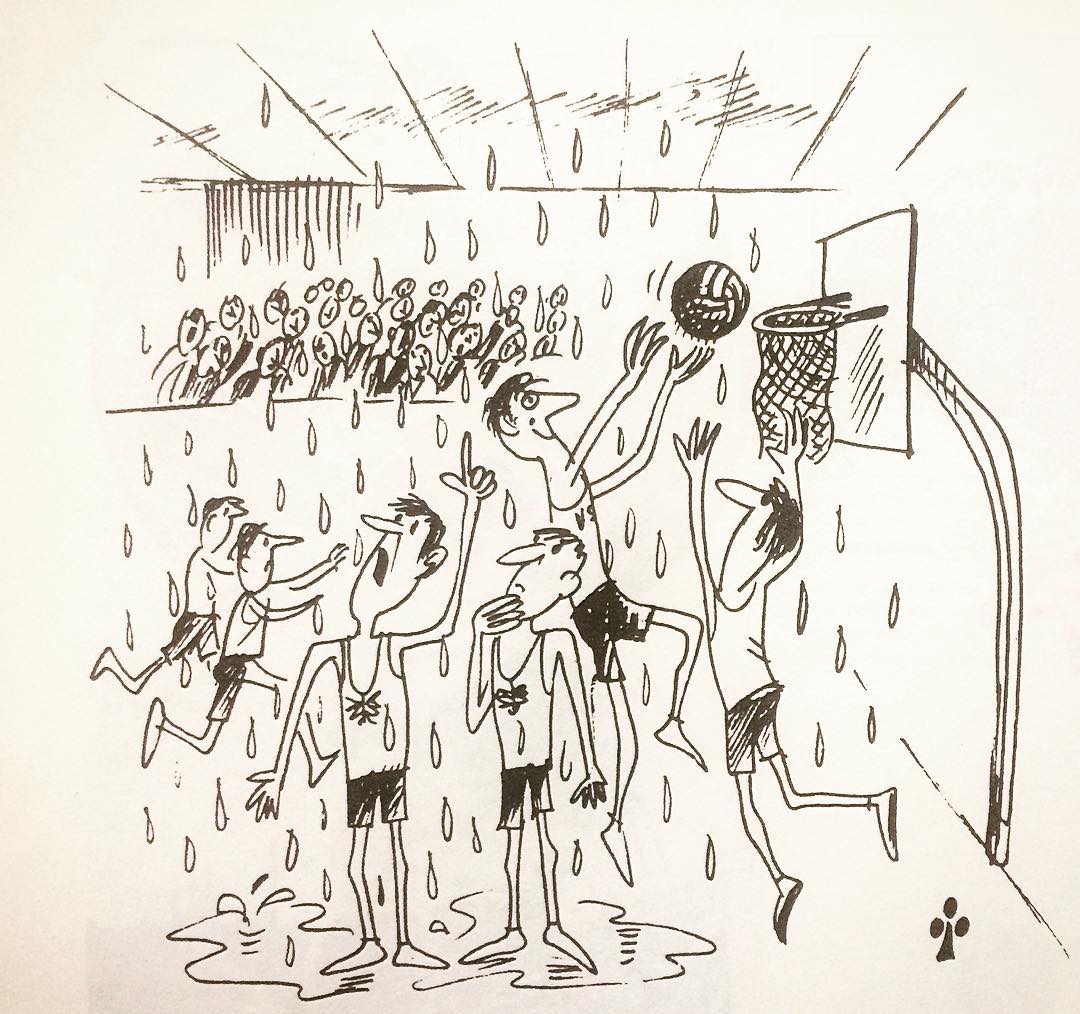
subtle grotesque and irony.
Works such as In the Hospital or High Temperature point to an interest in liminal states—both physical and psychological—and an attempt to capture the tension between the body, emotion, and surrounding environment.
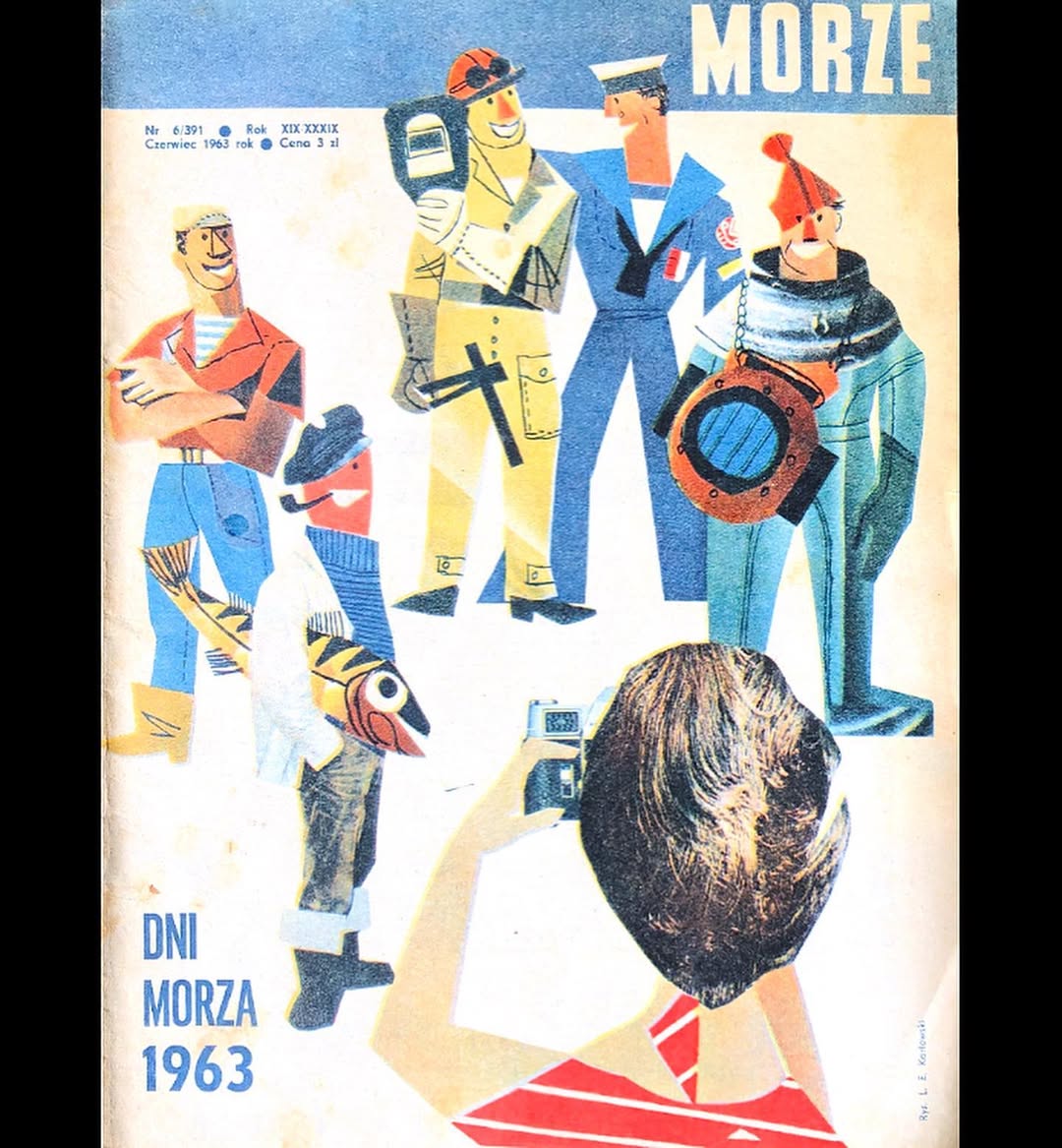
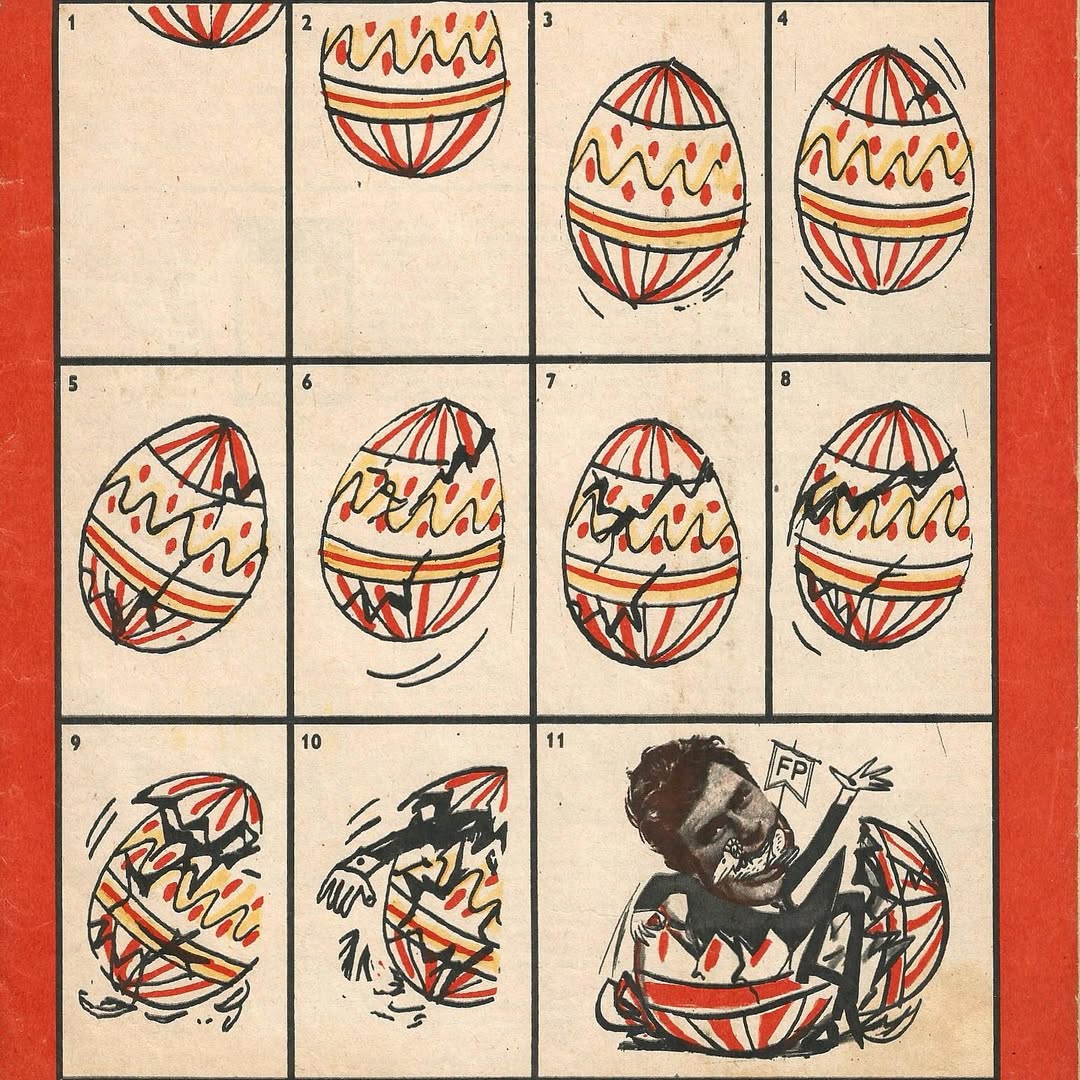
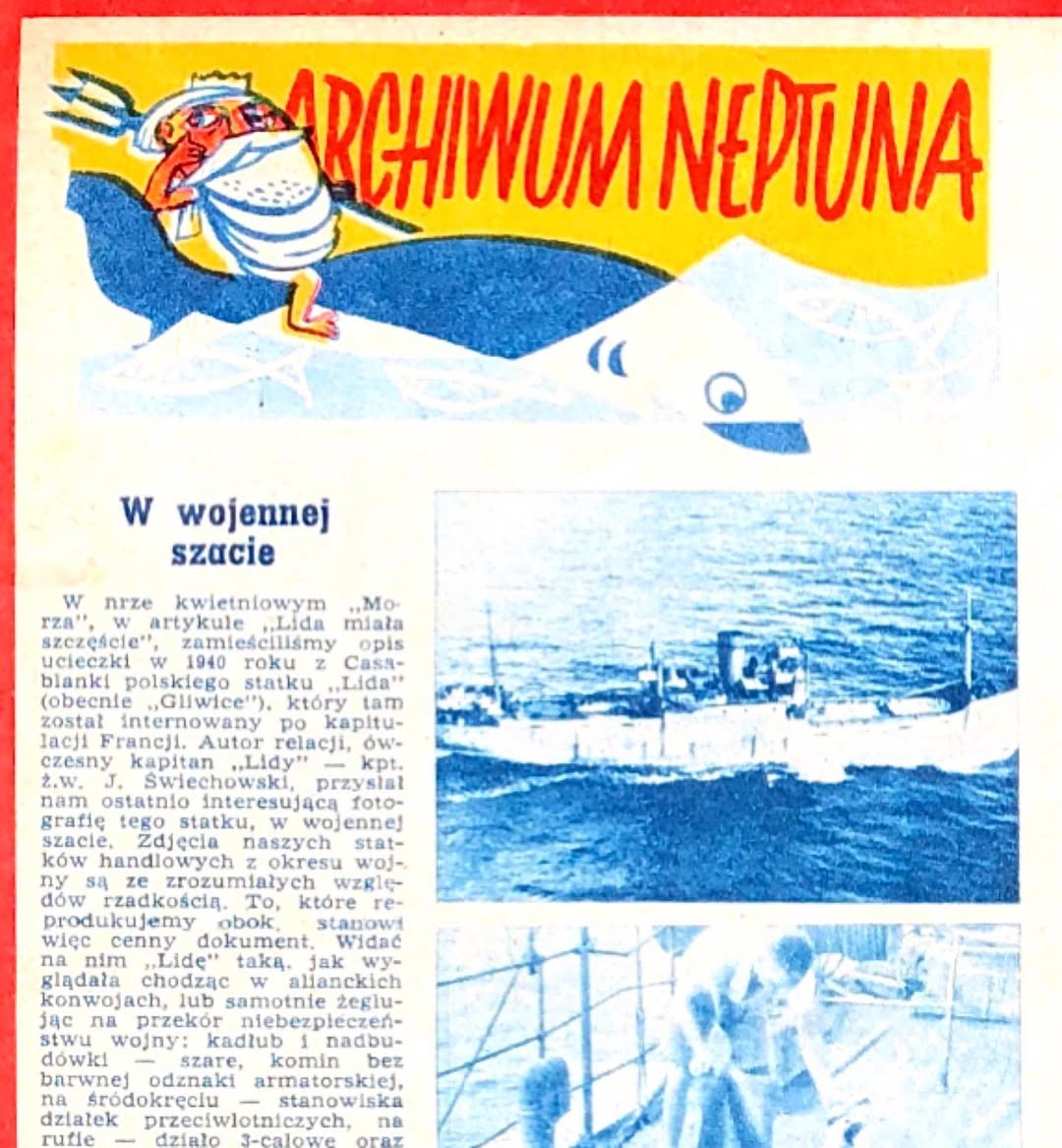
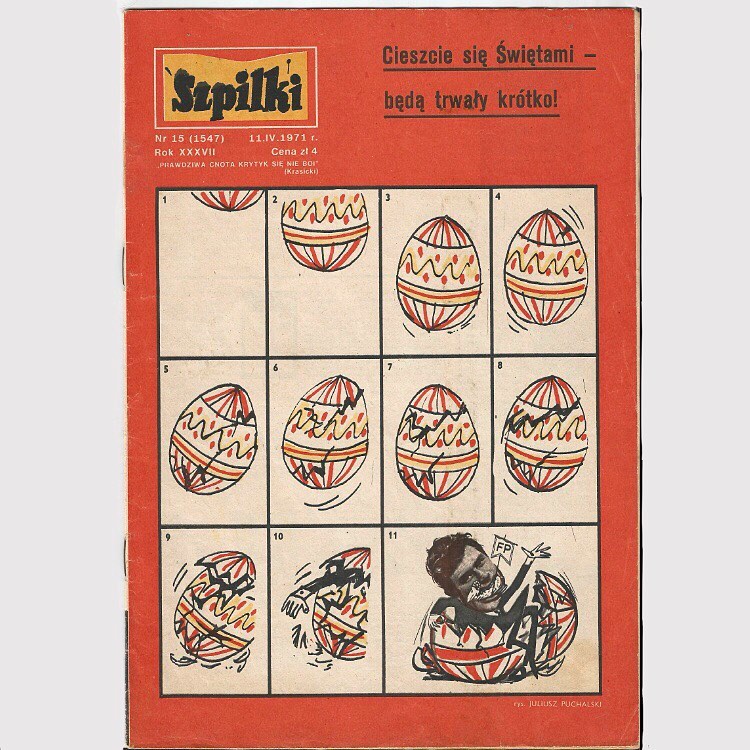
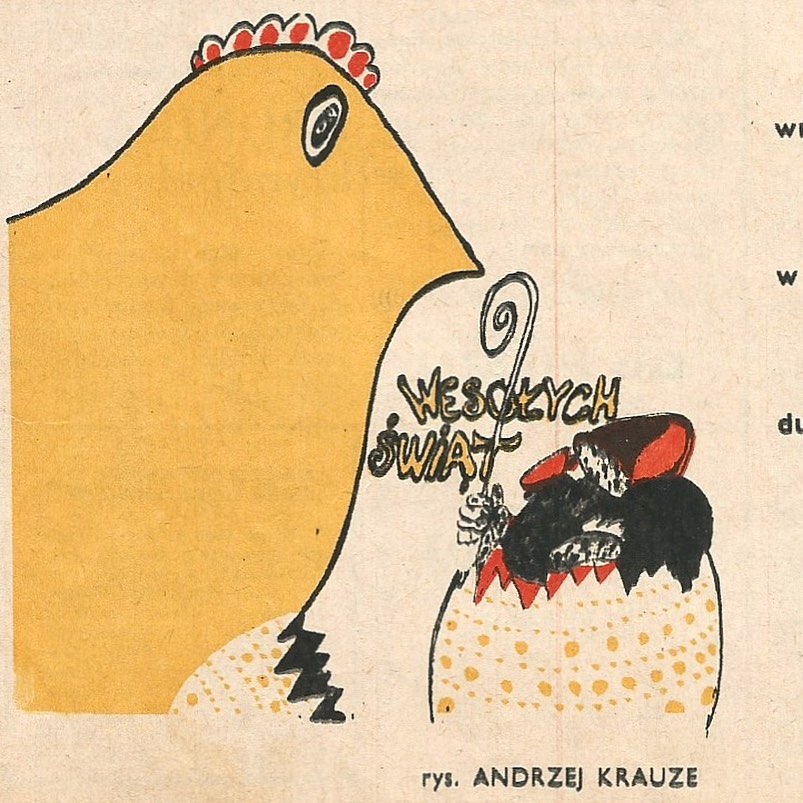
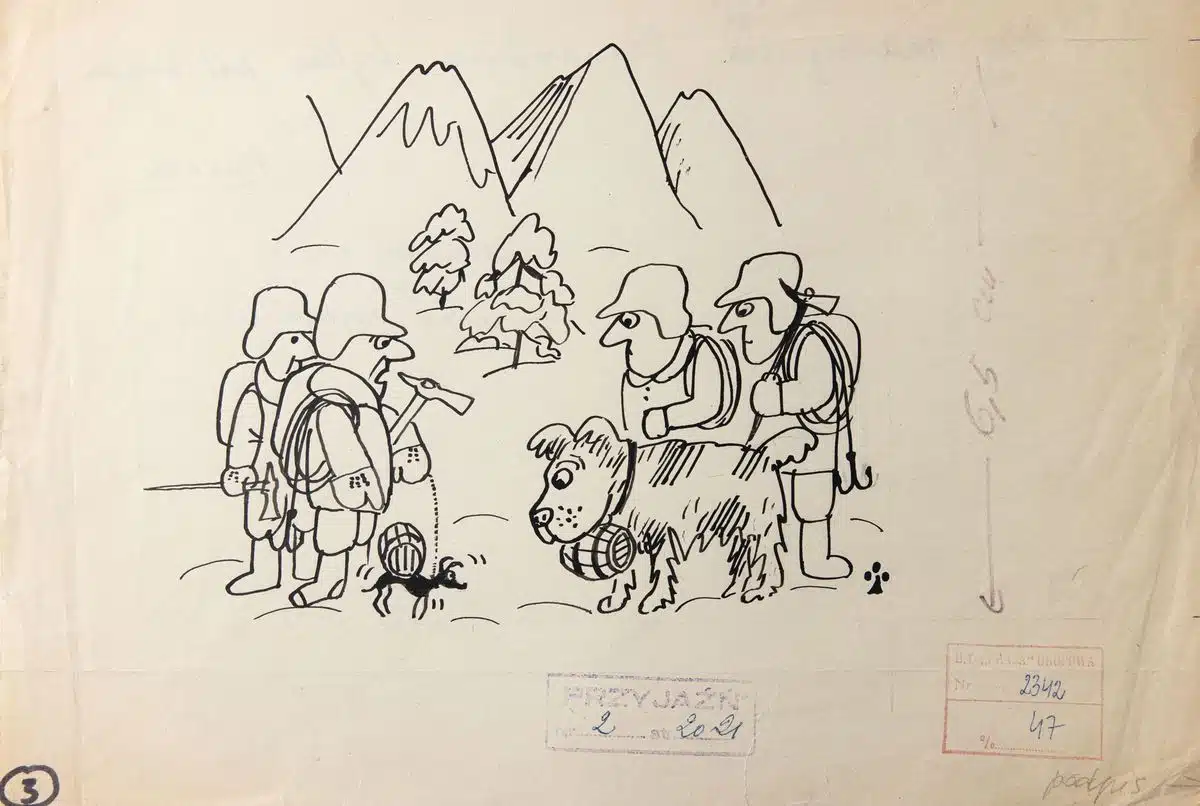
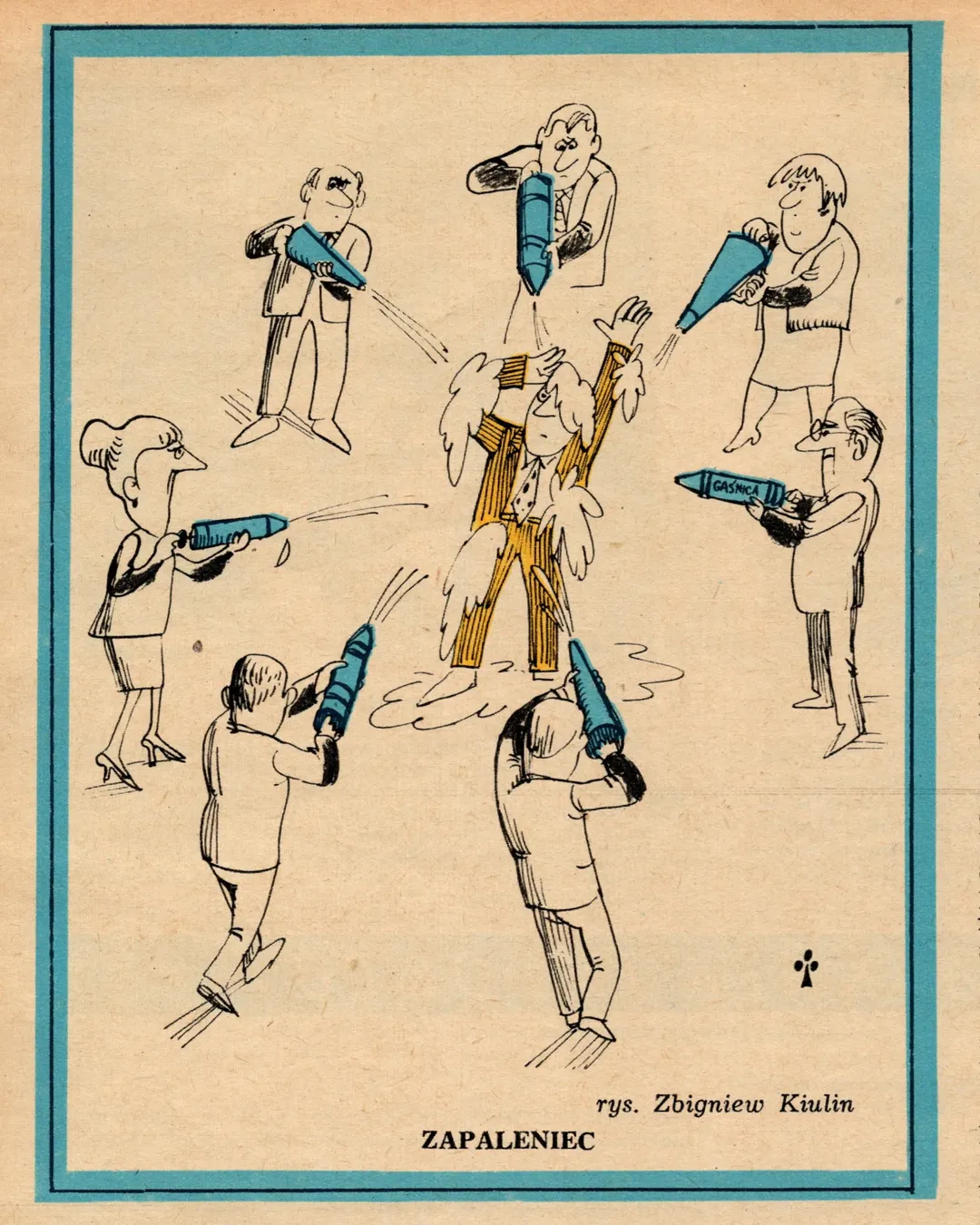
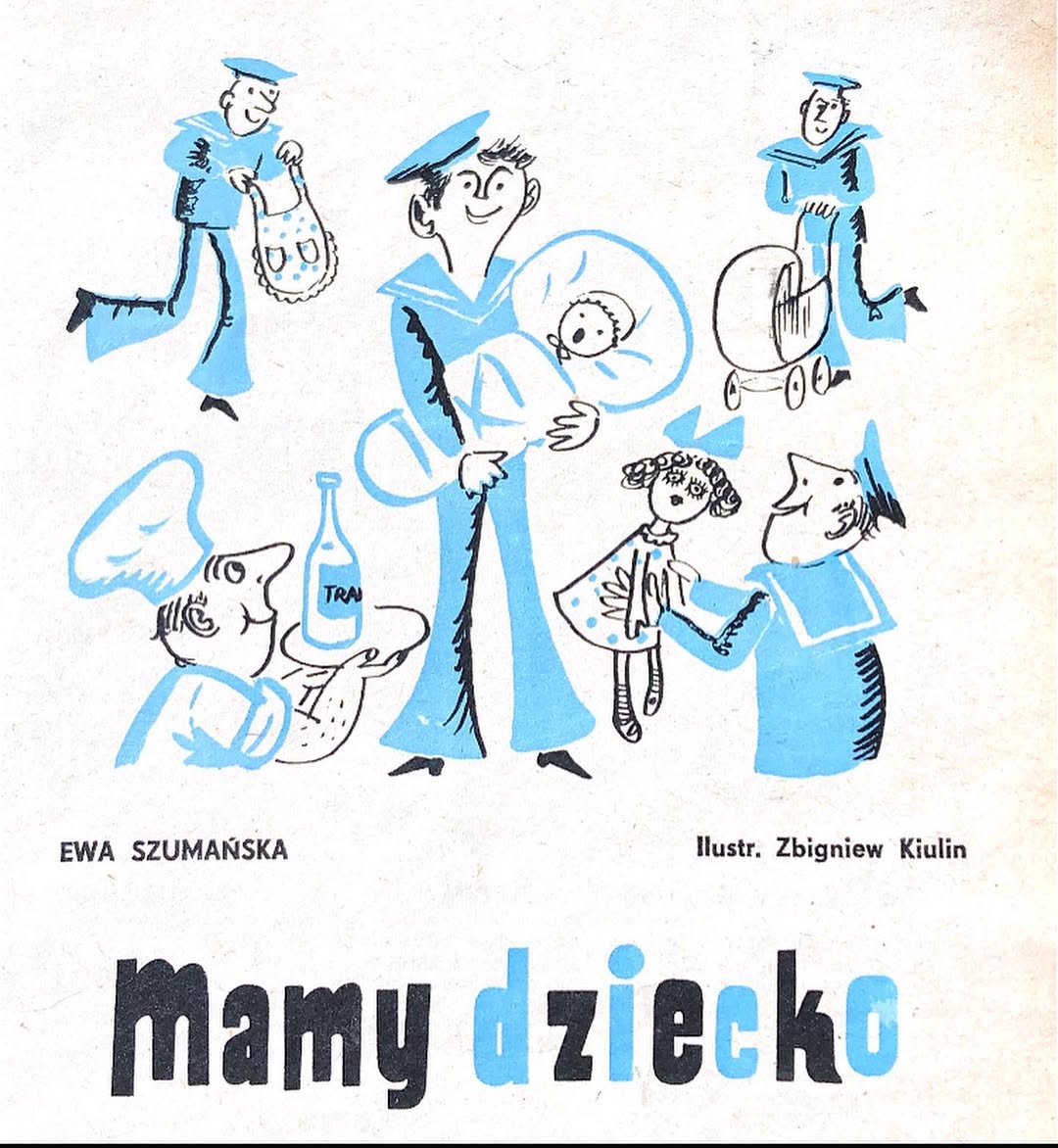
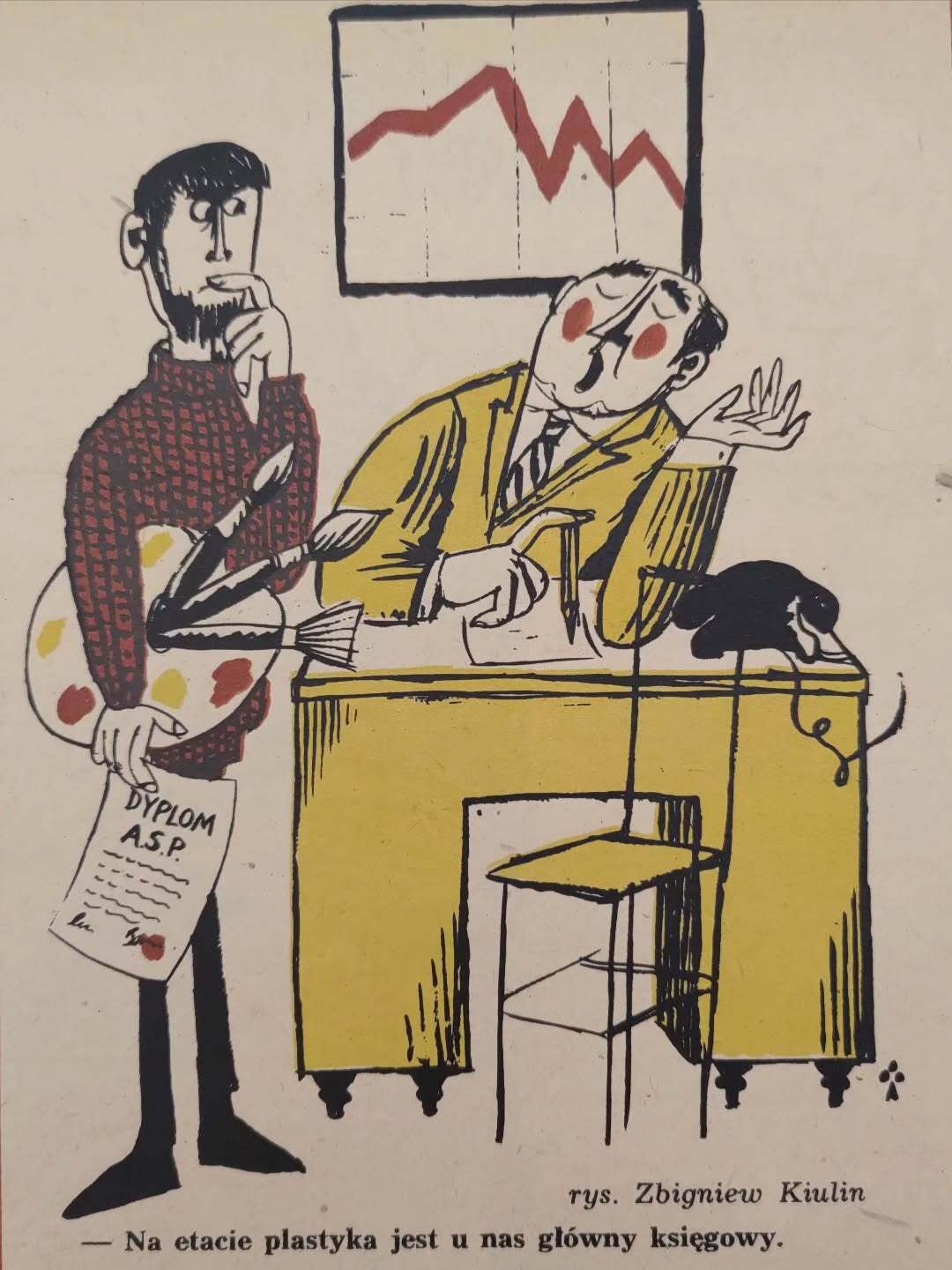
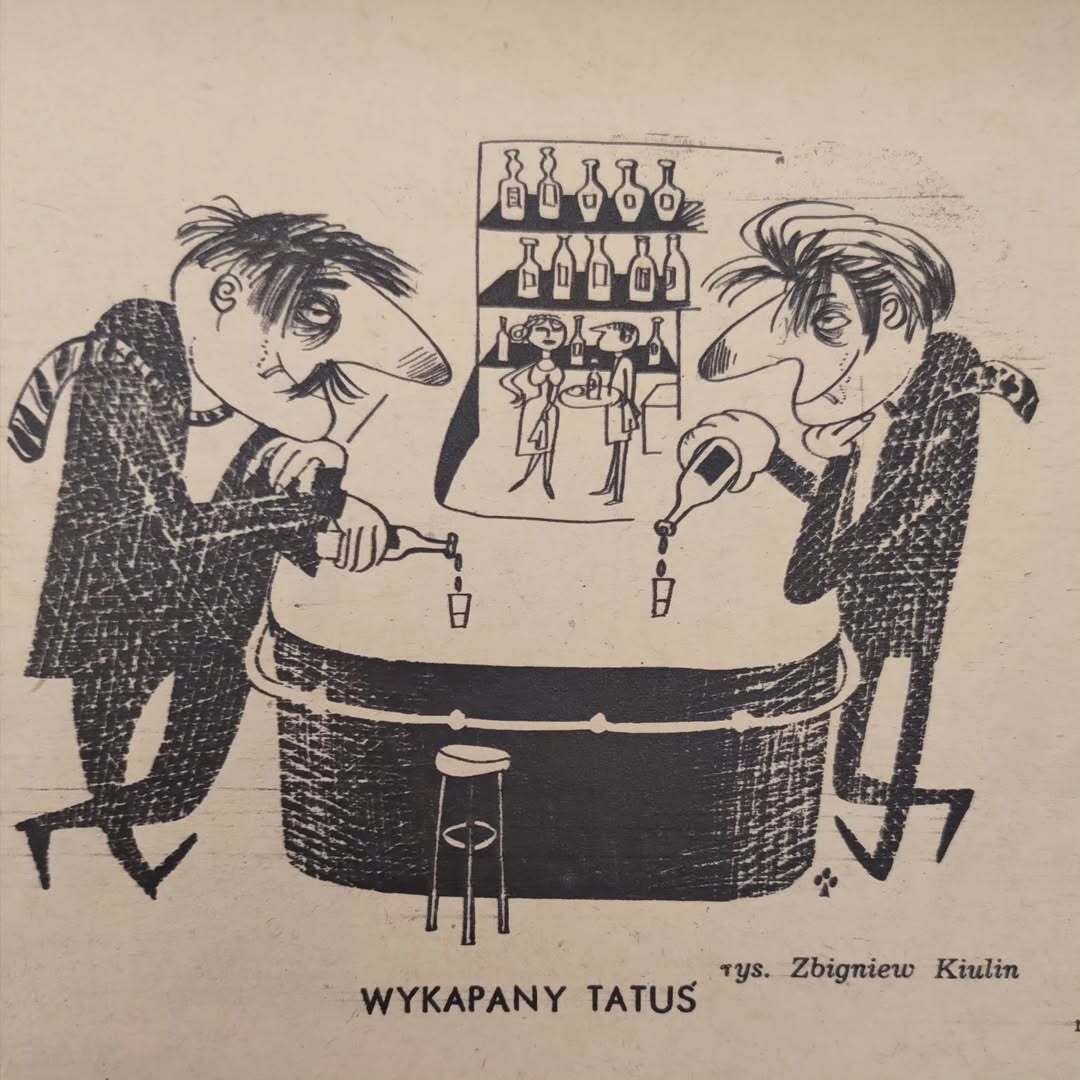
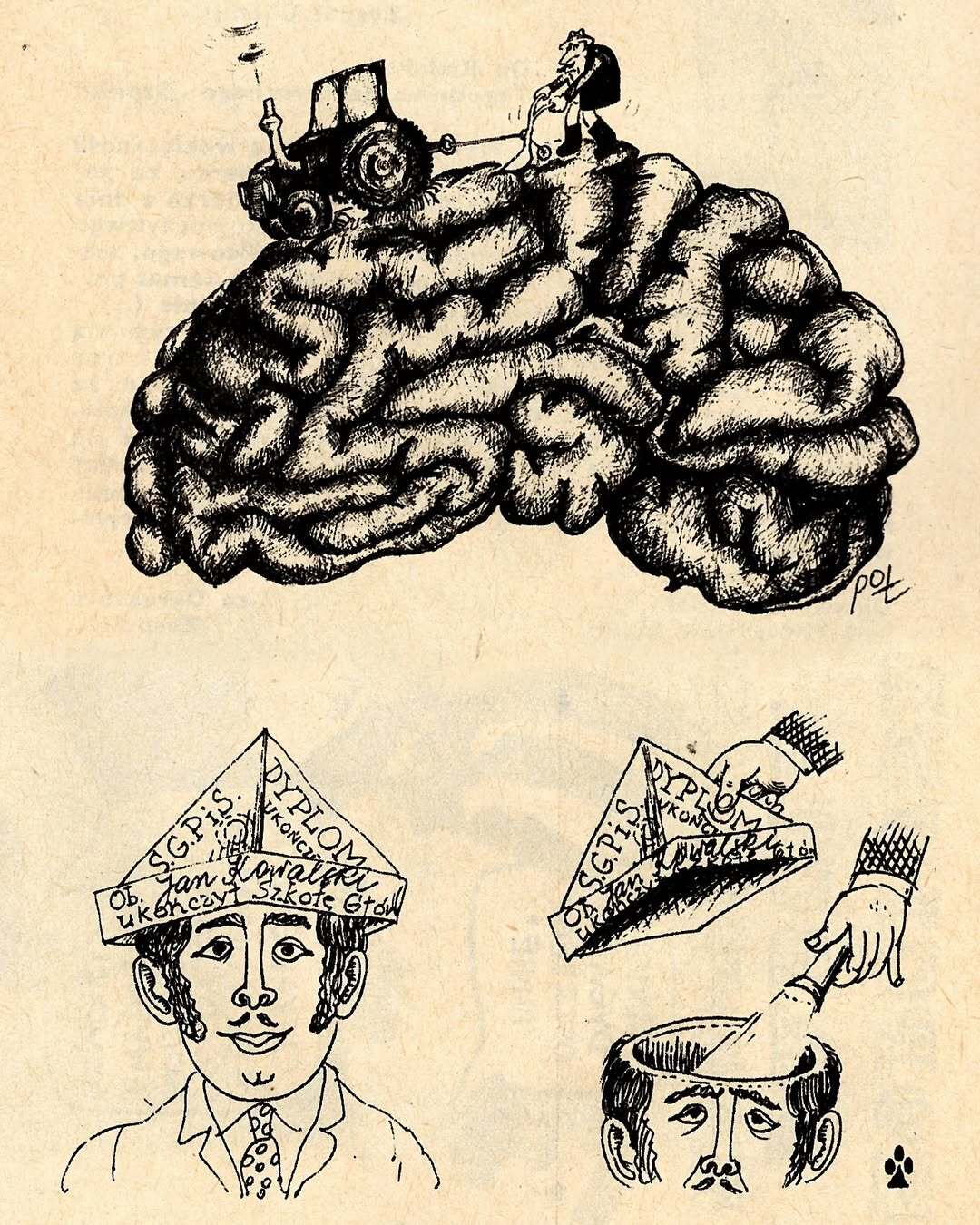
There are indications that Zbigniew Kiulin’s drawings also appeared in the press and in satirical or illustrative publications, which at the time was a common form of activity for artists working in drawing. Such work encouraged the development of visual shorthand, metaphor, and communicative clarity—qualities clearly present in his artistic output.
The works of Zbigniew Kiulin:
appear in auction house catalogues,
circulate within the collectors’ market, particularly in the field of twentieth-century drawing and graphic art,
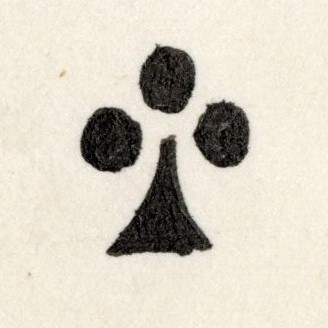
are recognizable by the artist’s signature (“KIULIN”).
Although the artist did not receive a major monograph or large-scale museum retrospectives, his work constitutes a valuable document of the artistic sensibility of his era, as well as an interesting example of an individual, highly personal drawing language.
Zbigniew Kiulin represents a group of artists whose work developed outside the main currents of official art history, yet retained authenticity and expressive strength. His works can today be read as:
a record of the atmosphere of postwar reality,
a personal reflection on the human condition,
an example of high drawing culture and lapidary, disciplined form.