In 2025, we celebrate the 160th birthday of the postcard, also known as the picture postcard. The concept of a postal card that didn’t require an envelope was first proposed by Heinrich von Stephan, a German, during a postal conference in Karlsruhe on November 30, 1865. However, the German states rejected Dr. Stephen’s idea. It wasn’t until four years later that correspondence cards entered circulation in the Austro-Hungarian Empire, initiated by Dr. Emmanuel Herrmann from the Commercial Academy in Graz. These early cards did not yet feature any images.
The first illustrated postcard was sent on July 16, 1870, by bookseller August Schwartz from Oldenburg. It was the so-called “North German Postal Correspondence Card.” Two years later, in 1872, the first postcard featuring a city view was issued in Zurich, Switzerland. That same year, city-view postcards also appeared in the Russian Empire.
After 1872, illustrated postcards depicting cityscapes, known as view cards, became increasingly popular, including in international circulation, which began on July 1, 1875. Initially, illustrations were monochrome and later became multicolored, produced using lithographic techniques. They typically did not cover the entire front (obverse) of the postcard. This layout was due to the postal reform of 1895, which reserved the front side for correspondence and a decorative motif, while the back (reverse) was solely for the address.
The so-called long address lines remained until 1905, when postal authorities agreed on the postcard layout we know today: the obverse featuring a decorative motif and the reverse divided into a correspondence section on the left and a slightly smaller address section on the right.
The postcard boom began in 1900, driven by the widespread use of photographic techniques, which gradually replaced lithography. The golden age of postcards lasted until the 1920s. Postcards not only served as a means of communication but also as historical records, documenting significant events and the customs of various cultures. They were also widely used in advertising.
Old postcards were slightly smaller than the standard size we know today: they measured 85-90 mm in width and 120-140 mm in length (today’s common size is 105 x 148 mm).
Today, old postcards are more than just a retro fashion trend or a nostalgic glimpse into the past. They have become valuable sources of iconographic research. Postcards also serve practical purposes, especially those depicting architectural monuments. These photographic views are often used during restoration projects, providing accurate references for how historic structures once appeared.
Postcards are also popular in museums, where they showcase works of art. Modern printing techniques allow for high-quality reproductions of artworks on postcards, making them popular collectibles and souvenirs.
Our Collection
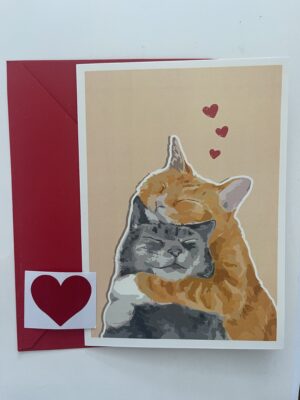
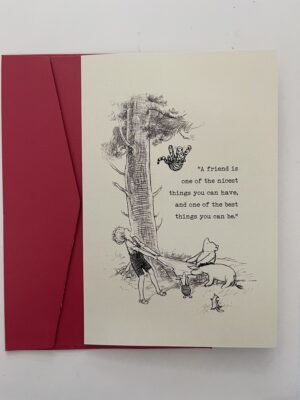
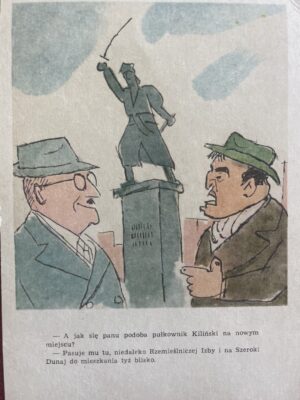
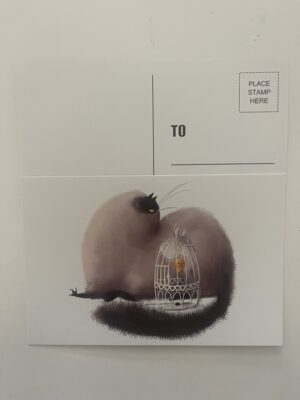
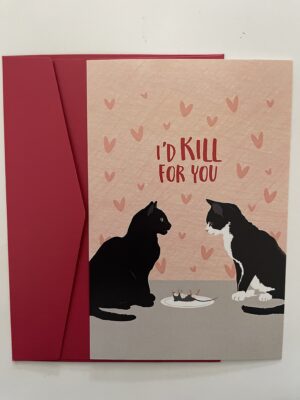
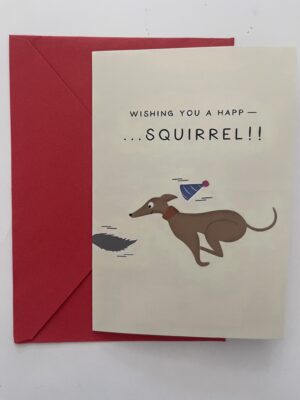
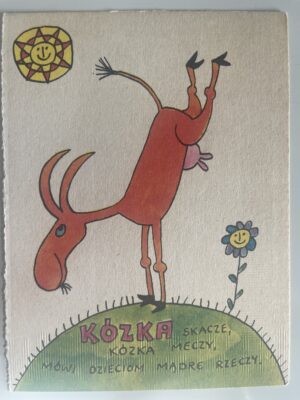
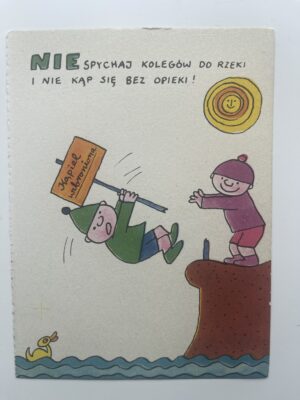
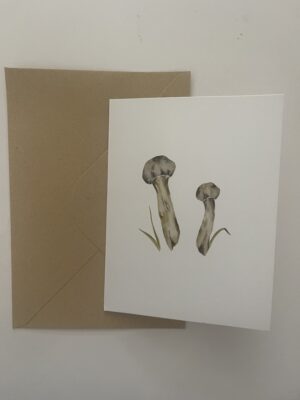
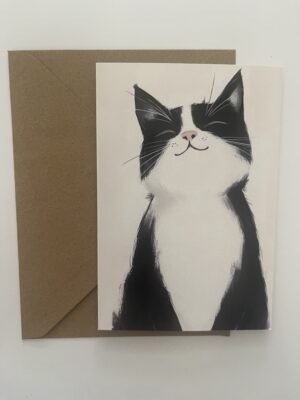
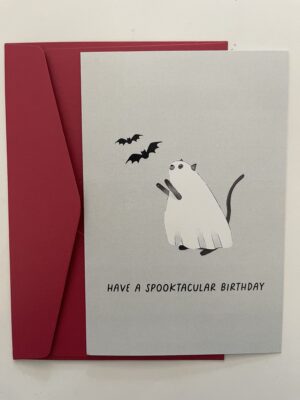
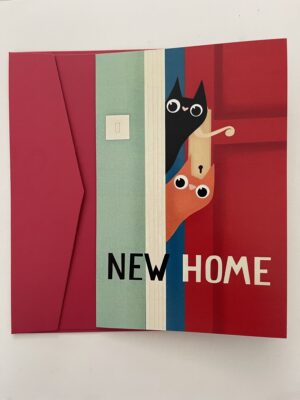
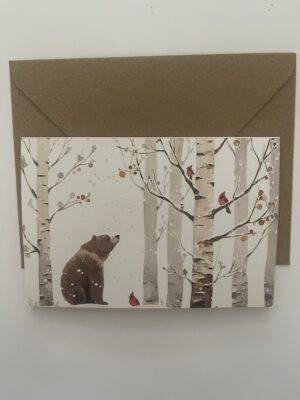
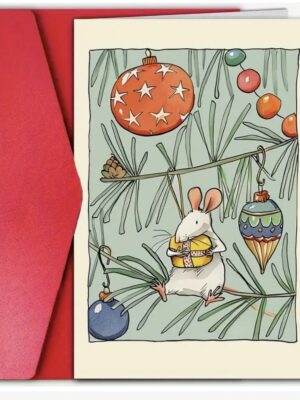
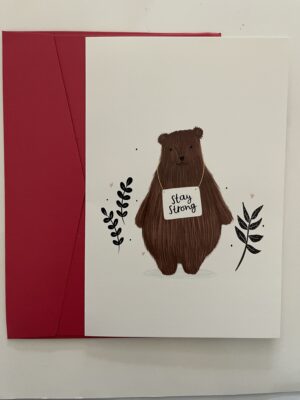
In our postcard collection, you will find unique pieces available exclusively through us. We create our postcards in collaboration with our partner artists. We also offer artistic postcards by other artists and companies specializing in postcard production.
Postcard Trivia
The Polish name for a picture postcard was coined through a competition in the early 20th century. The term “pocztówka” was invented by Henryk Sienkiewicz, a Nobel Prize-winning Polish writer.
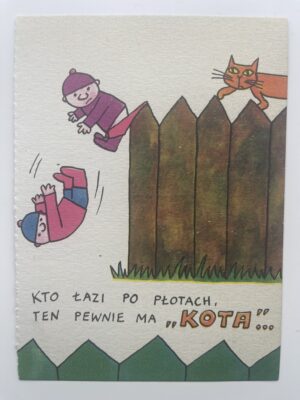
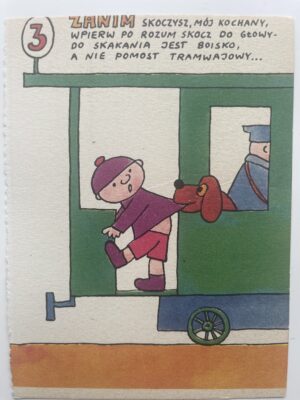
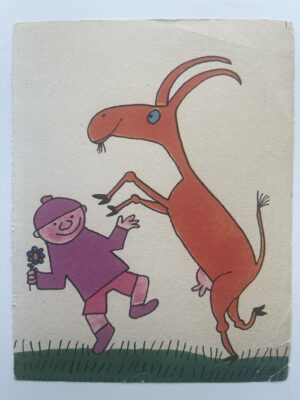
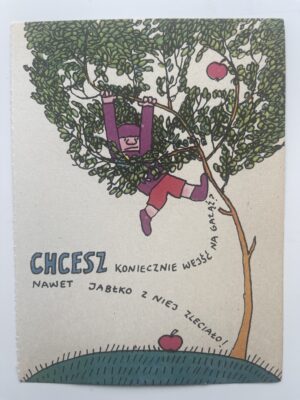
One of the most avid collectors of postcards among Polish artists was Bohdan Butenko, who amassed several thousand of them.
Initially, postcards featured both the illustration and the correspondence space on the same side, with the reverse reserved only for the address. This layout remained until 1905, when the current format was standardized.
The postcard owes much of its popularity in the 19th and 20th centuries to paper quality. The paper used for newspapers was of poor quality, making photographs almost unrecognizable. Postcards, however, were printed on high-quality paper, making them not only visually appealing but also an educational tool.